Physics > Lab Report > Report for Experiment #14 Standing waves (All)
Report for Experiment #14 Standing waves
Document Content and Description Below
Last updated: 2 months ago
Preview 1 out of 8 pages
Instant download
.png)
Buy this document to get the full access instantly
Instant Download Access after purchase
Reviews( 0 )
Document information
Connected school, study & course
About the document
Uploaded On
May 18, 2021
Number of pages
8
Written in
All

Additional information
This document has been written for:
Uploaded
May 18, 2021
Downloads
0
Views
106
Document Keyword Tags
Recommended For You
Get more on Lab Report »
Plasma Physics, 2e by Richard Fitzpatrick (Solutions Manual)

Introduction to Nuclear Reactor Physics 1st Edition By Robert...
Introduction to Biological Physics for the Health and Life Sci...


How Things Work The Physics of Everyday Life 5e Louis A. Bloom...
How Things Work The Physics of Everyday Life 5e Louis A. Bloom...

Hands On Accelerator Physics Using MATLAB®, 1e Volker Ziemann...
Finite Element Computations in Mechanics with R, 1e Khameel Ba...
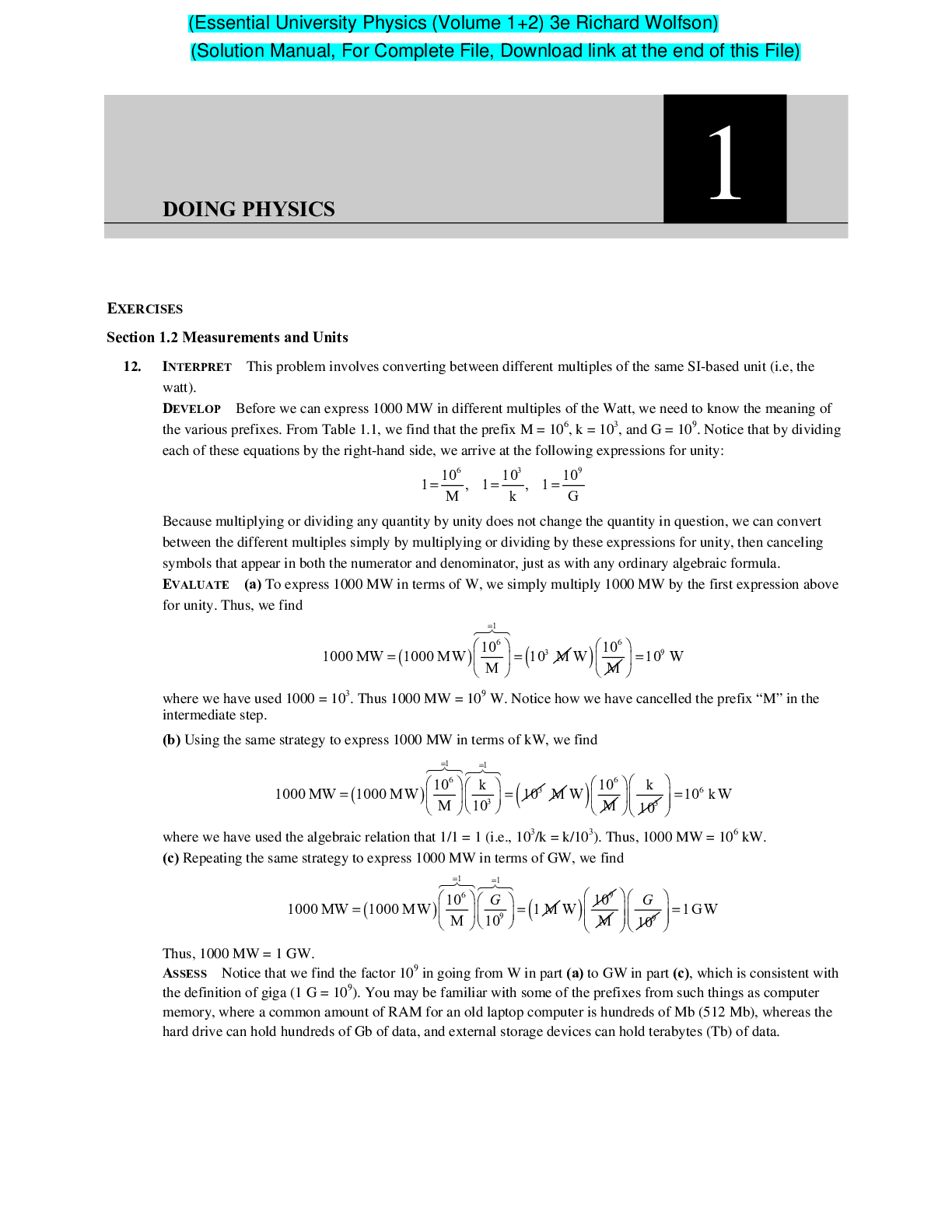
Essential University Physics (Volume 1+2) 3e Richard Wolfson (...
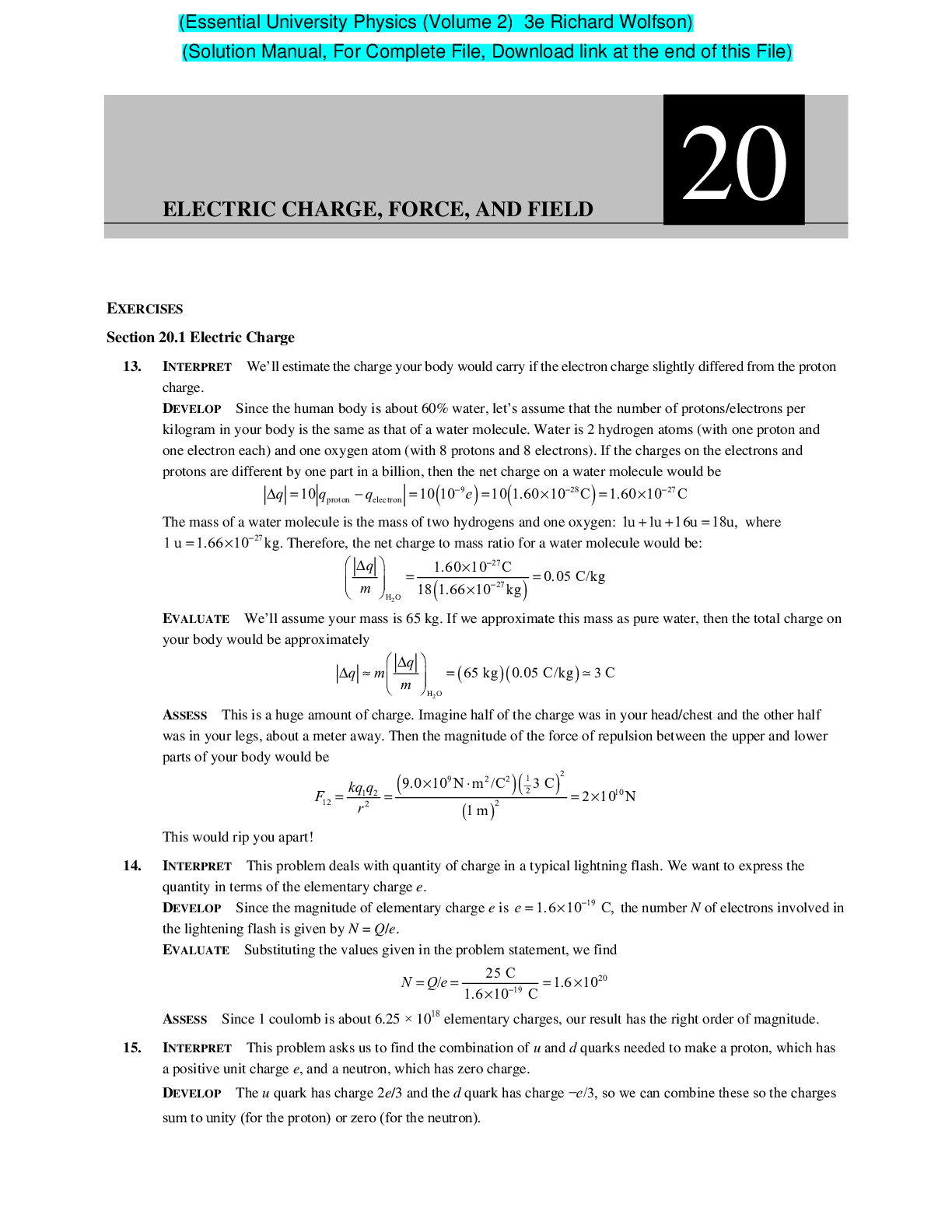
Essential University Physics (Volume 2) 3e Richard Wolfson (S...
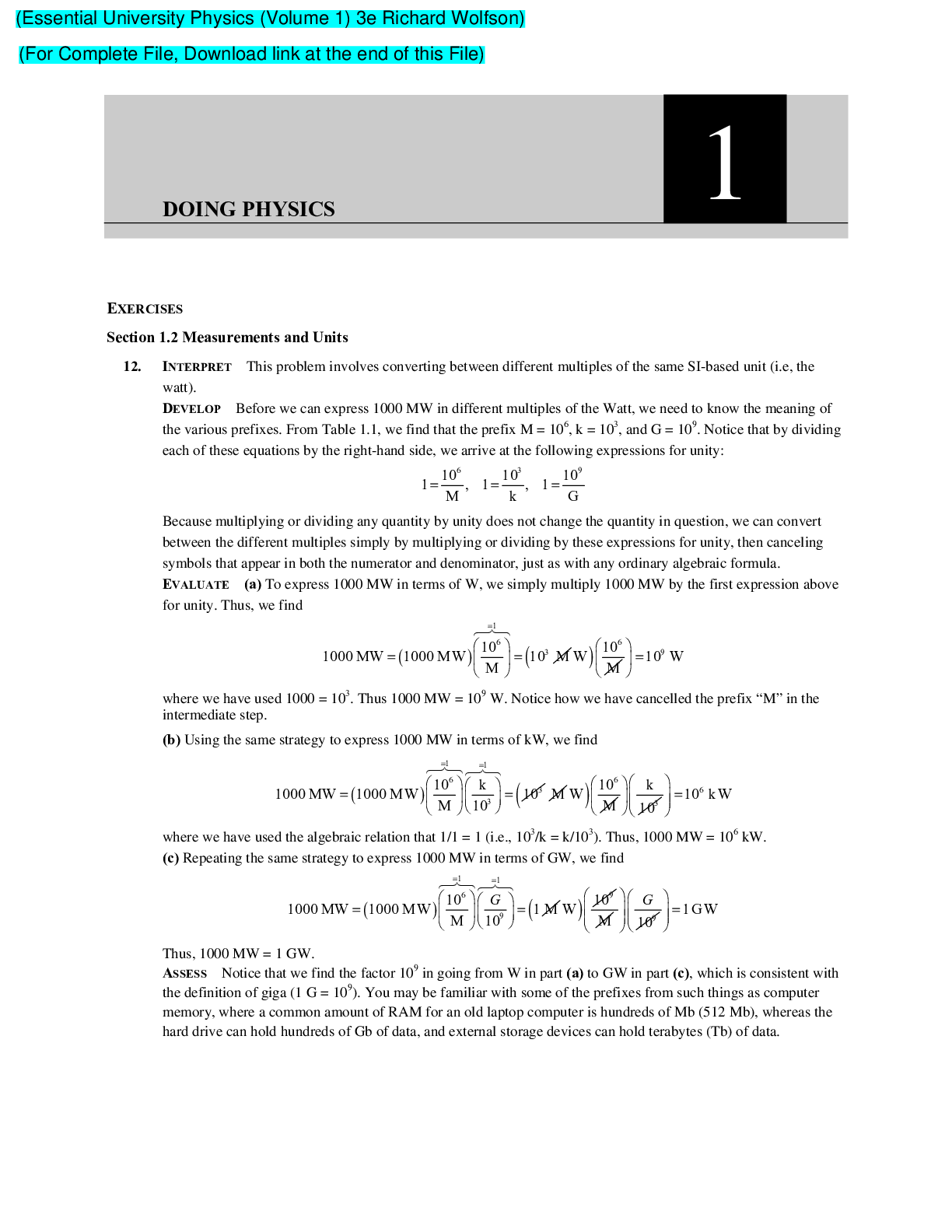
Essential University Physics (Volume 1) 3e Richard Wolfson (So...
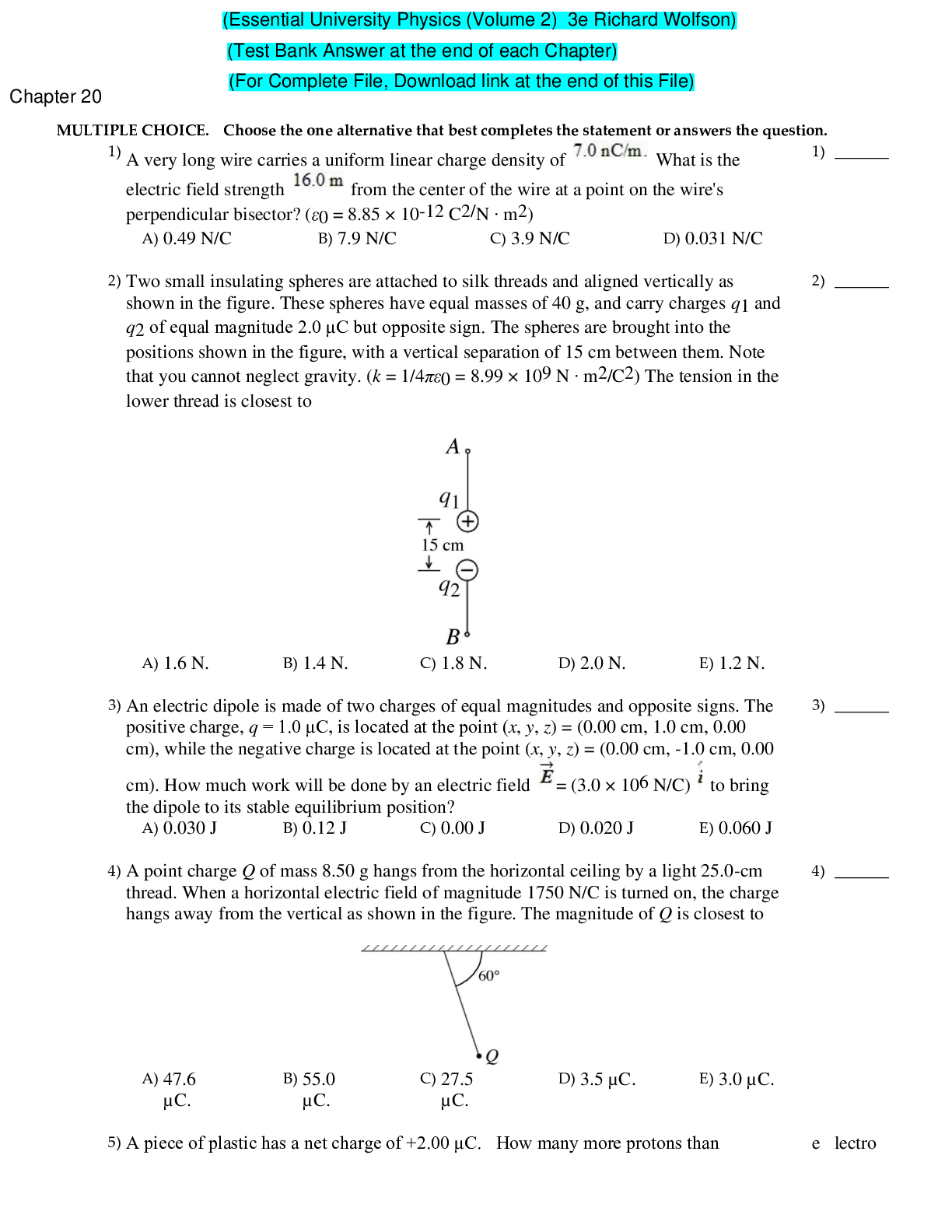
Essential University Physics (Volume 2) 3e Richard Wolfson (T...
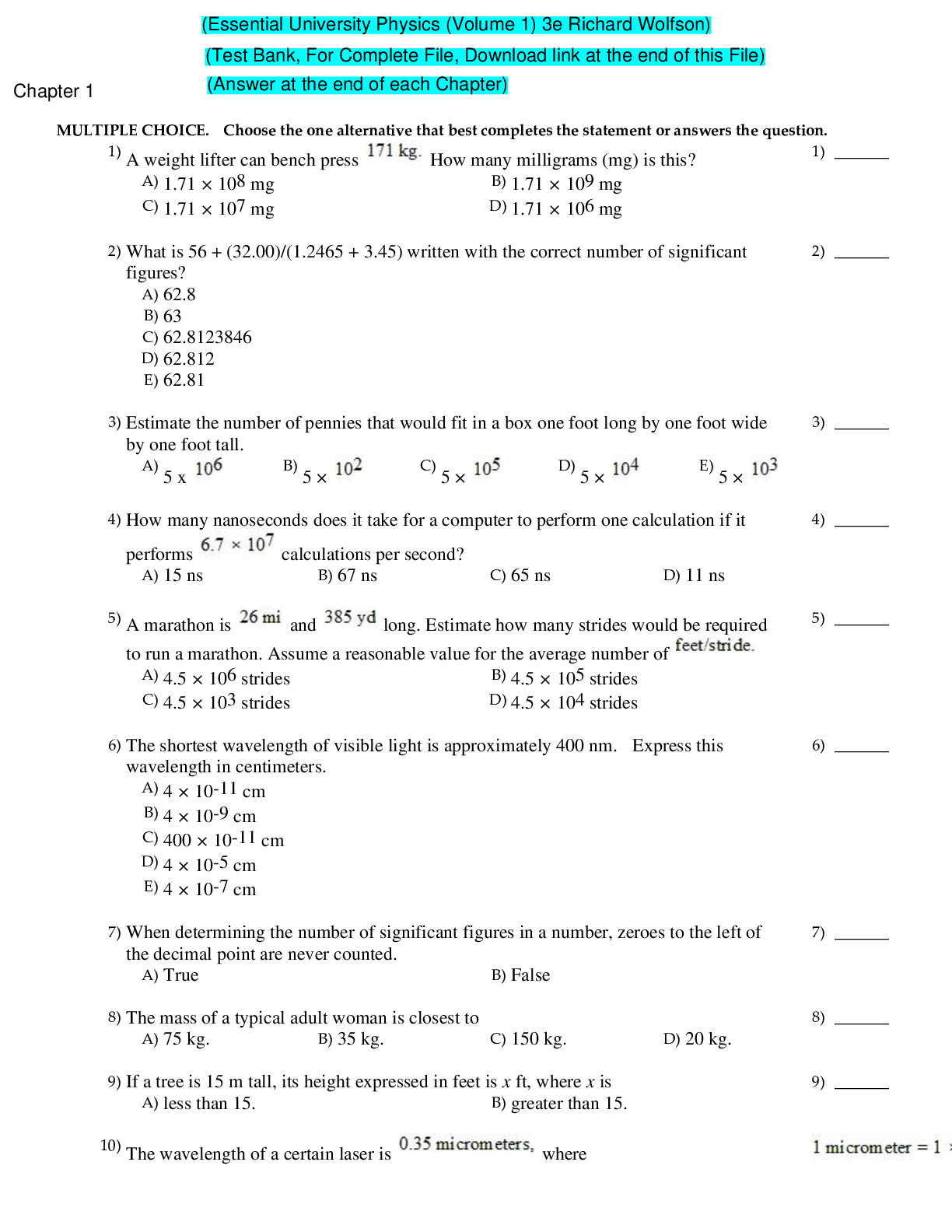
Essential University Physics (Volume 1) 3e Richard Wolfson (Te...
Essential University Physics (Volume 1+2) 3e Richard Wolfson (...


Conceptual Physics, (Global Edition) 13e Paul G Hewitt (Soluti...
.png)
How Things Work The Physics of Everyday Life, 6e Louis Bloomfi...
.png)
How Things Work The Physics of Everyday Life, 6e Louis Bloomfi...



.png)



.png)

.png)

