Pathophysiology  >  EXAMs  >  Question and Answers bank- NSG 5003 Final pathophysiology.pdf (All)

Question and Answers bank- NSG 5003 Final pathophysiology.pdf

Document Content and Description Below

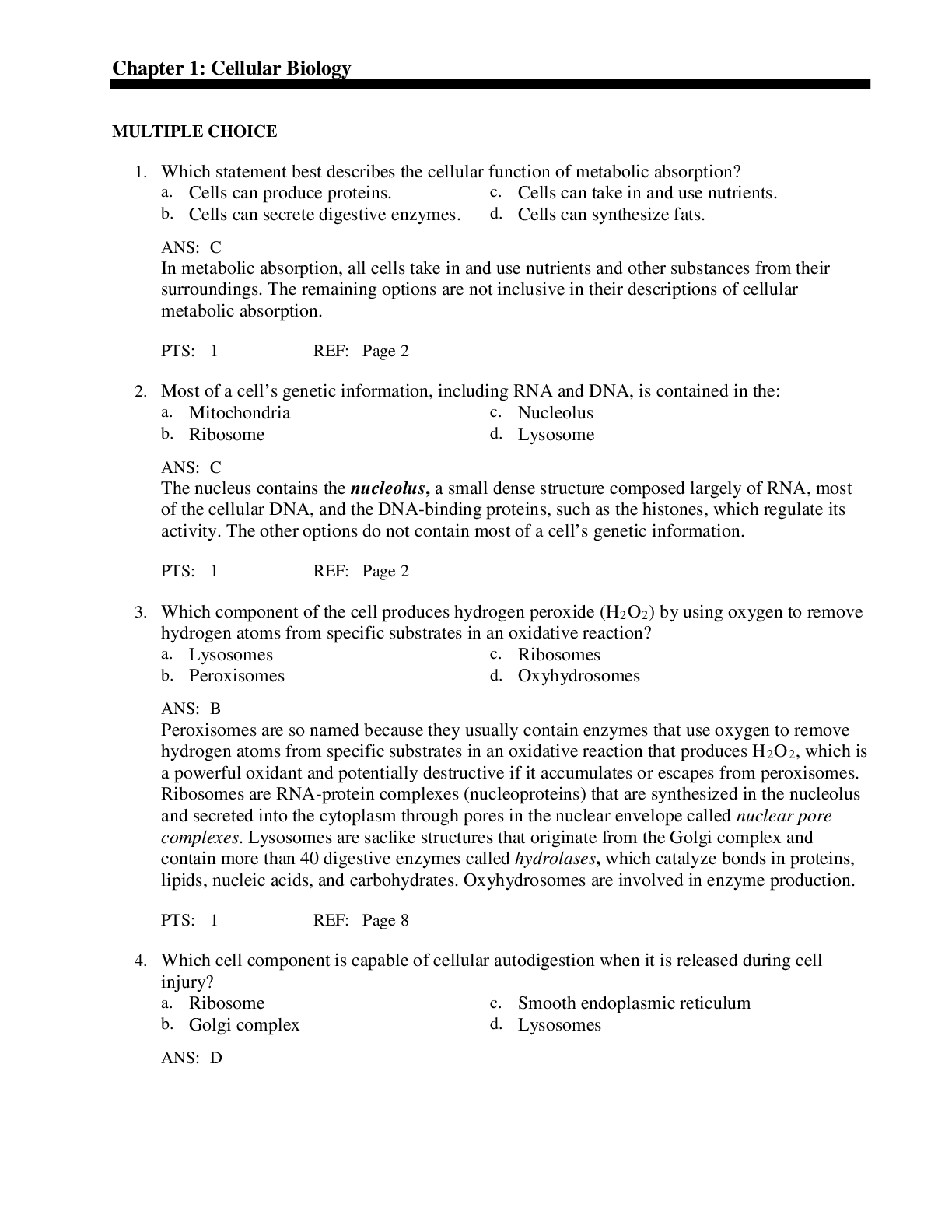
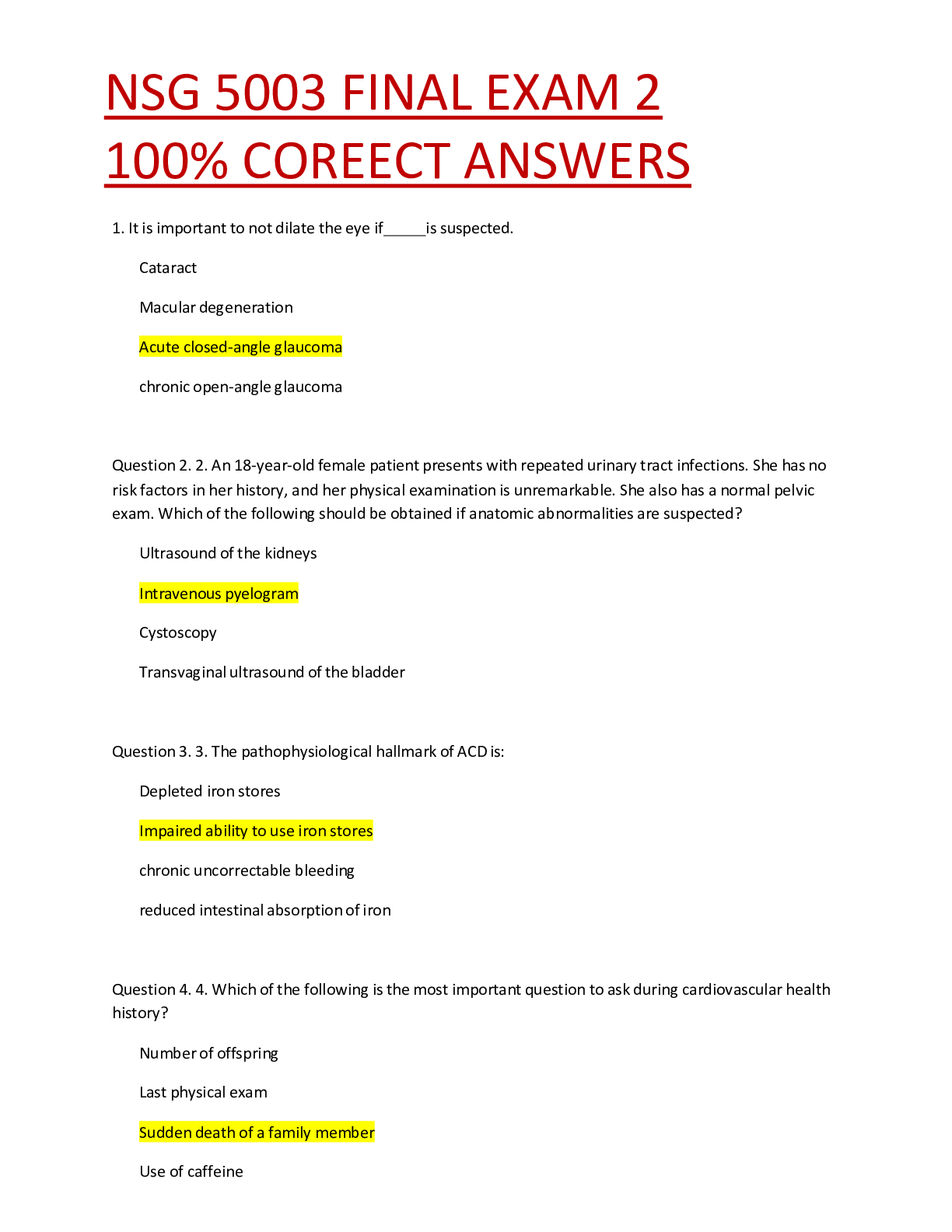
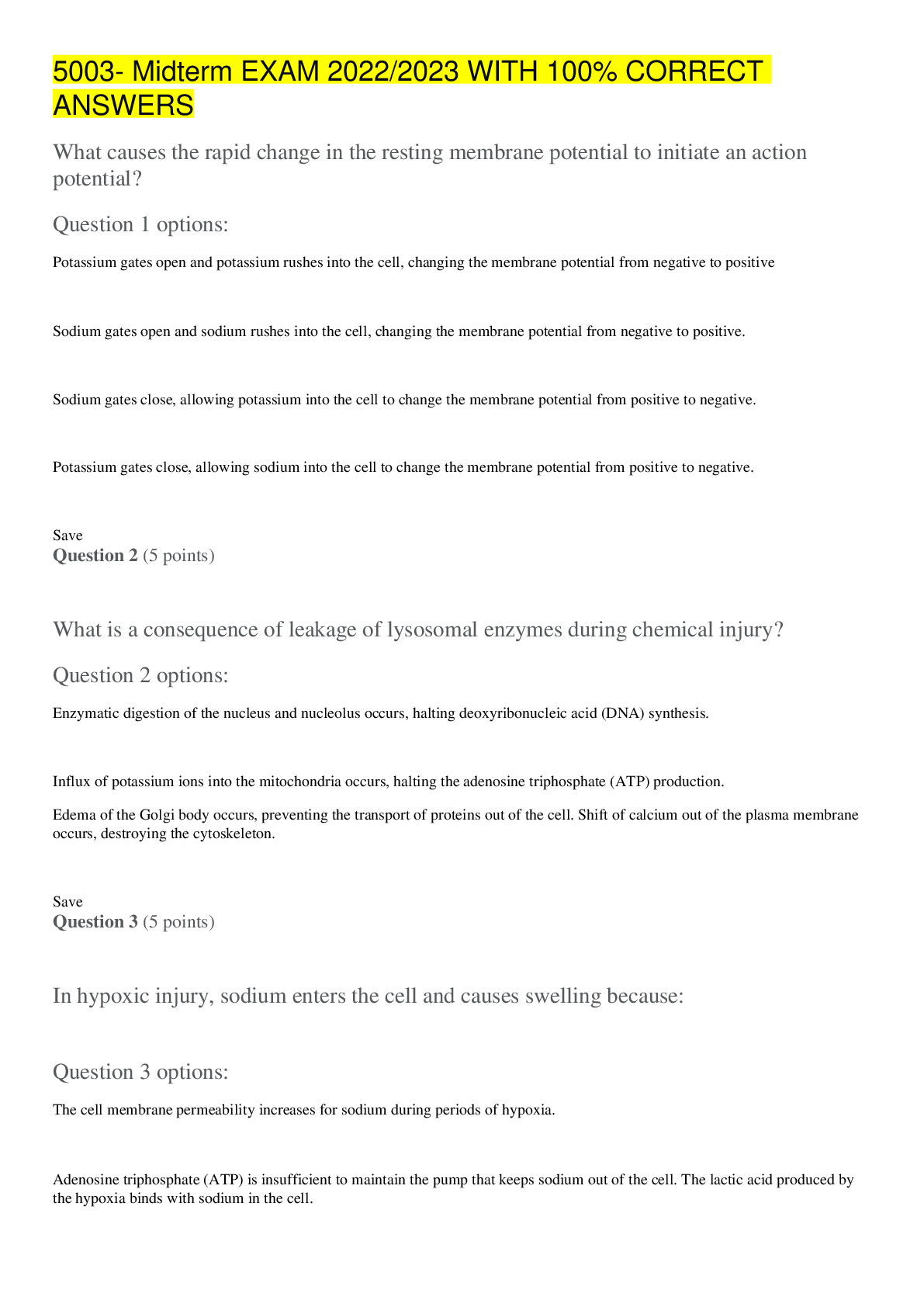
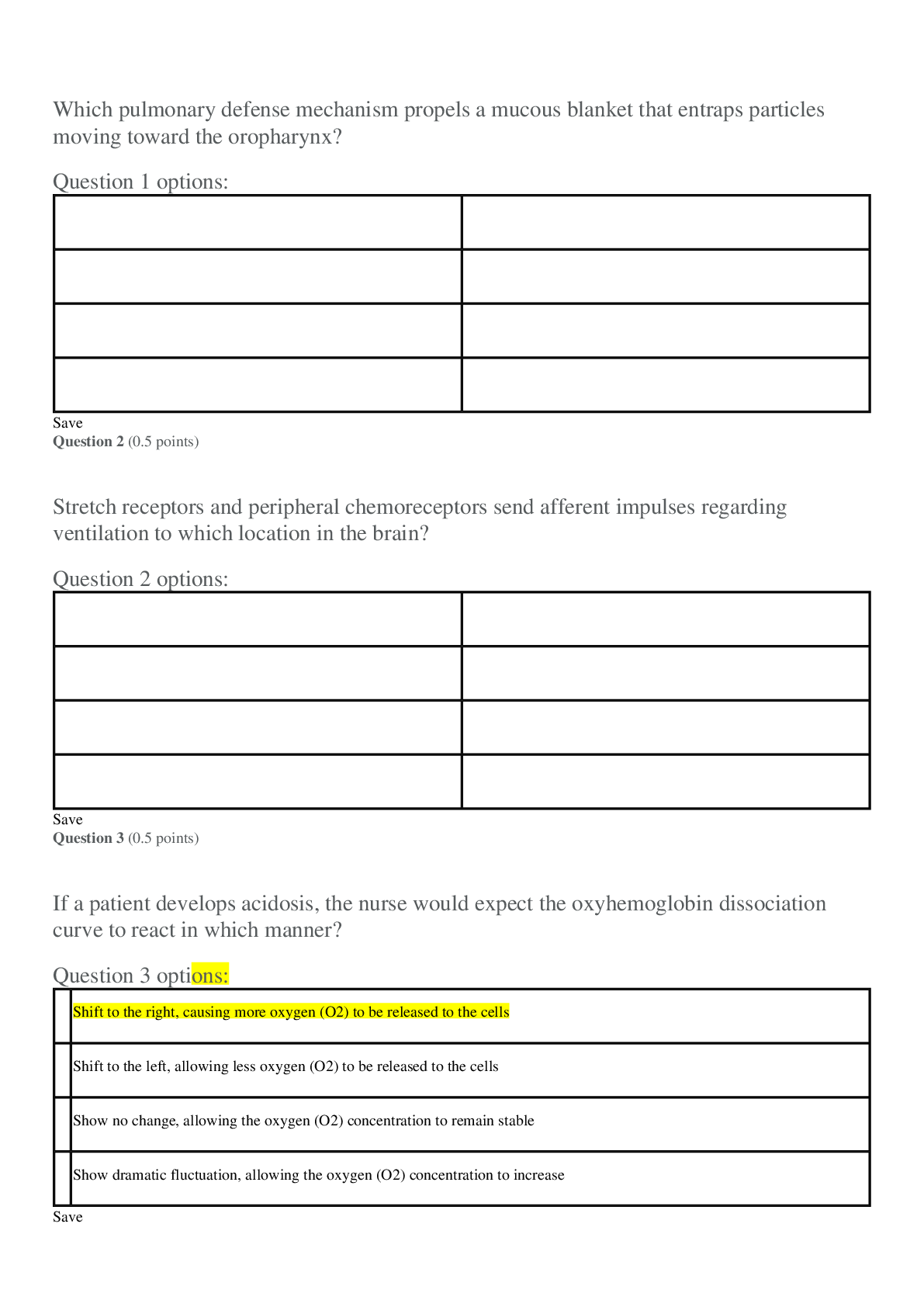
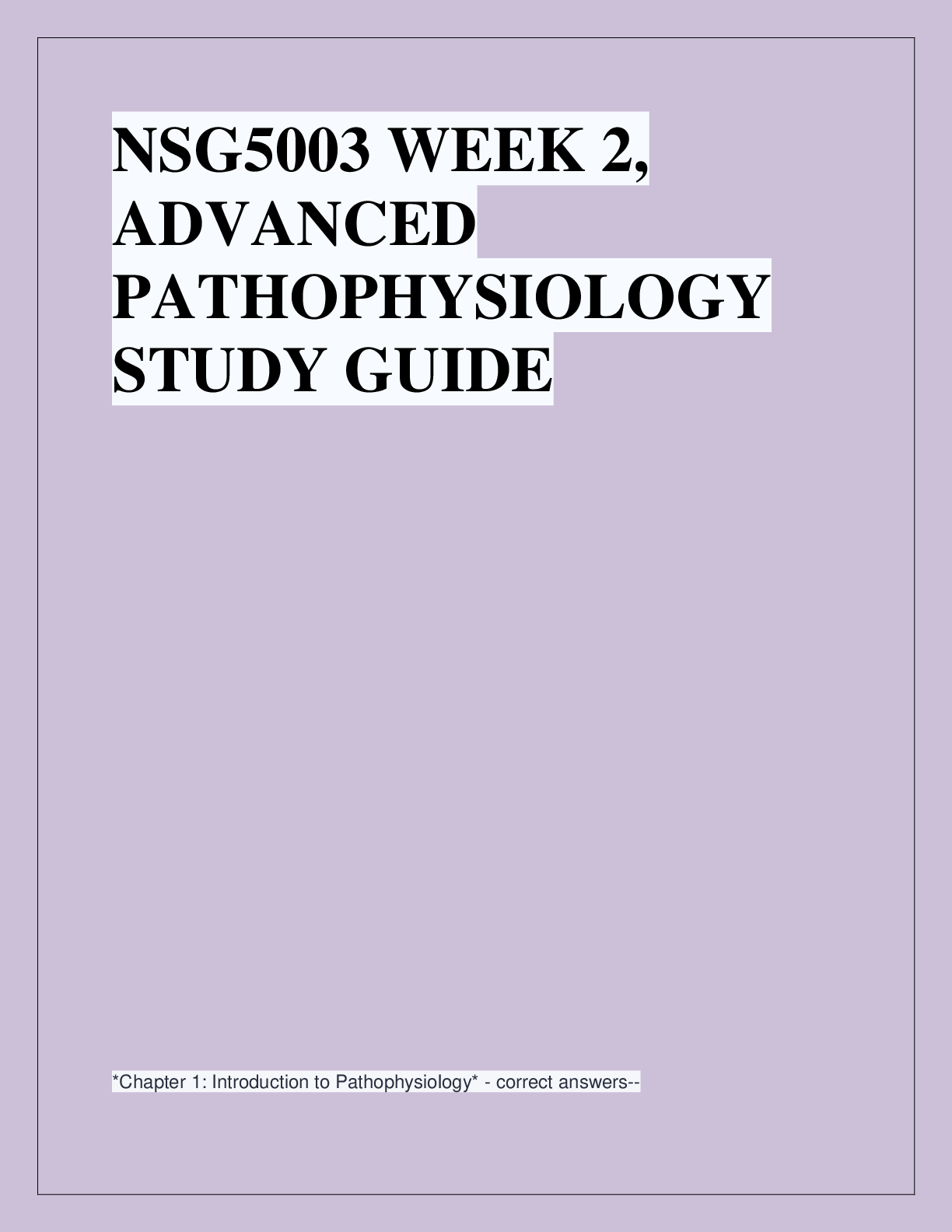
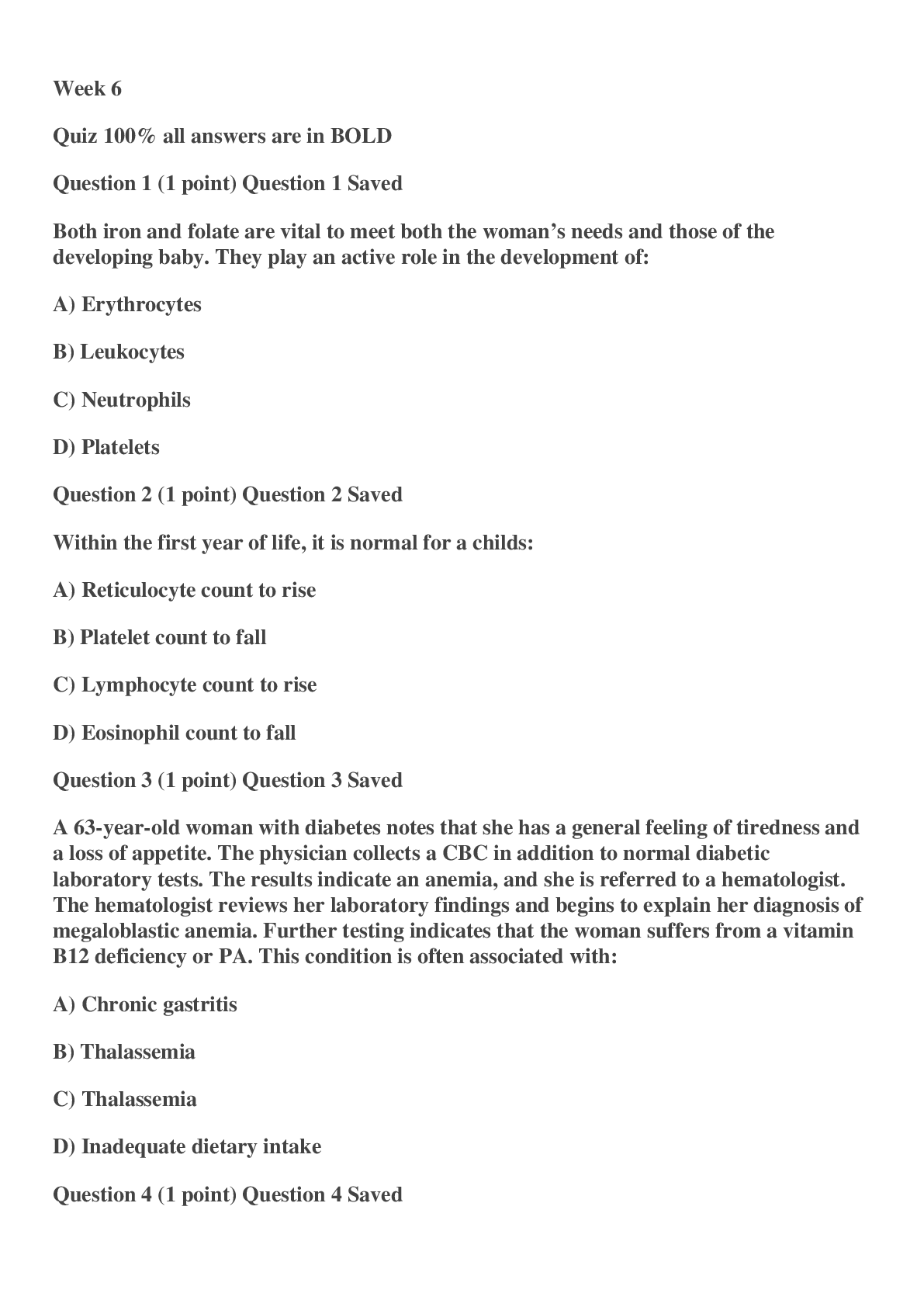
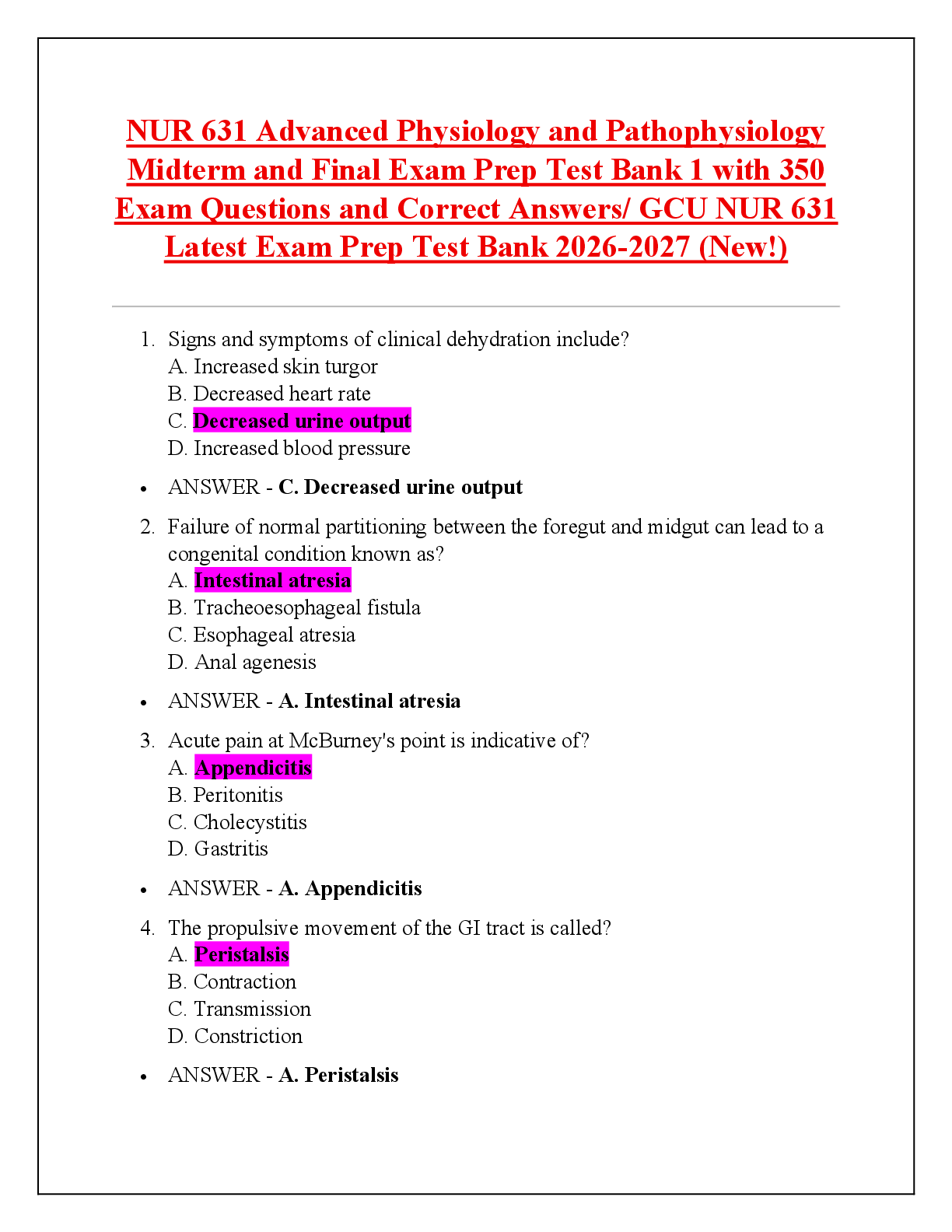
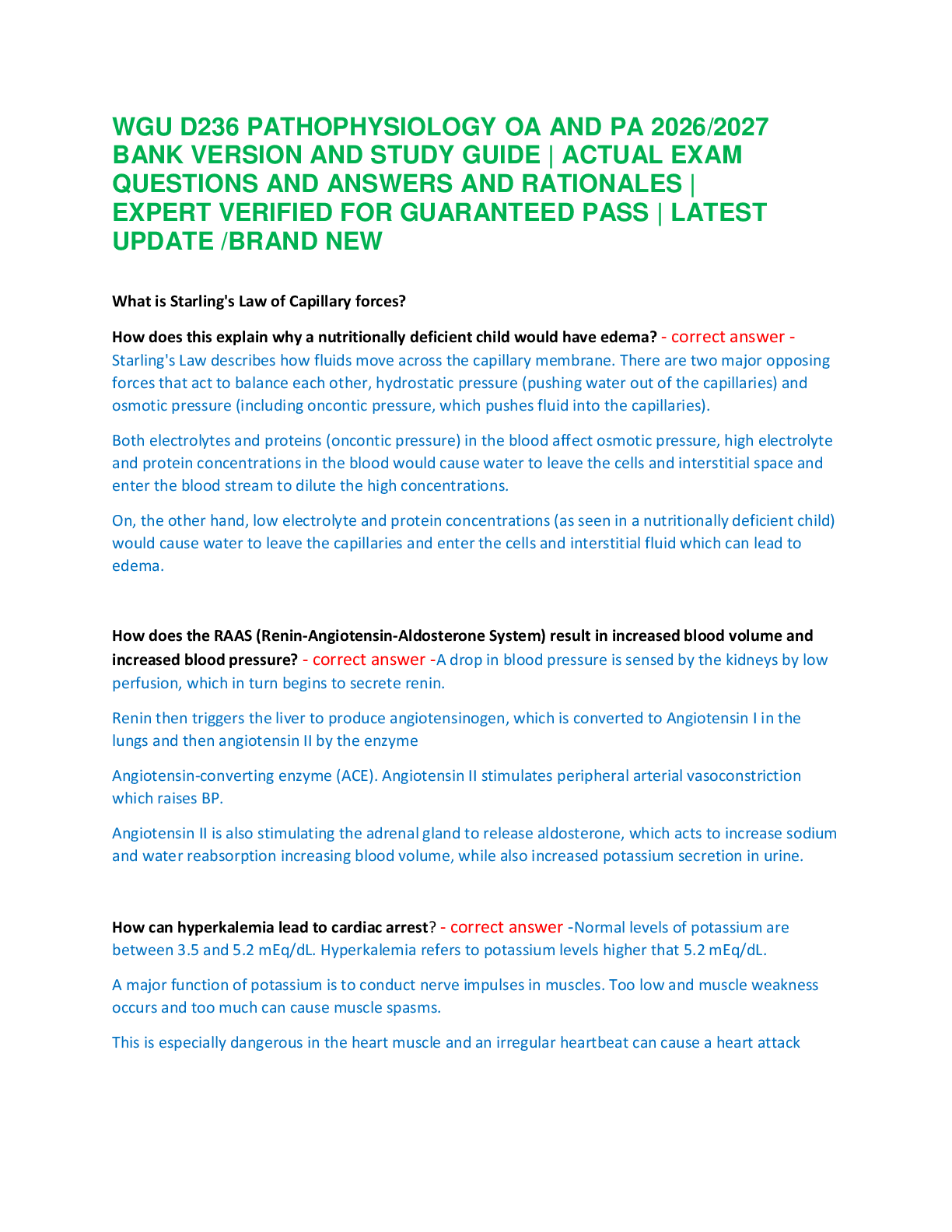
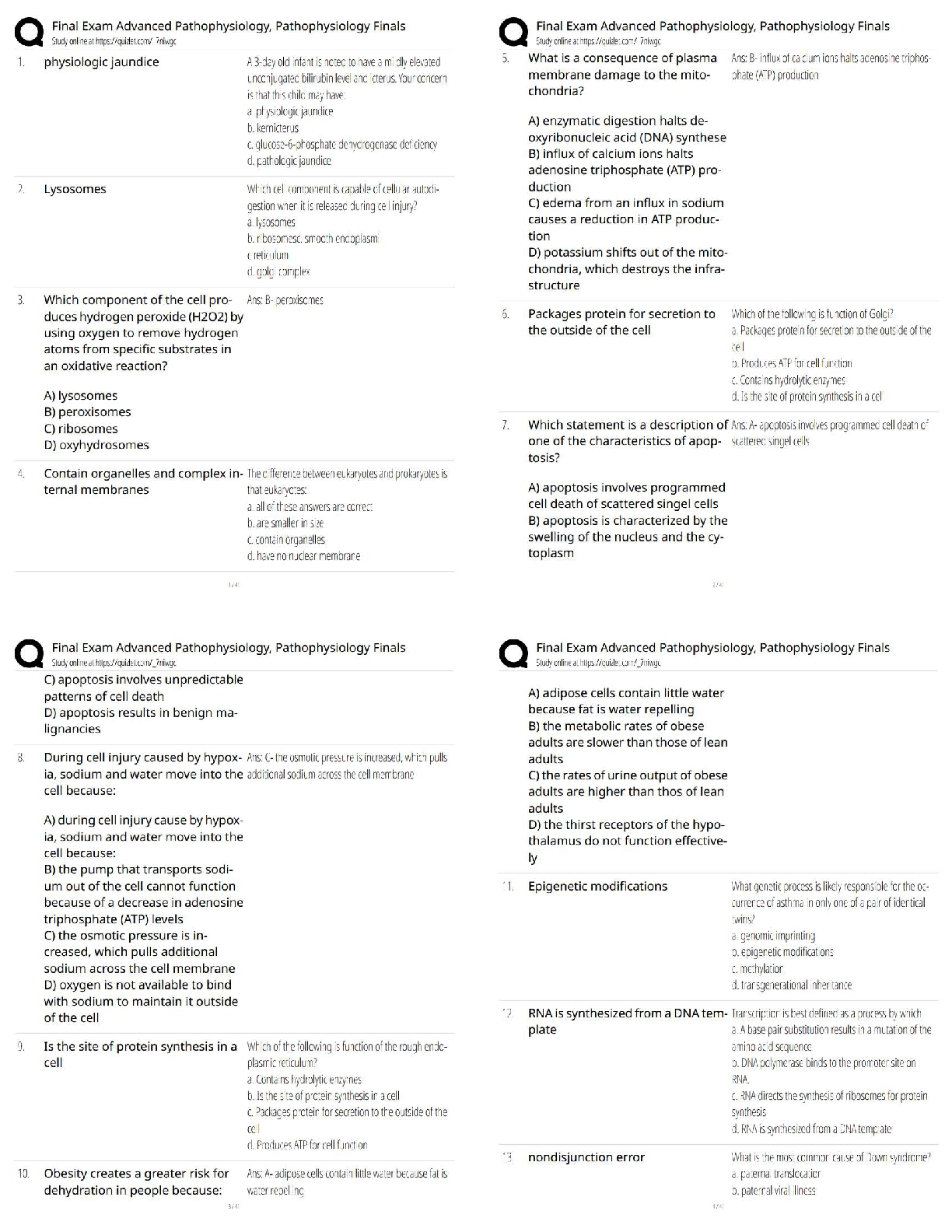
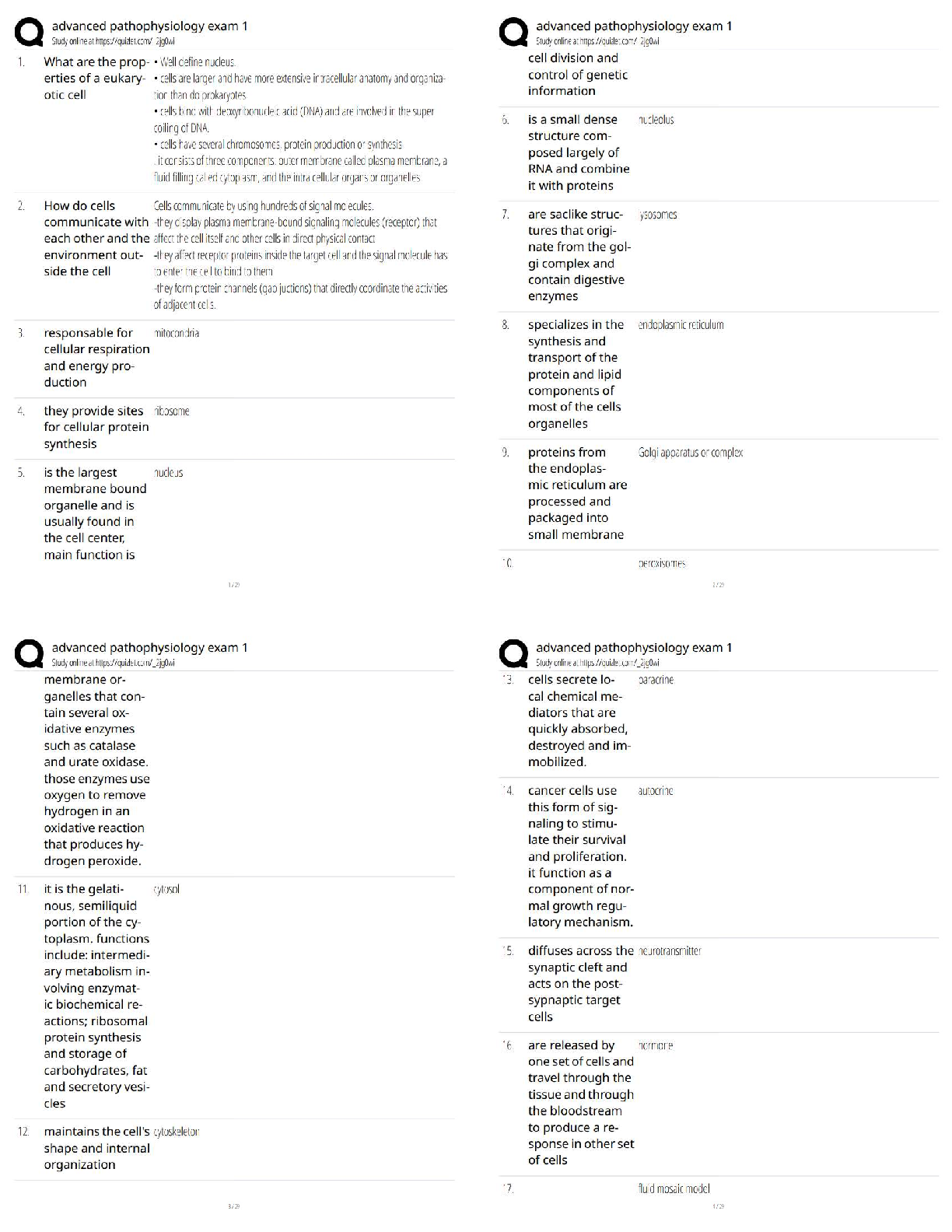
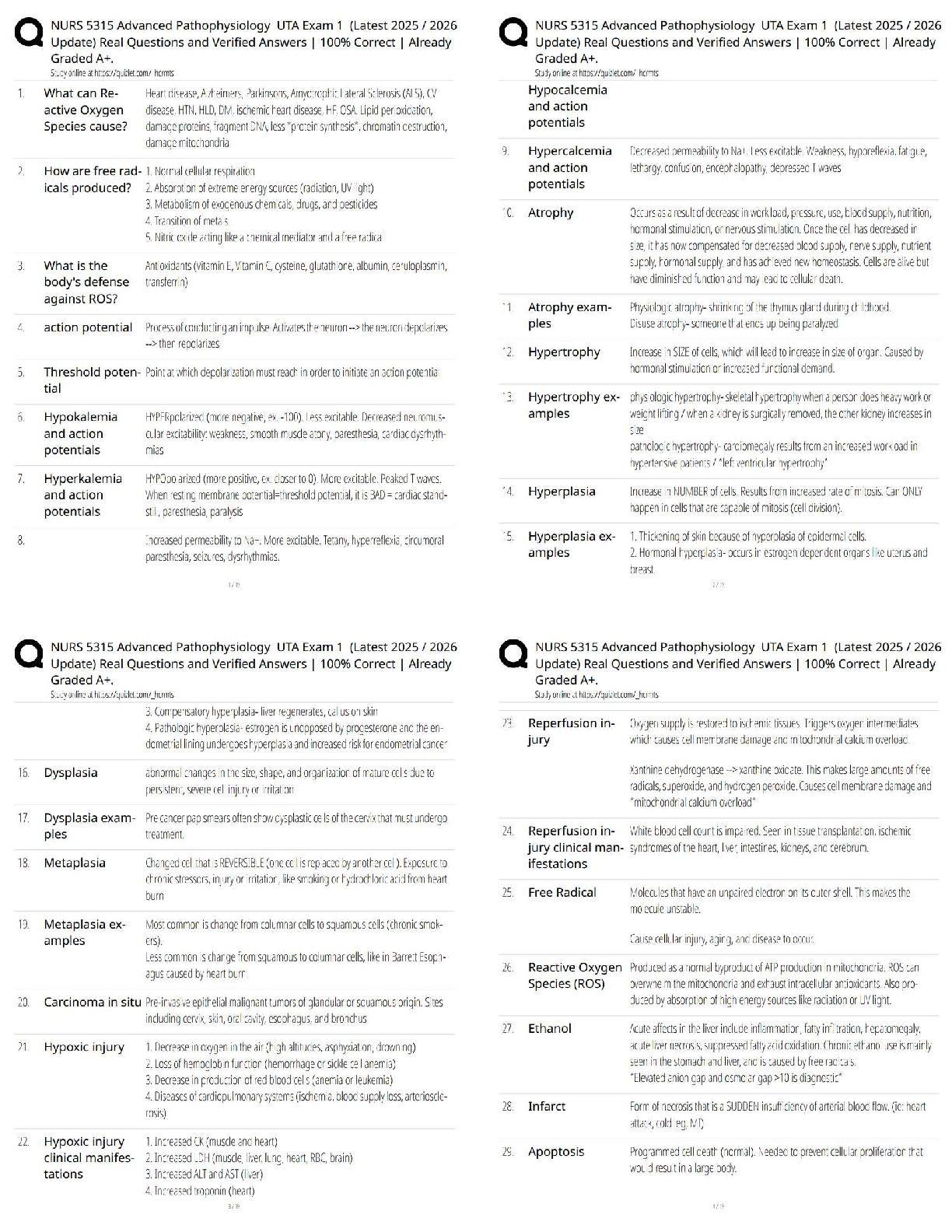
Chapter 1: Cellular Biology MULTIPLE CHOICE 1. Which statement best describes the cellular function of metabolic absorption? 2. Most of a cell’s genetic information, including RNA and DN ... A, is contained in the: 3. Which component of the cell produces hydrogen peroxide (H2O2) by using oxygen to remove hydrogen atoms from specific substrates in an oxidative reaction? 4. Which cell component is capable of cellular autodigestion when it is released during cell injury? 5. What is the sequence of steps in the development of a digestive enzyme by the pancreas cells from the initial transcription to the release from the cell? 6. During which phase of the cell cycle is DNA synthesized? 7. What organic compound facilitates transportation across cell membranes by acting as receptors, transport channels for electrolytes, and enzymes to drive active pumps? 8. Understanding the various steps of proteolytic cascades, such as caspase-mediated apoptosis and complement cascades, may be useful in designing drug therapy for which human diseases? 9. Which structure prevents water-soluble molecules from entering cells across the plasma membrane? 10. The fluid mosaic model explains: 11. Which form of cell communication is used to communicate within the cell itself and with other cells in direct physical contact? 12. Which mode of chemical signaling uses blood to transport communication to cells some distance away? 13. Which mode of chemical signaling uses local chemical mediators that are quickly taken up, destroyed, or immobilized? 14. Neurotransmitters affect the postsynaptic membrane by binding to: 15. How do cells receive communication from the extracellular fluid surrounding them? 16. When a second message is necessary for extracellular communication to be activated, it is provided by which one? 17. Under anaerobic conditions, what process provides energy for the cell? 18. What is the mechanism by which the energy produced from carbohydrates, proteins, and lipids is transferred to adenosine triphosphate (ATP)? 19. Passive transport is best described with which statement? [Show More]

Last updated: 3 years ago

Preview 1 out of 878 pages

Buy Now

Instant download

We Accept:

Payment methods accepted on Scholarfriends (We Accept)
Preview image of Question and Answers bank- NSG 5003 Final pathophysiology.pdf document

Buy this document to get the full access instantly

Instant Download Access after purchase

Buy Now

Instant download

We Accept:

Payment methods accepted on Scholarfriends (We Accept)

Reviews( 0 )

$19.00

Buy Now

We Accept:

Payment methods accepted on Scholarfriends (We Accept)

Instant download

Can't find what you want? Try our AI powered Search

61
0

Document information


Connected school, study & course


About the document


Uploaded On

Aug 06, 2021

Number of pages

878

Written in

All

Seller


Profile illustration for Nicky
Nicky

Member since 5 years

24 Documents Sold

Reviews Received
1
1
0
0
1
Additional information

This document has been written for:

Uploaded

Aug 06, 2021

Downloads

 0

Views

 61

Document Keyword Tags

Recommended For You

Get more on EXAMs »

$19.00
What is Scholarfriends

Scholarfriends.com Online Platform by Browsegrades Inc. 651N South Broad St, Middletown DE. United States.

We are here to help

We're available through e-mail, Twitter, and live chat.
 FAQ
 Questions? Leave a message!


Copyright © Scholarfriends · High quality services·