Finance > TEST BANKS > Test Bank Introductory Econometrics A Modern Approach 5th Edition by Jeffrey M. Wooldridge. (All)
Test Bank Introductory Econometrics A Modern Approach 5th Edition by Jeffrey M. Wooldridge.
Document Content and Description Below
Last updated: 3 years ago
Preview 1 out of 130 pages
Instant download

Buy this Document to get the Full Access Instantly
Provided by Students Who Aced it
We Verify Document Content to Gurantee Accuracy
Reviews( 0 )
Document information
Connected school, study & course
About the document
Uploaded On
Aug 07, 2021
Number of pages
130
Written in
All

Additional information
This document has been written for:
Uploaded
Aug 07, 2021
Downloads
0
Views
117
Topic Tags
Recommended For You
Get more on TEST BANKS »
Test Bank for Introduction to Corporate Finance, 5th Canadian...
TEST BANK for Introduction to Personal Finance Beginning Your...
Test Bank for Introduction to Corporate Finance, 4th Canadian...
Introduction to Corporate Finance Asia-Pacific Edition 2nd Edi...
Introduction to Finance Markets, Investments, and Financial Ma...
Introduction to Finance Markets, Investments, and Financial Ma...
Test Bank for Intermediate Financial Management 14e Eugene Bri...
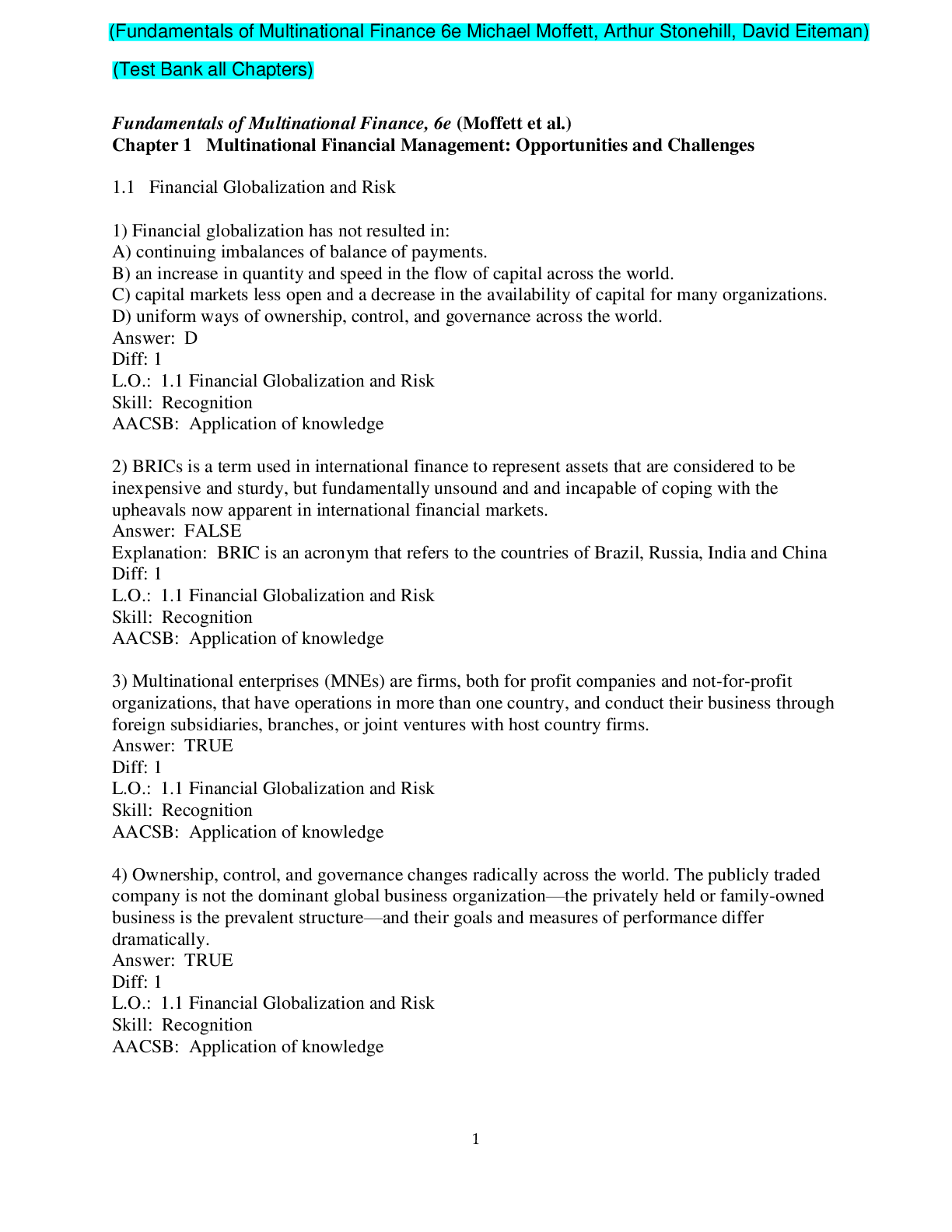
Fundamentals of Multinational Finance 6e Michael Moffett, Arth...
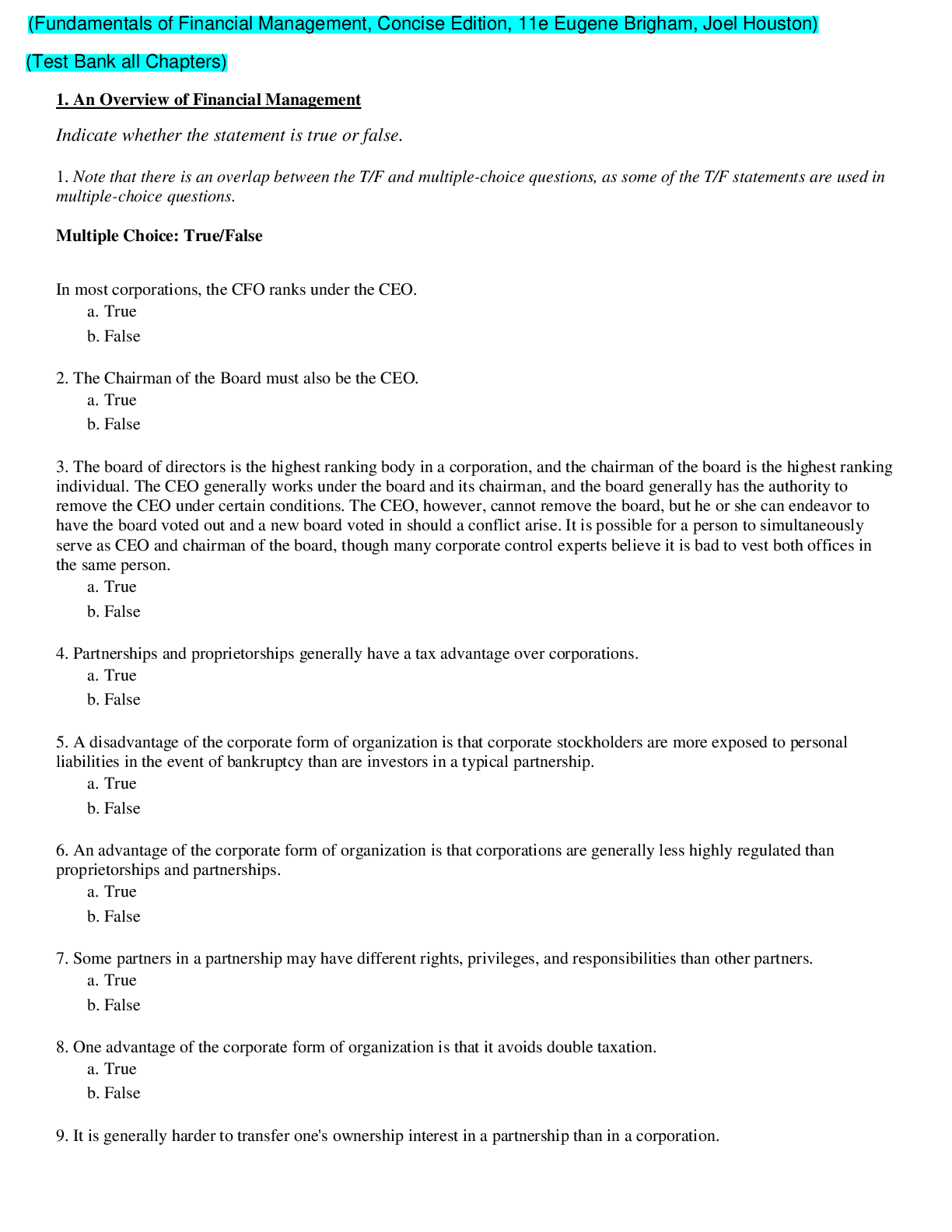
Fundamentals of Financial Management, Concise Edition, 11e Eug...
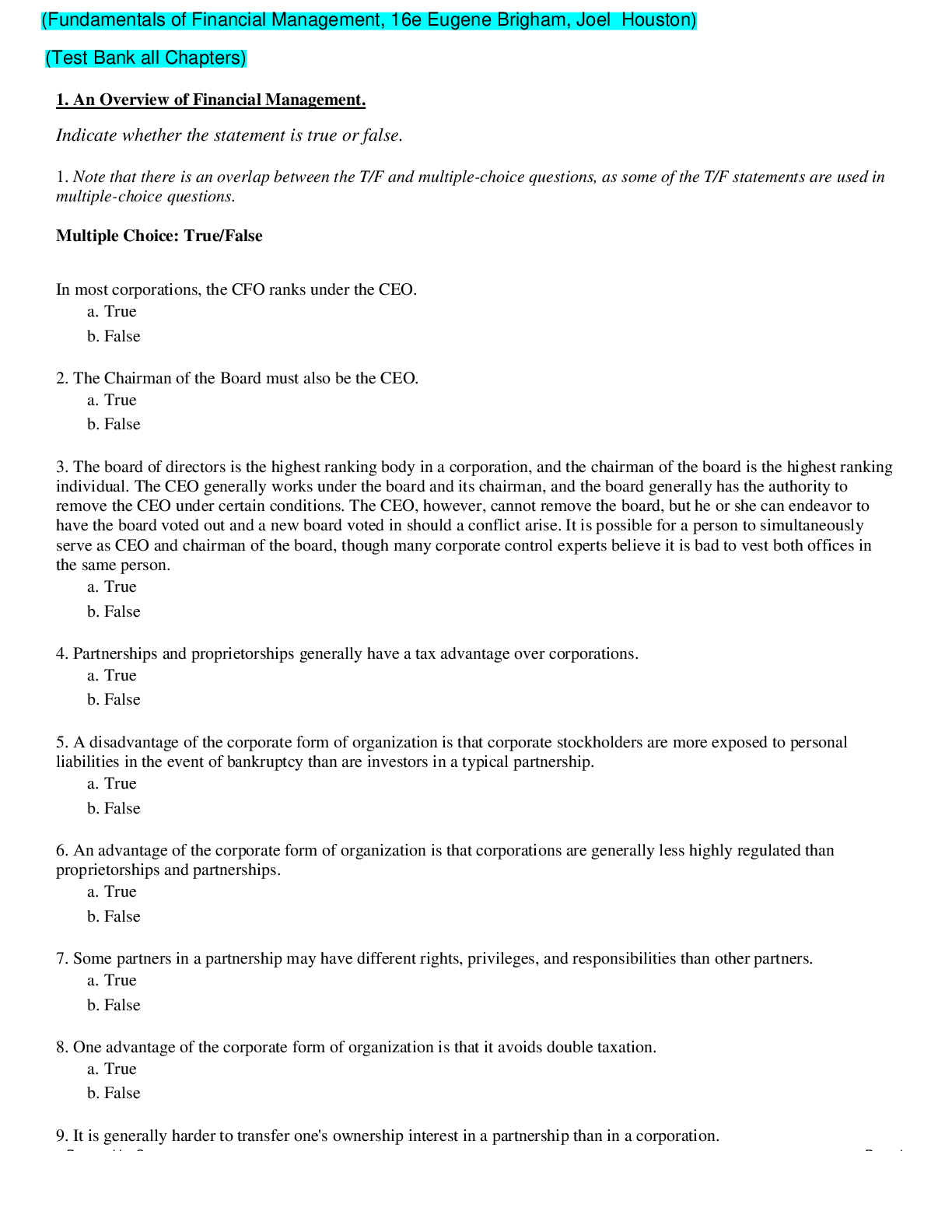
Fundamentals of Financial Management, 16e Eugene Brigham, Joel...
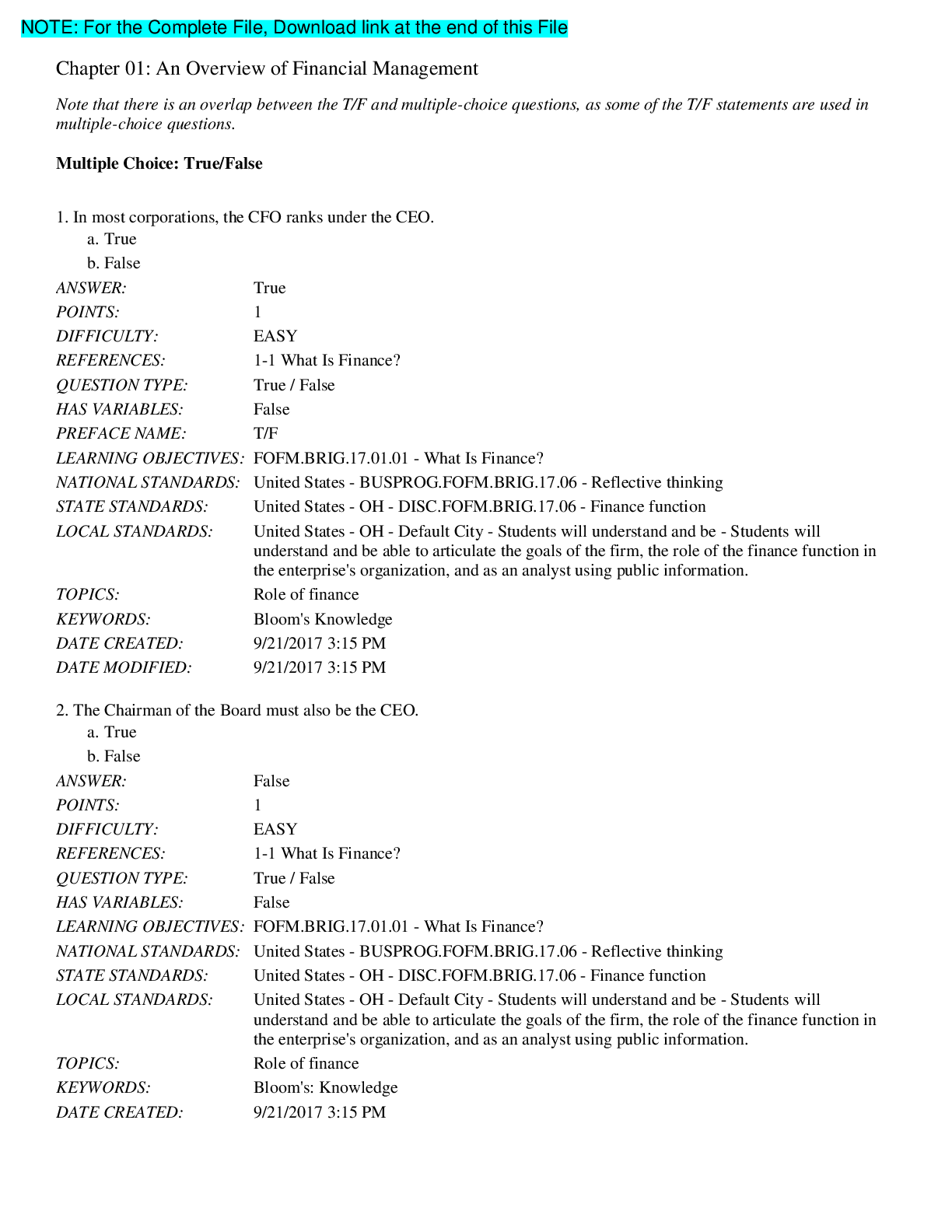
Fundamentals of Financial Management, 15e Eugene Brigham, Joe...
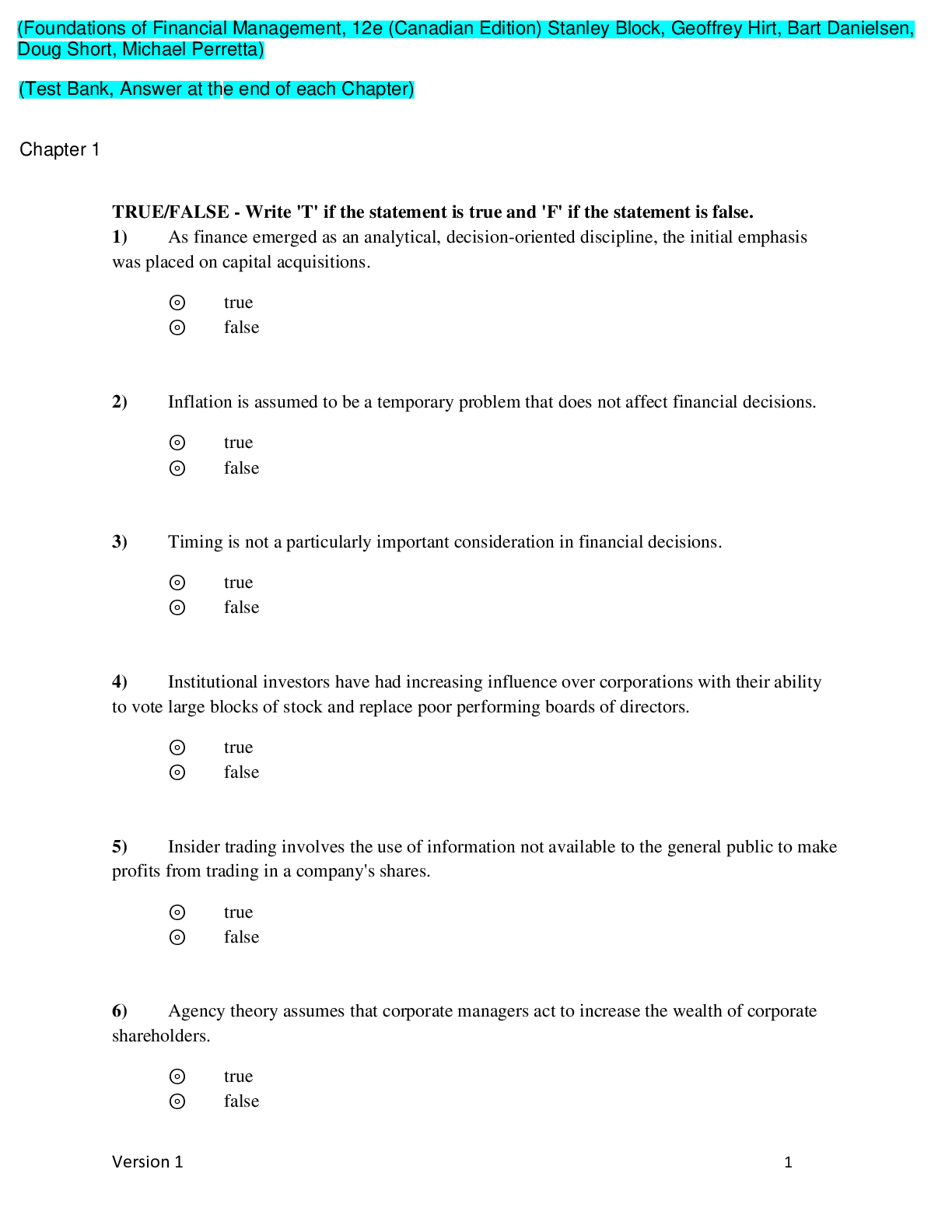
Foundations of Financial Management, 12e (Canadian Edition) St...
Test Bank for Foundations of Financial Management, 17th Editio...
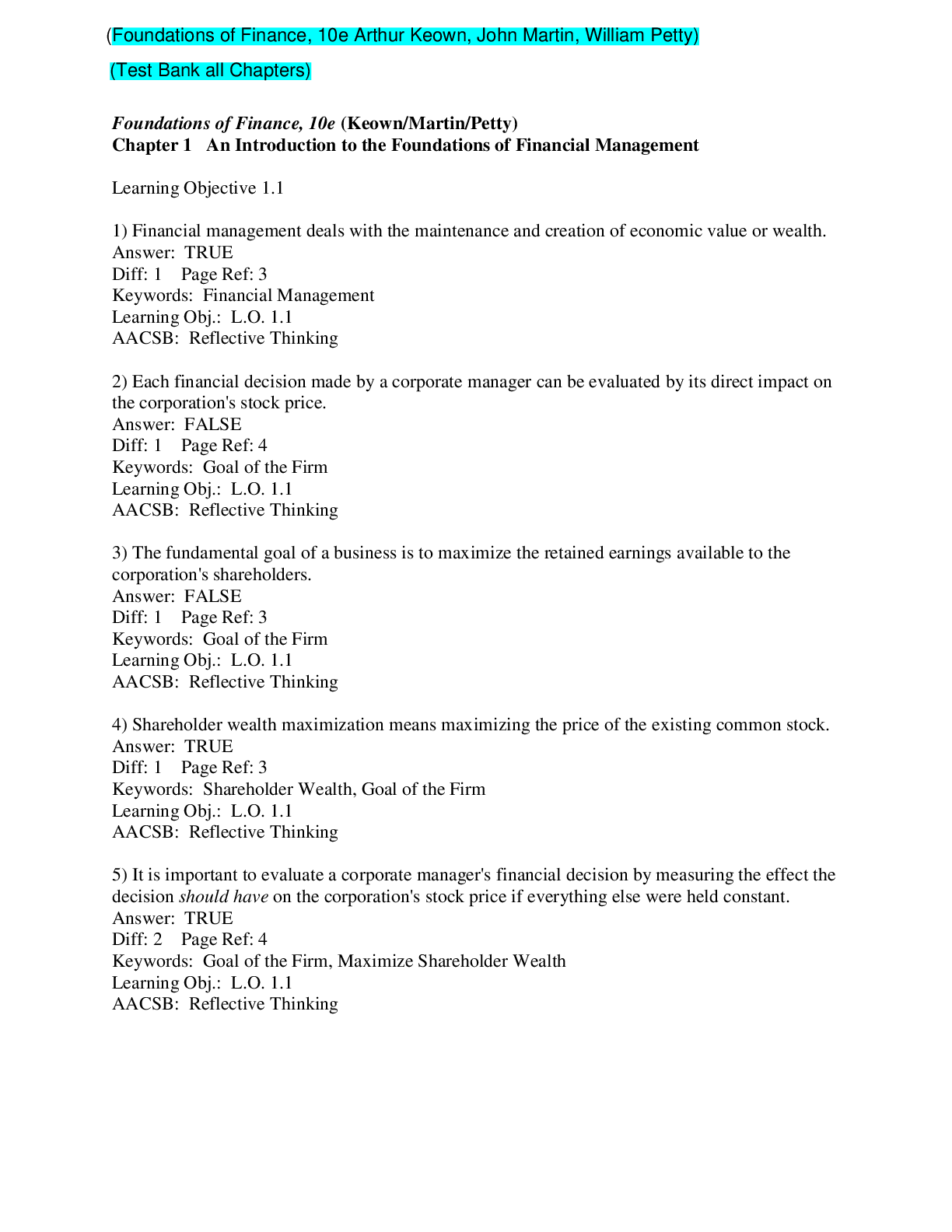
Foundations of Finance, 10e Arthur Keown, John Martin, William...
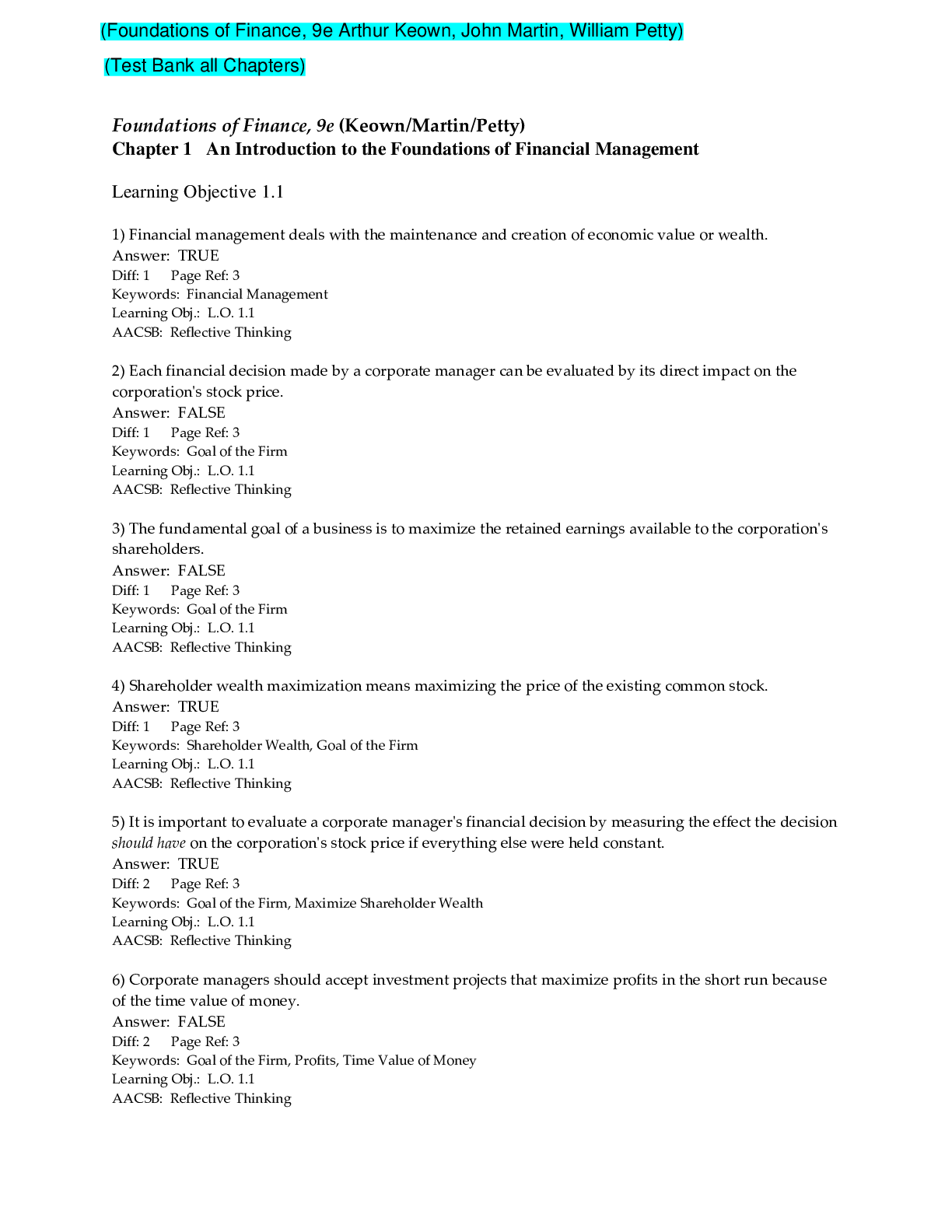
Foundations of Finance, 9e Arthur Keown, John Martin, William...
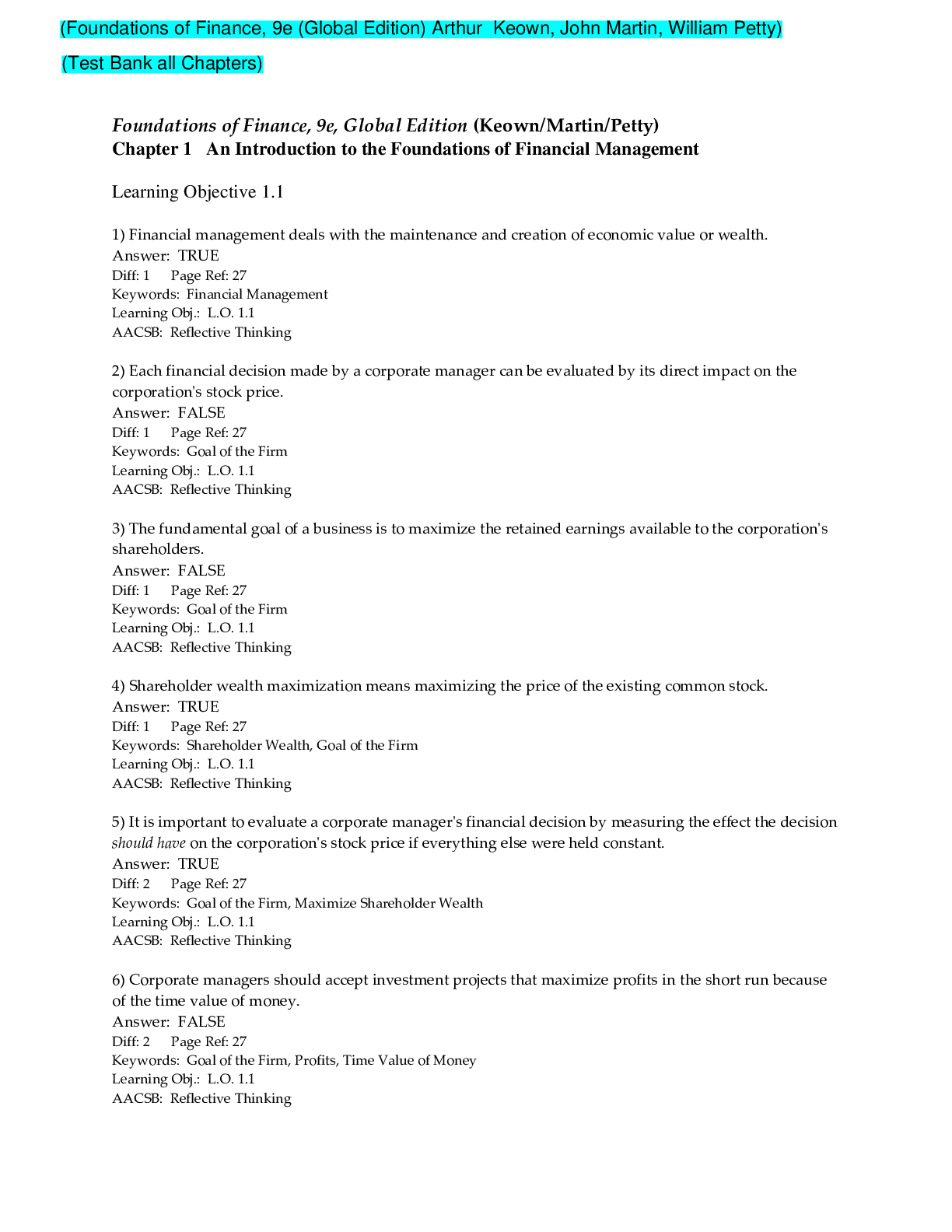
Foundations of Finance, 9e (Global Edition) Arthur Keown, Joh...
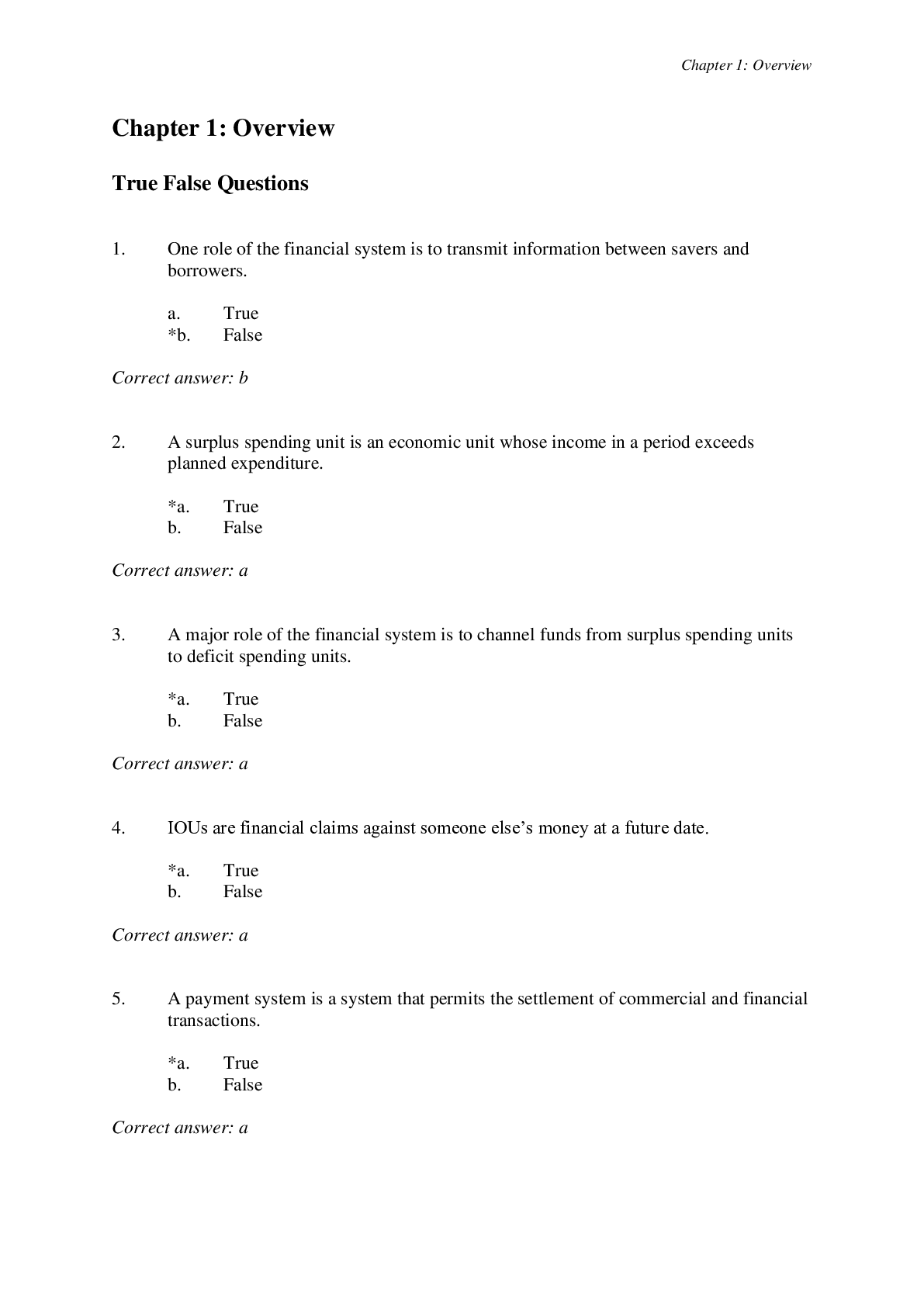
Financial Markets Institutions and Money 3e David Kidwell, Mar...
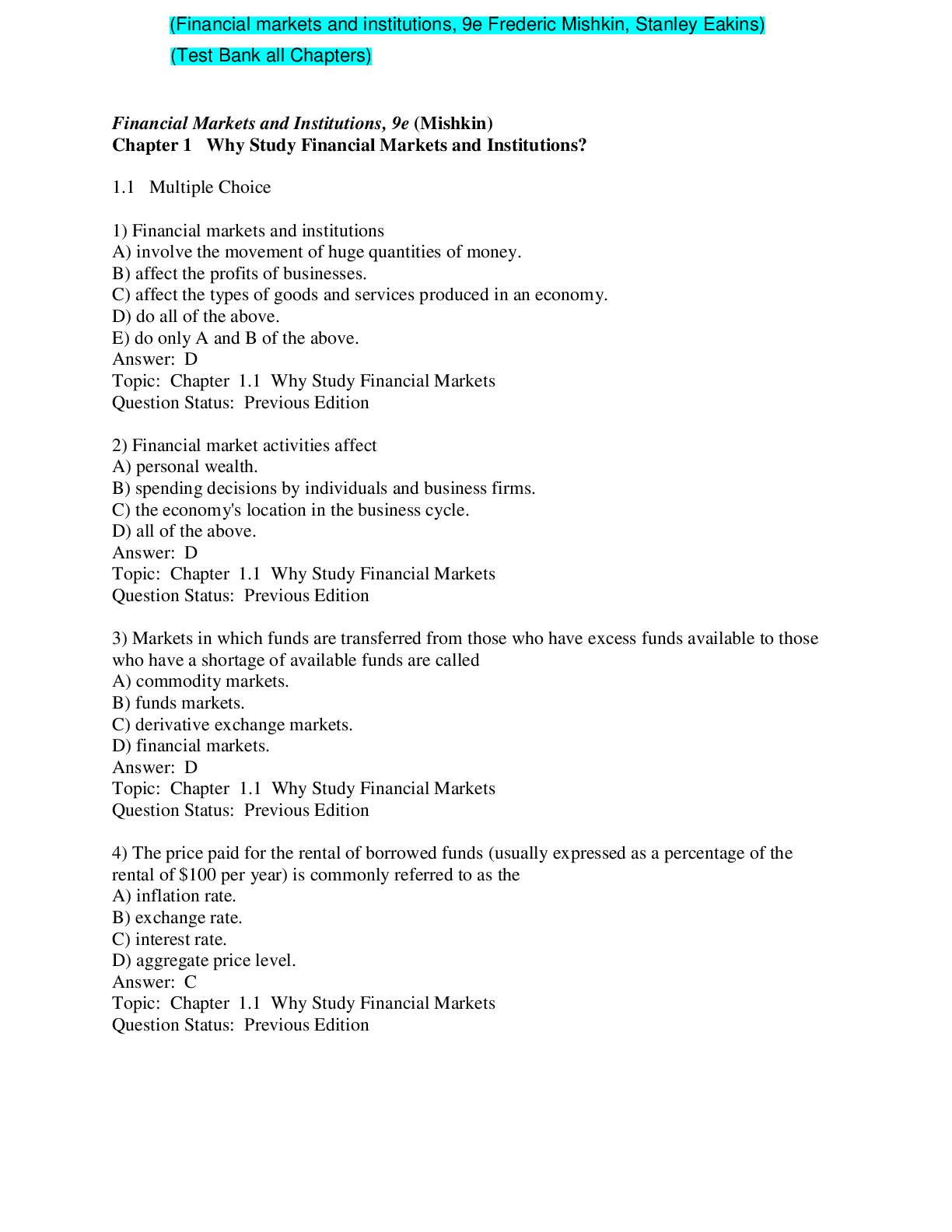
Financial markets and institutions, 9e Frederic Mishkin, Stanl...