NURSING > TEST BANKS > Test Bank-Fundamentals- Nursing Today by Zerwekh 6Ed-Chapter 13-26 (All)
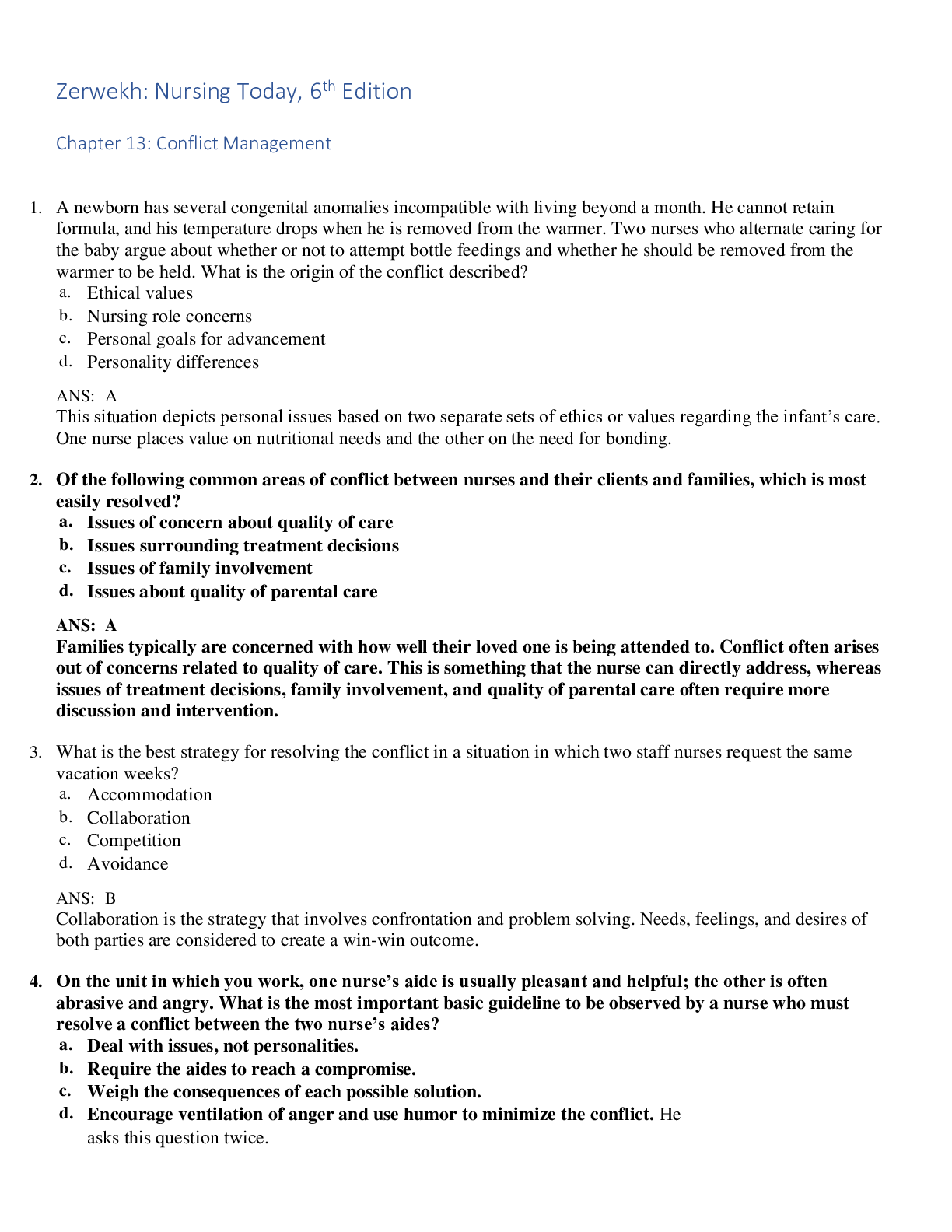
Test Bank-Fundamentals- Nursing Today by Zerwekh 6Ed-Chapter 13-26
Document Content and Description Below
Last updated: 3 years ago
Preview 1 out of 53 pages
Instant download
Buy this Document to get the Full Access Instantly
Provided by Students Who Aced it
We Verify Document Content to Gurantee Accuracy
Reviews( 0 )
Document information
Connected school, study & course
About the document
Uploaded On
Aug 08, 2021
Number of pages
53
Written in
All

Additional information
This document has been written for:
Uploaded
Aug 08, 2021
Downloads
0
Views
52
Topic Tags
Recommended For You
Get more on TEST BANKS »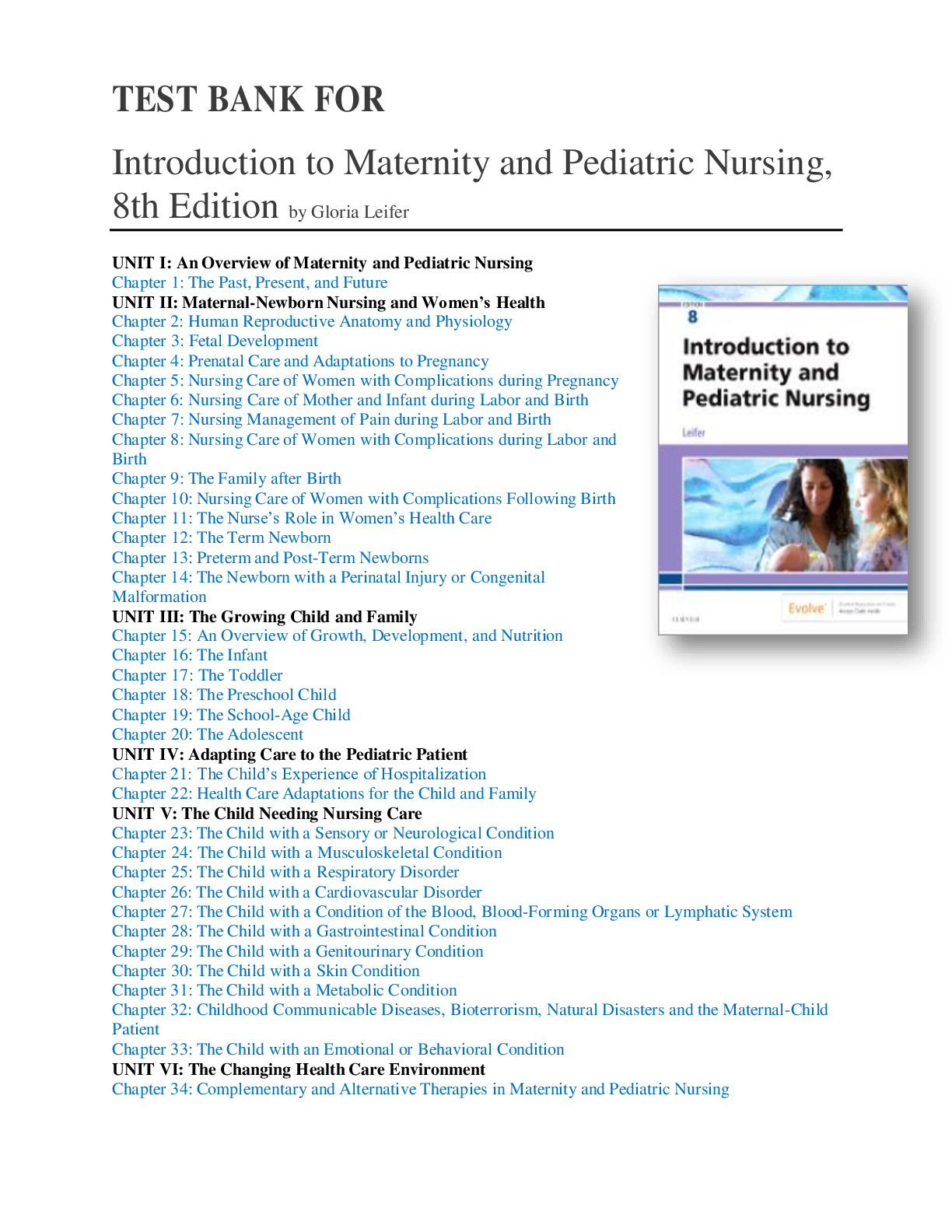
TEST BANK FOR INTRODUCTION TO MATERNITY AND PEDIATRIC NURSING,...

Test bank for Wong's Nursing Care of Infants and Children 11th...
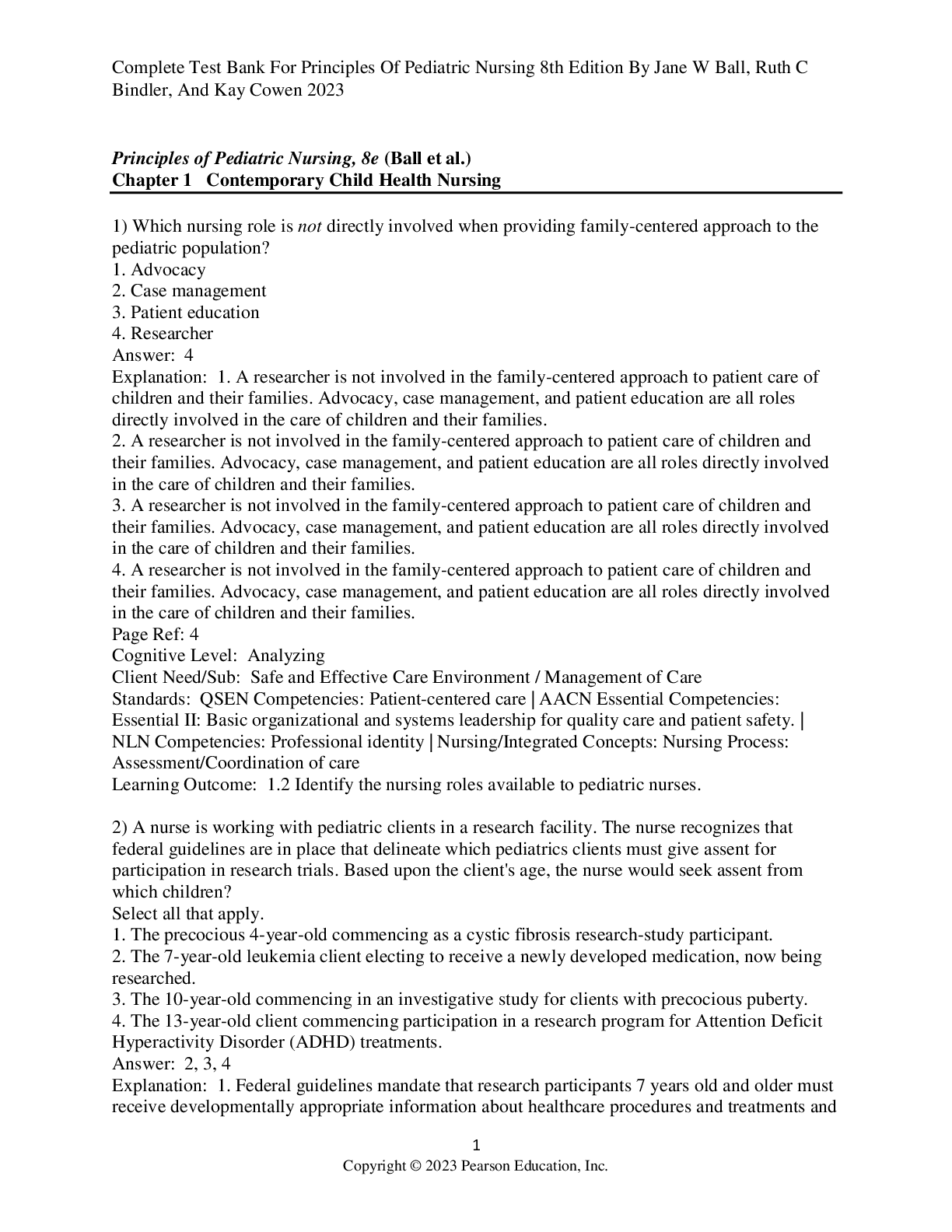
TEST BANK For Principles Of Pediatric Nursing 8th Edition By J...
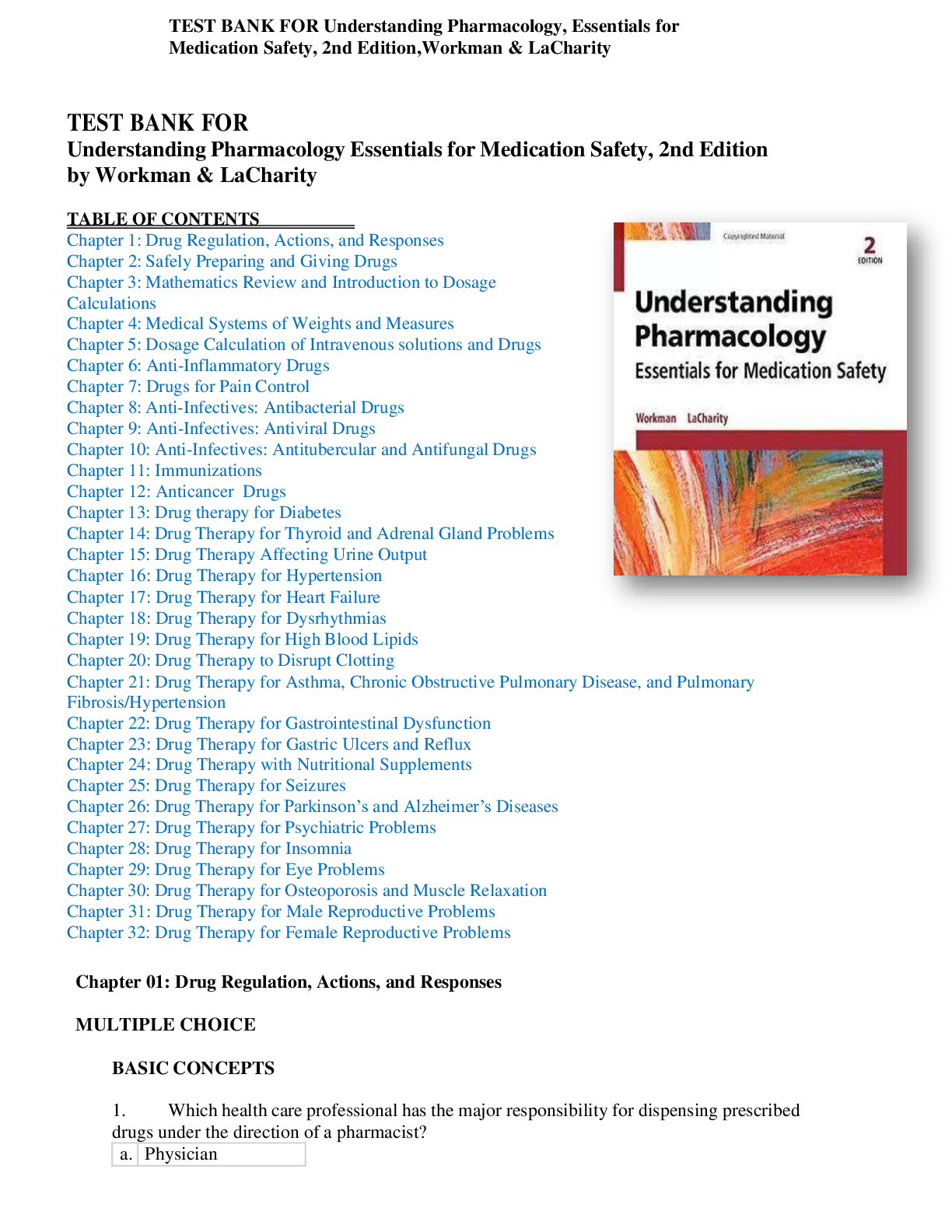
Test Bank for Understanding Pharmacology Essentials for Medica...

Varcaroli's Foundations of Psychiatrics Mental Health Testbank...
NR 331 Maternal Child Nursing Care- Chapter 13-16 Uncomplicate...
NR 331 Maternal Child Nursing Care Chapter 13 Labor and Birth...
BIOS 195 Unit 1 Vocal (Chapter 1-3) Questions and Answers (...
Solutions Manual Paramedic Care Principles and Practice (Volum...
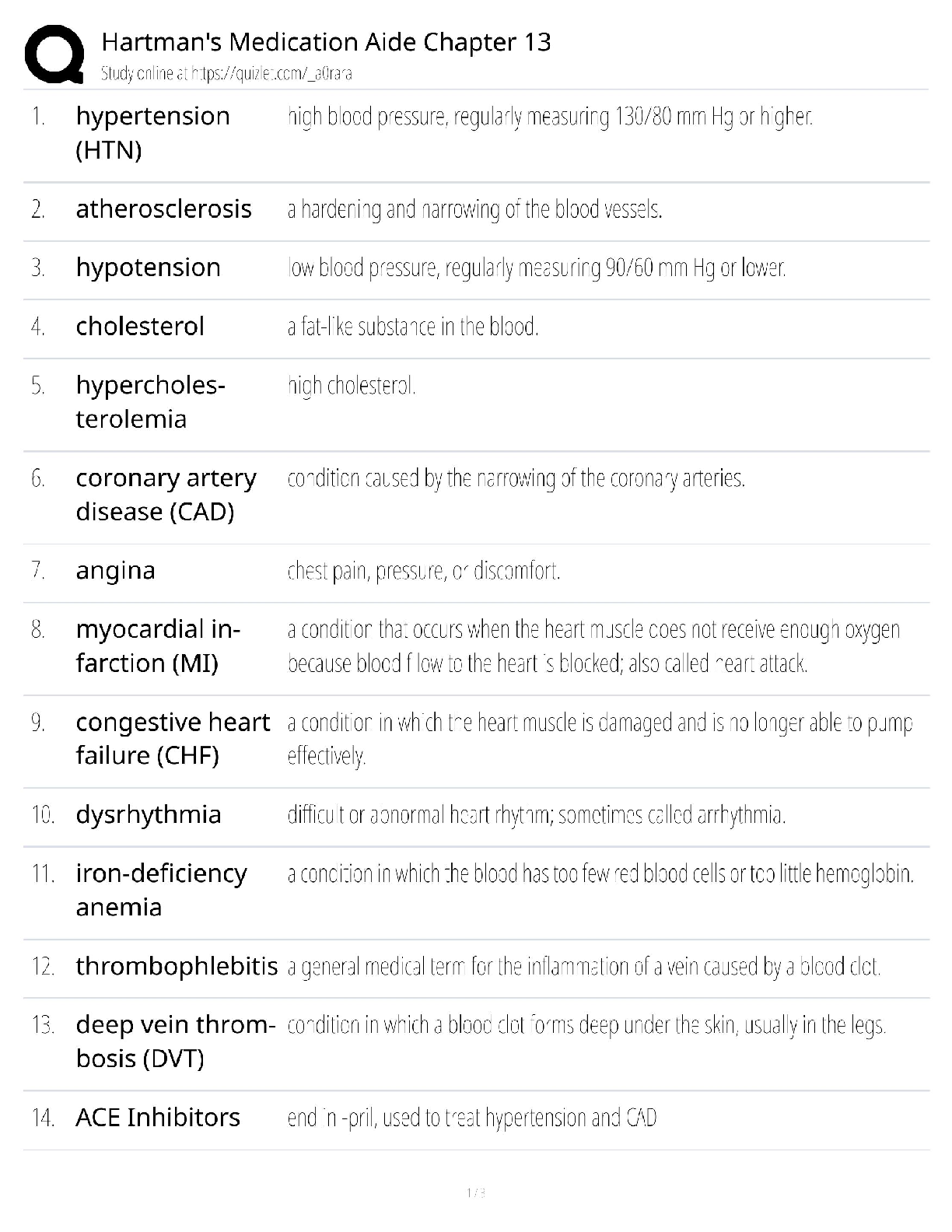
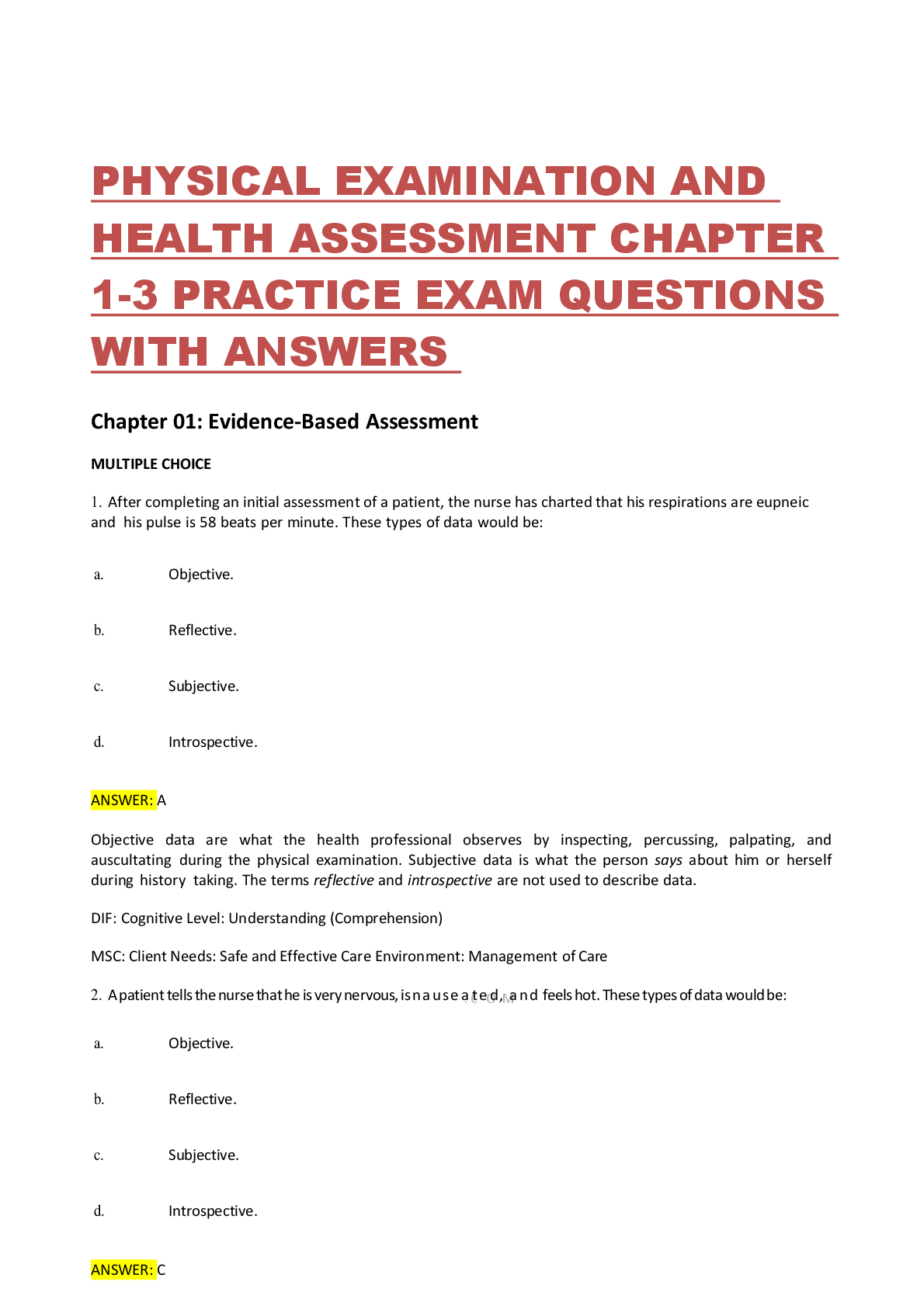
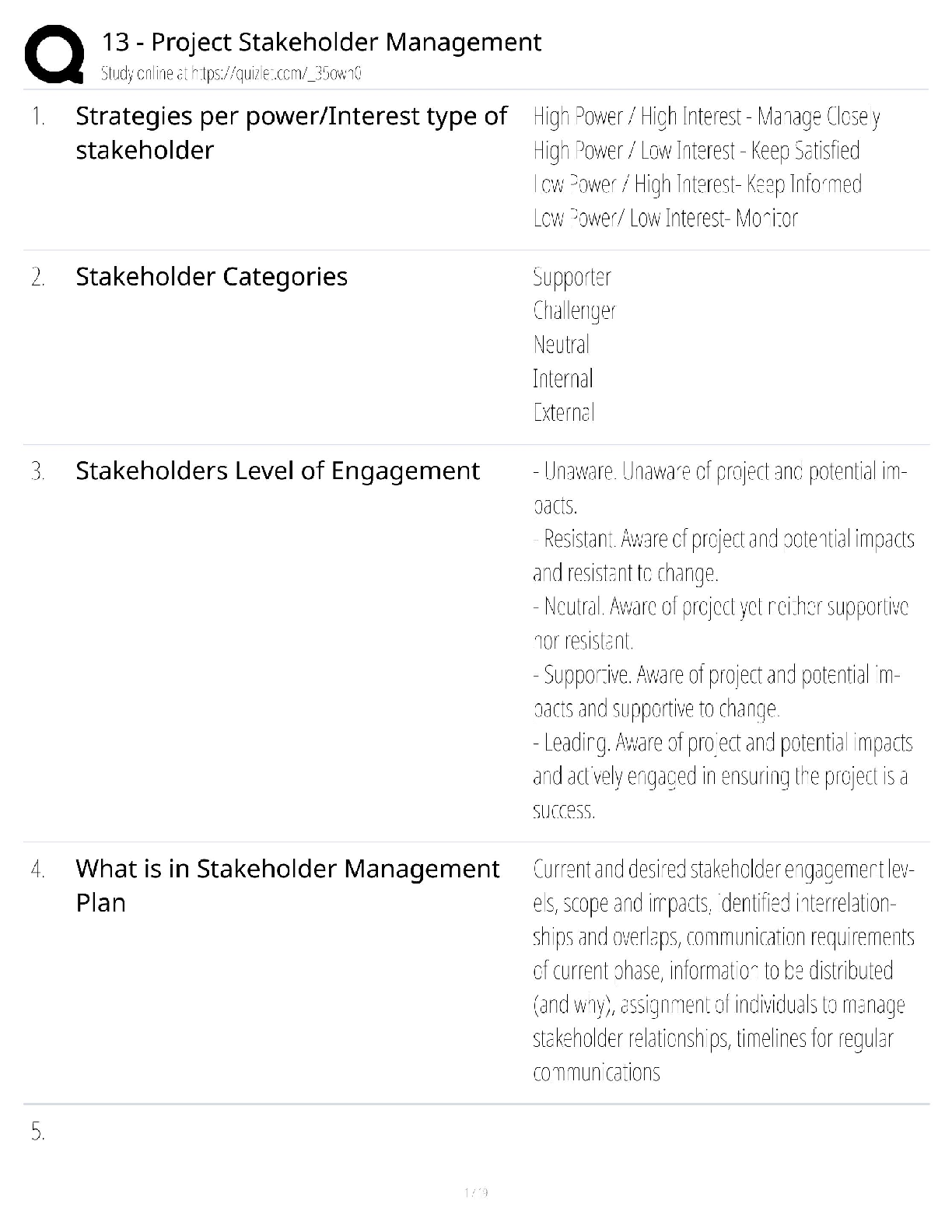
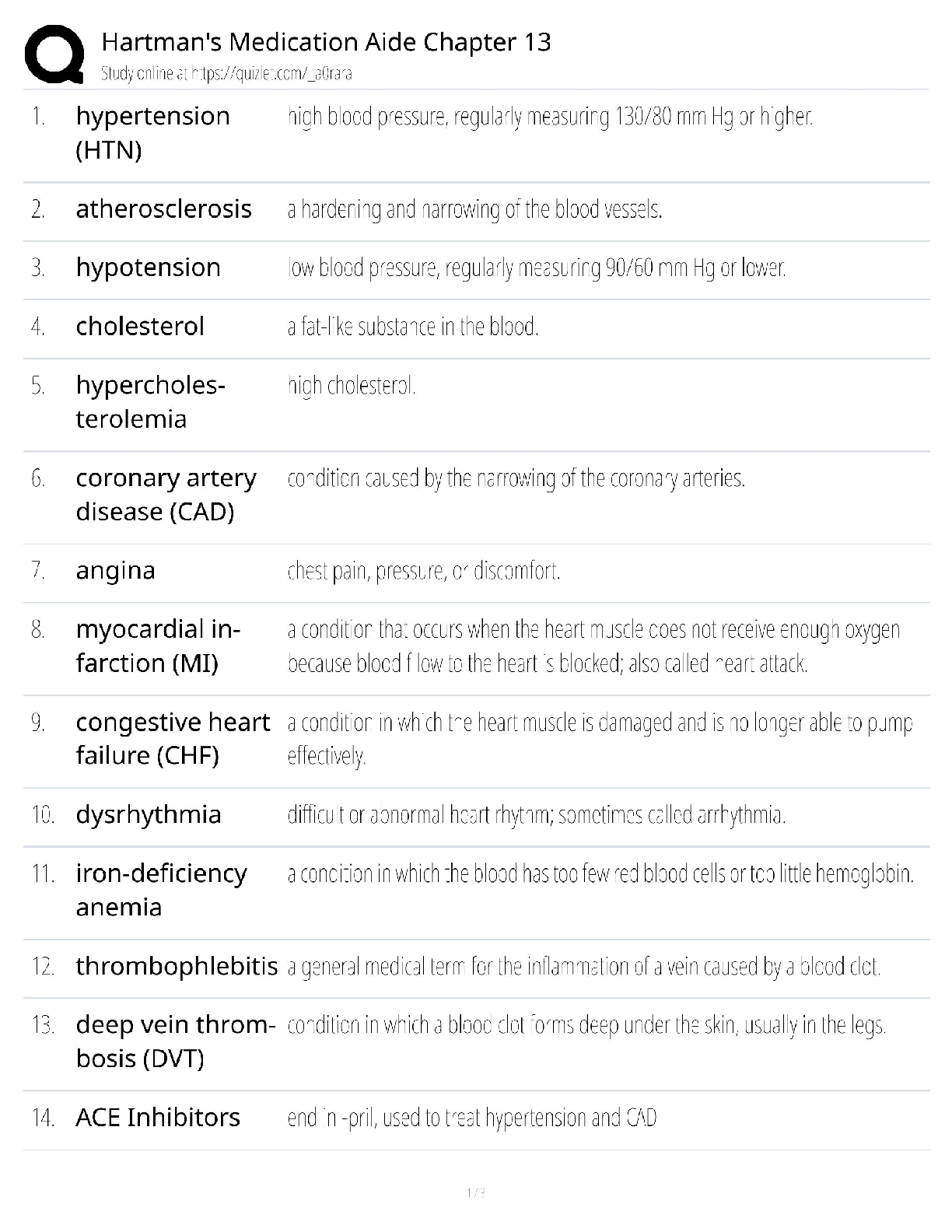

[SOLVED] Liberty University - HIEU 201HIEU 201 Chapter 13 Quiz...

eBook [PDF] Fundamentals of Nursing 3rd Edition By Joanne Toll...