Path 231 exams reviews
Exam 1
Question 1
2.5 / 2.5 pts
True/False:
Persistent metaplasia can lead to dysplasia.
Correct!
True
False
Question 2
0 / 2.5 pts
True/False:
Barrett esophagus is an example of dyspla
...
Path 231 exams reviews
Exam 1
Question 1
2.5 / 2.5 pts
True/False:
Persistent metaplasia can lead to dysplasia.
Correct!
True
False
Question 2
0 / 2.5 pts
True/False:
Barrett esophagus is an example of dysplasia.
You Answered
True
Correct Answer
False
Question 3
2.5 / 2.5 pts
True/False:
Cervical intraepithelial neoplasia is a type of dysplasia.
Correct!
True
False
Question 4
0 / 2.5 pts
True/False:
Endometrial hyperplasia is a normal physiologic occurrence.
You Answered
True
Correct Answer
False
Question 5
10 / 10 pts
Match the following:
1. Proportion of people with a disease who are positive for that disease
a. Validity
2. How likely the same result will occur if repeated
b. Reliability
3. How a tool measures what it is intended to measure
c. Sensitivity
4. People without the disease who are negative on a given test
d. Specificity
Correct!
Proportion of people with a disease who are positive for that disease
c. Sensitivity
Correct!
How likely the same result will occur if repeated
Correct!
How a tool measures what it is intended to measure
Correct!
People without the disease who are negative on a given test
Question 6
1.25 / 2.5 pts
Multiple Choice
Which are true of the mitochondria? Select all that apply.
Correct!
It is involved in cellular respiration
You Answered
They are found far from the site of energy consumption
Correct!
They play a role in apoptosis
They control free radicals
Question 7
1.25 / 2.5 pts
Which of the following are true regarding cell communication? Select all that apply.
b. Reliability
a. Validity
d. Specificity
You Answered
Paracrine signaling depends on hormones
Correct!
Neurotransmitters act through synapses
Enzyme linked receptors act through an on-off switch
Correct!
Autocrine signaling releases a chemical into the extracellular fluid that affects its own activity
Question 8
2.5 / 2.5 pts
Multiple Choice
Which of the following are false of the cell?
Proteins carry out the functions of the cell membrane.
Lysosomes are the digestive system of the cell.
Correct!
The rough ER is the site for lipid synthesis.
Microfilaments are thin, threadlike cytoplasmic structures.
Question 9
2.5 / 2.5 pts
Which is true of the cytoskeleton? Select all that apply.
Correct!
It controls shape and movement
Correct!
Cilia and flagella are microtubule-filled cellular extensions
It includes peroxisomes and proteasomes
Question 10
1.88 / 2.5 pts
What factors are used by epidemiologic methods? Select all that apply.
Correct!
How disease is spread
Correct!
How to control disease
Correct!
How to prevent disease
Correct!
How to eliminate disease
You Answered
How to treat disease
All of the above
None of the above
Question 11
2.5 / 2.5 pts
Multiple Choice
A patient complains of a sore throat and headache. What are these examples of?
Signs
Correct!
Symptoms
Both A & B
Question 12
0 / 2.5 pts
Multiple Choice
Which of the following is NOT helpful to the clinician to make a diagnosis?
You Answered
Detailed history
Physical exam
Correct Answer
Evidence based practice
Laboratory tests
Question 13
0 / 2.5 pts
Multiple Choice
Chemical agents (poison, alcohol) are examples of which of the following?
You Answered
Risk factors
Clinical manifestations
Pathogenesis
Correct Answer
Etiologic factors
Question 14
10 / 10 pts
Define primary prevention and give an example:
Your Answer:
when the risk factors has to be remove to stop the disease from occurring
example-eathing healthy / exercising to stay in shape or prevent heart disease.Giving vaccination
to pervent disease in children
The goal of primary prevention is to remove risk factors to prevent disease from occurring.
Examples include taking folic acid while pregnant to prevent neural tube defects,
vaccinating children to prevent communicable disease, eating healthy and exercising to
prevent heart disease, and wearing seatbelts or helmets.
Question 15
10 / 10 pts
Explain apoptosis and why it is necessary:
Your Answer:
apoptosis is the programmed of cell death.this process is necessary for cell dividing because it is
removing unwanted cells to make way for new cell.
Apoptosis is programmed cell death. This process eliminates cells that are worn out, have
been produced in excess, have developed improperly, or have genetic damage. Apoptosis is
also responsible for several normal physiologic processes, like replacing cell in the intestinal
villi and removing aging red blood cells.
Question 16
10 / 10 pts
Explain what necrosis is and give an example and description of one type of necrosis.
Your Answer:
necrosis is when cell dies in an organ/tissues that is still alive .this process can interferes with the
tissue regeneration and how cell can be replace.
one type of necrosis is gengrenouse necrosis which can bowel or the lower extremities that may
causes changes in tussue and it functions
Necrosis refers to cell death in an organ or tissues that is still part of a living person. It
often interferes with cell replacement and tissue regeneration. Coagulative necrosis results
most often from a sudden cutoff of blood supply to an organ (ischemia), particularly the
heart and kidney. Liquefactive necrosis occurs when some of the cells die but their catalytic
enzymes are not destroyed. It is commonly seen with brain infarcts or abscesses. Caseous
necrosis occurs as part of granulomatous inflammation and is most often associated with
tuberculosis.
Gangrenous necrosis most often affects the lower extremities or bowel and is secondary to
vascular occlusion. The term gangrene is applied when a considerable mass of tissue
undergoes necrosis. In dry gangrene the affected tissue becomes dry and shrinks, the skin
wrinkles, and its color changes to dark brown or black. The spread of dry gangrene is slow.
It results from a cut off in arterial blood supply and is a form of coagulation necrosis. In
wet gangrene, the affected area is cold, swollen, and pulseless. The skin is moist, black, and
under tension. Blebs form on the surface, liquefaction occurs, and a foul odor is caused by
bacterial action. The spread of tissue damage is rapid.
Question 17
9 / 10 pts
Match the type of cell injury to the cause. Some answers may be used more than once. (1 point
each)
1. Sunburn a. Physical agents
2. Obesity b. Radiation injury
3. Reactive oxygen species c. Chemical injury
4. Low oxygen to tissues d. Biologic agents
5. Fractures e. Nutritional imbalances
6. OTC drugs f. Free radical injury
7. Hypothermia g. Hypoxic cell injury
8. Radiation treatment
9. Lead toxicity
10. Bacteria
Correct!
Sunburn
Correct!
Obesity
You Answered
Reactive oxygen species
Correct Answer
f. Free radical injury
Correct!
Low oxygen to tissues
Correct!
Fractures
Correct!
OTC drugs
Correct!
Hypothermia
Correct!
b. Radiation injury
e. Nutritional imbalances
c. Chemical injury
g. Hypoxic cell injury
a. Physical agents
c. Chemical injury
a. Physical agents
Radiation treatment
Correct!
Lead toxicity
Correct!
Bacteria
Question 18
5 / 10 pts
List the 4 types of tissue found in the body. Pick 2 and give a description and example of each.
Your Answer:
nervours tissue-can be find throughout the body and it's used for communication.
muscle tissue
connective tissue
epithelial-(covers the outer surface of the body and lines the inner surfaces.
Epithelial tissue covers the body’s outer surface, lines the inner surfaces, and forms
glandular tissue. Epithelial tissue has three distinct surfaces and the basal surface is
attached to an underlying basement membrane. It is avascular, meaning without blood
vessels. It receives oxygen and nutrients from the capillaries of the connective tissue on
which it rests.
Connective or supportive tissue is the most abundant tissue in the body. It connects and
binds or supports the various tissues. Its cells produce the extracellular matrix that support
and hold tissues together. Connective tissue is divided into two types: connective tissue
proper and specialized connective tissue (cartilage, bone, and blood cells). The four types of
connective tissue proper are loose (areolar), adipose, reticular, and dense connective tissue.
The function of muscle tissue is to move the skeletal structures, pump blood through the
heart, and contract the blood vessels and visceral organs. Muscle tissue can accomplish this
by contraction. The two types of fibers that contract are called thin and thick filaments.
Thin filaments are called actin, and the thick filaments are myosin. The three types of
muscles tissue are skeletal, cardiac, and smooth.
Nervous tissue is distributed throughout the body for communication. It provides the
means for controlling body function and for sensing and moving about the environment.
b. Radiation injury
c. Chemical injury
d. Biologic agents
The two types of cells are neuron and glial cells. Neurons function is communication. Glial
(meaning glue) cells support the neurons.
Question 19
2.5 / 2.5 pts
What term means “cell eating” and engulfs and then kills microorganisms or other particulate
matter?
Your Answer:
cell eating is refered to phagocytosis
Phagocytosis
Question 20
2.5 / 2.5 pts
What term means “cell drinking,” and engulfs small solid or fluid particles, as seen with proteins
and electrolytes?
Your Answer:
cell drinking is refrered to pinocytosis
Pinocytosis
Question 21
2.5 / 2.5 pts
Give one function of a membrane potential:
Your Answer:
membrane potential can causes music contractions
Generate nerve impulse, muscle contractions, or cause hormone secretion
Question 22
2.5 / 2.5 pts
What is the term that best describes the following process?
A transport protein aiding a lipid insoluble or large molecule across the cell membrane that
would otherwise not be able to pass through on its own.
Your Answer:
Facilitated diffusion
facilitated diffusion
Exam 2
Question 1
3 / 3 pts
True/False:
Blood tests for tumor markers can make a diagnosis of cancer. Why or why not?
Your Answer:
false,because tumor are usually elevated in benign conditions ,and in the early stages of
malignancy they can't be elevated.
False, only tissue can diagnose. Tumor markers are helpful to assess response to therapy or
reoccurrence.
Question 2
3 / 3 pts
What is the most important procedure in diagnosing the correct cancer and histology?
Your Answer:
tissue biopsy because they play a critical role in dignosing the right cancer and histology
tissue biopsy
Question 3
4 / 4 pts
Explain the TNM system:
Your Answer:
is a staging system that was created by AJCC for the help study cancer.It is also very effective in
classifieng cancers tumor componments.
Classification goes as such:
T relates to the local spread of the primary of the tumor and the size
N relates to the involvement of the regional/location of the lymph nodes
M is the extent of the metastatic invilvement
T is the size and local spread of the primary
tumor.
N is the involvement of the regional lymph nodes.
M is the extent of the metastatic involvement.
Question 4
10 / 10 pts
1. List two signs or symptoms a patient may present with that might indicate a cancer diagnosis:
2. What are two side effects commonly experienced by cancer patients?
Your Answer:
1) Bleeding and weight loss
2) hair loss and sleep disturbances
1. Bleeding; sore that doesn’t heal; fluid in the pleural, pericardial, or peritoneal spaces;
chest pain, shortness of breath, cough, abdominal discomfort or swelling. Other possible
answers can include a mass or lump, pain (need to be specific), fatigue, fevers, weight loss
2. Weight loss, wasting of body fat and muscle tissue, weakness, anorexia, and anemia,
fatigue, sleep disturbances
Question 5
10 / 10 pts
1. What are the three possible goals of cancer treatment?
2. How does radiation kill cancer cells?
Your Answer:
1) the three goal is to curative,control and palliative
2) radiation kill cancer cells by using high energy/waves particles to destroy/damage cancer
cells.However this treatment can sometimes interrupt the cells cycle by killing good cells or
damaging DNA cells
1. Curative, control, palliative
2. Radiation therapy uses high-energy particles or waves to destroy or damage cancer cells.
This leads to the creation of free radicals, which damage cell structures. Radiation can
interrupt the cell cycle process, kill cells, or damage DNA in the cells.
Question 6
2.5 / 2.5 pts
True/False:
Cell proliferation is the process in which proliferating cells become more specialized cell types.
True
Correct!
False
False, cell differentiation
Question 7
0 / 2.5 pts
True/False:
Cell differentiation is the process in which proliferating cells become more specialized cell types.
Correct Answer
True
You Answered
False
Question 8
2.5 / 2.5 pts
This type of cell remains incompletely differentiated throughout life:
Your Answer:
stem cell
stem cell
Question 9
2.5 / 2.5 pts
These are cells of the same lineage that have not yet differentiated to the extent that they have
lost their ability to divide:
Your Answer:
they are progenitor
progenitor or parent cells
Question 10
4 / 4 pts
What is angiogenesis? Why do tumors need it?
Your Answer:
angiogenesis is the delovement of new blood vessels with a tumor and tumorns need
angiogenesis to grow
development of new blood vessels within the tumor. They need it to continue to grow.
Question 11
3 / 3 pts
What are normal genes called that become cancer-causing if mutated?
Your Answer:
proto-oncogenes
protooncogenes
Question 12
3 / 3 pts
What is a tumor suppressor gene? Give one example.
Your Answer:
they're gene that are associated with gene underactivity because of this it slows down cell
division or may tell cell when to die.
Tumor suppressor genes are associated with gene underactivity. These genes slow down cell
division, repair DNA mistakes, or tell cells when to die. BRCA1 or 2, TP53
Question 13
10 / 10 pts
A 40-year-old woman has experienced heavy menstrual bleeding. She was told she has a uterine
tumor called a leiomyoma. She is worried she has cancer. What do you tell her? Explain at least 2
differences between a benign and malignant tumor.
Your Answer:
I will tell her not to worry because leiomyoma is a non-cancerous tumor and it can be surgically
remove and to always have a regular doctor visit
two differences between a benign and malignant tumor is that has a well-differentiated cells and
have slow progressive growth rate.Malignant tumor is more aggressive because it destroy
tissue,grows rapidly and spread to other body parts and lacks well defined margins
Leiomyoma is a benign tumor. (Leiomyosarcoma is malignant) Student can add any of the
following: Benign tumors are well-differentiated cells, resemble the cells of tissues of origin,
and have a slow, progressive rate of growth. They grow by expansion and remain localized
to their site of origin, not capable of metastasizing. They develop a rim of connective tissue
around the tumor called a fibrous capsule, which aids in surgical removal. Benign tumors
are less of a threat unless they interfere with vital functions
Malignant neoplasms invade and destroy tissue. They grow rapidly, spread to other parts of
the body, and lack well-defined margins. They can compress blood vessels and outgrow
their blood supply, causing ischemia and tissue injury. Surgery can be more difficult if it
has spread.
Question 14
10 / 10 pts
A 62-year-old man with a 30-pack year smoking history is diagnosed with small cell lung cancer
with metastasis to the bone. (1) Explain the process of how cancer spreads metastatically. (2)
What symptoms might he have presented with? (3) Which screening test would he have
benefited from?
Your Answer:
1) cancern that are spreads by metastatically is loose from the primary tumor that have
extracellular matrix from the surrounding tumor,or has gain access to the blood vessle which it
can grow and establish a blood supply.
2 some symptoms that may be presented are shortness of breath,chest or bone pain and cough
3) hw benefited from low dose chest CT that could be done yearly
(1) Metastasis- a cancer cell must break loose from the primary tumor, invade the
surrounding extracellular matrix, gain access to a blood vessel, survive its passage in the
bloodstream, emerge at a favorable location, invade the surrounding tissue, begin to grow,
and establish a blood supply. (2) Chest pain, shortness of breath, cough, bone pain. (3)
Yearly low-dose chest CT.
Question 15
1.5 / 3 pts
Malignant tumors have which of the following characteristics? Select all that apply.
Correct!
Variable rate of growth
Correct!
Spreads by metastasis
Well-differentiated cells
You Answered
Fibrous capsule
Question 16
0 / 3 pts
What are molecular and cellular mechanisms in genes that increase susceptibility to
cancer? Select all that apply.
Correct Answer
Lack of cellular senescence
Correct!
Angiogenesis
You Answered
Ability to undergo apoptosis
Correct!
Mutations in growth factor signaling pathways
You Answered
Intact DNA repair genes
Question 17
4 / 4 pts
List 4 of the 7 risk factors linked to cancer as stated in the module.
Your Answer:
1)obesity
2)hormonal factors
3)environmental agents
4) cancer causing viruses
Heredity, hormonal factors, obesity, immunologic mechanisms, environmental agents such
as chemicals, radiation, and cancer-causing viruses.
Question 18
10 / 10 pts
List three characteristics of cancer cells and briefly explain what it means:
Your Answer:
cancer cells grow in an altered cell differentiation and growth which can also be called neoplasia
they can have a neoplasm growth where normal tissue lacks regulatory controls
cancer cells also have genetic abnormalities that causes uncontrollble proliferation and can cause
normal call or benign tumors into malignant tumors
Answer: Any of the following
Anaplasia is the loss of cell differentiation in cancerous tissue.
Genetic instability means they have a high frequency of mutations.
Growth factor independence means cancer cells can proliferate even in the absence of growth
factors.
Cell density-dependent inhibition means cancer cell don’t stop growing when they come into
contact with each other.
Cell cohesiveness and adhesion means they don’t stick together.
Anchorage dependence means cancer cells aren’t anchored to neighboring cells or the
underlying matrix to live and grow.
Cell-to-cell communication in cancer cells is poor, which interferes with intercellular
connections and responsiveness to membrane-derived signals.
Life span is unlimited – cancer cells are immortal.
Antigen expression -cancer cells contain several cell surface molecules or antigens that are
immunologically identified as foreign.
Cancer cells can produce enzymes, hormones, and other substances that the tissues of origin
either does not produce or produces in much smaller amounts.
Cancer cells can show cytoskeletal changes or abnormalities. This includes abnormal
intermediate filament types or changes in actin filaments and microtubules that help with
invasion and metastasis.
Question 19
3.5 / 3.5 pts
Which of the following is not a risk factor for developing cancer?
Correct!
Sunscreen
Obesity
HPV
High red meat intake
Question 20
3.5 / 3.5 pts
All of the following viral agents are correctly paired with the associated lesion except:
Human papillomavirus (HPV): genital warts
Correct!
Epstein-Barr virus: carcinoma of the cervix
Epstein Barr is linked to Burkitt lymphoma and nasopharyngeal cancer. Cervical carcinoma is
linked to HPV.
Hepatitis B virus: hepatocellular carcinoma
Human herpes virus-8: Kaposi sarcoma
Question 21
3 / 3 pts
List one example of screening for each method: observation, palpation, and lab test/procedure:
Your Answer:
observation-external genitalia
palpation-lymph nodes
lab test/procedure-pap smear
Observation: skin, mouth, external genitalia
Palpation: breast, thyroid, rectum and anus, prostate, lymph nodes
Laboratory tests and procedures: Pap smear, colonoscopy, mammography
Exam 3
Question 1
5 / 5 pts
Short answer
Explain the challenges of diagnosing autoimmune disorders.
Your Answer:
since there are too many autoimmune disorder,diagnosing is made by serological finding,history
or physical testing.blood testing could have been a good way to test but since some blood are
more generic can be elevated to show other diseases therefore it best go by finding that are listed.
There are over 80 identified, many with overlapping presentations. Many manifestations
are nonspecific and are seen in other non-autoimmune diseases. Blood testing isn’t perfect
either, as some tests are more generic and can be elevated in the presence of other diseases.
Question 2
2.5 / 2.5 pts
Multiple choice:
Which cell is the first responder to phagocytose a foreign invader?
Correct!
Monocyte
Basophil
Eosinophil
Dendritic cell
Question 3
2.5 / 2.5 pts
Multiple Choice:
What are the primary cells involved in the adaptive immune response?
Antibodies
Antigens
Neutrophils
Correct!
Lymphocytes
Question 4
3 / 3 pts
B lymphocytes produce what type of immunity?
Your Answer:
humoral immunity
humoral
Question 5
2 / 2 pts
Multiple Choice:
Which immunoglobulin is responsible in inflammation and allergic responses and combating
parasitic infections?
IgM
Correct!
IgE
IgA
IgD
IgG
Question 6
2 / 2 pts
Multiple Choice:
Which cell type is an early responder and the most abundant in the body?
Lymphocytes
Eosinophils
Basophils
Correct!
Neutrophils
Question 7
3.5 / 3.5 pts
Multiple Choice:
Which is NOT a finding consistent with Graves’ disease?
Exophthalmos
Correct!
Hypothyroidism
hyperthyroidism
Goiter
Corneal ulceration
Question 8
10 / 10 pts
A 12-year-old female presents with itchy eyes, nasal congestion and drainage, and sneezing
every spring when the pollen count is high. (1) Explain the immunologic mechanisms that are
responsible for her symptoms. (2) What type(s) of treatment might be used to relieve her
symptoms?
Your Answer:
it can be a cause od Type I hypersensitivety/ IGE as well as allergy, which is responisible for
her symptoms and treatment such as penicillin or some allergy medications
(1) Mast cells, basophils, and eosinophils play an important role in the development of type
I reactions because they contain the chemical mediator histamine. A primary or initialphase response is vasodilation, vascular leakage, and smooth muscle contraction. A
secondary or late-phase response is characterized by more intense infiltration of tissues
with eosinophils and other acute and chronic inflammatory cells, as well as tissue damage.
(2) Antihistamines and intranasal corticosteroids are the mainstay of treatment.
Question 9
3.5 / 3.5 pts
True/False:
An antibiotic alone will heal an abscess. If false explain why:
Your Answer:
false,because there be some pus in there that need ro be drained to make sure that the area don't
infected
false, antibiotics can’t penetrate the abscess wall, so incision and drainage are necessary.
Question 10
3 / 3 pts
Multiple Choice:
An appendectomy is performed on a 16-year-old boy who is hospitalized for right lower
quadrant abdominal pain of 18 hours’ duration. The surgical specimen is edematous and
erythematous. An infiltrate of which of the following cells would be most characteristic of the
process occurring here?
Correct!
Neutrophils
Neutrophils are the most characteristic cellular component of the early stages of acute
inflammation.
Eosinophils
Basophils
Lymphocytes
Monocytes
Question 11
0 / 3.5 pts
True/False:
During inflammation, blood vessels constrict to minimize tissue damage.
You Answered
True
Correct Answer
False
Question 12
0 / 3 pts
True/False:
Active immunity provides long lasting protection.
Correct Answer
True
You Answered
False
Question 13
0 / 2.5 pts
True/False:
B lymphocytes normally produce antibodies against host tissues.
You Answered
True
Correct Answer
False
Question 14
3.5 / 3.5 pts
Antibodies are also known as ______?
Your Answer:
immunoglobulins
immunoglobulins
Question 15
3.5 / 3.5 pts
Multiple Choice:
Which of the following hypersensitivity reactions can be treated with the administration of
epinephrine?
Correct!
Type I
Type II
Type III
Type IV
Question 16
0 / 3.5 pts
Multiple Choice:
Which is NOT a type of type II hypersensitivity reaction?
Correct Answer
Antigen-mediated cellular inflammation
antibody-mediated cellular dysfunction
You Answered
Complement- and antibody-mediated inflammation
antibody-dependent cell cytotoxicity
complement-activated cell destruction
Question 17
3.5 / 3.5 pts
Multiple Choice:
A finding of diagnostic significance is the well-known association of HLA-B27 antigen with
which of the following disorders?
Rheumatoid arthritis
Systemic lupus erythematosus (SLE)
Correct!
Ankylosing spondylitis
HLA-B27 antigen is found in almost 90% of patients with ankylosing spondylitis
Graves’ disease
Question 18
5 / 5 pts
Short answer:
What are autoantibodies?
Your Answer:
when the immune system don't have the ability to recognize itself and produces autoantibodies
that acts againist host tissues
Answer: In many autoimmune diseases, the immune system loses its ability to recognize self
and produces what is called autoantibodies, which act against host tissues.
Question 19
5 / 10 pts
1, A 32-year-old woman presents to the clinic for her initial obstetrics visit, about 10 weeks into
her pregnancy. She is in a monogamous relationship. (1) Should an HIV test be part of her initial
blood work? Why?
2. An infant is born, and its initial antibody test is positive for HIV. (2) Does this mean the
infant is infected? What would be the more appropriate test to detect HIV in this infant?
Your Answer:
Although she's in a monogamous relationship and have one partner it is still a good idea to test
for HIV in her initial blood work because if tested positive,it can be transmet directly to the baby
through birth or in the mother milk while breastfeeding.
2) yes,the baby has been infected most likely the virus has been transmission from it's
mother,and the most appropriate test to detect HIV in this infants will be to use the DNA/RNA
polymerase cain reaction (PCR) becaue the infants would still have ther mother's antibodies
1. Yes. Transmission from mother to infant is the most common way that children become
infected. The CDC recommends all people between ages 13 and 64 be routinely screened for
HIV. Earlier detection and treatment lead to better outcomes.
2. No. The polymerase chain reaction (PCR) test is a nucleic acid test that can detect HIV
DNA. It tests for the presence of the virus, rather than the antibody, which is helpful in
diagnosing HIV infection in infants born to infected mothers. These infants would have
their mother’s antibodies whether or not they have been infected.
Question 20
3.5 / 3.5 pts
Multiple Choice:
Which of the following will promote wound healing?
Malnutrition
Correct!
Increased blood flow
Infection
Foreign bodies
Question 21
3.5 / 3.5 pts
Multiple Choice:
Which of the following cells is a permanent cell?
Epidermal cell
Hepatocyte
Intestinal mucosal cell
Correct!
Neuron
Renal tubular cell
Question 22
3.5 / 3.5 pts
Fill in the blank
As the CD4 T cell count decreases, the body becomes susceptible to ______ ______.
Your Answer:
opportunistic infections
Answer: opportunistic infections
Question 23
3.5 / 3.5 pts
The time between HIV infection and seroconversion is called what?
Your Answer:
the window period
Answer: the window period
Question 24
3.5 / 3.5 pts
True/False:
A person with HIV is not infectious when they are asymptomatic.
True
Correct!
False
Question 25
0 / 2.5 pts
True/False:
The T cells that display the host’s MHC antigens and T-cell receptors for a nonself-antigen are
allowed to mature, a process termed negative selection.
You Answered
True
Correct Answer
False
Question 26
0 / 2.5 pts
Multiple Choice:
What cell mediator is the primary cause of vasodilation seen in acute inflammation?
Endothelial cells
You Answered
Platelets
Correct Answer
Histamine
Neutrophils
Question 27
2.5 / 2.5 pts
Multiple Choice:
Which cell in the blood provides primary hemostasis?
Correct!
Platelets
Endothelial cells
Histamine
Macrophages
EXAM 4
Question 1
2.5 / 2.5 pts
The coagulation cascade involves each of the following except:
Correct!
Make thrombocytes
Activate the intrinsic and extrinsic pathways
Convert fibrinogen to fibrin
Convert prothrombin to thrombin
Question 2
0 / 2.5 pts
Which of the following are natural anticoagulants? Select all that apply.
Factor II
You Answered
Factor VII
You Answered
Factor IX
You Answered
Factor X
Correct!
Protein C
Correct!
Protein S
Question 3
0 / 2.5 pts
Which of the following is NOT a hypercoagulable state? Select all that apply.
You Answered
Oral contraceptive use
Mutation of prothrombin gene
Correct!
Hemophilia A
Correct Answer
Hemophilia B
Immobility
Question 4
1.25 / 2.5 pts
Which of the following are TRUE of hemophilia A? Select all that apply.
Correct!
Spontaneous joint bleeding can occur
You Answered
The platelet count is decreased
Aspirin and NSAIDS are the mainstay of treatment
Correct!
The PTT is increased
Question 5
2.5 / 2.5 pts
Well-known causes of disseminated intravascular coagulation (DIC) include each of the
following conditions except:
Retained dead fetus
Carcinoma
Gram-negative sepsis
Correct!
Heparin administration
Question 6
0 / 2.5 pts
Which of the following increases the strength of the muscular contraction?
Wall tension
Correct Answer
Inotropic influence
You Answered
Peripheral vascular resistance
Hypoxia
Question 7
2.5 / 2.5 pts
Which of the following is true of the renin-angiotensin-aldosterone system?
Angiotensin I is converted to angiotensin II in the kidneys
Angiotensin II is a potent vasodilator
Correct!
Angiotensin II increases sodium reabsorption in the kidney by stimulating the secretion of
aldosterone
The PVR is decreased
Question 8
2.5 / 2.5 pts
Which of the following terms refers to the pressure the heart must generate to move blood into
the aorta?
Correct!
Afterload
Inotrope
Preload
Ejection fraction
Question 9
2.5 / 2.5 pts
Multiple Choice
What is the most specific test for diagnosing iron deficiency anemia?
Correct!
Ferritin
RBC
Total iron binding capacity
Hematocrit
Question 10
2.5 / 2.5 pts
Multiple Choice
What are the two most common causes of macrocytic anemia?
Iron deficiency anemia, Thalassemias
Folate deficiency, Sickle cell disease
Sickle cell disease, Vitamin B12 deficiency
Correct!
Vitamin B12 deficiency and Folate deficiency
Question 11
2.5 / 2.5 pts
Multiple Choice
Which of the following is FALSE regarding sickle cell disease?
Abnormality of HbS gene
Blood vessel occlusion is a complication
Correct!
Average red cell lifespan is 60 days
Can lead to encapsulated infections
Question 12
2.5 / 2.5 pts
Multiple Choice:
A 23-year-old African-American man with a history of severe lifelong anemia requiring many
transfusions has nonhealing leg ulcers and recurrent periods of abdominal and chest pain. These
signs and symptoms are most likely to be associated with which one of the following laboratory
abnormalities?
Correct!
Sickle cells on peripheral blood smear
Loss of intrinsic factor
Decreased erythropoietin
Decreased ferritin
Question 13
0 / 2.5 pts
Multiple Choice:
Which of the following is NOT true of vitamin B12 deficiency anemia?
Vitamin B12 is bound to intrinsic factor
Peripheral neuropathy can be a result of deficiency
Correct Answer
Dietary deficiencies are common
You Answered
MCV is elevated
Question 14
2.5 / 2.5 pts
Multiple Choice:
Each of the following are risk factors for secondary hyperlipidemia except?
Obesity
Diabetes mellitus
High cholesterol diet
Correct!
Autosomal dominant disorder of LDL receptor
Question 15
0 / 2.5 pts
Multiple Choice:
Lifestyle changes to treat hyperlipidemia include each of the following except:
Increase physical activity
Correct Answer
Increase red meat consumption
You Answered
Smoking cessation
Weight reduction
Question 16
2.5 / 2.5 pts
Multiple Choice:
Which of the following is true of fatty streaks of atherosclerotic lesions?
Present in adults only
Can be symptomatic
Form scar tissue and calcifications
Correct!
Consist of macrophages and smooth muscle cells
Question 17
10 / 10 pts
Multiple Choice:
1. The three major determinants of myocardial oxygen demand (MVO2) include each of the
following except:
a. Diastolic pressure
b. Heart rate
c. Left ventricular contractility
d. Systolic pressure
Fill in the Blank:
2. ______ is the most important factor in myocardial oxygen demand. As this increases,
myocardial oxygen consumption or demand also increases.
Multiple Choice:
3. What is the most common cause of cardiogenic shock?
a. Heart failure
b. Cardiomyopathy
c. Myocardial infarction
d. Hypertension
Multiple Choice:
4. Which does NOT occur during cardiogenic shock?
a. Decreased cardiac output
b. Hypotension
c. Hypoperfusion
d. Decreased systemic vascular resistance
Your Answer:
1) A
2)heart rate
3) C
4) D
1. A
2. Heart rate
3. C
4. D
Question 18
10 / 10 pts
1. Explain how ventricular hypertrophy is an adaptive mechanism:
2. What happens during exercise in someone with coronary artery disease?
Your Answer:
1 by increasing the cardica output or physical myocardial changes
2 they might have streangth the heart muscle and improve over all hearth or lower chances of
heart attack
1. An increase in wall stress can be caused by an increase in preload or afterload.
Ventricular hypertrophy is an adaptive mechanism by which the ventricle can offset the
increase in wall stress. OR Blood pressure elevation increases the workload of the left
ventricle by increasing the pressure against which the heart must pump as it ejects blood
into the systemic circulation. Over time, the left ventricle hypertrophies to compensate for
the increased pressure and work.
2. During exertion, the heart beats harder and faster to supply oxygen to the muscles. The
coronary vessels vasodilate and increase blood flow to the cardiac muscle to meet its
increased demand for oxygen. With atherosclerotic disease, the coronary vessel lumens are
narrowed and blood supply to the heart is diminished. With exertion, the vessels cannot
adequately vasodilate. This can manifest as chest pain or tightness and/or shortness of
breath.
Question 19
10 / 10 pts
1. Hypertension is often called “the silent killer.” By the time symptoms of hypertension occur,
the complications can affect the kidneys, heart, eyes, and blood vessels. What is this term called?
2. Left ventricular hypertrophy is a major risk factor for what other diseases? Name at least 2.
Your Answer:
1 Target organ damage
2 it can cause heart diseases such as heart attack or storke
1. Target-organ damage
2. coronary heart disease, cardiac dysrhythmias, congestive heart failure, and sudden
death.
Question 20
2.5 / 2.5 pts
Multiple Choice:
With increasing occlusion of the coronary vessel(s), the demands of the resting heart may
become too great. When the patient experiences angina without exertion, or when the level of
exertion necessary to cause anginal symptoms decreases, this is called what?
Stable angina
Correct!
Unstable angina
Myocardial infarction
Question 21
2.5 / 2.5 pts
Multiple Choice:
Which of the following is NOT a risk factor for hypertension?
Correct!
Increased potassium intake
Increased salt intake
Increased alcohol intake
Increased caloric intake
Question 22
2.5 / 2.5 pts
Multiple Choice:
Upon seeing this on your patient, which disease would you screen for?
Gout
Hypertension
Heart failure
Correct!
Hyperlipidemia
Question 23
2.5 / 2.5 pts
Multiple Choice:
Which pharmacologic treatment of hypertension has a mechanism of action characterized by
reducing vascular smooth muscle tone (vasodilation) and reducing cardiac contractility and heart
rate?
Diuretics
Correct!
Calcium channel blockers
Beta-blockers
Ace-inhibitors
Question 24
2.5 / 2.5 pts
Multiple Choice:
Which arrhythmia is the most common chronic arrhythmia and incidence increases with age?
Sinus bradycardia
Sinus tachycardia
Correct!
Atrial fibrillation
Atrial flutter
Question 25
0 / 2.5 pts
Which arrhythmias are dangerous because of severely reduced diastolic time and cardiac output?
Select all that apply.
You Answered
Premature atrial contractions
Paroxysmal atrial tachycardia
Correct Answer
Ventricular tachycardia
Correct!
Ventricular fibrillation
You Answered
Premature ventricular contractions
You Answered
Atrial fibrillation
Question 26
2.5 / 2.5 pts
Fill in the blank:
_____ are a group of inherited disorders of hemoglobin synthesis common among Mediterranean
populations.
Your Answer:
Thalassemias
Thalassemias
Question 27
2.5 / 2.5 pts
Fill in the blank:
Thrombocytes are also known as _______.
Your Answer:
platelets
Platelets
Question 28
10 / 10 pts
Patient is found to have the above:
1. What risk factors mostly led to this disease state?
2. What is this person at risk for developing?
3. What lifestyle modifications would you suggest for them?
Your Answer:
1) obesity,high chilesteral valves,visceral fat and poor die
2) they're at risk od developing Atherosclerosis
3) they can start a healthy diet,stop smooking,reduce alcohol consumption or start taking blood
pressure medication
Answer: Picture is of an atherosclerotic plaque
1. Hyperlipidemia, cigarette smoking, obesity and visceral fat, hypertension, diabetes
mellitus. Increasing age, family history of premature CHD, and male sex. May also
include C-reactive protein (CRP) and serum lipoprotein(a).
2. Coronary artery disease, angina, myocardial infarction, aneurysm, stroke (ischemia,
thrombosis, emboli).
3. Stop smoking, lose weight/exercise, healthy diet (low-fat, low-cholesterol), adhere to
medication for blood pressure, hyperlipidemia, and/or diabetes.
Exam 5
Question 1
2.5 / 2.5 pts
True/False:
The rate of perfusion must exceed the rate of ventilation in order to ensure adequate oxygenation
of the blood.
True
Correct!
False
Question 2
2.5 / 2.5 pts
True/False:
Exercise, allergens, and emotion can all contribute to an asthma attack.
Correct!
True
False
Question 3
2.5 / 2.5 pts
The breathing rate is determined by input from ______ that monitor oxygen, carbon dioxide, and
pH levels in the blood.
Your Answer:
Chemoreceptors
chemoreceptors
Question 4
2.5 / 2.5 pts
Lung _____ is the term used to describe the ease or difficulty with which the lungs can be
inflated.
Your Answer:
Lung compliance
compliance
Question 5
0 / 2.5 pts
True/False:
During inspiration, air is drawn into the lungs and the chest cavity is decreased.
You Answered
True
Correct Answer
False
Question 6
0 / 2.5 pts
True/False:
COPD is reversible airway bronchoconstriction.
You Answered
True
Correct Answer
False
Question 7
2.5 / 2.5 pts
True/False:
The accessory muscles are the main muscles of inspiration.
True
Correct!
False
diaphragm
Question 8
0 / 2.5 pts
True/False:
Excess surface tension makes lung inflation harder.
Correct Answer
True
You Answered
False
Question 9
5 / 5 pts
Fill in the blank:
_______ lowers the surface tension and makes lung inflation easier.
Your Answer:
surfactants
Pulmonary surfactant
Question 10
5 / 5 pts
_____ is the flow of blood in the adjacent pulmonary capillaries.
Your Answer:
perfusion
Perfusion
Question 11
1.5 / 2.5 pts
Which of the following cells contribute to airway inflammation in asthma? Select all that apply.
Correct!
Eosinophils
Correct!
Mast cells
Correct Answer
Neutrophils
Correct Answer
Leukotrienes
Correct!
Lymphocytes
Question 12
2.5 / 2.5 pts
Multiple Choice:
Alpha-1 antitrypsin deficiency is most likely seen in which disease process?
Bronchial asthma
Chronic bronchitis
Correct!
Emphysema
Bronchiectasis
Question 13
2.5 / 2.5 pts
Multiple Choice:
Histologically, chronic bronchitis would exhibit each of the following except:
Correct!
Enlargement of the airspaces
Increase in goblet cells
Fibrosis of the bronchiolar wall
Hypertrophy of the submucosal glands
Question 14
2.5 / 2.5 pts
Multiple Choice:
Each of the following are TRUE of ARDS except:
Chest x-ray shows a “white-out”
Correct!
Presents with decreased respiratory rate
Decreased surfactant function
Increased capillary permeability
Question 15
10 / 10 pts
Short answer:
A 10-year-old boy who is having an acute asthma attack is brought to the ER. He is observed to
be sitting up and struggling to breathe. His breathing is accompanied by use of accessory
muscles, a weak cough, and audible wheezing sounds. His pulse is rapid and weak, and both
heart and breath sounds are distant on auscultation. His parents relate that his asthma began to
worsen after he developed a “cold,” and now he doesn’t get relief from his albuterol inhaler.
Explain the changes in physiologic function underlying his signs and symptoms.
Your Answer:
In most asthma patients there's a airway inflammation from cold virus that causes epithelial
injury.Also due to severe airway imflammation this patient is most likely experiencing bronchial
hyper-responisiveness which causes airway obstruction or narrowing. However, this changes can
cause fixed obstruction in asthma patients which is not reversible event with the used of inhalers
or bronchodilaters
Recruitment of inflammatory cells from the bloodstream into the bronchial wall, where
they directly attack the invading organisms and secrete inflammatory chemicals that are
toxic to the organisms causes airway inflammation. Swelling of the bronchial wall, mucus
secretion, constriction of the airway; bronchial hyper-responsiveness to stimuli causes
airway obstruction or narrowing. They may discuss on a cellular level as well:
Upon a trigger, the cascade of neutrophils, eosinophils, lymphocytes, and mast cells cause
epithelial injury. This causes airway inflammation, which further increases
hyperresponsiveness and decreased airflow. Mast cells release histamine and leukotrienes.
These cause major bronchoconstriction, inflammation, and mucus secretion. Mast cells can
trigger multiple cytokine release, which causes more airway inflammation. The contraction
of the airways and subsequent swelling leads to further airway obstruction.
Question 16
10 / 10 pts
Short answer:
When is the risk for obstructive atelectasis the greatest? What are strategies to decrease the
chance for developing atelectasis?
Your Answer:
the risk is greatest following surgery because anesthesia pain medication and immobility may
help to develope bronchial secretions.
strategies such as frequently coughing,taking deep breath,hydrate adepuately and changes
positions may decrease the chance for atelectasis
The risk of obstructive atelectasis is increased following surgery. Anesthesia, pain and pain
medications, and immobility promote retention of bronchial secretions. Patients are
encouraged to frequently cough, deep breath, change positions, hydrate adequately, and
ambulate early to prevent atelectasis.
Question 17
10 / 10 pts
Short answer:
Explain why the oxygen flow rate for people with COPD is normally titrated to maintain the
arterial PO2 between 60 and 65 mm Hg.
Your Answer:
Because their medullary respiratory center is now fuction at a elevated Co2 level and can't not
responds to increase in PCO2.when there is a decrease in PO2 it become a stimulus for
but if there is a higher rate of oxygen,it would suppresses respiratory drive and respiration
stimulus
levels and no longer 2 Their medullary respiratory center has adapted to the elevated CO
becomes the stimulus for 2 . Therefore, a decrease in PO 2 responds to increases in PCO
respiration. If oxygen is given at too high of a rate, it suppresses the stimulus and the
respiratory drive.
Question 18
pts / 10 10
Short answer:
Your patient’s lung showed the following: what is the only treatment that can delay the 1.)
progression of this disease?
Which is more soluble in plasma: carbon dioxide or oxygen? 2.)
Your Answer:
1)the patient needs to go on a smoking cessation
2) Carbon dioxide
1.) smoking cessation
2.) Carbon dioxide
Question 19
5 / 5 pts
Short answer
Some people have the triad of asthma, chronic rhinosinusitis, and nasal polyps. They have
asthma attacks in response to taking what medication(s)?
Your Answer:
Aspirin and Other NSAIDs
Aspirin and other NSAIDs
Question 20
5 / 5 pts
Multiple Choice:
Each of the following can lead to atelectasis except:
Pleural effusion
Tumor mass
Correct!
Thrombus
Mucous plug
Question 21
5 / 5 pts
Multiple Choice:
Asthma exhibits each of the following characteristics except:
Bronchial swelling
Mucus secretion
Airway remodeling
Correct!
Hypertrophy of the submucosal glands
Question 22
0 / 5 pts
Multiple Choice:
Each of the following can be daily treatments for asthma except:
Bronchodilators
Correct Answer
Oxygen therapy
You Answered
Inhaled corticosteroids
Leukotriene modifiers
EXAM 6
Question 1
2.5 / 2.5 pts
Multiple Choice:
A patient has experienced a seizure affecting the left temporal lobe. The family reports that the
patient exhibited repetitive lip smacking and hand rubbing followed by a period of great fear and
insecurity. They have experienced which type of seizure?
Focal seizure without impairment of consciousness or awareness
Correct!
Focal seizure with impairment of consciousness or awareness
Generalized tonic/clonic seizure
Question 2
2.5 / 2.5 pts
Multiple Choice:
Voluntary tongue movements are controlled by which cranial nerve?
CN VII.
CN IX.
Correct!
CN XII.
Question 3
0 / 2.5 pts
Multiple Choice:
You are seeing a patient with Parkinson’s disease in your office. You feel a catch as you
passively take their arm through flexion and extension. This is an example of what physical
manifestation of the disease?
Tremor
Bradykinesia
Correct Answer
Cogwheeling
You Answered
Pill-rolling
Question 4
2.5 / 2.5 pts
Multiple Choice:
Sleep spindles are characteristic of which stage of sleep?
Stage 1
Correct!
Stage 2
Stage 3
Stage 4
Question 5
2.5 / 2.5 pts
Multiple Choice:
A person reports a generalized depressed mood, changes in appetite, and irritability that gets
worse as the day goes on. They also report that they sleep more than 8 hours which is affecting
their productivity. What type of depression are they experiencing?
Melancholic depression
Correct!
Atypical depression
Depression with psychotic features
Depression with catatonic features
Question 6
0 / 2.5 pts
Multiple Choice:
Each of the following statements is true regarding the organization of the nervous system except:
Correct Answer
The CNS has an afferent and efferent division
You Answered
The autonomic nervous system can be further divided into the sympathetic and parasympathetic
divisions
The CNS contains the hindbrain, midbrain, and forebrain
The PNS contains the cranial nerves
Question 7
2.5 / 2.5 pts
Multiple Choice:
Each of the following statements is true regarding Alzheimer’s disease except:
Correct!
Neurofibrillary tangles are a result of an abnormal accumulation of amyloid in the blood vessels
Neuritic plaques are composed of deteriorating nerve pieces that arrange themselves around a
sticky protein core called amyloid beta (Aβ)
Cerebral amyloid angiopathy contributes to the pathogenesis of Alzheimer’s disease
Question 8
2.5 / 2.5 pts
Multiple Choice:
Non-modifiable factors related to stroke include each of the following except:
Male sex
Correct!
Hypertension
African American decent
Family history
Question 9
2.5 / 2.5 pts
Multiple Choice:
Primary insomnia is characterized by each of the following except:
Difficulty initiating sleep
Difficulty maintaining sleep
Waking up too early
Correct!
Can also be called comorbid insomnia
Question 10
2.5 / 2.5 pts
Multiple Choice:
A “drop attack” is another term for which type of seizure?
Myoclonic seizure
Clonic seizure
Tonic seizure
Correct!
Atonic seizure
Question 11
2.5 / 2.5 pts
Multiple Choice:
Narcolepsy appears to be linked to an abnormal regulation of which stage of sleep?
stage 1
stage 2
stage 4
Correct!
REM
Question 12
2.5 / 2.5 pts
Multiple Choice:
Each of the following statements is true of Parkinson’s disease except:
Correct!
Environmental factors alone lead to disease development
It affects the substantia nigra of the brain
It is characterized by a loss of dopaminergic neurons
Incidence increases with age
Question 13
0 / 2 pts
Fill in the blank:
_________ control the bodily response to sensory input internally and externally.
Your Answer:
stimulus/central nervous system
Answer: Interneurons
Question 14
0 / 2 pts
Fill in the blank:
_______ decrease the degradation of serotonin and norepinephrine.
Your Answer:
depression
Answer: Monoamine oxidase inhibitors (MAOs)
Question 15
0 / 2 pts
Fill in the blank:
Shallow or abnormally slow breathing is referred to as _______.
Your Answer:
Hyperpnea
Answer: hypopnea
Question 16
2 / 2 pts
Fill in the blank:
________ utilizes electric impulses to inhibit or stop the abnormal nerve activity that causes
tremor and other unwanted movement patterns associated with Parkinson’s disease.
Your Answer:
deep brain stmulation
Answer: Deep brain stimulation
Question 17
2 / 2 pts
Fill in the blank:
Specialized ependymal cells that project into the ventricles and produce CSF are called the
______.
Your Answer:
choroid plexus
Answer: Choroid plexus
Question 18
0 / 5 pts
T/F – Make true if False
Astrocytes help to form the blood-brain barrier which prevents toxins from the blood from
entering the brain.
Your Answer:
false
Answer: True
Question 19
5 / 5 pts
T/F – Make true if False
The average age of onset for major depressive disorder is mid-30s; however, the age of onset is
increasing in recent times.
Your Answer:
false
Answer: False, the age of onset is decreasing in recent times.
Question 20
5 / 5 pts
T/F – Make true if False
Vital signs increase during stage 1 of NREM sleep.
Your Answer:
false
Answer: False, vital signs decrease during stage 1 of NREM sleep.
Question 21
0 / 5 pts
T/F – Make true if False
Wandering episodes are characteristic of severe Alzheimer’s disease.
Your Answer:
true
Answer: False, wandering episodes increase in moderate Alzheimer’s disease.
Question 22
5 / 5 pts
Short Answer Essay
Explain the mechanism of electric synapses and how they contribute to the rapid propagation of
an action potential.
Your Answer:
electric synapeses allow the passage of currents through the gap junctions.Gap junction than
penetrate cells junction of neighboring cells which allows current to flow in both direntions
Answer: Electrical synapses allow the passage of current-carrying ions through small
openings called gap junctions. These gap junctions penetrate the cell junction of
neighboring cells allowing current to flow in either direction.
Question 23
5 / 5 pts
Short Answer Essay
You witness a seizure in which the person first exhibits a full body muscular contraction
followed by a loss of consciousness and convulsions. Is this a generalized or focal seizure?
Based upon this description, what specific type of seizure did this individual experience?
Your Answer:
this is a case of Generalize seizures and tonic-clonic seizure beccause in this type of seizure the
person will experience tonic contraction of the muscles and lose consciouness.
Answer: Generalized, Tonic-clonic seizure
Question 24
5 / 5 pts
Short Answer Essay
Describe the importance of brain activity that occurs during REM sleep.
Your Answer:
during REM there is a block in the increase sensory input making the brain not to process
it.But there is still a internalized sensory that allows previously memories and the person is still
able to have normal physiologic and psychologic functions.
Answer: During this phase of sleep, incoming sensory input is blocked; the brain cannot
process it. However, internalized sensory tracts are stimulated allowing previously formed
memories to replay in one’s mind. Studies have shown that adequate time spent in REM
sleep is necessary for normal physiologic and psychologic functioning during periods of
wakefulness.
Question 25
5 / 5 pts
Short Answer Essay
A patient reports to the emergency department where you are working at 7 pm. They report that
earlier that morning they began to experience numbness in their right leg. They had walked
more than usual the day before, so they ignored their symptoms. As the day went on, they
noticed that the numbness got worse, and they began to slur their words. By the time they are
evaluated, their symptoms begin to subside. The numbness disappears, and their speech returns
to normal. What do you suspect this patient has experienced? What is the clinical significance?
Your Answer:
they patint is experiencing TIA when there is a deprivation of oxygen to the brain
However,patient with TIA are most likely to get Strok in their lifetime
Answer: This patient has experienced a TIA as their symptoms subsided in less than 24
hours without intervention. However, this should not be ignored as TIAs serve as a
warning sign that a stroke can occur in the future. Underlying pathology such as
atherosclerosis, etc. must be addressed for prevention.
Question 26
10 / 10 pts
Long Answer Essay
A 72-year-old female is brought to the emergency department via ambulance at 9 am. Her
husband reports that they were eating breakfast and she started to complain of a severe headache
and blurred vision. She then lost consciousness, and he immediately called 911. She has a
history of hypertension, and she is not compliant with her medication because she does not like
the way it makes her feel. Based upon these symptoms and past medical history, what do you
suspect this patient is experiencing? How would you confirm this diagnosis? What treatment
should be administered? Explain why you chose that treatment.
Your Answer:
this patient could be experiencing ishemic stroke, and ACT scan or MRI can be done to
determine if there is clot that may be blocking blood flow to the brain. if ischemic stroke is
confirm, the patient would need a more advance treatment methods because they have passed the
3-4.5 hours window for a tPA drugs
Answer: This patient is more than likely experiencing a hemorrhagic stroke given the
sudden onset of her symptoms and the PMH of uncontrolled hypertension. A CT scan
would be needed to determine if a hemorrhage has occurred. Once this is determined the
goal of treatment is to stop bleeding and decrease intracranial pressure. This can be done
through medication that would decrease blood pressure and intracranial pressure. A
craniotomy can be done should medication not work, or the bleeding is severe. Other
surgical methods may be utilized if the bleed is a result of an aneurysm or AVM.
Question 27
10 / 10 pts
Long Answer Essay
What is the diagnostic criteria for narcolepsy? Describe 2 topics of patient education you would
give to your patient to help them combat symptoms of narcolepsy.
Your Answer:
following a daytime sleep study of 8 mins or more is given to patient in their latency time.
patient education would includes covering sleep hygien, and safety during high risk activities
Answer: A diagnosis of narcolepsy is given if the person exhibits a mean sleep latency time
of <8 minutes and two or more episodes of sleep-onset REM during the repeated nap
opportunities.
You may educate them on any of the following:
Sleep hygiene
Avoidance of sleep deprivation
Taking several short naps (15 minutes or less) throughout the day
EXAM 7
Question 1
5 / 5 pts
Multiple choice
The liver is responsible for each of the following EXCEPT:
Making clotting factors
Correct!
Storing bile
The liver produces bile, but the gallbladder stores it
Drug metabolism
Stores glucose
Question 2
5 / 5 pts
Multiple Choice:
Risk factors for gallstone formation include each of the following EXCEPT:
Obesity
Correct!
Male gender
Age (40’s)
Pregnancy
Question 3
5 / 5 pts
Multiple choice:
Predisposing factors that may lead to gastroesophageal reflux include each of the following
EXCEPT:
Hiatal hernia
Correct!
Pernicious anemia
Pregnancy
Incompetent esophageal sphincter
Question 4
0 / 5 pts
Multiple choice
Clinical presentation of irritable bowel syndrome can include each of the following EXCEPT:
You Answered
Abdominal pain or discomfort for at least 12 weeks duration
Pain may be relieved with defecation
Constipation or diarrhea may be present
Correct Answer
Blood in the stool
Question 5
1.25 / 5 pts
Risk factors for the development of peptic ulcer include which of the following? Select all that
apply.
Correct Answer
Aspirin therapy
Eating acidic foods
Correct Answer
pylori infection
Correct!
Stress
Correct Answer
NSAID use
Question 6
5 / 5 pts
Multiple Choice
Gastric ulcers are worsened by _____. Duodenal ulcers are worsened by _____.
Correct!
A. Eating; not eating
B. Not eating; eating
C. Both a & b
D. None of the above
Question 7
5 / 5 pts
Multiple choice
Each of the following are characteristics of ulcerative colitis EXCEPT:
Correct!
Granulomatous lesions
Bloody diarrhea
Pseudopolyps
Risk of toxic megacolon
Crypt abscess formation
Question 8
5 / 5 pts
Multiple Choice
Each of the following are characteristics of Crohn disease EXCEPT:
Affects any part of the GI tract
Correct!
Increased risk of malignancy
Skip lesions
Cobblestone appearance
Granulomatous inflammation
Question 9
2.5 / 2.5 pts
Fill in the blank:
The ______ controls the rate of stomach contents into the small intestine.
Your Answer:
the pyloric sphincter
Answer: pyloric sphincter
Question 10
2.5 / 2.5 pts
True/False:
The GI tract produces both enzymes and hormones.
Correct!
True
False
Question 11
0 / 2.5 pts
Fill in the blank:
The double layer of peritoneum that holds the organs in place and stores fat is called what?
Your Answer:
the greater omentum
Answer: mesentery
Question 12
2.5 / 2.5 pts
True/False:
A unique feature of the liver is that is has a dual blood supply.
Correct!
True
False
Question 13
2.5 / 2.5 pts
Short answer:
What are the intermittent contractions that help to mix and move food along?
Your Answer:
It's the rhythmic movement
Answer: Rhythmic movements
Question 14
0 / 2.5 pts
True/False
Activation of the peripheral nervous system decreases or stops the amplitude of the slow waves.
You Answered
True
Correct Answer
False
Question 15
2.5 / 2.5 pts
Short Answer:
_____ lies between the mucosal and muscle layers of the intestinal wall, and is involved with
controlling secretions, absorption, and contraction of each segment of the intestinal tract.
Your Answer:
the submucosal plexus
Answer: Submucosal (Meissner) plexus
Question 16
2.5 / 2.5 pts
Short answer:
Food is converted in the stomach into a creamy mixture called?
Your Answer:
chyme
Answer: chyme
Question 17
5 / 5 pts
Short answer
What are rhythmic movements designed to propel the chyme along the small intestine toward the
large intestine?
Your Answer:
peristaltic contractions
Answer: Peristaltic movements
Question 18
5 / 5 pts
Short answer:
What is the purpose of propulsive mass movements?
Your Answer:
it's part of the larger segment of the colon that helps move fecal matter and triggers the need for
bowel movement.
A large segment of the colon contracts as a unit, moving the fecal contents forward. These
mass movements last about 30 seconds, followed by a 2-3-minute period of relaxation, then
another contraction. This is what triggers the need for a bowel movement.
Question 19
5 / 5 pts
True/False:
Antibiotics should be used to treat all types of diarrhea.
True
Correct!
False
Question 20
5 / 5 pts
Fill in the blank:
Consistently ignoring the urge to defecate can result in _____.
Your Answer:
Constipation
Answer: constipation
Question 21
0 / 5 pts
Multiple Choice:
Clinical manifestations of cirrhosis include each of the following EXCEPT:
Hemorrhoids
Asterixis
Esophageal varices
Correct Answer
Thrombocytosis
You Answered
Ascites
Question 22
5 / 5 pts
Short Answer:
What is nonalcoholic fatty liver disease (NAFLD) associated with?
Your Answer:
it's the most common cause of chronic liver disease in the western world that is associated with
obesity and metabolic syndrome
Answer: Obesity and metabolic syndrome (type 2 diabetes, hyperlipidemia)
Question 23
5 / 5 pts
Multiple Choice:
A patient presents with right upper quadrant pain, that worsens after eating a fatty meal. What
would be the best imaging modality to evaluate their complaint?
Abdominal CT scan
HIDA scan
Abdominal x-ray
Correct!
Abdominal ultrasound
Question 24
5 / 5 pts
Short Answer:
Liver damage from cirrhosis, hepatitis, or cancer would cause what type of jaundice?
Your Answer:
intraheptic jaundic
Answer: Intrahepatic jaundice
Exam 8
Question 1
2.5 / 2.5 pts
Each of the following statements are true regarding control over the GFR except:
The kidney can maintain a constant GFR despite variations in the arterial blood pressure of the
rest of the body.
Correct!
The sympathetic nervous system cannot supersede the renal autoregulatory system.
The sympathetic nervous system can supersede the renal autoregulatory system.
The RAA responds when blood pressure drops below normal limits.
Question 2
2.5 / 2.5 pts
Which of the following statements is false regarding ADH?
Elevated levels of ADH will lead to a small volume of concentrated urine.
Correct!
Elevated levels of ADH will lead to dilute urine.
decreased levels of ADH will lead to dilute urine.
Alcohol inhibits ADH.
Question 3
2.5 / 2.5 pts
Which of the following statements is true regarding nephrons?
It is divided into an outer medulla and an inner cortex
It has 1 source of blood supply
Correct!
The glomerulus filters the blood while the tubule reabsorbs needed nutrients
Question 4
0 / 2.5 pts
Low Na+ levels in the plasma and interstitial compartment is characteristic of which of the
following fluid imbalances?
You Answered
Dehydration
Correct Answer
Water intoxication
Edema
Question 5
0 / 2.5 pts
Tubular reabsorption is characterized by which of the following?
You Answered
The reabsorption of water and ions via passive means only
Necessary solutes and fluids are reabsorbed into the tubular fluid
Correct Answer
Necessary solutes and fluids are reabsorbed into the peritubular capillaries
Question 6
0 / 2.5 pts
Which of the following is/are true regarding acid-base balance? (mark all that apply)
Correct!
Acid-base balance refers to the balance of the concentration of hydrogen ions (H+) in the blood
Acid-base balance refers to the balance of the concentration of bicarbonate ions (OH-) in the
blood
Correct Answer
Venous blood is characterized by a more acidic pH
You Answered
A higher concentration of OH- ions will increase the pH of the blood
Question 7
2.5 / 2.5 pts
Acute postinfectious glomerulonephritis is characterized by the following except:
Typically caused by a streptococcal infection
Correct!
Associated with a poor prognosis as it often leads to CKD
the prognosis is good when underlying cause is treated
Accompanied by glomerular enlargement and hypercellularity
Oliguria is often the first symptom
Question 8
0 / 2.5 pts
Which of the following is characteristic of chronic transplant rejection?
Correct Answer
Involves humoral immunity
You Answered
It responds well to immunosuppressive therapy
Involves increased T lymphocytes
Question 9
0 / 2.5 pts
Which of the following is true of 1,25-dihydroxycholecalciferol?
It is the inactive form of vitamin D taken in through the skin via UV rays
It is the inactive form of synthetic vitamin D
You Answered
It is the active form of vitamin D, converted in the liver
Correct Answer
It is the active form of vitamin D, converted in the kidney
Question 10
2.5 / 2.5 pts
A patient is said to be in stage 3a kidney disease. What would you expect their GFR to be?
A. 97 mL/min/1.73m2
B. 42 mL/min/1.73m2
C. 70 mL/min/1.73m2
D. 14 mL/min/1.73m2
A.
Correct!
B.
C.
D.
Question 11
2.5 / 2.5 pts
The following are true regarding tubular secretion except:
Correct!
K+ is secreted in the intercalated cells
K+ is secreted in the principal cells
H+ along with organic acids and bases are secreted from the proximal tubule
Involves the elimination of urea from the filtrate
Question 12
0 / 2.5 pts
A decrease in Na+ reabsorption is achieved through the action of which of the following?
You Answered
Cardiovascular baroreceptors
Aldosterone
Correct Answer
Diuretics
Question 13
0 / 2 pts
Fill in the blank:
In the nephron, the mass of capillaries surrounded by an epithelial capsule that opens into a
tubule is collectively referred to as the _______.
Your Answer:
glomerulus
Answer: renal corpuscle
Question 14
2 / 2 pts
Fill in the blank:
The hormone that is synthesized in the kidneys and regulates the differentiation of red blood cells
is _______.
Your Answer:
erythroietin
Answer: erythropoietin
Question 15
0 / 2 pts
Fill in the blank:
The ___________ causes CO2 to react reversibly with water to form carbonic acid (H2CO3) to
regulate blood pH.
Your Answer:
red blood cell
Answer: brainstem-respiratory system
Question 16
2 / 2 pts
Fill in the blank:
A person who has a blood Mg2+ concentration of 3.3 mg/dL. Is considered to have _______.
Your Answer:
hypermagnesemia
Answer: hypermagnesemia
Question 17
2 / 2 pts
Fill in the blank:
A drastic decrease in urine output accompanied by a disproportionate increase of blood urea
nitrogen (BUN) in comparison to serum creatinine levels is characteristic of _______ failure.
Your Answer:
renal
Answer: prerenal
Question 18
5 / 5 pts
T/F, if False make the statement True
When blood pressure rises, the enzyme renin is released by the juxtaglomerular (JG) cells of the
nephron.
Your Answer:
false
because juxtaglomerular cells usually response when there's a drop in pressure when there is any
kind of stretch or changes in the vascular war
Answer: False, when blood pressure drops, the enzyme renin is released by the
juxtaglomerular (JG) cells of the nephron.
Question 19
5 / 5 pts
T/F, if False make the statement True
Hyperkalemia can be caused by movement of K+ from the ECF to the ICF compartment.
Your Answer:
false
it's cause by movement of K+ from the ICF to ECF compartment
Answer: False, hyperkalemia can be cause by the movement of K+ from the ICF to the
ECF compartment.
Question 20
5 / 5 pts
Short Answer:
Explain why renal flow is decreased with sympathetic activity.
Your Answer:
because sympathetic activity deverts blood to the heart,skeletal nuscle and brain which is control
by the nervous system.therefore when there is a narrowing in the afferent arteriole,there will be a
release of epinephrine which will most likely lead decrease of flow in the renal and GFR
Answer: Sympathetic activity diverts blood to the heart, brain, and skeletal muscles.
During these times the renal autoregulatory system may be superseded by nervous system
control. In this event, a narrowing of the afferent arteriole is caused by sympathetic nerve
fibers followed by a release of epinephrine from the adrenal medulla which leads to a
subsequent decrease in renal flow and the GFR.
Question 21
5 / 5 pts
Short Answer:
A patient has a diagnosis of acute pancreatitis and a subsequent electrolyte imbalance. Which
electrolyte imbalance may they experience given this condition? Explain why pancreatitis would
lead to this imbalance.
Your Answer:
Dehydration
Pancreatitis would lead to dehadration due to water output that has been exceed by water intake
Answer: Hypocalcemia. Acute pancreatitis causes the release of proteolytic and lipolytic
enzymes. Free fatty acids are released during lipolysis in the pancreas. Ca2+ binds to these
fatty acids removing them from the blood.
Question 22
5 / 5 pts
Short Answer:
A patient has a diagnosis of glomerular disease. Given what you know about the structural
framework of the glomerular capillaries, what would be detected in this patient’s urine, and
explain why this would happen.
Your Answer:
the urine will have blood and protein due to lock of prevention of red blood cells and plasma
proteins which is provent by the glomerular capillaries from passing through the glomerular
membrane into the filtrate is no longer being block from passing through
Answer: Blood and protein may be present in the urine. Spaces within the basement
membrane of the glomerular capillaries, under normal circumstances prevent red blood
cells and plasma proteins from passing through the glomerular membrane into the filtrate.
The disease process would compromise this.
Question 23
5 / 5 pts
Short Answer:
A patient with chronic kidney disease must undergo dialysis treatments as they wait for
transplantation. Give 1 reason peritoneal dialysis would be preferable to the patient over
hemodialysis and 1 concern in choosing peritoneal dialysis over hemodialysis.
Your Answer:
Preitoneal dialysis is preferable for the patient because it can be done in the patient's home which
reduces patient going to dialysis clinic.However, there is a high risk for infection at the catheter
site with preoitoneal dialysis
Answer: Peritoneal dialysis can be done in the patient’s home as opposed to going to a
dialysis clinic multiple times per week. A major concern of the utilization of peritoneal
dialysis is the risk for infection at the catheter site.
Question 24
10 / 10 pts
A patient presents to the emergency department with complaints of sharp pain that comes in
waves in the upper lateral quadrant of the abdomen. Their skin is clammy, and they have been
experiencing nausea and vomiting all day long. They have a past medical history of
hyperparathyroidism. Urinalysis reveals calcium in their urine. A CT scan is ordered, and it
reveals a stone 6 mm in diameter. What type of renal calculi do you suspect? What treatment is
needed? Explain your reasoning for both answers.
Your Answer:
this patientmost likely has a calcium stone due to this history and the leave of calcium in the
urine. due to the size of the stone,it may not pass on it own but it can be remove through
ureteroscopic removel and the patient eill be given pain management
Answer: The patient has a calcium stone given their past medical history and the findings
of calcium in their urine. The stone will be unable to pass on its own given the diameter
greater than 5 mm. It can be removed through ureteroscopic removal or extracorporeal
shockwave lithotripsy. The patient may also be put on medication for pain management.
Question 25
10 / 10 pts
A patient presents in the emergency department with severe dehydration secondary to vomiting.
The following are the results of their blood work: pH = 8.2, PCO2 = 39 mm, and HCO3
- = 33
mEq/L. Based upon these results, what type of acid-base disorder are they experiencing? Is
compensation occurring? Describe a treatment intervention for this disorder. Normal values are
as follows: pH = 7.35-7.45, PCO2 = 35-45 mm, HCO3
- = 22-26 mEq/L.
Your Answer:
the patient has metablic alkalosis and the respiratory compention is occurring as PCO will fall
with in the normal limits. also,in ths case fluids will be replace with saline solution
Answer: The patient is in metabolic alkalosis. The respiratory system is not compensating
as PCO2 compensation falls within normal limits. Fluids are replaced with normal saline
solution.
Question 26
10 / 10 pts
A patient is in the ICU following open heart surgery. The patient was feeling well earlier in the
day, but suddenly began to demonstrate signs of confusion and disorientation. Blood results
reveal Na+ = 100 mEq/L. Based upon these symptoms and results of blood work, what
electrolyte imbalance is this patient experiencing? What treatment is indicated for this
imbalance?
Your Answer:
it's a case of euvolemic hypotonic hyponatremia. treatmemt can be intravenous saline solution
which would help with sodium deficiency
Answer: This patient is experiencing euvolemic hypotonic hyponatremia. The
administration of intravenous saline solution would be indicated to correct the sodium
deficiency.
EXAM 9
Question 1
5 / 5 pts
Multiple Choice
Redistribution of body fat with round moon face, dorsal “buffalo hump,” and relatively thin
extremities suggests which of the following:
Addison disease
Diabetes mellitus
Correct!
Cushing syndrome
Hypothyroidism
Question 2
5 / 5 pts
Multiple Choice:
The following are common signs and symptoms of Cushing syndrome EXCEPT:
Correct!
Hypoglycemia
Mood changes
Muscle weakness
Amenorrhea
Question 3
0 / 5 pts
Multiple Choice:
Each of the following are treatments of Addison’s disease EXCEPT?
Hormone therapy for life
Regular mealtimes
Correct Answer
ACE inhibitors
You Answered
Higher dose of hormones during stress
Question 4
5 / 5 pts
Multiple Choice:
Addison’s disease is due to which of the following:
Correct!
Adrenal gland dysfunction
Decreased ACTH stimulation from the pituitary
Decreased CRH from the hypothalamus
All of the above
None of the above
Question 5
2.5 / 2.5 pts
An endocrine hormone is released into circulation to act on a target organ.
Correct!
True
False
Question 6
2.5 / 2.5 pts
A paracrine action occurs when a hormone exerts an action on the cells that produced it.
True
Correct!
False
Question 7
2.5 / 2.5 pts
Hormones work through receptors, and the speed of this action varies.
Correct!
True
False
Question 8
2.5 / 2.5 pts
The production and release of hormones by the pituitary gland requires stimulation by the
hypothalamus.
Correct!
True
False
Question 9
0 / 5 pts
What hormone plays a major role in the maintenance of body metabolism and growth and
development in children?
You Answered
Epinephrine
Cortisol
Parathyroid
Correct Answer
Thyroid
Question 10
5 / 5 pts
The posterior pituitary releases which of the following hormones? Select all that apply.
Prolactin
Correct!
Oxytocin
Correct!
ADH
ACTH
GH
Question 11
0 / 5 pts
Type 1 diabetes mellitus is associated with each of the following characteristics EXCEPT:
Correct Answer
Strong family history
Precipitated by an autoimmune process
Onset in childhood
You Answered
Propensity to ketoacidosis
Question 12
0 / 5 pts
Type 2 diabetes mellitus is associated with each of the following characteristics EXCEPT:
Normal or increased insulin synthesis
Correct Answer
Autoimmune origin
Onset in adults
Obesity
You Answered
Rare ketoacidosis
Question 13
0 / 2 pts
Glycolysis, in which glucose is broken down for energy, is produced by glucagon.
You Answered
True
Correct Answer
False
Question 14
2 / 2 pts
When the body is in starvation mode, it breaks down fat into ketones.
Correct!
True
False
Question 15
2 / 2 pts
Most hormones are controlled through negative feedback.
Correct!
True
False
Question 16
2 / 2 pts
People with type 1 diabetes can start treatment with an oral anti-diabetic agent.
True
Correct!
False
Question 17
2 / 2 pts
Testing for diabetes should be done on everyone initially at age 60.
True
Correct!
False
Question 18
5 / 5 pts
A 45-year-old obese, sedentary male has recently been diagnosed with type 2 diabetes. What are
2 strategies to help him normalize his blood sugars? List 2 other macrovascular complications he
is at risk for and how you would screen for them?
Your Answer:
1) exercise, diet eating healthy wichwich will increase weaith loos may help contro his blood
glucose levels.
2) other macarovascular complication are hypertension and hyperlipidemia and always checking
blood pressure,sugar level as well as screening regularly
Answer: (1) Diet, exercise, and weight loss may be all that they need to control blood
glucose levels. Even moderate weight loss of 5-10% of total body weight has been shown to
improve glucose control. (2) Hypertension and hyperlipidemia – checking blood pressure
and screening with a serum lipid panel.
Question 19
5 / 5 pts
There are ways to prevent and/or control progression of diabetic kidney disease (nephropathy).
Name 4 of them:
Your Answer:
Ways to prevent/control progression of diabetic nepgropathy is by testing urine
microalbuin,tight glycemic control ,blood pressure control, and hyperlipidemia treatment
Answer: Tight glycemic control; blood pressure control (<130/80); hyperlipidemia
treatment; smoking cessation; and limiting proteinuria through ACE inhibitors or ARBs,
or protein restriction.
Question 20
5 / 5 pts
Symptoms of diabetic ketoacidosis (DKA) include each of the following EXCEPT:
Polydipsia
Dehydration
Fruity smell on the breath
Correct!
Bradycardia
Question 21
5 / 5 pts
Which drug therapy for diabetes does not cause hypoglycemia and has a side effect of weight
loss, making it a popular oral antidiabetic treatment?
A. Biguanides (metformin)
B. Insulin secretagogues (sulfonylureas)
C. Thiazolidinediones (glitazones)
D. α-glucosidase inhibitors (acarbose and miglitol)
E. DPP-4 inhibitors (sitagliptin, saxagliptin)
Correct!
A.
B.
C.
D.
E.
Question 22
10 / 10 pts
Your diabetic patient with neuropathy is at risk for developing a foot ulcer. How would you
instruct him to care for his feet? List at least 3.
Your Answer:
Patient should have a proper fitting shoes check feet daily for inspection/blisters or any signs of
infection
patient should also avoid smoking and cold temperature
Answer: Wear proper fitting shoes, daily feet inspection to look for blisters, sores, or signs
of infection. Avoid smoking, cold temperature, bare feet.
Question 23
2.5 / 2.5 pts
______ is defined as a blood glucose of <60 mg/dL, with associated cognitive impairment.
Your Answer:
Hypoglycemia
Answer: Hypoglycemia
Question 24
2.5 / 2.5 pts
The risk factors for _____ _____ include hyperglycemia, hypertension, hyperlipidemia, obesity,
altered platelet function, endothelial dysfunction, elevated fibrinogen levels, and systemic
inflammation.
Your Answer:
macrovascular disease
Answer: Macrovascular complications / disease
Question 25
2.5 / 2.5 pts
____ ____ ____ is diagnosed by hyperglycemia (blood glucose >500 mg/dL), hyperosmolarity,
and dehydration, without ketoacidosis.
Your Answer:
Hyperosmolar hyperglycemic state (HHS)
Answer: Hyperosmolar hyperglycemic state (HHS)
Question 26
2.5 / 2.5 pts
Which drugs are contraindicated in heart failure patients due to exacerbation of CHF by fluid
accumulation.
Your Answer:
thiazolidinedions
Answer: thiazolidinediones (TZDs or glitazones)
Exam 10
Question 1
0 / 2.5 pts
Multiple Choice:
Each of the following are true of gout except:
An acute attack is initiated by an inflammatory response
Correct Answer
Crystals are more likely to accumulate proximal to the trunk of the body
You Answered
Purine synthesis occurs in 1 of 2 pathways
Approximately 90% of patients diagnosed with gout are found to have underexcretion of urate.
Question 2
2.5 / 2.5 pts
Which of the following would a patient likely exhibit on an initial physical exam if you suspect
they have OA? (mark all that apply)
A typical gait pattern
Correct!
A capsular pattern
Correct!
Crepitus with movement
Bilateral involvement
Question 3
2.5 / 2.5 pts
Which of the following are true regarding synostoses? (mark all that apply)
They allow limited movement between them
Correct!
They allow no movement between them
They allow a small degree of movement between them
They are separated by a fibrous disc
Correct!
They are joined by dense connective tissue
Question 4
2.5 / 2.5 pts
Multiple Choice:
Cancellous bone receives its blood supply by what means?
Arteries branching from the medullary cavity
Arteries branching inward from the periosteal arteries
Correct!
Diffusion through the endosteal surface of the bone and the canaliculi
Question 5
2.5 / 2.5 pts
Multiple Choice:
What is the recommended calcium intake for postmenopausal women?
2000 mg. daily
Correct!
1500 mg. daily
1000 mg. daily
Question 6
2.5 / 2.5 pts
Multiple Choice:
Which of the following cells when stimulated by bone morphogenic proteins (BMPs)
differentiate to contribute to normal bone growth?
Osteocytes
Osteoclasts
Osteoblasts
Correct!
Osteoprogenitor cells
Question 7
2.5 / 2.5 pts
Multiple Choice:
Which of the following is false regarding OA?
It is characterized by the gradual deterioration of weight bearing joints
Correct!
Males over the age of 55 have the highest incidence of OA
Age, gender, history of trauma, and weight all contribute to the risk of developing OA
Males have a higher incidence of developing OA at younger ages
Question 8
2.5 / 2.5 pts
Multiple Choice:
A patient has low serum calcium levels. Which of the following is true given this scenario?
The thyroid gland will secrete PTH to return serum calcium levels to normal
The thyroid gland will secrete calcitonin to return serum calcium levels to normal
Correct!
PTH will increase renal reabsorption of calcium while simultaneously increasing renal excretion
of phosphate
PTH will increase blood phosphate levels
Question 9
1.67 / 2.5 pts
A diagnosis of gout is made through which of the following tests? (mark all that apply)
Correct Answer
Blood work to determine uric acid levels
Correct!
Analysis of synovial fluid
Correct!
24-hour urine specimen
MRI of affected joint
Question 10
0 / 2.5 pts
In the early stages of OA, structural changes would include which of the following? (mark all
that apply)
Correct!
Edema in the cartilaginous matrix
You Answered
Thickening of subchondral bone
Presence of osteophytes
Question 11
2.5 / 2.5 pts
Multiple Choice:
Which of the following is false regarding the synovium?
The inner membrane of the joint capsule is referred to as the synovium
Correct!
The synovium surrounds the margins of articulation and lines the articulating surfaces of the
joint
The synovium secretes fluid that facilitates movement between articulating surfaces
Question 12
2.5 / 2.5 pts
Senile Osteoporosis is characterized by which of the following? (mark all that apply)
Correct!
Fractures of the hip joint
Fractures of the distal radius
Correct!
A direct relationship between aging and rate of bone loss
Question 13
2 / 2.5 pts
T/F – If False, change the statement to make it True
Osteoblast replication and activity are increased with age.
Your Answer:
false -activity with osteoblast replication usually increase with age
False, Osteoblast replication and activity are decreased with age.
Question 14
2.5 / 2.5 pts
T/F – if False, change the statement to make it True
Lamellae house osteocytes.
Your Answer:
true
False, Lacunae house osteocytes.
Question 15
2.5 / 2.5 pts
T/F – if False, change the statement to make it True
Hyperuricemia may be a result of an underproduction of purines.
Your Answer:
false-end result uric acid
False, Hyperuricemia may be a result of an overproduction of purines.
Question 16
2.5 / 2.5 pts
T/F – if False, change the statement to make it True
Prolonged immobilization can lead to structural joint changes associated with OA.
Your Answer:
true
True
Question 17
5 / 5 pts
If someone loses their balance when walking on uneven terrain, explain how tendons and
ligaments work to protect the joint and structures within it.
Your Answer:
the tedons and ligament works by promoteing movment of the body and connect bones and
nuscles.when there is increase strech or torsional strain,there will be an reflexive response cause
by nerve fibers which causes tension on the muscles protecting joints and capsule which has the
tension
The tendons and ligaments of joints serve in proprioception (the awareness of ones’
position in space or movement of the body). When these structures undergo stretch or
torsional strain, these proprioceptive nerve fibers will cause a reflexive response to adjust
the tension on the muscles (to maintain balance and not fall over) that support the joint
protecting the capsule and other joint structures.
Question 18
5 / 5 pts
A patient presents to the ER with severe pain in their right ankle. Blood tests reveal serum uric
acid levels of 7.8 mg/dL. They are kept for observation and their 24-hr urine specimen reveals
underexcretion of urate. Which phase of gout are they in? What is the goal of your treatment
given the phase they are in?
Your Answer:
this patients is most likely in phase 2 of gout/acute gout arthritis
Treatment helps to manage symptoms and reduces theinflammation by used og NSADS drugs
This patient is in phase 2 of gout or acute gout arthritis. The goal of treatment is to
manage symptoms and terminate the acute attack primarily through NSAIDS.
Question 19
5 / 5 pts
Which of the following patients is at greater risk for developing osteoporosis and sustaining a
fracture? Explain how you came to your conclusion. Patient A. is a 75-year-old white Caucasian
male who has a history of a distal radius fractures at age 65. Patient B. is a 60- year-old African
American female who is postmenopausal. She is active and does not have a history of fractures.
Your Answer:
Patient A is at higher risk due to his age over 70,and has a history of bone fractures
Patient A is at higher risk. Even though he is a male, he is advanced in age, white
Caucasian, and sustained a fracture after the age of 50. Patient B is a postmenopausal
female; however, she is active and of African American decent which is associated with high
BMD and low rates of fracture.
Question 20
5 / 5 pts
A 60-year-old, obese female works out of her home and rarely walks due to the sedentary nature
of her job. Give 2 reasons why she is at increased risk for developing OA.
Your Answer:
due to immobilization( the patient can rarely walks) can compromise iubrication of the joint
which will cause more weight on the joint that can lead to joints structural changes
She is a female over the age of 55; she is obese, and she is relatively sedentary which
contributes to the decreased nourishment of the joint that comes with weight bearing and
range of motion. (*Note - student only needs to provide 2 reasons.)
Question 21
5 / 5 pts
Compare and contrast the blood supply of cortical bone and cancellous bone.
Your Answer:
cortical bone has a direct bone supply which perfortating and nutrient the arteries.Blood passes
through the central haversion and volkmann canals.
Cancellous bone does not have a direct blood supply,and receive its blood supply from diffusion
through the endosteal bone surface extending outward through the canaliculi
Cortical bone has a direct blood supply. Nutrient and Perforating arteries form an
anastomosis (collateral circulation) that circulates through the bone through the Haversian
and Volkmann canals. Cancellous bone does not have a direct blood supply. It receives its
blood supply through diffusion from the endosteal bone surface extending outward through
the canaliculi.
Question 22
5 / 5 pts
A 22-year-old competitive gymnast has experienced amenorrhea for the past 5 years. Her PCP is
suspecting that she may have premature osteoporosis. Would you expect her OPG levels to be
high, normal, or low? Explain why her levels would be at this level.
Your Answer:
She has a high RANKL levels,because of Estrogen whhich increase the production of OPG that
has RANKL.However,lower estrogen levels would lead to lower OPG levels which will increase
RANKL and osteoclast activity
Her OPG levels would be low. Amenorrhea results in lower estrogen levels. Estrogen
increases the production of OPG in turn decreasing osteoclast activity. If estrogen levels
are low, OPG levels would also be low resulting in increased osteoclast activity.
Question 23
10 / 10 pts
A 68-year-old, white Caucasian female has a DEXA scan at the recommendation of her PCP.
Her scan yielded a T-score of -2.6. Interpret the results of her DEXA scan. Develop a treatment
plan giving a pharmacologic recommendation if applicable (be specific with name of supplement
and/or class of drug), and a non-pharmacologic recommendation.
Your Answer:
The T-score shows a normal bone density but due to patients background such as age,race and
gender a calcium supplement or vitamin D and activities such as walking and exercise would be
recommend.
This T-score indicates osteoporosis. This patient should take a Calcium and Vitamin D
supplement. In addition, she should be prescribed one of the following: Estrogen, SERMs,
Bisphosphonates, or Calcitonin. She should also participate in regular weight bearing and
resistive exercise being careful to choose activities that would not put her at increased risk
for falling.
Question 24
10 / 10 pts
A 72-year-old male is said to be in phase 3 of gout. He is obese and has a history of alcohol
abuse. Develop a treatment plan including specific pharmacologic intervention and a nonpharmacologic recommendation to manage his disease.
Your Answer:
Better treatment plan is to maintain normal uric acid leaves,as well as exercise as lower alcohol
intake.
diet changes-avoid food that are rich in purine such as bacon,shellfish and fish can help prevent
futrue attacks.
Phase 3 of gout is called inter-critical gout. The patient is asymptomatic, and no joint
abnormalities are present. The goal of treatment in this phase is to maintain normal uric
acid levels and prevent progression of the disease. Allopurinol is a prescription drug that is
used to reduce uric acid levels. This patient should be encouraged to lose weight and
decrease his alcohol consumption. He should also avoid purine rich foods such as fish,
bacon, and liver. (*Note – the student has to provide 1 pharmacologic intervention and 1
non-pharmacologic recommendation.)
Question 25
10 / 10 pts
A patient has a bilateral presentation of pain in the PIP joints of the hands. You believe this pain
is due to arthritis but are unsure whether it is a result of RA or OA. What are 3 questions you
could ask this patient to help you differentiate between RA and OA?
Your Answer:
1-is there any daily pain / pain during activity ? if so,is there any period of relief
32Do you experience of morning stiffness that usually resolives in ess than 30 min or longer?
3-does the pain starts in both hands or start in one hand and delovep to the other hand over time?
1. Do you experience stiffness in the morning? 2. If so, does it last less than or longer than
30 minutes? 3. Does prolonged movement aggravate or alleviate your symptoms? 4. Do
you ever have periods of relief, or do you experience pain daily? 5. Did your pain start in
both hands or did it start with one hand and develop in the other over time? 6. What is
your profession? (occupations requiring repetitive movements often lead to OA) *Note –
student only has to provide 3 questions.
[Show More]




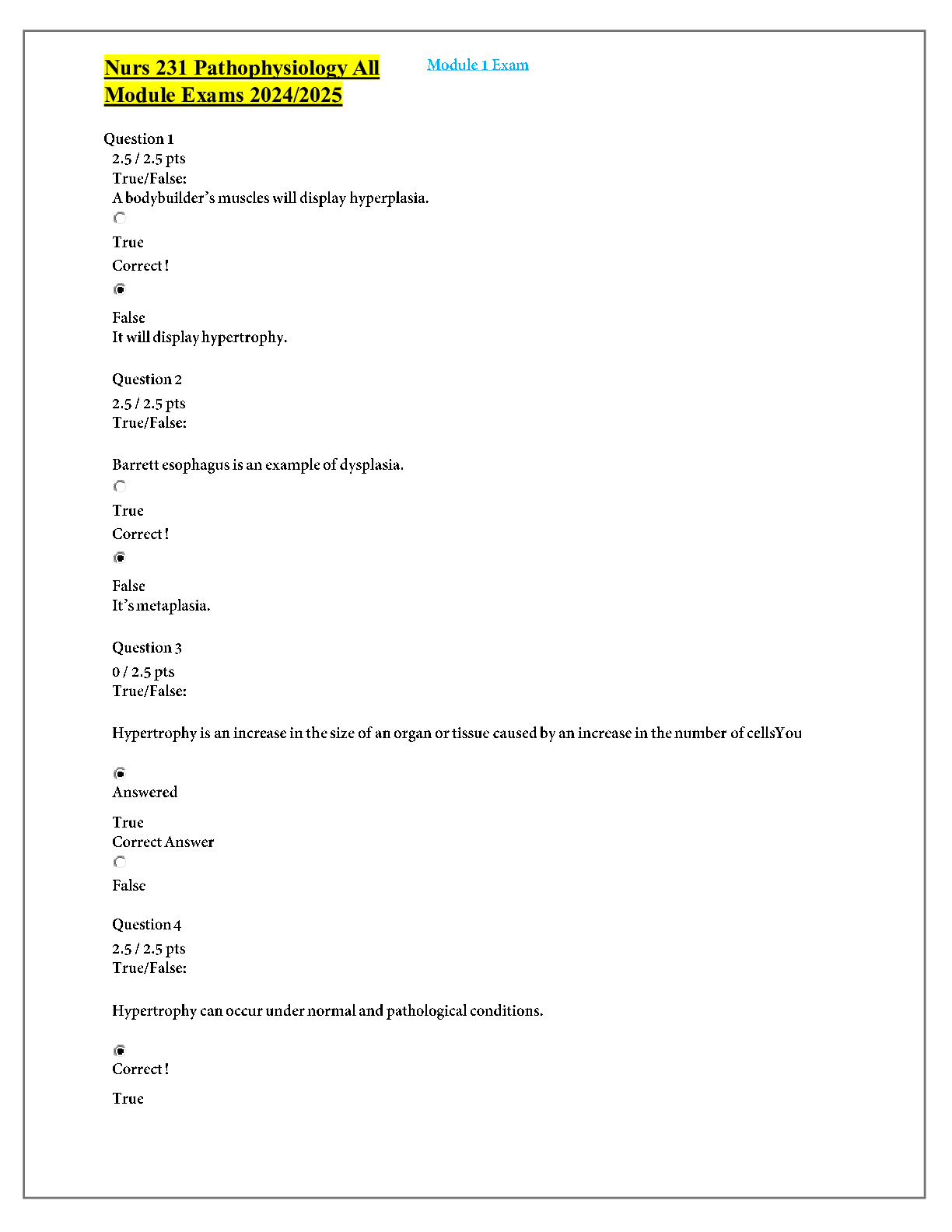
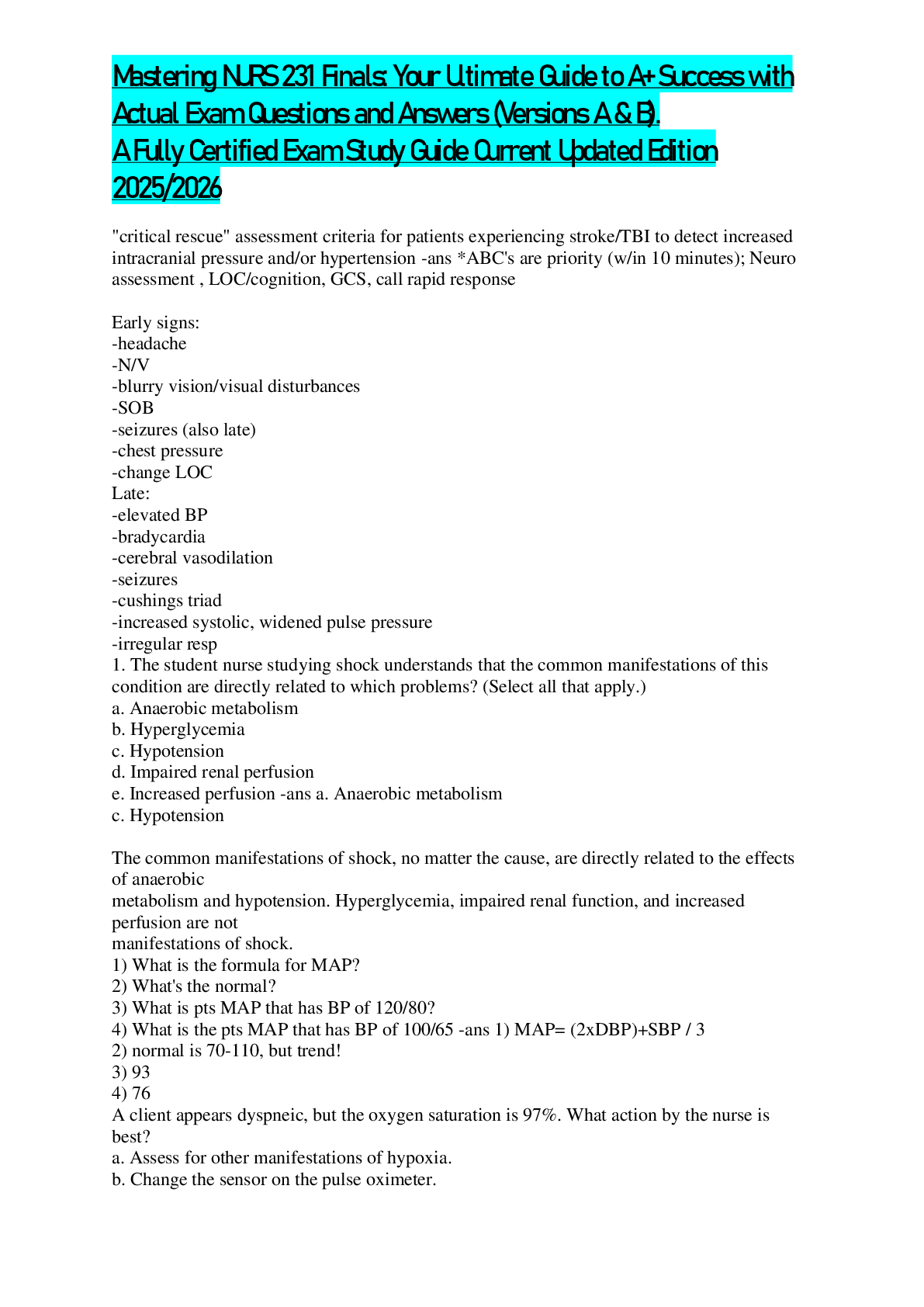
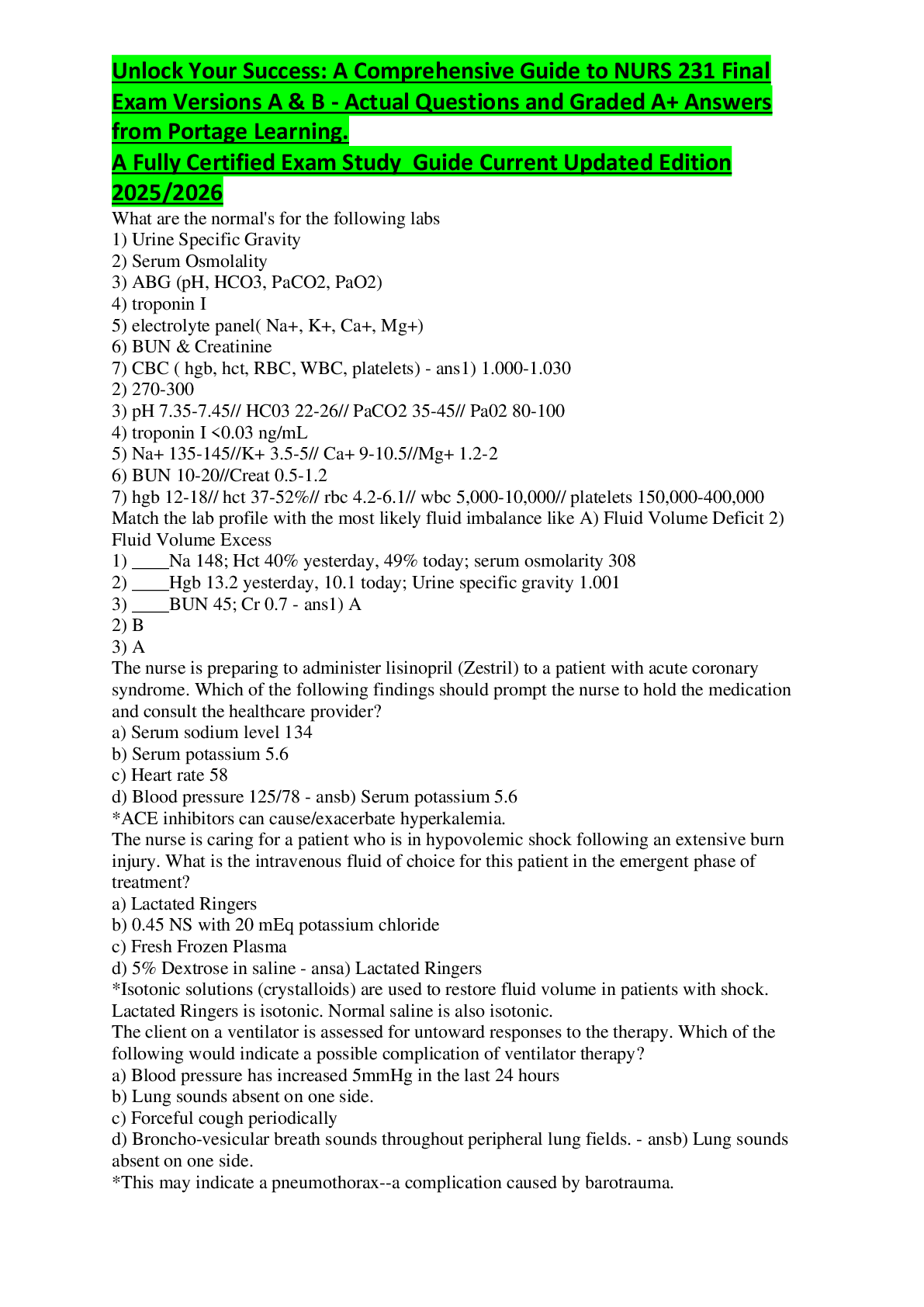
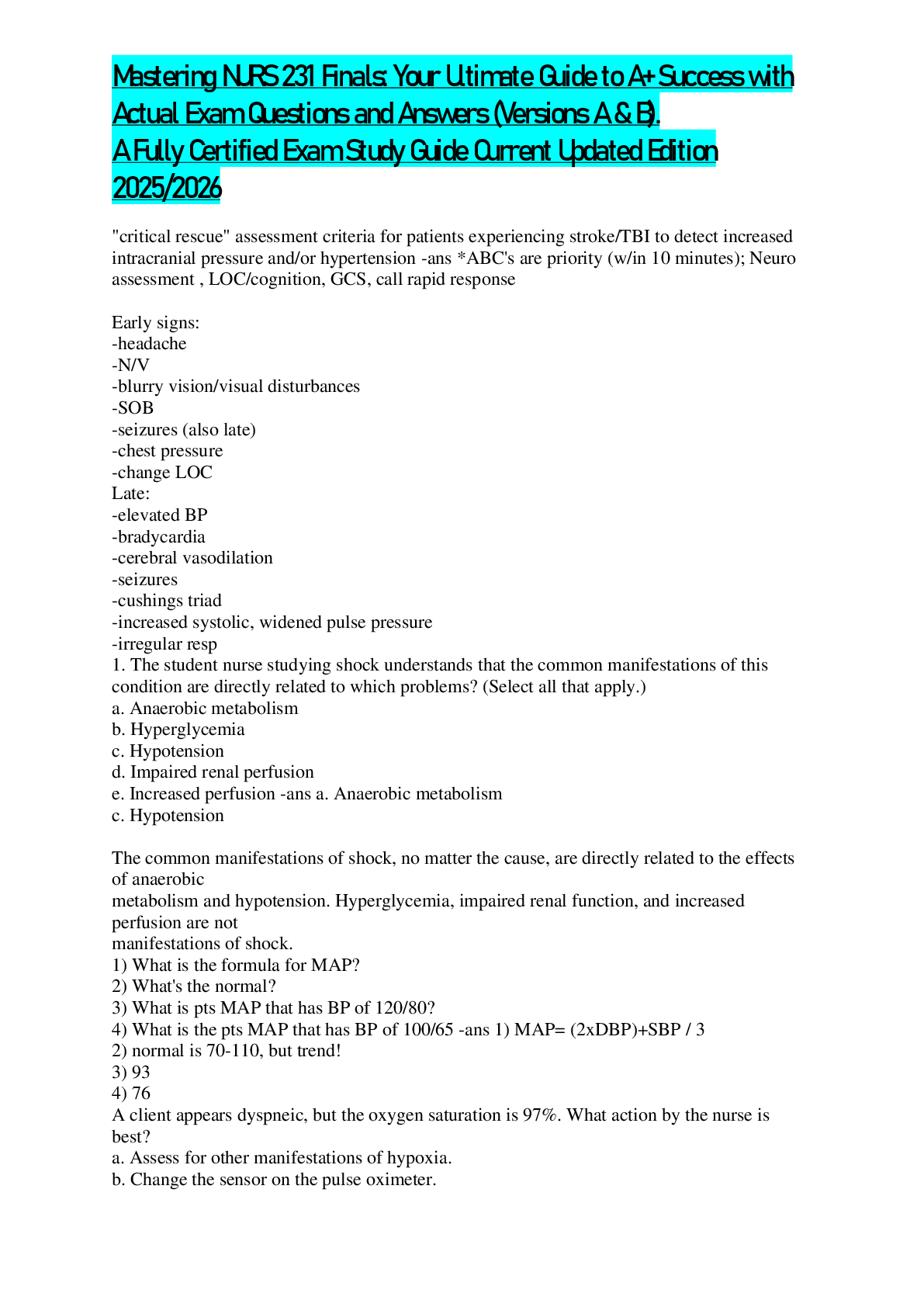





.png)