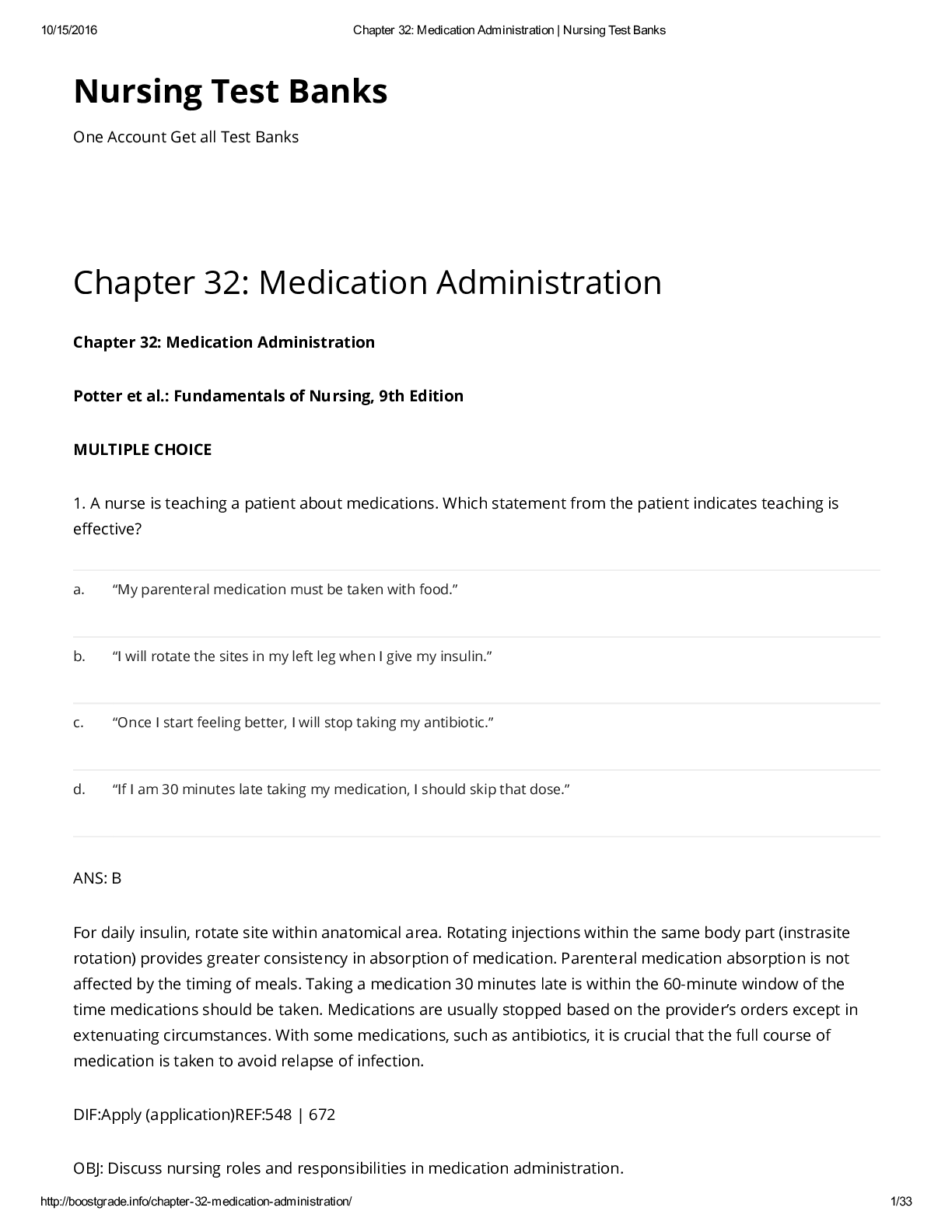
NURSING > QUESTIONS & ANSWERS > NURS 001 - Chapter 5: Fats. Questions and Answers. Rationales Provided. (All)
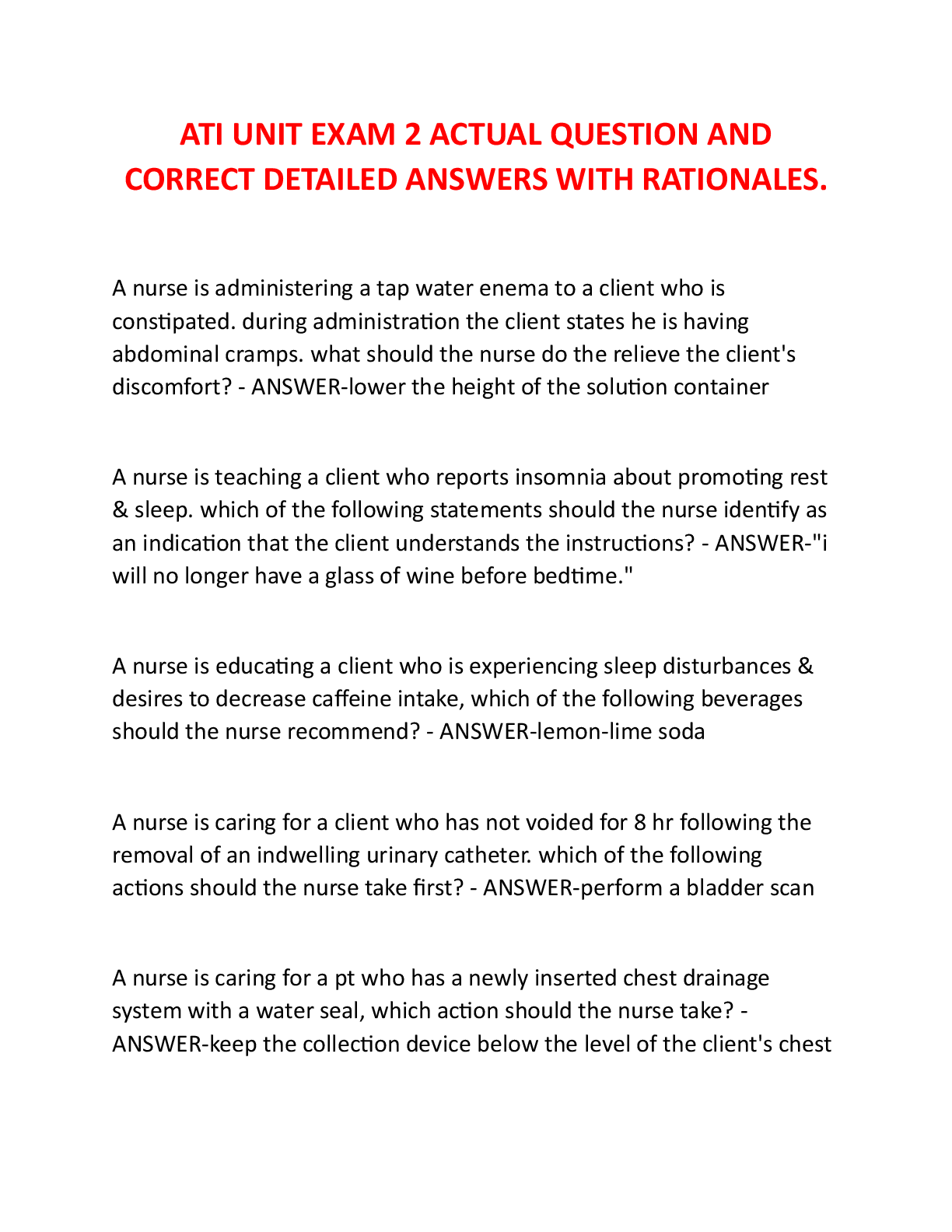
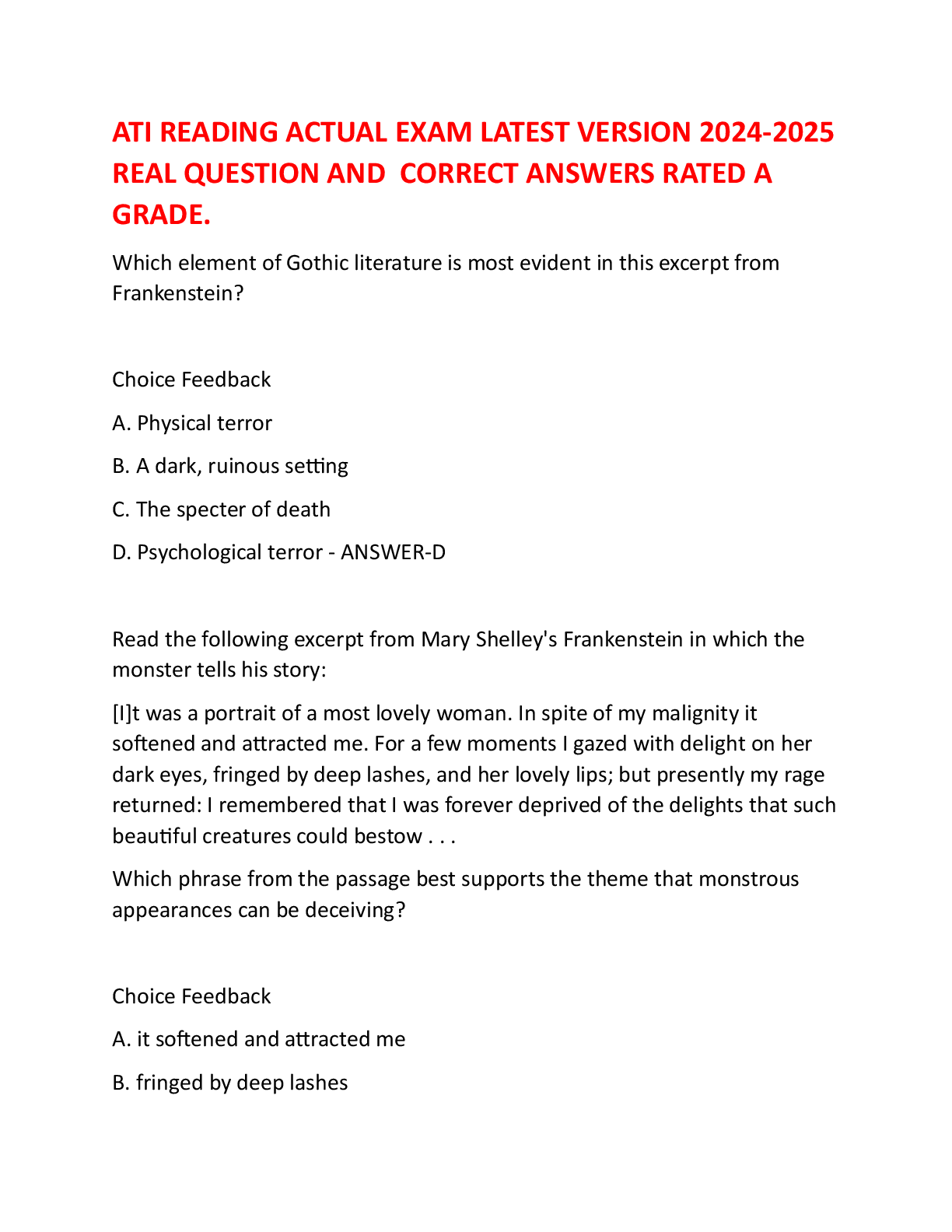
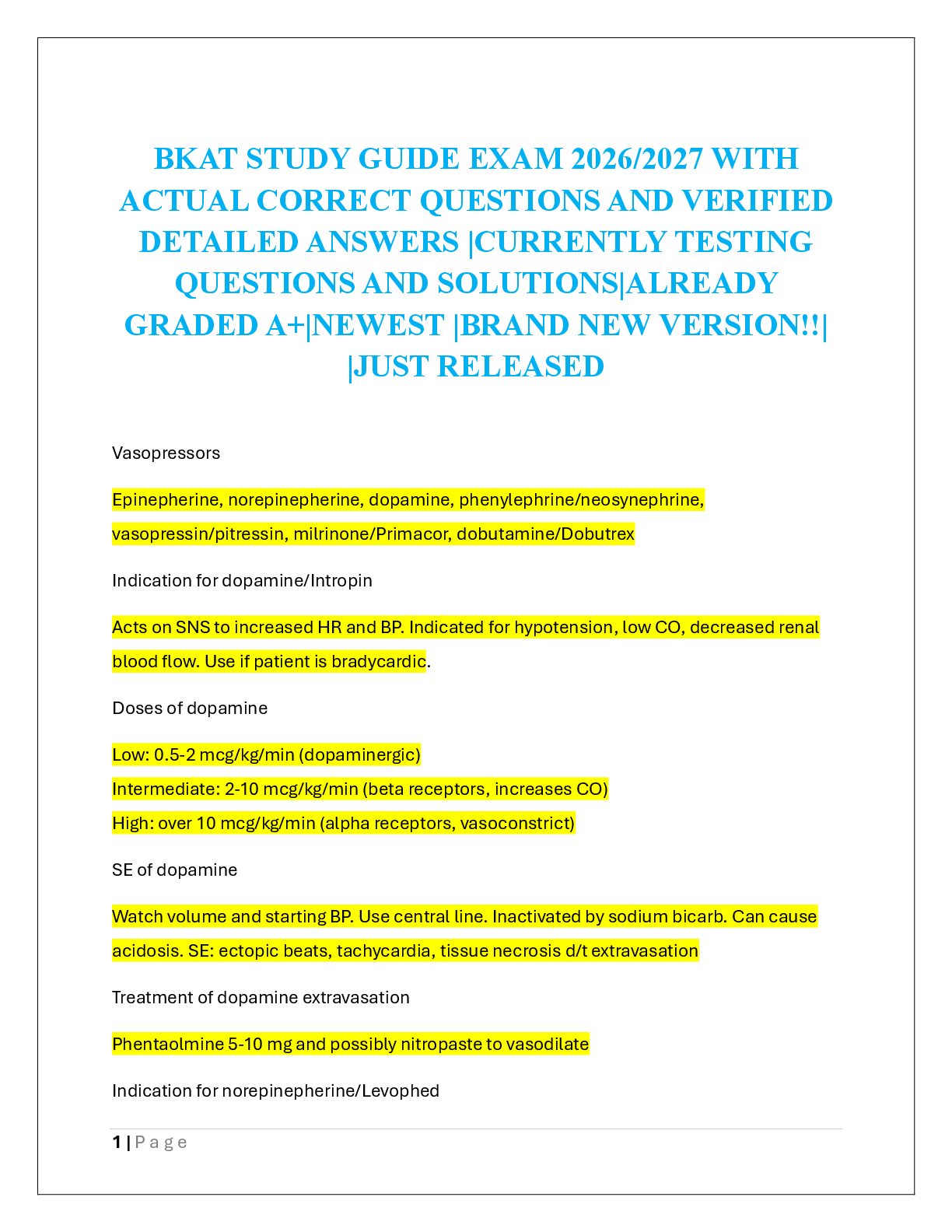
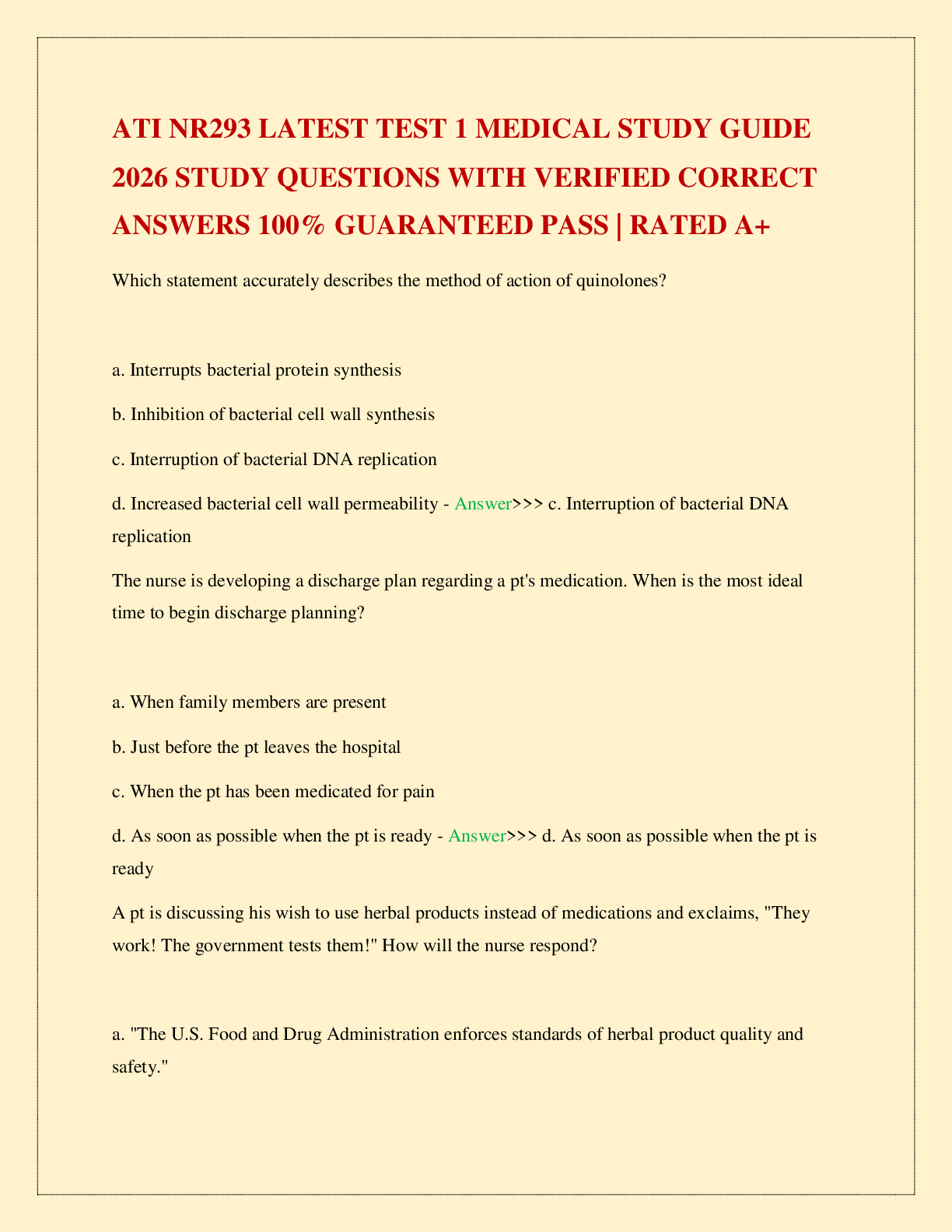
NURS 001 - Chapter 5: Fats. Questions and Answers. Rationales Provided.
Document Content and Description Below
Last updated: 4 years ago
Preview 1 out of 10 pages
Instant download

Buy this Document to get the Full Access Instantly
Provided by Students Who Aced it
We Verify Document Content to Gurantee Accuracy
Reviews( 0 )
Document information
Connected school, study & course
About the document
Uploaded On
Aug 25, 2021
Number of pages
10
Written in
All

Additional information
This document has been written for:
Uploaded
Aug 25, 2021
Downloads
0
Views
260
Topic Tags
Recommended For You
Get more on QUESTIONS & ANSWERS »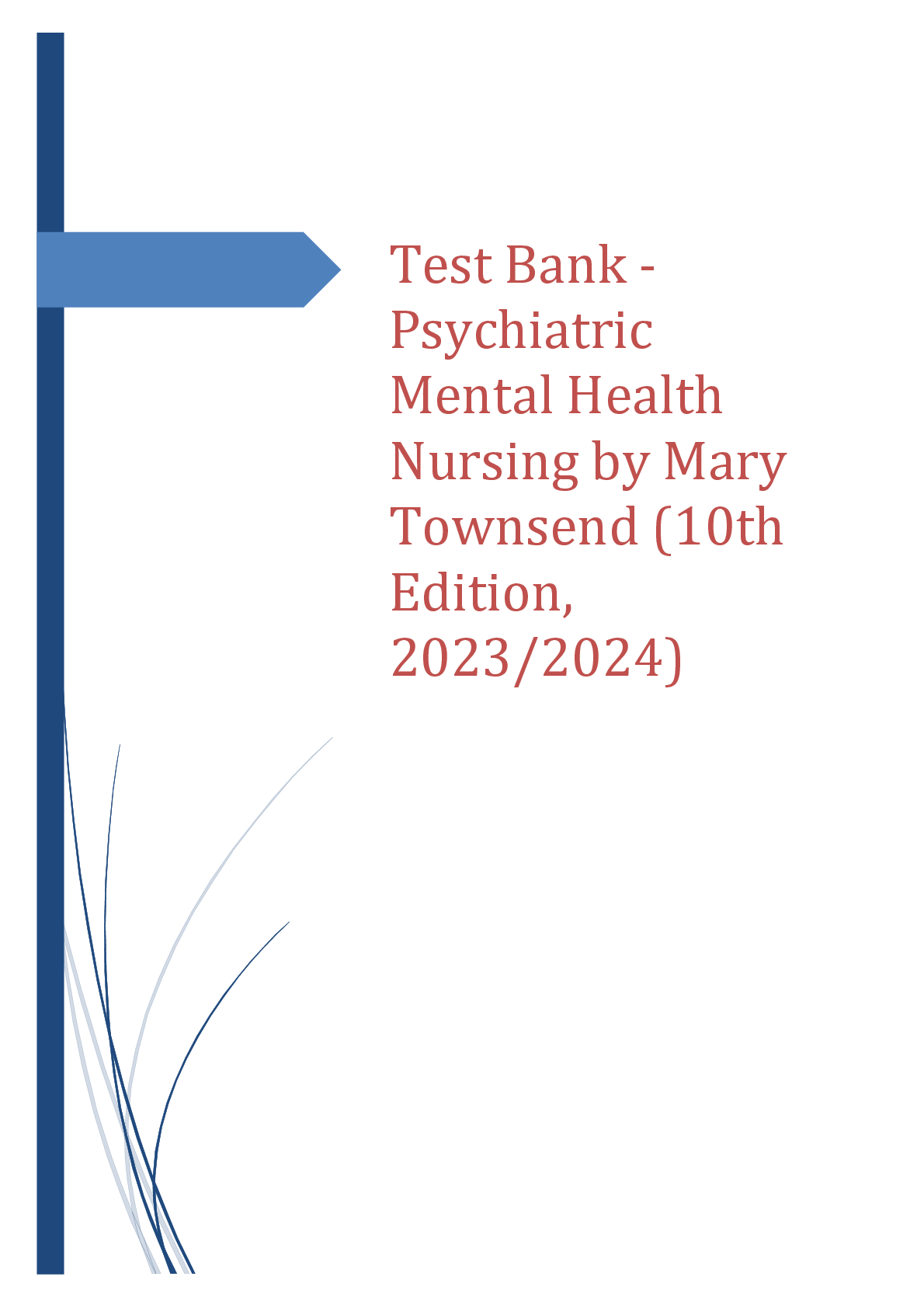
TEST BANK for Davis Advantage for Psychiatric Mental Health Nu...
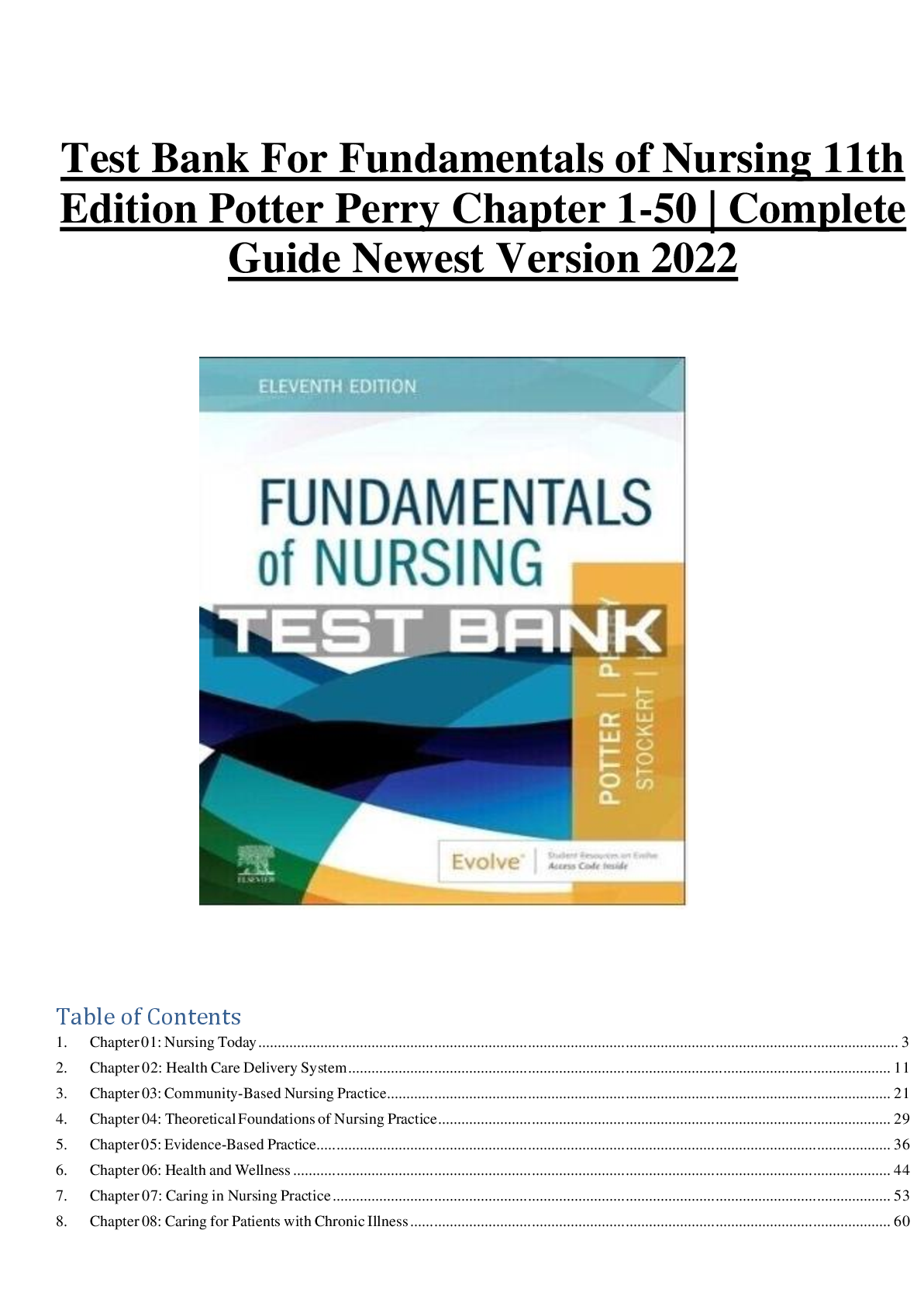
Test Bank For Fundamentals of Nursing 11th Edition Potter Perr...
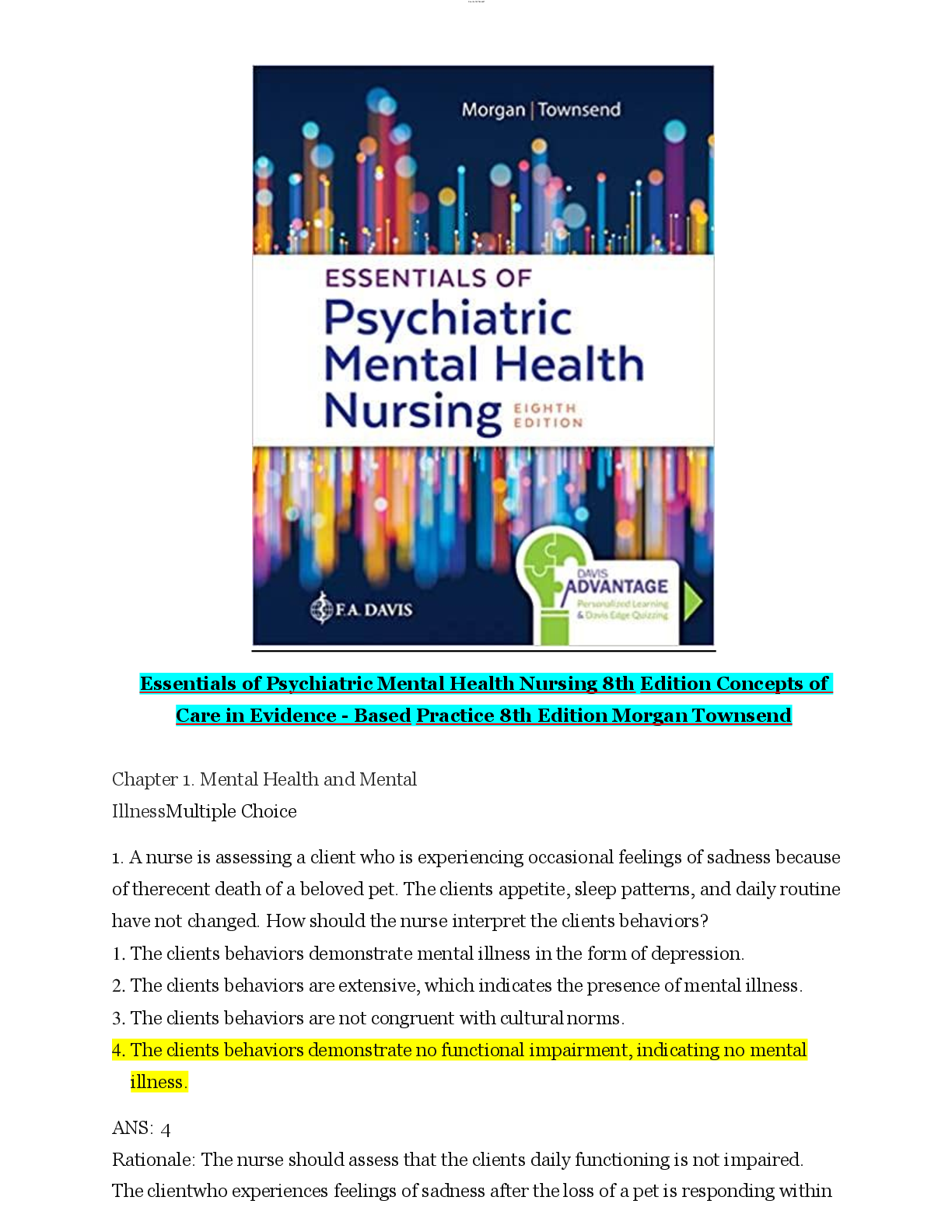
TEST BANK for Essentials of Psychiatric Mental Health Nursing:...
Essentials of Psychiatric Nursing 2nd Edition Boyd TEST BANK
TEST BANK for Essentials of Psychiatric Nursing 2nd Edition by...
Test Bank for Essentials of Psychiatric Nursing 2nd Edition by...