Economics > QUESTIONS & ANSWERS > Microeconomics, 5e (Hubbard/O'Brien) Chapter 13 Monopolistic Competition: The Competitive Model in a (All)
Microeconomics, 5e (Hubbard/O'Brien) Chapter 13 Monopolistic Competition: The Competitive Model in a More Realistic Setting | All Answers Correct
Document Content and Description Below
Last updated: 3 years ago
Preview 1 out of 13 pages
Instant download

Buy this Document to get the Full Access Instantly
Provided by Students Who Aced it
We Verify Document Content to Gurantee Accuracy
Reviews( 0 )
Document information
Connected school, study & course
About the document
Uploaded On
Aug 31, 2021
Number of pages
13
Written in
All

Additional information
This document has been written for:
Uploaded
Aug 31, 2021
Downloads
0
Views
111
Topic Tags
Recommended For You
Get more on QUESTIONS & ANSWERS »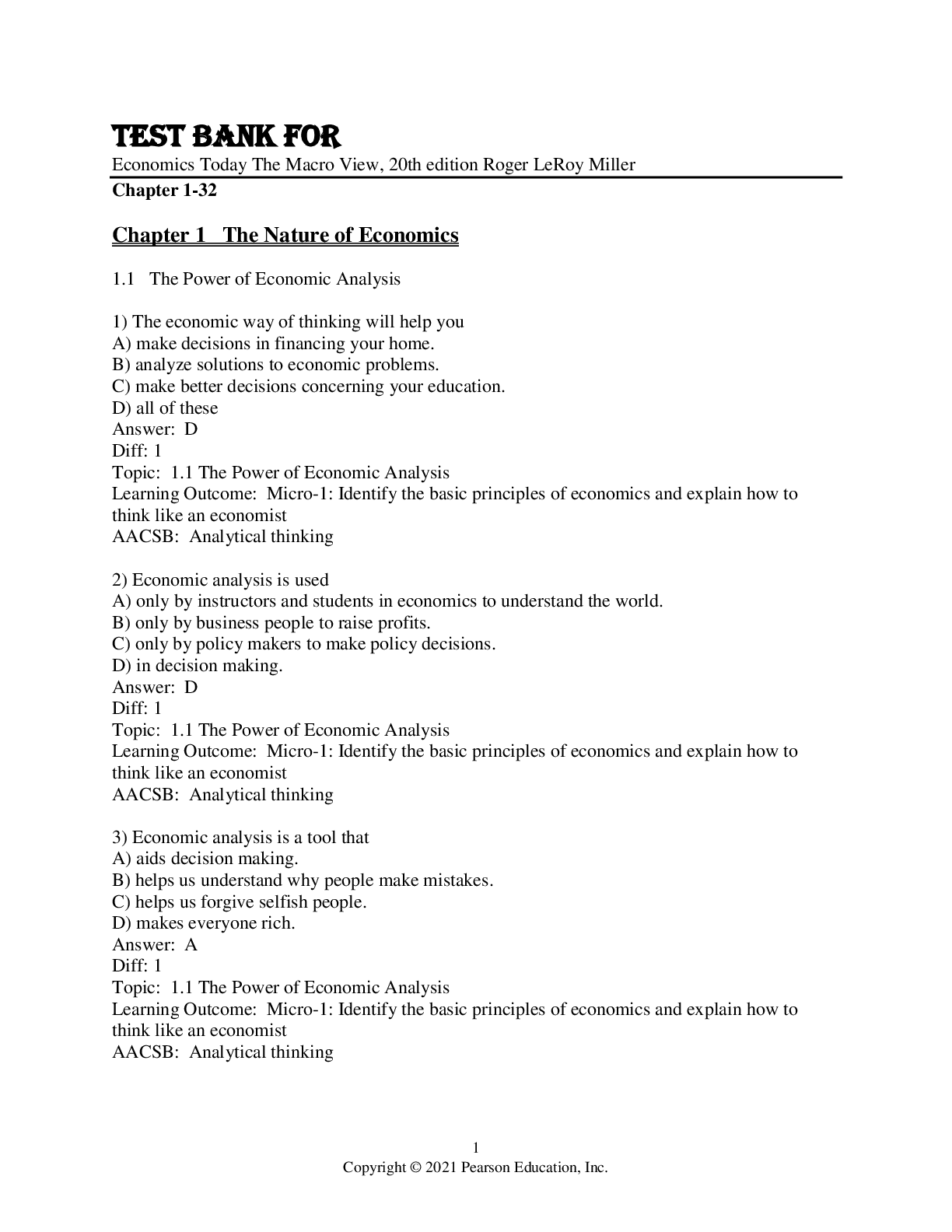
Test Bank For Economics Today The Macro View, 20th Edition by...
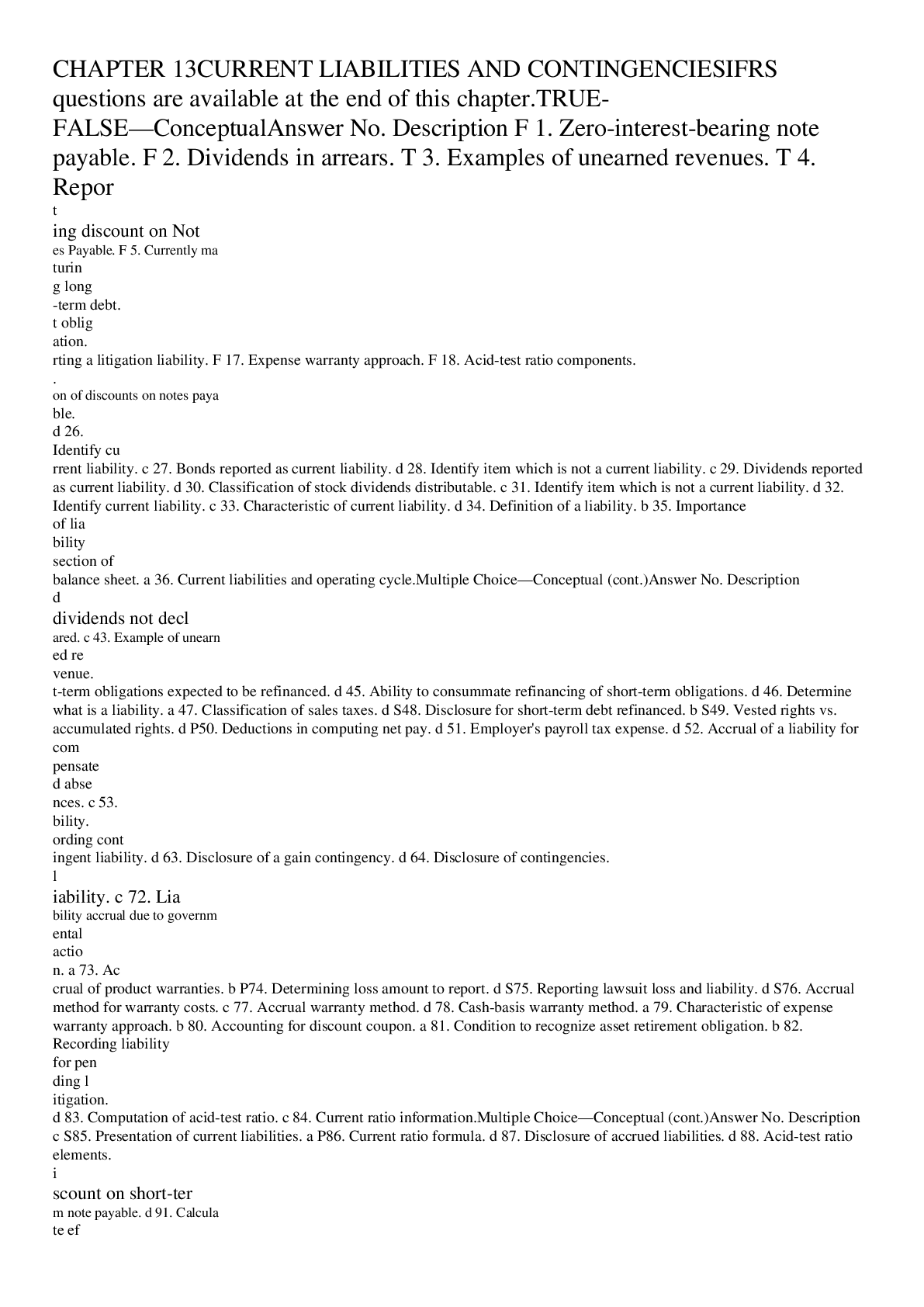
Test Bank Chapter 13 Current Liabilities and Contingencies.
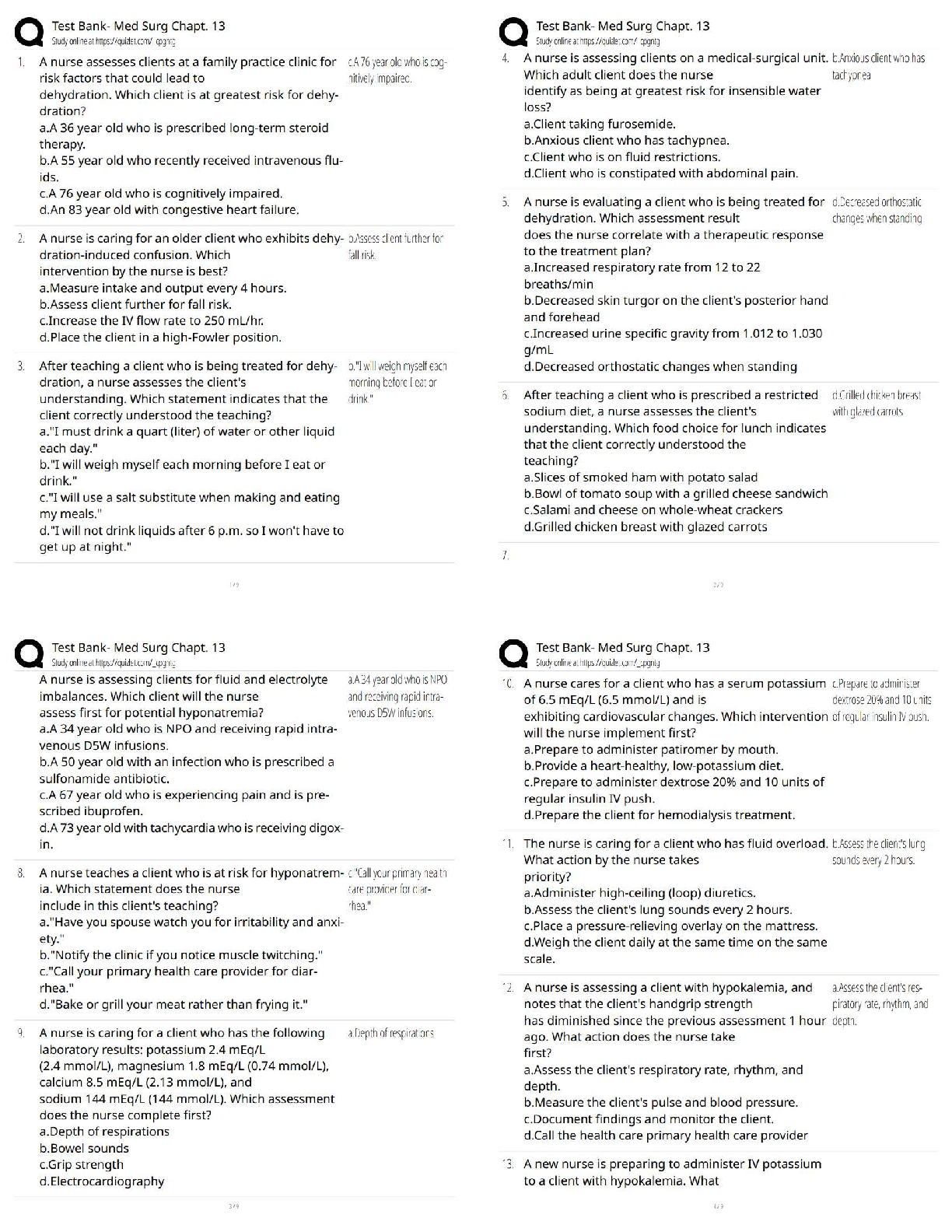
Test Bank Chapter 13 Current Liabilities and Contingencies.

[SOLVED] Liberty University - HIEU 201HIEU 201 Chapter 13 Quiz...

[SOLVED] Liberty University - HIEU 201HIEU 201 Chapter 13 Quiz...

[SOLVED] HIEU 201-425 EH / HIEU201-425EH Quiz Chapter 13 (LATE...
Solutions Manual Paramedic Care Principles and Practice (Volum...
Test Bank for Understanding Pharmacology Essentials for Medica...
Horngren’s Accounting, The Financial Chapter 13th Edition By T...
NR 331 Maternal Child Nursing Care- Chapter 13-16 Uncomplicate...
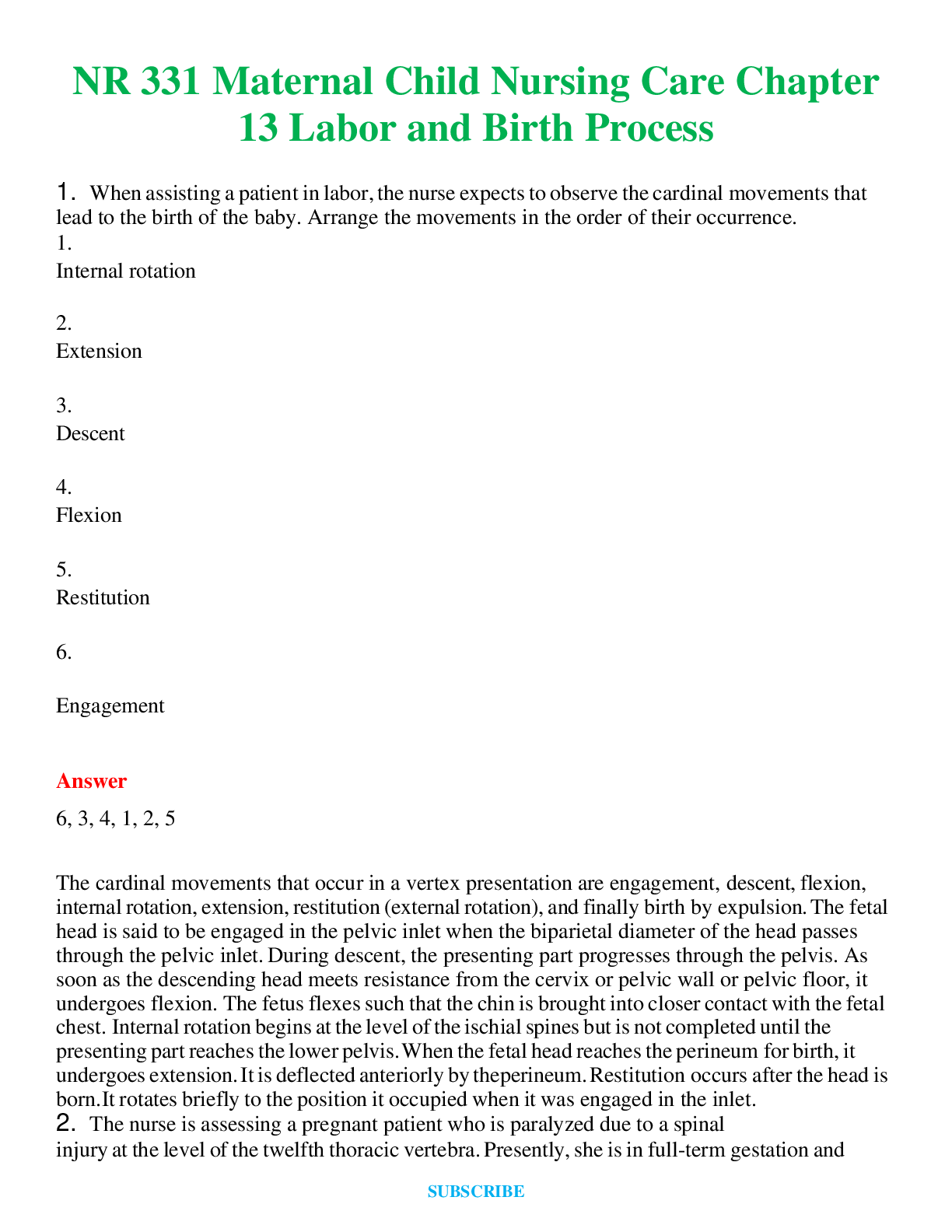
NR 331 Maternal Child Nursing Care Chapter 13 Labor and Birth...
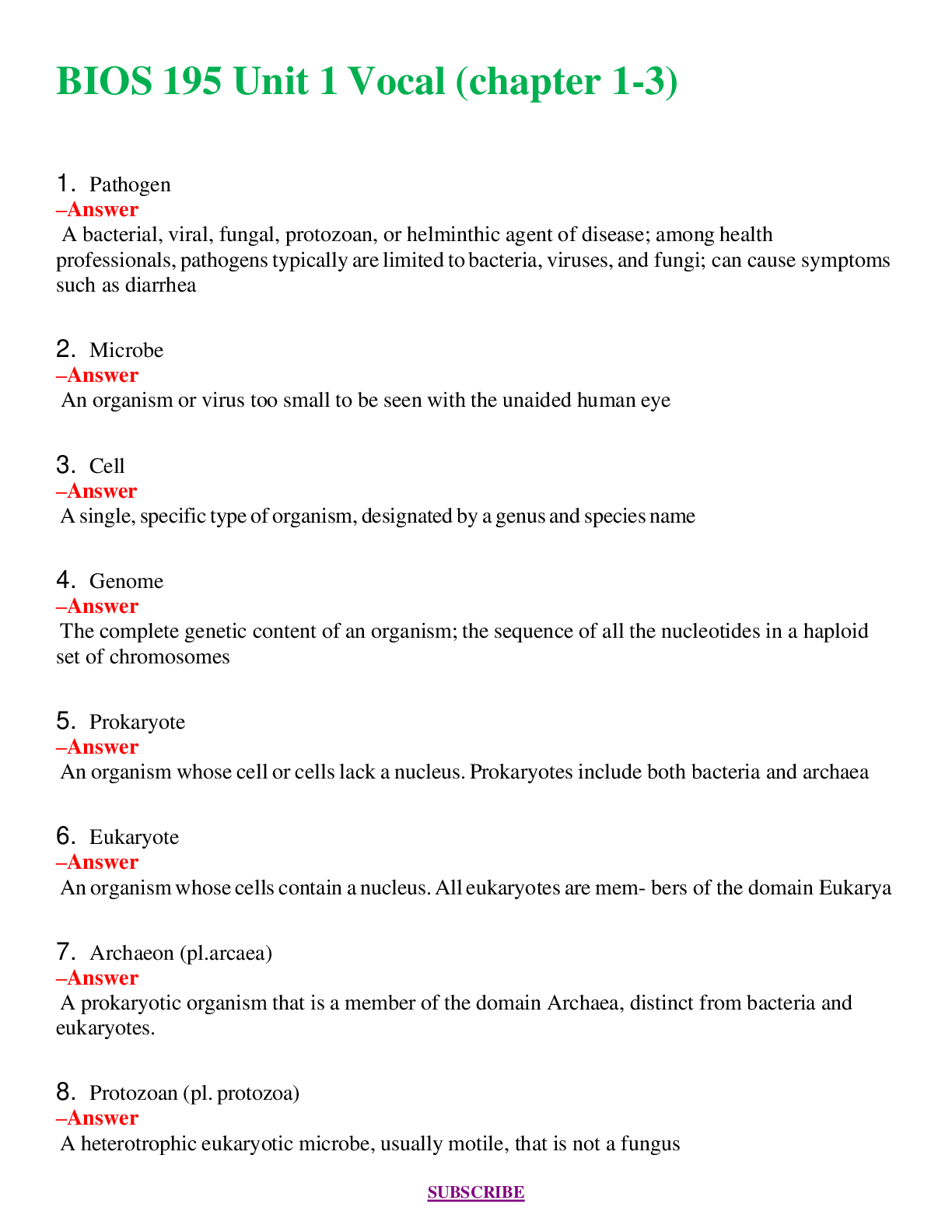
BIOS 195 Unit 1 Vocal (Chapter 1-3) Questions and Answers (...
.png)
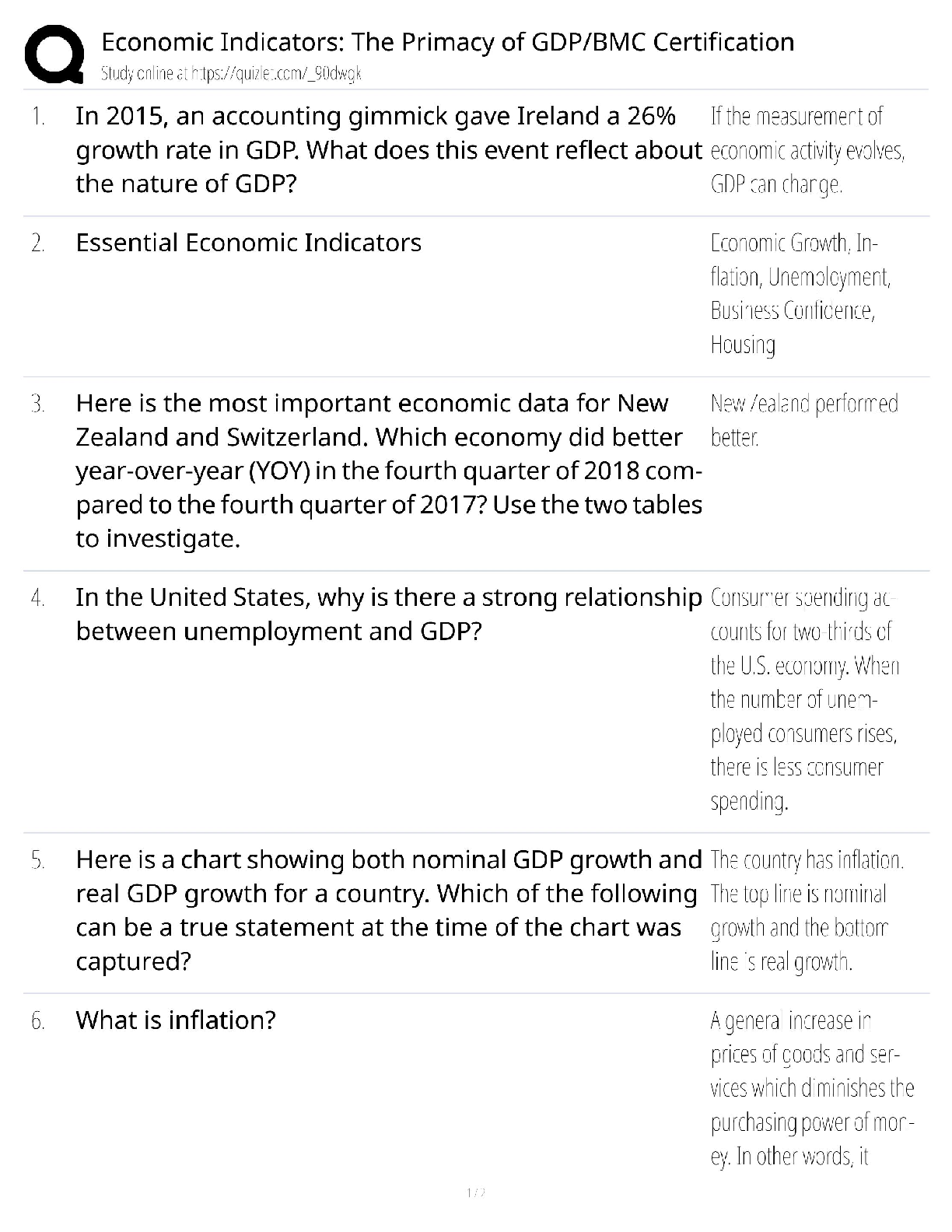




.png)

.png)


