Business > TEST BANKS > Chapter 2 The Basics of Supply and Demand Practice Questions LATEST 2021 (All)
Chapter 2 The Basics of Supply and Demand Practice Questions LATEST 2021
Document Content and Description Below
Last updated: 3 years ago
Preview 1 out of 16 pages
Instant download

Buy this Document to get the Full Access Instantly
Provided by Students Who Aced it
We Verify Document Content to Gurantee Accuracy
Reviews( 0 )
Document information
Connected school, study & course
About the document
Uploaded On
Sep 02, 2021
Number of pages
16
Written in
All

Additional information
This document has been written for:
Uploaded
Sep 02, 2021
Downloads
0
Views
119
Topic Tags
Recommended For You
Get more on TEST BANKS »

ATI Fundamentals Proctored Exam |Questions and Answers with Ra...
.png)
ATI MATERNAL NEWBORN Proctored Exam Latest 2021/2022. VERIFIED...
ATI Fundamentals Proctored Exam | Questions and Answers with R...

NUR2474 / NUR 2474 Exam 1 {Modules 1-3} | Latest 2021 / 2022 |...
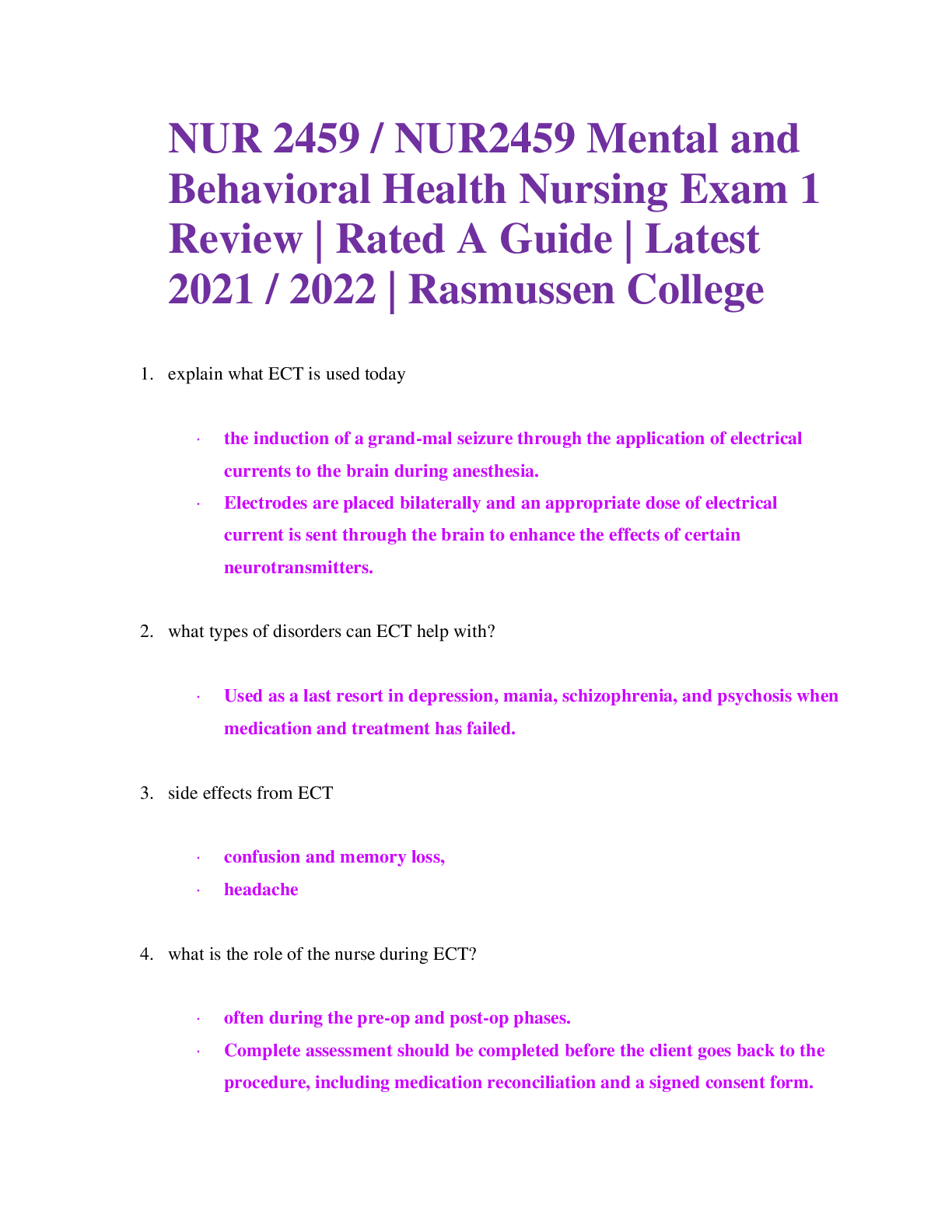
NUR 2459 / NUR2459 Mental and Behavioral Health Nursing Exam 1...


NR599 / NR 599 Nursing Informatics for Advanced Practice - Co...

NR 599 / NR599: Nursing Informatics for Advanced Practice Midt...
NR 599 / NR599: Nursing Informatics for Advanced Practice Midt...

Test Bank For Business Marketing Management B2B, 13th Edition...
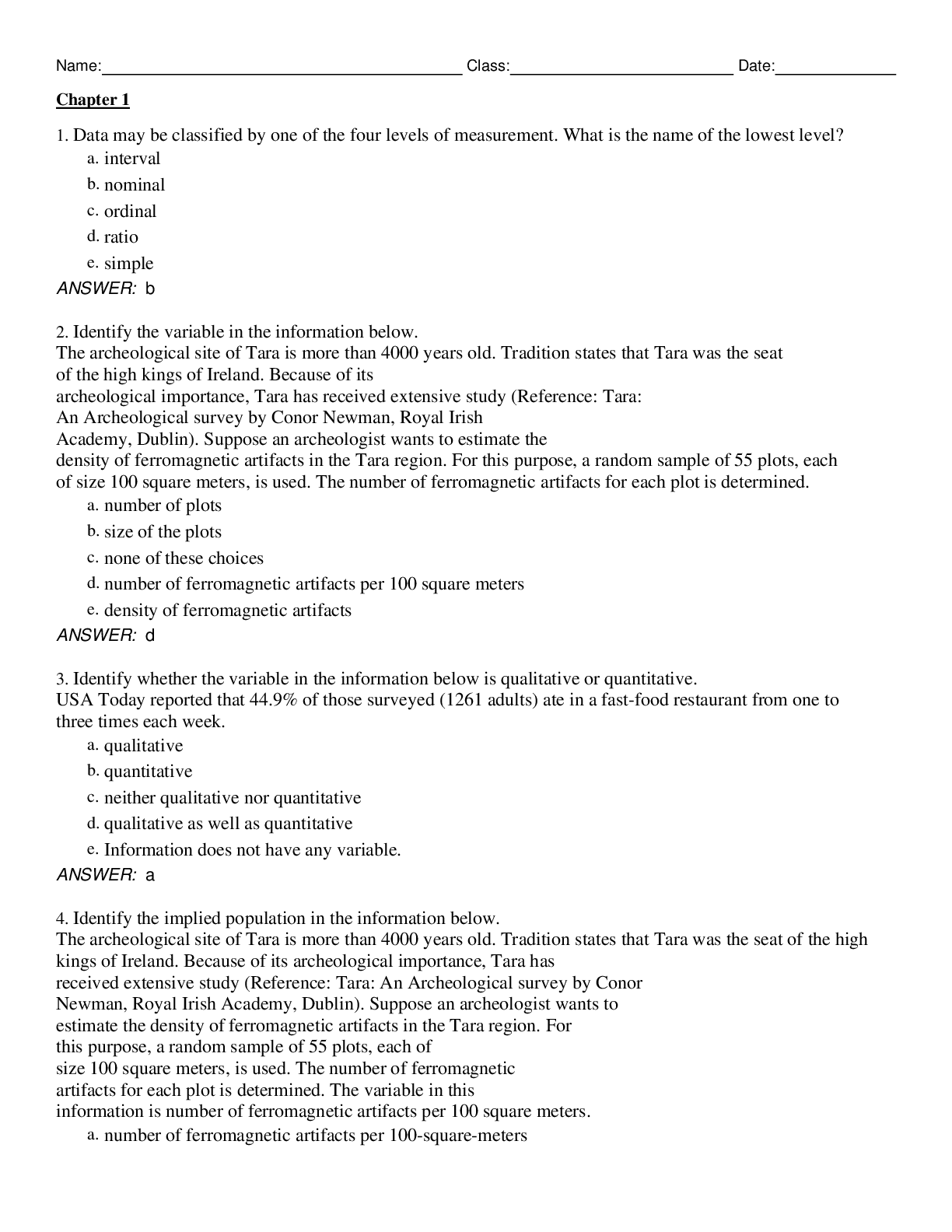
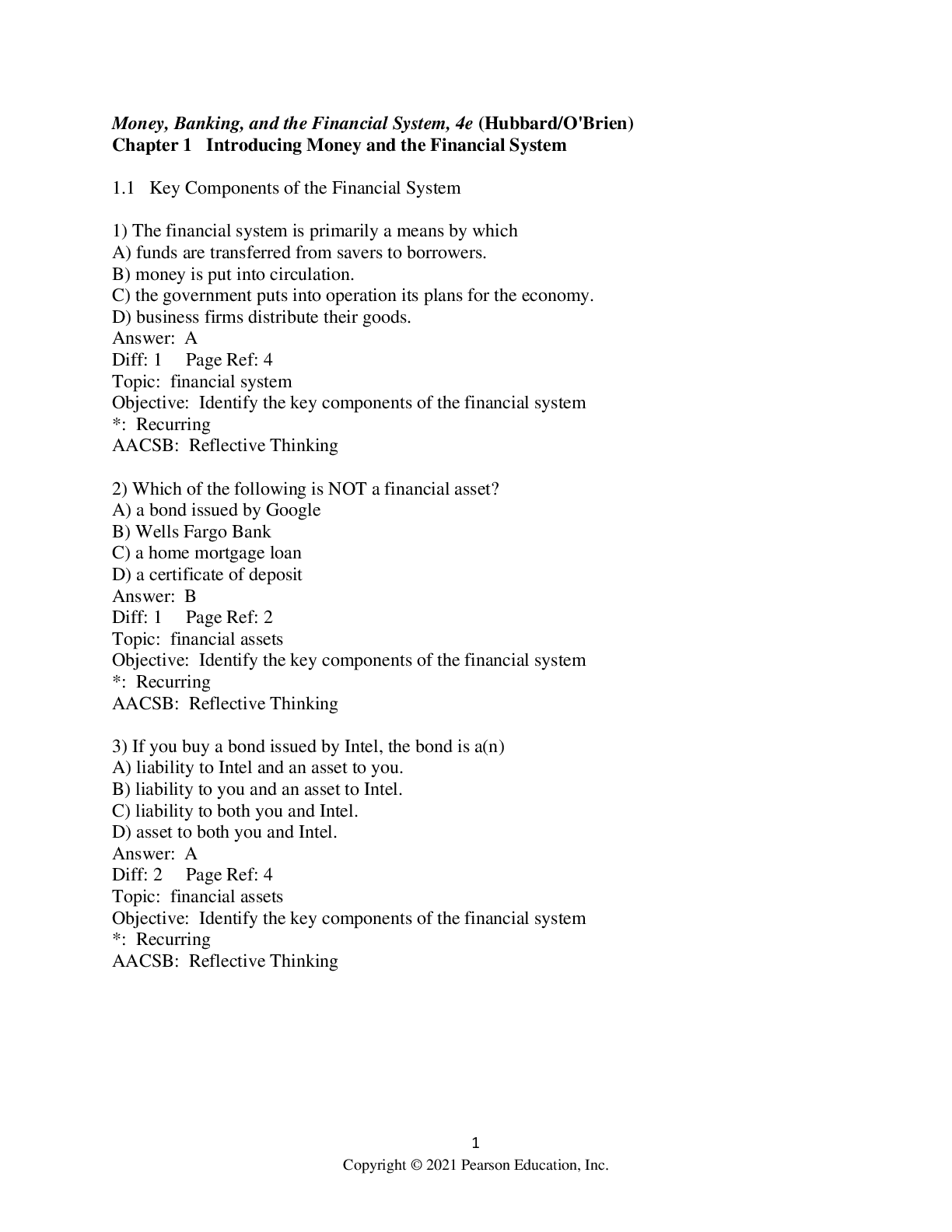

Solution Manual For Business Marketing Management B2B, 13th Ed...
Business Ethics Case Studies and Selected Readings 10th Edit...