Economics > QUESTIONS & ANSWERS > West Texas A&M University ECON 6332Econ 6332 Week 2 NEW 2021 (All)
West Texas A&M University ECON 6332Econ 6332 Week 2 NEW 2021
Document Content and Description Below
Last updated: 4 years ago
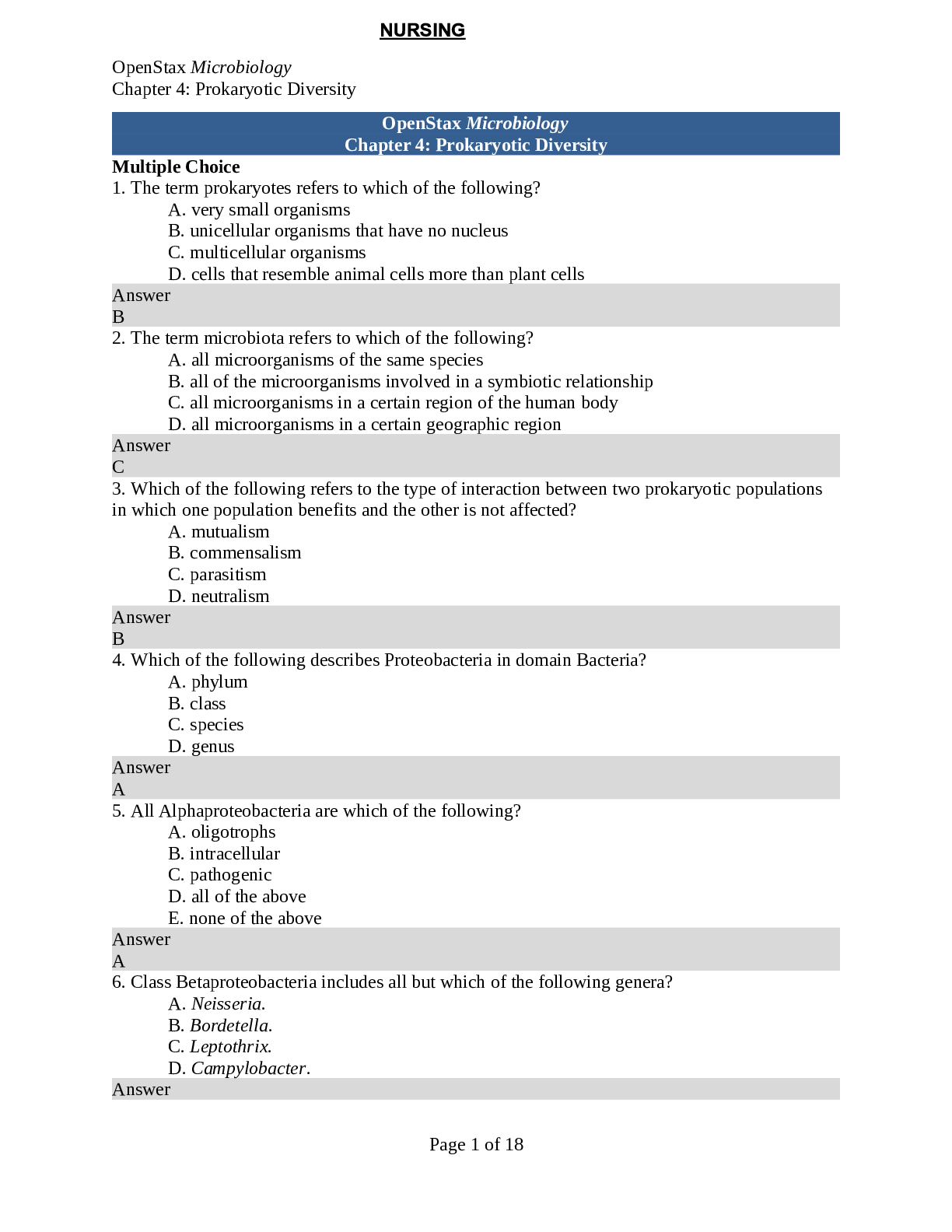
Preview 1 out of 18 pages
Instant download
.png)
Buy this Document to get the Full Access Instantly
Provided by Students Who Aced it
We Verify Document Content to Gurantee Accuracy
Reviews( 0 )
Document information
Connected school, study & course
About the document
Uploaded On
Sep 11, 2021
Number of pages
18
Written in
All

Additional information
This document has been written for:
Uploaded
Sep 11, 2021
Downloads
1
Views
185
Topic Tags
Recommended For You
Get more on QUESTIONS & ANSWERS »

NR 509 week 2 Quiz questions and answers (New 2021/2022)

HESI EXIT RN EXAM OVER 500 QUESTIONS, ANSWERS AND RATIONALE NE...
NR 509 week 2 Quiz questions and answers (New 2021/2022)
LEHNES PHARMACOTHERAPEUTICS FOR ADVANCED PRACTICE NURSES AND...
.png)
FUNDAMENTALS OF NURSING 9TH EDITION BY TAYLOR, LYNN, BARTLETT...
LEHNES PHARMACOTHERAPEUTICS FOR ADVANCED PRACTICE NURSES AND...

Test Bank Pediatric Nursing the Critical Components of Nursing...

HESI Exit RN Test bank Over 700 Questions, Answers Rationale N...

University of Texas, Dallas50 item pharmacology exam with answ...

Mark Klimek Lecture Notes new 2021 for High Scoring Grades
HESI Exit RN Exam Over 700 Questions, Answers Rationale New 20...
HESI Exit RN Exam Over 700 Questions, Answers Rationale New 20...

NR601 MIDTERM EXAM STUDY GUIDE (NEW-2021)| CHAMBERLAIN COLLEGE...
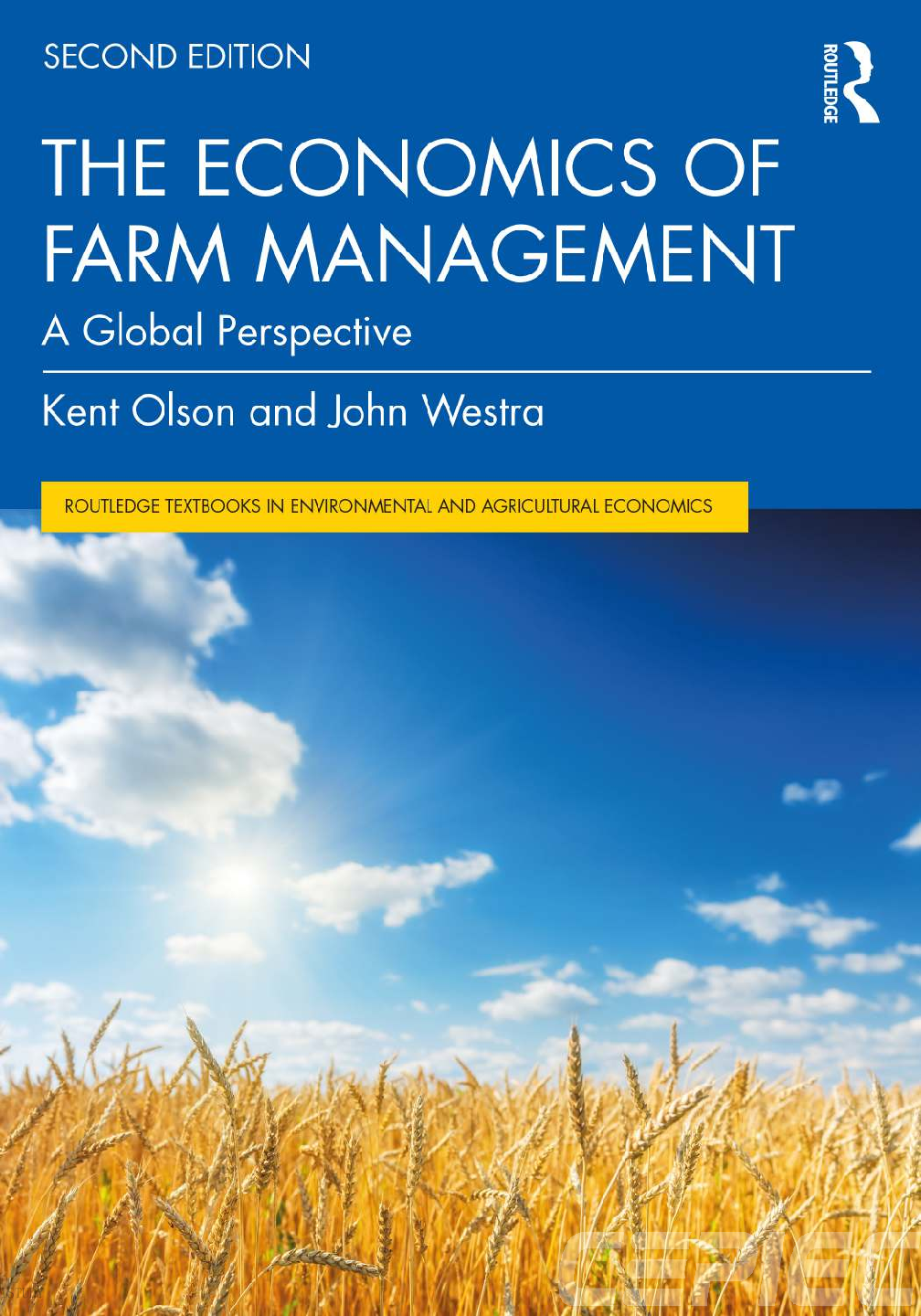
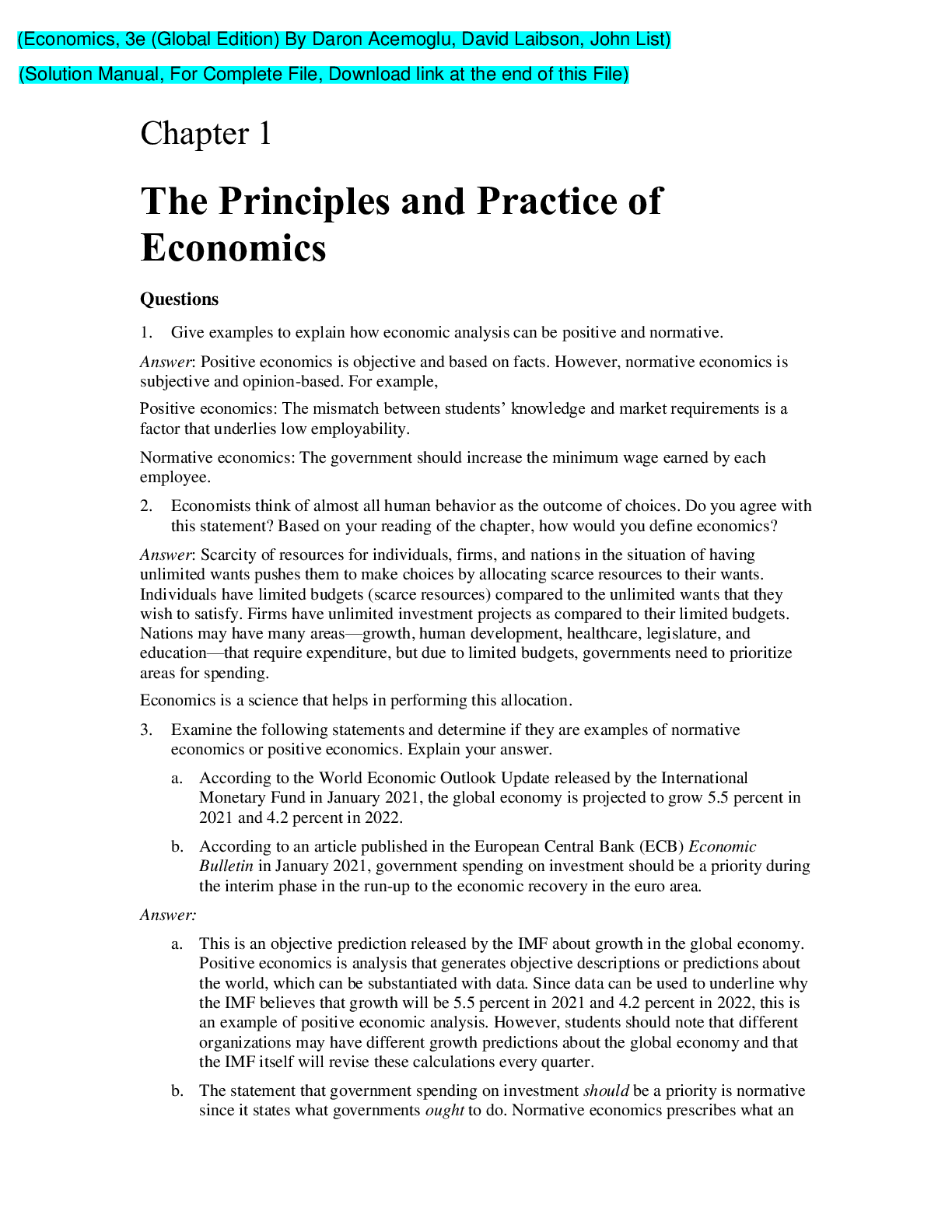
Economics 3rd Edition (Global Edition) By Daron Acemoglu, Davi...
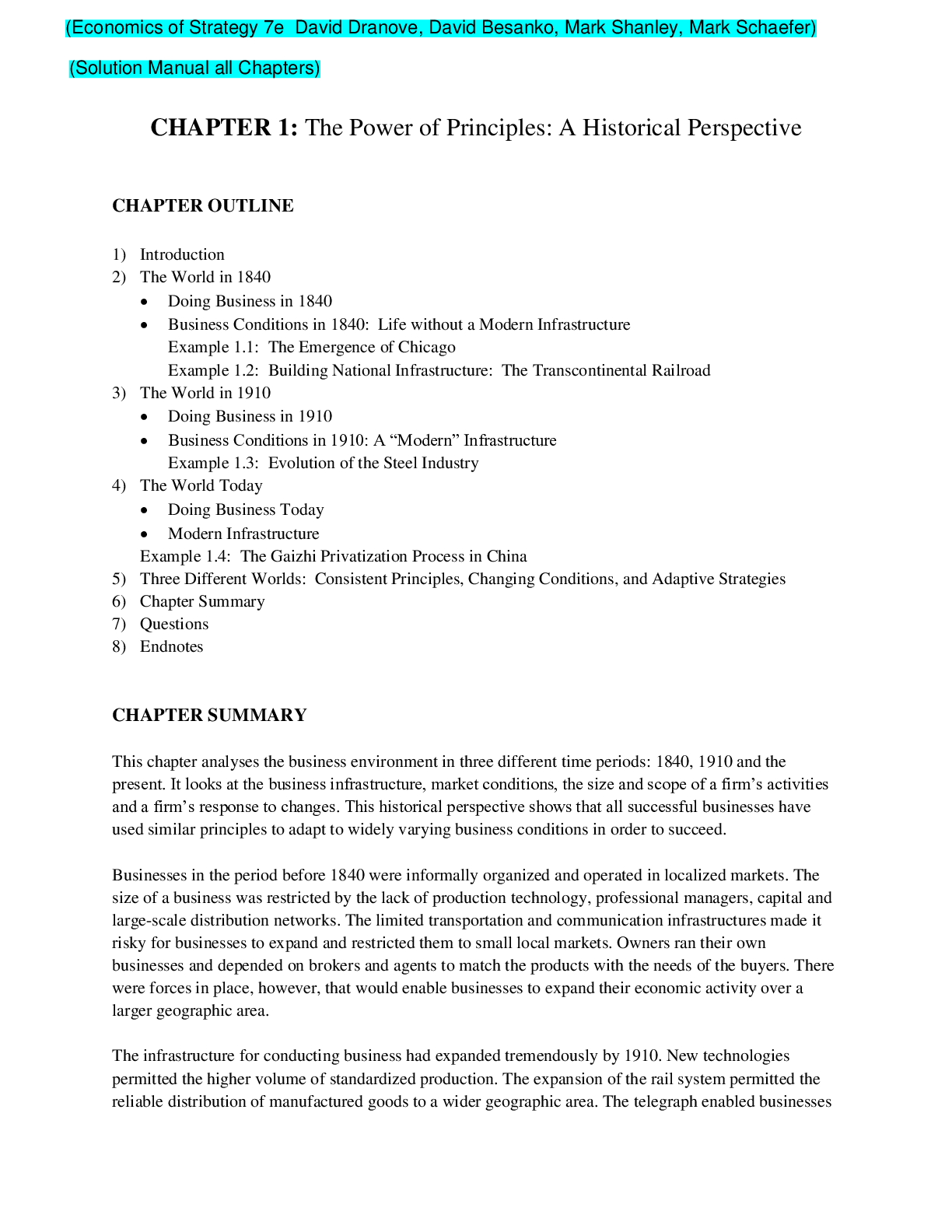
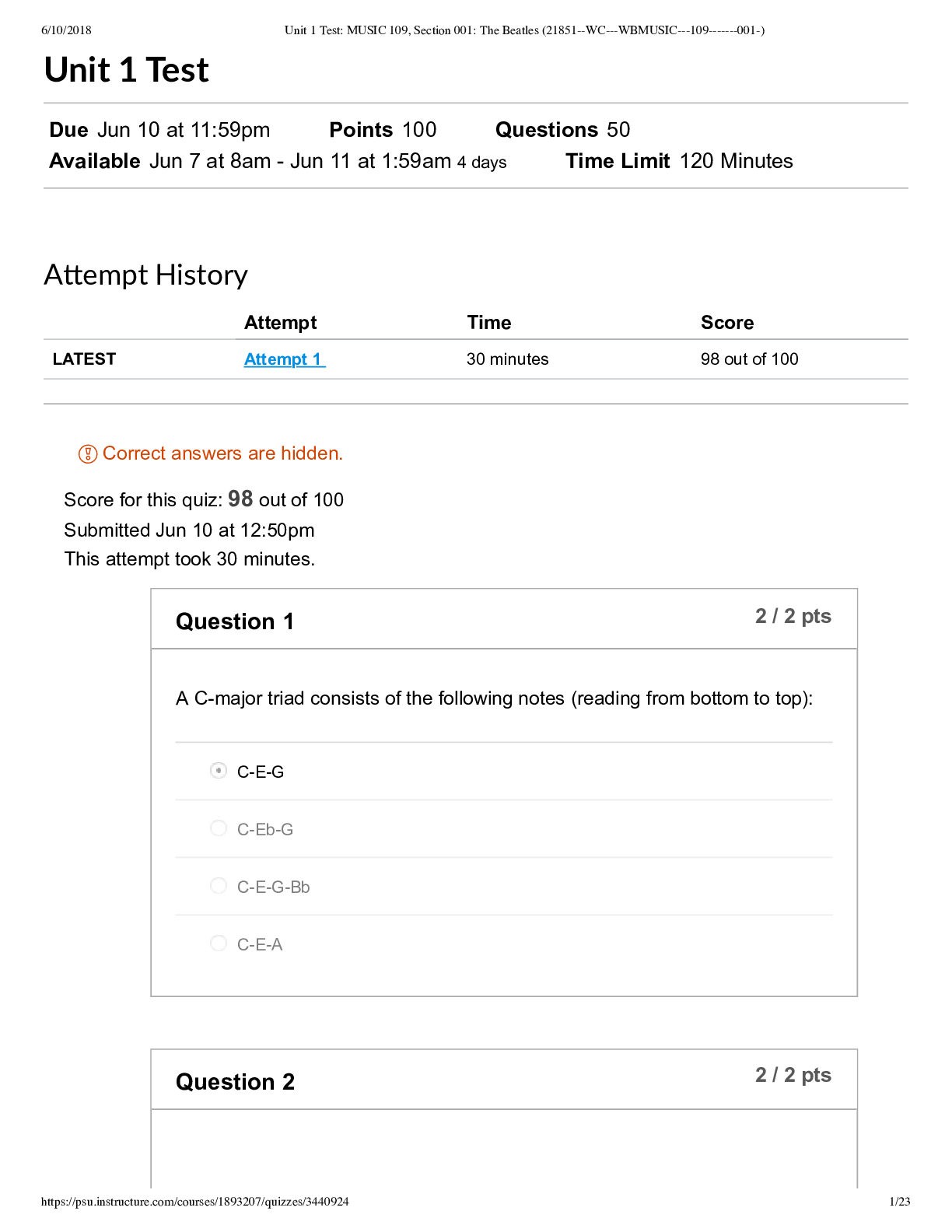

.png)
.png)
.png)
.png)
.png)
.png)

.png)