NURSING > EXAM REVIEW > AGNP BOARD EXAM QUESTIONS Sexually Transmitted Diseases Prescribing (All)
AGNP BOARD EXAM QUESTIONS Sexually Transmitted Diseases Prescribing
Document Content and Description Below
Last updated: 3 years ago
Preview 1 out of 26 pages
Instant download

Buy this Document to get the Full Access Instantly
Provided by Students Who Aced it
We Verify Document Content to Gurantee Accuracy
Reviews( 0 )
Document information
Connected school, study & course
About the document
Uploaded On
Sep 12, 2021
Number of pages
26
Written in
All

Additional information
This document has been written for:
Uploaded
Sep 12, 2021
Downloads
0
Views
107
Topic Tags
Recommended For You
Get more on EXAM REVIEW »
AGNP BOARD EXAM QUESTIONS Sexually Transmitted Diseases Prescr...
NSG 6320 AGNP BOARD EXAM QUESTIONS Sexually Transmitted Diseas...
AGNP BOARD EXAM QUESTIONS Sexually Transmitted Diseases Prescr...
AGNP BOARD EXAM QUESTIONS Sexually Transmitted Diseases Prescr...
NSG 6320 AGNP BOARD EXAM QUESTIONS Sexually Transmitted Diseas...
AGNP BOARD EXAM QUESTIONS Sexually Transmitted Diseases Prescr...
x.png)
NURS6521 / NURS 6521 Exam Study Guide (Latest): Advanced Pharm...

NUR 2633 / NUR2633 Exam 2 Study Guide Updated: Maternal Child...

NUR2488 / NUR 2488 Exam 2 Study Guide [In Class Review] : Men...
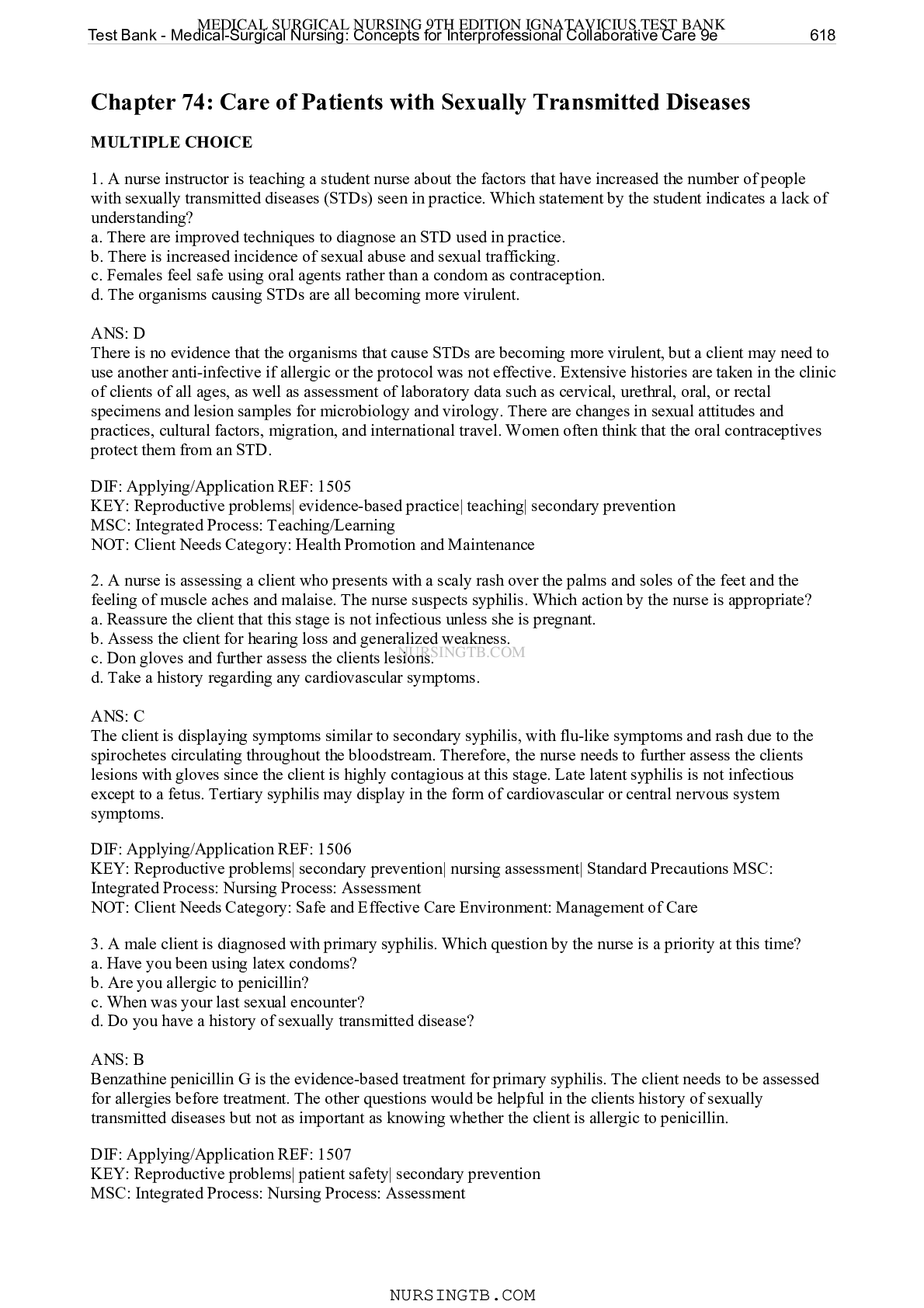
Chapter 74: Care of Patients with Sexually Transmitted Disease...
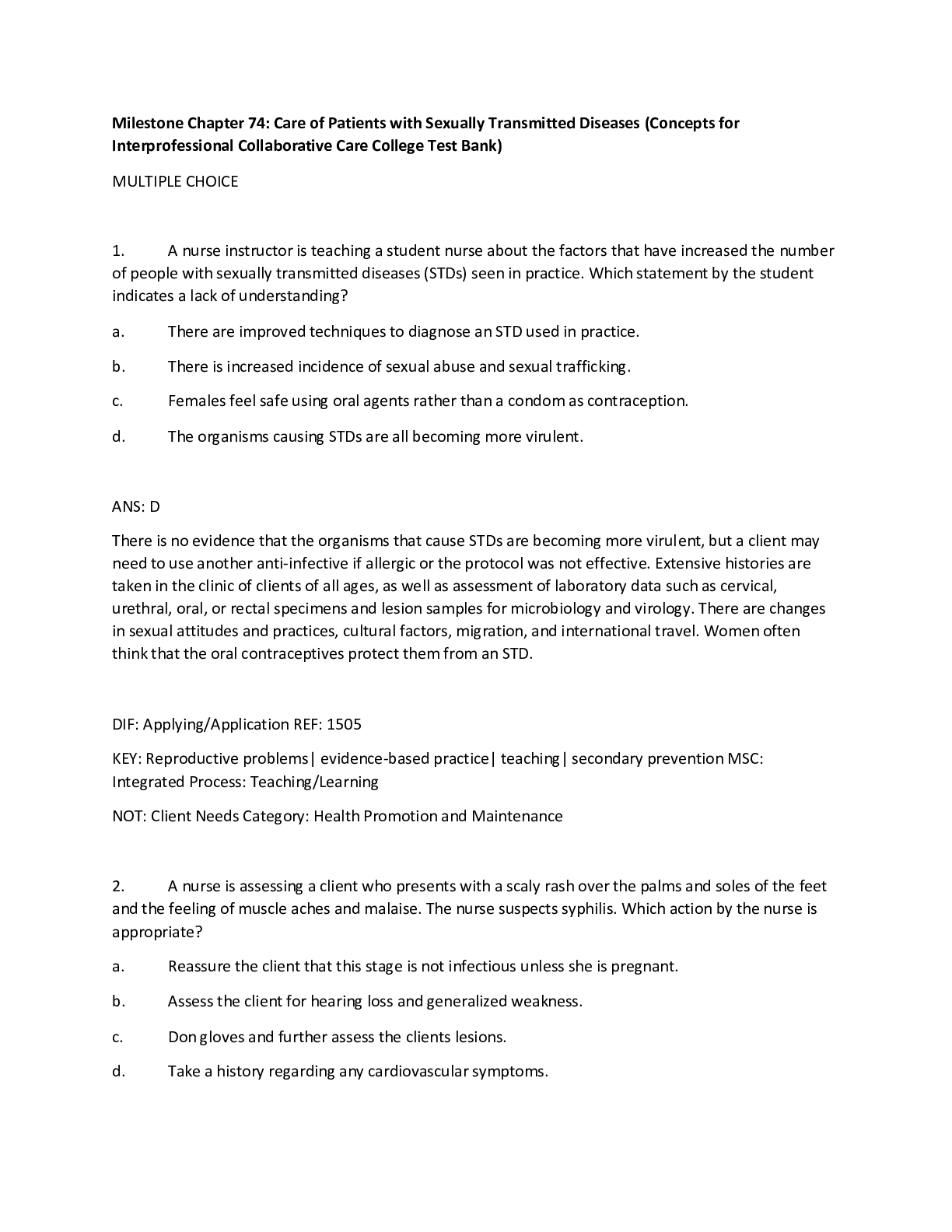
Milestone Chapter 74 Care of Patients with Sexually Transmitte...
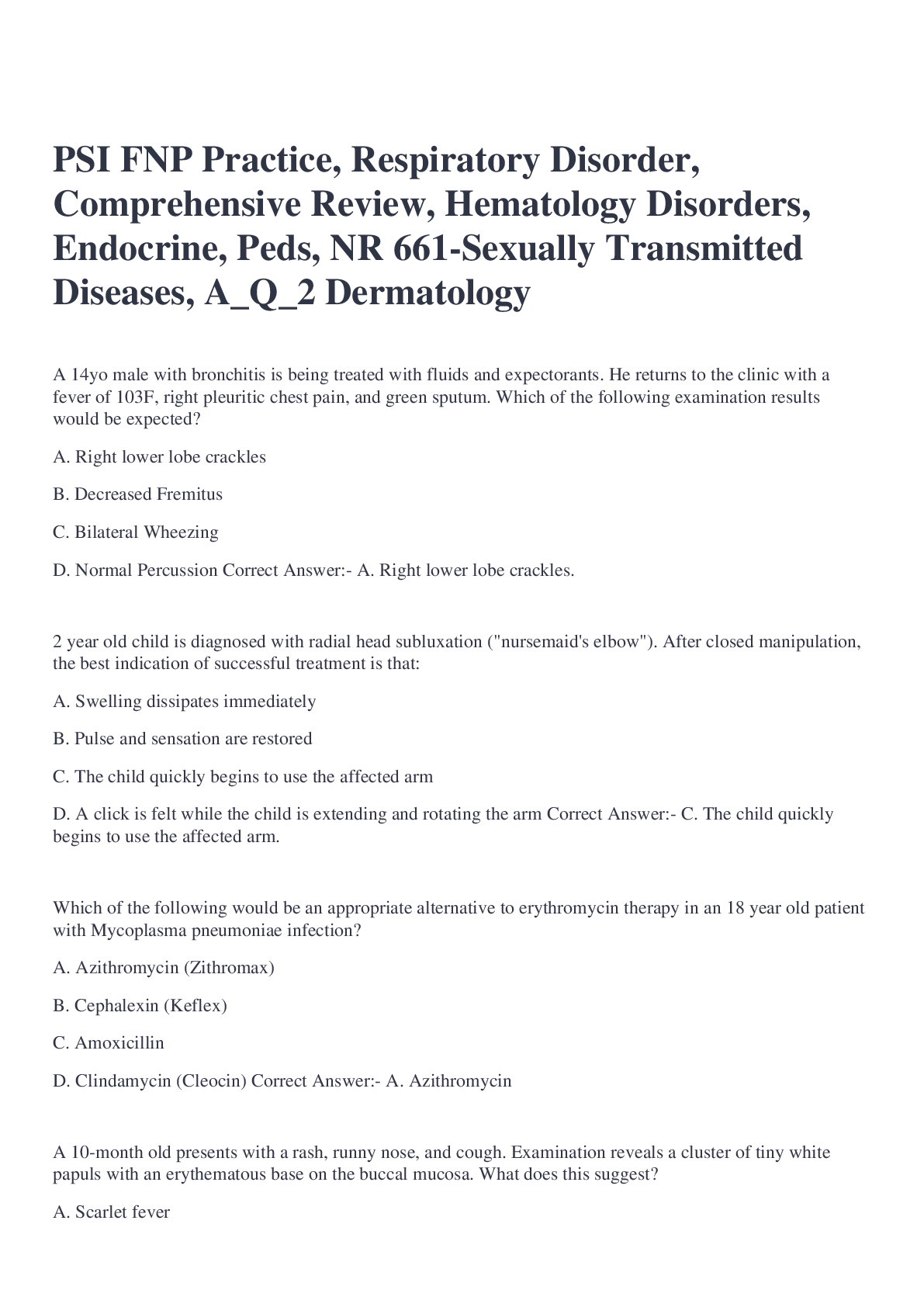
PSI FNP Practice, Respiratory Disorder, Comprehensive Review,...

.png)


.png)


.png)