INTRODUCTION
1. A 3-year-old is brought to the emergency department having
just ingested a large overdose of tolbutamide, an oral
antidiabetic drug. Tolbutamide is a weak acid with a pKa
of 5.3. It is capable of ente
...
INTRODUCTION
1. A 3-year-old is brought to the emergency department having
just ingested a large overdose of tolbutamide, an oral
antidiabetic drug. Tolbutamide is a weak acid with a pKa
of 5.3. It is capable of entering most tissues, including the
brain. On physical examination, the heart rate is 100/min,
blood pressure 90/50 mm Hg, and respiratory rate 20/min.
Which of the following statements about this case of tolbutamide
overdose is most correct?
(A) Urinary excretion would be accelerated by administration
of NH4Cl, an acidifying agent
(B) Urinary excretion would be accelerated by giving
NaHCO3, an alkalinizing agent
(C) Less of the drug would be ionized at blood pH than at
stomach pH
(D) Absorption of the drug would be slower from the stomach
than from the small intestine
(E) Hemodialysis is the only effective therapy
2. Botulinum toxin is a large protein molecule. Its action on
cholinergic transmission depends on an intracellular action
within nerve endings. Which one of the following processes
is best suited for permeation of very large protein molecules
into cells?
(A) Aqueous diffusion
(B) Endocytosis
(C) First-pass effect
(D) Lipid diffusion
(E) Special carrier transport
3. A 12-year-old child has bacterial pharyngitis and is to receive
an oral antibiotic. She complains of a sore throat and pain on
swallowing. The tympanic membranes are slightly reddened
bilaterally, but she does not complain of earache. Blood pressureis 105/70 mm Hg, heart rate 100/mm, temperature
37.8 C (100.1 F). Ampicillin is a weak organic acid with
a pKa of 2.5. What percentage of a given dose will be in the
lipid-soluble form in the duodenum at a pH of 4.5?
(A) About 1%
(B) About 10%
(C) About 50%
(D) About 90%
(E) About 99%
4. Ampicillin is eliminated by first-order kinetics. Which of the
following statements best describes the process by which the
plasma concentration of this drug declines?
(A) There is only 1 metabolic path for drug elimination
(B) The half-life is the same regardless of the plasma
concentration
(C) The drug is largely metabolized in the liver after oral
administration and has low bioavailability
(D) The rate of elimination is proportional to the rate of
administration at all times
(E) The drug is distributed to only 1 compartment outside
the vascular system
5. The pharmacokinetics of a new drug are under study in a
phase 1 clinical trial. Which statement about the distribution
of drugs to specific tissues is most correct?
(A) Distribution to an organ is independent of blood flow
(B) Distribution is independent of the solubility of the drug
in that tissue
(C) Distribution into a tissue depends on the unbound drug
concentration gradient between blood and the tissue
(D) Distribution is increased for drugs that are strongly
bound to plasma proteins
(E) Distribution has no effect on the half-life of the drug
6. The pharmacokinetic process or property that distinguishes
the elimination of ethanol and high doses of phenytoin and
aspirin from the elimination of most other drugs is called
(A) Distribution(B) Excretion
(C) First-pass effect
(D) First-order elimination
(E) Zero-order elimination
7. A new drug was administered intravenously, and its plasma
levels were measured for several hours. A graph was prepared
as shown below, with the plasma levels plotted on a logarithmic
ordinate and time on a linear abscissa. It was concluded
that the drug has first-order kinetics. From this graph, what
is the best estimate of the half-life?
(A) 0.5 h
(B) 1 h
(C) 3 h
(D) 4 h
(E) 7 h
8. A large pharmaceutical company has conducted extensive
animal testing of a new drug for the treatment of advanced
prostate cancer. The chief of research and development
recommends
that the company now submit an IND application
in order to start clinical trials. Which of the following statements
is most correct regarding clinical trials of new drugs?
(A) Phase 1 involves the study of a small number of normal
volunteers by highly trained clinical pharmacologists
(B) Phase 2 involves the use of the new drug in a large
number of patients (1000–5000) who have the disease
to be treated under conditions of proposed use (eg,
outpatients)
(C) Chronic animal toxicity studies must be complete and
reported in the IND
(D) Phase 4 involves the detailed study of toxic effects that
have been discovered in phase 3
(E) Phase 2 requires the use of a positive control (a known
effective drug) and a placebo9. Which of the following statements about animal testing of
potential new therapeutic agents is most correct?
(A) Extends at least 3 years to discover late toxicities
(B) Requires at least 1 primate species (eg, rhesus monkey)
(C) Requires the submission of histopathologic slides and
specimens to the FDA for evaluation by government
scientists
(D) Has good predictability for drug allergy-type reactions
(E) May be abbreviated in the case of some very toxic agent
10. The “dominant lethal” test involves the treatment of a male
adult animal with a chemical before mating; the pregnant
female is later examined for fetal death and abnormalities.
The dominant lethal test therefore is a test of
(A) Teratogenicity
(B) Mutagenicity
(C) Carcinogenicity
(D) Sperm viability
11. Which of the following would probably not be included in an
optimal phase 3 clinical trial of a new analgesic drug for mild
pain?
(A) A negative control (placebo)
(B) A positive control (current standard analgesic therapy)
(C) Double-blind protocol (in which neither the patient nor
immediate observers of the patient know which agent is
active)
(D) A group of 1000–5000 subjects with a clinical condition
requiring analgesia
(E) Prior submission of an NDA (new drug application) to
the FDA
12. Which of the following statements about the testing of new
compounds for potential therapeutic use in the treatment of
hypertension is most correct?
(A) Animal tests cannot be used to predict the types of clinical
toxicities that may occur because there is no correlation
with human toxicity
(B) Human studies in normal individuals will be done
before the drug is used in individuals with hypertension(C) The degree of risk must be assessed in at least 3 species
of animals, including 1 primate species
(D) The animal therapeutic index must be known before
trial of the agents in humans
13. The Ames test is frequently carried out before clinical trials
are begun. The Ames test is a method that detects
(A) Carcinogenesis in primates
(B) Carcinogenesis in rodents
(C) Mutagenesis in bacteria
(D) Teratogenesis in any mammalian species
(E) Teratogenesis in primates
14. Which of the following statements about new drug
development
is most correct?
(A) Drugs that test positive for teratogenicity, mutagenicity,
or carcinogenicity can be tested in humans
(B) Food supplements and herbal (botanical) remedies are
subject to the same FDA regulation as ordinary drugs
(C) All new drugs must be studied in at least 1 primate species
before NDA submission
(D) Orphan drugs are drugs that are no longer produced by
the original manufacturer
(E) Phase 4 (surveillance) is the most rigidly regulated phase
of clinical drug trials
PHARMACODYNAMICS
1. A 55-year-old woman with hypertension is to be treated with
a thiazide diuretic. Thiazide A in a dose of 5 mg produces
the same decrease in blood pressure as 500 mg of thiazide B.
Which of the following statements best describes these results?
(A) Thiazide A is more efficacious than thiazide B
(B) Thiazide A is about 100 times more potent than thiazide B
(C) Toxicity of thiazide A is less than that of thiazide B(D) Thiazide A has a wider therapeutic window than thiazide B
(E) Thiazide A has a longer half-life than thiazide B
2. Graded and quantal dose-response curves are being used for
evaluation of a new antiasthmatic drug in the animal laboratory
and in clinical trials. Which of the following statements
best describes graded dose-response curves?
(A) More precisely quantitated than quantal dose-response
curves
(B) Obtainable from isolated tissue preparations but not
from the study of intact subjects
(C) Used to determine the maximal efficacy of the drug
(D) Used to determine the therapeutic index of the drug
(E) Used to determine the variation in sensitivity of subjects
to the drug
3. Prior to clinical trials in patients with heart failure, an animal
study was carried out to compare two new positive inotropic
drugs (A and B) to a current standard agent (C). The results of
cardiac output measurements are shown in the graph below.
Which of the following statements is correct?
(A) Drug A is most effective
(B) Drug B is least potent
(C) Drug C is most potent
(D) Drug B is more potent than drug C and more effectivethan drug A
(E) Drug A is more potent than drug B and more effective
than drug C
4. A study was carried out in isolated intestinal smooth
muscle preparations to determine the action of a new drug
“novamine,” which in separate studies bound to the same
receptors as acetylcholine. In the absence of other drugs,
acetylcholine caused contraction of the muscle. Novamine
alone caused relaxation of the preparation. In the presence of
a low concentration of novamine, the EC50 of acetylcholine
was unchanged, but the Emax was reduced. In the presence of
a high concentration of novamine, extremely high concentrations
of acetylcholine had no effect. Which of the following
expressions best describes novamine?
(A) A chemical antagonist
(B) An irreversible antagonist
(C) A partial agonist
(D) A physiologic antagonist
(E) A spare receptor agonist
5. Beta adrenoceptors in the heart regulate cardiac rate and
contractile strength. Several studies have indicated that in
humans and experimental animals, about 90% of β adrenoceptors
in the heart are spare receptors. Which of the followingstatements about spare receptors is most correct?
(A) Spare receptors, in the absence of drug, are sequestered
in the cytoplasm
(B) Spare receptors may be detected by finding that the
drug-receptor interaction lasts longer than the intracellular
effect
(C) Spare receptors influence the maximal efficacy of the
drug-receptor system
(D) Spare receptors activate the effector machinery of the
cell without the need for a drug
(E) Spare receptors may be detected by the finding that the
EC50 is smaller than the Kd for the agonist
6. Two cholesterol-lowering drugs, X and Y, were studied in
a large group of patients, and the percentages of the group
showing a specific therapeutic effect (35% reduction in lowdensity
lipoprotein [LDL] cholesterol) were determined. The
results are shown in the following table.
Which of the following statements about these results is correct?
(A) Drug X is safer than drug Y
(B) Drug Y is more effective than drug X
(C) The 2 drugs act on the same receptors
(D) Drug X is less potent than drug Y(E) The therapeutic index of drug Y is 10
7. Sugammadex is a new drug that reverses the action of
rocuronium and certain other skeletal muscle-relaxing agents
(nondepolarizing neuromuscular blocking agents). It appears
to interact directly with the rocuronium molecule and not
at all with the rocuronium receptor. Which of the following
terms best describes sugammadex?
(A) Chemical antagonist
(B) Noncompetitive antagonist
(C) Partial agonist
(D) Pharmacologic antagonist
(E) Physiologic antagonist
DIRECTIONS: 8–10. Each of the curves in the graph
below may be considered a concentration-effect curve or a
concentration-binding curve.
8. Which of the curves in the graph describes the percentage of
binding of a large dose of full agonist to its receptors as the
concentration of a partial agonist is increased from low to
very high levels?
(A) Curve 1
(B) Curve 2
(C) Curve 3(D) Curve 4
(E) Curve 5
9. Which of the curves in the graph describes the percentage
effect observed when a large dose of full agonist is present
throughout the experiment and the concentration of a partial
agonist is increased from low to very high levels?
(A) Curve 1
(B) Curve 2
(C) Curve 3
(D) Curve 4
(E) Curve 5
10. Which of the curves in the graph describes the percentage of
binding of the partial agonist whose effect is shown by Curve
4 if the system has many spare receptors?
(A) Curve 1
(B) Curve 2
(C) Curve 3
(D) Curve 4
(E) Curve 5
PHARMACOKINETICS1. Mr Jones has zero kidney function and is undergoing hemodialysis
while awaiting a kidney transplant. He takes metformin
for type 2 diabetes mellitus and was previously stabilized
(while his kidney function was adequate) at a dosage of
500 mg twice daily, given orally. The plasma concentration
at this dosage with normal kidney function was found to be
1.4 mg/L. He has been on dialysis for 10 days and metformin
toxicity is suspected. A blood sample now shows a metformin
concentration of 4.2 mg/L. What was Mr. Jones’ clearance of
metformin while his kidney function was normal?
(A) 238 L/d
(B) 29.8 L/h
(C) 3 L/d
(D) 238 L/h
(E) 30 L/min
2. Ms Smith, a 65-year-old woman with pneumonia, was given
tobramycin, 150 mg, intravenously. After 20 minutes, the
plasma concentration was measured and was found to be
3 mg/L. Assuming no elimination of the drug in 20 minutes,
what is the apparent volume of distribution of tobramycin in
Ms Smith?(A) 3 L/min
(B) 3 L
(C) 50 L
(D) 7 L
(E) 0.1 mg/min
3. St John’s Wort, a popular botanical remedy, is a potent
inducer of hepatic phase I CYP3A4 enzymes. Verapamil and
phenytoin are both eliminated from the body by metabolism
in the liver. Verapamil has a clearance of 1.5 L/min,
approximately equal to liver blood flow, whereas phenytoin
has a clearance of 0.1 L/min. Based on this fact, which of the
following is most correct?
(A) St John’s Wort will increase the half-life of phenytoin
and verapamil
(B) St John’s Wort will decrease the volume of distribution
of CYP3A4 substrates
(C) St John’s Wort will decrease the hepatic extraction of
phenytoin
(D) St John’s Wort will decrease the first-pass effect for
verapamil
(E) St John’s Wort will increase the clearance of phenytoin4. A 55-year-old man with severe rheumatoid arthritis has
elected to participate in the trial of a new immunosuppressive
agent. It is given by constant intravenous infusion of 8 mg/h.
Plasma concentrations (Cp) are measured with the results
shown in the following table.
What conclusion can be drawn from these data?
(A) Clearance is 2 L/h
(B) Doubling the rate of infusion would result in a plasma
concentration of 16 mg/L at 40 h
(C) Elimination follows zero-order kinetics
(D) Half-life is 8 h
(E) Volume of distribution is 30 L
5. You are the only physician in a clinic that is cut off from the
outside world by violent storms, flooding, and landslides. A
15-year-old girl is brought to the clinic with severe asthmatic
wheezing. Because of the lack of other drugs, you decide to
use intravenous theophylline for treatment. The pharmacokinetics
of theophylline include the following average parameters:
Vd 35 L; CL 48 mL/min; half-life 8 h. If an intravenous
infusion of theophylline is started at a rate of 0.48 mg/min,
how long would it take to reach 93.75% of the final steadystateconcentration?
(A) Approximately 48 min
(B) Approximately 7.4 h
(C) Approximately 8 h
(D) Approximately 24 h
(E) Approximately 32 h
6. A 74-year-old retired mechanic is admitted with a myocardial
infarction and a severe acute cardiac arrhythmia. You decide
to give lidocaine to correct the arrhythmia. A continuous
intravenous infusion of lidocaine, 1.92 mg/min, is started at
8 am. The average pharmacokinetic parameters of lidocaine
are: Vd 77 L; clearance 640 mL/min; half-life 1.4 h. What is
the expected steady-state plasma concentration?
(A) 40 mg/L
(B) 3.0 mg/L
(C) 0.025 mg/L
(D) 7.2 mg/L
(E) 3.46 mg/L
7. A new drug is under study in phase 1 trials. It is found that
this molecule is avidly taken up by extravascular tissues so
that the final total amount in the extravascular compartment
at steady state is 100 times the amount remaining in theblood plasma. What is the probable volume of distribution in
a hypothetical person with 8 L of blood and 4 L of plasma?
(A) Insufficient data to calculate
(B) 8 L
(C) 14.14 L
(D) 100 L
(E) 404 L
8. A 63-year-old woman in the intensive care unit requires an
infusion of procainamide. Its half-life is 2 h. The infusion is
begun at 9 am. At 1 pm on the same day, a blood sample
is taken; the drug concentration is found to be 3 mg/L.
What is the probable steady-state drug concentration after
16 or more hours of infusion?
(A) 3 mg/L
(B) 4 mg/L
(C) 6 mg/L
(D) 9.9 mg/L
(E) 15 mg/L
9. A 30-year-old man is brought to the emergency department
in a deep coma. Respiration is severely depressed and he has
pinpoint pupils. His friends state that he self-administered
a large dose of morphine 6 h earlier. An immediate bloodanalysis shows a morphine blood level of 0.25 mg/L. Assuming
that the Vd of morphine in this patient is 200 L and
the half-life is 3 h, how much morphine did the patient inject
6 h earlier?
(A) 25 mg
(B) 50 mg
(C) 100 mg
(D) 200 mg
(E) Not enough data to predict
10. Gentamicin, an aminoglycoside antibiotic, is sometimes given
in intermittent intravenous bolus doses of 100 mg 3 times
a day to achieve target peak plasma concentrations of about
5 mg/L. Gentamicin’s clearance (normally 5.4 L/h/70 kg) is
almost entirely by glomerular filtration. Your patient, however,
is found to have a creatinine clearance one third of normal.
What should your modified dosage regimen for this patient be?
(A) 20 mg 3 times a day
(B) 33 mg 3 times a day
(C) 72 mg 3 times a day
(D) 100 mg 2 times a day
(E) 150 mg 2 times a dayDRUG METABOLOSIM
1. Drug metabolism in humans usually results in a product that
is
(A) Less lipid soluble than the original drug
(B) More likely to distribute intracellularly
(C) More likely to be reabsorbed by kidney tubules
(D) More lipid soluble than the original drug
(E) Less water soluble than the original drug
2. If therapy with multiple drugs causes induction of drug
metabolism in your depressed patient, it will
(A) Be associated with increased smooth endoplasmic
reticulum
(B) Be associated with increased rough endoplasmic
reticulum
(C) Be associated with decreased enzymes in the soluble
cytoplasmic fraction
(D) Require 3–4 months to reach completion
(E) Be irreversible
3. Which of the following factors is likely to increase the duration
of action of a drug that is metabolized by CYP3A4 in the
liver?(A) Chronic administration of rifampin during therapy with
the drug in question
(B) Chronic therapy with amiodarone
(C) Displacement from tissue-binding sites by another drug
(D) Increased cardiac output
(E) Chronic administration of carbamazepine
4. Reports of cardiac arrhythmias caused by unusually high
blood levels of 2 antihistamines, terfenadine and astemizole,
led to their removal from the market. Which of the following
best explains these effects?
(A) Concomitant treatment with rifampin
(B) Use of these drugs by chronic alcoholics
(C) Use of these drugs by chronic smokers
(D) Treatment of these patients with ketoconazole, an azole
antifungal agent
5. Which of the following agents, when used in combination
with other anti-HIV drugs, permits dose reductions?
(A) Cimetidine
(B) Efavirenz
(C) Ketoconazole
(D) Procainamide
(E) Quinidine(F) Ritonavir
(G) Succinylcholine
(H) Verapamil
6. Which of the following drugs may inhibit the hepatic microsomal
P450 responsible for warfarin metabolism?
(A) Amiodarone
(B) Ethanol
(C) Phenobarbital
(D) Procainamide
(E) Rifampin
7. Which of the following drugs, if used chronically, is most
likely to increase the toxicity of acetaminophen?
(A) Cimetidine
(B) Ethanol
(C) Ketoconazole
(D) Procainamide
(E) Quinidine
(F) Ritonavir
(G) Succinylcholine
(H) Verapamil
8. Which of the following drugs has higher first-pass metabolism
in men than in women?(A) Cimetidine
(B) Ethanol
(C) Ketoconazole
(D) Procainamide
(E) Quinidine
(F) Ritonavir
(G) Succinylcholine
(H) Verapamil
9. Which of the following drugs is an established inhibitor of
P-glycoprotein (P-gp) drug transporters?
(A) Cimetidine
(B) Ethanol
(C) Ketoconazole
(D) Procainamide
(E) Quinidine
(F) Ritonavir
(G) Succinylcholine
(H) Verapamil
10. Which of the following cytochrome isoforms is responsible
for metabolizing the largest number of drugs?
(A) CYP1A2
(B) CYP2C9(C) CYP2C19
(D) CYP2D6
(E) CYP3A4
PHARMACOGENOMICS
1. A 59-year-old man with acute coronary syndrome is admitted
to the hospital for emergency percutaneous insertion
of a coronary stent. Which of the following drugs might
cause unexpected results based on the patient’s CYP2C19
genotype?
(A) Clopidogrel
(B) Codeine
(C) Prasugrel
(D) Ticagrelor
(E) Warfarin
2. A 62-year-old woman with advanced colon cancer is treated
with intravenous 5-fluorouracil. Within a few days, she
develops severe diarrhea, and within a week, she shows severe
neutropenia. Which of the following polymorphisms is most
likely to be responsible?
(A) CYP2D6 *1x3(B) CYP2C19*2
(C) CYP2C9*3
(D) DYPD *2A
(E) UGT1A1*28
3. A 38-year-old man is being treated for HIV-induced acquired
immunodeficiency syndrome (AIDS). When abacavir therapy
is begun, he develops a severe skin rash. Which of the
following pharmacogenomic diagnoses might explain this
skin rash?
(A) CYP2D6 *3 (PM)
(B) CYP3A5 *3 (PM)
(C) HLA-B *57:01 (EM)
(D) SLCO1B1*5 (PM)
4. A college student volunteers to have his genome decoded
as part of a population-wide study of polymorphisms. He
receives a call from the principal investigator informing him
that his genome unexpectedly contains an important single
nucleotide polymorphism. Which of the following polymorphisms
is associated with risk of hemolysis and increased
resistance to malaria?
(A) CYP2D6 *3
(B) CYP2D19*2(C) TPMT *2
(D) UGT1A1*28
(E) G6PD-(A)–Canton
5. A 7-year-old child is brought to the emergency department in
coma with cyanosis. Her mother states that the girl was given
codeine with acetaminophen because of severe bruising after
a fall. Shortly after the first dose, the child became unresponsive
and “turned blue.” Which of the following alleles might
be responsible for this presentation?
(A) CYP2D6 *1x3
(B) CYP2C19*2
(C) CYP2C9*3
(D) DYPD*2A
(E) UGT1A1*28
PART 2 Autonomic Drugs
INTRODUCTION TO AUTONOMIC PHARMACOLOGY
1. A 3-year-old child has been admitted to the emergency
department having swallowed the contents of 2 bottles of anasal decongestant. The active ingredient of the medication
is a potent, selective α-adrenoceptor agonist drug. Which of
the following is a sign of α-receptor activation that may occur
in this patient?
(A) Bronchodilation
(B) Cardiac acceleration (tachycardia)
(C) Pupillary dilation (mydriasis)
(D) Renin release from the kidneys
(E) Vasodilation of the blood vessels of the skin
2. Mr Green is a 60-year-old man with poorly controlled
hypertension of 170/110 mm Hg. He is to receive minoxidil.
Minoxidil is a powerful arteriolar vasodilator that does not
act on autonomic receptors. Which of the following effects
will be observed if no other drugs are used?
(A) Tachycardia and increased cardiac contractility
(B) Tachycardia and decreased cardiac output
(C) Decreased mean arterial pressure and decreased cardiac
contractility
(D) Decreased mean arterial pressure and increased salt and
water excretion by the kidney
(E) No change in mean arterial pressure and decreased cardiac
Contractility3. Full activation of the parasympathetic nervous system is
likely to produce which of the following effects?
(A) Bronchodilation
(B) Decreased intestinal motility
(C) Increased thermoregulatory sweating
(D) Increased pupillary constrictor tone (miosis)
(E) Increased heart rate (tachycardia)
Questions 4–5. For these questions, use the accompanying diagram.
Assume that the diagram can represent either the sympathetic
or the parasympathetic system.
4. Assuming the structure is part of the thoracolumbar system,
norepinephrine acts at which of the following sites in the
diagram?
(A) Sites 1 and 2
(B) Sites 3 and 4
(C) Sites 5 and 6
5. If the effector cell in the diagram is a pupillary constrictor
smooth muscle cell, which of the following receptor types is
denoted by structure 6?
(A) Alpha1 adrenoceptor
(B) Beta2 adrenoceptor(C) M3 cholinoceptor
(D) Ng cholinoceptor
6. Nicotinic receptor sites do not include which one of the following
sites?
(A) Bronchial smooth muscle
(B) Adrenal medullary cells
(C) Parasympathetic ganglia
(D) Skeletal muscle end plates
(E) Sympathetic ganglia
7. Several children at a summer camp were hospitalized with
symptoms thought to be due to ingestion of food containing
botulinum toxin. Which one of the following signs or
symptoms is consistent with the diagnosis of botulinum
poisoning?
(A) Bronchospasm
(B) Cycloplegia
(C) Diarrhea
(D) Skeletal muscle spasms
(E) Hyperventilation
8. Which one of the following is the primary neurotransmitter
agent normally released in the sinoatrial node of the heart in
response to a blood pressure increase?(A) Acetylcholine
(B) Dopamine
(C) Epinephrine
(D) Glutamate
(E) Norepinephrine
Questions 9–10. Assume that the diagram below represents a
sympathetic postganglionic nerve ending.
9. Which of the following blocks the carrier represented by “z”
in the diagram?
(A) Amphetamine
(B) Botulinum toxin
(C) Cocaine
(D) Hemicholinium
(E) Reserpine
10. Which of the following inhibits the carrier denoted “y” in the
diagram?
(A) Cocaine
(B) Dopamine
(C) Hemicholinium
(D) Reserpine
(E) VesamicolCholinoceptor-Activating & Cholinesterase-Inhibiting Drugs
1. A 30-year-old woman undergoes abdominal surgery. In spite
of minimal tissue damage, complete ileus (absence of bowel
motility) follows, and she complains of severe bloating. She
also finds it difficult to urinate. Mild cholinomimetic stimulation
with bethanechol or neostigmine is often effective in
relieving these complications of surgery. Neostigmine and
bethanechol in moderate doses have significantly different
effects on which one of the following?
(A) Gastric secretory cells
(B) Vascular endothelium
(C) Salivary glands
(D) Sweat glands
(E) Ureteral tone
2. Parathion has which one of the following characteristics?
(A) It is inactivated by conversion to paraoxon
(B) It is less toxic to humans than malathion
(C) It is more persistent in the environment than DDT
(D) It is poorly absorbed through skin and lungs
(E) If treated early, its toxicity may be partly reversed by
pralidoxime
3. Ms Brown has been treated for myasthenia gravis for several
years. She reports to the emergency department complaining
of recent onset of weakness of her hands, diplopia, and
difficulty swallowing. She may be suffering from a change in
response to her myasthenia therapy, that is, a cholinergic or
a myasthenic crisis. Which of the following is the best drug
for distinguishing between myasthenic crisis (insufficient
therapy) and cholinergic crisis (excessive therapy)?
(A) Atropine
(B) Edrophonium
(C) Physostigmine
(D) Pralidoxime
(E) Pyridostigmine
4. A crop duster pilot has been accidentally exposed to a high
concentration of a highly toxic agricultural organophosphate
insecticide. If untreated, the cause of death from such exposure
would probably be(A) Cardiac arrhythmia
(B) Gastrointestinal bleeding
(C) Heart failure
(D) Hypotension
(E) Respiratory failure
5. Mr Green has just been diagnosed with dysautonomia
(chronic idiopathic autonomic insufficiency). You are considering
different therapies for his disease. Pyridostigmine and
neostigmine may cause which one of the following in this
patient?
(A) Bronchodilation
(B) Cycloplegia
(C) Diarrhea
(D) Irreversible inhibition of acetylcholinesterase
(E) Reduced gastric acid secretion
6. Parasympathetic nerve stimulation and a slow infusion of
bethanechol will each
(A) Cause ganglion cell depolarization
(B) Cause skeletal muscle end plate depolarization
(C) Cause vasodilation
(D) Increase bladder tone
(E) Increase heart rate
7. Actions and clinical uses of muscarinic cholinoceptor agonists
include which one of the following?
(A) Bronchodilation (treatment of asthma)
(B) Miosis (treatment of glaucoma)
(C) Decreased gastrointestinal motility (treatment of
diarrhea)
(D) Decreased neuromuscular transmission and relaxation of
skeletal muscle (during surgical anesthesia)
(E) Increased sweating (treatment of fever)
8. Which of the following is a direct-acting cholinomimetic that
is lipid-soluble and is used to facilitate smoking cessation?
(A) Acetylcholine
(B) Bethanechol
(C) Neostigmine
(D) Physostigmine
(E) Varenicline
9. A 3-year-old child is admitted to the emergency departmentafter taking a drug from her parents’ medicine cabinet. The
signs suggest that the drug is an indirect-acting cholinomimetic
with little or no CNS effect and a duration of action of
about 2–4 h. Which of the following is the most likely cause
of these effects?
(A) Acetylcholine
(B) Bethanechol
(C) Neostigmine
(D) Physostigmine
(E) Pilocarpine
10. Which of the following is the primary second-messenger
process
in the contraction of the ciliary muscle when focusing on
near objects?
(A) cAMP (cyclic adenosine monophosphate)
(B) DAG (diacylglycerol)
(C) Depolarizing influx of sodium ions via a channel
(D) IP3 (inositol 1,4,5-trisphosphate)
(E) NO (nitric oxide)
Cholinoceptor Blockers &Cholinesterase Regenerators
1. A 27-year old compulsive drug user injected a drug he
thought was methamphetamine, but he has not developed
any signs of methamphetamine action. He has been admitted
to the emergency department and antimuscarinic drug overdose
is suspected. Probable signs of atropine overdose include
which one of the following?
(A) Gastrointestinal smooth muscle cramping(B) Increased heart rate
(C) Increased gastric secretion
(D) Pupillary constriction
(E) Urinary frequency
2. Which of the following is the most dangerous effect of belladonna
alkaloids in infants and toddlers?
(A) Dehydration
(B) Hallucinations
(C) Hypertension
(D) Hyperthermia
(E) Intraventricular heart block
3. Which one of the following can be blocked by atropine?
(A) Decreased blood pressure caused by hexamethonium
(B) Increased blood pressure caused by nicotine
(C) Increased skeletal muscle strength caused by neostigmine
(D) Tachycardia caused by exercise
(E) Sweating caused by exercise
Questions 4–5. Two new synthetic drugs (X and Y) are to be
studied for their cardiovascular effects. The drugs are given to three
anesthetized animals while the blood pressure is recorded. The
first animal has received no pretreatment (control), the second has
received an effective dose of a long-acting ganglion blocker, andthe third has received an effective dose of a long-acting muscarinic
antagonist.
4. Drug X caused a 50 mm Hg rise in mean blood pressure in
the control animal, no blood pressure change in the ganglionblocked
animal, and a 75 mm mean blood pressure rise in
the atropine-pretreated animal. Drug X is probably a drug
similar to
(A) Acetylcholine
(B) Atropine
(C) Epinephrine
(D) Hexamethonium
(E) Nicotine
5. The net changes in heart rate induced by drug Y in these
experiments are shown in the following graph.
Drug Y is probably a drug similar to
(A) Acetylcholine
(B) Edrophonium
(C) Hexamethonium
(D) Nicotine
(E) Pralidoxime
6. A 30-year-old man has been treated with several autonomic
drugs for 4 weeks. He is now admitted to the emergencydepartment showing signs of drug toxicity. Which of the
following signs would distinguish between an overdose of a
ganglion blocker versus a muscarinic blocker?
(A) Cycloplegia
(B) Dry skin in a warm environment
(C) Miosis
(D) Postural hypotension
(E) Tachycardia
7. Which of the following is an accepted therapeutic indication
for the use of antimuscarinic drugs?
(A) Atrial fibrillation
(B) Botulinum poisoning
(C) Chronic obstructive pulmonary disease (COPD)
(D) Glaucoma
(E) Postoperative urinary retention
8. Which of the following is an expected effect of a therapeutic
dose of an antimuscarinic drug?
(A) Decreased cAMP (cyclic adenosine monophosphate) in
cardiac muscle
(B) Decreased DAG (diacylglycerol) in salivary gland tissue
(C) Increased IP3 (inositol trisphosphate) in intestinal
smooth muscle(D) Increased potassium efflux from smooth muscle
(E) Increased sodium influx into the skeletal muscle end
plate
9. Which one of the following drugs causes vasodilation that
can be blocked by atropine?
(A) Benztropine
(B) Bethanechol
(C) Botulinum toxin
(D) Cyclopentolate
(E) Edrophonium
(F) Neostigmine
(G) Pralidoxime
10. Which one of the following drugs has a very high affinity for
the phosphorus atom in parathion and is often used to treat
life-threatening insecticide toxicity?
(A) Atropine
(B) Benztropine
(C) Bethanechol
(D) Botulinum
(E) Cyclopentolate
(F) Neostigmine(G) Pralidoxime
Sympathomimetics
Questions 1 and 2. A 7-year-old boy with a previous history of
bee sting allergy is brought to the emergency department after
being stung by 3 bees.
1. Which of the following are probable signs of the anaphylactic
reaction to bee stings?
(A) Bronchodilation, tachycardia, hypertension, vomiting,
diarrhea
(B) Bronchospasm, tachycardia, hypotension, laryngeal
edema
(C) Diarrhea, bradycardia, vomiting
(D) Laryngeal edema, bradycardia, hypotension, diarrhea
(E) Miosis, tachycardia, vomiting, diarrhea
2. If this child has signs of anaphylaxis, what is the treatment of
choice?
(A) Diphenhydramine (an antihistamine)
(B) Ephedrine(C) Epinephrine
(D) Isoproterenol
(E) Methylprednisolone (a corticosteroid)
3. A 65-year-old woman with impaired renal function and a
necrotic ulcer in the sole of her right foot is admitted to the
ward from the emergency department. She has long-standing
type 2 diabetes mellitus and you wish to examine her retinas
for possible vascular changes. Which of the following drugs
is a good choice when pupillary dilation—but not cycloplegia—
is desired?
(A) Isoproterenol
(B) Norepinephrine
(C) Phenylephrine
(D) Pilocarpine
(E) Tropicamide
4. A 60-year-old immigrant from Latin America was told she
had hypertension and should be taking antihypertensive
medication. She decides to take an herbal medication from
an online “holistic pharmacy.” One week after starting the
medication, she is found unconscious in her apartment. In
the emergency department, her blood pressure is 50/0 mm
Hg and heart rate is 40 bpm. Respirations are 20/min; pupils
are slightly constricted. Bowel sounds are present. Whichof the following would be the most effective cardiovascular
stimulant?
(A) Amphetamine
(B) Clonidine
(C) Isoproterenol
(D) Norepinephrine
(E) Tyramine
5. A group of volunteers are involved in a phase 1 clinical trial
of a new autonomic drug. When administered by intravenous
bolus, the blood pressure increases. When given orally for 1
week, the blood pressure decreases. Which of the following
standard agents does the new drug most resemble?
(A) Atropine
(B) Clonidine
(C) Phentolamine (an α blocker)
(D) Phenylephrine
(E) Propranolol (a β blocker)
6. Your 30-year-old patient has moderately severe new onset
asthma, and you prescribe a highly selective β2 agonist inhaler
to be used when needed. In considering the possible drug
effects in this patient, you would note that β2 stimulants
frequently cause
(A) Direct stimulation of renin release(B) Hypoglycemia
(C) Itching due to increased cGMP (cyclic guanine
monophosphate)
in mast cells
(D) Skeletal muscle tremor
(E) Vasodilation in the skin
7. Mr Green, a 54-year-old banker, had a cardiac transplant 6
months ago. His current blood pressure is 120/70 mm Hg
and heart rate is 100 bpm. Which of the following drugs
would have the least effect on Mr Green's heart rate?
(A) Albuterol
(B) Epinephrine
(C) Isoproterenol
(D) Norepinephrine
(E) Phenylephrine
Questions 8 and 9. Several new drugs with autonomic actions
were studied in preclinical trials in animals. Autonomic drugs X
and Y were given in moderate doses as intravenous boluses. The
systolic and diastolic blood pressures changed as shown in the
diagram below.
8. Which of the following drugs most resembles drug X?
(A) Atropine
(B) Bethanechol
(C) Epinephrine
(D) Isoproterenol
(E) Phenylephrine
9. Which of the following most resembles drug Y?
(A) Atropine(B) Bethanechol
(C) Epinephrine
(D) Isoproterenol
(E) Phenylephrine
10. A new drug was given by subcutaneous injection to 25 normal
subjects in a phase 1 clinical trial. The cardiovascular
effects are summarized in the table below.
Which of the following drugs does the new experimental
agent most resemble?
(A) Atropine
(B) Epinephrine
(C) Isoproterenol
(D) Phenylephrine
(E) Physostigmine
Adrenoceptor Blockers
1.A patient is to receive epinephrine. She has previously
received an adrenoceptor-blocking agent. Which of the following
effects of epinephrine would be blocked by phentolamine
but not by metoprolol?
(A) Cardiac stimulation
(B) Increase of cAMP (cyclic adenosine monophosphate) in
fat
(C) Mydriasis
(D) Relaxation of bronchial smooth muscle(E) Relaxation of the uterus
2. Clinical studies have shown that adrenoceptor blockers have
many useful effects in patients. However, a number of drug
toxicities have been documented. Adverse effects that limit
the use of adrenoceptor blockers include which one of the
following?
(A) Bronchoconstriction from α-blocking agents
(B) Acute heart failure exacerbation from β blockers
(C) Impaired blood sugar response with α blockers
(D) Increased intraocular pressure with β blockers
(E) Sleep disturbances from α-blocking drugs
Four new synthetic drugs (designated W, X, Y,
and Z) are to be studied for their cardiovascular effects. They are
given to 4 anesthetized animals while the heart rate is recorded.
The first animal has received no pretreatment (control); the
second
has received an effective dose of hexamethonium; the third
has received an effective dose of atropine; and the fourth has
received an effective dose of phenoxybenzamine. The net
changes
induced by W, X, Y, and Z in the animals are described in the
following questions.
3. Drug W increased heart rate in the control animal, theatropine-pretreated animal, and the phenoxybenzaminepretreated
animal. However, drug W had no effect on heart
rate in the hexamethonium-pretreated animal. Drug W is
probably a drug similar to
(A) Acetylcholine
(B) Edrophonium
(C) Isoproterenol
(D) Nicotine
(E) Norepinephrine
4. Drug X had the effects shown in the table below.
No pretreatment ↓
Hexamethonium ↑
Atropine ↑
Phenoxybenzamine ↑
Drug X is probably a drug similar to
(A) Acetylcholine
(B) Albuterol
(C) Edrophonium
(D) Isoproterenol
(E) Norepinephrine
5. Drug Y had the effects shown in the table below.
No pretreatment ↑Hexamethonium ↑
Atropine ↑
Phenoxybenzamine ↑
Drug Y is probably a drug similar to
(A) Acetylcholine
(B) Edrophonium
(C) Isoproterenol
(D) Norepinephrine
(E) Prazosin
6. The results of the test of drug Z are shown in the graph.
Drug Z is probably a drug similar to
(A) Acetylcholine
(B) Edrophonium
(C) Isoproterenol
(D) Norepinephrine
(E) Pralidoxime
7. When given to a patient, phentolamine blocks which one of
the following?
(A) Bradycardia induced by phenylephrine
(B) Bronchodilation induced by epinephrine
(C) Increased cardiac contractile force induced by
norepinephrine
(D) Miosis induced by acetylcholine(E) Vasodilation induced by isoproterenol
8. Your 75-year-old patient with angina and glaucoma is to
receive a β-blocking drug. Which of the following statements
is most correct regarding β-blocking drugs?
(A) Esmolol’s pharmacokinetics are compatible with chronic
topical use
(B) Metoprolol blocks β2 receptors selectively
(C) Nadolol lacks β2-blocking action
(D) Pindolol is a β antagonist with high membrane-stabilizing
(local anesthetic) activity
(E) Timolol lacks the local anesthetic effects of propranolol
9. A 56-year-old man has hypertension and an enlarged prostate,
which biopsy shows to be benign prostatic hyperplasia.
He complains of urinary retention. Which of the following
drugs would be the most appropriate initial therapy?
(A) Albuterol
(B) Atenolol
(C) Metoprolol
(D) Prazosin
(E) Timolol
10. A new drug was administered to an anesthetized animal with
the results shown here. A large dose of epinephrine (epi) was
administered before and after the new agent for comparison.Which of the following agents does the new drug most closely
resemble?
(A) Atenolol
(B) Atropine
(C) Labetalol
(D) Phenoxybenzamine
(E) Propranolol
11. DRUGS USED IN HYPERTENSION
1. A 32-year-old woman with hypertension wishes to become
pregnant. Her physician informs her that she will have to
switch to another antihypertensive drug. Which of the following
drugs is absolutely contraindicated in pregnancy?
(A) Atenolol
(B) Losartan
(C) Methyldopa
(D) Nifedipine
(E) Propranolol
2. A patient is admitted to the emergency department with
severe tachycardia after a drug overdose. His family reports
that he has been depressed about his hypertension. Whichone of the following drugs increases the heart rate in a
dosedependent
manner?
(A) Captopril
(B) Hydrochlorothiazide
(C) Losartan
(D) Minoxidil
(E) Verapamil
3. Which one of the following is characteristic of nifedipine
treatment in patients with essential hypertension?
(A) Competitively blocks angiotensin II at its receptor
(B) Decreases calcium efflux from skeletal muscle
(C) Decreases renin concentration in the blood
(D) Decreases calcium influx into smooth muscle
(E) Decreases calcium flux into the urine
4. A 73-year-old man with a history of a recent change in his
treatment for moderately severe hypertension is brought to
the emergency department because of a fall at home. Which
of the following drug groups is most likely to cause postural
hypotension and thus an increased risk of falls?
(A) ACE inhibitors
(B) Alpha1-selective receptor blockers
(C) Arteriolar dilators(D) Beta1-selective receptor blockers
(E) Nonselective β blockers
5. A significant number of patients started on ACE inhibitor
therapy for hypertension are intolerant and must be switched
to a different class of drug. What is the most common
manifestation
of this intolerance?
(A) Angioedema
(B) Glaucoma
(C) Headache
(D) Incessant cough
(E) Ventricular arrhythmias
6. Which one of the following is a significant unwanted effect
of the drug named?
(A) Constipation with verapamil
(B) Heart failure with hydralazine
(C) Hemolytic anemia with atenolol
(D) Hypokalemia with aliskiren
(E) Lupus-like syndrome with hydrochlorothiazide
7. Comparison of prazosin with atenolol shows that
(A) Both decrease heart rate
(B) Both increase cardiac output
(C) Both increase renin secretion(D) Both increase sympathetic outflow from the CNS
(E) Both produce orthostatic hypotension
8. A patient with hypertension and angina is referred for
treatment.
Metoprolol and verapamil are among the drugs considered.
Both metoprolol and verapamil are associated with
which one of the following?
(A) Diarrhea
(B) Hypoglycemia
(C) Increased PR interval
(D) Tachycardia
(E) Thyrotoxicosis
9. A 45-year-old man is brought to the emergency department
with mental obtundation. He is found to have a blood pressure
of 220/160 and retinal hemorrhages. Which one of the
following is used in severe hypertensive emergencies, is
shortacting,
acts on a G protein-coupled receptor, and must be
given by intravenous infusion?
(A) Aliskiren
(B) Captopril
(C) Fenoldopam
(D) Hydralazine(E) Losartan
(F) Metoprolol
(G) Nitroprusside
(H) Prazosin
(I) Propranolol
10. Which of the following is very short-acting and acts by
releasing
nitric oxide?
(A) Atenolol
(B) Captopril
(C) Diltiazem
(D) Fenoldopam
(E) Hydrochlorothiazide
(F) Losartan
(G) Minoxidil
(H) Nitroprusside
(I) Prazosin
Drugs Used in the Treatment of Angina Pectoris
Questions 1–4. A 60-year-old man presents to his primary care
physician with a complaint of severe chest pain when he walks
uphill to his home in cold weather. The pain disappears when herests. After evaluation and discussion of treatment options, a
decision
is made to treat him with nitroglycerin.
1. Which of the following is a common direct or reflex effect of
nitroglycerin?
(A) Decreased heart rate
(B) Decreased venous capacitance
(C) Increased afterload
(D) Increased cardiac force
(E) Increased diastolic myocardial fiber tension
2. In advising the patient about the adverse effects he may
notice, you point out that nitroglycerin in moderate doses
often produces certain symptoms. Which of the following
effects might occur due to the mechanism listed?
(A) Constipation
(B) Dizziness due to reduced cardiac force of contraction
(C) Diuresis due to sympathetic discharge
(D) Headache due to meningeal vasodilation
(E) Hypertension due to reflex tachycardia
3. One year later, the patient returns complaining that his
nitroglycerin
works well when he takes it for an acute attack but
that he is now having more frequent attacks and would likesomething to prevent them. Useful drugs for the prophylaxis
of angina of effort include
(A) Amyl nitrite
(B) Esmolol
(C) Sublingual isosorbide dinitrate
(D) Sublingual nitroglycerin
(E) Verapamil
4. If a β blocker were to be used for prophylaxis in this patient,
what is the most probable mechanism of action in angina?
(A) Block of exercise-induced tachycardia
(B) Decreased end-diastolic ventricular volume
(C) Increased double product
(D) Increased cardiac force
(E) Decreased ventricular ejection time
5. A new 60-year-old patient presents to the medical clinic with
hypertension and angina. He is 1.8 meters tall with a waist
measurement of 1.1 m. Weight is 97 kg. Blood pressure is
150/95 and pulse 85. In considering adverse effects of possible
drugs for these conditions, you note that an adverse
effect that nitroglycerin and prazosin have in common is
(A) Bradycardia
(B) Impaired sexual function
(C) Lupus erythematosus syndrome(D) Orthostatic hypotension
(E) Weight gain
6. A man is admitted to the emergency department with a
brownish cyanotic appearance, marked shortness of breath,
and hypotension. Which of the following is most likely to
cause methemoglobinemia?
(A) Amyl nitrite
(B) Isosorbide dinitrate
(C) Isosorbide mononitrate
(D) Nitroglycerin
(E) Sodium cyanide
7. Another patient is admitted to the emergency department
after a drug overdose. He is noted to have hypotension and
severe bradycardia. He has been receiving therapy for
hypertension
and angina. Which of the following drugs in high
doses causes bradycardia?
(A) Amlodipine
(B) Isosorbide dinitrate
(C) Nitroglycerin
(D) Prazosin
(E) Verapamil
8. A 45-year-old woman with hyperlipidemia and frequentmigraine headaches develops angina of effort. Which of
the following is relatively contraindicated because of her
migraines?
(A) Amlodipine
(B) Diltiazem
(C) Metoprolol
(D) Nitroglycerin
(E) Verapamil
9. When nitrates are used in combination with other drugs for
the treatment of angina, which one of the following combinations
results in additive effects on the variable specified?
(A) Beta blockers and nitrates on end-diastolic cardiac size
(B) Beta blockers and nitrates on heart rate
(C) Beta blockers and nitrates on venous tone
(D) Calcium channel blockers and β blockers on cardiac
force
(E) Calcium channel blockers and nitrates on heart rate
10. Certain drugs can cause severe hypotension when combined
with nitrates. Which of the following interacts with nitroglycerin
by inhibiting the metabolism of cGMP?
(A) Atenolol
(B) Hydralazine(C) Isosorbide mononitrate
(D) Nifedipine
(E) Ranolazine
(F) Sildenafil
(G) Terbutaline
DRUGD USED IN HEART FAILURE
A 73-year-old man with an inadequate response
to other drugs is to receive digoxin for chronic heart failure. He is
in normal sinus rhythm with a heart rate of 88 and blood pressure
of 135/85 mm Hg.
1. Which of the following is the best-documented mechanism
of beneficial action of cardiac glycosides?
(A) A decrease in calcium uptake by the sarcoplasmic
reticulum
(B) An increase in ATP synthesis
(C) A modification of the actin molecule
(D) An increase in systolic cytoplasmic calcium levels
(E) A block of cardiac β adrenoceptors
2. After your patient has been receiving digoxin for 3 wk, hepresents to the emergency department with an arrhythmia.
Which one of the following is most likely to contribute to
the arrhythmogenic effect of digoxin?
(A) Increased parasympathetic discharge
(B) Increased intracellular calcium
(C) Decreased sympathetic discharge
(D) Decreased intracellular ATP
(E) Increased extracellular potassium
3. A patient who has been taking digoxin for several years for
atrial fibrillation and chronic heart failure is about to receive
atropine for another condition. A common effect of digoxin
(at therapeutic blood levels) that can be almost entirely
blocked by atropine is
(A) Decreased appetite
(B) Headaches
(C) Increased atrial contractility
(D) Increased PR interval on ECG
(E) Tachycardia
4. A 65-year-old woman has been admitted to the coronary
care unit with a left ventricular myocardial infarction. She
develops acute severe heart failure with marked pulmonary
edema, but no evidence of peripheral edema. Which one of
the following drugs would be most useful?(A) Digoxin
(B) Furosemide
(C) Minoxidil
(D) Propranolol
(E) Spironolactone
5. A 72-year-old woman has long-standing heart failure. Which
one of the following drugs has been shown to reduce mortality
in chronic heart failure?
(A) Atenolol
(B) Digoxin
(C) Dobutamine
(D) Furosemide
(E) Spironolactone
6. Which row in the following table correctly shows the major
effects of full therapeutic doses of digoxin on the AV node
and the ECG?
Row
AV Refractory
Period QT Interval T Wave
(A) Increased Increased Upright
(B) Increased Decreased Inverted
(C) Decreased Increased Upright
(D) Decreased Decreased Upright(E) Decreased Increased Inverted
7. Which one of the following drugs is associated with clinically
useful or physiologically important positive inotropic effect?
(A) Captopril
(B) Dobutamine
(C) Enalapril
(D) Losartan
(E) Nesiritide
8. A 68-year-old man with a history of chronic heart failure goes
on vacation and abandons his low-salt diet. Three days later,
he develops severe shortness of breath and is admitted to the
local hospital emergency department with significant pulmonary
edema. The first-line drug of choice in most cases of
acute decompensation in patients with chronic heart failure is
(A) Atenolol
(B) Captopril
(C) Carvedilol
(D) Digoxin
(E) Diltiazem
(F) Dobutamine
(G) Enalapril
(H) Furosemide
(I) Metoprolol(J) Spironolactone
9. Which of the following has been shown to prolong life in
patients with chronic congestive failure in spite of having a
negative inotropic effect on cardiac contractility?
(A) Carvedilol
(B) Digoxin
(C) Dobutamine
(D) Enalapril
(E) Furosemide
10. A 5-year-old child was vomiting and was brought to the
emergency department with sinus arrest and a ventricular rate
of 35 bpm. An empty bottle of his uncle’s digoxin was found
where he was playing. Which of the following is the drug of
choice in treating a severe overdose of digoxin?
(A) Digoxin antibodies
(B) Lidocaine infusion
(C) Magnesium infusion
(D) Phenytoin by mouth
(E) Potassium by mouth
Antiarrhythmic Drugs1. A 76-year-old patient with rheumatoid arthritis
and chronic heart disease is being considered for treatment
with procainamide. She is already receiving digoxin, hydrochlorothiazide,
and potassium supplements for her cardiac condition.
1. In deciding on a treatment regimen with procainamide
for this patient, which of the following statements is most
correct?
(A) A possible drug interaction with digoxin suggests that
digoxin blood levels should be obtained before and after
starting procainamide
(B) Hyperkalemia should be avoided to reduce the likelihood
of procainamide toxicity
(C) Procainamide cannot be used if the patient has asthma
because it has a β-blocking effect
(D) Procainamide cannot be used if the patient has angina
because it has a β-agonist effect
(E) Procainamide is not active by the oral route
2. If this patient should take an overdose and manifest severe
acute procainamide toxicity with markedly prolonged QRS,
which of the following should be given immediately?
(A) A calcium chelator such as EDTA(B) Digitalis
(C) Nitroprusside
(D) Potassium chloride
(E) Sodium lactate
3. A 57-year-old man is admitted to the emergency department
with chest pain and a fast irregular heart rhythm. The
ECG shows an inferior myocardial infarction and ventricular
tachycardia. Lidocaine is ordered. When used as an antiarrhythmic
drug, lidocaine typically
(A) Increases action potential duration
(B) Increases contractility
(C) Increases PR interval
(D) Reduces abnormal automaticity
(E) Reduces resting potential
4. A 36-year-old woman with a history of poorly controlled thyrotoxicosis
has recurrent episodes of tachycardia with severe
shortness of breath. When she is admitted to the emergency
department with one of these episodes, which of the following
drugs would be most suitable?
(A) Amiodarone
(B) Disopyramide
(C) Esmolol(D) Quinidine
(E) Verapamil
5. A 16-year-old girl has paroxysmal attacks of rapid heart rate
with palpitations and shortness of breath. These episodes
occasionally terminate spontaneously but often require a visit
to the emergency department of the local hospital. Her ECG
during these episodes reveals an AV nodal tachycardia. The
antiarrhythmic of choice in most cases of acute AV nodal
tachycardia is
(A) Adenosine
(B) Amiodarone
(C) Flecainide
(D) Propranolol
(E) Verapamil
6. A 55-year-old man is admitted to the emergency department
and is found to have an abnormal ECG. Overdose of an antiarrhythmic
drug is considered. Which of the following drugs
is correctly paired with its ECG effects?
(A) Quinidine: Increased PR and decreased QT intervals
(B) Flecainide: Increased PR, QRS, and QT intervals
(C) Verapamil: Increased PR interval
(D) Lidocaine: Decreased QRS and PR interval(E) Metoprolol: Increased QRS duration
7. A 60-year-old man comes to the emergency department with
severe chest pain. ECG reveals ventricular tachycardia with
occasional normal sinus beats, and ST-segment changes suggestive
of ischemia. A diagnosis of myocardial infarction is
made, and the man is admitted to the cardiac intensive care
unit. His arrhythmia should be treated immediately with
(A) Adenosine
(B) Digoxin
(C) Lidocaine
(D) Quinidine
(E) Verapamil
8. Which of the following drugs slows conduction through the
AV node and has its primary action directly on L-type calcium
channels?
(A) Adenosine
(B) Amiodarone
(C) Diltiazem
(D) Esmolol
(E) Flecainide
(F) Lidocaine
(G) Mexiletine(H) Procainamide
(I) Quinidine
9. When working in outlying areas, this 62-year-old rancher
is away from his house for 12–14 h at a time. He has an
arrhythmia that requires chronic therapy. Which of the following
has the longest half-life of all antiarrhythmic drugs?
(A) Adenosine
(B) Amiodarone
(C) Disopyramide
(D) Esmolol
(E) Flecainide
(F) Lidocaine
(G) Mexiletine
(H) Procainamide
(I) Quinidine
(J) Verapamil
10.A drug was tested in the electrophysiology laboratory to
determine its effects on the cardiac action potential in normal
ventricular cells. The results are shown in the diagram.
Which of the following drugs does this agent most resemble?
(A) Adenosine
(B) Flecainide
(C) Mexiletine
(D) Procainamide
(E) VerapamilDiuretics & Other Drugs That Act on the Kidney
1. A 70-year-old retired businessman is admitted with a history
of recurrent heart failure and metabolic derangements. He
has marked peripheral edema and metabolic alkalosis. Which
of the following drugs is most appropriate for the treatment
of his edema?
(A) Acetazolamide
(B) Digoxin
(C) Dobutamine
(D) Eplerenone
(E) Hydrochlorothiazide
2. A 50-year-old man has a history of frequent episodes of renal
colic with calcium-containing renal stones. A careful workup
indicates that he has a defect in proximal tubular calcium
reabsorption, which results in high concentrations of calcium
salts in the tubular urine. The most useful diuretic agent in
the treatment of recurrent calcium stones is
(A) Chlorthalidone
(B) Diazoxide
(C) Ethacrynic acid
(D) Mannitol
(E) Spironolactone
3. Which of the following is an important effect of chronic
therapy with loop diuretics?
(A) Decreased urinary excretion of calcium
(B) Elevation of blood pressure
(C) Elevation of pulmonary vascular pressure
(D) Metabolic alkalosis
(E) Teratogenic action in pregnancy
4. Which drug is correctly associated with its actions in the
following
table? (+ indicates increase and – indicates decrease.)Choice Drug UrineNa+ UrineK+
Metabolicchange
A Acetazolamide +++ + Alkalosis
B Furosemide ++ - Alkalosis
C Hydrochlorothiazide + + + Acidosis
D Spironolactone + – Acidosis
E Mannitol – ++ Alkalosis
5. Which of the following diuretics would be most useful
in the acute treatment of a comatose patient with traumatic
brain injury and cerebral edema?
(A) Acetazolamide
(B) Amiloride
(C) Chlorthalidone
(D) Furosemide
(E) Mannitol
6. A 62-year-old man with advanced prostate cancer is admitted
to the emergency department with mental obtundation.
An electrolyte panel shows a serum calcium of 16.5 (normal
8.5–10.5 mg/dL). Which of the following therapies would be
most useful in the management of severe hypercalcemia?
(A) Acetazolamide plus saline infusion
(B) Furosemide plus saline infusion
(C) Hydrochlorothiazide plus saline infusion
(D) Mannitol plus saline infusion
(E) Spironolactone plus saline infusion
7. A 60-year-old patient complains of paresthesias and occasional
nausea associated with one of her drugs. She is found to have
hyperchloremic metabolic acidosis. She is probably taking
(A) Acetazolamide for glaucoma
(B) Amiloride for edema associated with aldosteronism
(C) Furosemide for severe hypertension and heart failure
(D) Hydrochlorothiazide for hypertension
(E) Mannitol for cerebral edema
8. A 70-year-old woman is admitted to the emergency
department
because of a “fainting spell” at home. She appears tohave suffered no trauma from her fall, but her blood pressure
is 120/60 when lying down and 60/20 when she sits
up. Neurologic examination and an ECG are within normal
limits when she is lying down. Questioning reveals that she
has recently started taking “water pills” (diuretics) for a heart
condition. Which of the following drugs is the most likely
cause of her fainting spell?
(A) Acetazolamide
(B) Amiloride
(C) Furosemide
(D) Hydrochlorothiazide
(E) Spironolactone
9. A 58-year-old woman with lung cancer has abnormally low
serum osmolality and hyponatremia. A drug that increases
the formation of dilute urine and is used to treat SIADH is
(A) Acetazolamide
(B) Amiloride
(C) Desmopressin
(D) Ethacrynic acid
(E) Furosemide
(F) Hydrochlorothiazide
(G) Mannitol
(H) Spironolactone
(I) Triamterene
(J) Tolvaptan
10. A graduate student is planning to make a high-altitude climb
in South America while on vacation. He will not have time to
acclimate slowly to altitude. A drug that is useful in preventing
high-altitude sickness is
(A) Acetazolamide
(B) Amiloride
(C) Demeclocycline
(D) Desmopressin
(E) Ethacrynic acid
HISTAMINE, SERTONIN & THE ERGOT ALKALOIDS1.Your 37-year-old patient has been diagnosed with a rare
metastatic carcinoid tumor. This neoplasm is releasing serotonin,
bradykinin, and several unknown peptides. The effects
of serotonin in this patient are most likely to include
(A) Constipation
(B) Episodes of bronchospasm
(C) Hypersecretion of gastric acid
(D) Hypotension
(E) Urinary retention
2. A 23-year-old woman suffers from recurrent episodes of
angioneurotic edema with release of histamine and other
mediators. Which of the following drugs is the most effective
physiologic antagonist of histamine in smooth muscle?
(A) Cetirizine
(B) Epinephrine
(C) Granisetron
(D) Ranitidine
(E) Sumatriptan
3. A 20-year-old woman is taking diphenhydramine for severe
hay fever. Which of the following adverse effects is she most
likely to report?
(A) Muscarinic increase in bladder tone
(B) Nausea
(C) Nervousness, anxiety
(D) Sedation
(E) Vertigo
4. A laboratory study of new H2 blockers is planned. Which of
the following will result from blockade of H2 receptors?
(A) Increased cAMP (cyclic adenosine monophosphate) in
cardiac muscle
(B) Decreased channel opening in enteric nerves
(C) Decreased cAMP in gastric mucosa
(D) Increased IP3 (inositol trisphosphate) in platelets
(E) Increased IP3 in smooth muscle
5. You are asked to consult on a series of cases of drug toxicities.
Which of the following is a recognized adverse effect of
cimetidine?
(A) Blurred vision
(B) Diarrhea(C) Orthostatic hypotension
(D) P450 hepatic enzyme inhibition
(E) Sedation
6. A 40-year-old patient is about to undergo cancer chemotherapy
with a highly emetogenic (nausea- and vomiting-causing)
drug combination. The antiemetic drug most likely to be
included in her regimen is
(A) Bromocriptine
(B) Cetirizine
(C) Cimetidine
(D) Ketanserin
(E) Ondansetron
7. The hospital Pharmacy Committee is preparing a formulary
for staff use. Which of the following is a correct application
of the drug mentioned?
(A) Alosetron: for obstetric bleeding
(B) Cetirizine: for hay fever
(C) Ergonovine: for Alzheimer’s disease
(D) Ondansetron: for acute migraine headache
(E) Ranitidine: for Parkinson’s disease
8. A 26-year-old woman presents with amenorrhea and
galactorrhea.
Her prolactin level is grossly elevated (200 ng/mL vs
normal 20 ng/mL). Which of the following is most useful in
the treatment of hyperprolactinemia?
(A) Bromocriptine
(B) Cimetidine
(C) Ergotamine
(D) Ketanserin
(E) LSD
(F) Ondansetron
(G) Sumatriptan
9. A 28-year-old office worker suffers from intense migraine
headaches. Which of the following is a serotonin agonist useful
for aborting an acute migraine headache?
(A) Bromocriptine
(B) Cimetidine
(C) Ephedrine
(D) Ketanserin(E) Loratadine
(F) Ondansetron
(G) Sumatriptan
10. A 33-year-old woman attempted to induce an abortion using
ergotamine. She is admitted to the emergency department
with severe pain in both legs. On examination, her legs are
cold and pale with absent arterial pulses. Which of the following
is the most useful antidote for reversing severe ergotinduced
vasospasm?
(A) Bromocriptine
(B) Cimetidine
(C) Ergotamine
(D) Ketanserin
(E) LSD
(F) Nitroprusside
(G) Sumatriptan
(H) Ondansetron
VASOACTIVE PEPTIDES
1. Field workers exposed to a plant toxin develop painful fluidfilled
blisters. Analysis of the blister fluid reveals high concentrations
of a peptide. Which of the following is a peptide that
causes increased capillary permeability and edema?
(A) Angiotensin II
(B) Bradykinin
(C) Captopril
(D) Histamine
(E) Losartan
2. In a laboratory study of several peptides, one is found
that decreases peripheral resistance but constricts veins.
Which of the following causes arteriolar vasodilation and
venoconstriction?
(A) Angiotensin II
(B) Bradykinin
(C) Endothelin-1
(D) Substance P(E) Vasoactive intestinal peptide
3. Which of the following endogenous molecules is elevated in
heart failure and when given as a drug is a vasodilator with
significant renal toxicity?
(A) Angiotensin I
(B) Angiotensin II
(C) Histamine
(D) Nesiritide
(E) Vasoactive intestinal peptide
4. A 45-year-old painter presents with respiratory symptoms
and careful workup reveals idiopathic pulmonary hypertension.
Which of the following binds endothelin receptors and
is approved for use in pulmonary hypertension?
(A) Aliskiren I
(B) Bosentan
(C) Capsaicin
(D) Losartan
(E) Nesiritide
5. A 60-year-old financial consultant presents with severe pain
in a neuronal dermatome region of her chest. This area was
previously affected by a herpes zoster rash. Which of the
following
might be of benefit in controlling this post-herpetic
pain?
(A) Aliskiren
(B) Aprepitant
(C) Bosentan
(D) Capsaicin
(E) Captopril
(F) Losartan
(G) Nesiritide
6. In a phase 2 clinical trial in hypertensive patients, an
endogenous
octapeptide vasoconstrictor was found to increase in the
blood of patients treated with large doses of diuretics. Which
of the following is the most likely endogenous peptide?
(A) Angiotensin I
(B) Angiotensin II
(C) Atrial natriuretic peptide(D) Bradykinin
(E) Calcitonin gene-related peptide
(F) Endothelin
(G) Neuropeptide Y
(H) Renin
(I) Substance P
(J) Vasoactive intestinal peptide
7. Which of the following is a vasodilator that increases in the
blood or tissues of patients treated with captopril?
(A) Angiotensin II
(B) Bradykinin
(C) Brain natriuretic peptide
(D) Calcitonin gene-related peptide
(E) Endothelin
(F) Neuropeptide Y
(G) Renin
8. Which of the following is an antagonist at NK1 receptors and
is used to prevent or reduce chemotherapy-induced nausea and
vomiting?
(A) Angiotensin I
(B) Aprepitant
(C) Bosentan
(D) Bradykinin
(E) Brain natriuretic peptide
(F) Enalapril
(G) Ondansetron
Prostaglandins & Other
Eicosanoid
1. A 50-year-old woman with moderately severe arthritis has
been treated with nonsteroidal anti-inflammatory drugs for
6 mo. She now complains of heartburn and indigestion. You
give her a prescription for a drug to be taken along with the
anti-inflammatory agent, but 2 d later she calls the office
complainingthat your last prescription has caused severe diarrhea.
Which of the following is most likely to be associated with
increased gastrointestinal motility and diarrhea?
(A) Aspirin
(B) Famotidine
(C) Leukotriene LTB4
(D) Misoprostol
(E) Zileuton
2. Which of the following drugs inhibits thromboxane synthesis
much more effectively than prostacyclin synthesis?
(A) Aspirin
(B) Hydrocortisone
(C) Ibuprofen
(D) Indomethacin
(E) Zileuton
3. A 57-year-old man has severe pulmonary hypertension
and right ventricular hypertrophy. Which of the following
agents causes vasodilation and may be useful in pulmonary
hypertension?
(A) Angiotensin II
(B) Ergotamine
(C) Prostaglandin PGF2
(D) Prostacyclin
(E) Thromboxane
4. A 19-year-old woman complains of severe dysmenorrhea.
A uterine stimulant derived from membrane lipid in the
endometrium is
(A) Angiotensin II
(B) Oxytocin
(C) Prostacyclin (PGI2)
(D) Prostaglandin PGF2
(E) Serotonin
5. Inflammation is a complex tissue reaction that includes the
release of cytokines, leukotrienes, prostaglandins, and peptides.
Prostaglandins involved in inflammatory processes are
typically produced from arachidonic acid by which of the
following enzymes?
(A) Cyclooxygenase-1
(B) Cyclooxygenase-2(C) Glutathione-S-transferase
(D) Lipoxygenase
(E) Phospholipase A2
6. A newborn infant is diagnosed with transposition of the great
vessels, wherein the aorta exits from the right ventricle and
the pulmonary artery from the left ventricle. Which of the
following drugs is likely to be used in preparation for surgical
correction of this anomaly?
(A) Aspirin
(B) Leukotriene LTC4
(C) Prednisone
(D) Prostaglandin PGE1
(E) Prostaglandin PGF2
7. A patient with a bleeding tendency presents in the hematology
clinic. He is apparently taking large amounts of an
unidentified drug that inhibits platelet activity. Which of the
following is taken orally and directly and reversibly inhibits
platelet cyclooxygenase?
(A) Alprostadil
(B) Aspirin
(C) Ibuprofen
(D) Leukotriene LTC4
(E) Misoprostol
(F) Prednisone
(G) Prostacyclin
(H) Zafirlukast
(I) Zileuton
8. Which of the following is a component of slow-reacting
substance
of anaphylaxis (SRS-A)?
(A) Alprostadil
(B) Aspirin
(C) Leukotriene LTB4
(D) Leukotriene LTC4
(E) Misoprostol
(F) Prednisone
(G) Prostacyclin
(H) Zafirlukast(I) Zileuton
9. A 17-year-old patient complains that he develops wheezing
and severe shortness of breath whenever he takes aspirin
for headache. Increased levels of which of the following
may be responsible, in part, for some cases of aspirin
hypersensitivity?
(A) Alprostadil
(B) Hydrocortisone
(C) Ibuprofen
(D) Leukotriene LTC4
(E) Misoprostol
(F) PGE2
(G) Prostacyclin
(H) Thromboxane
(I) Zileuton
10. Which of the following is a leukotriene receptor blocker?
(A) Alprostadil
(B) Aspirin
(C) Ibuprofen
(D) Leukotriene LTC4
(E) Montelukast
(F) Prednisone
(G) Prostacyclin
(H) Zileuton
Nitric Oxide, Donors, & Inhibitors
1. Which one of the following is not a nitric oxide donor but
causes it to be synthesized and released from endogenous
precursors, resulting in vasodilation?
(A) Acetylcholine
(B) Arginine
(C) Isosorbide mononitrate(D) Nitroglycerin
(E) Nitroprusside
2. A molecule that releases nitric oxide in the blood is
(A) Citrulline
(B) Histamine
(C) Isoproterenol
(D) Nitroglycerin
(E) Nitroprusside
3. The inducible isoform of nitric oxide synthase (iNOS, isoform
2) is found primarily in which of the following?
(A) Cartilage
(B) Eosinophils
(C) Macrophages
(D) Platelets
(E) Vascular endothelial cells
4. The primary endogenous substrate for the enzyme nitric
oxide synthase (NOS) is
(A) Acetylcholine
(B) Angiotensinogen
(C) Arginine
(D) Citrulline
(E) Heme
5. Which of the following is a recognized effect of nitric oxide
(NO)?
(A) Arrhythmia
(B) Bronchoconstriction
(C) Constipation
(D) Inhibition of acute graft rejection
(E) Pulmonary vasodilation
6. Which of the following is an endogenous inhibitor/inactivator
of nitric oxide?
(A) Arginine
(B) Angiotensinogen
(C) Arachidonic acid
(D) Hemoglobin
(E) ThromboxaneDrugs Used in Asthma & Chronic Obstructive Pulmonary Disease
1. One effect that theophylline, nitroglycerin, isoproterenol,
and histamine have in common is
(A) Direct stimulation of cardiac contractile force
(B) Tachycardia
(C) Bronchodilation
(D) Postural hypotension
(E) Throbbing headache
2. A 23-year-old woman is using an albuterol inhaler for frequent
acute episodes of asthma and complains of symptoms
that she ascribes to the albuterol. Which of the following is
not a recognized action of albuterol?
(A) Diuretic effect
(B) Positive inotropic effect
(C) Skeletal muscle tremor
(D) Smooth muscle relaxation
(E) Tachycardia
3. A 10-year-old child has severe asthma and was hospitalized
5 times between the ages of 7 and 9. He is now receiving
outpatient
medications that have greatly reduced the frequency of severe
attacks. Which of the following is most likely to have adverse
effects when used daily over long periods for severe asthma?
(A) Albuterol by aerosol
(B) Beclomethasone by aerosol
(C) Ipratropium by inhaler
(D) Prednisone by mouth
(E) Theophylline in long-acting oral form
4–5. A 16-year-old patient is in the emergency department
receiving nasal oxygen. She has a heart rate of 125 bpm, a
respiratory rate of 40 breaths/min, and a peak expiratory flow
<50% of the predicted value. Wheezing and rales are audible
without a stethoscope.
4. Which of the following drugs does not have a direct
bronchodilator
effect?
(A) Epinephrine(B) Terbutaline
(C) Prednisone
(D) Theophylline
(E) Ipratropium
5. After successful treatment of the acute attack, the patient was
referred to the outpatient clinic for follow-up treatment for
asthma. Which of the following is not an established prophylactic
strategy for asthma?
(A) Avoidance of antigen exposure
(B) Blockade of histamine receptors
(C) Blockade of leukotriene receptors
(D) IgE antibody blockade
(E) Inhibition of phospholipase A2
6. Mr Green is a 60-year-old former smoker with cardiac disease
and severe chronic obstructive pulmonary disease (COPD)
associated with frequent episodes of bronchospasm. Which of
the following is a bronchodilator useful in COPD and least
likely to cause cardiac arrhythmia?
(A) Aminophylline
(B) Cromolyn
(C) Epinephrine
(D) Ipratropium
(E) Metaproterenol
(F) Metoprolol
(G) Prednisone
(H) Salmeterol
(I) Zafirlukast
(J) Zileuton
7. A 22-year-old man is brought to the emergency department
after suffering seizures resulting from an overdose of a drug he
has been taking. His friends state that he took the drug orally
and sometimes had insomnia after taking it. Which of the
following is a direct bronchodilator that is most often used in
asthma by the oral route and is capable of causing insomnia
and seizures?
(A) Cromolyn
(B) Epinephrine
(C) Ipratropium
(D) Metaproterenol(E) Metoprolol
(F) Prednisone
(G) Salmeterol
(H) Theophylline
(I) Zileuton
8. Which of the following in its parenteral form is life-saving in
severe status asthmaticus and acts, at least in part, by inhibiting
phospholipase A2?
(A) Aminophylline
(B) Cromolyn
(C) Epinephrine
(D) Ipratropium
(E) Metaproterenol
(F) Metoprolol
(G) Prednisone
(H) Salmeterol
(I) Zafirlukast
(J) Zileuton
9. Which of the following has a slow onset but long duration of
action and is always used in combination with a corticosteroid
by inhalation?
(A) Aminophylline
(B) Cromolyn
(C) Epinephrine
(D) Ipratropium
(E) Metaproterenol
(F) Metoprolol
(G) Prednisone/prednisolone
(H) Salmeterol
(I) Zafirlukast
(J) Zileuton
10. Oral medications are popular for the treatment of asthma in
children because young children may have difficulty with the
proper use of aerosol inhalers. Which of the following is an
orally active inhibitor of leukotriene receptors?
(A) Albuterol
(B) Aminophylline
(C) Ipratropium(D) Montelukast
(E) Zileuton
Agents Used in Cytopenias; Hematopoietic Growth Factors
Questions 1–4. A 23-year-old pregnant woman is referred by her
obstetrician for evaluation of anemia. She is in her fourth month
of
pregnancy and has no history of anemia; her grandfather had
pernicious
anemia. Her hemoglobin is 10 g/dL (normal, 12–16 g/dL).
1. If this woman has macrocytic anemia, an increased serum
concentration of transferrin, and a normal serum concentration
of vitamin B12, the most likely cause of her anemia is
deficiency of which of the following?
(A) Cobalamin
(B) Erythropoietin
(C) Folic acid
(D) Intrinsic factor
(E) Iron
2. The laboratory data for your pregnant patient indicate that
she does not have macrocytic anemia but rather microcytic
anemia. Optimal treatment of normocytic or mild microcytic
anemia associated with pregnancy uses which of the
following?
(A) A high-fiber diet
(B) Erythropoietin injections
(C) Ferrous sulfate tablets
(D) Folic acid supplements
(E) Hydroxocobalamin injections
3. If this patient has a young child at home and is taking
ironcontaining
prenatal supplements, she should be warned that
they are a common source of accidental poisoning in young
children and advised to make a special effort to keep these
pills out of her child’s reach. Toxicity associated with acuteiron poisoning usually includes which of the following?
(A) Dizziness, hypertension, and cerebral hemorrhage
(B) Hyperthermia, delirium, and coma
(C) Hypotension, cardiac arrhythmias, and seizures
(D) Necrotizing gastroenteritis, shock, and metabolic acidosis
(E) Severe hepatic injury, encephalitis, and coma
4. The child in the previous question did ingest the ironcontaining
supplements. What immediate treatment is necessary? Correction
of acid-base and electrolyte abnormalities and
(A) Activated charcoal
(B) Oral deferasirox
(C) Parenteral deferoxamine
(D) Parenteral dantrolene
5. A 45-year-old male stomach cancer patient underwent tumor
removal surgery. After surgery, he developed megaloblastic
anemia. His anemia is caused by a deficiency of X and can be
treated with Y.
(A) X intrinsic factor; Y folic acid.
(B) X intrinsic factor; Y vitamin B12
(C) X extrinsic factor; Y parenteral iron
(D) X extrinsic factor; Y sargramostim
6. Which of the following is most likely to be required by a
5-year-old boy with chronic renal insufficiency?
(A) Cyanocobalamin
(B) Deferoxamine
(C) Erythropoietin
(D) Filgrastim (G-CSF)
(E) Oprelvekin (IL-11)
7. In a patient who requires filgrastim (G-CSF) after being
treated with anticancer drugs, the therapeutic objective is to
prevent which of the following?
(A) Allergic reactions
(B) Cancer recurrence
(C) Excessive bleeding
(D) Hypoxia
(E) Systemic infection
8. The megaloblastic anemia that results from vitamin B12
deficiency is due to inadequate supplies of which of thefollowing?
(A) Cobalamin
(B) dTMP
(C) Folic acid
(D) Homocysteine
(E) N 5-methyltetrahydrofolate
Questions 9 and 10. After undergoing surgery for breast cancer,
a 53-year-old woman is scheduled to receive 4 cycles of cancer
chemotherapy. The cycles are to be administered every 3–5 wk.
Her first cycle was complicated by severe chemotherapy-induced
thrombocytopenia.
9. During the second cycle of chemotherapy, it would be
appropriate
to consider treating this patient with which of the
following?
(A) Darbepoetin alpha
(B) Filgrastim (G-CSF)
(C) Iron dextran
(D) Oprelvekin (IL-11)
(E) Vitamin B12
10. Twenty months after finishing her chemotherapy, the
woman had a relapse of breast cancer. The cancer was now
unresponsive to standard doses of chemotherapy. The decision
was made to treat the patient with high-dose chemotherapy
followed by autologous stem cell transplantation.
Which of the following drugs is most likely to be used to
mobilize the peripheral blood stem cells needed for the
patient’s autologous stem cell transplantation?
(A) Erythropoietin
(B) Filgrastim (G-CSF)
(C) Folic acid
(D) Intrinsic factor
(E) Oprelvekin (interleukin-11)
Drugs Used in
Coagulation DisordersQuestions 1–3. A 55-year-old lawyer is brought to the
emergency
department 2 h after the onset of severe chest pain during a
stressful
meeting. He has a history of poorly controlled mild hypertension
and elevated blood cholesterol but does not smoke. ECG
changes (ST elevation) and cardiac enzymes confirm the
diagnosis
of myocardial infarction. The decision is made to attempt to open
his occluded artery.
1. Which of the following drugs accelerates the conversion of
plasminogen to plasmin?
(A) Aminocaproic acid
(B) Heparin
(C) Argatroban
(D) Reteplase
(E) Warfarin
2. If a fibrinolytic drug is used for treatment of this man’s acute
myocardial infarction, which of the following adverse drug
effects is most likely to occur?
(A) Acute renal failure
(B) Development of antiplatelet antibodies
(C) Encephalitis secondary to liver dysfunction
(D) Hemorrhagic stroke
(E) Neutropenia
3. If this patient undergoes a percutaneous coronary angiography
procedure and placement of a stent in a coronary blood vessel,
he will need to be on dual antiplatelet therapy. eg, aspirin and
clopidogrel for at least a year. Which of the following most
accurately describes the mechanism of action of clopidogrel?
(A) Clopidogrel directly binds to the platelet ADP receptors
(B) Clopidogrel irreversibly inhibits cyclooxygenase
(C) Clopidogrel facilitates the action of antithrombin III
(D) The active metabolite of clopidogrel binds to the platelet
ADP receptors
(E) The active metabolite of clopidogrel binds to the platelet
glycoprotein IIb/IIIa receptors4. The above graph shows the plasma concentration of free
warfarin
as a function of time for a patient who was treated with
2 other agents, drugs B and C, on a daily basis at constant dosage
starting at the times shown. Which of the following is the
most likely explanation for the observed changes in warfarin
concentration?
(A) Drug B displaces warfarin from plasma proteins; drug C
displaces warfarin from tissue-binding sites
(B) Drug B inhibits hepatic metabolism of warfarin; drug C
displaces drug B from tissue-binding sites
(C) Drug B stimulates hepatic metabolism of warfarin; drug
C displaces warfarin from plasma protein
(D) Drug B increases renal clearance of warfarin; drug C
inhibits hepatic metabolism of drug B
Questions 5–7. A 58-year-old woman with chronic hypertension
and diabetes mellitus was recently admitted to the hospital for
congestive heart failure and new onset atrial fibrillation. She is
now seeing you after discharge and, though feeling better, is still
in atrial fibrillation. An echocardiogram shows an ejection fraction
of 40%; there are no valvular abnormalities. An ECG reveals
only atrial fibrillation. You calculate her risk using the CHADS(2)
system and the score indicates that she requires anticoagulation
rather than antiplatelet therapy.
5. You are discussing the risks and benefits of anticoagulation
therapy with her, including the option of using direct thrombin
inhibitors. Which of the following anticoagulants is a
direct inhibitor of thrombin?
(A) Abciximab
(B) Dabigatran
(C) Rivaroxaban
(D) Warfarin
6. She tells you that her main reason for not wanting oral
anticoagulation
is that she does not want to come to clinic for
frequent blood draws. You agree on an oral alternative and
start her on apixaban. You counsel her extensively on the
importance of taking the medication each day, as suddenly
stopping can lead to(A) Anaphylaxis
(B) Excess bleeding
(C) Increase in INR
(D) Stroke
(E) Thrombocytopenia
7. She is excited about not having to come in for blood tests
but wonders if there is a test, just in case the doctors need to
know. Which of the following tests would provide accurate
information about the coagulation status of a patient taking
apixaban?
(A) aPTT
(B) Factor X test
(C) INR
(D) PT test
Questions 8 and 9. A 67-year-old woman presents with pain in
her left thigh muscle. Duplex ultrasonography indicates the
presence
of deep vein thrombosis (DVT) in the affected limb.
8. The decision was made to treat this woman with enoxaparin.
Relative to unfractionated heparin, enoxaparin
(A) Can be used without monitoring the patient’s aPTT
(B) Has a shorter duration of action
(C) Is less likely to have a teratogenic effect
(D) Is more likely to be given intravenously
(E) Is more likely to cause thrombosis and thrombocytopenia
9. During the next week, the patient was started on warfarin
and her enoxaparin was discontinued. Two months later, she
returned after a severe nosebleed. Laboratory analysis revealed
an INR (international normalized ratio) of 7.0 (INR value in
such a warfarin-treated patient should be 2.0–3.0). To prevent
severe hemorrhage, the warfarin should be discontinued and
this patient should be treated immediately with which of the
following?
(A) Aminocaproic acid
(B) Desmopressin
(C) Factor VIII
(D) Protamine
(E) Vitamin K1
10. A patient develops severe thrombocytopenia in responseto treatment with unfractionated heparin and still requires
parenteral anticoagulation. The patient is most likely to be
treated with which of the following?
(A) Abciximab
(B) Bivalirudin
(C) Tirofiban
(D) Plasminogen
(E) Vitamin K1
Agents Used in Dyslipidemia
1. PJ is a 4.5-year-old boy. At his checkup, the pediatrician
notices cutaneous xanthomas and orders a lipid panel.
Repeated measures confirm that the patient’s serum cholesterol
levels are high (936 mg/dL). Further testing confirms a diagnosis
of homozygous familial hypercholesterolemia. Which of the
following interventions will be least effective in this patient?
(A) Atorvastatin
(B) Ezetimibe
(C) Lomitapide
(D) Mipomersen
(E) Niacin
2. A 46-year-old woman with a history of hyperlipidemia was
treated with a drug. The chart below shows the results of the
patient’s fasting lipid panel before treatment and 6 mo after
initiating drug therapy. Normal values are also shown. Which
of the following drugs is most likely to be the one that this
patient received?
(A) Colestipol
(B) Ezetimibe
(C) Gemfibrozil
(D) Lovastatin
(E) Niacin
Questions 3–6. A 35-year-old woman appears to have familial
combined hyperlipidemia. Her serum concentrations of total
cholesterol,
LDL cholesterol, and triglyceride are elevated. Her serum
concentration of HDL cholesterol is somewhat reduced.3. Which of the following drugs is most likely to increase this
patient’s triglyceride and VLDL cholesterol concentrations
when used as monotherapy?
(A) Atorvastatin
(B) Cholestyramine
(C) Ezetimibe
(D) Gemfibrozil
(E) Niacin
4. If this patient is pregnant, which of the following drugs
should be avoided because of a risk of harming the fetus?
(A) Cholestyramine
(B) Ezetimibe
(C) Fenofibrate
(D) Niacin
(E) Pravastatin
5. The patient is started on gemfibrozil. Which of the following
is a major mechanism of gemfibrozil’s action?
(A) Increased excretion of bile acid salts
(B) Increased expression of high-affinity LDL receptors
(C) Increased secretion of VLDL by the liver
(D) Increased triglyceride hydrolysis by lipoprotein lipase
(E) Reduced uptake of dietary cholesterol
6. Which of the following is a major toxicity associated with
gemfibrozil therapy?
(A) Bloating and constipation
(B) Cholelithiasis
(C) Hyperuricemia
(D) Liver damage
(E) Severe cardiac arrhythmia
Questions 7–10. A 43-year-old man has heterozygous familial
hypercholesterolemia. His serum concentrations of total
cholesterol
and LDL are markedly elevated. His serum concentration of HDL
cholesterol, VLDL cholesterol, and triglycerides are normal or
slightly
elevated. The patient’s mother and older brother died of
myocardial
infarctions before the age of 50. This patient recently experiencedmild chest pain when walking upstairs and has been diagnosed as
having
angina of effort. The patient is somewhat overweight. He drinks
alcohol most evenings and smokes about 1 pack of cigarettes per
week.
7. Consumption of alcohol is associated with which of the
following
changes in serum lipid concentrations?
(A) Decreased chylomicrons
(B) Decreased HDL cholesterol
(C) Decreased VLDL cholesterol
(D) Increased LDL cholesterol
(E) Increased triglyceride
If the patient has a history of gout, which of the following
drugs is most likely to exacerbate this condition?
(A) Colestipol
(B) Ezetimibe
(C) Gemfibrozil
(D) Niacin
(E) Simvastatin
9. After being counseled about lifestyle and dietary changes,
the patient was started on atorvastatin. During his treatment
with atorvastatin, it is important to routinely monitor serum
concentrations of which of the following?
(A) Blood urea nitrogen
(B) Alanine and aspartate aminotransferase
(C) Platelets
(D) Red blood cells
(E) Uric acid
10. Six months after beginning atorvastatin, the patient’s total
and LDL cholesterol concentrations remained above normal,
and he continued to have anginal attacks despite good adherence
to his antianginal medications. His physician decided to
add ezetimibe. Which of the following is the most accurate
description of ezetimibe’s mechanism of an action?
(A) Decreased lipid synthesis in adipose tissue
(B) Decreased secretion of VLDL by the liver
(C) Decreased gastrointestinal absorption of cholesterol
(D) Increased endocytosis of HDL by the liver(E) Increased lipid hydrolysis by lipoprotein lipase.
NSAIDs, Acetaminophen,& Drugs Used in Rheumatoid Arthritis&
Gout
1. Among NSAIDs, aspirin is unique because it
(A) Irreversibly inhibits its target enzyme
(B) Prevents episodes of gouty arthritis with long-term use
(C) Reduces fever
(D) Reduces the risk of colon cancer
(E) Selectively inhibits the COX-2 enzyme
2. Which of the following is an analgesic and antipyretic drug
that lacks an anti-inflammatory action?
(A) Acetaminophen
(B) Celecoxib
(C) Colchicine
(D) Indomethacin
(E) Probenecid
3. A 16-year-old girl comes to the emergency department
suffering
from the effects of an aspirin overdose. Which of the
following syndromes is this patient most likely to exhibit as a
result of this drug overdose?
(A) Bone marrow suppression and possibly aplastic anemia
(B) Fever, hepatic dysfunction, and encephalopathy
(C) Hyperthermia, metabolic acidosis, and coma
(D) Rapid, fulminant hepatic failure
(E) Rash, interstitial nephritis, and acute renal failure
4. Which of the following drugs is most likely to increase serum
concentrations of conventional doses of methotrexate, a weak
acid that is primarily cleared in the urine?
(A) Acetaminophen
(B) Allopurinol
(C) Colchicine
(D) Hydroxychloroquine
(E) Probenecid
5. The main advantage of ketorolac over aspirin is that ketorolac
(A) Can be combined more safely with an opioid such as
codeine(B) Can be obtained as an over-the-counter agent
(C) Does not prolong the bleeding time
(D) Is available in a parenteral formulation that can be
injected intramuscularly or intravenously
(E) Is less likely to cause acute renal failure in patients with
some preexisting degree of renal impairment
6. An 18-month-old boy dies from an accidental overdose of
acetaminophen. Which of the following is the most likely
cause of this patient’s death?
(A) Arrhythmia
(B) Hemorrhagic stroke
(C) Liver failure
(D) Noncardiogenic pulmonary edema
(E) Ventilatory failure
Questions 7 and 8. A 52-year-old woman presented with intense
pain, warmth, and redness in the first toe on her left foot.
Examination
of fluid withdrawn from the inflamed joint revealed crystals
of uric acid.
7. In the treatment of this woman’s acute attack of gout, a high
dose of colchicine will reduce the pain and inflammation.
However, many physicians prefer to treat acute gout with a
corticosteroid or indomethacin because high doses of colchicine
are likely to cause
(A) Behavioral changes that include psychosis
(B) High blood pressure
(C) Rash
(D) Severe diarrhea
(E) Sudden gastrointestinal bleeding
8. Over the next 7 mo, the patient had 2 more attacks of acute
gout. Her serum concentration of uric acid was elevated. The
decision was made to put her on chronic drug therapy to try
to prevent subsequent attacks. Which of the following drugs
could be used to decrease this woman’s rate of production of
uric acid?
(A) Allopurinol
(B) Aspirin
(C) Colchicine
(D) Hydroxychloroquine(E) Probenecid
Questions 9 and 10. A 54-year-old woman presented with signs
and symptoms consistent with an early stage of rheumatoid
arthritis.
The decision was made to initiate NSAID therapy.
9. Which of the following patient characteristics is the most
compelling reason for avoiding celecoxib in the treatment of
her arthritis?
(A) History of alcohol abuse
(B) History of gout
(C) History of myocardial infarction
(D) History of osteoporosis
(E) History of peptic ulcer disease
10. Although the patient’s disease was adequately controlled with
an NSAID and methotrexate for some time, her symptoms
began to worsen and radiologic studies of her hands indicated
progressive destruction in the joints of several fingers.
Treatment with another second-line agent for rheumatoid
arthritis was considered. Which of the following is a parenterally
administered DMARD whose mechanism of antiinflammatory
action is antagonism of tumor necrosis factor?
(A) Cyclosporine
(B) Etanercept
(C) Penicillamine
(D) Phenylbutazone
(E) Sulfasalazine
CHEMOTHERAPEUTIC DRUGS
1. A 4-year-old child is brought to the hospital after ingesting
pills that a parent had used for bacterial dysentery when traveling
outside the United States. The child has been vomiting
for more than 24 h and has had diarrhea with green stools.
She is now lethargic with an ashen color. Other signs and
symptoms include hypothermia, hypotension, and abdominal
distention. The drug most likely to be the cause of thisproblem is
(A) Ampicillin
(B) Azithromycin
(C) Chloramphenicol
(D) Doxycycline
(E) Erythromycin
2. The mechanism of antibacterial action of tetracycline
involves
(A) Antagonism of bacterial translocase activity
(B) Binding to a component of the 50S ribosomal subunit
(C) Inhibition of DNA-dependent RNA polymerase
(D) Interference with binding of aminoacyl-tRNA to bacterial
ribosomes
(E) Selective inhibition of ribosomal peptidyl transferases
3. Clarithromycin and erythromycin have very similar spectra
of antimicrobial activity. The major advantage of clarithromycin
is that it
(A) Does not inhibit hepatic drug-metabolizing enzymes
(B) Eradicates mycoplasmal infections in a single dose
(C) Has greater activity against H pylori
(D) Is active against methicillin-resistant strains of
staphylococci
(E) Is active against strains of streptococci that are resistant
to erythromycin
4. The primary mechanism of resistance of gram-positive
organisms to macrolide antibiotics including erythromycin
is
(A) Changes in the 30S ribosomal subunit
(B) Decreased drug permeability of the cytoplasmic
membrane
(C) Formation of drug-inactivating acetyltransferases
(D) Formation of esterases that hydrolyze the lactone ring
(E) Methylation of binding sites on the 50S ribosomal
Subunit
5. A 26-year-old woman was treated for a suspected chlamydialinfection at a neighborhood clinic. She was given a
prescription for oral doxycycline to be taken for 14 d. Three
weeks later, she returned to the clinic with a mucopurulent
cervicitis. On questioning she admitted not having the
prescription filled. The best course of action at this point
would be to
(A) Delay drug treatment until the infecting organism is
identified
(B) Rewrite the original prescription for oral doxycycline
(C) Treat her in the clinic with a single oral dose of
azithromycin
(D) Treat her in the clinic with an intravenous dose of
amoxicillin
(E) Write a prescription for oral erythromycin for 10 d
6. A 55-year-old patient with a prosthetic heart valve is to
undergo
a periodontal procedure involving scaling and root planing.
Several years ago, the patient had a severe allergic reaction to
procaine penicillin G. Regarding prophylaxis against bacterial
endocarditis, which one of the following drugs taken orally is
most appropriate?
(A) Amoxicillin 10 min before the procedure
(B) Clindamycin 1 h before the procedure
(C) Erythromycin 1 h before the procedure and 4 h after the
procedure
(D) Vancomycin 15 min before the procedure
(E) No prophylaxis is needed because this patient is in the
negligible risk category
Questions 7–9. A 24-year-old woman comes to a clinic with
complaints of dry cough, headache, fever, and malaise, which
have lasted 3 or 4 d. She appears to have some respiratory
difficulty,
and chest examination reveals rales but no other obvious
signs of pulmonary involvement. However, extensive patchy
infiltrates are seen on chest x-ray film. Gram stain of
expectorated
sputum fails to reveal any bacterial pathogens. The patientmentions that a colleague at work had similar symptoms to those
she is experiencing. The patient has no history of serious medical
problems. She takes loratadine for allergies and supplementary
iron tablets, and she drinks at least 6 cups of caffeinated coffee
per day. The physician makes an initial diagnosis of
communityacquired
pneumonia.
7. Regarding the treatment of this patient, which of the following
drugs is most suitable?
(A) Ampicillin
(B) Clindamycin
(C) Doxycycline
(D) Linezolid
(E) Vancomycin
8. If this patient were to be treated with erythromycin, she
should
(A) Avoid exposure to sunlight
(B) Avoid taking supplementary iron tablets
(C) Decrease her intake of caffeinated beverages
(D) Have her plasma urea nitrogen or creatinine checked
before treatment
(E) Temporarily stop taking loratadine
9. A 5-d course of treatment for community-acquired pneumonia
would be effective in this patient with little risk of drug
interactions
if the drug prescribed were
(A) Azithromycin
(B) Clindamycin
(C) Doxycycline
(D) Erythromycin
(E) Vancomycin
10. Concerning quinupristin-dalfopristin, which statement is
accurate?
(A) Active in treatment of infections caused by E faecalis
(B) An effective drug in treatment of multidrug-resistantstreptococcal infections
(C) Bacteriostatic
(D) Hepatotoxicity has led to FDA drug alerts
(E) Increase the activity of hepatic drug-metabolizing
Enzymes.
1. Regarding the mechanism of action of aminoglycosides, the
drugs
(A) Are bacteriostatic
(B) Bind to the 50S ribosomal subunit
(C) Cause misreading of the code on the mRNA template
(D) Inhibit peptidyl transferase
(E) Stabilize polysomes
2. A 72-kg patient with creatinine clearance of 80 mL/min has
a gram-negative infection. Amikacin is administered
intramuscularly
at a dose of 5 mg/kg every 8 h, and the patient
begins to respond. After 2 d, creatinine clearance declines to
40 mL/min. Assuming that no information is available about
amikacin plasma levels, what would be the most reasonable
approach to management of the patient at this point?
(A) Administer 5 mg/kg every 12 h
(B) Decrease the dosage to daily total of 200 mg
(C) Decrease the dosage to 180 mg every 8 h
(D) Discontinue amikacin and switch to gentamicin
(E) Maintain the patient on the present dosage and test
auditory function
3. All of the following statements about the clinical uses of the
aminoglycosides are accurate except
(A) Effective in the treatment of infections caused by anaerobes
such as Bacteroides fragilis
(B) Gentamycin is used with ampicillin for synergistic effects
in the treatment of enterococcal endocarditis
(C) In the treatment of a hospital-acquired infection caused
by Serratia marcescens, netilmicin is more effective than
streptomycin
(D) Often used with cephalosporins in the empiric treatment
of life-threatening bacterial infections(E) Owing to their polar nature, aminoglycosides are not
absorbed after oral administration
4. Which statement is accurate regarding the antibacterial action
of the aminoglycoside amikacin?
(A) Antibacterial activity is often reduced by the presence of
an inhibitor of cell wall synthesis
(B) Antibacterial action is not concentration-dependent
(C) Antibacterial action is time-dependent
(D) Efficacy is directly proportional to the duration of time
that the plasma level is greater than the minimal inhibitory
concentration
(E) The drug continues to exert antibacterial effects even
after plasma levels decrease below detectable levels
5. An adult patient (weight 80 kg) has bacteremia suspected to
be due to a gram-negative rod. Tobramycin is to be administered
using a once-daily dosing regimen, and the loading dose
must be calculated to achieve a peak plasma level of 20 mg/L.
Assume that the patient has normal renal function.
Pharmacokinetic
parameters of tobramycin in this patient are as follows:
Vd = 30 L; t1/2 = 3 h; CL = 80 mL/min. What loading dose
should be given?
(A) 100 mg
(B) 200 mg
(C) 400 mg
(D) 600 mg
(E) 800 mg
6. A 76-year-old man is seen in a hospital emergency department
complaining of pain in and behind the right ear. Physical
examination shows edema of the external otic canal with
purulent exudate and weakness of the muscles on the right
side of the face. The patient informs the physician that he is a
diabetic. Gram stain of the exudate from the ear shows many
polymorphonucleocytes and gram-negative rods, and samples
are sent to the microbiology laboratory for culture and drug
susceptibility testing. A preliminary diagnosis is made ofexternal otitis. At this point, which of the following is most
appropriate?
(A) Amikacin should be injected intramuscularly and the
patient should be sent home
(B) Analgesics should be prescribed, but antibiotics should
be withheld pending microbiological results
(C) Oral cefaclor should be prescribed together with analgesics,
and the patient should be sent home
(D) The patient should be hospitalized and treatment started
with imipenem-cilastatin
(E) The patient should be hospitalized and treatment started
with gentamicin plus ticarcillin
7. Regarding the toxicity of aminoglycosides which statement is
accurate?
(A) Gentamicin and tobramycin are the least likely to cause
renal damage
(B) Ototoxicity due to amikacin and gentamicin includes
vestibular dysfunction, which is often irreversible
(C) Ototoxicity is reduced if loop diuretics are used to facilitate
the renal excretion of aminoglycoside antibiotics
(D) Reduced blood creatinine is an early sign of aminoglycoside
nephrotoxicity
(E) Skin reactions are very rare following topical use of
Neomycin
8. This drug has characteristics almost identical to those of
gentamicin
but has much weaker activity in combination with
penicillin against enterococci.
(A) Amikacin
(B) Erythromycin
(C) Netilmicin
(D) Spectinomycin
(E) Tobramycin
9. Your 23-year-old female patient is pregnant and has gonorrhea.
The medical history includes anaphylaxis following exposure
to amoxicillin. The most appropriate drug to use is(A) Azithromycin
(B) Cefixime
(C) Ceftriaxone
(D) Ciprofloxacin
(E) Doxycycline
10. Which statement about “once-daily” dosing with
aminoglycosides
is not accurate?
(A) Dose adjustment is less important in renal dysfunction
(B) It is convenient for outpatient treatment
(C) Less nursing time is required for drug administration
(D) Often less side effects than multiple (conventional) dosing
regimens
(E) Underdosing is less of a problem
1. Trimethoprim-sulfamethoxazole is established to be effective
against which of the following opportunistic infections in the
AIDS patient?
(A) Cryptococcal meningitis
(B) Herpes simplex
(C) Oral candidiasis
(D) Toxoplasmosis
(E) Tuberculosis
2. A 65-year-old woman has returned from a vacation abroad
suffering from traveler’s diarrhea, and her problem has not
responded to antidiarrheal drugs. A pathogenic gram-negative
bacillus is suspected. Which drug is most likely to be effective
in the treatment of this patient?
(A) Ampicillin
(B) Ofloxacin
(C) Sulfadiazine
(D) Trimethoprim
(E) Vancomycin
3. Which statement about the clinical use of sulfonamides is
false?
(A) Active against C trachomatis and can be used topically
for treatment of chlamydial infections of the eye(B) Are not effective as sole agents in the treatment of
prostatitis
(C) Effective in Rocky Mountain spotted fever
(D) In some bacterial strains resistance occurs via increased
PABA formation
(E) Reduced intracellular uptake is a mechanism of sulfonamide
resistance in some bacterial strains
4. A 31-year-old man has gonorrhea. He has no drug allergies,
but a few years ago acute hemolysis followed use of an
antimalarial
drug. The physician is concerned that the patient has
an accompanying urethritis caused by C trachomatis, although
no cultures or enzyme tests have been performed. Which
of the following drugs will be reliably effective against both
gonococci and C trachomatis and safe to use in this patient?
(A) Cefixime
(B) Ciprofloxacin
(C) Spectinomycin
(D) Sulfamethoxazole-trimethoprim
(E) None of the above
5. Which statement about the fluoroquinolones is accurate?
(A) Antacids increase their oral bioavailability
(B) Contraindicated in patients with hepatic dysfunction
(C) Fluoroquinolones are drugs of choice in a 6-year-old
child with a urinary tract
(D) Gonococcal resistance to fluoroquinolones may involve
changes in DNA gyrase
(E) Modification of moxifloxacin dosage is required in
patients when creatinine clearance is less than 50 mL/
min
6. A 40-year-old man complains of periodic bouts of diarrhea
with lower abdominal cramping and intermittent rectal
bleeding. Seen in the clinic, he appears well nourished,
with blood pressure in the normal range. Examination
reveals moderate abdominal pain and tenderness. His current
medications are limited to loperamide for his diarrhea.Sigmoidoscopy reveals mucosal edema, friability, and some
pus. Laboratory findings include mild anemia and decreased
serum albumin. Microbiologic examination via stool cultures
and mucosal biopsies do not reveal any evidence for bacterial,
amebic, or cytomegalovirus involvement. The most appropriate
drug to use in this patient is
(A) Ampicillin
(B) Doxycycline
(C) Norfloxacin
(D) Sulfasalazine
(E) Trimethoprim-sulfamethoxazole
7. Which adverse effect is most common with sulfonamides?
(A) Fanconi’s aminoaciduria syndrome
(B) Hematuria
(C) Kernicterus in the newborn
(D) Neurologic dysfunction
(E) Skin rash
8. Which drug is effective in the treatment of nocardiosis and,
in combination with pyrimethamine, is prophylactic against
Pneumocystis jirovecii infections in AIDS patients?
(A) Amoxicillin
(B) Erythromycin
(C) Levofloxacin
(D) Sulfadiazine
(E) Trimethoprim
9. Which statement about ciprofloxacin is accurate?
(A) Antagonism occurs if used with dihydrofolate reductase
inhibitors
(B) Ciprofloxacin is active against MRSA strains of
staphylococci
(C) Most “first-time” urinary tract infections are resistant to
ciprofloxacin
(D) Organisms that commonly cause ear infections are
highly resistant
(E) Tendinitis may occur during treatment10. Supplementary folinic acid may prevent anemia in
folatedeficient
persons who use this drug; it is a weak base achieving
tissue levels similar to those in plasma
(A) Ciprofloxacin
(B) Levofloxacin
(C) Linezolid
(D) Sulfamethoxazole
(E) Trimethoprim
1. The primary reason for the use of drug combinations in the
treatment of tuberculosis is to
(A) Delay or prevent the emergence of resistance
(B) Ensure patient compliance with the drug regimen
(C) Increase antibacterial activity synergistically
(D) Provide prophylaxis against other bacterial infections
(E) Reduce the incidence of adverse effects
Questions 2–5. A 21-year-old woman from Southeast Asia has
been staying with family members in the United States for the
last
3 mo and is looking after her sister’s preschool children during the
day. Because she has difficulty with the English language, her
sister
escorts her to the emergency department of a local hospital. She
tells the staff that her sister has been feeling very tired for the
last
month, has a poor appetite, and has lost weight. The patient has
been feeling somewhat better lately except for a cough that
produces
a greenish sputum, sometimes specked with blood. With the
exception of rales in the left upper lobe, the physical examination
is unremarkable and she does not seem to be acutely ill.
Laboratory
values show a white count of 12,000/μL and a hematocrit of 33%.
Chest x-ray film reveals an infiltrate in the left upper lobe with a
possible cavity. A Gram-stained smear of the sputum shows mixed
flora with no dominance. An acid-fast stain reveals many thin rods
of pinkish hue. A preliminary diagnosis is made of pulmonarytuberculosis. Sputum is sent to the laboratory for culture.
2. At this point, the most appropriate course of action is to
(A) Hospitalize the patient and start treatment with 4
antitubercular
drugs
(B) Hospitalize the patient and start treatment with rifampin
(C) Prescribe isoniazid for prophylaxis and send the patient
home to await culture results
(D) Provide no drugs and send the patient home to await
culture results
(E) Treat the patient with isoniazid plus rifampin
3. Which drug regimen should be initiated in this patient when
treatment is started?
(A) Amikacin, isoniazid, pyrazinamide, streptomycin
(B) Ciprofloxacin, cycloserine, isoniazid, PAS
(C) Ethambutol, isoniazid, pyrazinamide, rifampin
(D) Isoniazid, pyrazinamide, rifampin, streptomycin
(E) PAS, pyrazinamide, rifabutin, streptomycin
4. Which statement concerning the possible use of isoniazid
(INH) in this patient is false?
(A) Dyspnea, flushing, palpitations, and sweating may occur
after ingestion of tyramine-containing foods
(B) In patients from Southeast Asia, lower maintenance
doses are necessary
(C) Peripheral neuritis may occur during treatment
(D) The patient should take pyridoxine daily
(E) The risk of the patient developing hepatitis from INH is
less than 2%
5. On her release from the hospital, the patient is advised not
to rely solely on oral contraceptives to prevent pregnancy
because they may be less effective while she is being maintained
on antimycobacterial drugs. The agent most likely to
interfere with the action of oral contraceptives is
(A) Amikacin
(B) Ethambutol
(C) Isoniazid(D) Pyrazinamide
(E) Rifampin
6. A patient with AIDS and a CD4 cell count of 100/μL has
persistent fever and weight loss associated with invasive
pulmonary
disease due to M avium complex (MAC). Optimal
management of this patient is to
(A) Choose an antibiotic based on drug susceptibility of the
cultured organism
(B) Initiate a two-drug regimen of INH and pyrazinamide
(C) Prescribe rifabutin because it prevents the development
of MAC bacteremia
(D) Start treatment with the combination of azithromycin,
ethambutol, and rifabutin
(E) Treat with trimethoprim-sulfamethoxazole
7. A 10-year-old boy has uncomplicated pulmonary tuberculosis.
After initial hospitalization, he is now being treated at home
with isoniazid, rifampin, and ethambutol. Which statement
about this case is accurate?
(A) A baseline test of auditory function test is essential
before drug treatment is initiated
(B) His mother, who takes care of him, does not need INH
prophylaxis
(C) His 3-year-old sibling should receive INH prophylaxis
(D) Polyarthralgia is a potential adverse effect of the drugs
the boy is taking
(E) The potential nephrotoxicity of the prescribed drugs
warrants periodic assessment of renal function
8. Which statement about antitubercular drugs is accurate?
(A) Antimycobacterial actions of streptomycin involve inhibition
of arabinosyltransferases
(B) Cross-resistance of M tuberculosis to isoniazid and
pyrazinamide
is common
(C) Ocular toxicity of ethambutol is prevented by thiamine
(D) Pyrazinamide treatment should be discontinued immediatelyif hyperuricemia occurs
(E) Resistance to ethambutol involves mutations in the emb gene
9. Once-weekly administration of which of the following
antibiotics
has prophylactic activity against bacteremia caused by
M avium complex in AIDS patients?
(A) Acedapsone
(B) Azithromycin
(C) Clarithromycin
(D) Kanamycin
(E) Rifabutin
10. Risk factors for multidrug-resistant tuberculosis include
(A) A history of treatment of tuberculosis without rifampin
(B) Recent immigration from Asia and living in an area of
over 4% isoniazid resistance
(C) Recent immigration from Latin America
(D) Residence in regions where isoniazid resistance is known
to exceed 4%
(E) All of the above
1. Interactions between this drug and cell membrane components
can result in the formation of pores lined by hydrophilic
groups present in the drug molecule.
(A) Caspofungin
(B) Flucytosine
(C) Griseofulvin
(D) Nystatin
(E) Terbinafine
2. Which statement about fluconazole is accurate?
(A) Does not penetrate the blood-brain barrier
(B) Drug of choice in treatment of aspergillosis
(C) Induces hepatic drug-metabolizing enzymes
(D) Has the least effect of all azoles on drug metabolism
(E) Oral bioavailability is less than that of ketoconazoleQuestions 3–5. A 37-year-old woman with leukemia was
undergoing
chemotherapy with intravenous antineoplastic drugs. During
treatment, she developed a systemic infection from an
opportunistic pathogen. There was no erythema or edema at the
catheter insertion site. A white vaginal discharge was observed.
After appropriate specimens were obtained for culture, empiric
antibiotic therapy was started with gentamicin, nafcillin, and
ticarcillin intravenously. This regimen was maintained for 72 h,
during which time the patient’s condition did not improve
significantly.
Her throat was sore, and white plaques had appeared
in her pharynx. On day 4, none of the cultures had shown any
bacterial growth, but both the blood and urine cultures grew out
Candida albicans.
3. At this point, the best course of action is to
(A) Continue current antibiotics and start griseofulvin
(B) Continue current antibiotics and start amphotericin B
(C) Stop current antibiotics and start itraconazole
(D) Stop current antibiotics and start amphotericin B
(E) Stop current antibiotics and start terbinafine
4. If amphotericin B is administered, the patient should be
premedicated
with
(A) Diphenhydramine
(B) Ibuprofen
(C) Prednisone
(D) Any or all of the above
(E) None of the above
5. Candida is a major cause of nosocomial bloodstream infection.
The opportunistic fungal infection in this patient could have
been prevented by administration of
(A) Caspofungin
(B) Flucytosine
(C) Nystatin
(D) Voriconazole(E) None of the above
Questions 6–7. A 28-year-old man living on the East Coast was
transferred by his employer to California for several months. On
his return, he complains of having influenza-like symptoms with
fever and a cough. He also has red, tender nodules on his shins.
His physician suspects that these symptoms are due to
coccidioidomycosis
contracted during his stay in California.
6. This patient should be treated immediately with
(A) Amphotericin B
(B) Caspofungin
(C) Ketoconazole
(D) Terbinafine
(E) None of these drugs
7. Which is the drug of choice if this patient is suffering from
persistent lung lesions or disseminated disease caused by
Coccidioides immitis?
(A) Amphotericin B
(B) Flucytosine
(C) Itraconazole
(D) Micofungin
(E) Terbinafine
8. Which drug is least likely to be effective in the treatment of
esophageal candidiasis if it is used by the oral route?
(A) Clotrimazole
(B) Griseofulvin
(C) Ketoconazole
(D) Itraconazole
(E) Nystatin
9. Serious cardiac effects have occurred when this drug was
taken by patients using the antihistamines astemizole or
terfenadine
(A) Amphotericin B
(B) Griseofulvin(C) Ketoconazole
(D) Terbinafine
(E) Voriconazole
10. Regarding the clinical use of liposomal formulations of
amphotericin B, which statement is accurate?
(A) Amphotericin B affinity for these lipids is greater than
affinity for ergosterol
(B) Less expensive to use than conventional amphotericin B
(C) More effective in fungal infections because they increase
tissue uptake of amphotericin B
(D) They decrease the nephrotoxicity of amphotericin B
(E) They have a wider spectrum of antifungal activity than
conventional formulations of amphotericin B
1. Which statement about the mechanisms of action of antiviral
drugs is accurate?
(A) Acyclovir has no requirement for activation by
phosphorylation
(B) Ganciclovir inhibits viral DNA polymerase but does not
cause chain termination
(C) Increased activity of host cell ribonucleases that degrade
viral mRNA is one of the actions of interferon-
(D) The initial step in activation of foscarnet in HSVinfected
cells is its phosphorylation by thymidine kinase
(E) The reverse transcriptase of HIV is 30–50 times more
sensitive to inhibition by fosamprenavir than host cell
DNA polymerases
Questions 2 and 3. A 30-year-old male patient who is
HIVpositive
and symptomatic has a CD4 count of 250/μL and a viral
RNA load of 15,000 copies/mL. His treatment involves a 3-drug
antiviral regimen consisting of zidovudine, didanosine, and
ritonavir.
The patient is taking acyclovir for a herpes infection and
ketoconazole for oral candidiasis. He now complains of anorexia,
nausea and vomiting, and abdominal pain. His abdomen is tender
in the epigastric area. Laboratory results reveal an amylase
activity of 220 U/L, and a preliminary diagnosis is made of acute
pancreatitis.2. If this patient has acute pancreatitis, the drug most likely to
be responsible is
(A) Acyclovir
(B) Didanosine
(C) Ketoconazole
(D) Ritonavir
(E) Zidovudine
3. In the further treatment of this patient, the drug causing the
pancreatitis should be withdrawn and replaced by
(A) Atazanavir
(B) Cidofovir
(C) Foscarnet
(D) Lamivudine
(E) Ribavirin
4. In an accidental needlestick, an unknown quantity of blood
from an AIDS patient is injected into a resident physician.
The most recent laboratory report on the AIDS patient shows
a CD4 count of 20/μL and a viral RNA load of greater than
107 copies/mL. The most appropriate course of action regarding
treatment of the resident is to
(A) Determine whether HIV transmission has occurred by
monitoring the patient’s blood
(B) Treat with a single high dose of zidovudine
(C) Treat with full doses of zidovudine for 4 wk
(D) Treat with single doses of zidovudine and indinavir
(E) Treat with zidovudine plus lamivudine plus ritonavir for
4 wk
Questions 5 and 6. A patient with AIDS has a CD4 count of
45/L. He is being maintained on a 3-drug regimen of indinavir,
didanosine, and zidovudine. For prophylaxis against opportunistic
infections, he is also receiving cidofovir, fluconazole, rifabutin,
and trimethoprim-sulfamethoxazole.
5. The drug most likely to suppress herpetic infections and
provide prophylaxis against CMV retinitis in this patient is(A) Fluconazole
(B) Cidofovir
(C) Indinavir
(D) Rifabutin
(E) Trimethoprim-sulfamethoxazole
6. The dose of indinavir in this patient may need to be increased
above normal. This is because
(A) Fluconazole slows gastric emptying
(B) Ganciclovir increases the renal clearance of indinavir
(C) Gastric absorption is inhibited by fluconazole
(D) Rifabutin increases hepatic drug metabolism
(E) Sulfamethoxazole increases indinavir plasma protein binding
7. A 27-year-old nursing mother is diagnosed as suffering from
genital herpes. She has a history of this viral infection. Previously,
she responded to a drug used topically. Apart from her current
problem, she is in good health. Which drug to be used orally is
most likely to be prescribed at this time?
(A) Amantadine
(B) Foscarnet
(C) Ritonavir
(D) Trifluridine
(E) Valacyclovir
8. Oral formulations of this drug should not be used in a pregnant
AIDS patient because they contain propylene glycol.
One of the characteristic adverse effects of the drug is
hyperpigmentation
on the palms of the hands and soles of the feet,
especially in African-American patients.
(A) Amprenavir
(B) Emtricitabine
(C) Efavirenz
(D) Fosamprenavir
(E) Zalcitabine
9. Which of the following statements about interferon-is false?
(A) At the start of treatment, most patients experience flulikesymptoms
(B) Indications include treatment of genital warts
(C) It is used in the management of hepatitis B and C
(D) Lamivudine interferes with its activity against hepatitis B
(E) Toxicity includes bone marrow suppression
10. More than 90% of this drug is excreted in the urine in intact
form. Because its urinary solubility is low, patients should
be well hydrated to prevent nephrotoxicity. Which drug is
described?
(A) Acyclovir
(B) Efavirenz
(C) Indinavir
(D) Trifluridine
(E) Zidovudine
1. Infections caused by gram-negative bacilli have occurred
when this cationic surfactant has been used as a skin
antiseptic.
(A) Acetic acid
(B) Benzalkonium chloride
(C) Lindane
(D) Hexachlorophene
(E) Thimerosal
Questions 2 and 3. A young woman is brought to a hospital
emergency
department with intense abdominal pain of 2 d duration.
The pain has spread to the right lower quadrant and is
accompanied
by nausea, vomiting, and fever. She arrives at the emergency
department with a blood pressure of 85/45, pulse 120/min, and
temperature 40C. Her abdomen has a board-like rigidity with
diffuse pain to palpation. Laboratory values include the following:
WBC 20,000/L and creatinine 1.5 mg/dL. After abdominal x-ray
films are taken, a preliminary diagnosis of abdominal sepsis is
made, possibly resulting from bowel perforation. After appropriate
samples are sent to the laboratory for culture, the patient is
hospitalized, and antimicrobial therapy is started with intravenousampicillin and gentamicin.
2. Regarding the treatment of this patient, which statement is
accurate?
(A) A drug active against anaerobes should be included in
the antimicrobial drug regimen
(B) Cultures are pointless because this is probably a mixed
infection
(C) Empiric antibiotic therapy of abdominal sepsis should
always include a third-generation cephalosporin
(D) Gram stain of the blood would provide positive identification
of the specific organism involved in this infection
(E) The combination of ampicillin and gentamicin provides
good coverage for all likely pathogens
3. If the antibiotic regimen in this patient is modified to include
metronidazole
(A) Ampicillin should be excluded from the regimen
(B) Coverage will be extended to methicillin-resistant
staphylococci
(C) Gentamicin should be excluded from the regimen
(D) Metronidazole should not be administered intravenously
(E) The patient should be monitored for candidiasis
4. Which compound is the safest drug to use topically to treat
scabies and pediculosis?
(A) Benzoyl peroxide
(B) Chlorhexidine
(C) Lindane
(D) Permethrin
(E) Silver sulfadiazine
5. Methenamine salts are used as urinary antiseptics. The reason
they lack systemic antibacterial action is that they are
(A) Converted to formaldehyde only at low pH
(B) Metabolized rapidly by hepatic drug-metabolizing enzymes
(C) More than 98% bound to plasma proteins
(D) Not absorbed into the systemic circulation after oral
ingestion(E) Substrates for active tubular secretion
6. Which statement about the actions of antimicrobial agents is
false?
(A) Metronidazole has activity against C difficile.
(B) Neonatal gonococcal ophthalmia can be prevented by
silver nitrate
(C) Polymyxins act as cationic detergents to disrupt bacterial
cell membranes
(D) Resistance to nitrofurans emerges rapidly, and there is
cross-resistance with sulfonamides
(E) Salicylic acid has useful antidermatophytic activity when
applied locally
7. Which antiseptic promotes wound healing?
(A) Cetylpyridinium chloride
(B) Chlorhexidine
(C) Hexachlorophene
(D) Phenol
(E) None of the above
8. A 22-year-old man with gonorrhea is to be treated with
cefixime and will need another drug to provide coverage for
possible urethritis caused by C trachomatis. Which of the
following drugs is least likely to be effective in nongonococcal
urethritis?
(A) Azithromycin
(B) Ciprofloxacin
(C) Erythromycin
(D) Nitrofurantoin
(E) Tetracycline
9. A patient with AIDS has an extremely high viral RNA
titer. While blood is being drawn from this patient, the
syringe is accidentally dropped, contaminating the floor,
which is made of porous material. The best way to deal
with this is to
(A) Clean the floor with a 10% solution of household bleach
(B) Clean the floor with soap and water
(C) Completely replace the contaminated part of the floor(D) Neutralize the spill with a solution of potassium
permanganate
(E) Seal the room and decontaminate with ethylene oxide
10. Neuropathies are more likely to occur with this agent when
it is used in patients with renal dysfunction. The drug may
cause acute hemolysis in patients with glucose-6-phosphate
dehydrogenase (G6PD) deficiency.
(A) Chlorhexidine
(B) Halazone
(C) Methenamine
(D) Metronidazole
(E) Nitrofurantoin
[Show More]


 Rated A+.png)




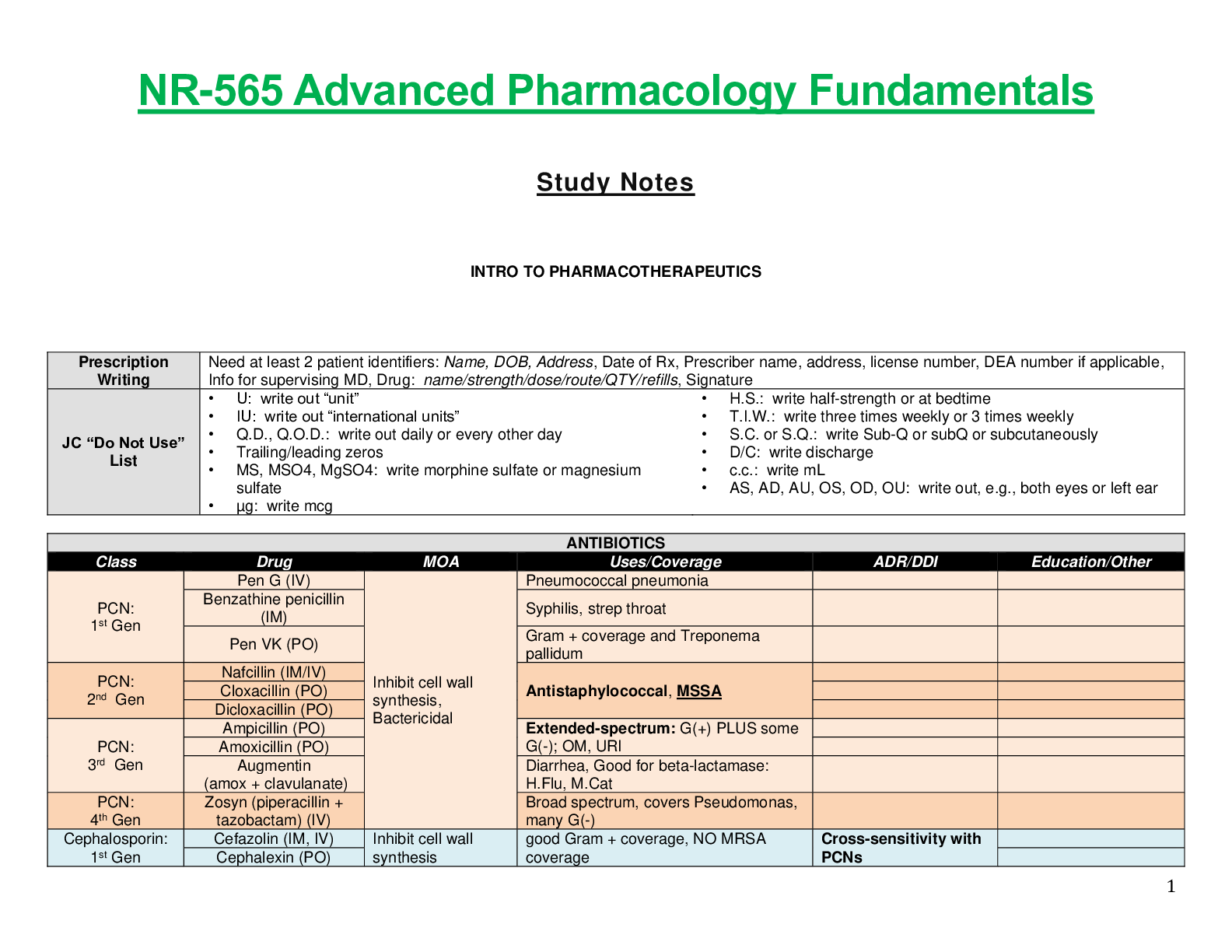







.png)


.png)