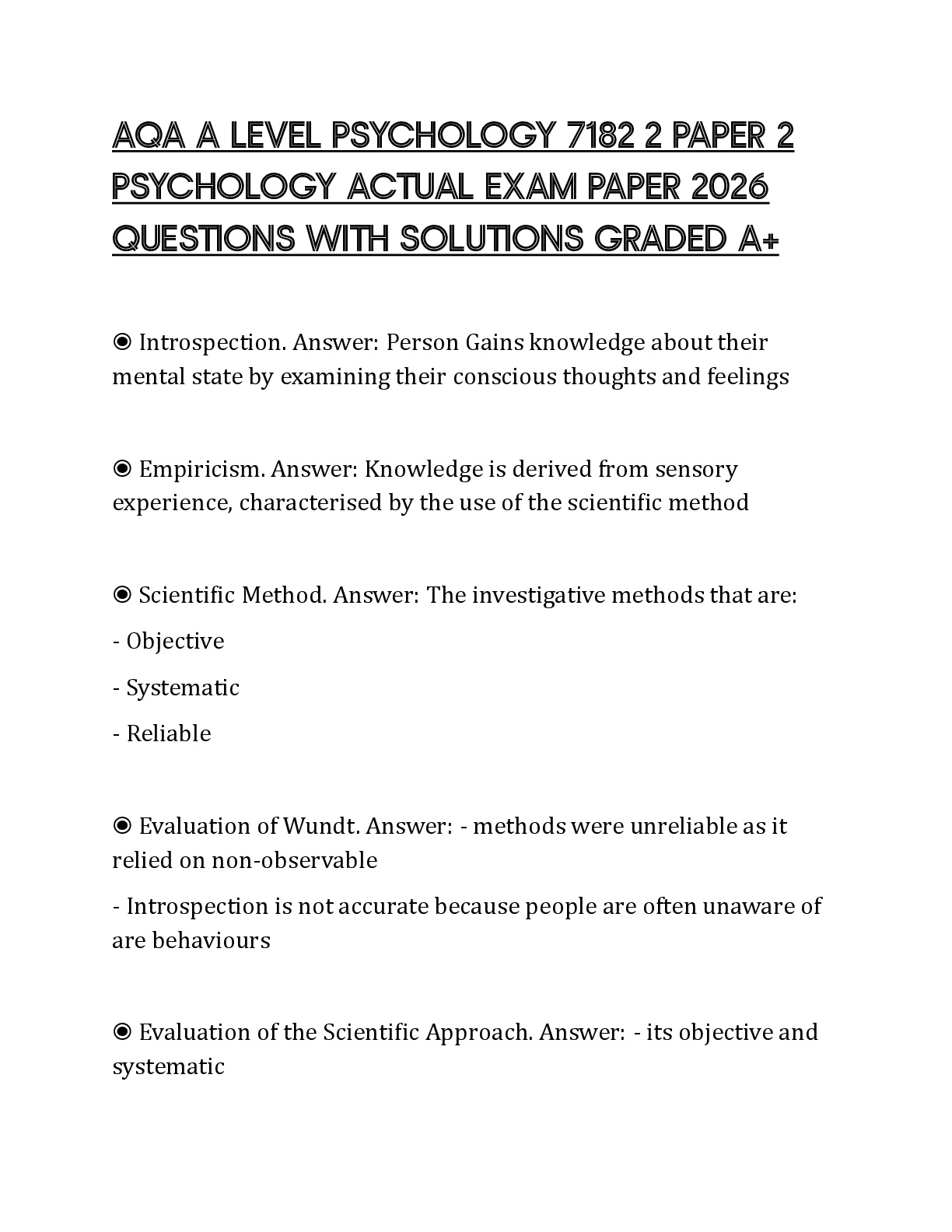
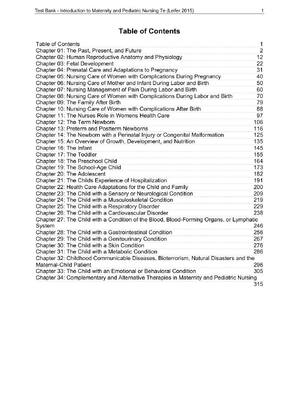
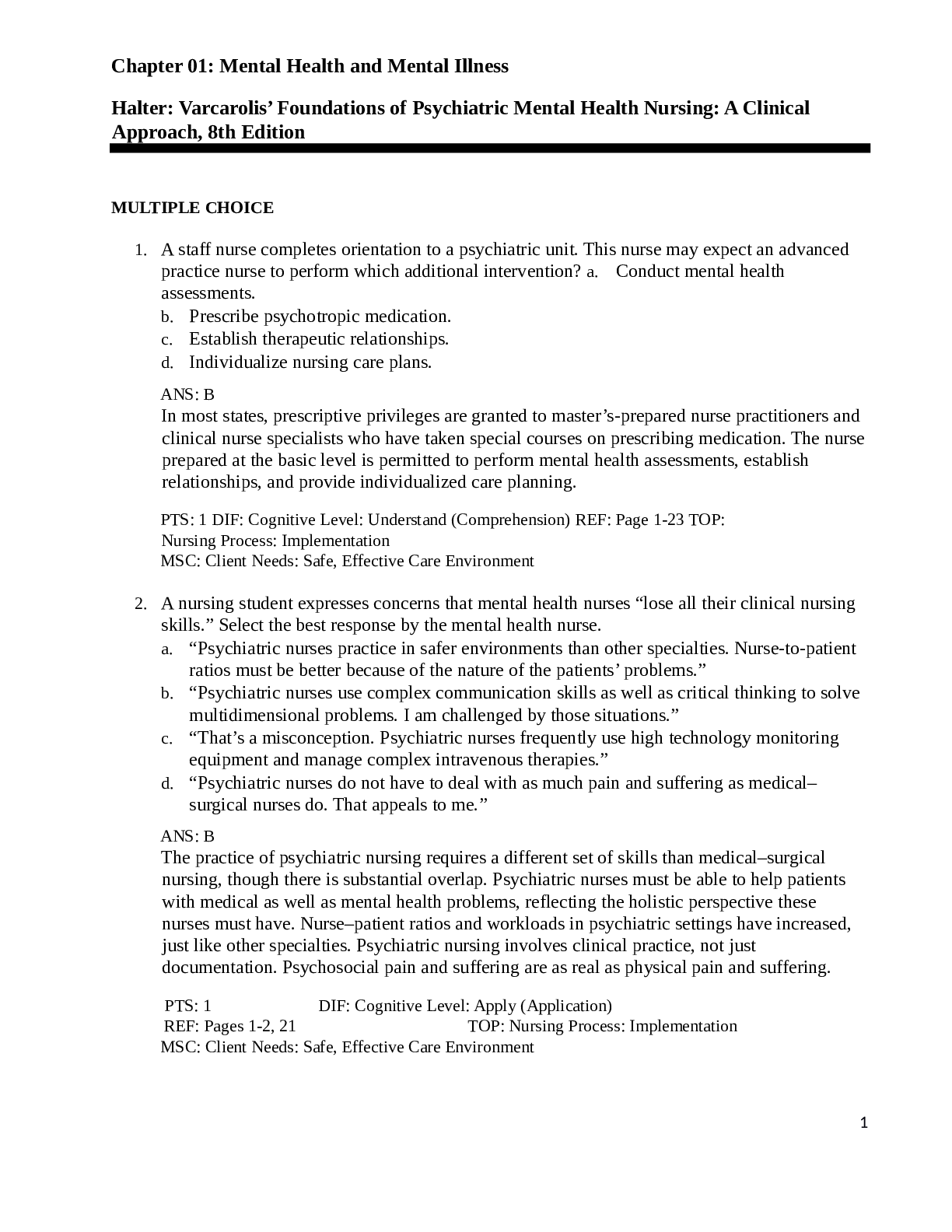
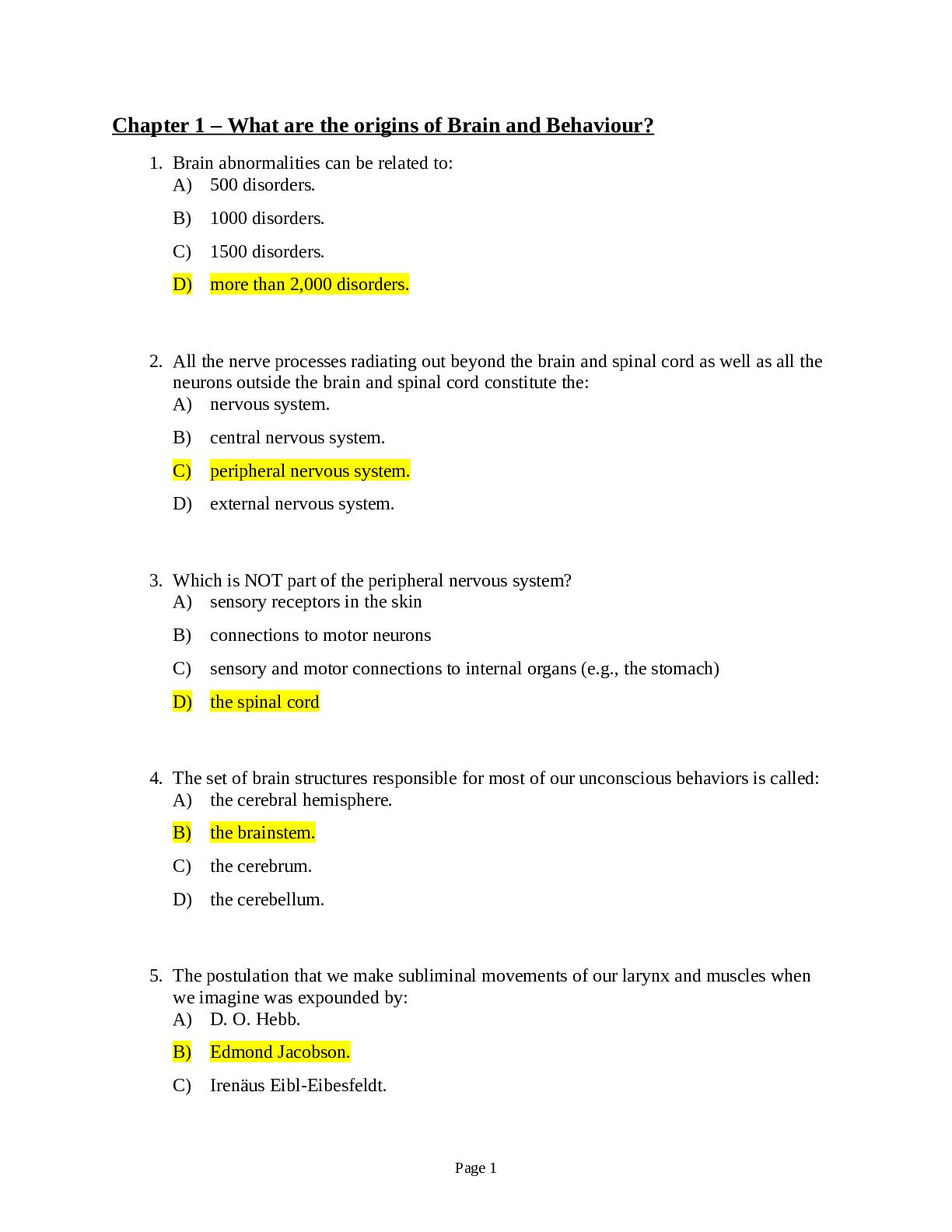
Psychology > TEST BANKS > Kennesaw State UniversityPSYC 3305Test Bank-Psych 3305 (All)
Kennesaw State UniversityPSYC 3305Test Bank-Psych 3305
Document Content and Description Below
Last updated: 3 years ago
Preview 1 out of 2536 pages
Instant download
.png)
Buy this Document to get the Full Access Instantly
Provided by Students Who Aced it
We Verify Document Content to Gurantee Accuracy
Reviews( 0 )
Document information
Connected school, study & course
About the document
Uploaded On
Sep 29, 2021
Number of pages
2536
Written in
All

Additional information
This document has been written for:
Uploaded
Sep 29, 2021
Downloads
0
Views
271
Topic Tags
Recommended For You
Get more on TEST BANKS ».png)
Kennesaw State UniversityPSYC 3305Test Bank for Essentials of...

Test Bank for The Principles of Learning and Behavior, 7th Edi...
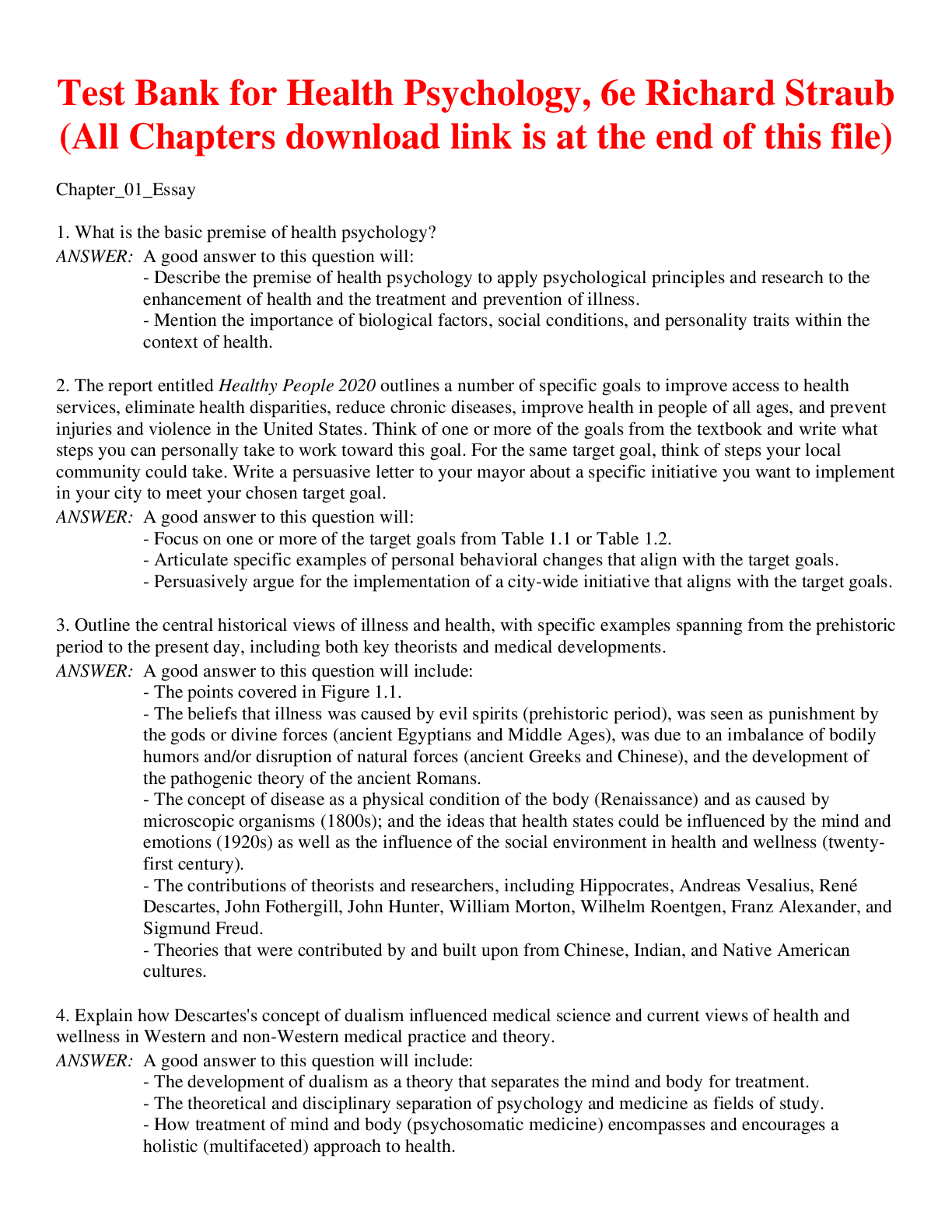
Health Psychology: A Biopsychosocial Approach 6th Edition by R...
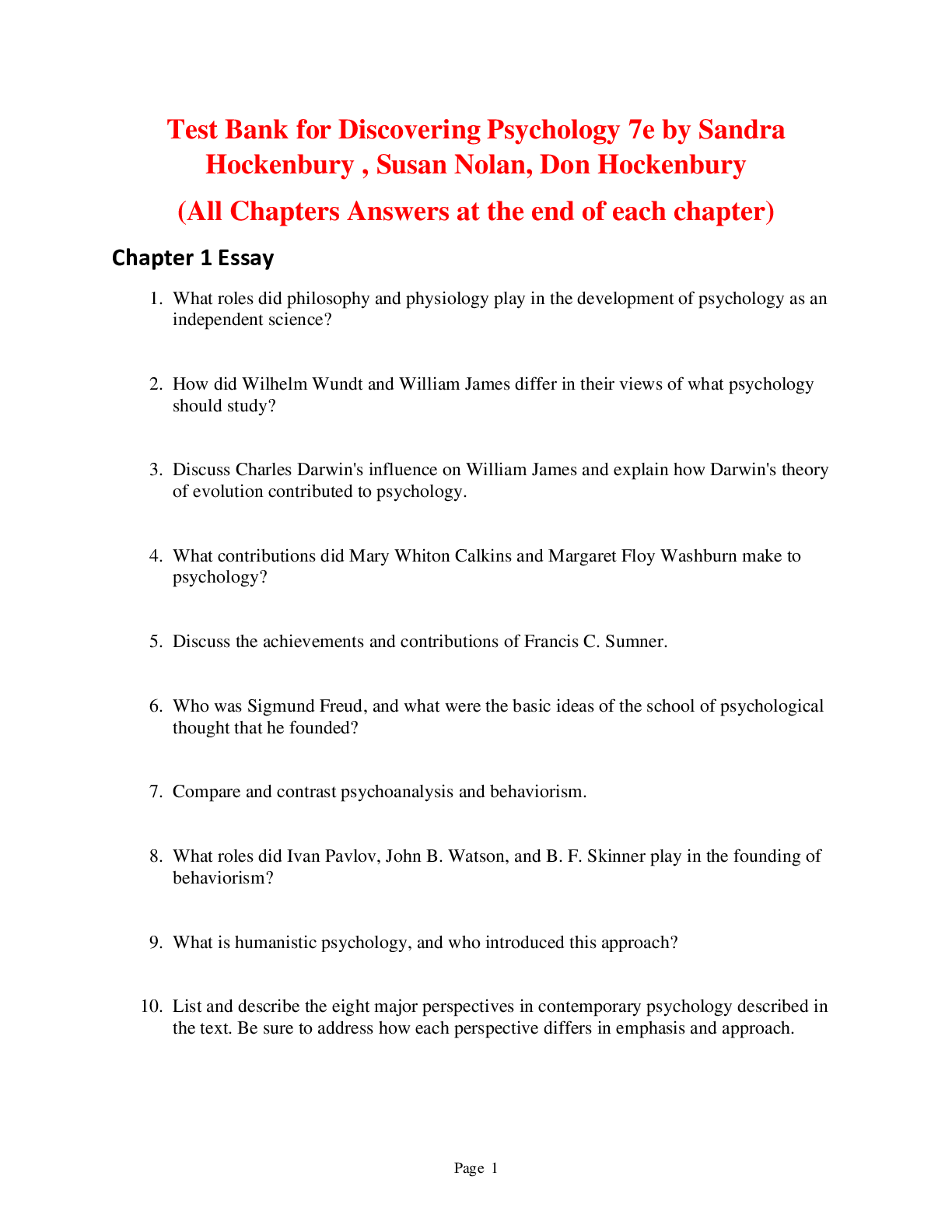
Discovering Psychology 7e by Sandra Hockenbury, Susan Nolan, D...

A History of Psychology in Ten Questions 1st Edition By Michae...
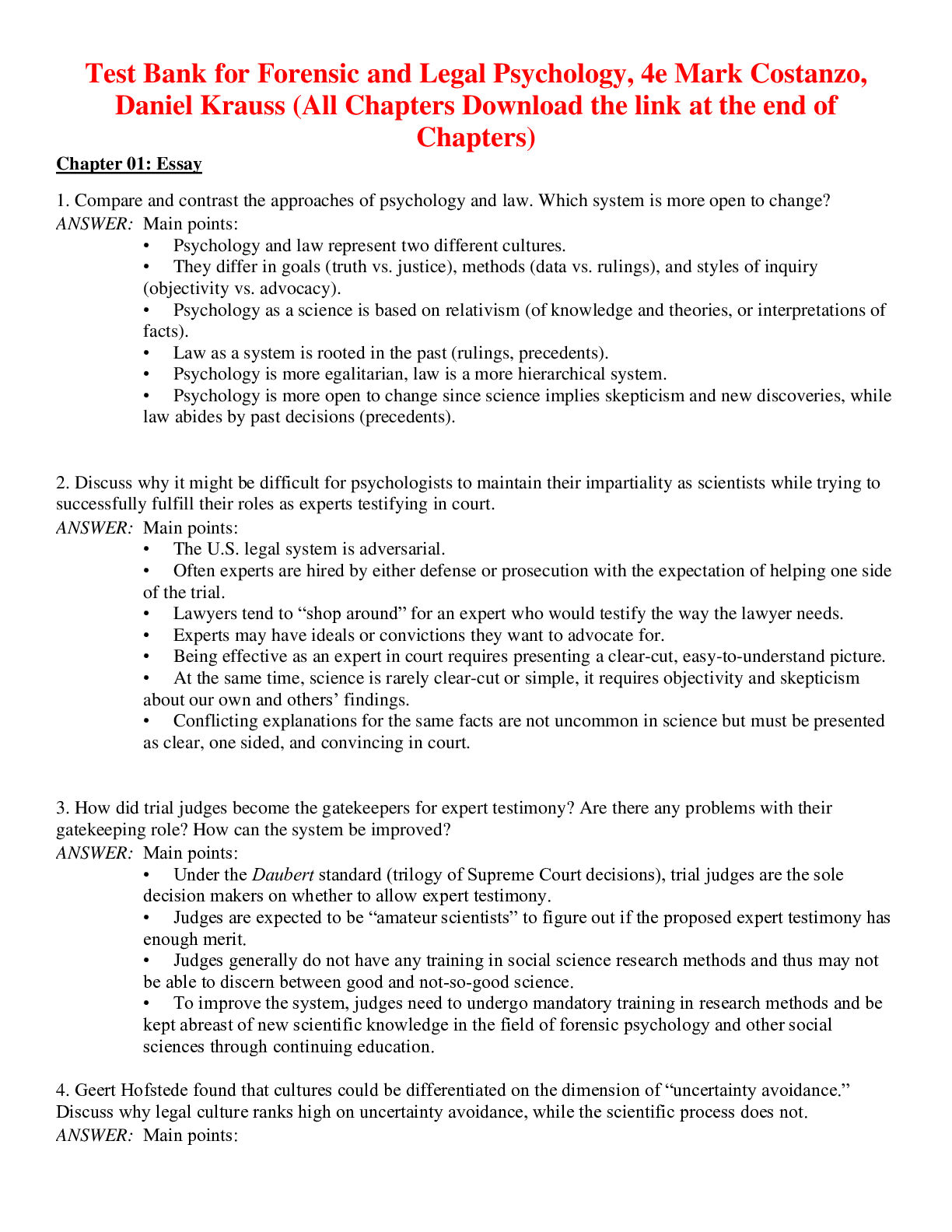
Forensic and Legal Psychology, 4e Mark Costanzo, Daniel Krauss...
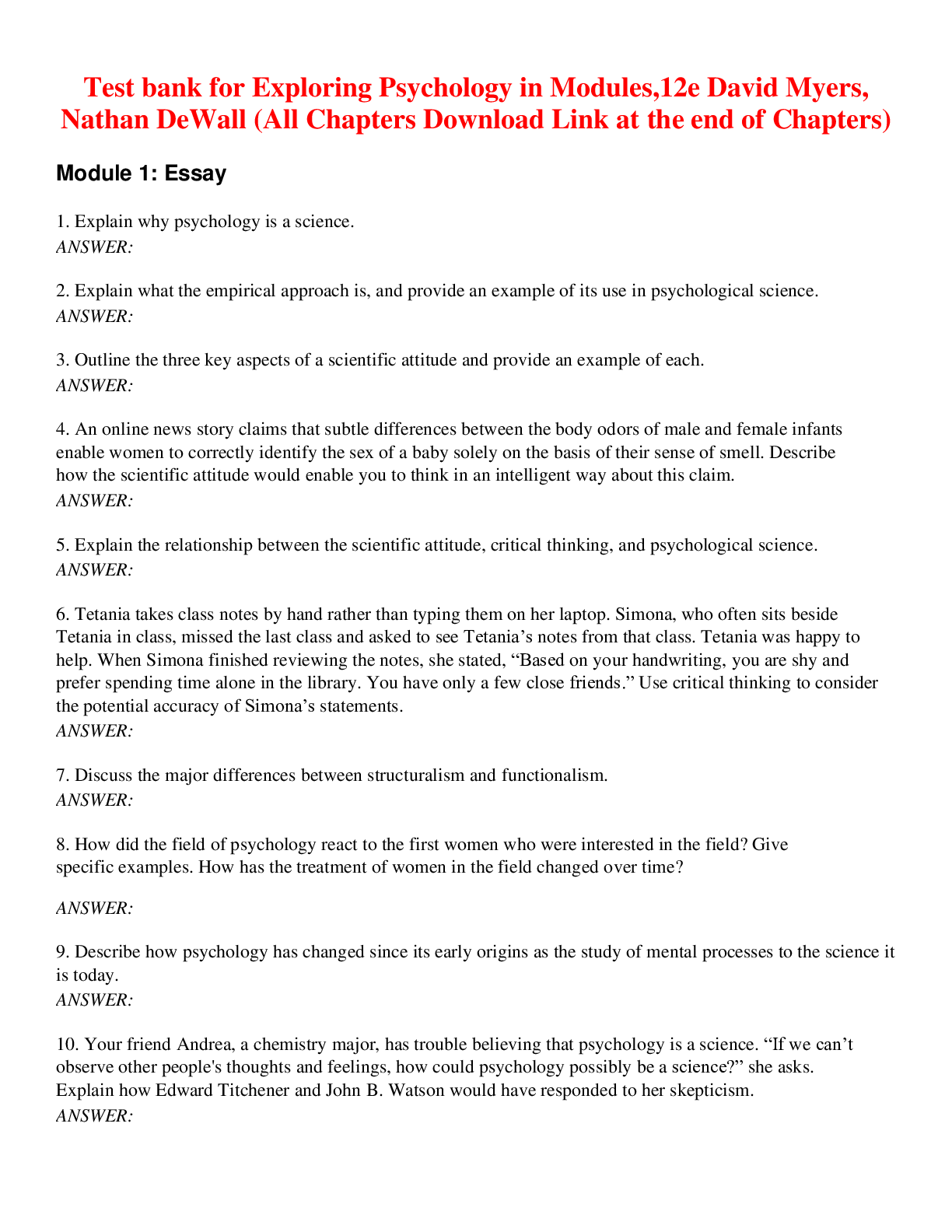
Exploring Psychology in Modules,12e David Myers, (Test bank)
Discovering Psychology, 9e Susan Nolan, Sandra Hockenbury (Tes...
Test Bank for Abnormal Psychology, 11th Edition by Ronald Come...
Behavior Modification Principles and Procedures 6th Edition Mi...