Statistics > Solutions Guide > University of Maryland STAT 200 STAT 200 - Homework 6 Solutions (All)
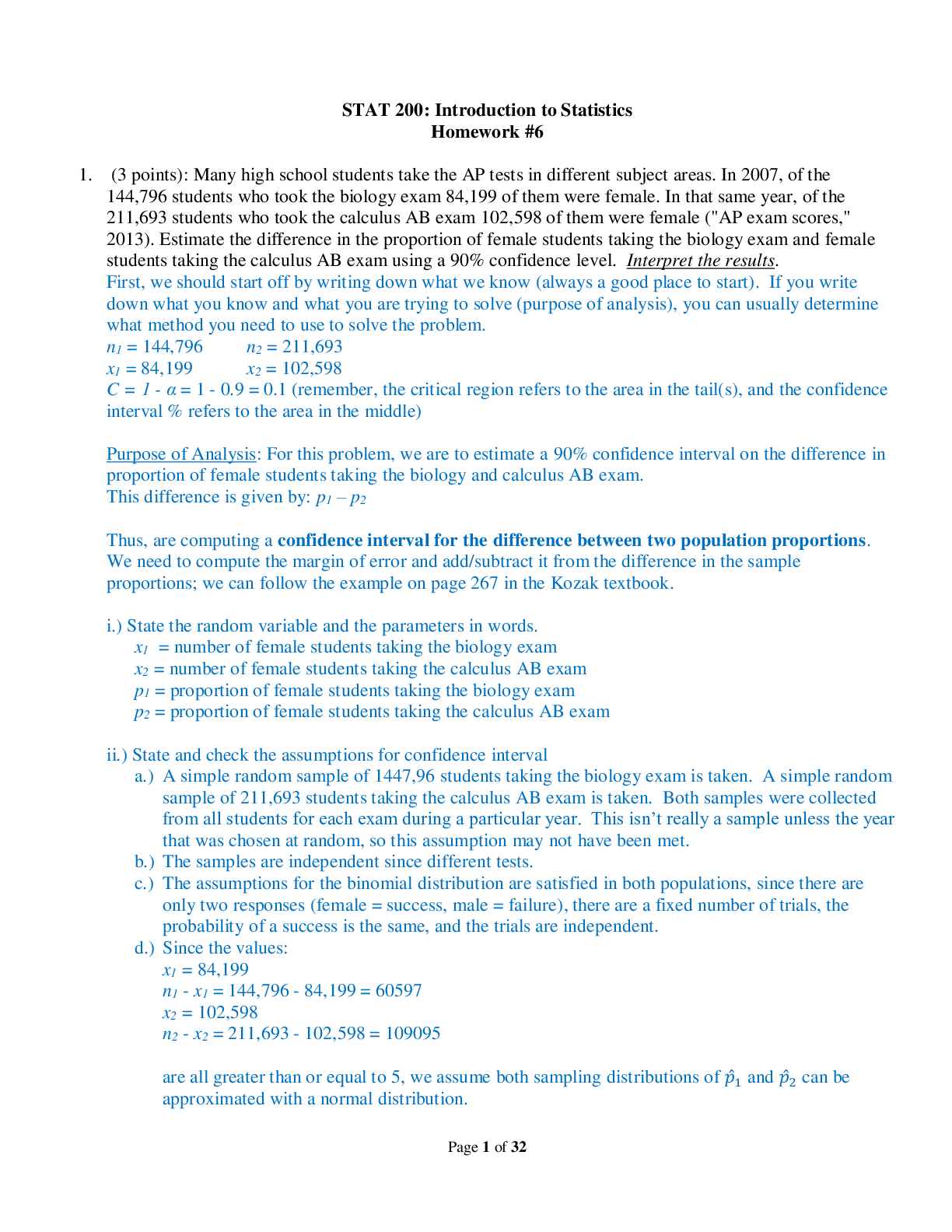
University of Maryland STAT 200 STAT 200 - Homework 6 Solutions
Document Content and Description Below
Last updated: 4 years ago
Preview 1 out of 32 pages
Instant download
Buy this Document to get the Full Access Instantly
Provided by Students Who Aced it
We Verify Document Content to Gurantee Accuracy
Reviews( 0 )
Document information
Connected school, study & course
About the document
Uploaded On
Oct 08, 2021
Number of pages
32
Written in
All

Additional information
This document has been written for:
Uploaded
Oct 08, 2021
Downloads
0
Views
195
Topic Tags
Recommended For You
Get more on Solutions Guide »
STAT 200 Week 2 Homework |Latest Questions And Answers {Comple...

Quiz Submissions - Week 1: Quiz 1 - STAT 200 6372 Introduction...

STAT 200 FINAL EXAM 1 ; Latest Complete Solutions with shown w...

STAT 200 STAT200 MIDTERM EXAM ANSWERS (2021) - UMUC (all solut...

University of Maryland - STAT 200; Week 7 Homework Problems, A...
University of Maryland - STAT 200; Week 7 Homework Problems, A...

STAT 200 Week 6, Verified Answers Well Explained, Already Grad...

1.png)
(answered) STAT 200 Week 7 Homework|STAT 200 STAT200 WEEK 7 HO...
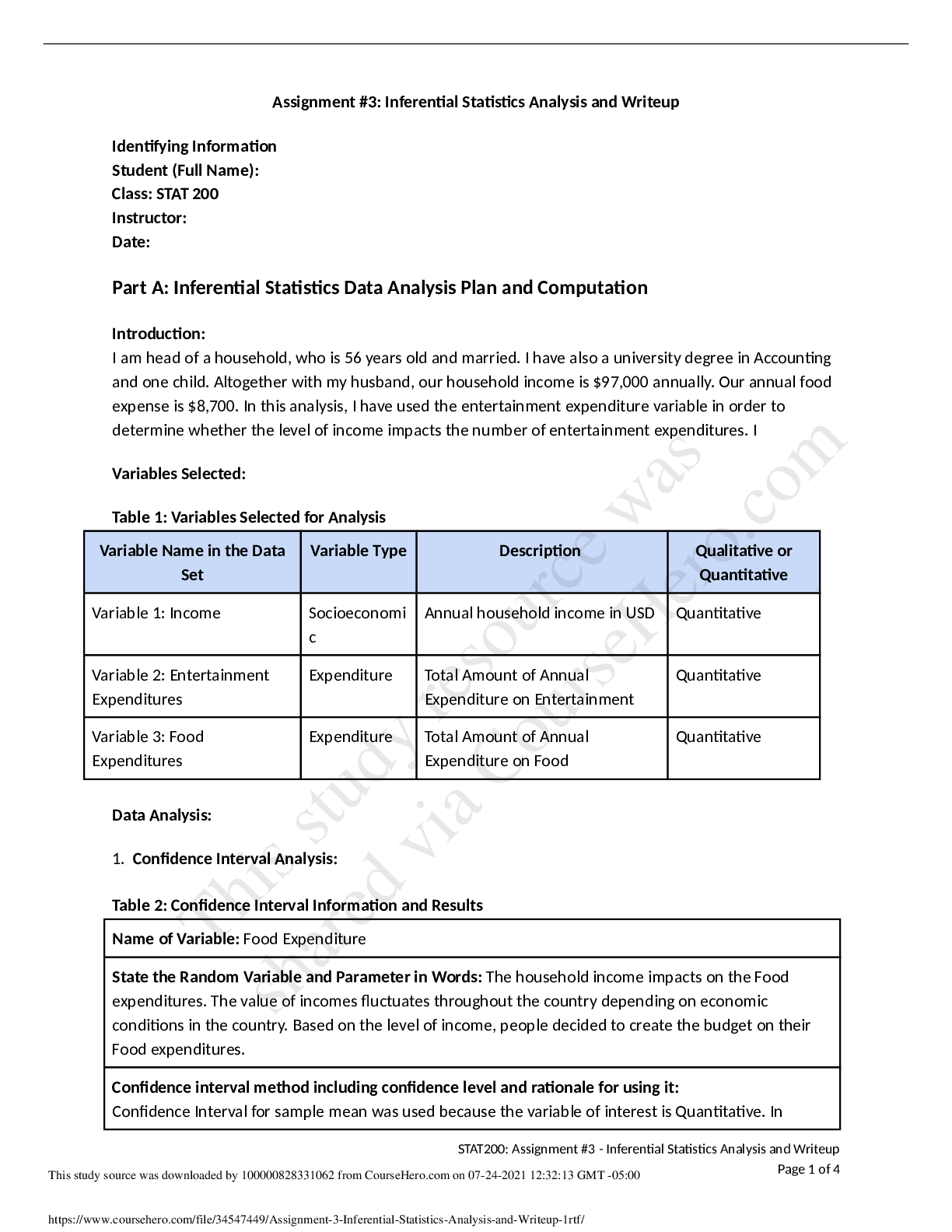
STAT 200 Assignment #3_ Inferential Statistics Analysis and Wr...
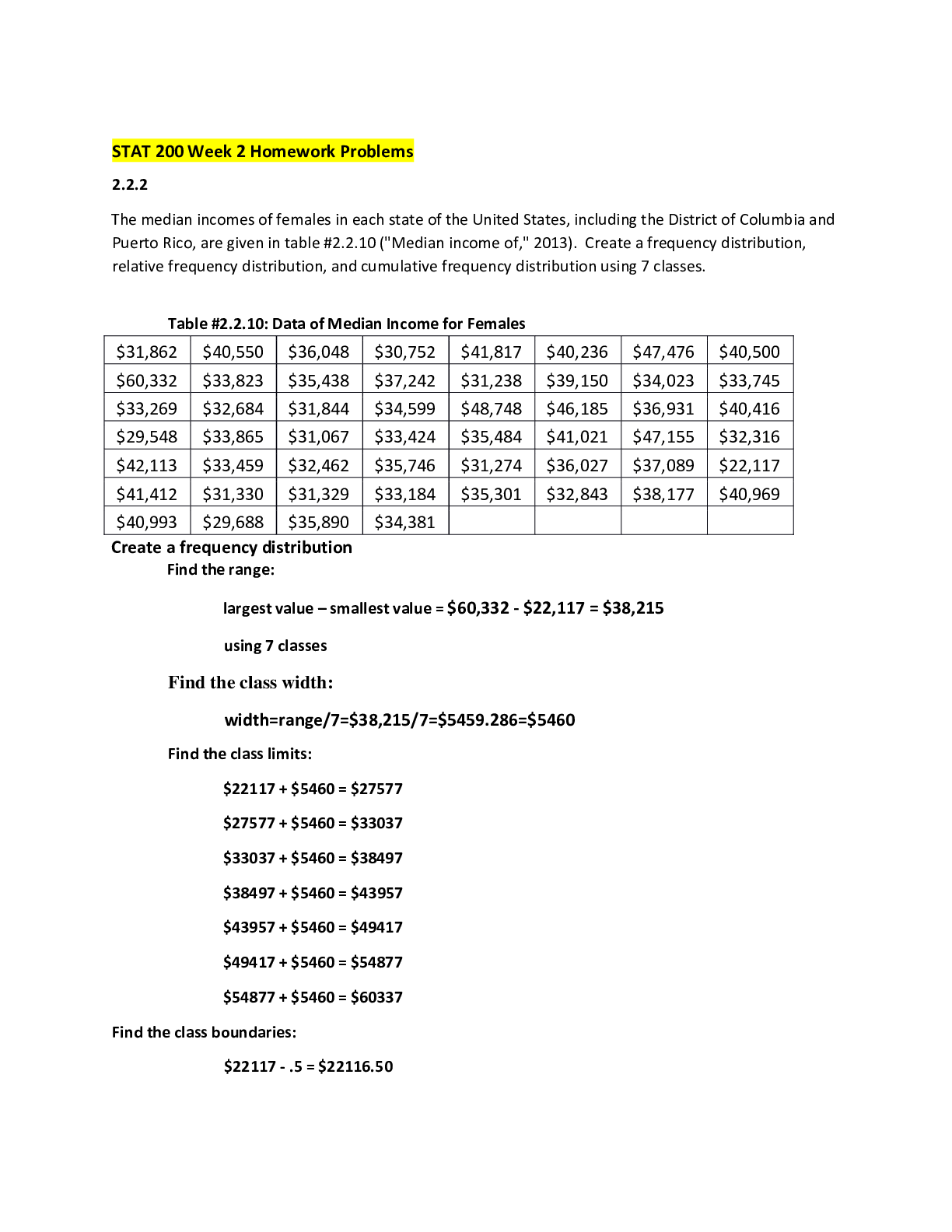
STAT 200 Week 2 Homework Solutions (summer 2020) 100% A+

University of Maryland, University College - STAT 200 3150; St...
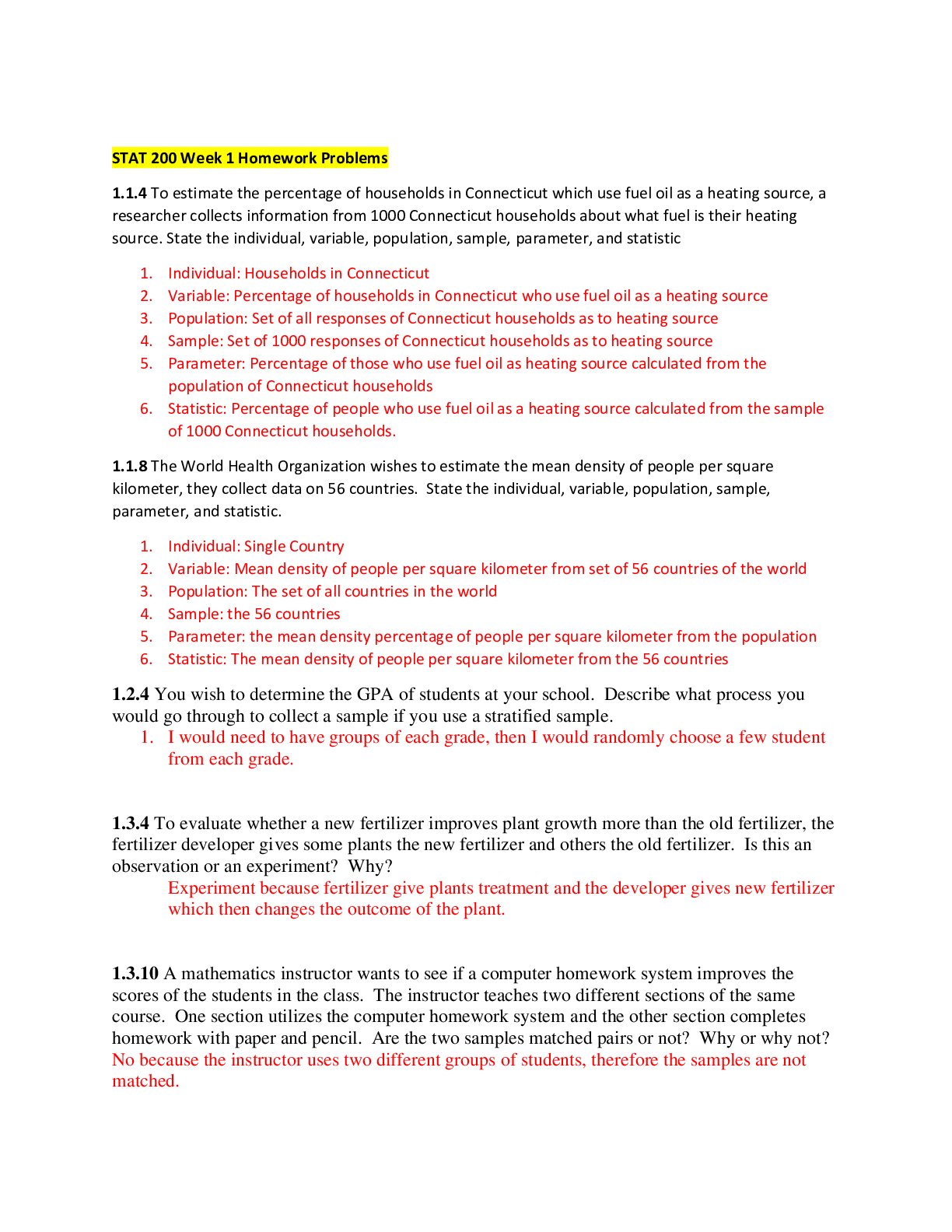

STAT 200 Week 4 Homework Problems Complete Guide 100% CORRECT...
STAT 200 Week 6, Verified Answers Well Explained, Already Grad...

STAT 200 FINAL EXAM 1 ; Latest Complete Solutions with shown w...
STAT 200 6372 Introduction to Statistics (2202) / STAT 200 wee...
STAT 200 6372 Introduction to Statistics (2202) / STAT 200 wee...
 UMGC Learning Management System.png)