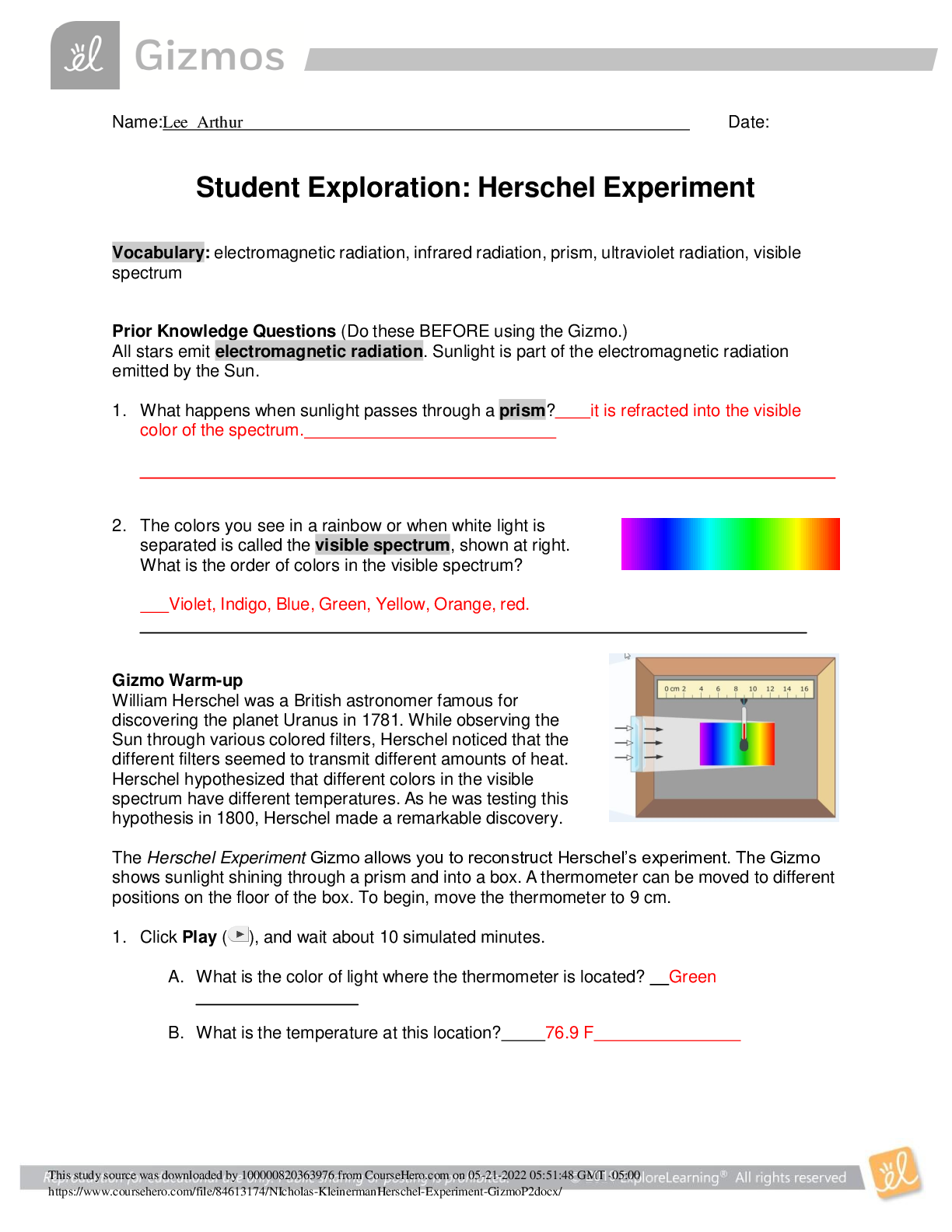
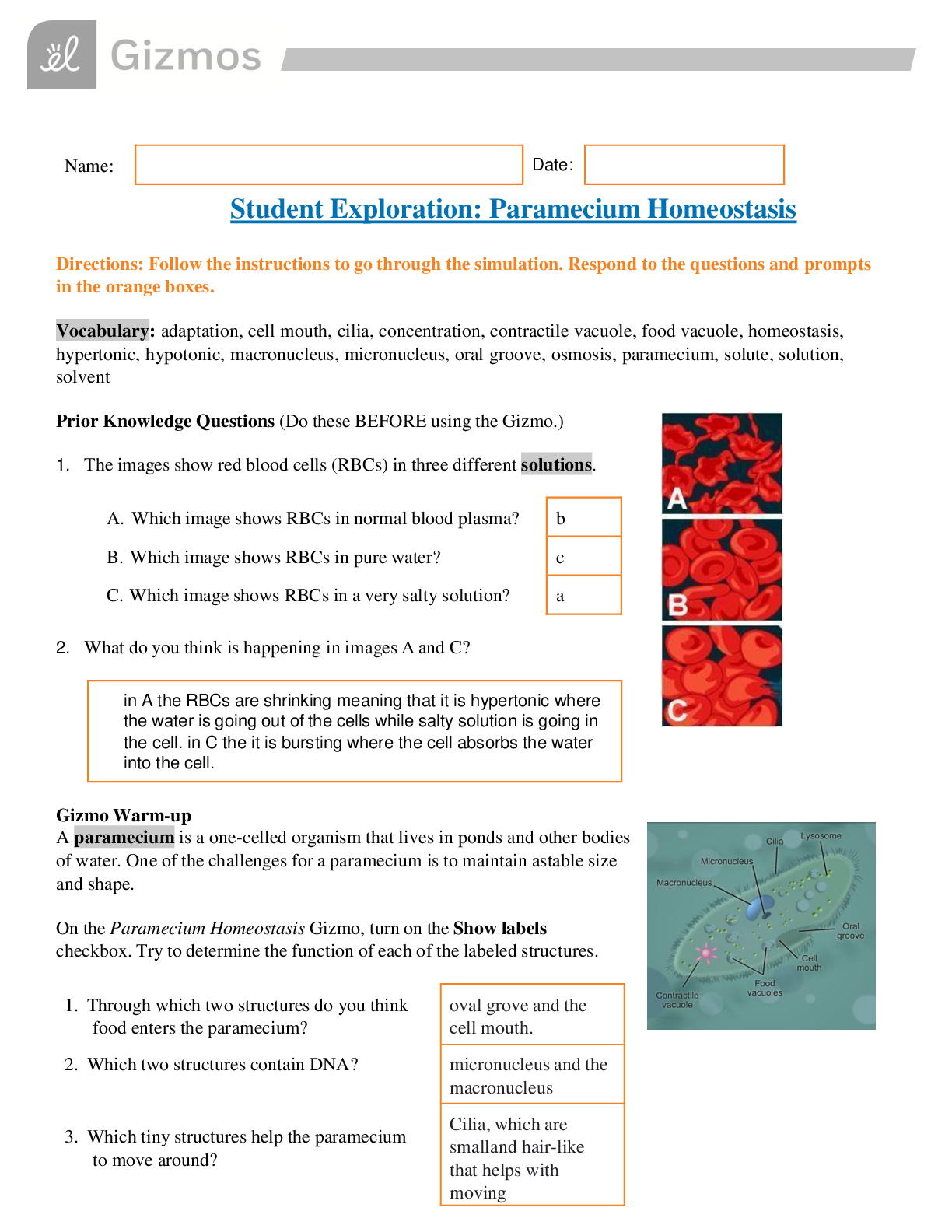
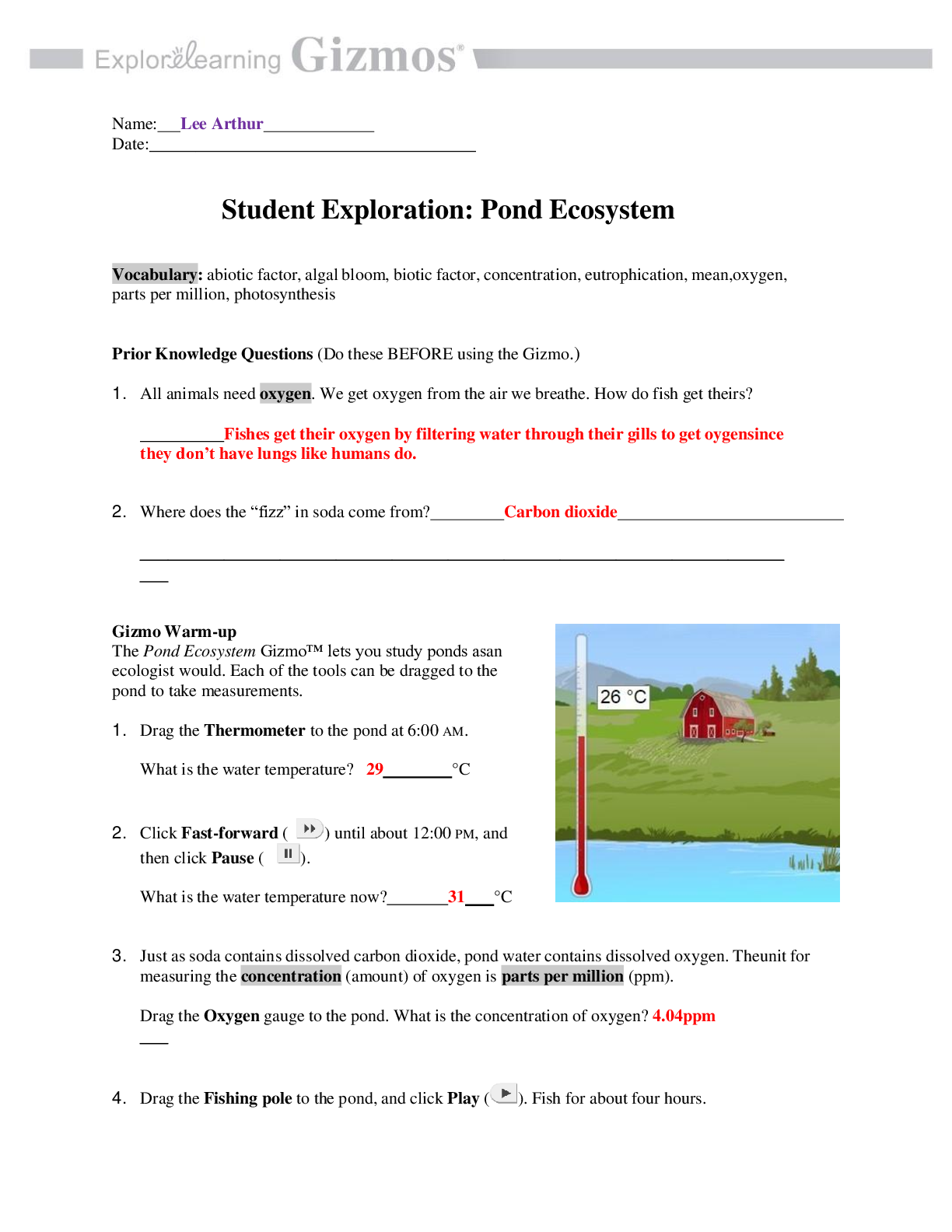
Gizmos Student Exploration| DNA Profiling | Top Rated Graded A+
Document Content and Description Below
Last updated: 3 years ago
Preview 1 out of 9 pages
Instant download

Buy this Document to get the Full Access Instantly
Provided by Students Who Aced it
We Verify Document Content to Gurantee Accuracy
Also available in bundle (1)
Click Below to Access Bundle(s)
Gizmos Student Exploration Bundle| Latest Complete Solutions Top Rated Graded A+
Gizmos Student Exploration Bundle| Latest Complete Solutions Top Rated Graded A+
By QUIZCzAR 4 years ago
$32.5
15
Reviews( 0 )
Document information
Connected school, study & course
About the document
Uploaded On
Oct 23, 2021
Number of pages
9
Written in
All

Additional information
This document has been written for:
Uploaded
Oct 23, 2021
Downloads
0
Views
165
Topic Tags
Related Subjects & Courses
Explore similar study resources and related concepts.
Recommended For You
Get more on GIZMOS »
SPH3UI Gizmos Student Exploration: Unit Conversions_2021/22 |...
Student Exploration, Mouse Genetics, Gizmos Student Exploratio...
GIZMOS Student Exploration: Fast Plants® 1 – Growth and Geneti...

GIZMOS Student Exploration: Fast Plants® 1 – Growth and Geneti...
BIO 101 Fast Plants 1 Growth and Genetics GIZMOS Student Expl...

GIZMO DNA Profiling ( VERIFIED ANSWERS, 100% CORRECT ) GUARANT...


GIZMOS Student Exploration: Fast Plants® 1 – Growth and Geneti...