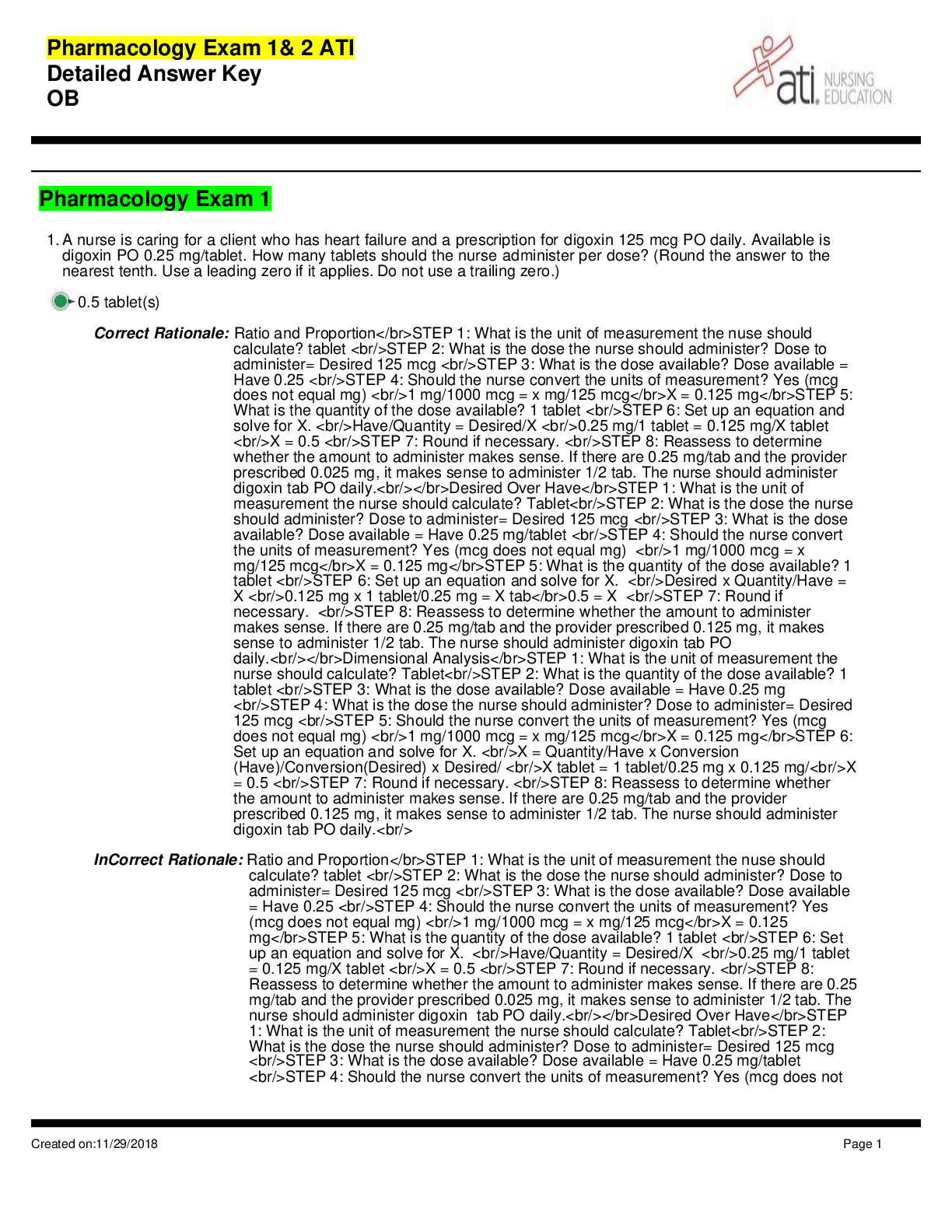
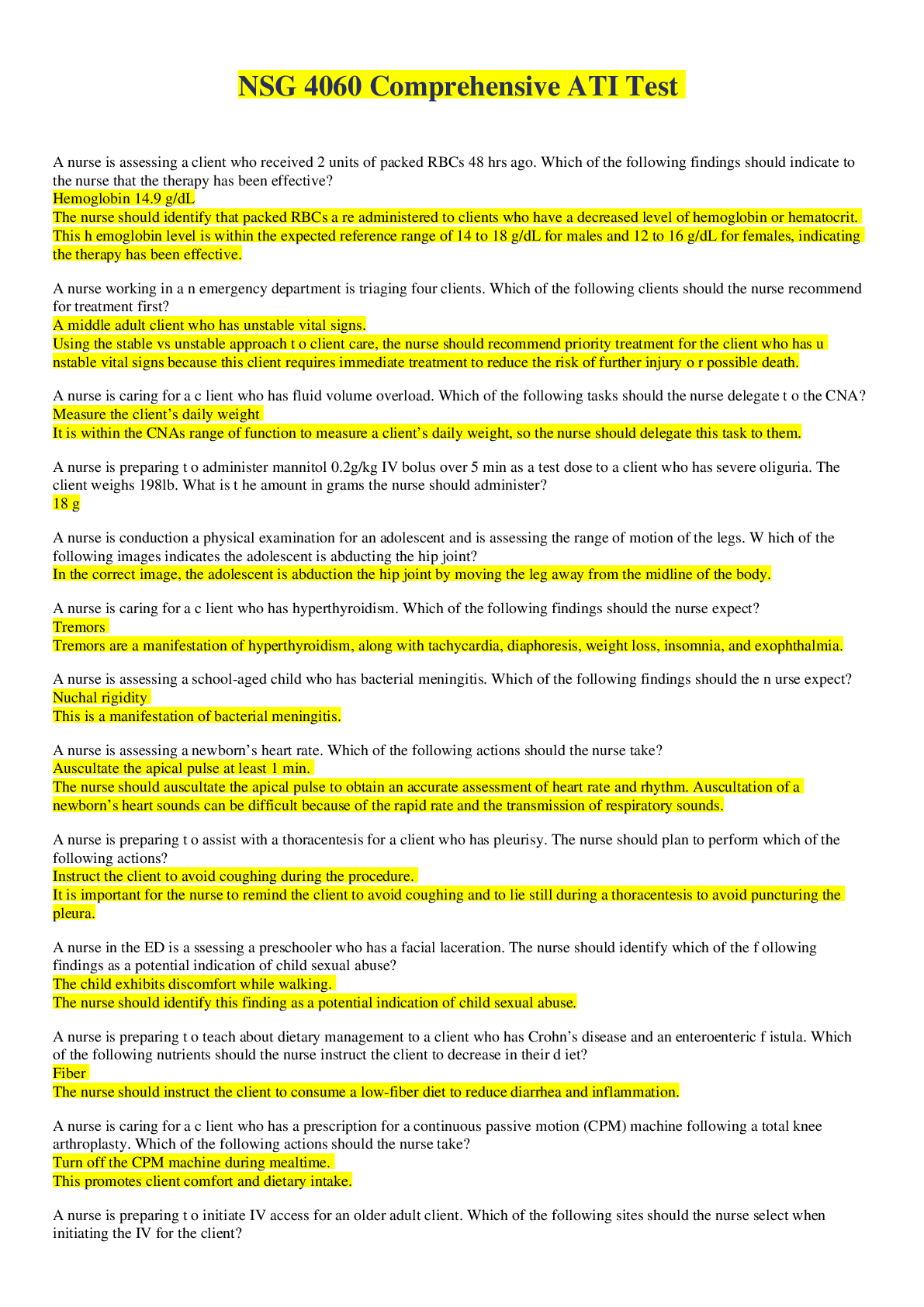
NURSING > ATI Study Resources. > ATI PN Comprehensive 2017 Proctore (All)
ATI PN Comprehensive 2017 Proctore
Document Content and Description Below
Last updated: 3 years ago
Preview 1 out of 14 pages
Instant download

Buy this Document to get the Full Access Instantly
Provided by Students Who Aced it
We Verify Document Content to Gurantee Accuracy
Also available in bundle (1)
Click Below to Access Bundle(s)

ATI COMPREHENSIVE
ATI COMPREHENSIVE PERFECT STUDY GUIDE (A GUARANTEED) <100% CORRECT> GRADED A+ | LATEST SOLUTIONS |
By examdomain 4 years ago
$70.5
10
Reviews( 0 )
Document information
Connected school, study & course
About the document
Uploaded On
Jan 12, 2022
Number of pages
14
Written in
All

Additional information
This document has been written for:
Uploaded
Jan 12, 2022
Downloads
0
Views
179
Topic Tags
Recommended For You
Get more on ATI Study Resources. »
ATI TEAS 7 Exam Test Bank – 300 Questions with Answers Latest...

ATI Fundamentals 2.0 Proctored | ATI Testing | Academic Year 2...
ATI OB Test Bank | Actual Exam – 300 Questions & Verified Answ...
TEST BANK > ATI RN CONCEPT-BASED ASSESSMENT LEVEL 1- 4 || RATE...

ATI MATERNAL NEWBORN PROCTORED EXAM | 33 VERSIONS Contains 260...
.png)
ATI MENTAL HEALTH EXAM A, B and C I Grade A+ Answers and C...

ATI Fundamentals Proctored Exam Questions and Answers | Pages...

ATI TEAS 7 All Subjects Exam Pack 2025/2026 | Verified Questio...

ATI Anatomy and Physiology Proctored Exam Answers and cheat s...
 (2100+ Q & A).png)
ATI PN LEADERSHIP PROCTORED EXAM (32 VERSIONS, LATEST- ) (210...
ATI MENTAL HEALTH EXAM C (70 Answers and cheat sheets Grade...

ATI MENTAL HEALTH EXAM B (70 Answers and cheat sheets Grade...

ATI Pharmacology Proctored Exam 7 Latest Versions Questions...

ATI MATERNAL NEWBORN PROCTORED EXAM WITH RATIONALES Version...
ATI MATERNAL NEWBORN PROCTORED EXAM WITH RATIONALES Version...
ATI RN Mental Health Proctored Exam – 70 Questions with Correc...
ATI RN Mental Health Proctored Exam – 70 Questions with Correc...
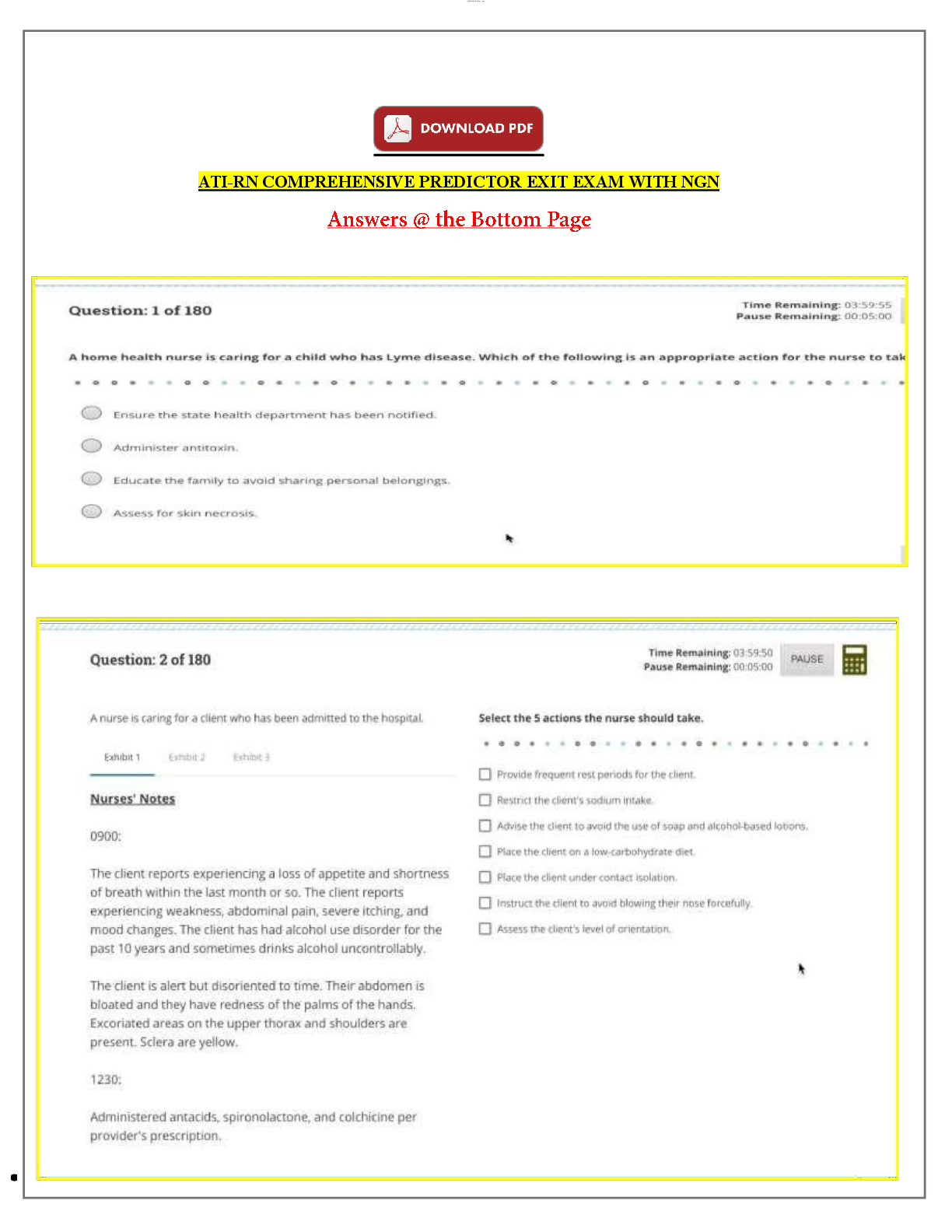

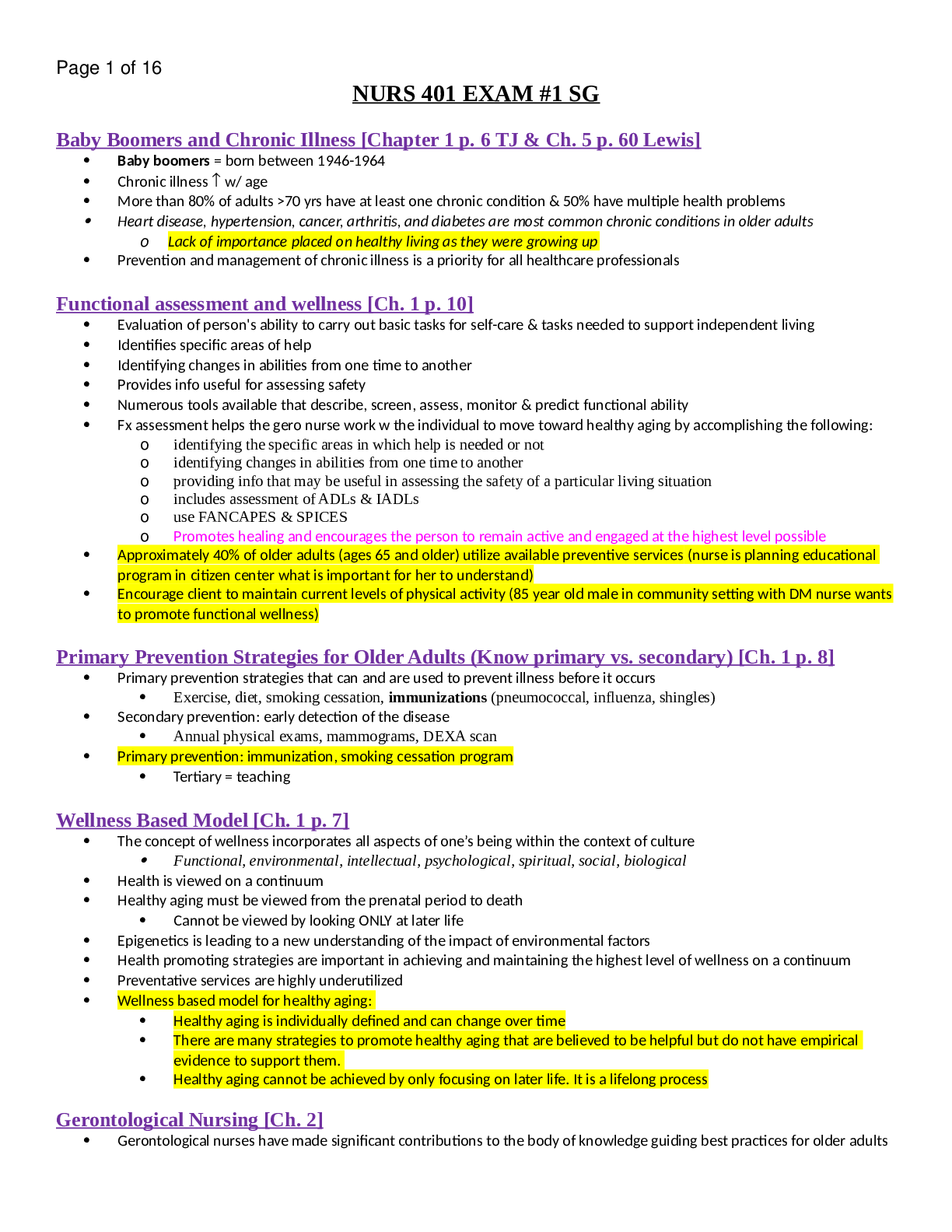
 answered.png)