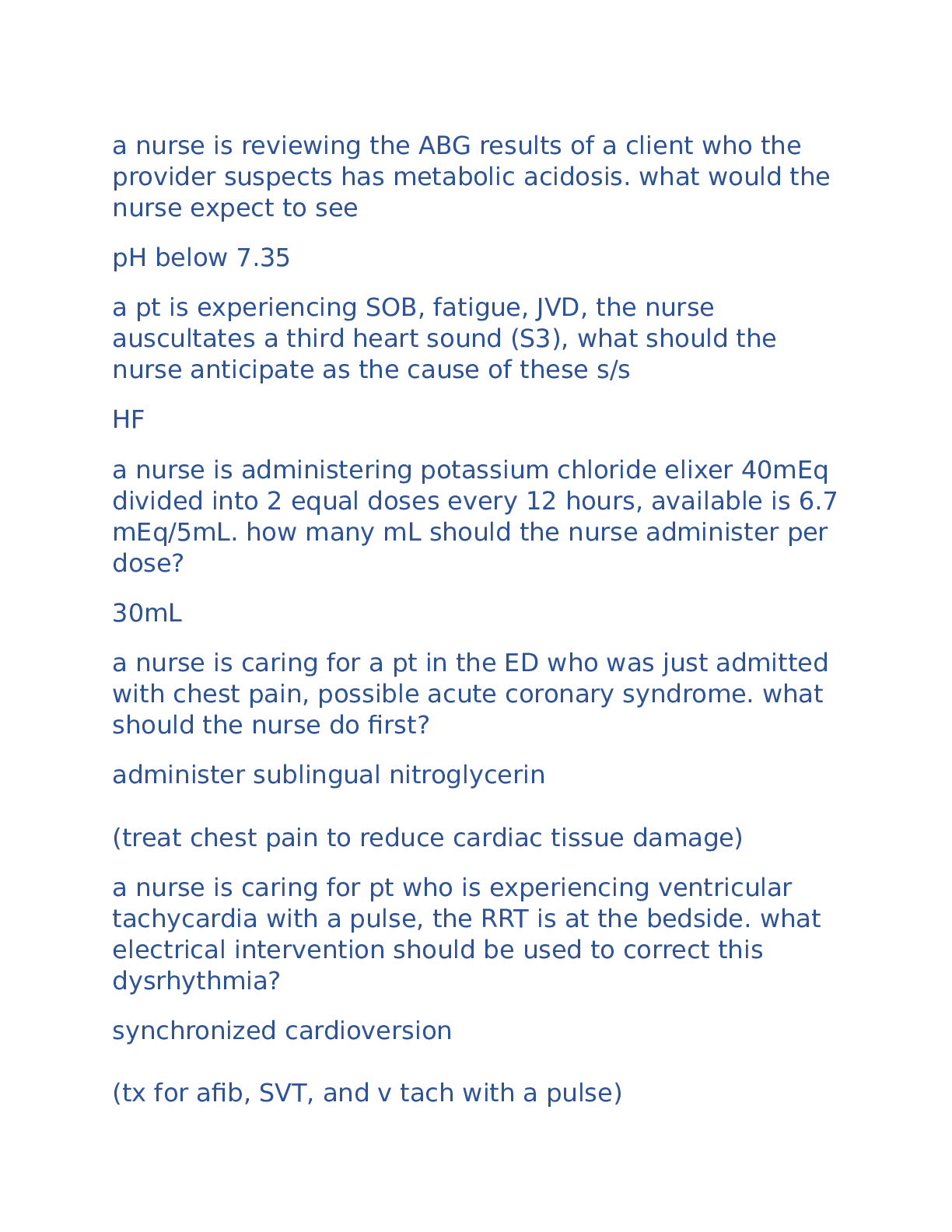
NRSG 263 Case study: TEAGAN'S STORY
Case study: TEAGAN'S STORY Teagan is a 21-year-old woman and living with her partner, Amita. Teagan
and Amita have been together for 15 months; their relationship is volatile, and t
...
NRSG 263 Case study: TEAGAN'S STORY
Case study: TEAGAN'S STORY Teagan is a 21-year-old woman and living with her partner, Amita. Teagan
and Amita have been together for 15 months; their relationship is volatile, and they have separated
several times. Last night, Teagan broke up with Amita again in a fiery exchange of insults and anger.
Teagan believed that Amita was about to leave her and fearing this relationship breakdown, she thought
she would 'get in first'. Amita admits things have been tumultuous between them for months now, and
that neither is happy, but wanted to work things out by seeing a relationship counsellor. Amita is also
concerned about Teagan's use of cannabis. Amita claims that Teagan's responses to small indiscretions
are extreme and that she is quick to make judgements about people or situations with little information.
Recently, Teagan decided that a friend of Amita's wasn't allowed to come to their house because she
had made some 'throwaway' comments about their dog. Amita says Teagan does this often, liking
people quickly for frivolous reasons, and disliking others for similar reasons. Teagan has been cutting
herself since she was 13 years old. She finds it difficult to articulate why she does it, only that she gets
relief from cutting. On a few occasions she has contemplated suicide, and many more times she has
threatened it. Amita finds this aspect of their relationship very difficult to deal with and frequently feels
as though Teagan's threats to self-harm or suicide are a way of manipulating her. This morning Teagan is
attending her GP for review of an infected suture site on her inner thigh. Teagan had cut into the wound
again earlier in the week. The GP refers her to the practice nurse for wound care. Anna usually works as
the practice nurse in the clinic but today she is off sick. Teagan becomes angry when she learns she will
be seen by registered nurse Brett instead.
critically discuss the following questions in relation to your chosen case study:
1. The condition the consumer has.
2. One (1) pharmacological treatment.
3. One (1) legal/ethical issue.
4. One (1) nursing intervention and rationale.
5. The role of the multidisciplinary team in caring for someone with this condition.
Answered step-by-step
1. Borderline personality disorder is a mental health condition that affects how you think and behave
about yourself and others, making it difficult to cope in daily life. Self-esteem problems, difficulties
controlling feelings and attitudes, and a history of insecure relationships are all part of it. You may have
a strong fear of rejection or instability if you have borderline personality disorder, and you may find it
impossible to tolerate living alone. Even if you want to have caring and enduring relationships,
inappropriate indignation, impulsiveness, and regular mood swings can drive others away. People with
BPD tend to be extremely sensitive. Some describe it as like having an exposed nerve ending. Small
things can trigger intense reactions. And once upset, you have trouble calming down. It's easy to
understand how this emotional volatility and inability to self-soothe leads to relationship turmoil and
impulsive—even reckless—behavior.
2. Borderline personality disorder is mainly treated using psychotherapy, but medication may be added.
Healing is a matter of breaking the dysfunctional patterns of thinking, feeling, and behaving that are
causing you distress.
The support and guidance of a qualified therapist makes a huge difference in BPD treatment and
recovery. Therapy may serve as a safe space where you c
[Show More]







.png)



 Chamberlain College Of Nursing (100 Correct Q & A.png)