NURSING > VSIM for NURSING FUNDAMENTALS > Mona Hernandez. Diagnosis: Pneumonia. Includes Feedback Log. 94% Score. (All)
Mona Hernandez. Diagnosis: Pneumonia. Includes Feedback Log. 94% Score.
Document Content and Description Below
Last updated: 2 years ago
Preview 1 out of 5 pages
Instant download

Buy this Document to get the Full Access Instantly
Provided by Students Who Aced it
We Verify Document Content to Gurantee Accuracy
Reviews( 0 )
Document information
Connected school, study & course
About the document
Uploaded On
Nov 05, 2020
Number of pages
5
Written in
All

Additional information
This document has been written for:
Uploaded
Nov 05, 2020
Downloads
2
Views
361
Topic Tags
Related Subjects & Courses
Explore similar study resources and related concepts.
Recommended For You
Get more on VSIM for NURSING FUNDAMENTALS »
Mona Hernandez. Diagnosis: Pneumonia. Includes Feedback Log. 9...
Mona Hernandez. Diagnosis: Pneumonia. Includes Feedback Log. 9...

Edith Jacobson. Diagnosis: Diagnosis: Hip fracture. Includes F...

Eva Madison. Diagnosis: Dehydration. Includes Feedback Log. 94...
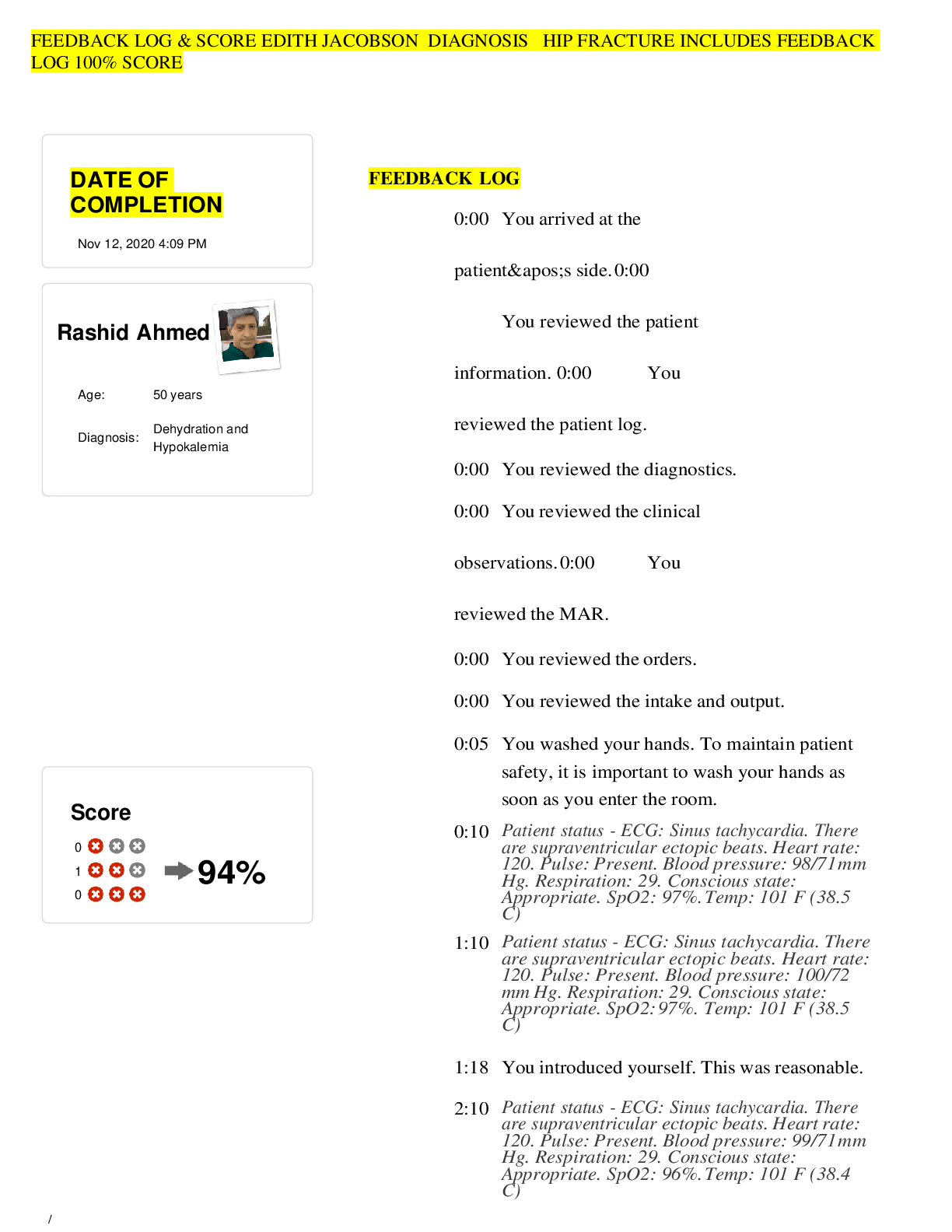
Edith Jacobson, Diagnosis Hip Fracture Includes Feedback Log 1...

Jackson Weber. Diagnosis: Status Epilepticus. Includes Feedbac...

vSim Kenneth Bronson | Age 27 Years | Diagnosis Pneumonia | C...
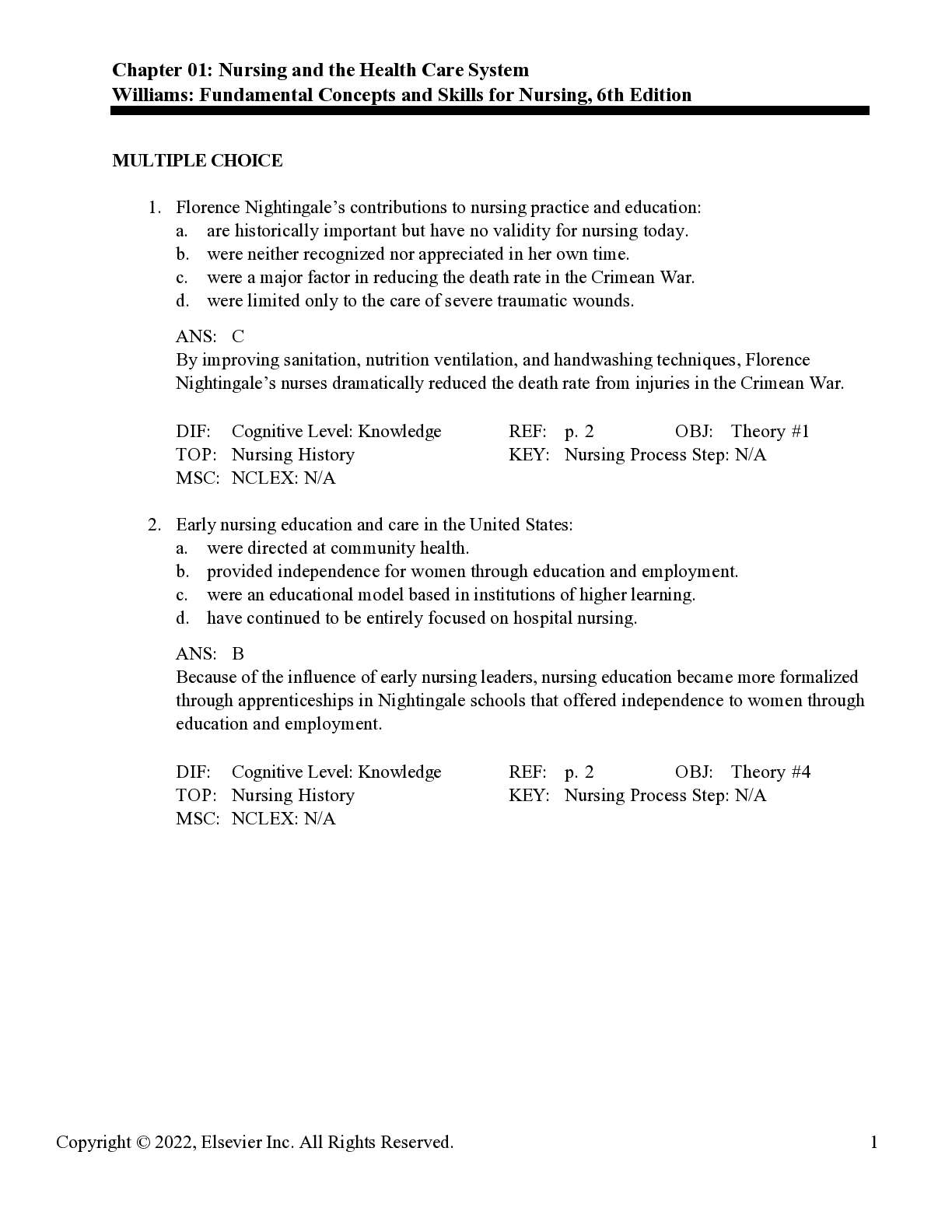
Test Bank for Fundamental Concepts and Skills for Nursing, 6th...
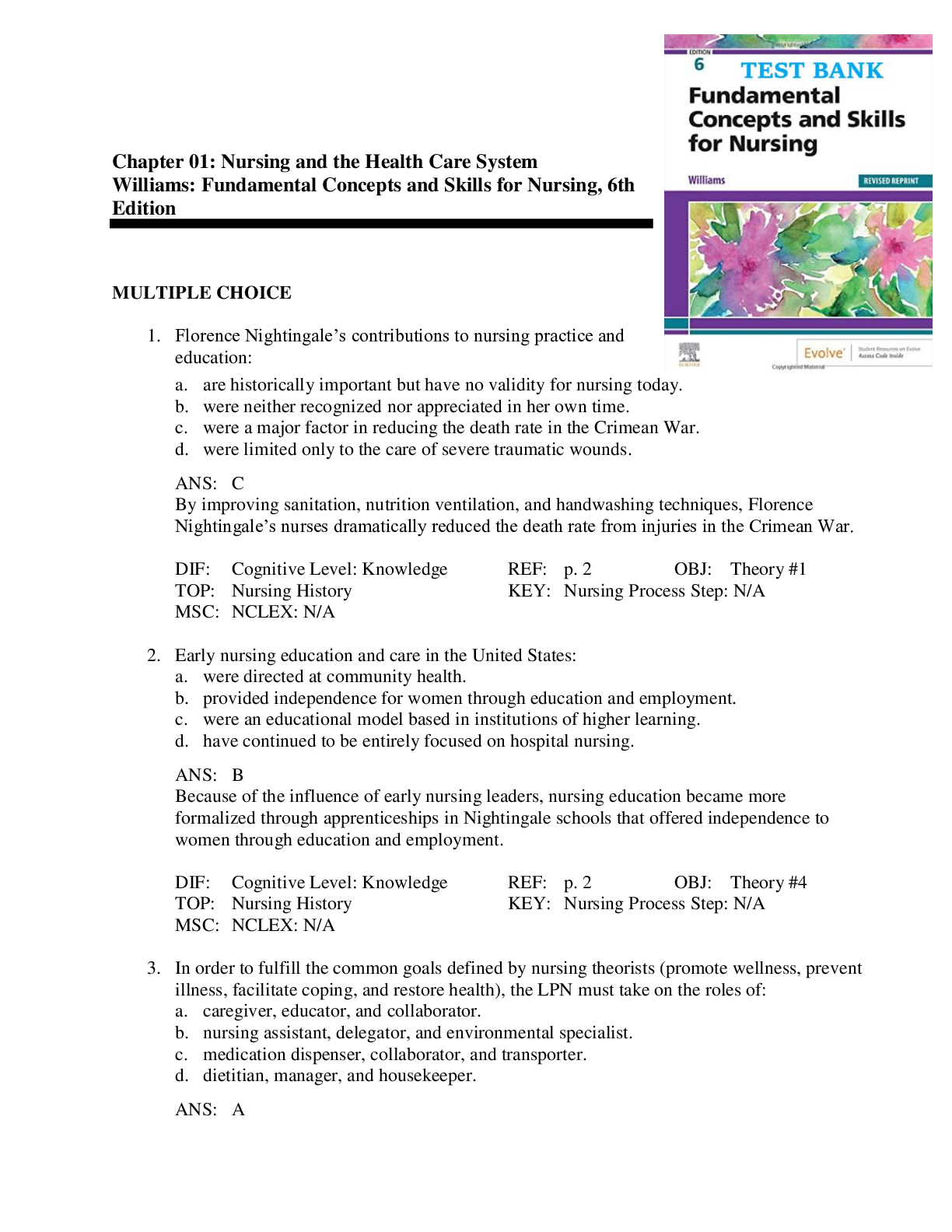
Test Bank For Fundamental Concepts and Skills for Nursing 6th...
Test Bank for The Human Body in Health & Disease 8th edition b...
Test Bank For Krause and Mahan’s Food and the Nutrition Care P...
VSIM Jennifer Hoffman DA. Medical Case 2 Documentation Assignm...

Test Bank for Fundamental Concepts and Skills for Nursing, 6th...
Fundamental Concepts and Skills for Nursing 6th Edition by Pa...
![Preview of The Well-Managed Healthcare Organization 9th Edition by Griffith [eBook] [PDF]](https://scholarfriends.com/storage/The_Well_Managed_Healthcare_Organization_9th_Edition_by_Griffith.png)
The Well-Managed Healthcare Organization 9th Edition by Griffi...