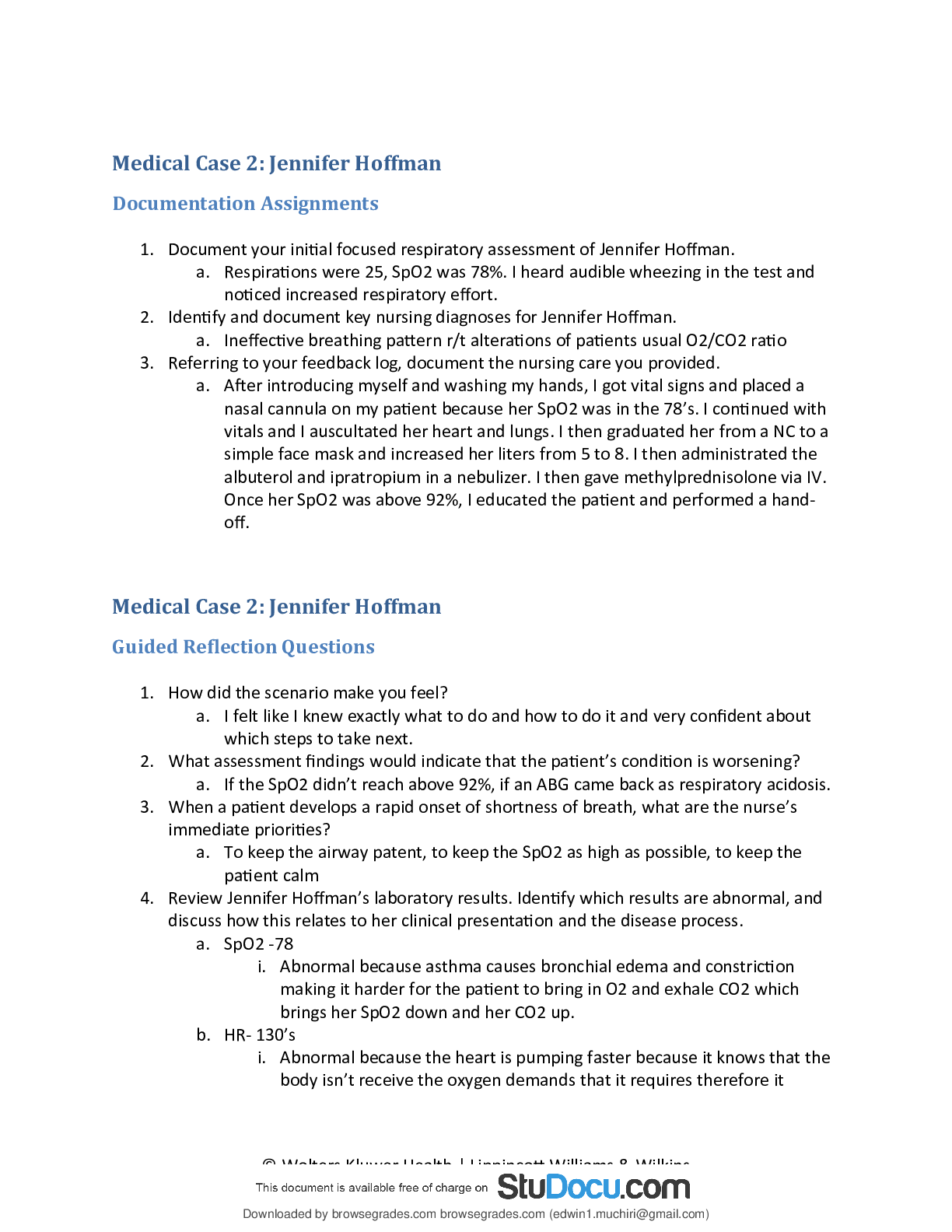
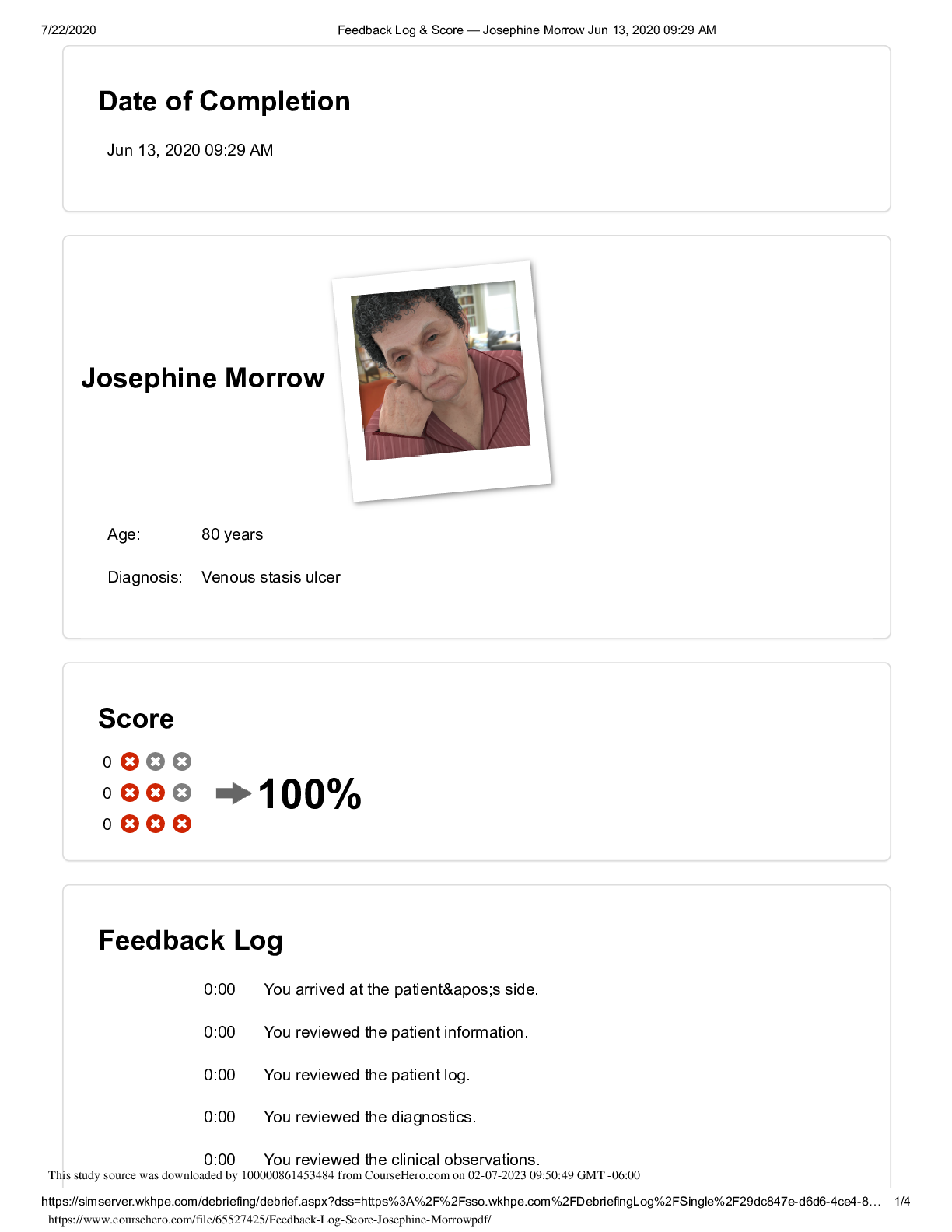
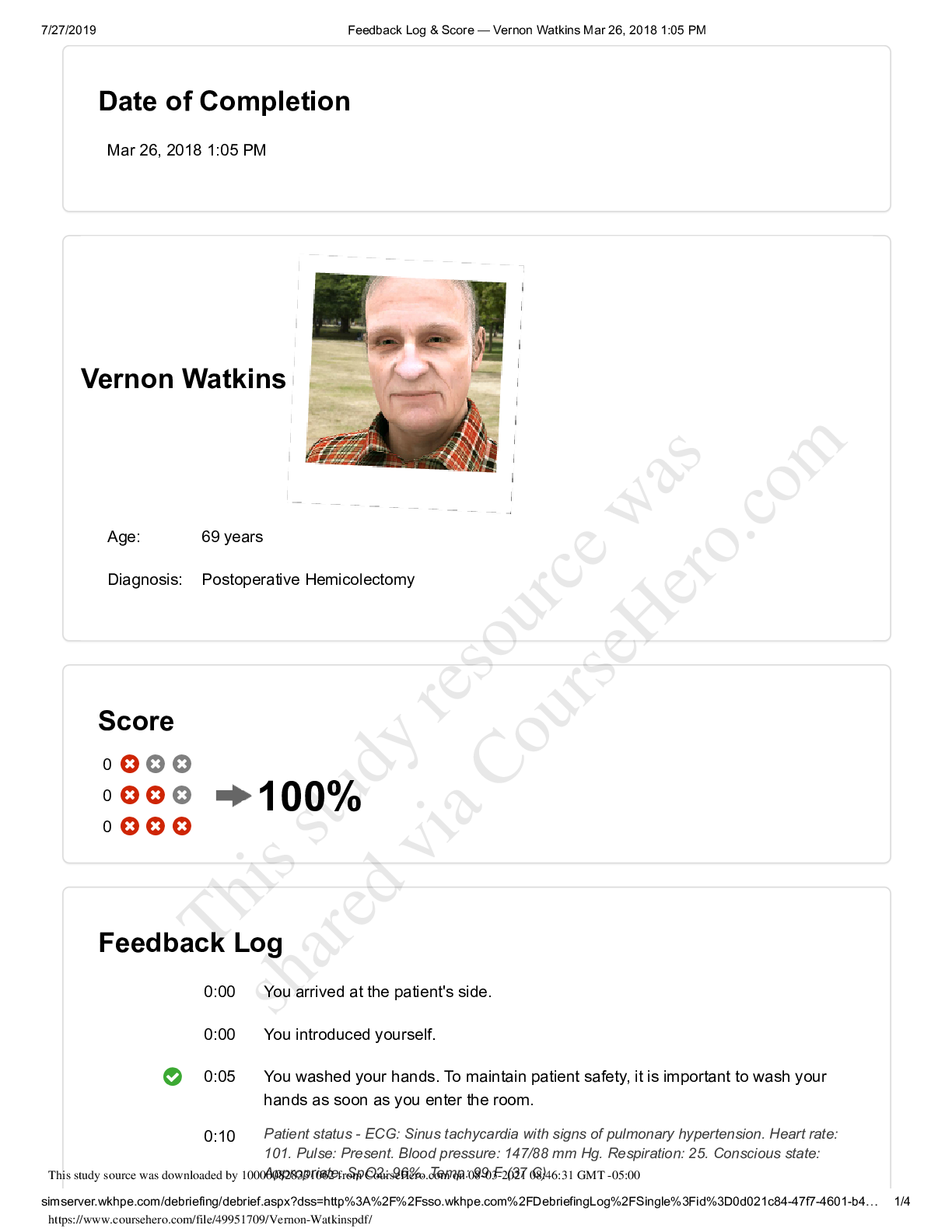
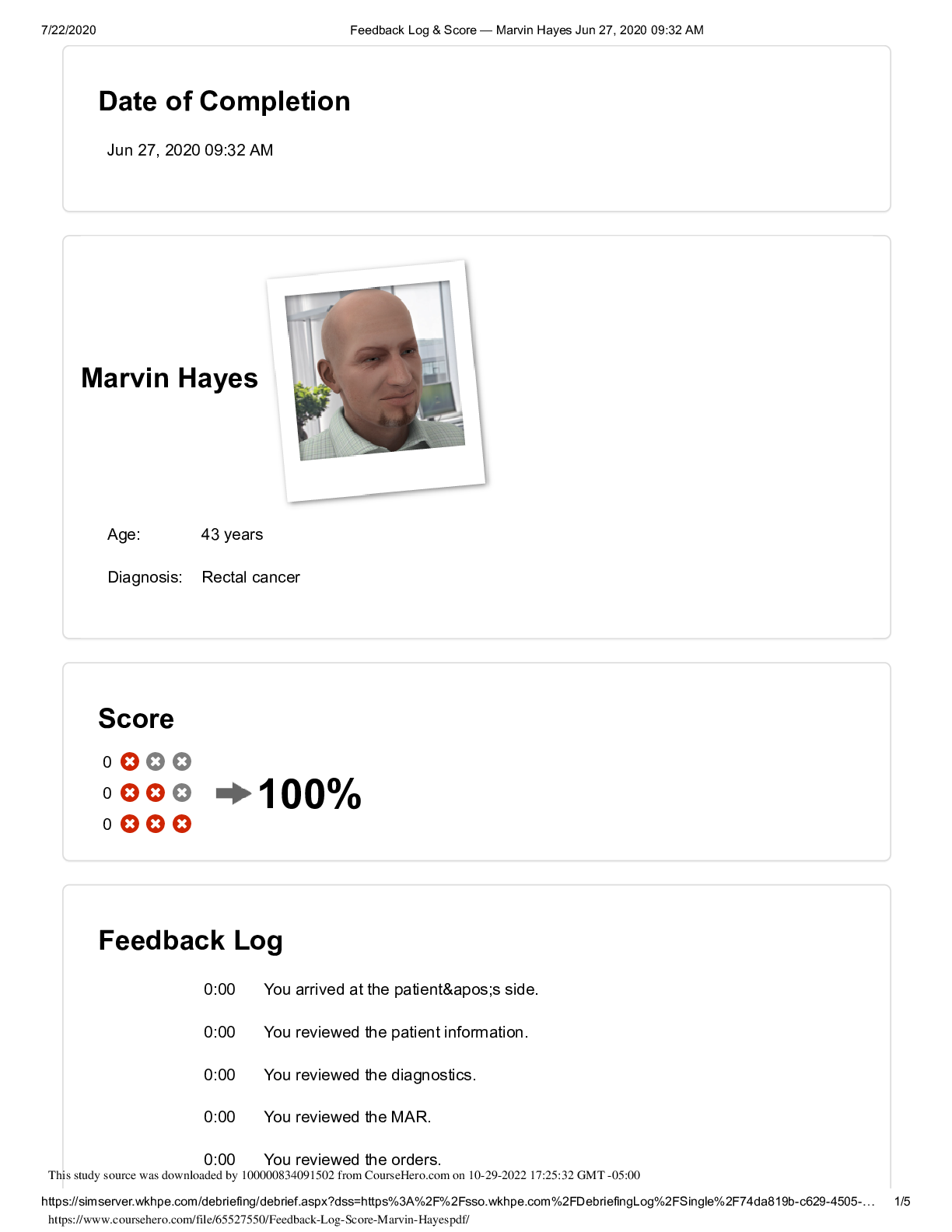
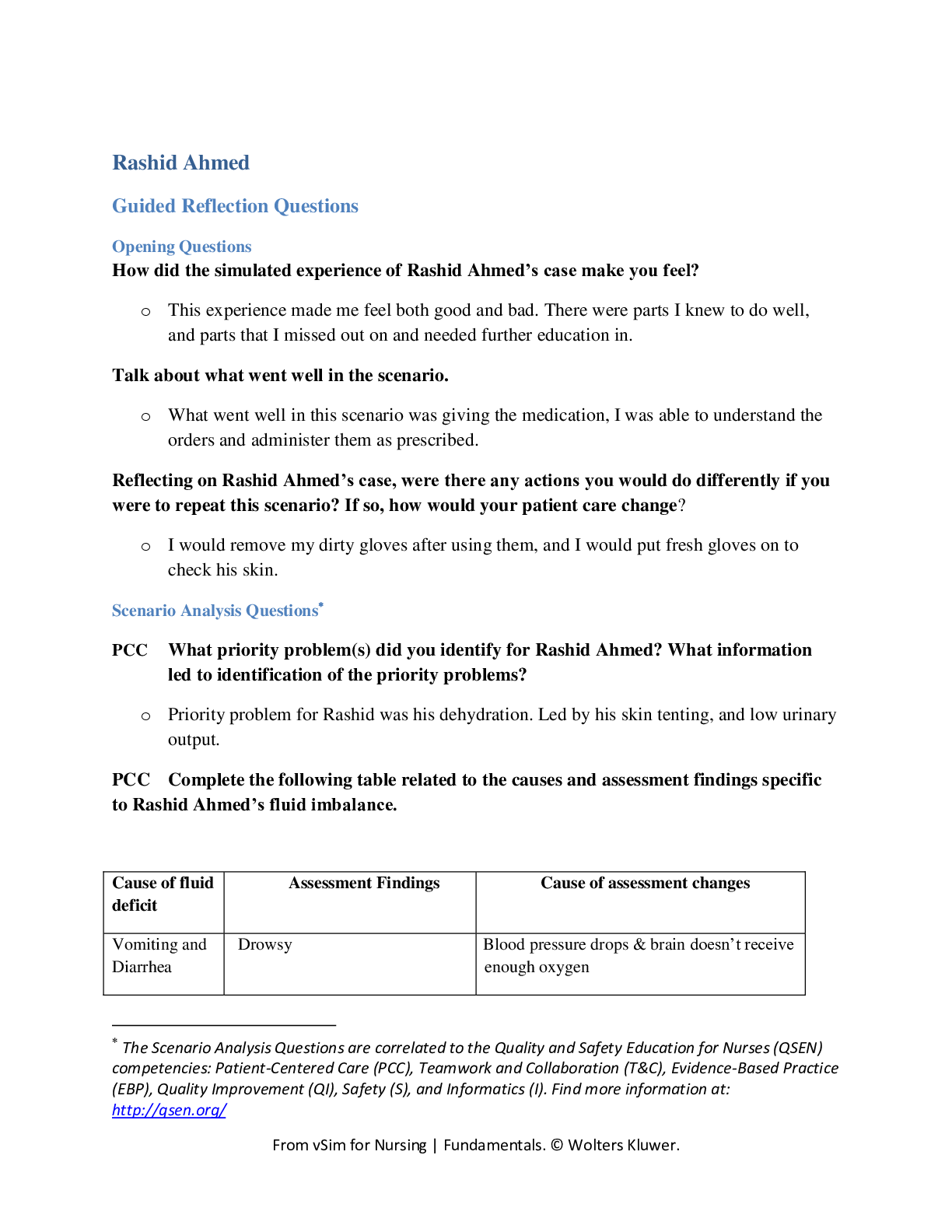
NURSING > VSIM for NURSING FUNDAMENTALS > Sabina Vasquez. Diagnosis: Asthma and pneumonia. Includes Feedback Log. Score 94% (All)
Sabina Vasquez. Diagnosis: Asthma and pneumonia. Includes Feedback Log. Score 94%
Document Content and Description Below
Last updated: 2 years ago
Preview 1 out of 5 pages
Instant download

Buy this Document to get the Full Access Instantly
Provided by Students Who Aced it
We Verify Document Content to Gurantee Accuracy
Reviews( 0 )
Document information
Connected school, study & course
About the document
Uploaded On
Nov 05, 2020
Number of pages
5
Written in
All

Additional information
This document has been written for:
Uploaded
Nov 05, 2020
Downloads
1
Views
250
Topic Tags
Recommended For You
Get more on VSIM for NURSING FUNDAMENTALS »
Carl Shapiro Diagnosis: Acute Myocardial Infarction Feedback L...

Mona Hernandez Feedback Log & Score | SCORE 94% | GRADED A
Carl Shapiro Age: 54 years Diagnosis: Acute Myocardial Infarct...

APEA 3P Exam Questions | All correct questions and answers |...
.png)
BIOD 151 Module 5 Exam 2022-2023_Score 94100 BIOD151 M5 Exam...
Carl Shapiro Age: 54 years Diagnosis: Acute Myocardial Infarct...
Carl Shapiro Age: 54 years Diagnosis: Acute Myocardial Infarct...
Carl Shapiro Age: 54 years Diagnosis: Acute Myocardial Infarct...

NURS 6521N Advanced Pharmacology; Midterm Exam 3 Attempt Score...
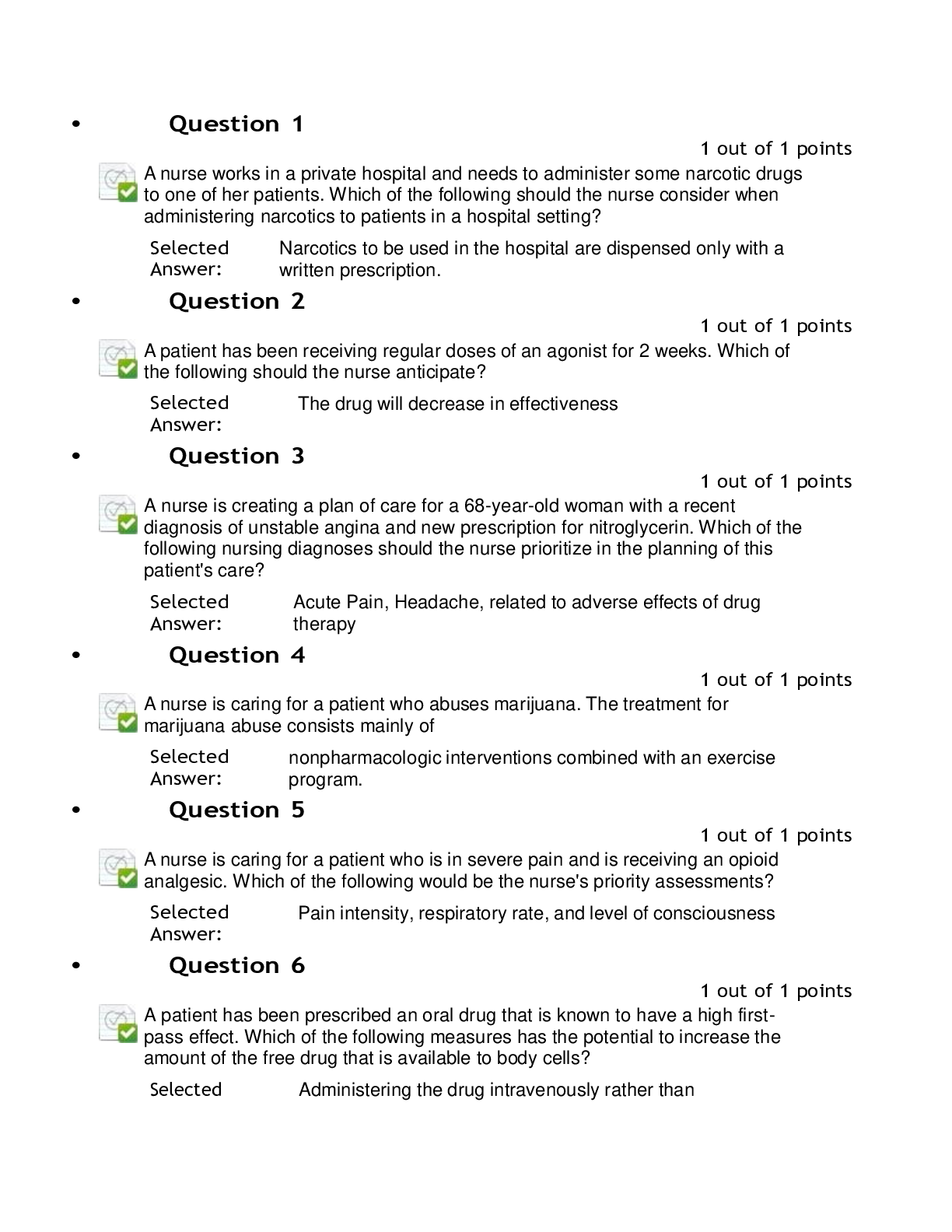
NURS 6521N Midterm Exam Advanced Pharmacology Walden Universit...

NSG 6020 3p exam NSG6020 3P Exam; Answers - Attempt Score 94....
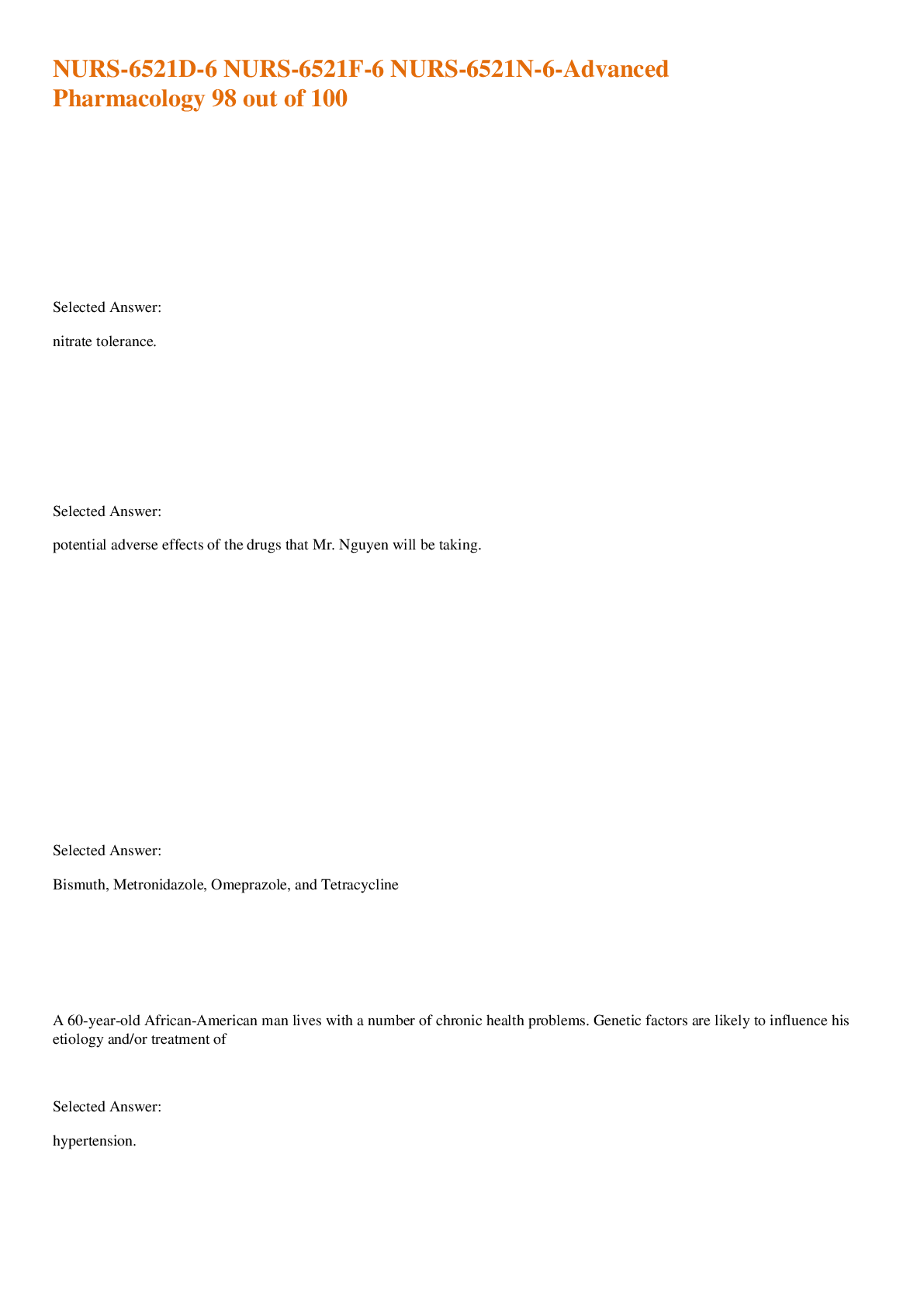
NURS 6521N Midterm Exam 3 – Advanced Pharmacology; Attempt Sco...

TEST BANK for Role Development for the Nurse Practitioner 2nd...

TEST BANK for Fundamentals of Nursing Active Learning for Coll...

Test Bank for Nursing for Wellness in Older Adults Miller 8th...

Nursing for Wellness in Older Adults Miller 8th Edition Test B...

Nursing for Wellness in Older Adults Miller 8th Edition Test B...
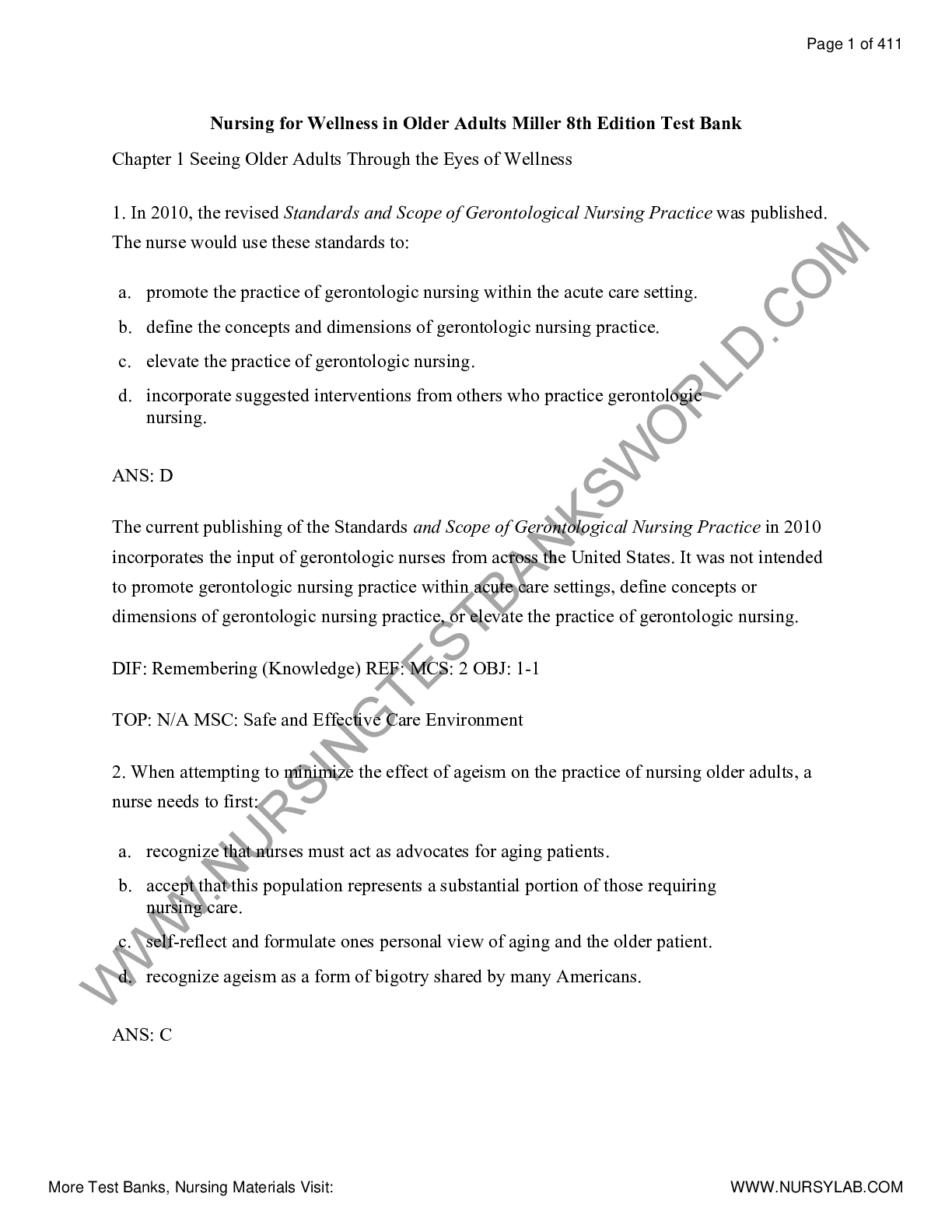
Nursing for Wellness in Older Adults Miller 8th Edition By Car...