Nutrition > QUESTIONS & ANSWERS > WGU Nutrition C787 Test (100% Verified) (All)
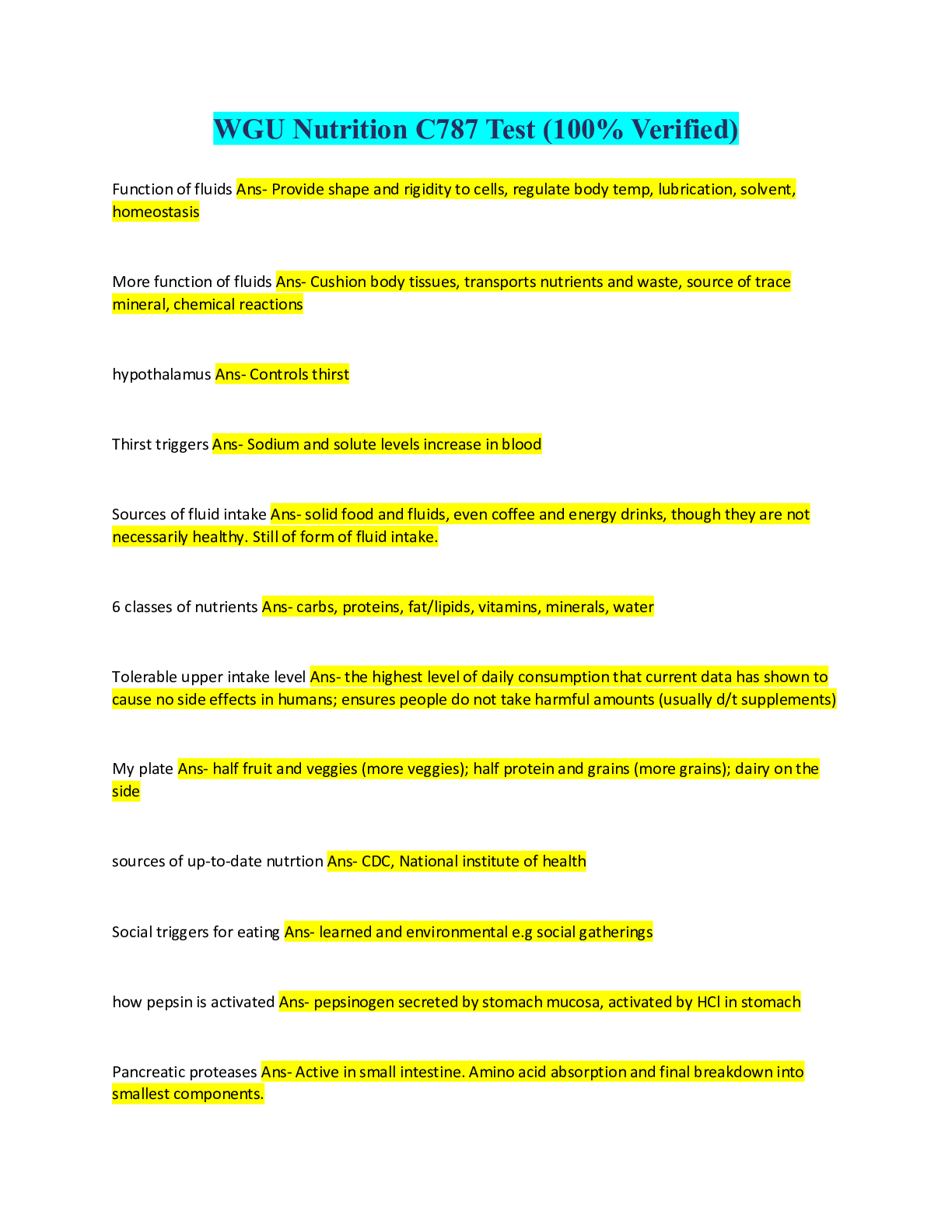
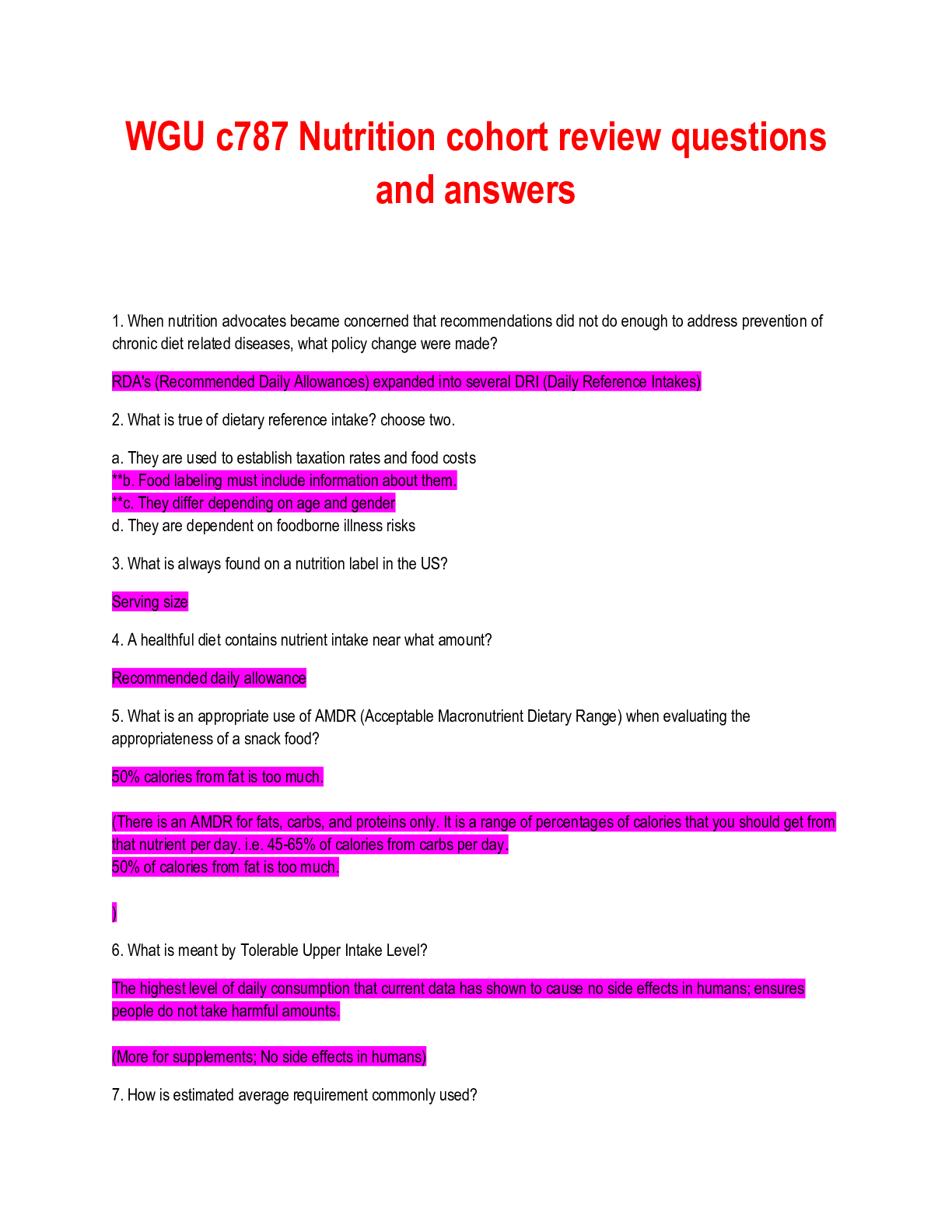
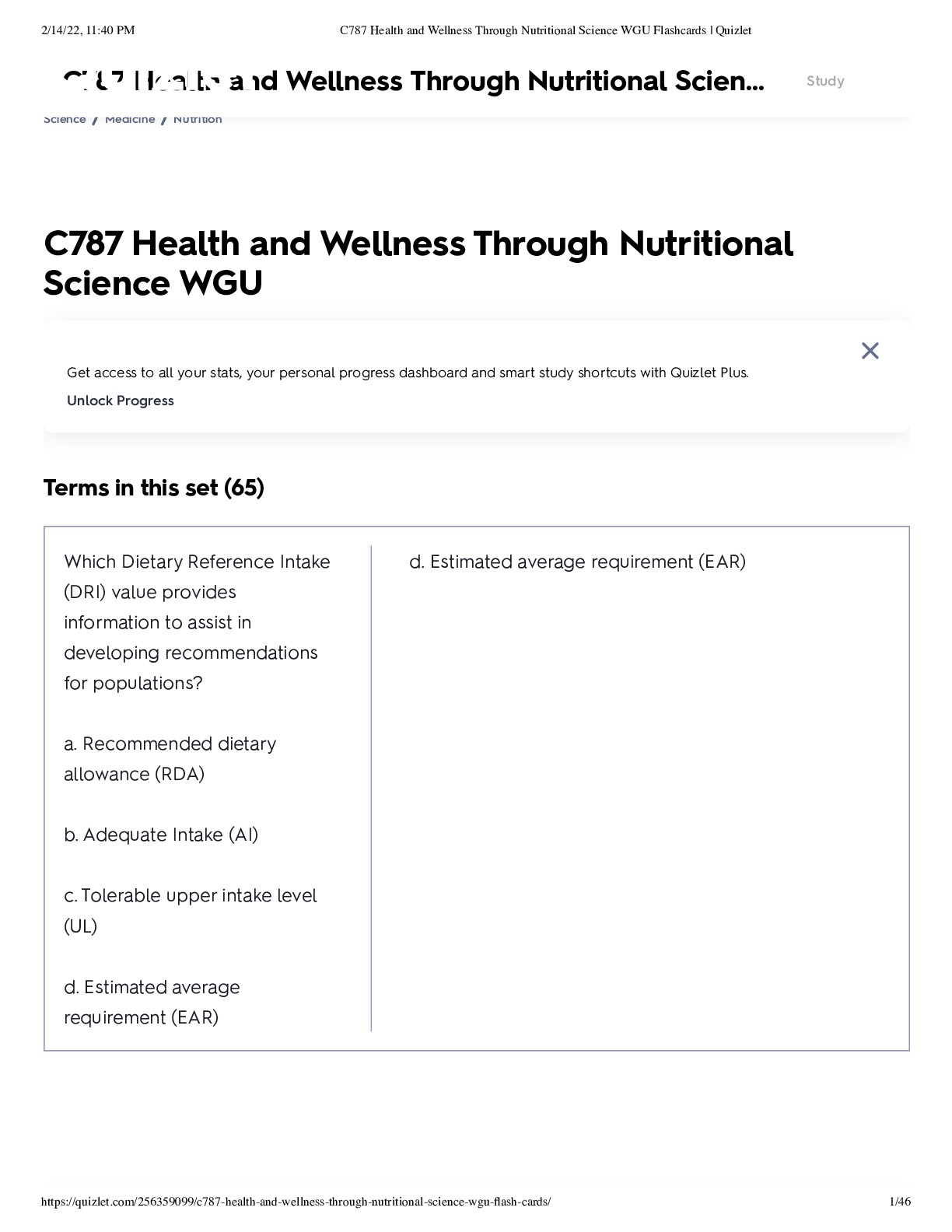
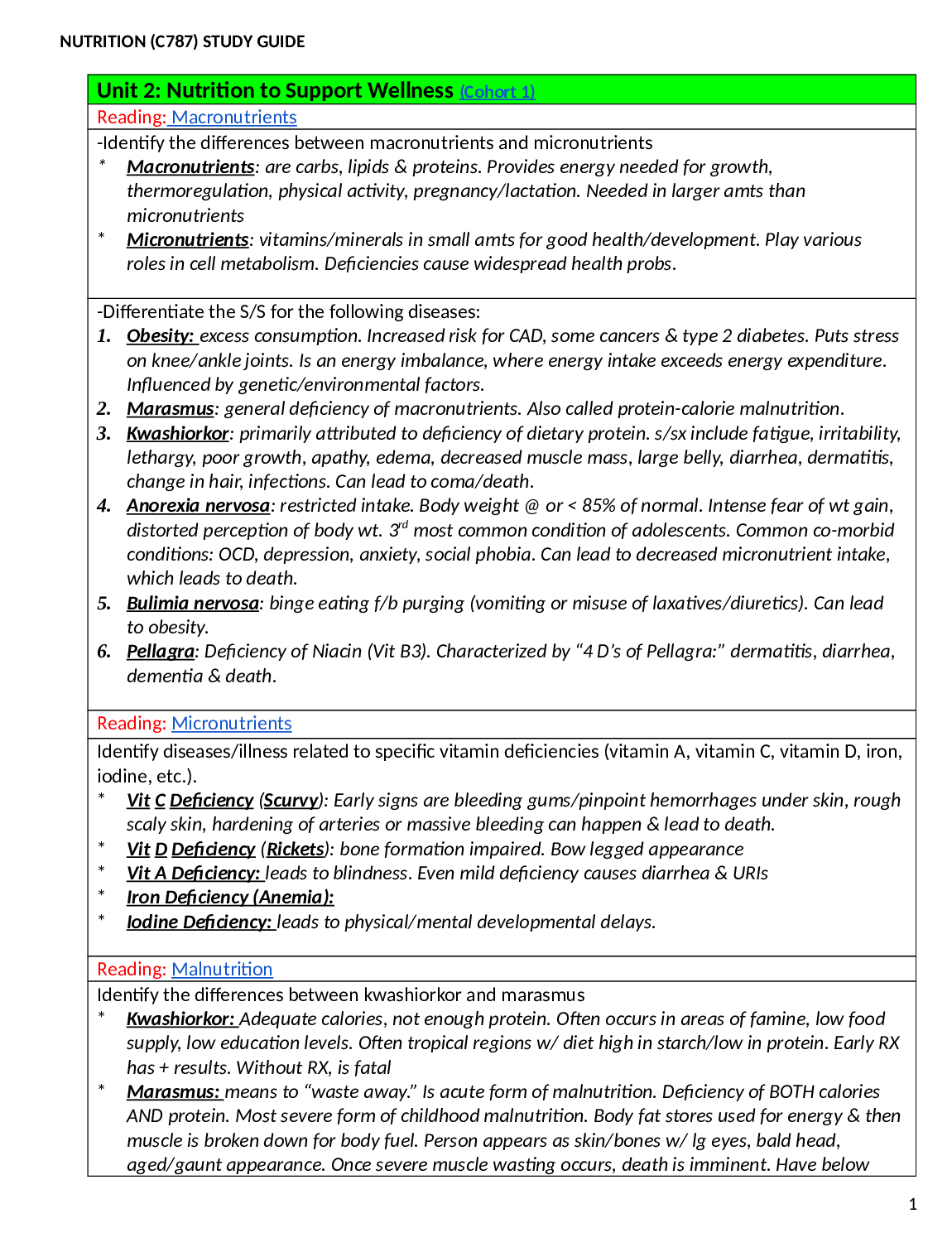
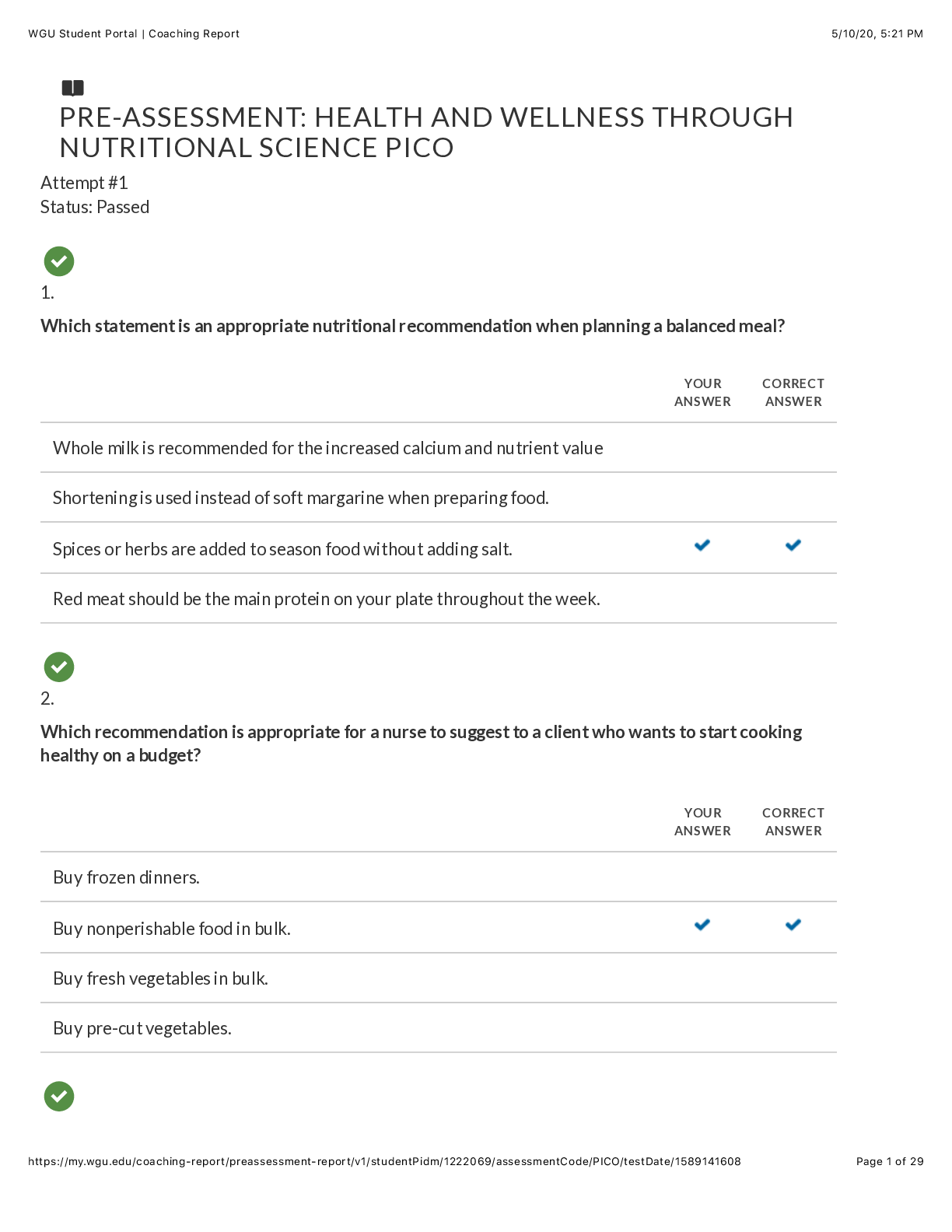
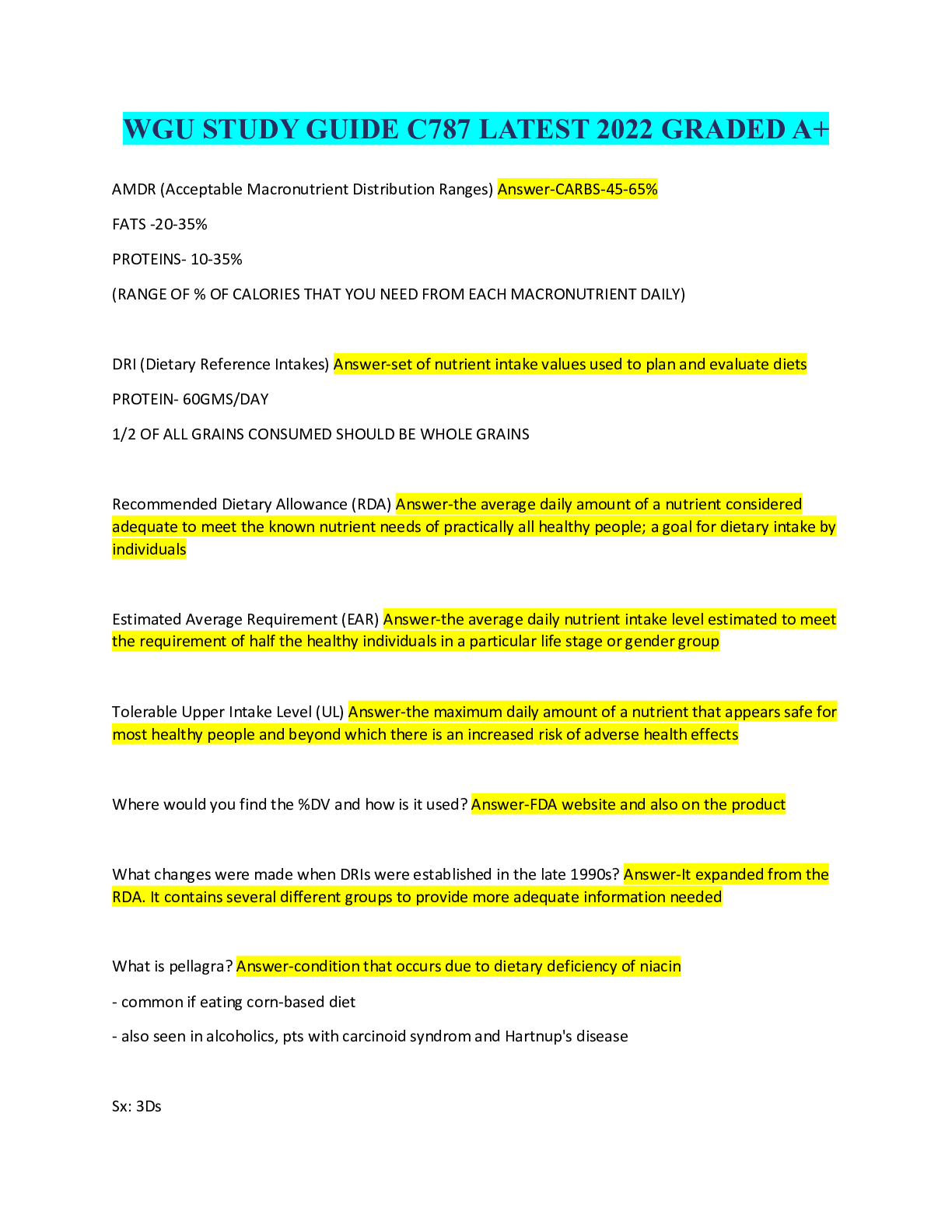
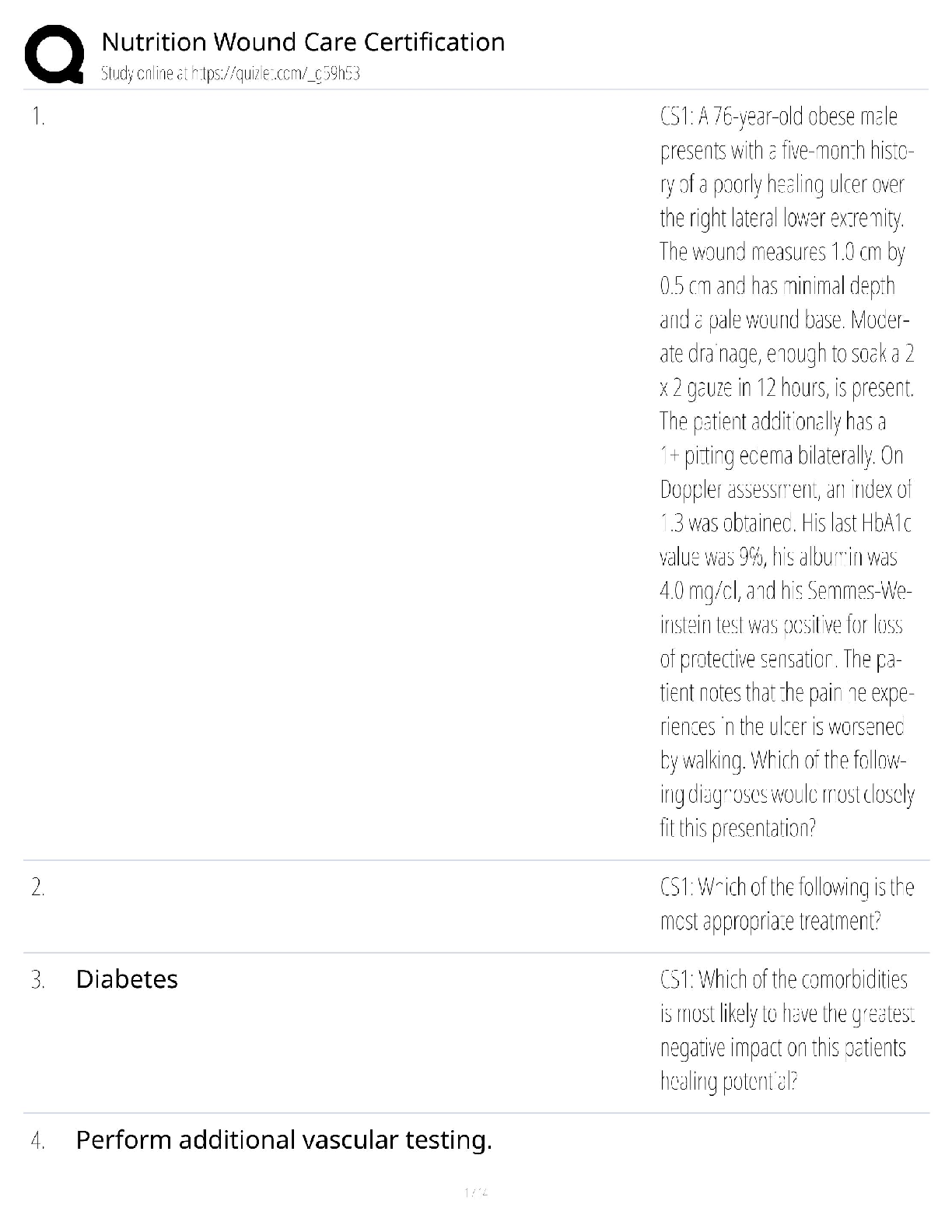
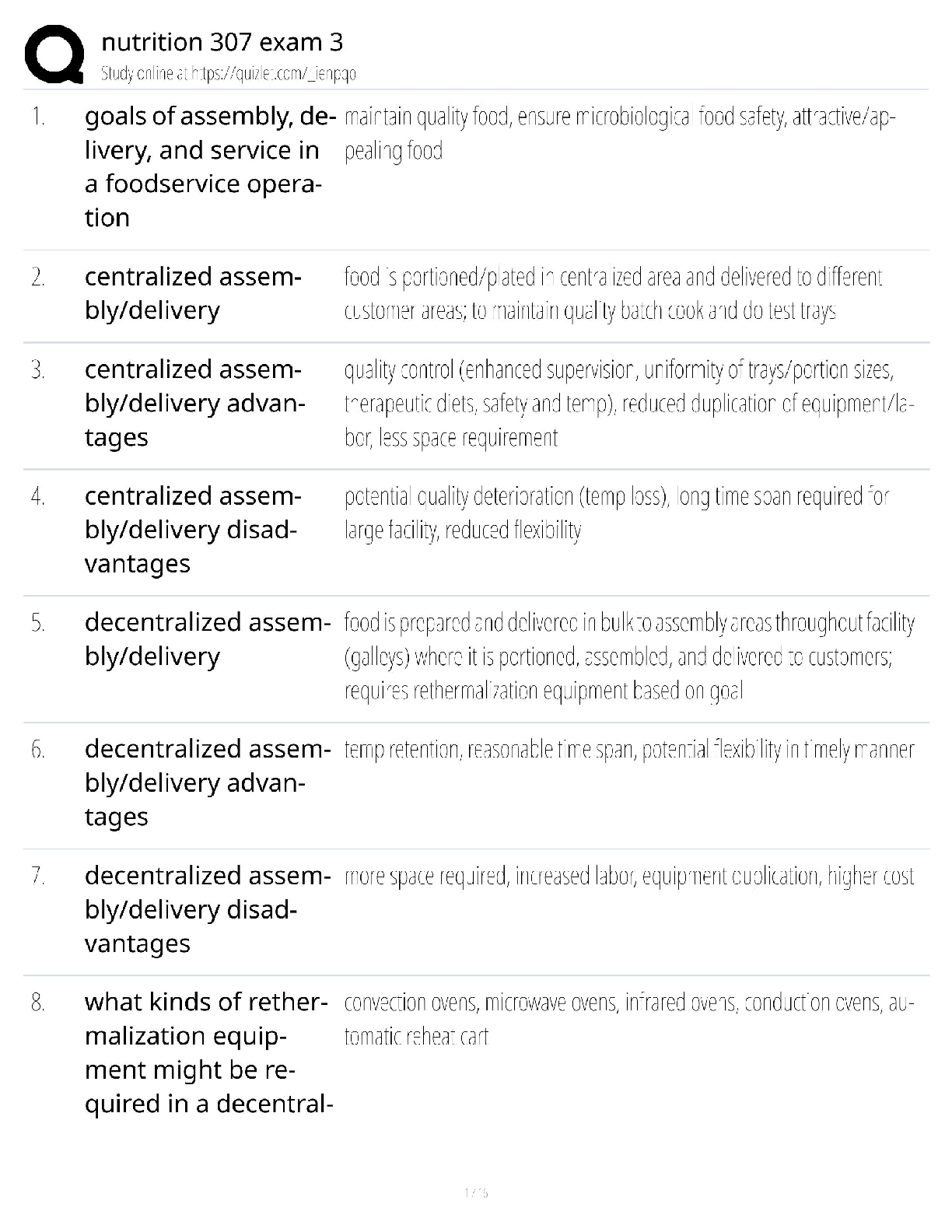
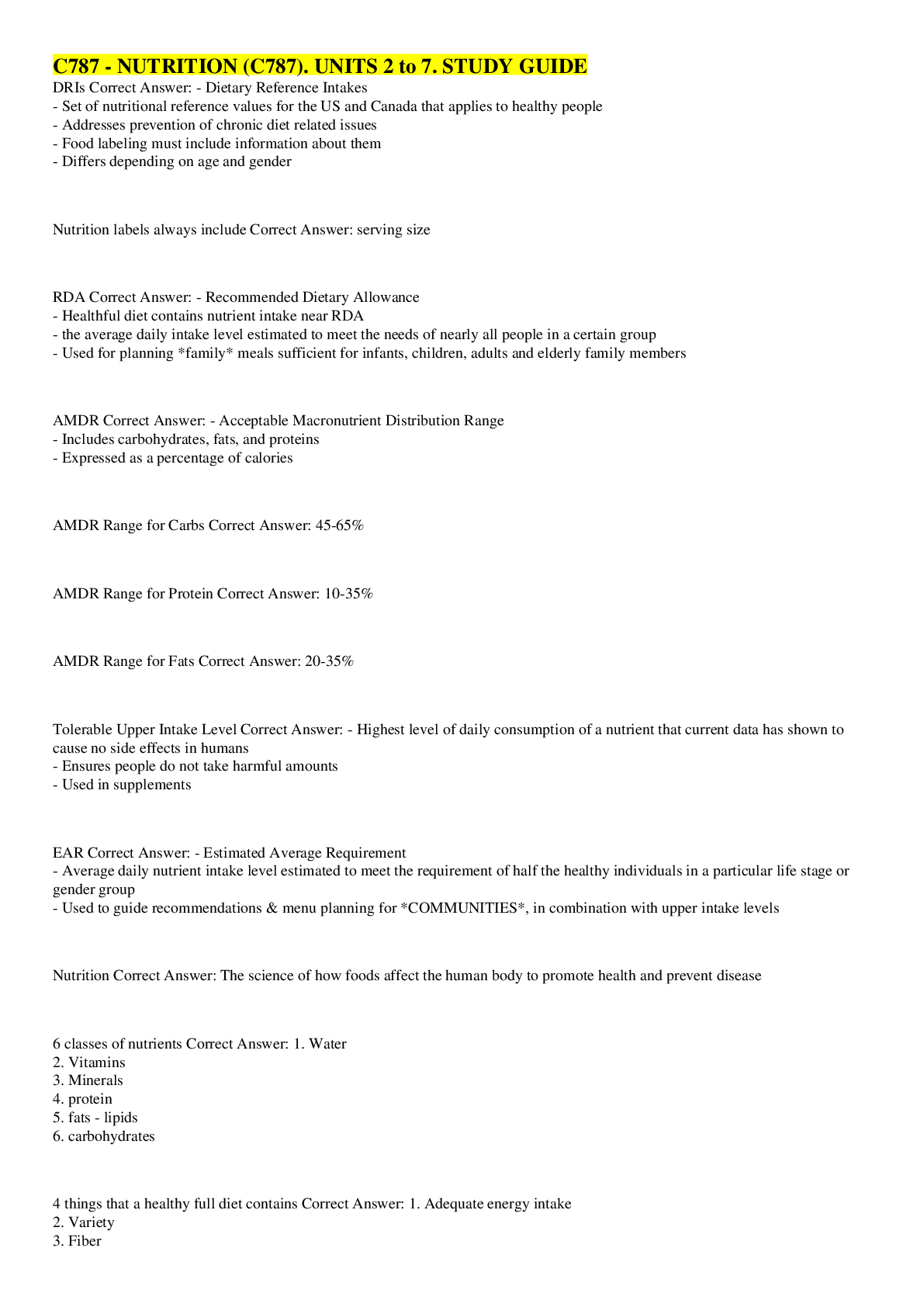
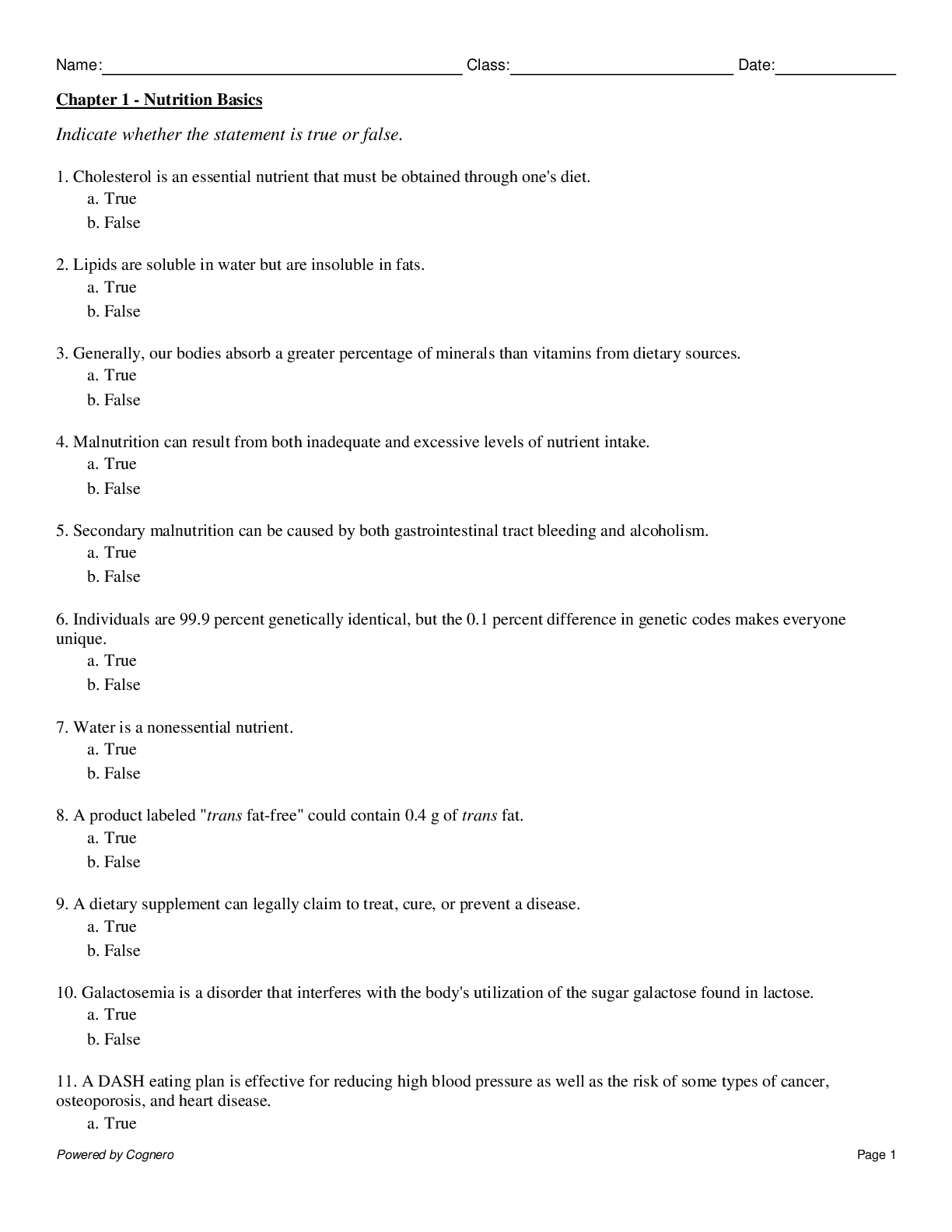
WGU Nutrition C787 Test (100% Verified) Function of fluids Ans- Provide shape and rigidity to cells, regulate body temp, lubrication, solvent, homeostasis More function of fluids Ans- Cushion body ti ... ssues, transports nutrients and waste, source of trace mineral, chemical reactions hypothalamus Ans- Controls thirst Thirst triggers Ans- Sodium and solute levels increase in blood Sources of fluid intake Ans- solid food and fluids, even coffee and energy drinks, though they are not necessarily healthy. Still of form of fluid intake. 6 classes of nutrients Ans- carbs, proteins, fat/lipids, vitamins, minerals, water Tolerable upper intake level Ans- the highest level of daily consumption that current data has shown to cause no side effects in humans; ensures people do not take harmful amounts (usually d/t supplements) My plate Ans- half fruit and veggies (more veggies); half protein and grains (more grains); dairy on the side sources of up-to-date nutrtion Ans- CDC, National institute of health Social triggers for eating Ans- learned and environmental e.g social gatherings how pepsin is activated Ans- pepsinogen secreted by stomach mucosa, activated by HCl in stomach Pancreatic proteases Ans- Active in small intestine. Amino acid absorption and final breakdown into smallest components. 2 trigger foods for GERD Ans- coffee and tomato typical manifestation of GERD Ans- chest or back pain when lying down after meal Safe food for celiac disease Ans- Rice; no wheat, rye, or barley. Macronutrients Ans- Carbs, fats, proteins Monosaccharides Ans- glucose, fructose, galactose Starch Ans- 2 or more glucose monomers chained together in plants Glycogen Ans- 2 or more glucose monomers chained together in animals Glucagon Ans- hormone secreted by pancreas that causes the liver to convert stored glycogen into glucose when blood glucose falls too low. sucrose Ans- glucose + fructose lactose Ans- glucose + galactose maltose Ans- glucose + glucose AMDR for carbs, proteins, and fats Ans- half of daily calories should be from carbs, 10-35 % from protein, 20-35% from fat. fiber recommendation Ans- 14 g per 1000 kcal daily whole grain intake Ans- half of all grain products should be whole grain complex carbs Ans- long polysaccharides Added sugars Ans- 25% or less total daily kcals should come from this Trans fats Ans- found in partially hydrogenated oils, unsaturated. Mimic saturated and are usually solid at room temperature Saturated fats Ans- Fully hydrogenated. Long chains, stack well, solid at room temperature Fat Ans- important concentrated source of energy, supports cell growth, maintenance and repair, insulator to maintain constant body temperature. Ideal heart health Ans- diet low in trans and saturated fat Cholesterol Ans- building blocks of steroid hormones Fatty fish Ans- high in omega-3 fatty acids EPA and DHA Plant sources e.g. flax Ans- high in omega-3 fatty acid ALA olive oil Ans- high in monounsaturated fat seeds and nut oils Ans- high in polyunsaturated fats Protein Ans- made up of amino acid and contains nitrogen Dairy product with most protein per serving Ans- Nonfat Greek yogurt Adult intake of protein Ans- 0.8 g per kg of body weight Major functions of protein Ans- provides structure and movement, aids in building enzymes and hormones, acid/base balance, catalyzes cell growth, essential to immune system Complete protein snacks Ans- mature legume product plus grain product. e.g. red beans and rice; hummus and wheat pita; PB and crackers. Protein and fiber Ans- Nutrients that promote a feeling of fullness for longer Non-meat sources for complete protein sources Ans- rice and beans, pasta and veggies with cheeses, tacos with beans, PB sandwich, cereal with milk, couscous with chickpeas. High protein diet risks Ans- High intake of saturated fats Flexitarianism Ans- Eat meat occasionally pasctarian Ans- includes fish vegans Ans- no type of animal product vegetarianism benefits Ans- Decreased risk of obesity, diabetes, GI disorders, cancer, and lower cholesterol levels. vegetarianism risks Ans- low levels of vitamin D, B12, calcium, and omega-3 fatty acids Fat soluble vitamins Ans- vitamins A, D, E, K Vitamin K Ans- Fat soluble, essential in coagulation Thiamin (B1) Ans- deficiency results in beriberi Folate (B9) Ans- deficiency results in macrocytic anemaia Vitamin C [Show More]
Last updated: 3 years ago
Preview 1 out of 8 pages
Buy this document to get the full access instantly
Instant Download Access after purchase
Buy NowInstant download
We Accept:
WGU C787 OA Test with complete solution WGU STUDY GUIDE C787 LATEST 2022 C787 Nutrition Exam With Complete Solution Latest 2022 C787 Health and Wellness Through Nutritional Science Test WGU(2022) C787...
By Nutmegs 3 years ago
$15
11
Can't find what you want? Try our AI powered Search
Connected school, study & course
About the document
Uploaded On
May 18, 2022
Number of pages
8
Written in
All
This document has been written for:
Uploaded
May 18, 2022
Downloads
0
Views
164
Scholarfriends.com Online Platform by Browsegrades Inc. 651N South Broad St, Middletown DE. United States.
We're available through e-mail, Twitter, and live chat.
FAQ
Questions? Leave a message!
Copyright © Scholarfriends · High quality services·