NURSING > ATI Study Resources. > Teas 6 Science ALL ANSWERS 100% CORRECT SPRING FALL-2022 LATEST SOLUTION GUARANTEED GRADE A+ (All)
Teas 6 Science ALL ANSWERS 100% CORRECT SPRING FALL-2022 LATEST SOLUTION GUARANTEED GRADE A+
Document Content and Description Below
Last updated: 3 years ago
Preview 1 out of 4 pages
Instant download

Buy this Document to get the Full Access Instantly
Provided by Students Who Aced it
We Verify Document Content to Gurantee Accuracy
Reviews( 0 )
Document information
Connected school, study & course
About the document
Uploaded On
May 19, 2022
Number of pages
4
Written in
All

Additional information
This document has been written for:
Uploaded
May 19, 2022
Downloads
0
Views
143
Topic Tags
Recommended For You
Get more on ATI Study Resources. »

ATI RN EXIT COMPREHENSIVE PREDICTOR EXAM 2025/2026 || PRACTICE...

ATI PN Comprehensive EXIT REAL EXAM 2024|2025 Questions AND An...

ATI Fundamentals Capstone Exam Version 1 (NEW 2025 Update) Que...



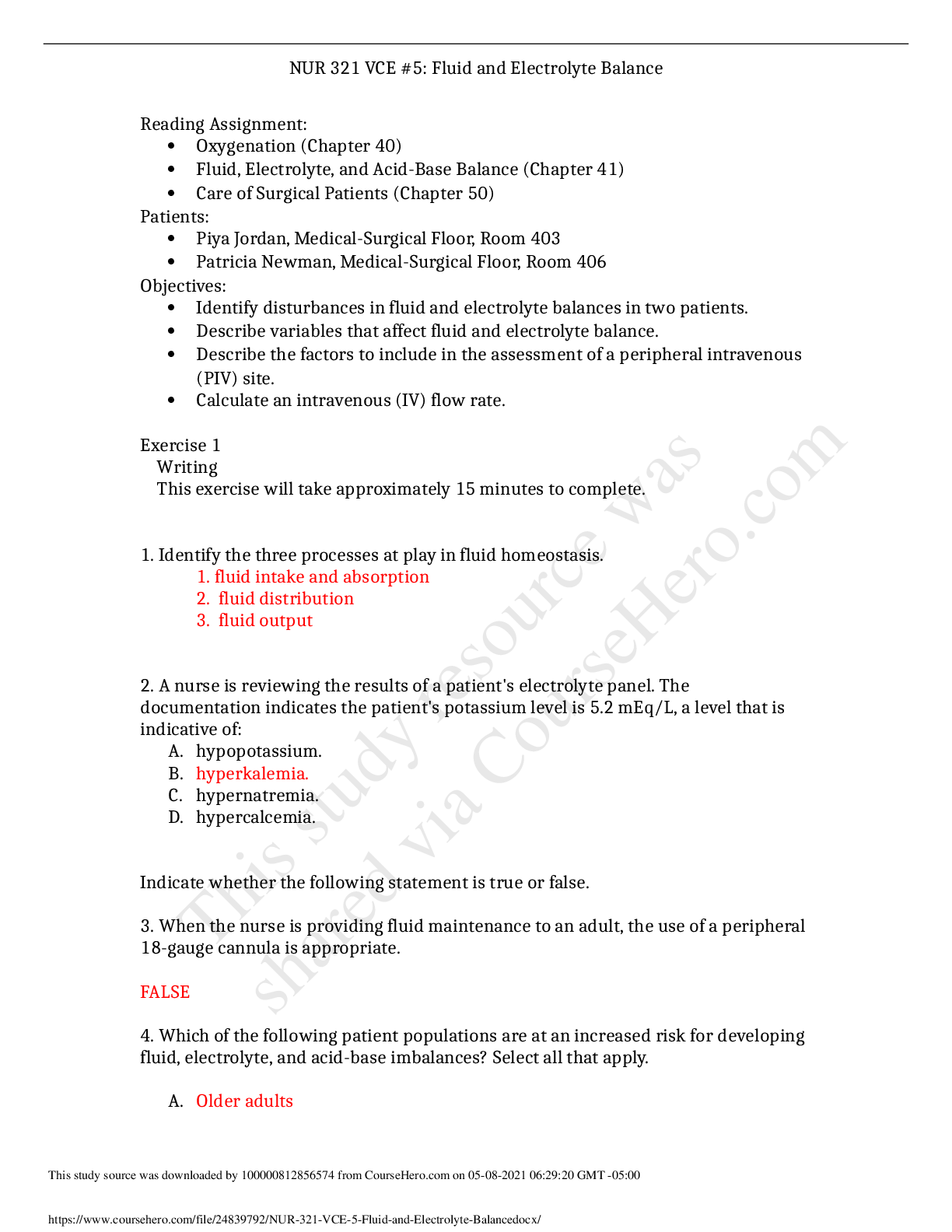
NUR 321 VCE #5 Fluid and Electrolyte Balance QUESTIONS AND ANS...
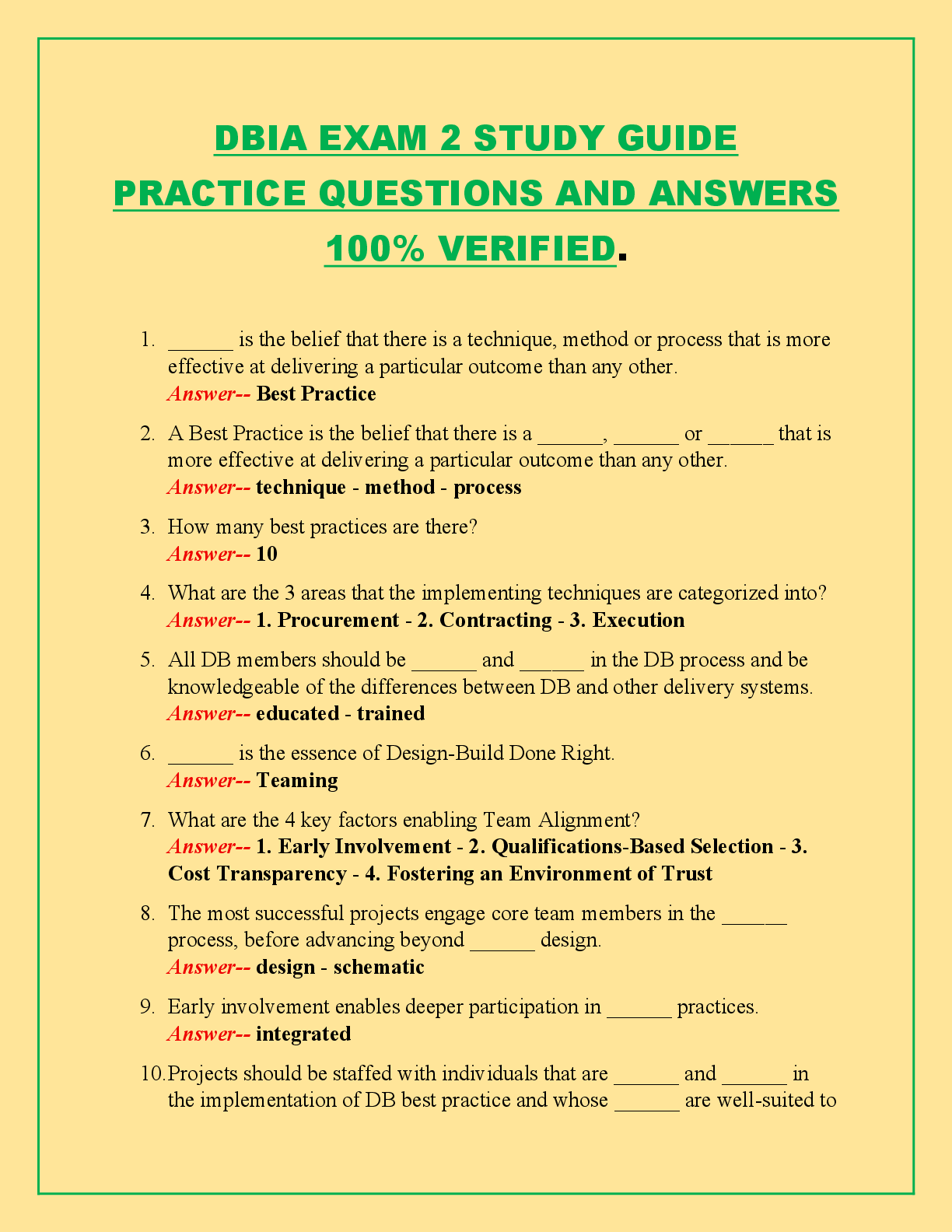
DBIA EXAM 2 STUDY GUIDE PRACTICE QUESTIONS AND ANSWERS 100%...


eBook [PDF] Barash, Cullen, and Stoelting's Clinical Anesthesi...

eBook [PDF] Fundamentals of Nursing 3rd Edition By Joanne Toll...

eBook [PDF] Burns' Pediatric Primary Care 7th Edition BY Dawn...

Test Bank for Burns' Pediatric Primary Care 7th Edition by Daw...
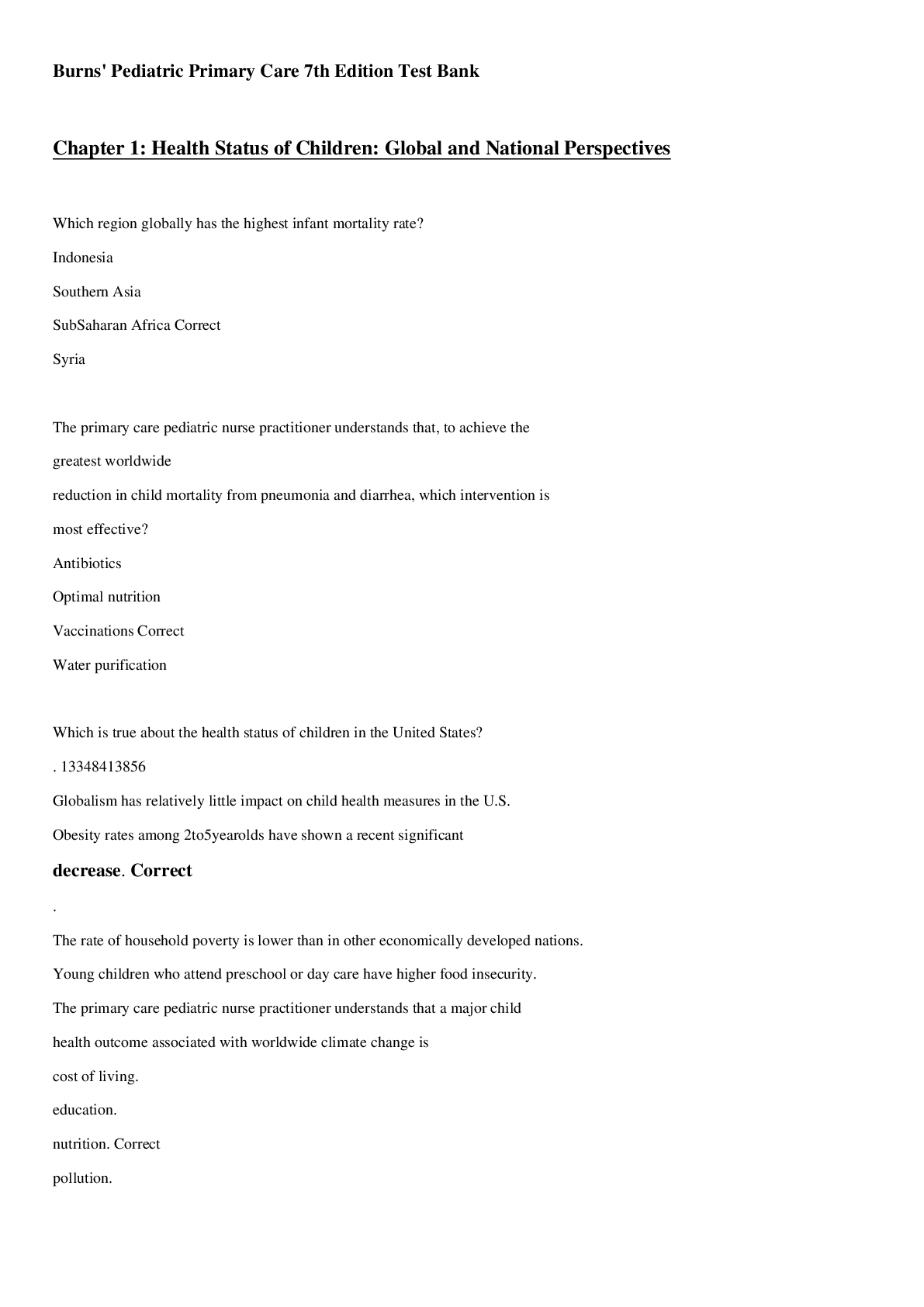
Burns Pediatric Primary Care 7th Edition All Chapters Complete...