SEJPME II Module 11 Interorganizational Coordination and
Document Content and Description Below
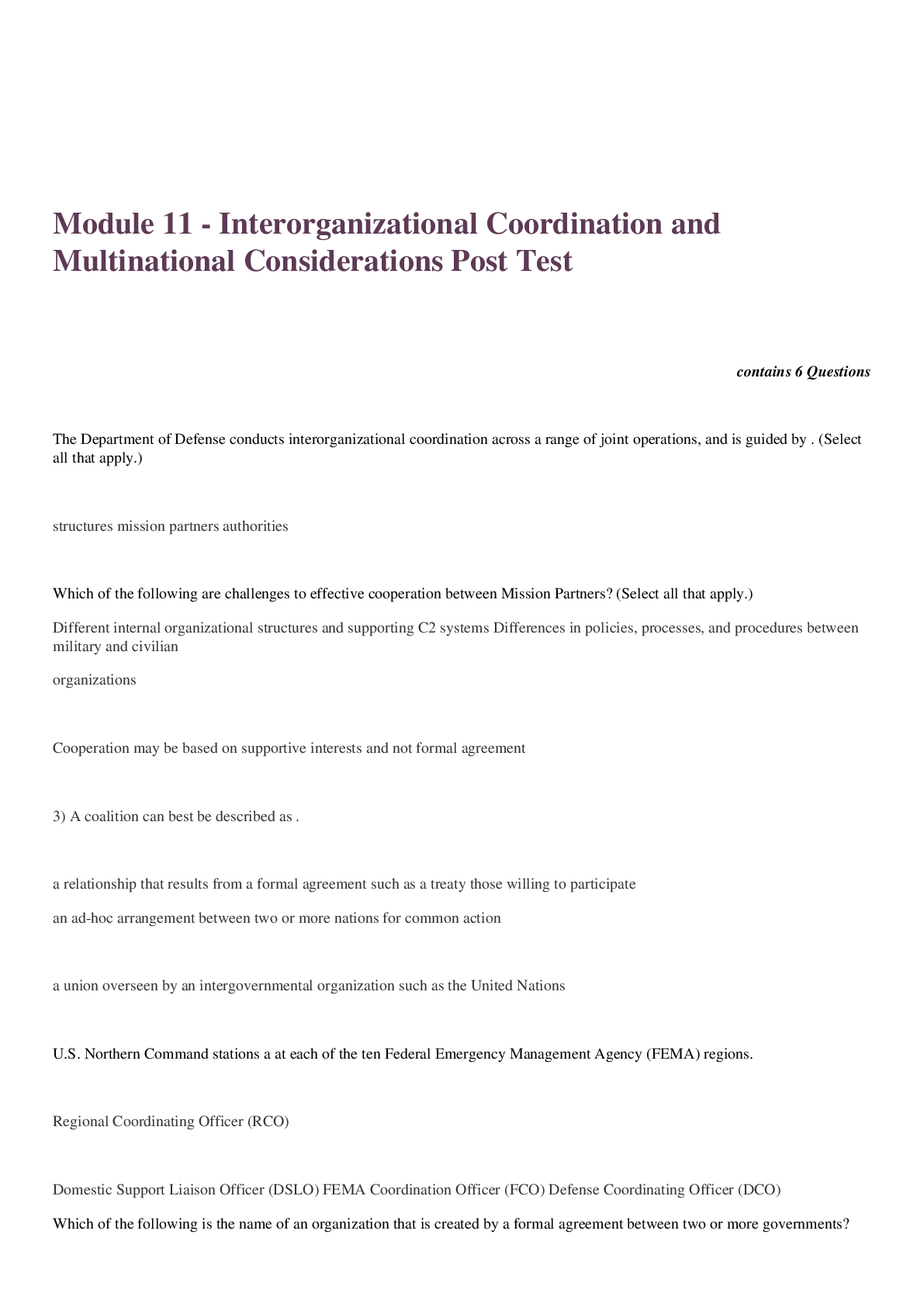
[Solved] SEJPME II Module 11 Interorganizational Coordination and Multinational Considerations Post Test
1) The Department of Defense conducts interorganizational coordination across a range of joint o
...
[Show More]
Last updated: 6 months ago
Preview 1 out of 2 pages
Instant download
Buy this Document to get the Full Access Instantly
Provided by Students Who Aced it
We Verify Document Content to Gurantee Accuracy
Reviews( 0 )
Document information
Connected school, study & course
About the document
Uploaded On
Nov 19, 2020
Number of pages
2
Written in
All

Additional information
This document has been written for:
Uploaded
Nov 19, 2020
Downloads
0
Views
271
Topic Tags
Recommended For You
Get more on EXAM »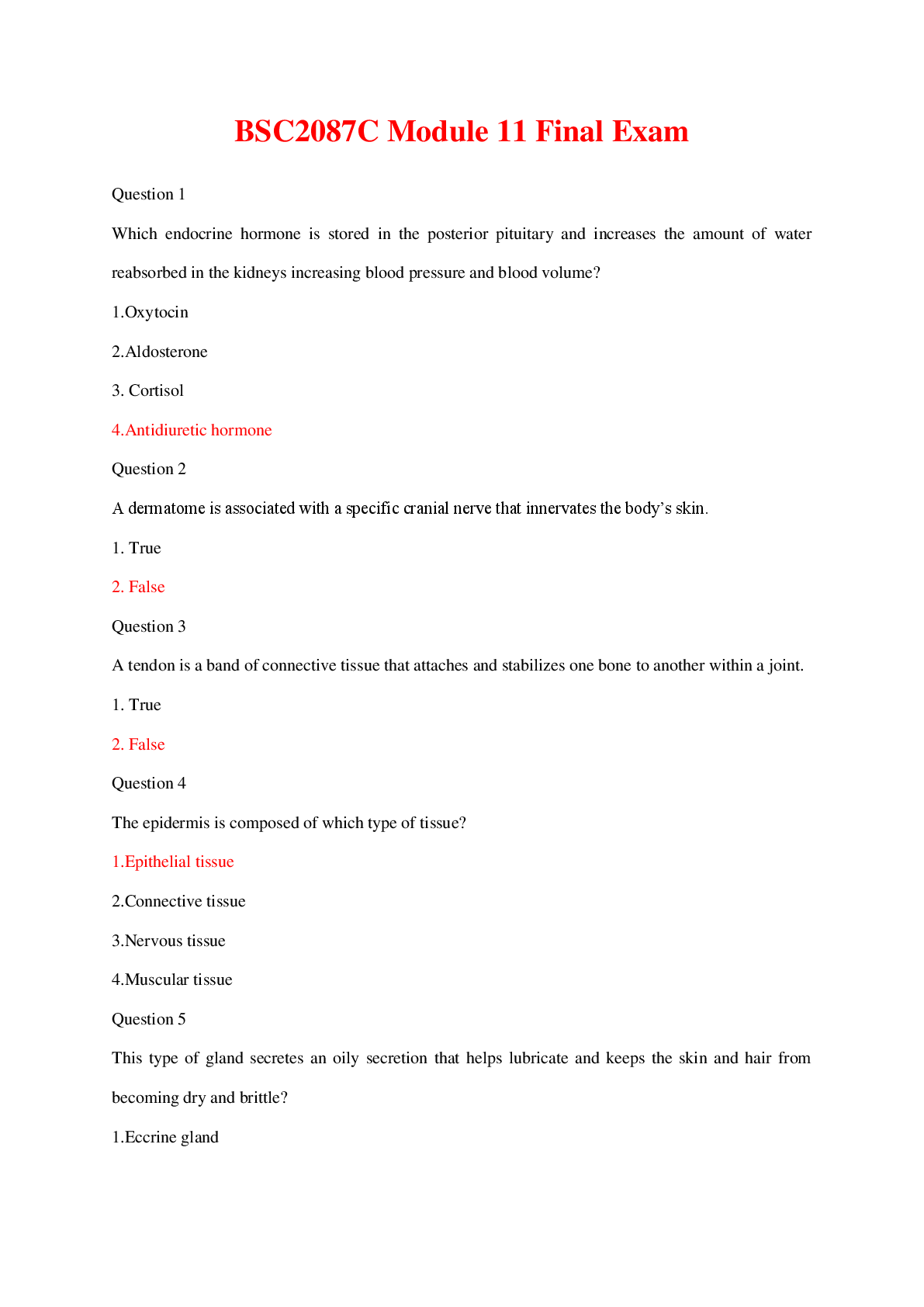
$16
17 Pages
BSC 2087C Module 11 Final Exam Updated | 75 Questions and Answ...
$19
72 Pages
Solution Manual For CompTIA PenTest+ Guide to Penetration Test...

$9
2 Pages
TEFL Module 11 Teaching English to Young Learners Already Pass...
$20
191 Pages
NURS 231 PORTAGE LEARNING BIOD 331 PATHOPHYSIOLOGY LATEST FINA...

$11
9 Pages
BSC 2346 Human Anatomy and Physiology Module 11 Final Exam | R...
$7.5
3 Pages
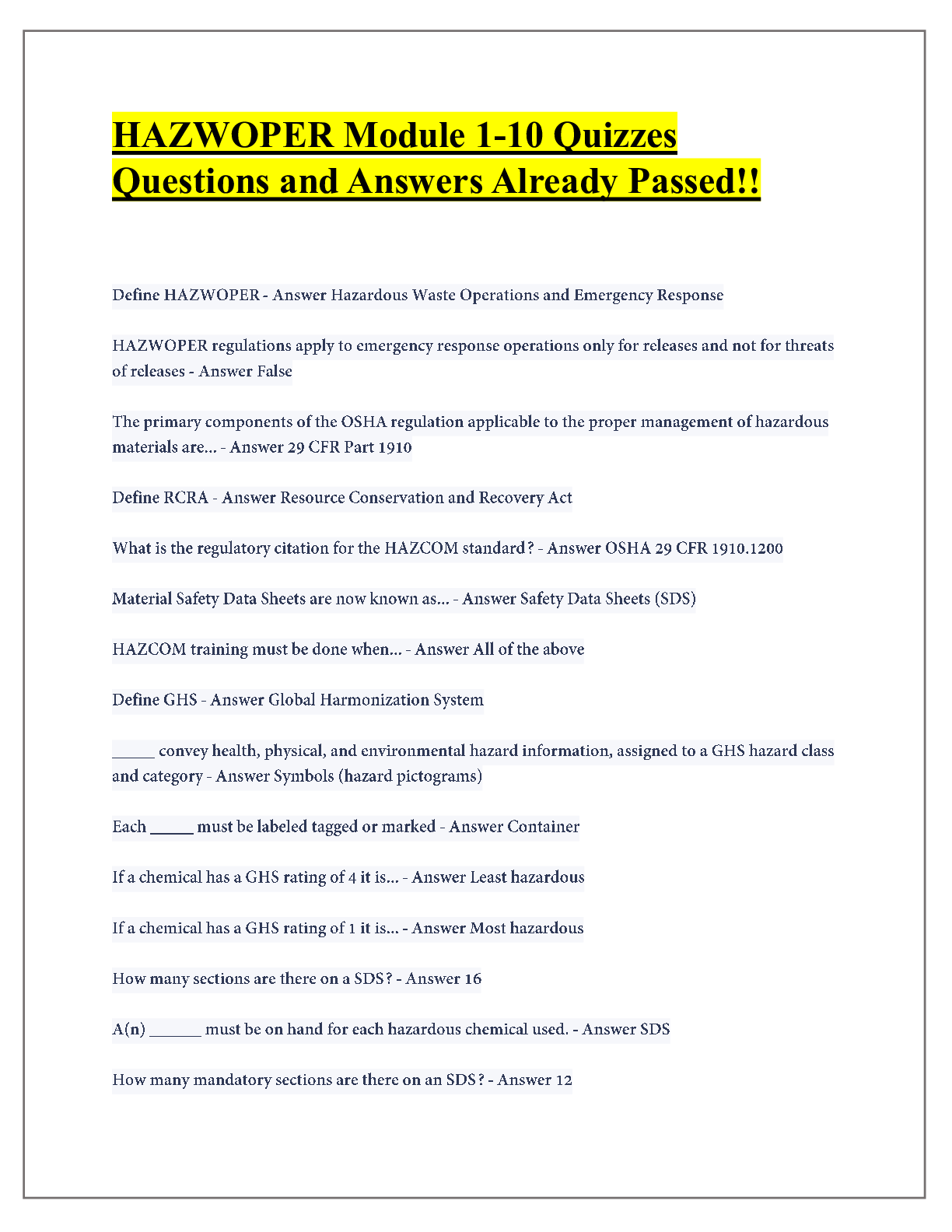
HAZWOPER Module 1-10 Quizzes Questions and Answers 2024 Alread...
$7
10 Pages
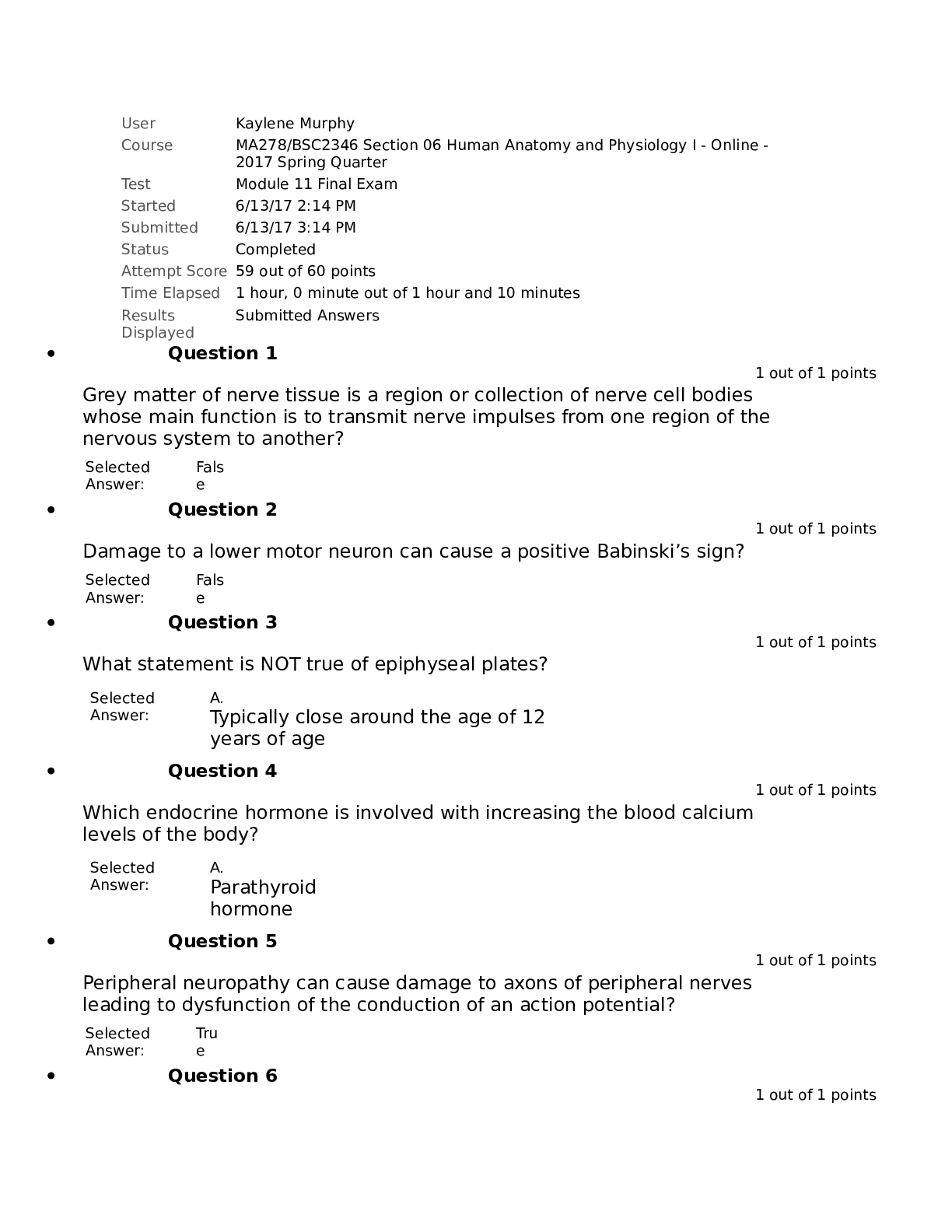
BSC 2346 Section 06 Human Anatomy and Physiology I Module 11 F...
$19
118 Pages
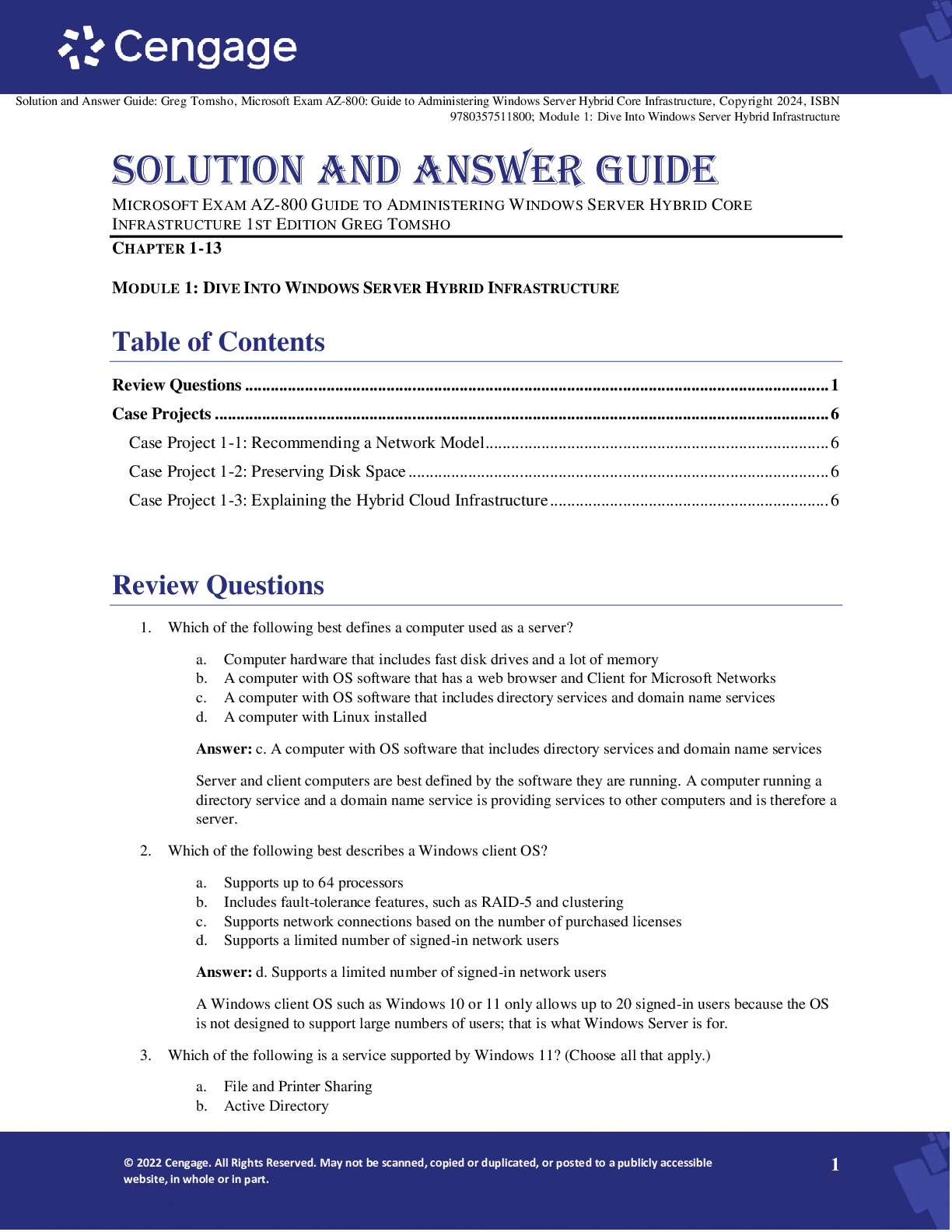
Solution Manual For Microsoft Exam AZ-800 Guide to Administeri...

$30
217 Pages
Test bank For Data Visualization Exploring and Explaining with...
$30
524 Pages
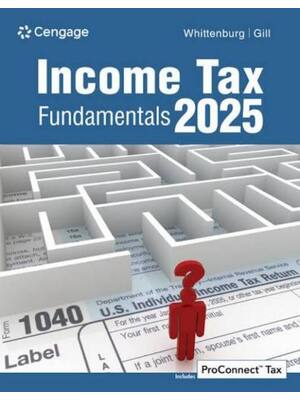
Solutions Manual For Income Tax Fundamentals 2025, 43rd Editio...
$30
250 Pages
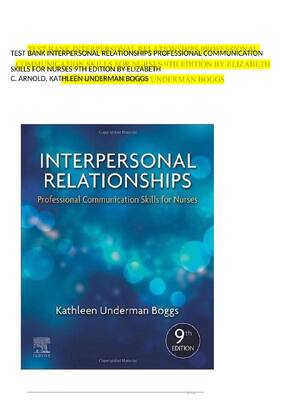
Test Bank For Income Tax Fundamentals 2025, 43rd Edition By Ge...
More related documents below

 midterm help.png)