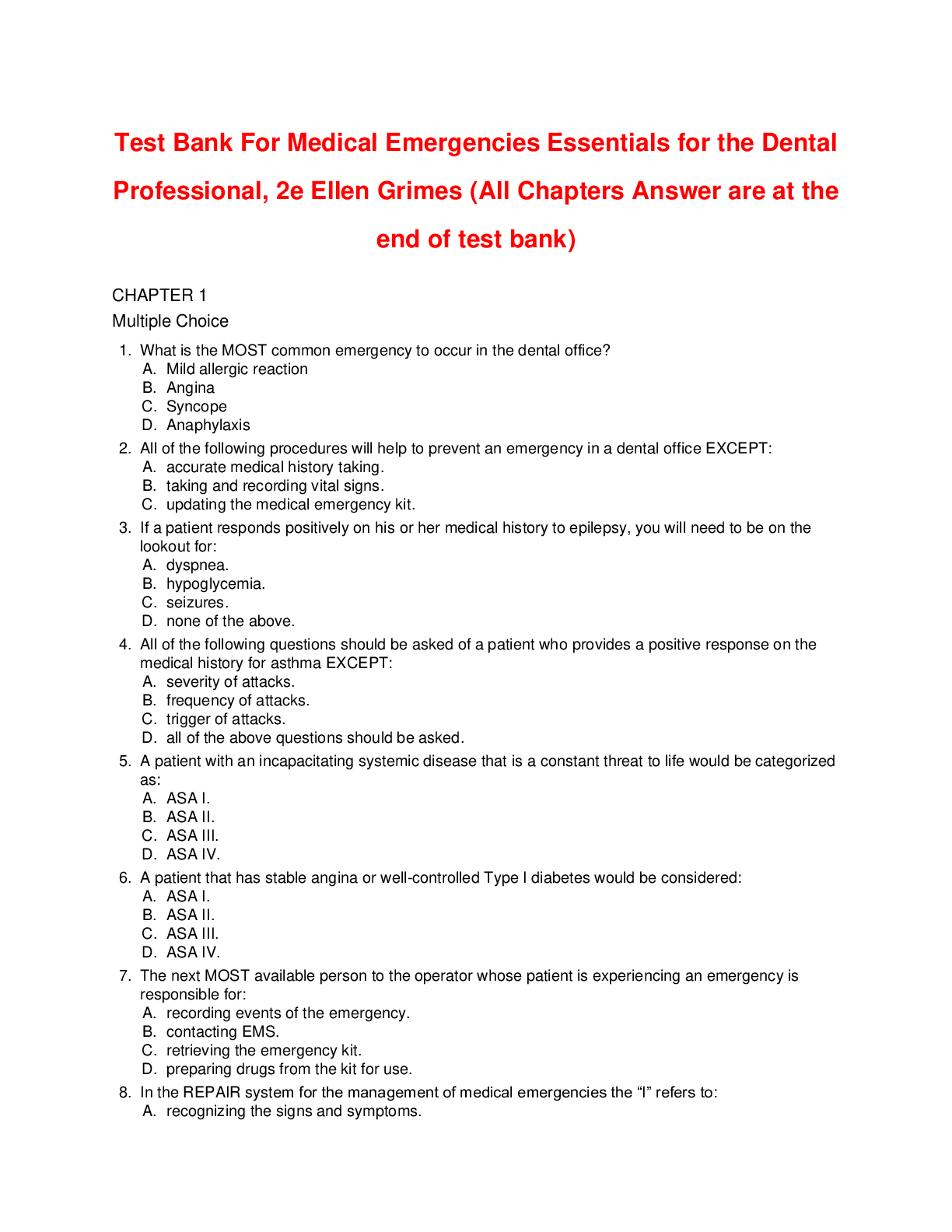
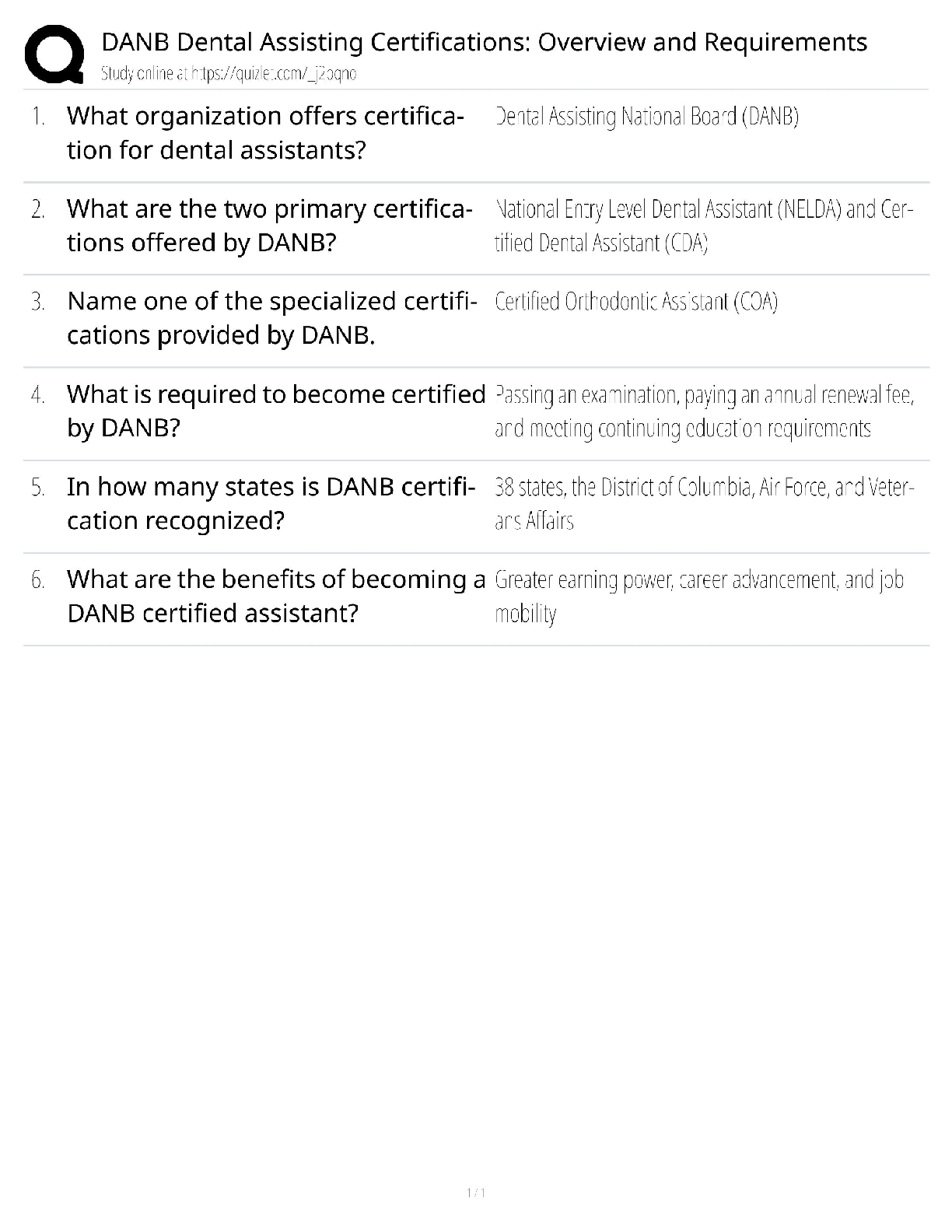
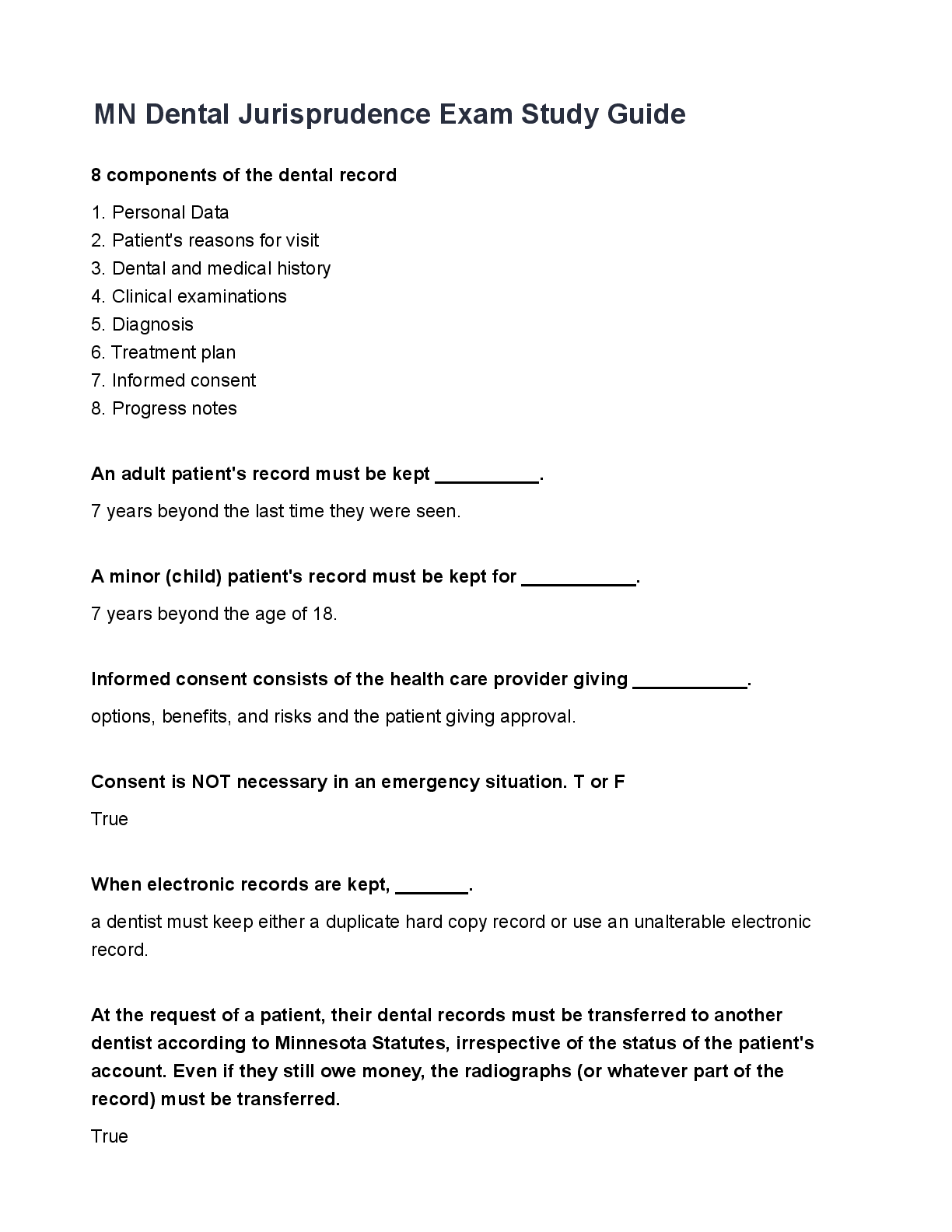
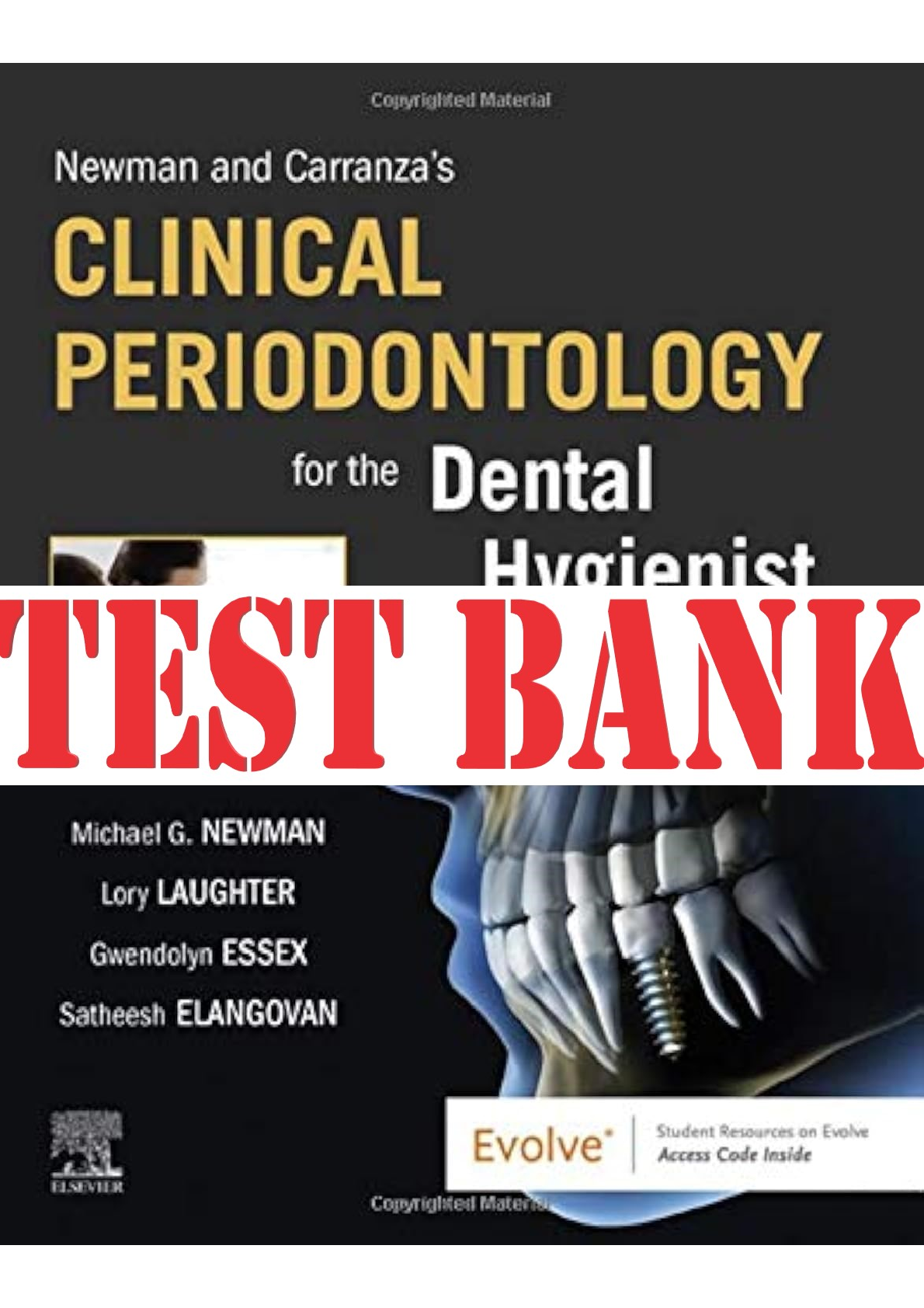
Which of the following classifications of periodontal disease would be characterized by clinical attachment loss in the first molars and incisors in an adolescent patient with good plaque control? ... 2. Oral examination findings for a 56 year-old woman with good general health status reports diabetes well controlled by medication and diet and taking hormonal therapy for symptoms of menopause. Clinical findings include localized 4-mm and 5-mm pocket depths with radiographic bone loss visible on teeth #3, #14, #19, #30, and #31; slight gingival inflammation in the mandibular anterior and molar regions; fair oral hygiene with generalized moderate deposits; and no active caries. On the basis of those findings, which of the following would be the most accurate preliminary diagnosis? A. Localized Severe Chronic Periodontitis B. Generalized Moderate Chronic Periodontitis C. Localized Severe Aggressive Periodontitis D. Necrotizing Ulcerative Gingivitis 3. examination findings for a 56 year-old woman with good general health status reports diabetes well controlled by medication and diet and taking hormonal therapy for symptoms of menopause. Clinical findings include localized 4-mm and 5-mm pocket depths with radiographic bone loss visible on teeth #3, #14, #19, #30, and #31; slight gingival inflammation in the mandibular anterior and molar regions; fair oral hygiene with generalized moderate deposits; and no active caries. On the basis of those findings, which pathogenic bacteria would you expect to predominate in the active sites? - A. Aggregatibacter actinomycetemcomitans B. Streptococcus mutans C. Porphyromonas gingivalis D. Prevotella intermedia 4. The radiographic issue on the distal of #30 is best described as: - A. Widening of the periodontal ligament space. B. Vertical bone loss. C. Horizontal bone loss. D. Furcation involvement, class II. 5. The concentration of chlorhexidine found in Peridex is A. 21.6. B. 0.12. C. 11.6. D. 14.0. E. 27.6. 6. Which of the following rinses is classified as quaternary ammonium compound? A. Listerine B. Periogard C. Peridex D. Plax This study source was downloaded by 100000848783990 from CourseHero.com on 06-14-2022 08:18:49 GMT -05:00 https://www.coursehero.com/file/65903908/quiz-2docx/ E. Scope 7. Which of the following statements is true about an antimicrobial rinse? A. It helps reduce bacterial load. B. It is used in patients with periodontitis. C. Patients must use it at least four times a day for it to be effective. D. It is a substitute for a toothbrush. 8. For which of the following conditions are systemic antibiotics indicated? A. Generalized chronic periodontitis B. Localized chronic periodontitis C. Gingivitis D. Localized aggressive periodontitis 9. In which of the following structures is Atridox placed? A. Alveolar bone B. Connective tissue C. Periodontal pocket D. Maxillary sinus 10. The development of pseudomembranous colitis is associated metronidazole and the overgrowth of the bacteria A. Prevotella intermedia. B. Treponema denticola. C. Porphyromonas gingivalis. D. Clostridium difficle. 11. Which of the following antibiotics is indicated in generalized chronic periodontitis? A. Amoxicillin B. Quinolone C. Azithromycin D. None 12. Which of the following antibiotics is most effective against strict anaerobes such as Porphyromonas gingivalis? A. Clindamycin B. Metronidazole C. Tetracycline D. Doxycycline 13. All of the following are indications for using DNA testing on a patient except one. Which one is the exception? A. All periodontal patients B. Monitoring implant sites C. Monitoring therapy outcome D. Refractory disease 14. All of the following features are found in the culture test except one. Which one is the exception? A. Determines antibiotic sensitivity B. Specific for targeted periodontal pathogens C. Expensive D. Rapid identification E. Specimen collected chairside 15. For patients with which of the following conditions should adjunctive diagnostic tests be used? A. Hormonal-influenced gingivitis B. Chronic periodontitis C. Refractory periodontitis D. Necrotizing ulcerative gingivitis 16. To which of the following assays does ELIZA belong? A. Genetic B. Immunologic C. Enzyme-based D. Microbial This study source was downloaded by 100000848783990 from CourseHero.com on 06-14-2022 08:18:49 GMT -05:00 https://www.coursehero.com/file/65903908/quiz-2docx/ 17. Which of the following bacterium is very strongly pathogenic for periodontal disease? A. Treponema denticola B. Streptococcus sanguis C. Porphyromonas gingivalis D. Prevotella intermedia 18. Which of the following tests determines a patient's genetic susceptibility to periodontal diseases? A. GCF enzyme B. PST Genetic Test for the Interleukin-1 genotype C. Culture D. DMDx 19. Which of the following tests only identifies bacterial size and shape? A. GCF enzyme B. Phase-contrast microscopy C. Culture and sensitivity D. PST E. DNA probe 20. Which of the following ingredients helps retain moisture and prevents drying in a dentifrice? A. Flavoring agents B. Thickening agent C. Preservatives D. Humectant 21. Which of the following ingredients is found in patient-applied densensitizing agents? A. Ferric oxalate B. Hydrogen fluoride C. Potassium nitrate D. PENTA 22. All of the following are contraindications or reasons for a delay in periodontal surgery except one. Which one is the exception? A. Deep periodontal pockets B. Intravenous bisphosphonates C. Uncontrolled diabetes mellitus D. Unstable hypertension 23. Which of the following gingival procedures has a donor site for gingival tissue that is located adjacent to the recipient (grafted) site? A. Gingivectomy B. Guided tissue regeneration C. Connective tissue graft D. Laterally positioned flap 24. Which of the following reasons is the primary cause of pain following periodontal surgery? A. Improper oral hygiene B. Anti-inflammatory medication C. Analgesic medication D. Tissue swelling 25. Which of the following surgical techniques is indicated for a patient who has gingival enlargement due to nifedipine but no bone loss? A. Surgery with apically positioned flaps B. Free gingival graft C. Connective tissue graft D. Gingivectomy 26. All of the following are goals of using bone grafts/bone substitutes in infrabony defects except one. Which one is the exception? This study source was downloaded by 100000848783990 from CourseHero.com on 06-14-2022 08:18:49 GMT -05:00 https://www.coursehero.com/file/65903908/quiz-2docx/ A. Regeneration of new supporting bone, cementum, and PDL B. Filling of osseous defects C. Reduction in probing depths D. Loss of clinical attachment levels 27. Which of the following bone materials is a xenograft? A. DFDBA B. Hydroxyapatite C. FDBA D. Intraoral bone from maxillary tuberosity E. Bovine bone 28. Which of the following materials is used to inhibit epithelial migration into the surgical site? A. Bone grafts B. Barrier membranes C. Surgical sutures D. Bone substitutes 29. After guided bone regeneration, how long before implants are placed in that area? A. 4 months B. 1 week C. 2 months D. 6 months 30. In a two-stage surgical procedure for implant placement, how long (minimum) after the first surgery is the second surgery performed? A. 1-3 months later B. 1-2 years later C. The same day D. 3-6 months later E. 2- 3 weeks later 31. Which of the following bone classification describes a thin layer of cortical bone surrounding a core of low-density trabeclar bone? A. I B. III C. IV D. II 32. Which of the following clinical parameters is controversial to perform on implants? A. Test for mobility B. Probing depths C. Radiographs D. Soft tissue evaluation 33. Which of the following is responsible for attaching the implant to the bone? A. Dental biofilms B. Acid etching/resin C. Dental calculus D. Osseointegration 34. Which of the following terms refers to the junctional epithelium that adheres to implant surfaces? A. Gingival cuff B. Perimucosal seal C. Epithelial attachment D. Gingival connective tissue attachment 35. It is best not to use chlorhexidine immediately after toothbrushing because the positively charged chlorhexidine binds to the negatively charged fluoride molecules in toothpastes. A. The statement is correct, but the reason is incorrect. B. Both statement and reason are correct. C. Both statement and reason are incorrect. D. The statement is incorrect, but the reason is correct. [Show More]
Last updated: 3 years ago
Preview 1 out of 4 pages
Buy this document to get the full access instantly
Instant Download Access after purchase
Buy NowInstant download
We Accept:
Can't find what you want? Try our AI powered Search
Connected school, study & course
About the document
Uploaded On
Jun 14, 2022
Number of pages
4
Written in
All
This document has been written for:
Uploaded
Jun 14, 2022
Downloads
0
Views
95
Scholarfriends.com Online Platform by Browsegrades Inc. 651N South Broad St, Middletown DE. United States.
We're available through e-mail, Twitter, Facebook, and live chat.
FAQ
Questions? Leave a message!
Copyright © Scholarfriends · High quality services·