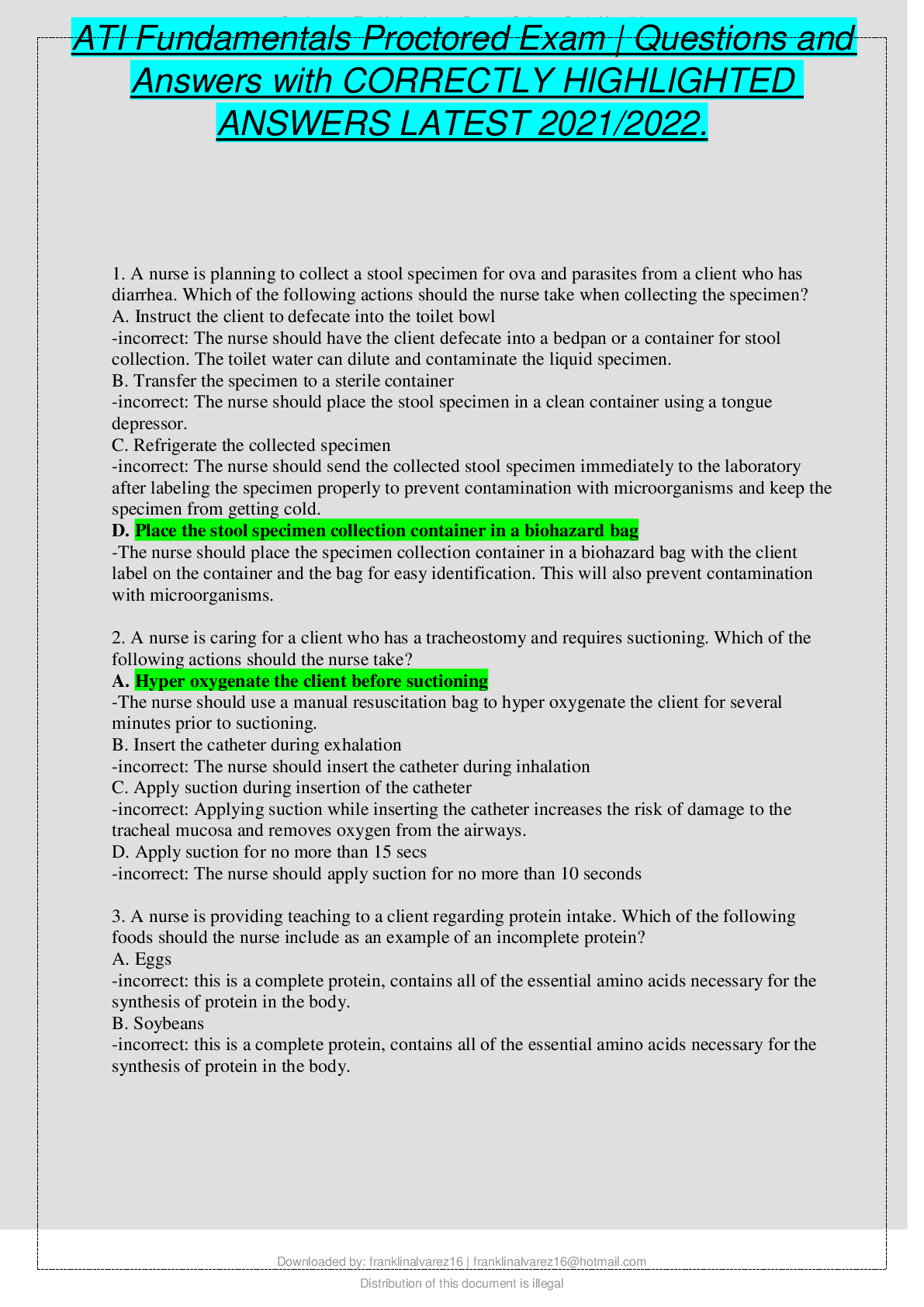
NURSING > QUESTIONS and ANSWERS > ATI PHARMACOLOGY 2019 B | LATEST, Questions and Answers (All)
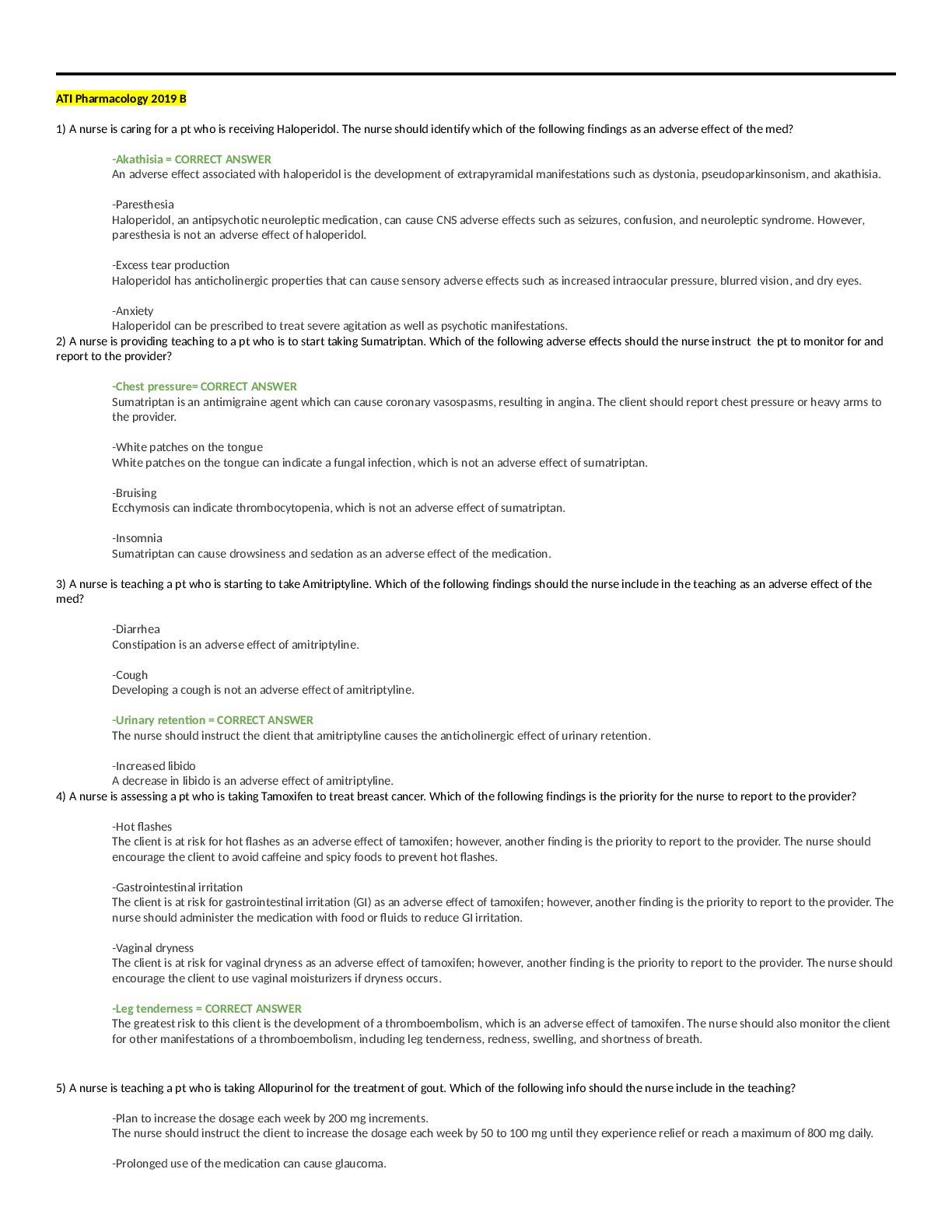
ATI PHARMACOLOGY 2019 B | LATEST, Questions and Answers
Document Content and Description Below
Last updated: 7 months ago
Preview 1 out of 33 pages
Instant download
Buy this Document to get the Full Access Instantly
Provided by Students Who Aced it
We Verify Document Content to Gurantee Accuracy
Reviews( 0 )
Document information
Connected school, study & course
About the document
Uploaded On
Nov 21, 2020
Number of pages
33
Written in
All

Additional information
This document has been written for:
Uploaded
Nov 21, 2020
Downloads
0
Views
280
Topic Tags
Recommended For You
Get more on QUESTIONS and ANSWERS »
NSG 3180 Exam 2 Communication and Teamwork Questions and Verif...
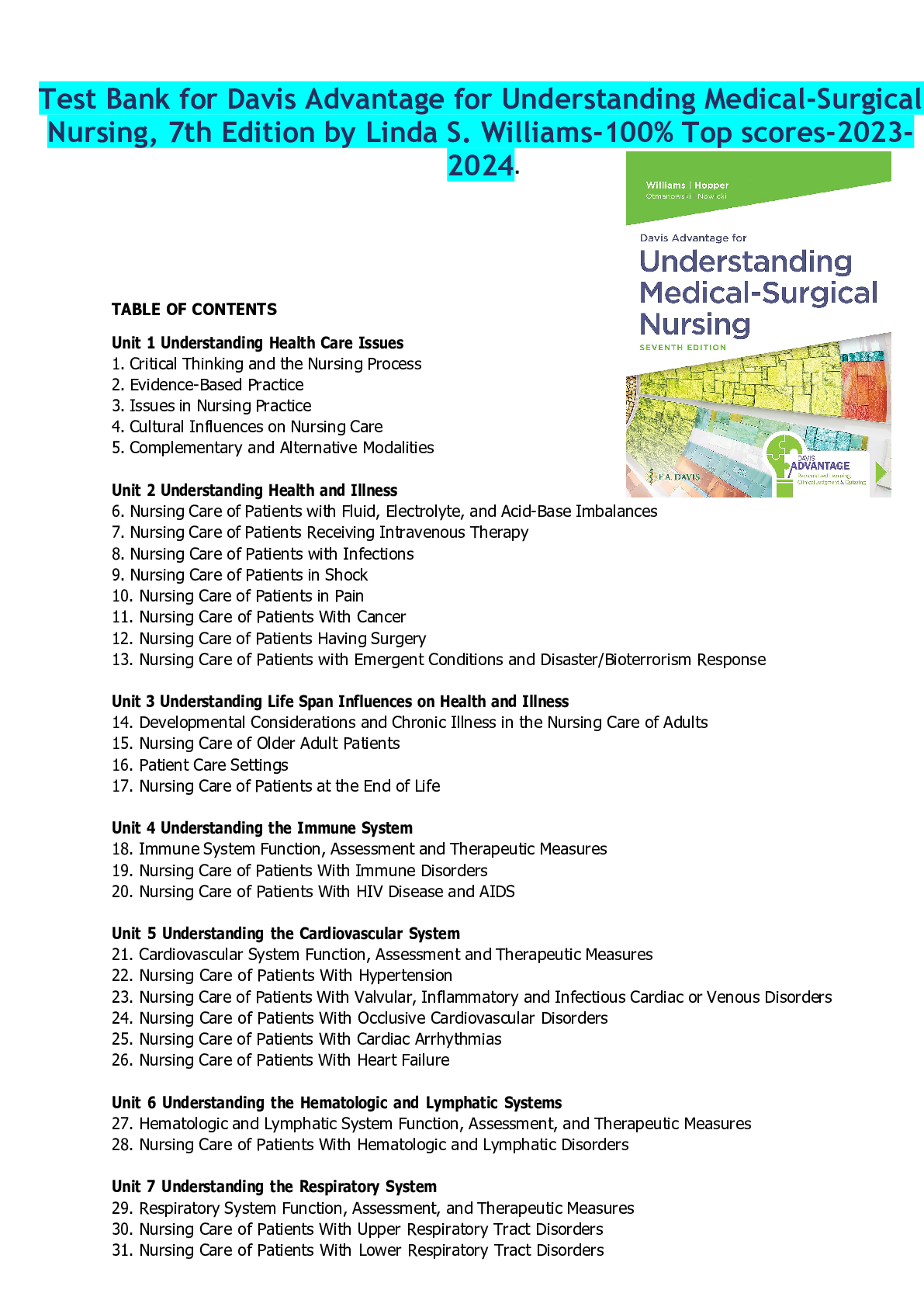
Test Bank for Davis Advantage for Understanding Medical-Surgic...
TEST BANK for Maternity Newborn and Women’s Health Nursing A C...
Test Bank for Primary Care Interprofessional Collaborative Pra...
Chapter 18 Critical Appraisal of Nursing Studies | Burns and G...
NUR 254 Exam 2 2026-2027 42 Questions and Answers! 100% CORREC...
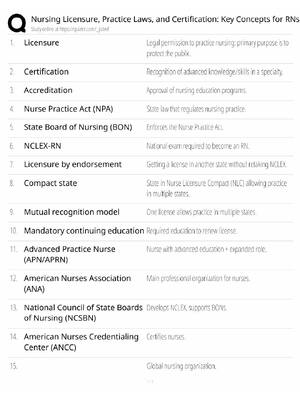
RN Licensure Study Guide / Practice Laws & Certification Key C...
Test Bank for Pharmacology for Nurses, A Pathophysiological Ap...
TEST BANK for Human Development: A Life-Span View by Robert Ka...
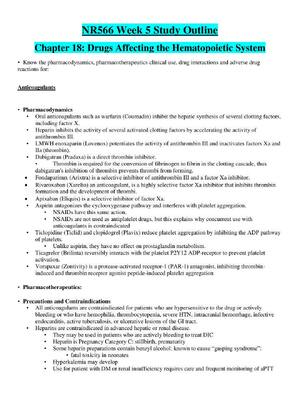
NR566 Week 5 Study Guide Chapter 18: Drugs Affecting the Hemat...
Skyler Hansen Age: 18 years Diagnosis: Diabetes | NUR 172 Skyl...