NUR 1212C Final Exam - 1./ With Answers and Rationales
Document Content and Description Below
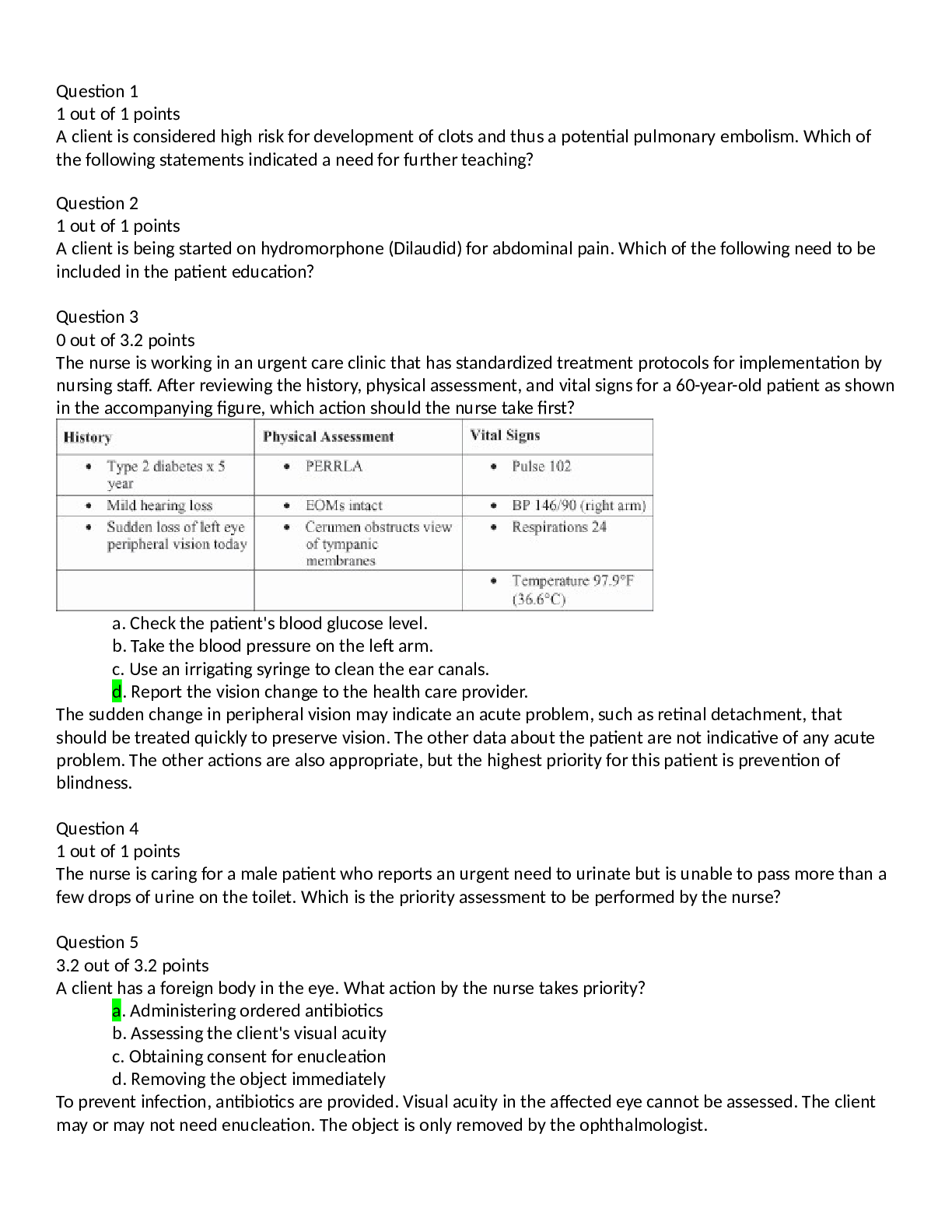
Question 1 1 out of 1 points A client is considered high risk for development of clots and thus a potential pulmonary embolism. Which of the following statements indicated a need for further teachin g? Question 2 1 out o
...
[Show More]
Last updated: 3 years ago
Preview 1 out of 20 pages
Instant download
Buy this Document to get the Full Access Instantly
Provided by Students Who Aced it
We Verify Document Content to Gurantee Accuracy
Reviews( 0 )
Document information
Connected school, study & course
About the document
Uploaded On
Jun 21, 2022
Number of pages
20
Written in
All

Additional information
This document has been written for:
Uploaded
Jun 21, 2022
Downloads
0
Views
106
Topic Tags
Recommended For You
Get more on EXAM »
$13
16 Pages
NUR 1212C - Module 4-5 Quiz -Exam 3 -with 100% verified soluti...
$10.5
20 Pages
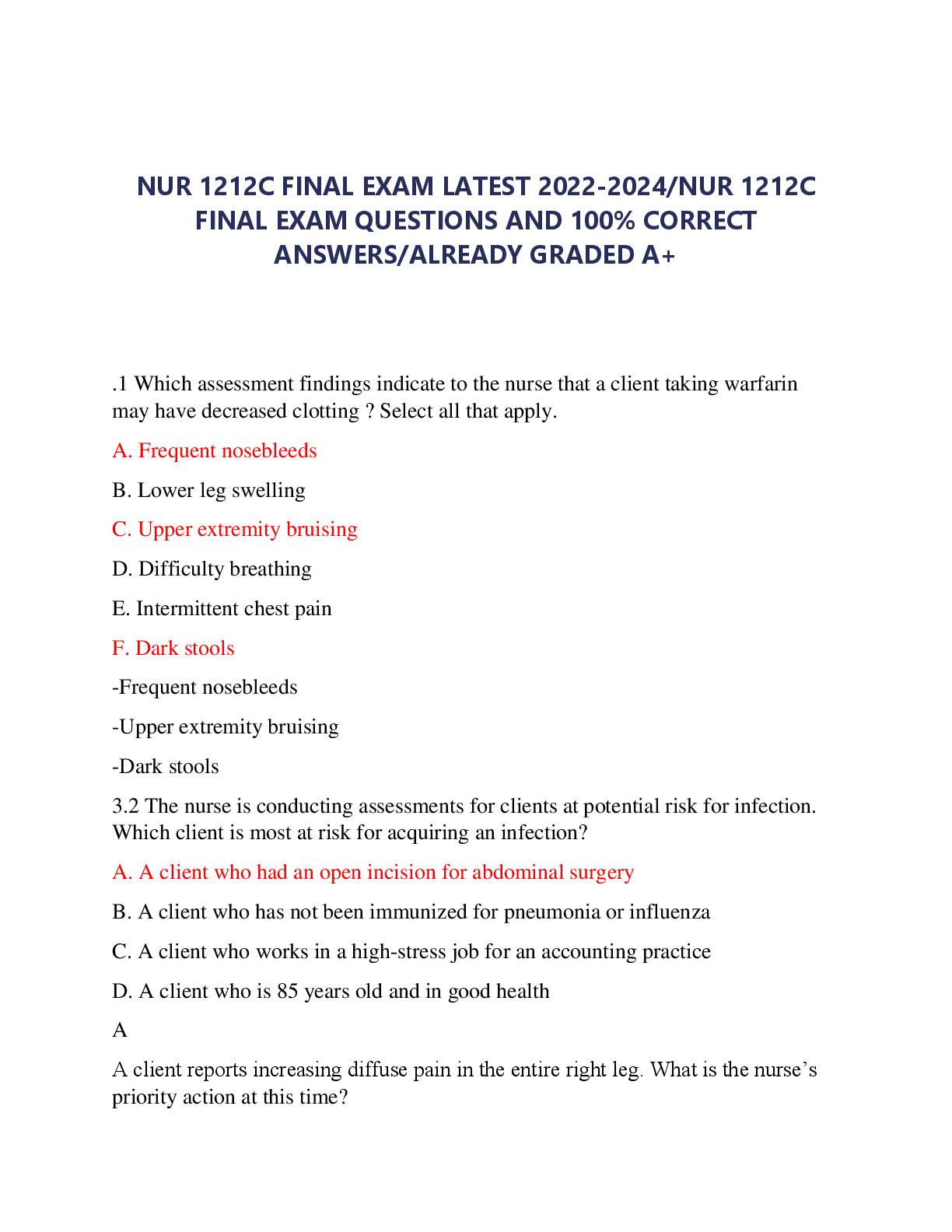
NUR 1212C Final Exam - 1./ With Answers and Rationales
$11
20 Pages
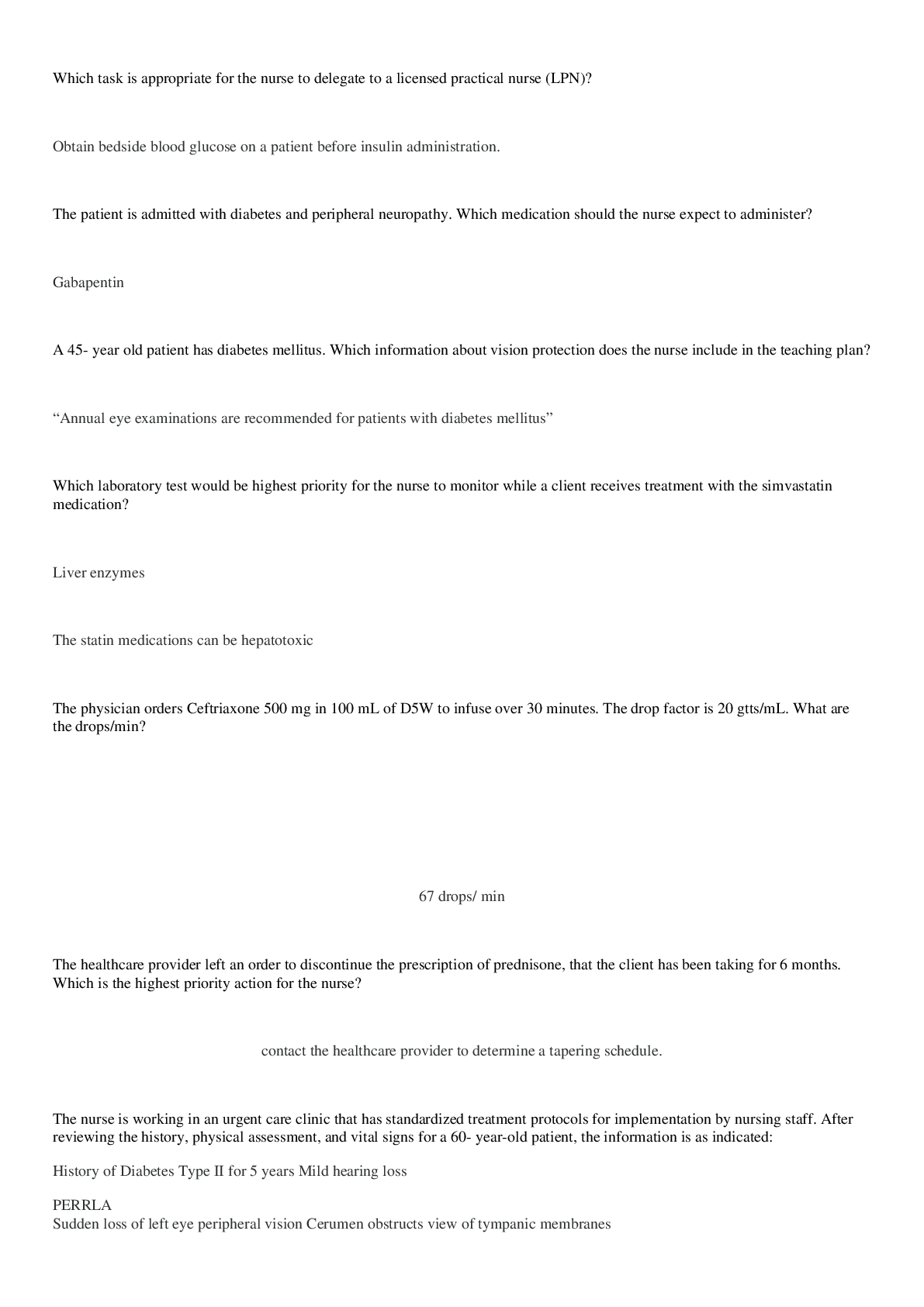
NUR 1212C Final Exam - 1./ With Answers and Rationales Graded...

$16
496 Pages
TEST BANK for Essentials of Psychiatric Mental Health Nursing:...
$19
553 Pages
Essentials of Psychiatric Nursing 2nd Edition Boyd TEST BANK

$16
554 Pages
TEST BANK for Essentials of Psychiatric Nursing 2nd Edition by...
$15
554 Pages
Test Bank for Essentials of Psychiatric Nursing 2nd Edition by...

$19
343 Pages
Test Bank for Essentials of Psychiatric Nursing 2nd Edition by...
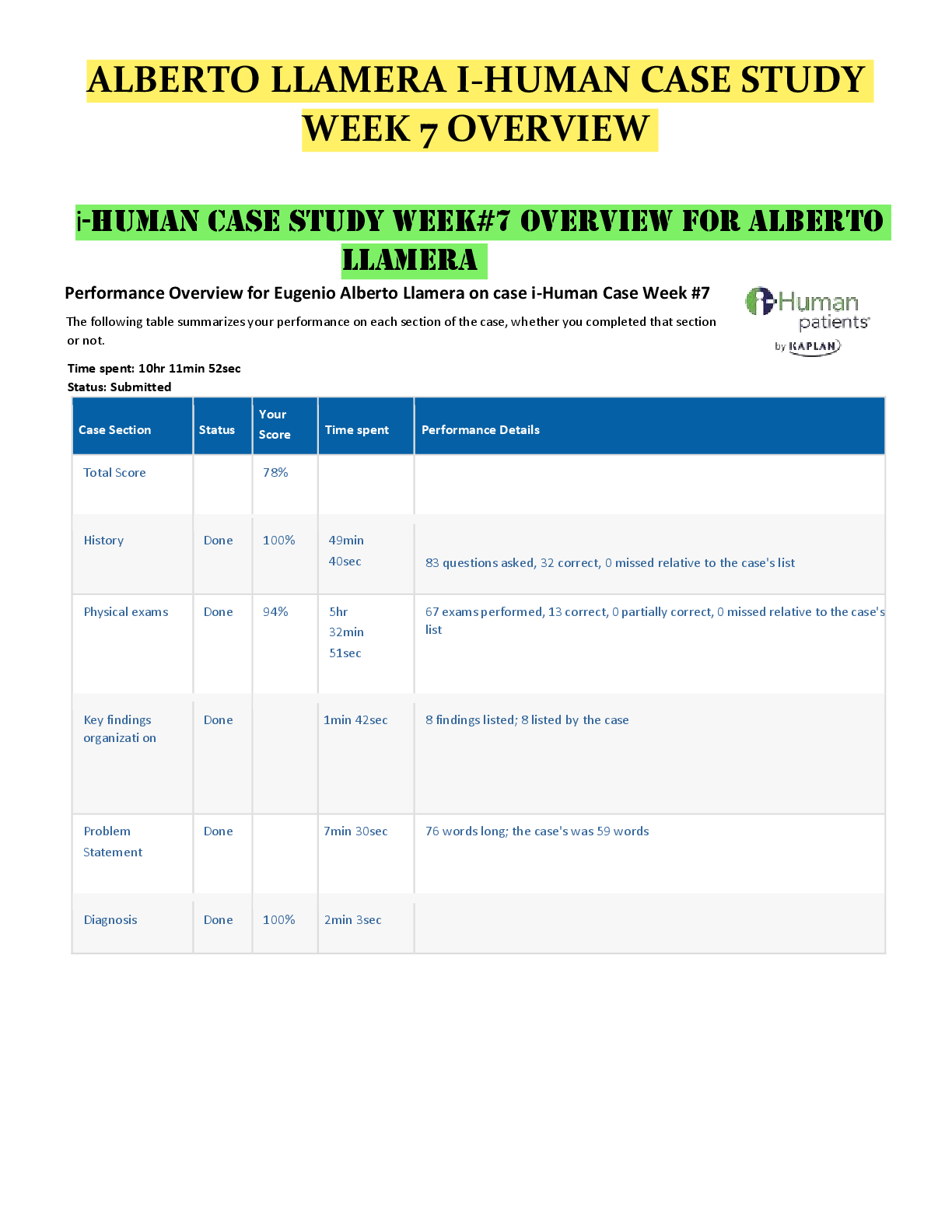
More related documents below

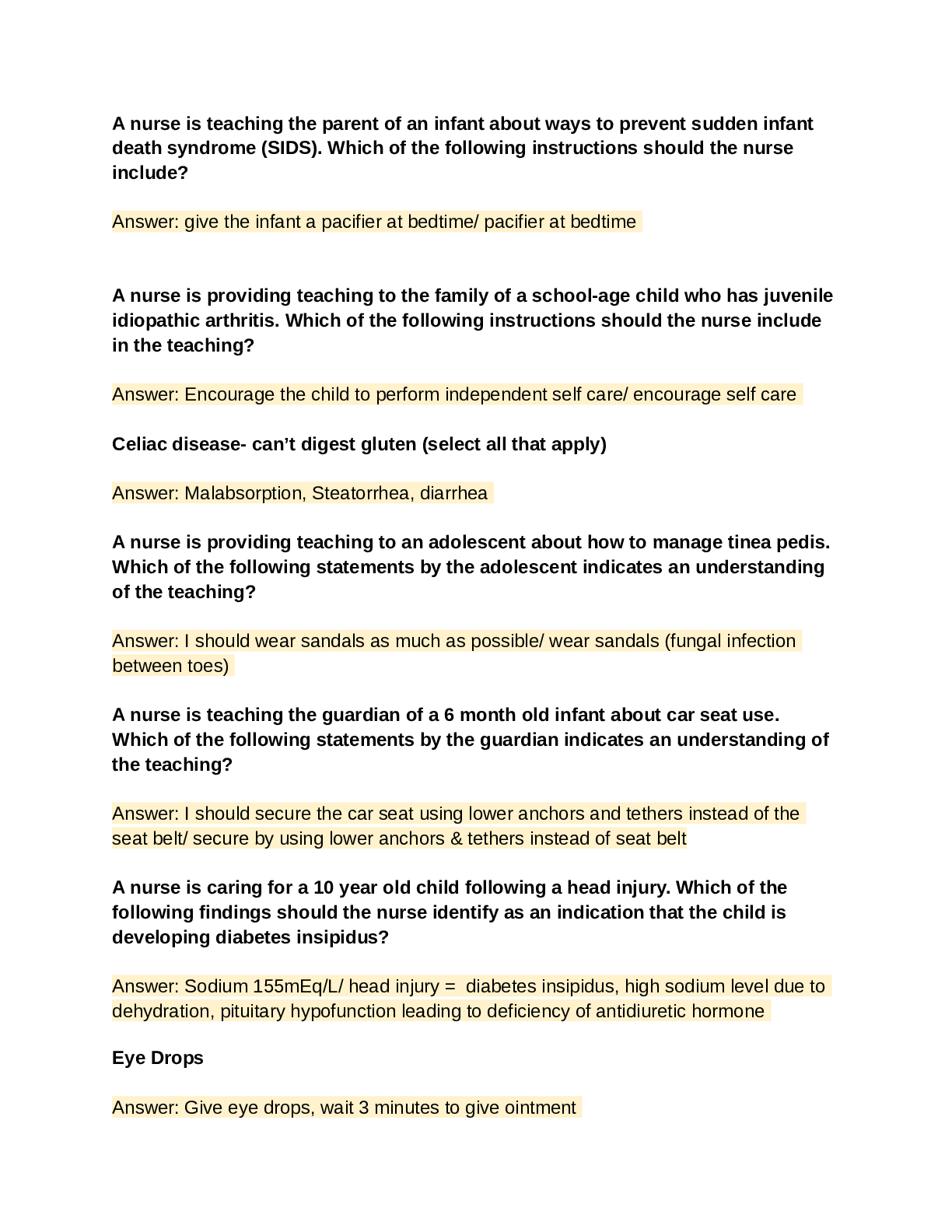
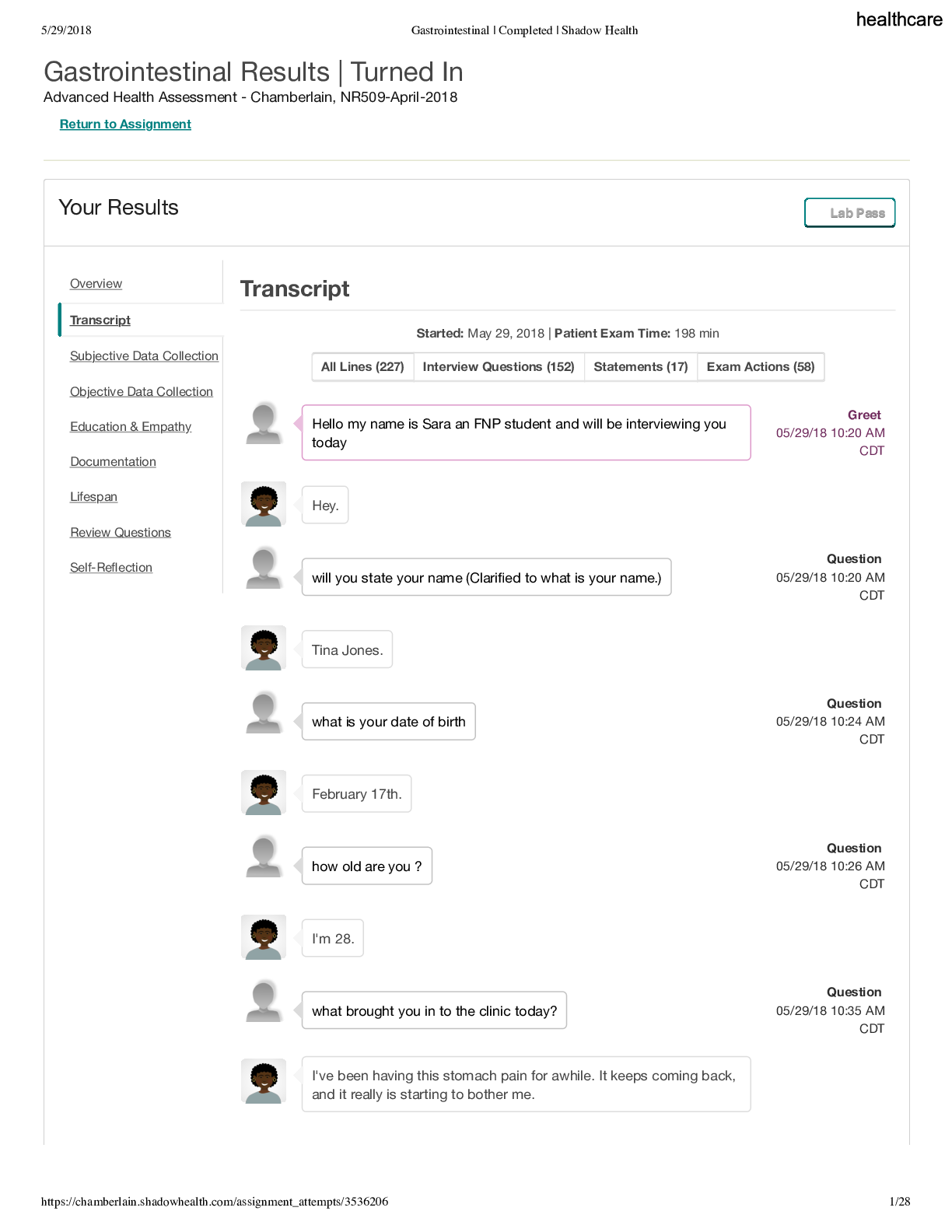
 (1).png)

.png)
 (1).png)
 (1).png)
 (1).png)

