Biology > EXAM > BIOS 252 Unit 4 Midterm | Essay Questions and Answers Chapter 10 & 11 Chamberlain College of Nursing (All)
BIOS 252 Unit 4 Midterm | Essay Questions and Answers Chapter 10 & 11 Chamberlain College of Nursing.
Document Content and Description Below
Last updated: 1 year ago
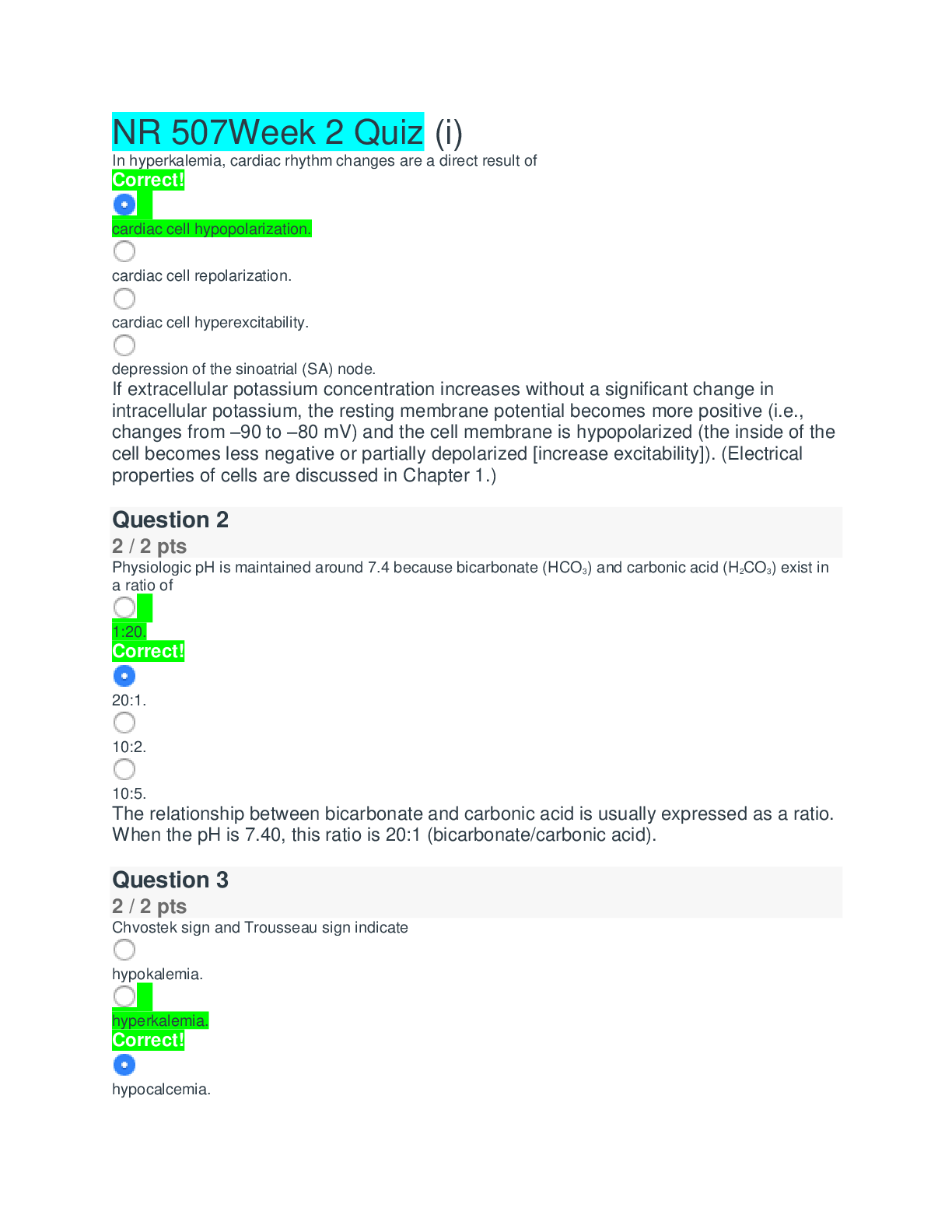
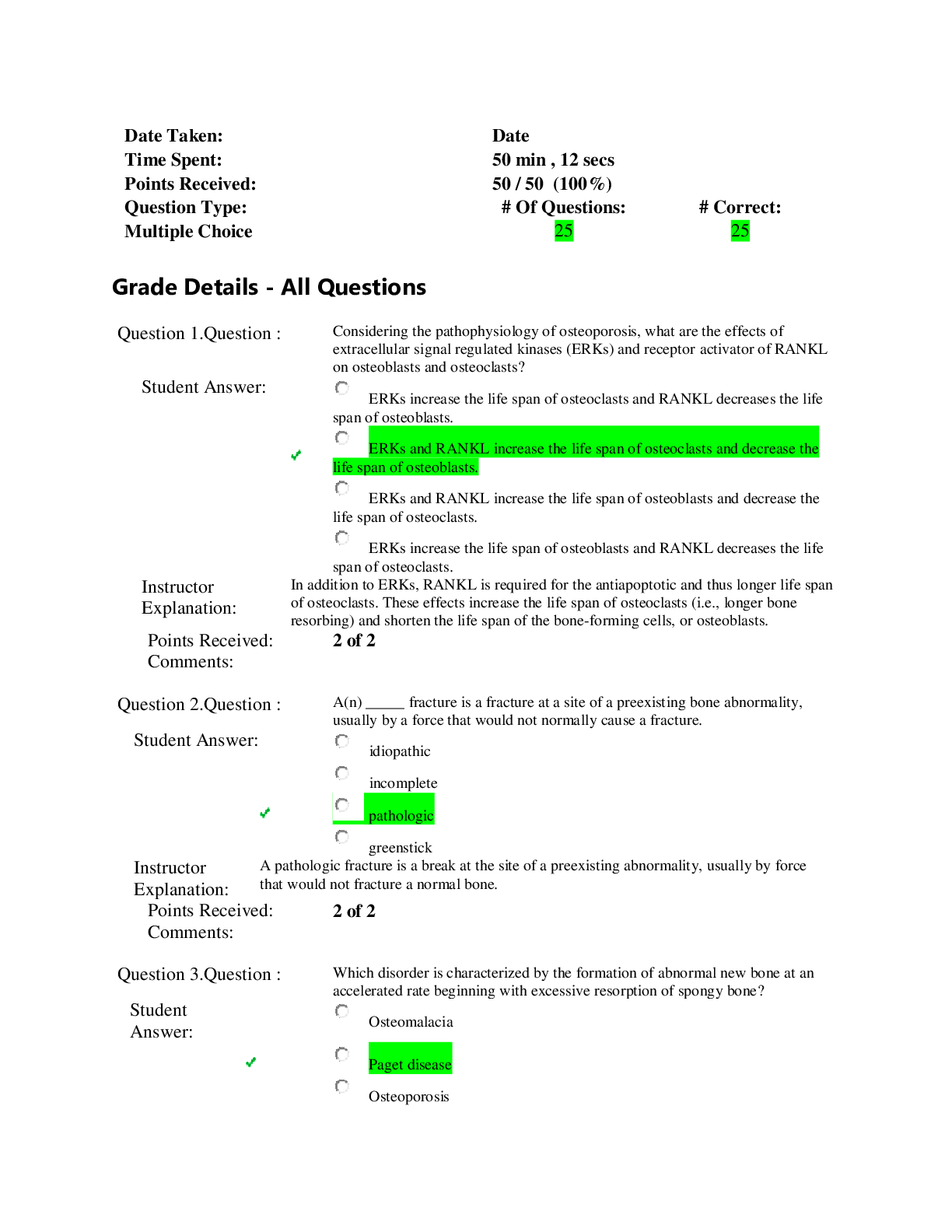
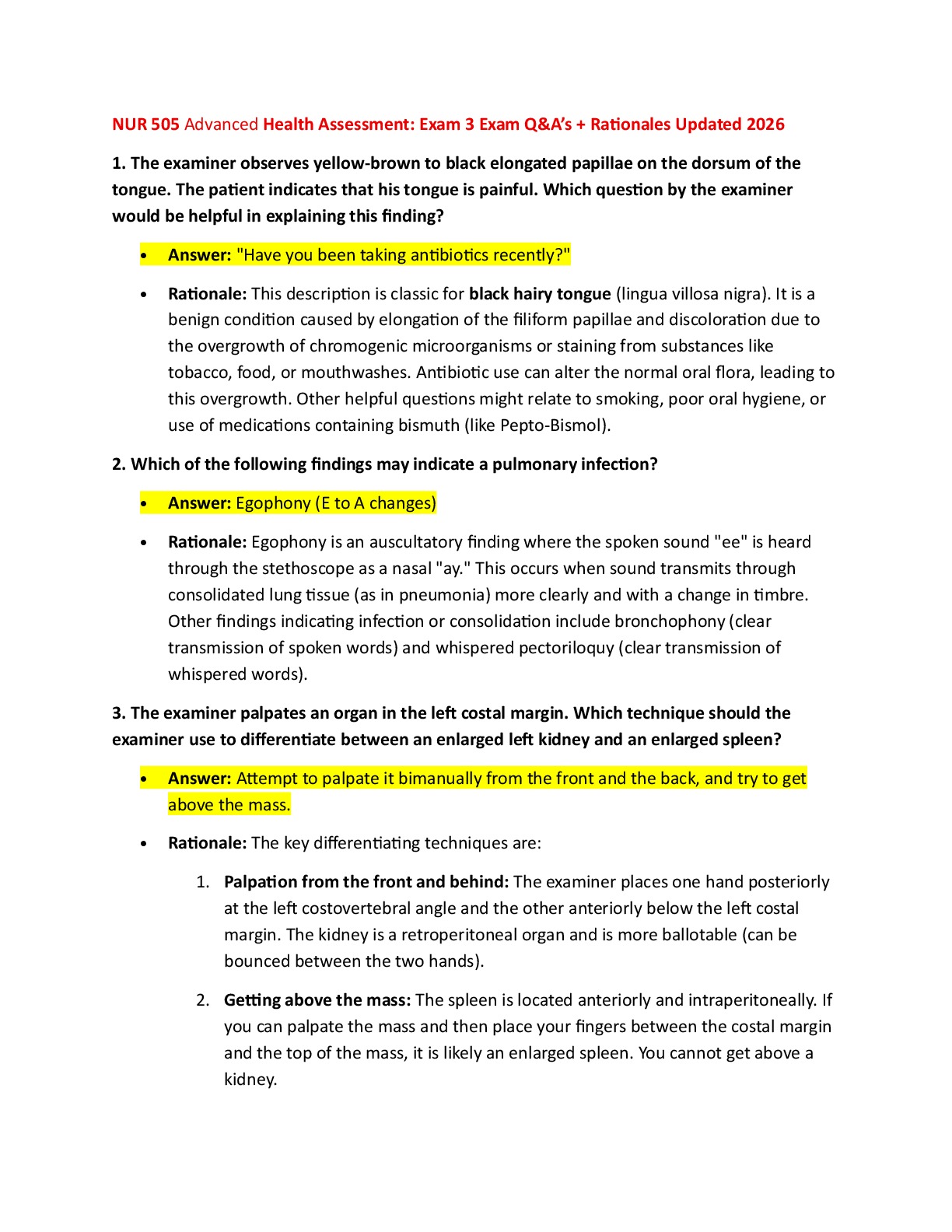
Preview 1 out of 4 pages
Instant download

Loading document previews ...
Buy this Document to get the Full Access Instantly
Provided by Students Who Aced it
We Verify Document Content to Gurantee Accuracy
Reviews( 0 )
Document information
Connected school, study & course
About the document
Uploaded On
Dec 18, 2019
Number of pages
4
Written in
All

Additional information
This document has been written for:
Uploaded
Dec 18, 2019
Downloads
0
Views
481
Topic Tags
Recommended For You
Get more on EXAM »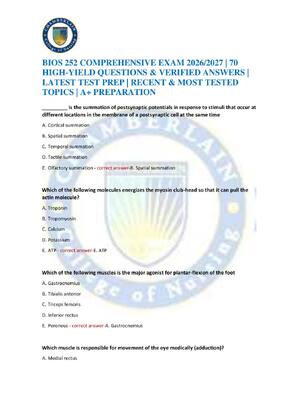
BIOS 252 COMPREHENSIVE EXAM 2026/2027 | 70 HIGH-YIELD QUESTION...
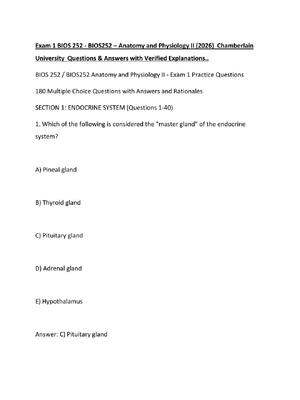
Exam 1 BIOS 252 - BIOS252 – Anatomy and Physiology II (2026)...

BIOS 252 Actual exam COMPREHENSIVE QUESTIONS AND VERIFIED ANSW...
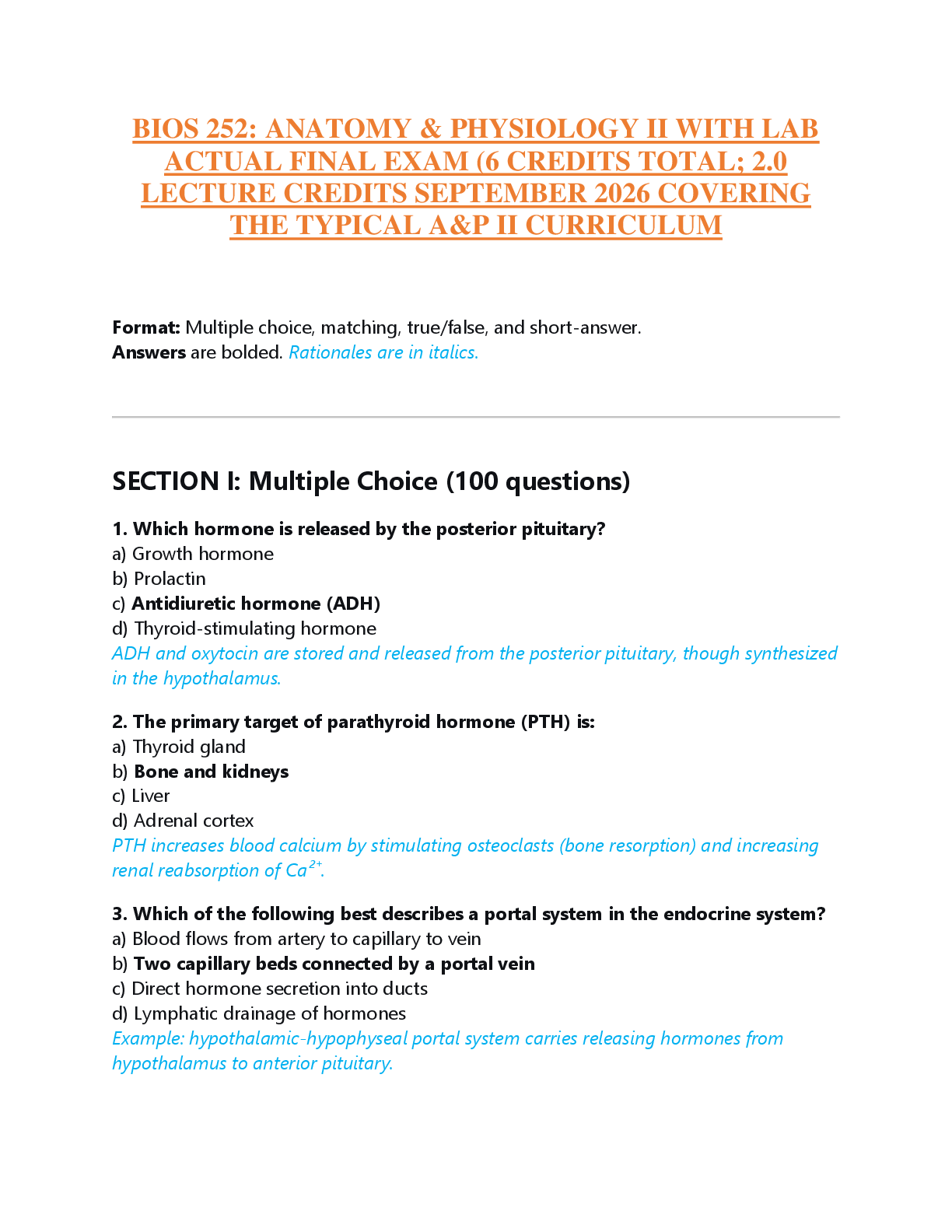
BIOS 252: ANATOMY & PHYSIOLOGY II WITH LAB ACTUAL FINAL EXAM...

BIOS 252 Week 6 The Endocrine System Pt. 1 Questions and An...

BIOS 252 Week 5 The Senses Questions and Answers (Verified...
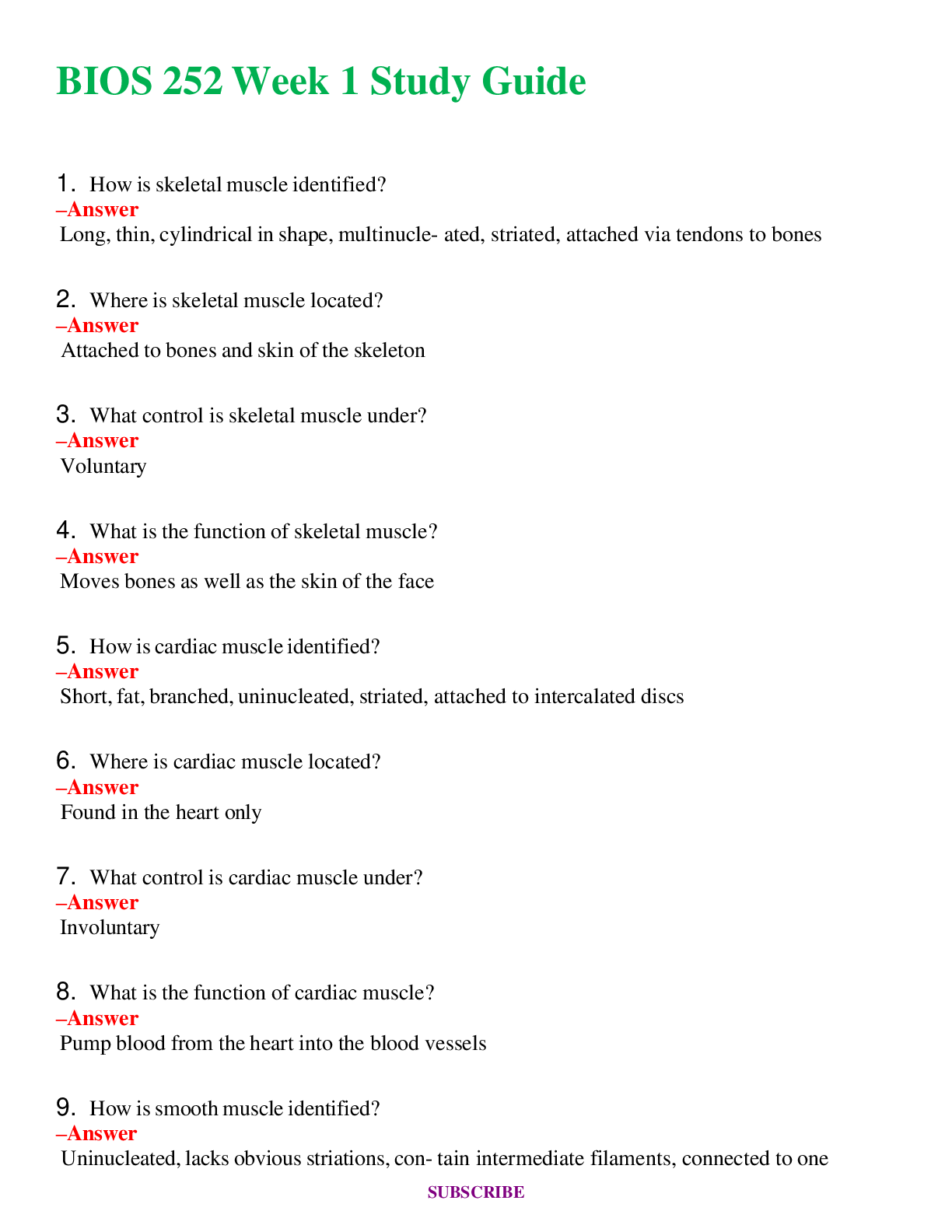
BIOS 252 Week 1 Study Guide Questions and Answers (Verified...

Test Bank For Foundations of Earth Science 9th Edition By Fred...

Solutions Manual For Financial Management Principles and Appli...
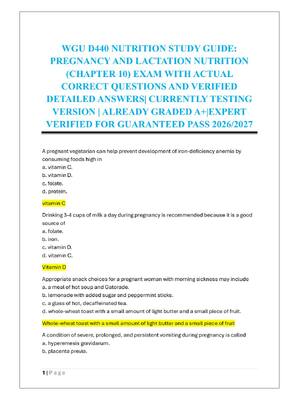
WGU D440 NUTRITION STUDY GUIDE: PREGNANCY AND LACTATION NUTRI...
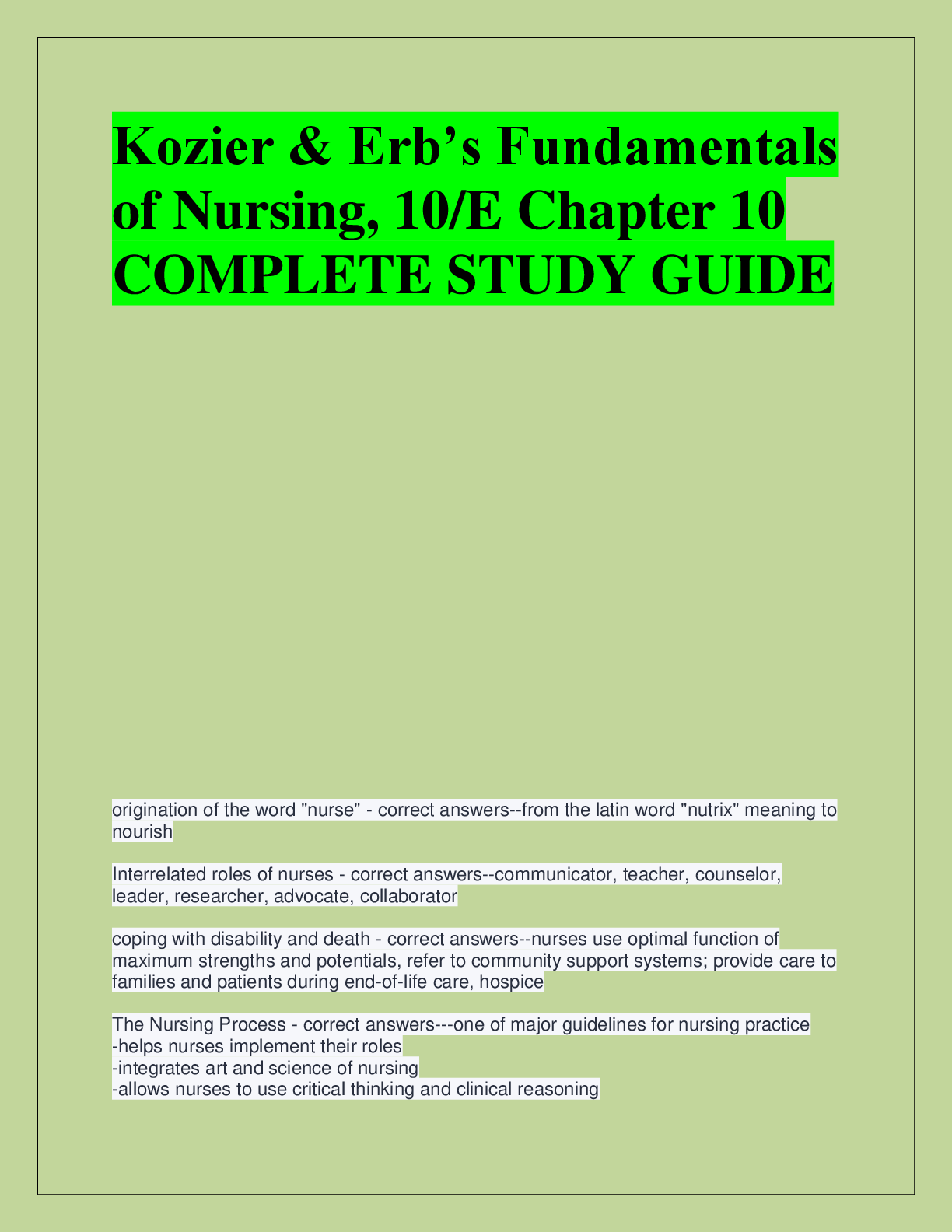
Kozier & Erb’s Fundamentals of Nursing, 10/E Chapter 10 COMP...
.png)
Test Bank for A Conceptual History of Psychology 1st Edition b...