CHEM 210 FINAL EXAM OUTLINE 2022
Document Content and Description Below
CHEM 210 FINAL EXAM OUTLINE
CHAPTER 1
Resonance Structures
• Definition:
• Rules for significance of structure
1.
2.
3.
4.
Bond length trends
Hybridization:
Electronegativity:
Atom Size:
Intermolecular Force
...
[Show More]
Last updated: 3 years ago
Preview 1 out of 6 pages
Instant download
.png)
Buy this Document to get the Full Access Instantly
Provided by Students Who Aced it
We Verify Document Content to Gurantee Accuracy
Reviews( 0 )
Document information
Connected school, study & course
About the document
Uploaded On
Jul 12, 2022
Number of pages
6
Written in
All

Additional information
This document has been written for:
Uploaded
Jul 12, 2022
Downloads
0
Views
135
Topic Tags
Recommended For You
Get more on EXAM »
$8.5
1 Pages
Portage Learning Chem 210 Module 3 Exam! 100% CORRECT ANSWERS

$11
17 Pages
Portage Learning Chem 210 Module 2 Exam Newest | 100% Verifie...

$8
124 Pages
Chem 210 Exams 1-8 and Final Exam Complete Solution 2022 Updat...
$10
124 Pages
Chem 210 exams 1-8 and final exam/ Questions & Answers/Updated

$18.5
354 Pages
Portage Learning CHEM 210 exams 1-8 and final exam Latest Upda...
$20
237 Pages
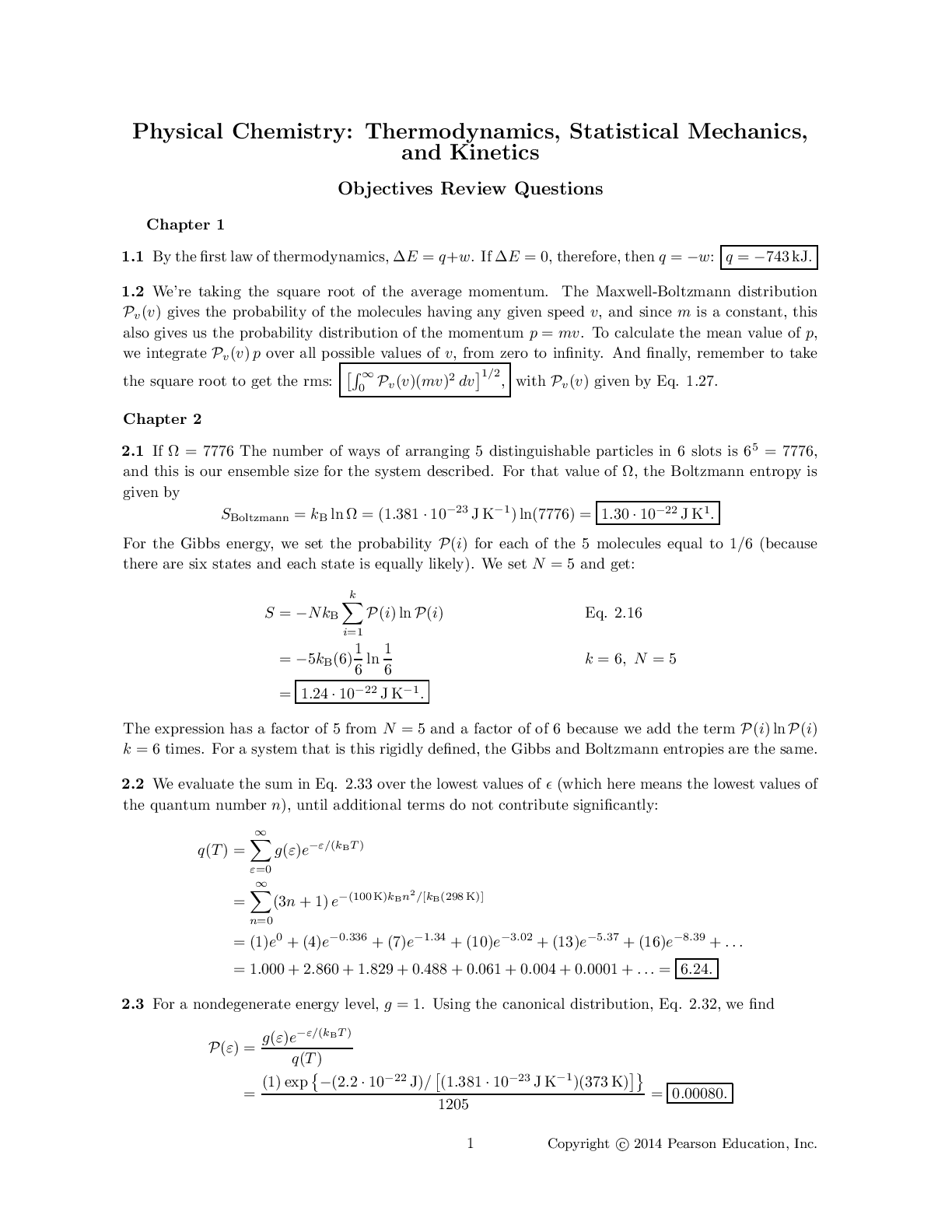
Physical Chemistry Thermodynamics Statistical Mechanics and Ki...
$15
1104 Pages
Solutions Manual for Organic Chemistry Student Study Guide 3rd...
$19
389 Pages
General Organic and Biological Chemistry 1st Edition by Kalyn...
$7
2 Pages
HESI A2 Chemistry (V1) What is true about water - Water is not...

More related documents below



.png)
.png)