NURSING > QUESTIONS & ANSWERS > Chapter 03: Communication Yoost & Crawford: Fundamentals of Nursing: Active Learning for Collaborati (All)
Chapter 03: Communication Yoost & Crawford: Fundamentals of Nursing: Active Learning for Collaborative Practice, 2nd Edition
Document Content and Description Below
Last updated: 3 years ago
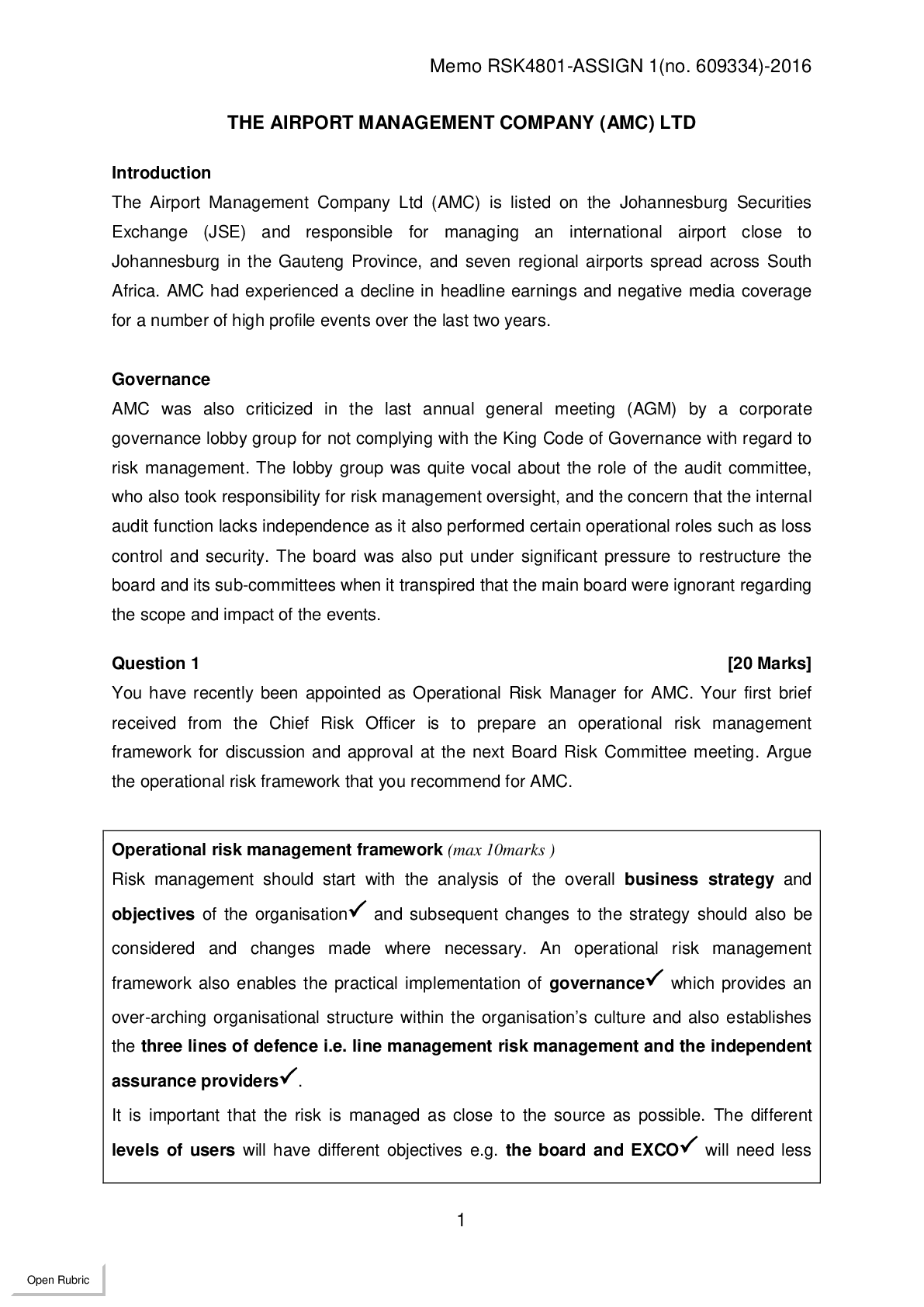
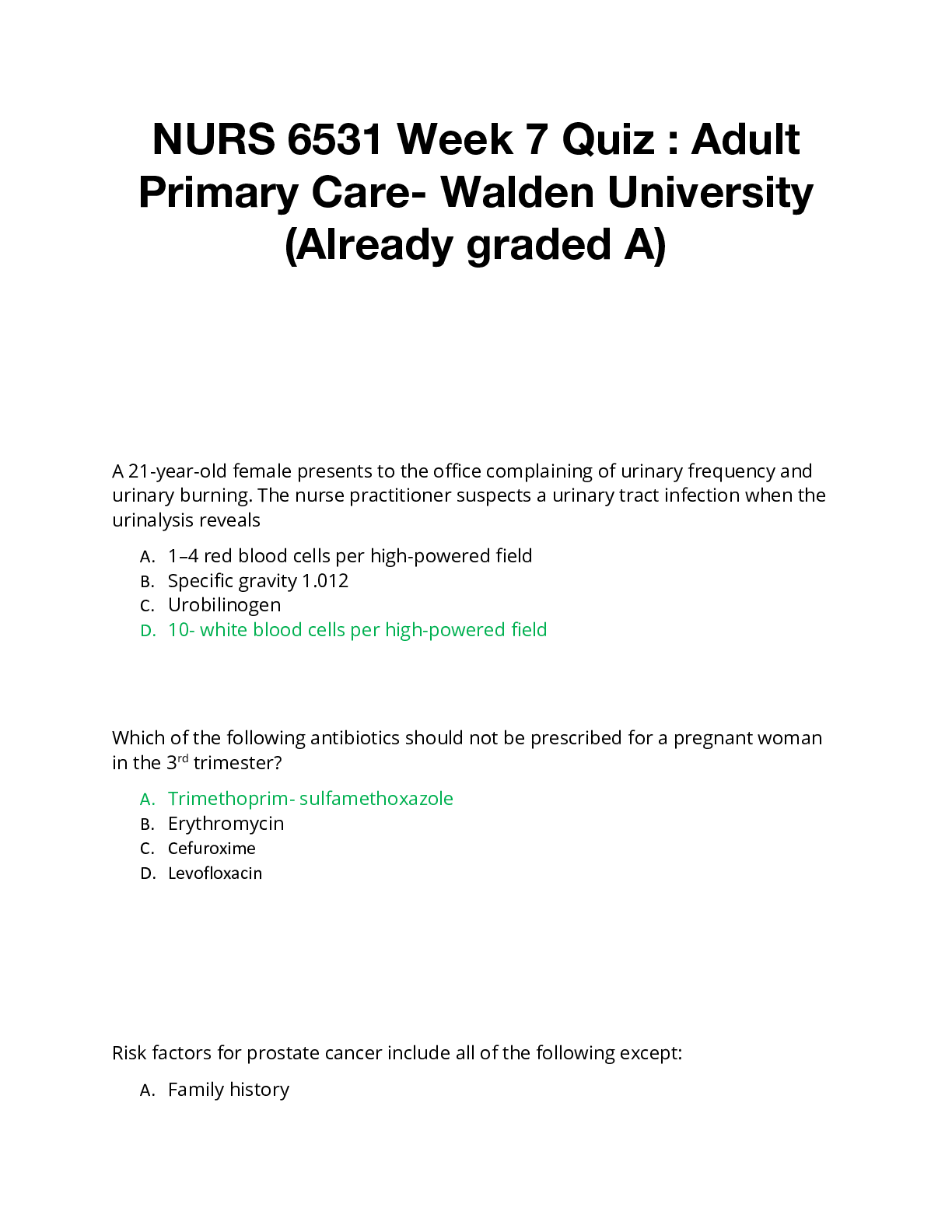
Preview 1 out of 11 pages
Instant download

Buy this Document to get the Full Access Instantly
Provided by Students Who Aced it
We Verify Document Content to Gurantee Accuracy
Reviews( 0 )
Document information
Connected school, study & course
About the document
Uploaded On
Jul 21, 2022
Number of pages
11
Written in
All

Additional information
This document has been written for:
Uploaded
Jul 21, 2022
Downloads
0
Views
212
Topic Tags
Recommended For You
Get more on QUESTIONS & ANSWERS »
Sophia Milestone Adult Nursing (NUR 105) Med Surg test Latest...
TEST BANK FOR NURSING RESEARCH 9TH EDITION BY LOBIONDO-WOOD C...

Test bank Introduction to Medical Surgical Nursing 6th edition...

NURSING TEST BANK. COMPLETE. Chapter 01- Introduction to Nursi...
NURSING TEST BANK. COMPLETE. Chapter 01- Introduction to Nursi...
NURSING TEST BANK. COMPLETE. Chapter 01- Introduction to Nursi...
.png)
Milestone Chapter 03 Common Health Problems of Older Adults (C...
Chapter 03: Cells Herlihy: The Human Body in Health and Illnes...
 (1).png)
Chapter 03: How a Breath Is Delivered Cairo: Pilbeam’s Mechani...
Chapter 03: The Changing U.S. Health and Public Health Care Sy...
Chapter 03: Thinking Upstream: Nursing Theories and Population...
ATI Chapter 03 Digestion, Absorption, and Metabolism, Grodner...
 Med Surg test questions Chapter 03 Critical Thinking, Ethical Decision Making and the Nursing Process.png)
Adult Nursing (NUR 105) Med Surg test questions Chapter 03 Cri...
Chapter 03: The Childbearing and Child-Rearing Family McKinney...

CIS 3250 QUIZ CHAPTER 03 Cyberattacks and Cybersecurity | Flo...
 (1).png)
Chapter 03 Analyzing financing activities QUESTIONS AND ANSWER...