Information Technology > QUESTIONS & ANSWERS > WGU Network and Security - Foundations - C172 - Most Import Materials for Final Objective Assessment (All)
WGU Network and Security - Foundations - C172 - Most Import Materials for Final Objective Assessment Test
Document Content and Description Below
Last updated: 4 years ago
Preview 1 out of 5 pages
Instant download
.png)
Buy this Document to get the Full Access Instantly
Provided by Students Who Aced it
We Verify Document Content to Gurantee Accuracy
Also available in bundle (1)
Click Below to Access Bundle(s)
.png)
WGU C172 Network and Security – Foundations Bundled Questions and Answers Latest Update Already Passed
WGU C172 Network and Security – Foundations Bundled Questions and Answers Latest Update Already Passed
By Nutmegs 4 years ago
$20
10
Reviews( 0 )
Document information
Connected school, study & course
About the document
Uploaded On
Aug 16, 2022
Number of pages
5
Written in
All

Additional information
This document has been written for:
Uploaded
Aug 16, 2022
Downloads
0
Views
314
Topic Tags
Related Subjects & Courses
Explore similar study resources and related concepts.
Recommended For You
Get more on QUESTIONS & ANSWERS »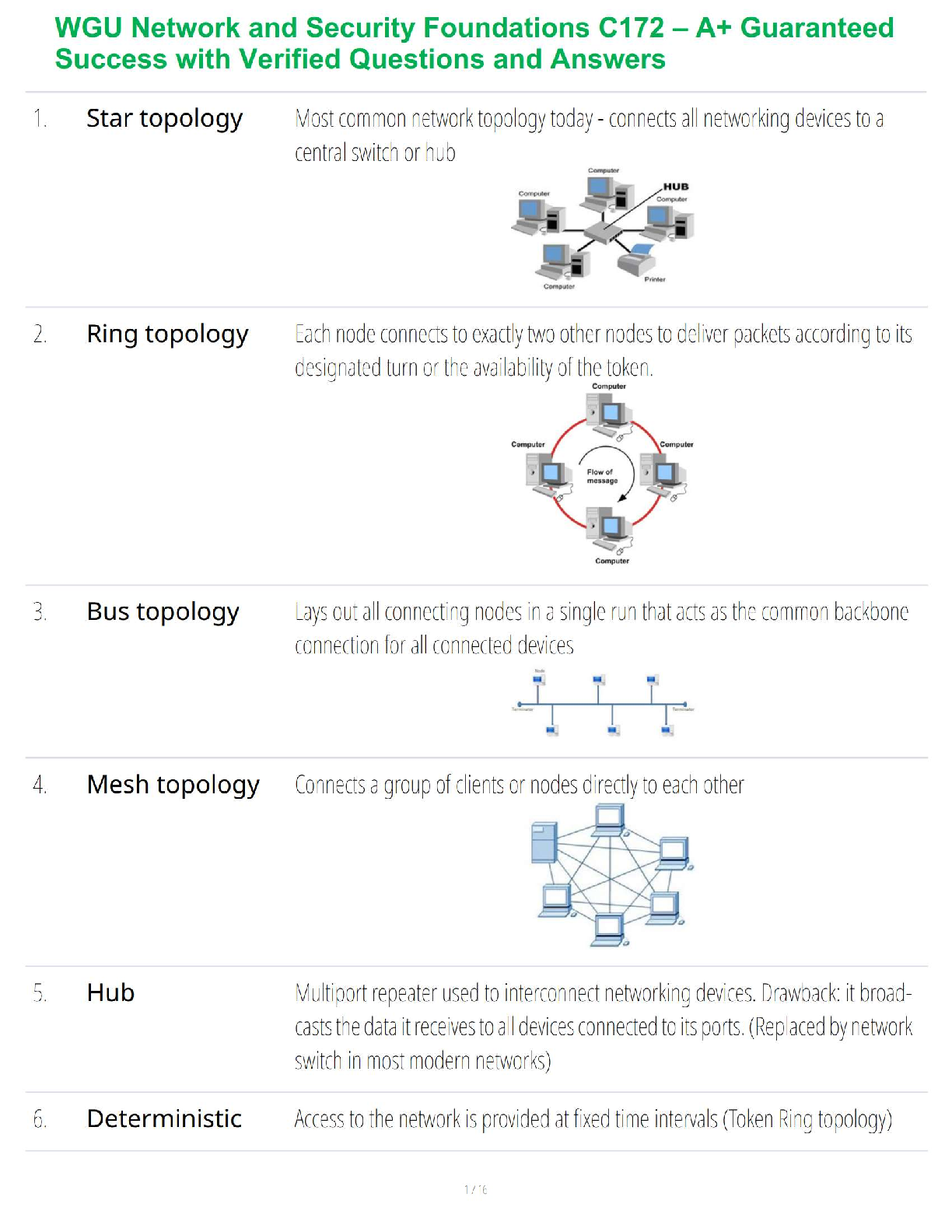
WGU Network and Security Foundations C172 – A+ Guaranteed Succ...
WGU C172 Network and Security – Foundations Questions and Answ...
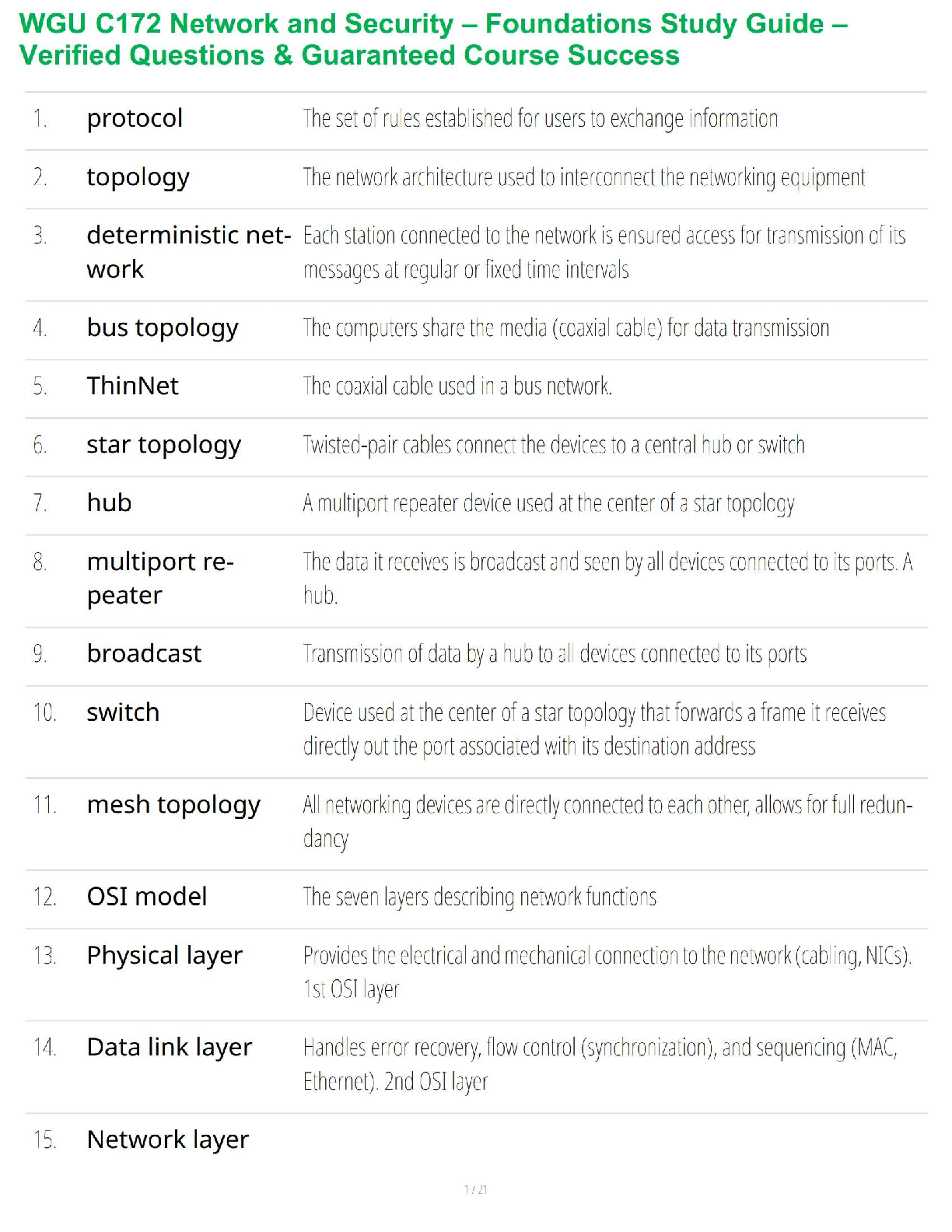
WGU C172 Network and Security – Foundations Study Guide – Veri...
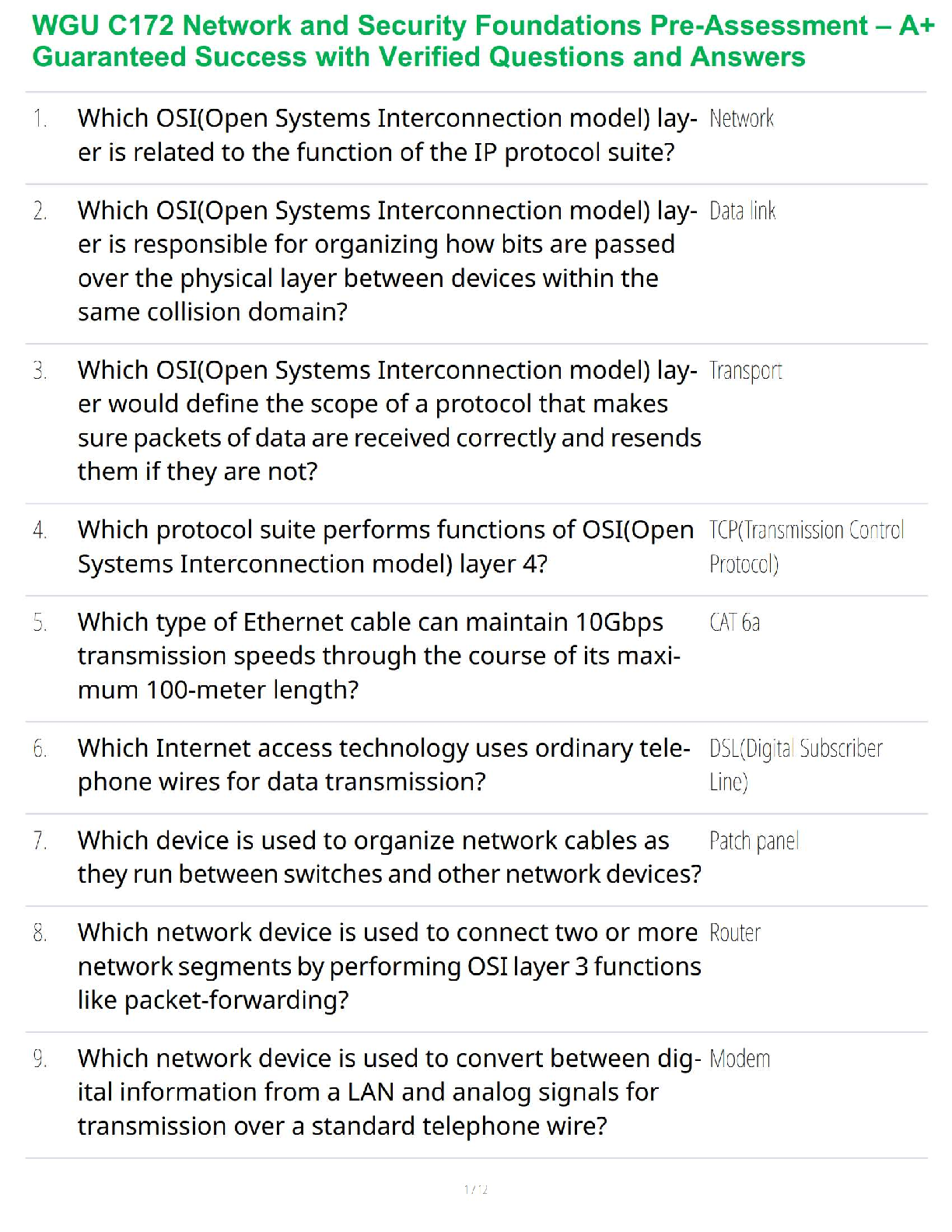
WGU C172 Network and Security Foundations Pre-Assessment – A+...
.png)
Network and Security - Foundations - C172 - Most Import Materi...
WGU C172 Network and Security – Foundations Test Questions an...
(WGU C172) ITEC 2102 - Network & Security Foundations - Object...
(WGU C172) ITEC 2102 - Network & Security Foundations - Object...
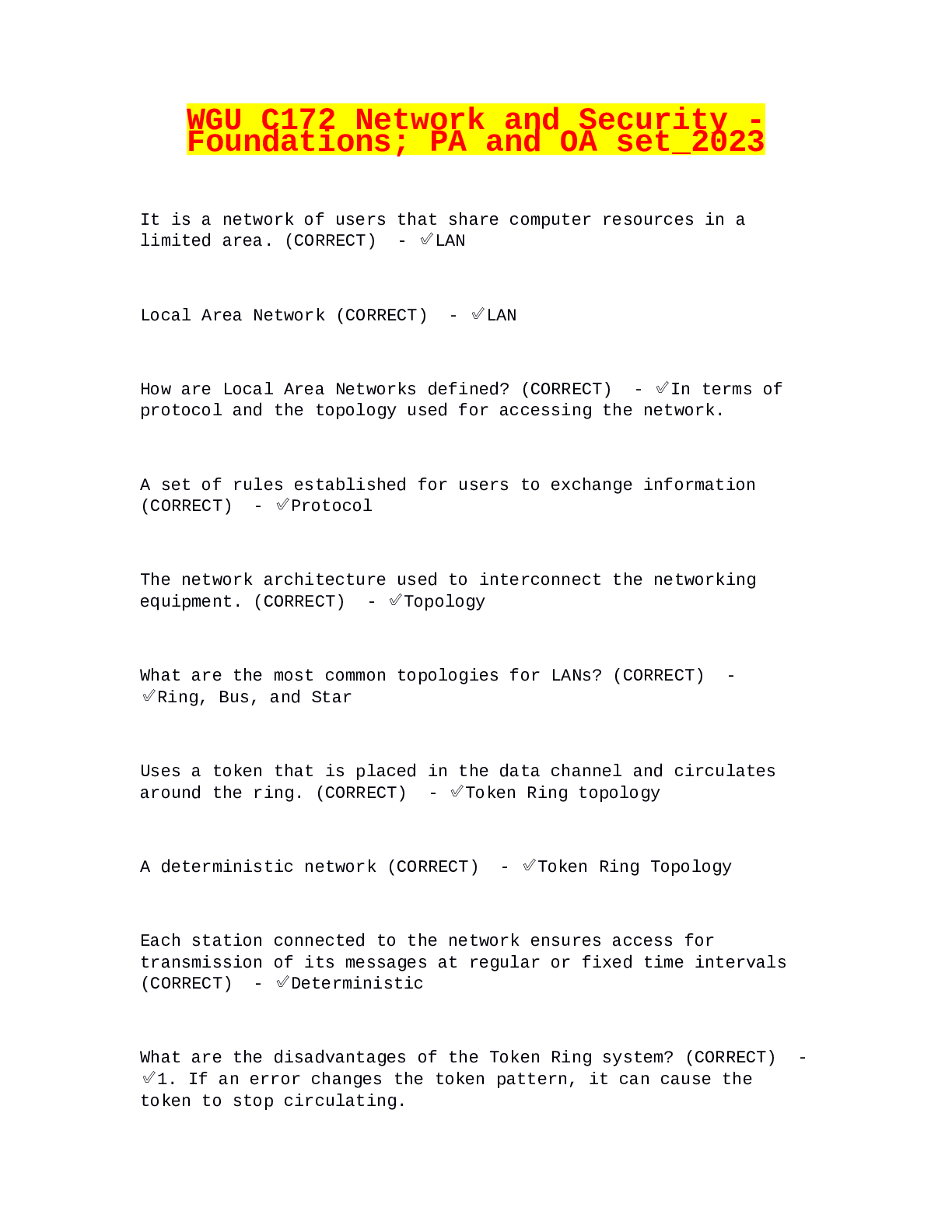
WGU C172 Network and Security -Foundations; PA and OA set_2023
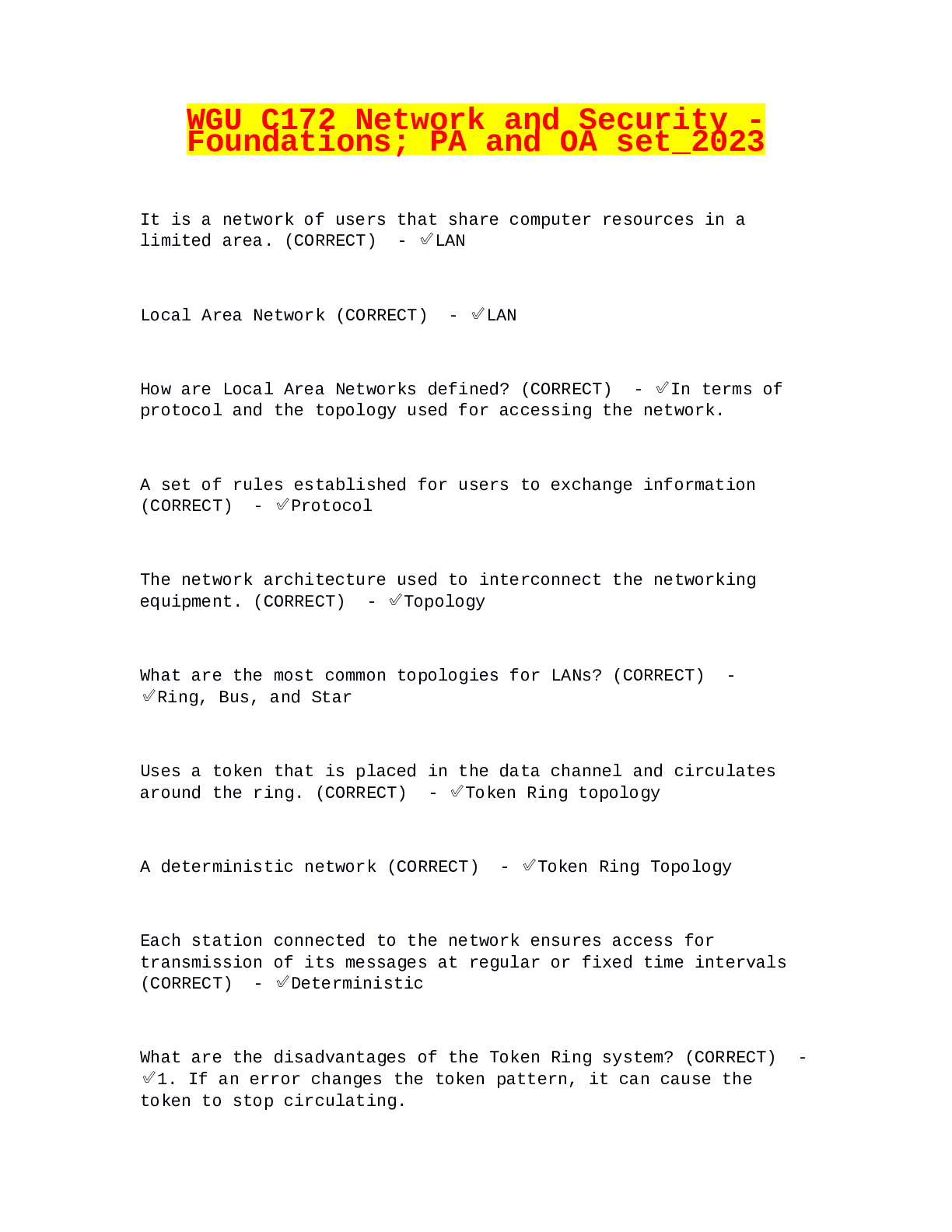
WGU C172 Network and Security -Foundations; PA and OA set_2023
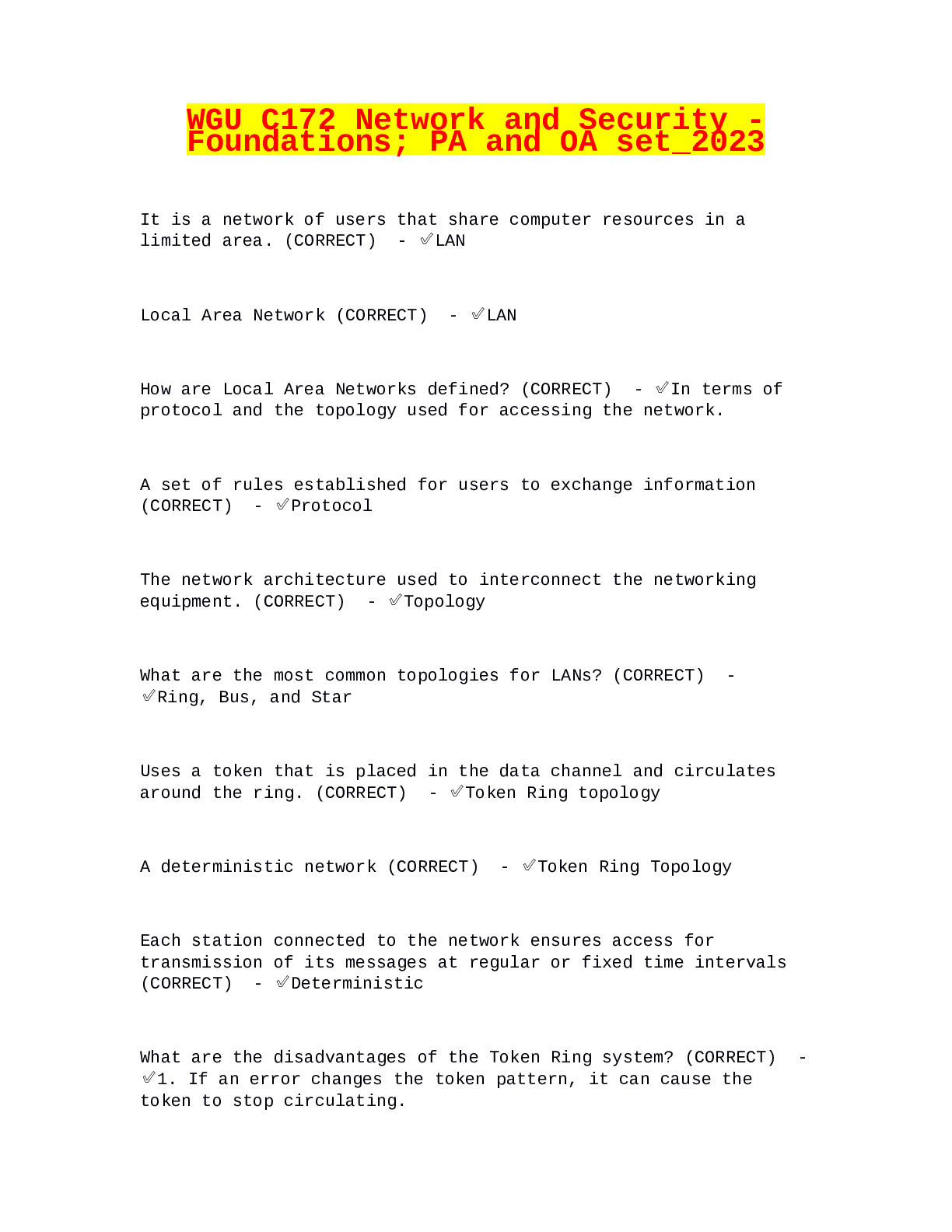
WGU C172 Network and Security -Foundations; PA and OA set_2023
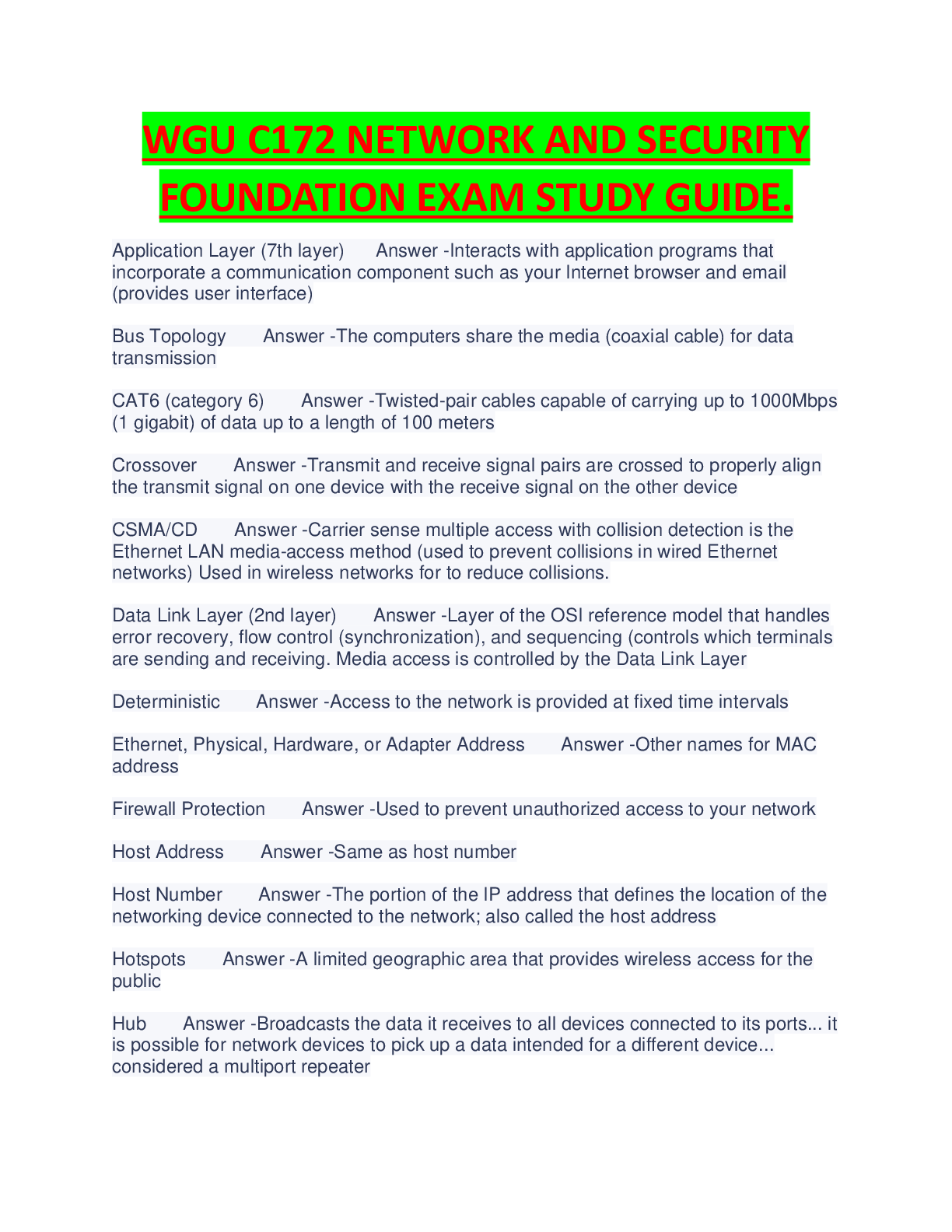
WGU C172 NETWORK AND SECURITY FOUNDATION EXAM STUDY GUIDE.
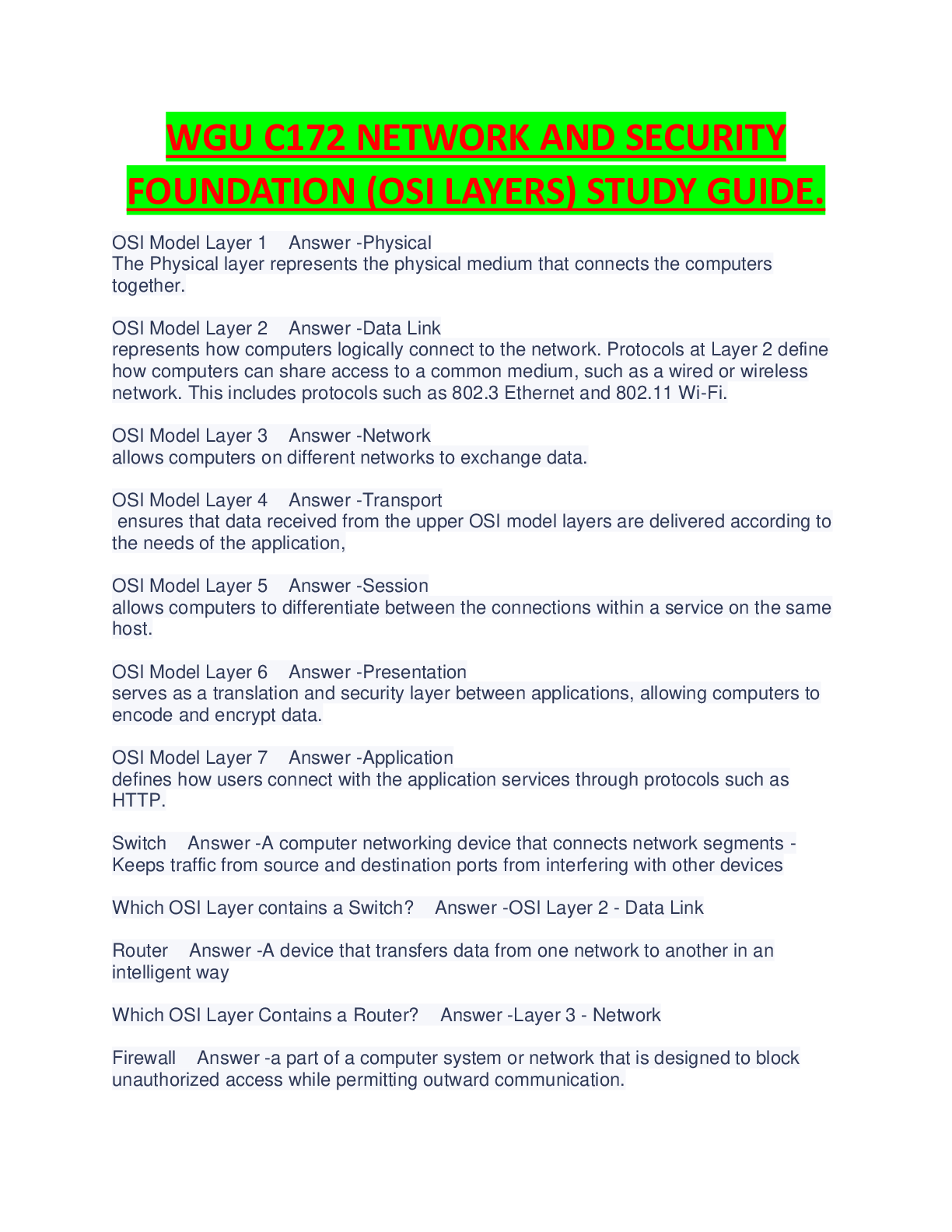
WGU C172 NETWORK AND SECURITY FOUNDATION (OSI LAYERS) STUDY G...
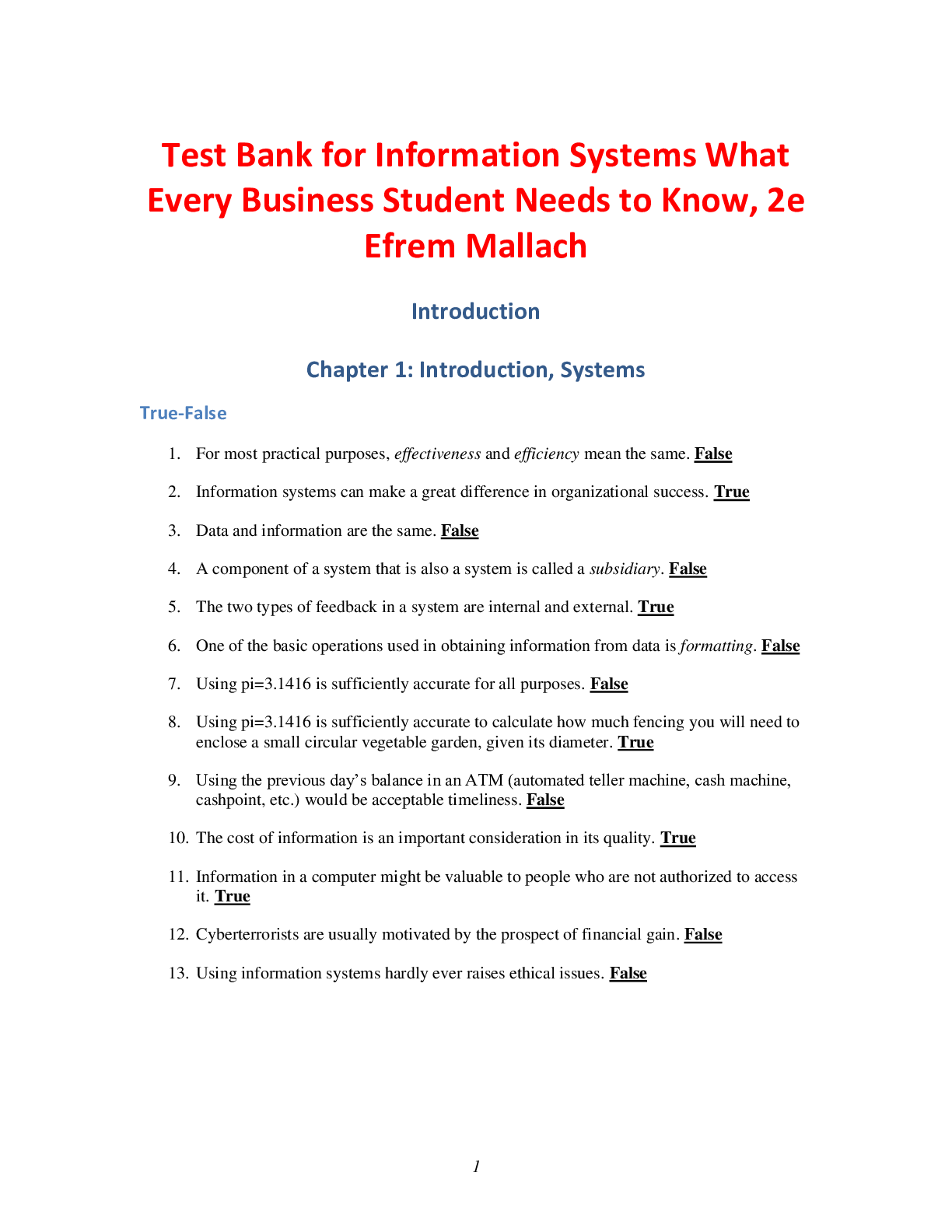
Information Systems What Every Business Student Needs to Know,...
.png)