Engineering Mechanics > STUDY GUIDE > The Pilot’s Manual: Instrument Flying (All)
The Pilot’s Manual: Instrument Flying
Document Content and Description Below
Last updated: 4 years ago
Preview 1 out of 708 pages
Instant download
 (z-lib.png)
Buy this Document to get the Full Access Instantly
Provided by Students Who Aced it
We Verify Document Content to Gurantee Accuracy
Reviews( 0 )
Document information
Connected school, study & course
About the document
Uploaded On
Aug 17, 2022
Number of pages
708
Written in
All

Additional information
This document has been written for:
Uploaded
Aug 17, 2022
Downloads
0
Views
163
Topic Tags
Related Subjects & Courses
Explore similar study resources and related concepts.
Recommended For You
Get more on STUDY GUIDE »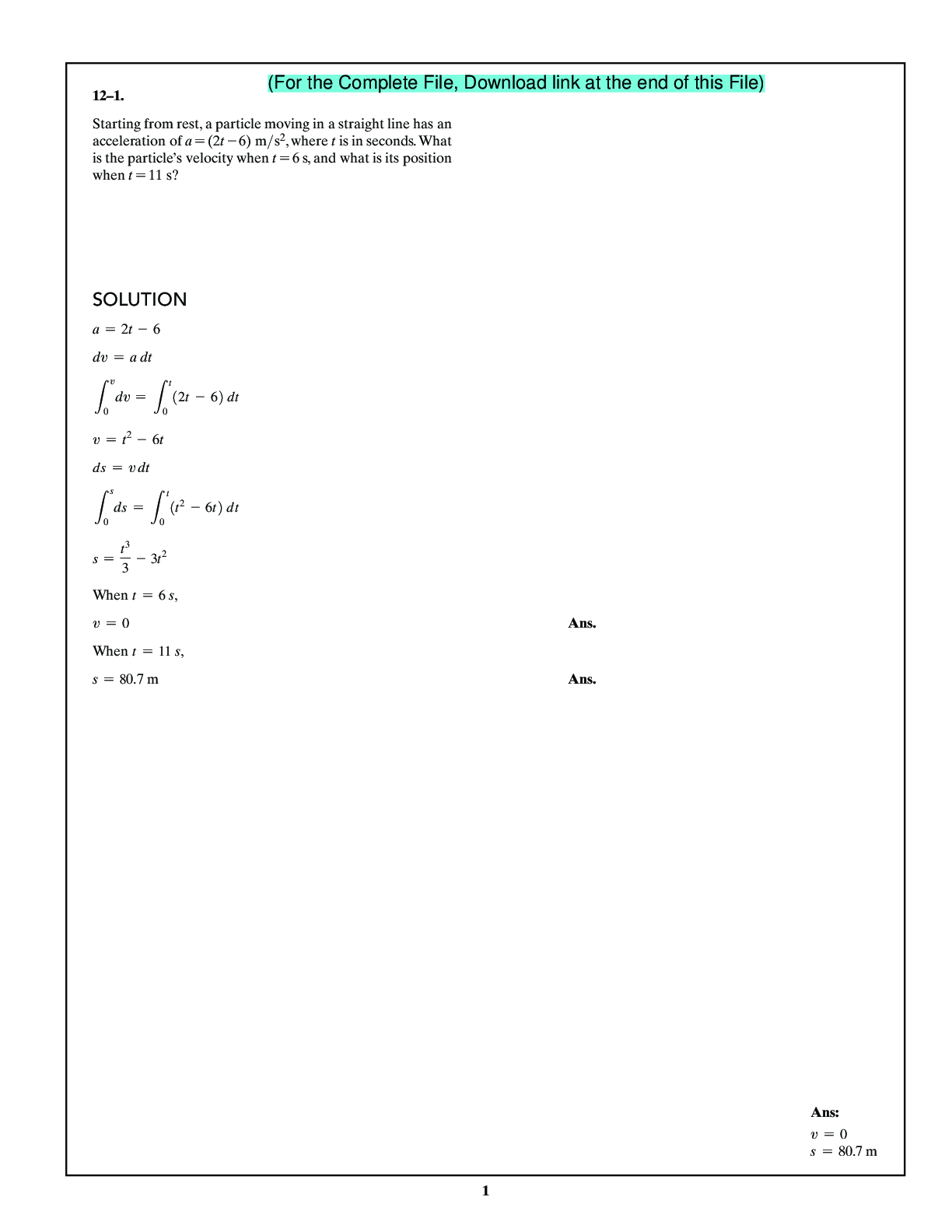
Engineering Mechanics, Dynamics, 15e Russell Hibbeler (Soluti...

Nuclear Systems Volume II Elements of Thermal Hydraulic Design...
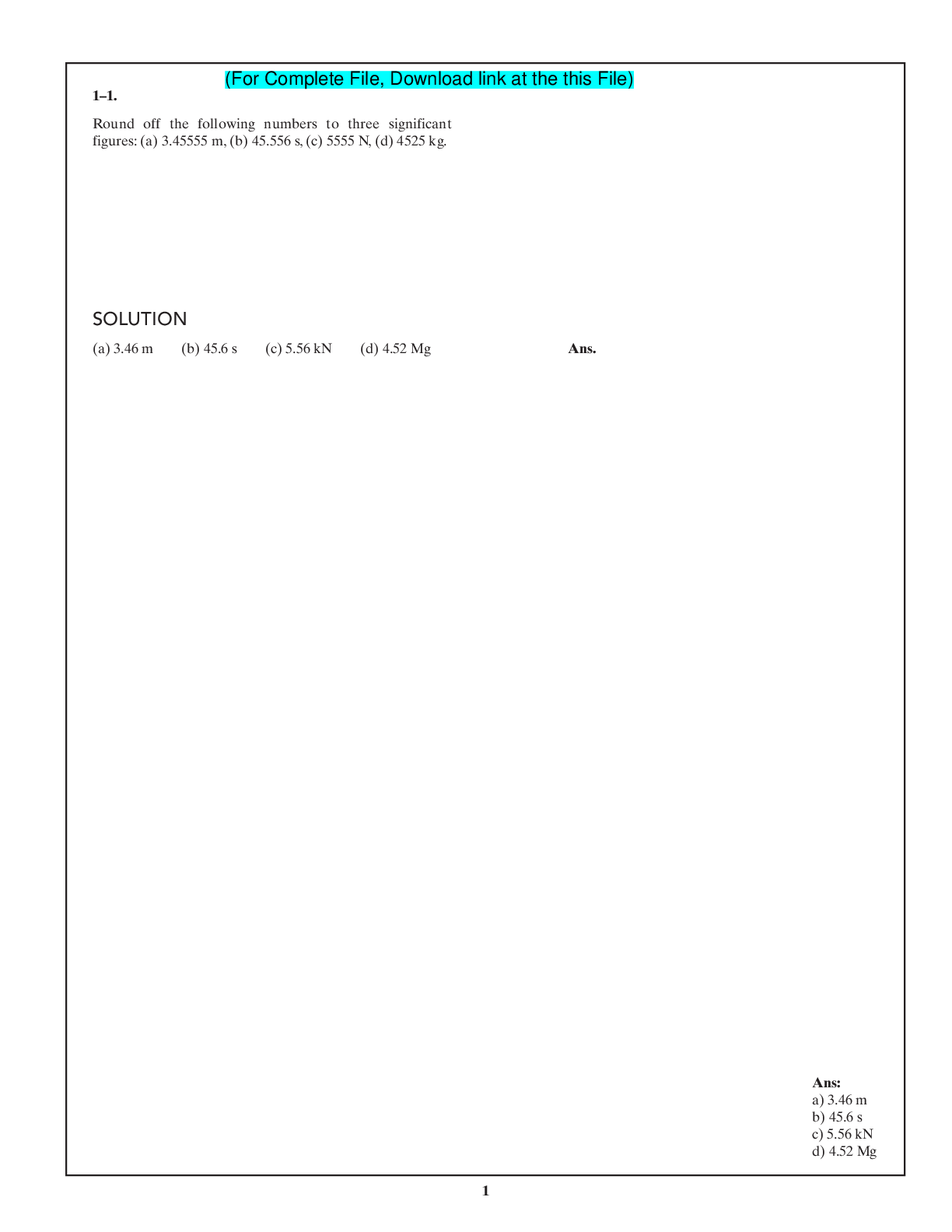
Engineering Mechanics, Statics, 15th Edition Russell Hibbeler...
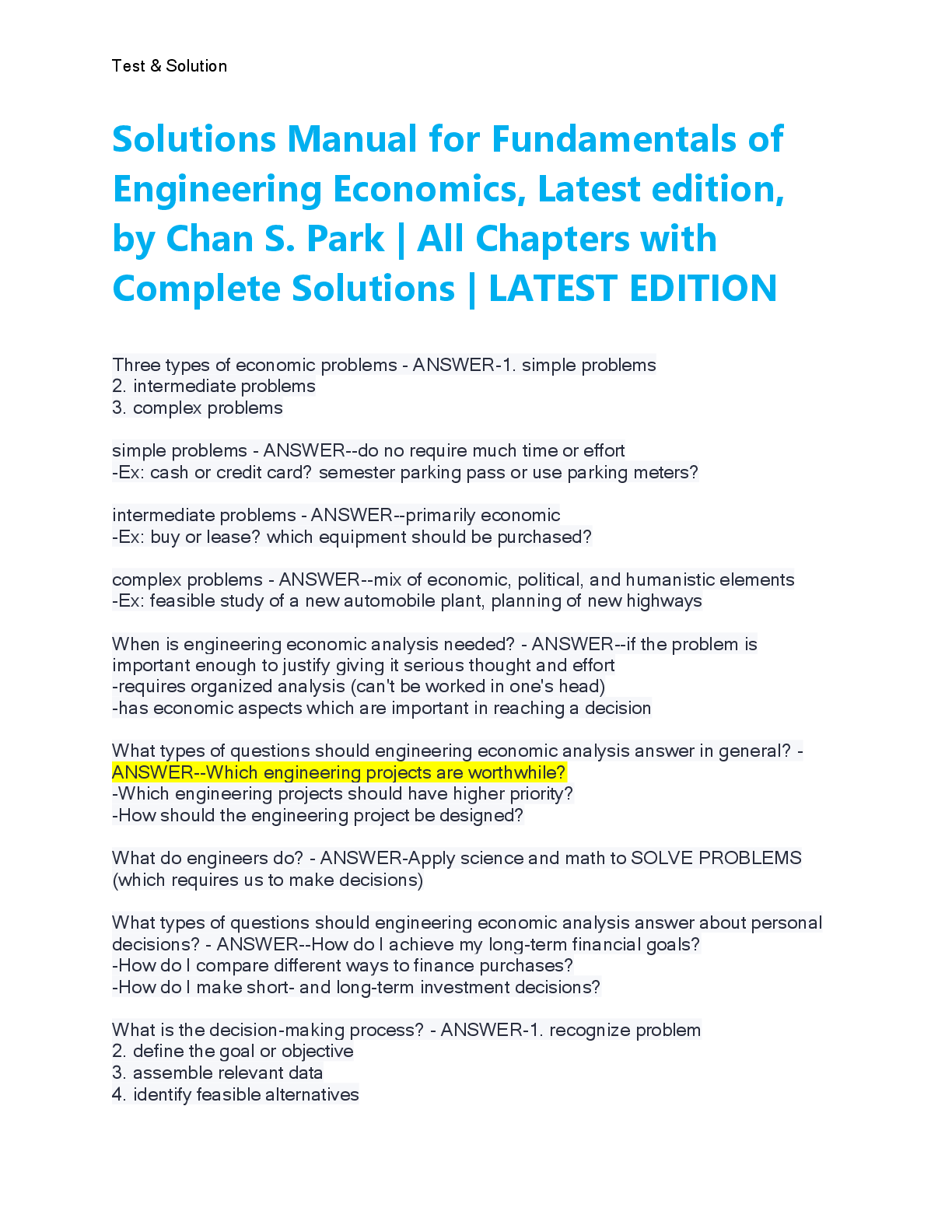
Solutions Manual for Fundamentals of Engineering Economics, La...

Solutions Manual for Basic Fracture Mechanics and its Applicat...
Solution Manual Fluid Mechanics (9th Edition)” by Frank White...
Ch 6 Kinematics / Score 100% / New 2025 Update / Complete Stud...

Test Bank for Numerical Methods for Engineers 8th Edition by S...



MASSACHUSETTS OIL BURNER EXAM QUESTIONS AND ANSWERS! 100% CORR...
Elevator Mechanic Exam Review – Verified Questions & 100% Corr...



Jeppesen A&P Powerplant Oral Study Guide 2025/2026 | Comprehen...


.png)
.png)
.png)
.png)
.png)