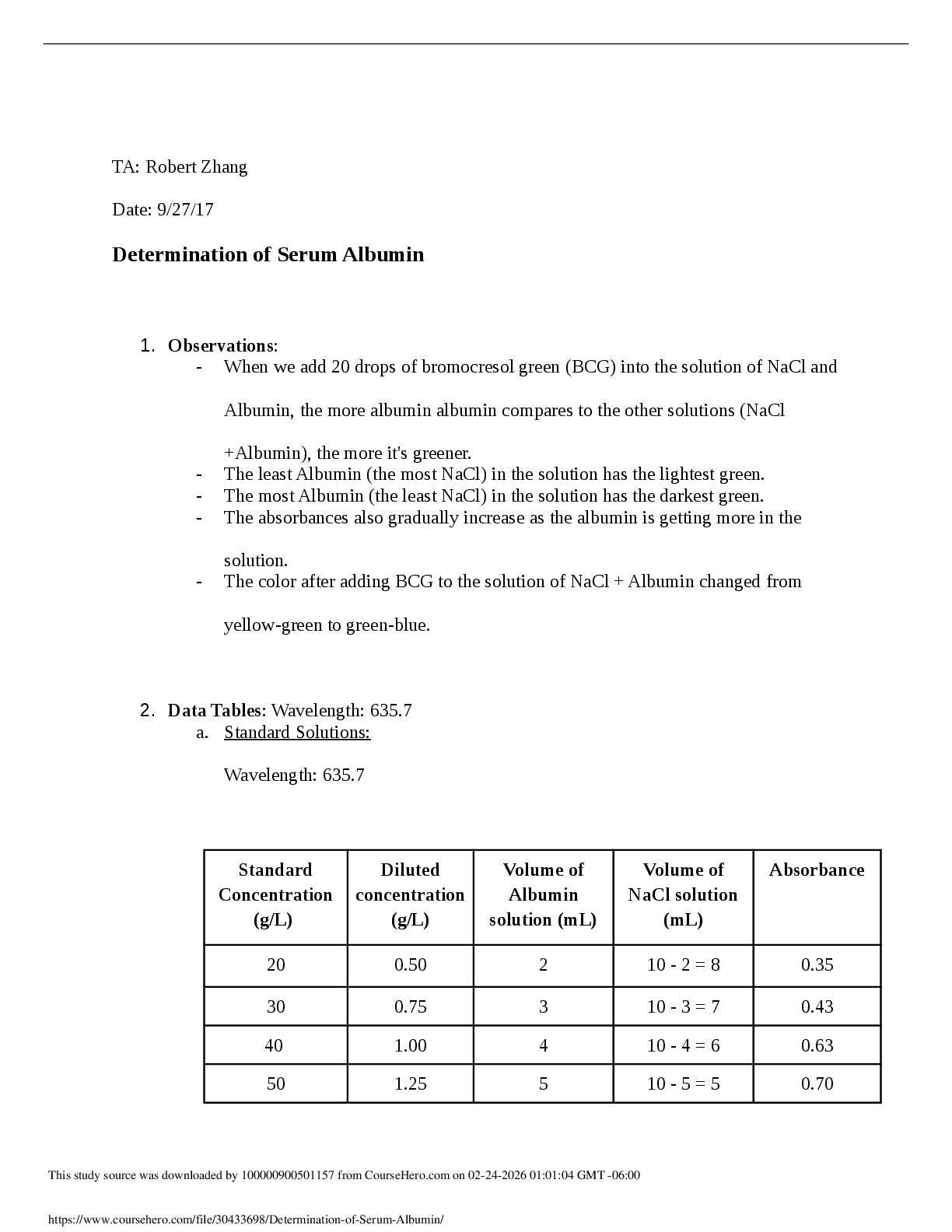
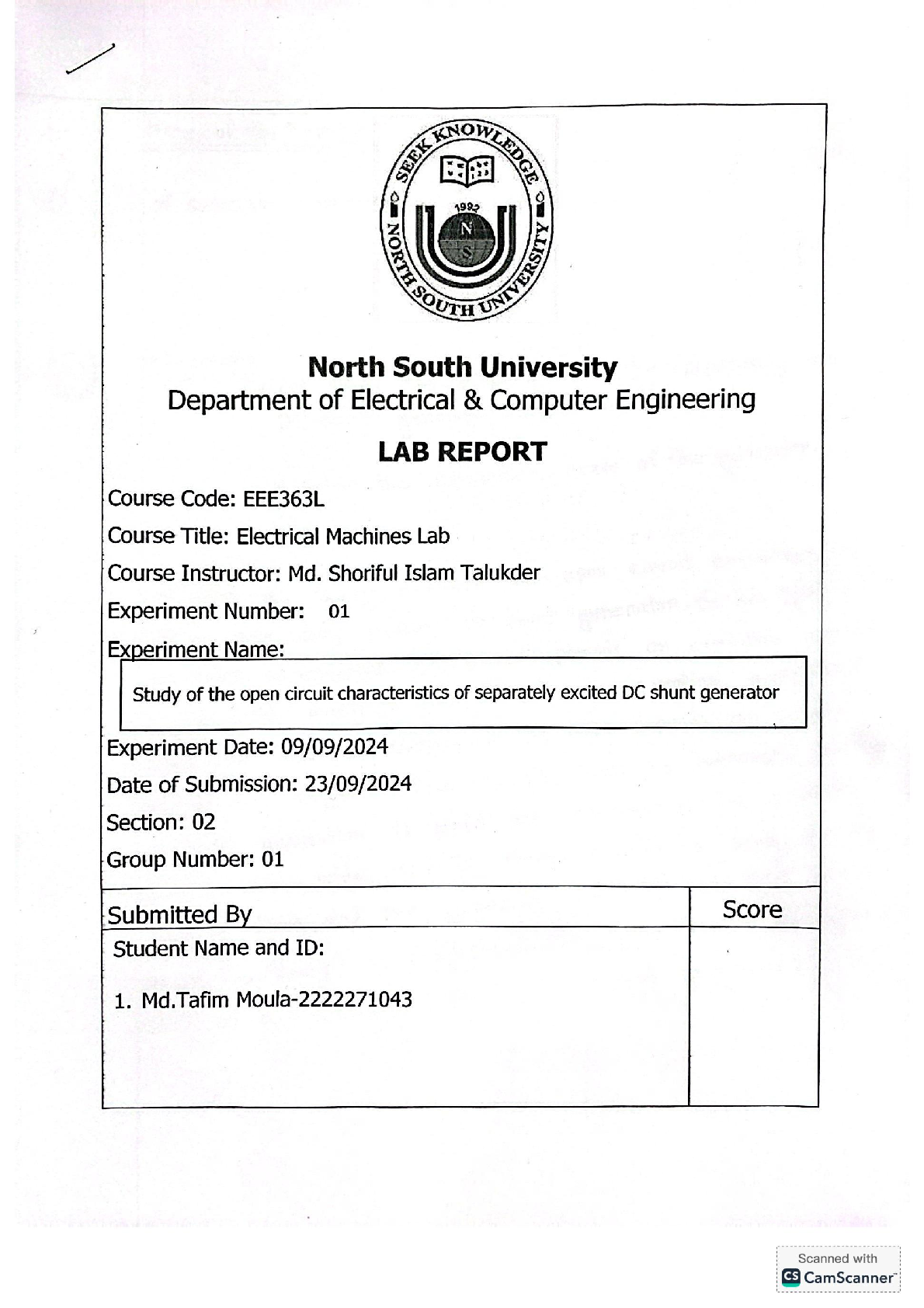
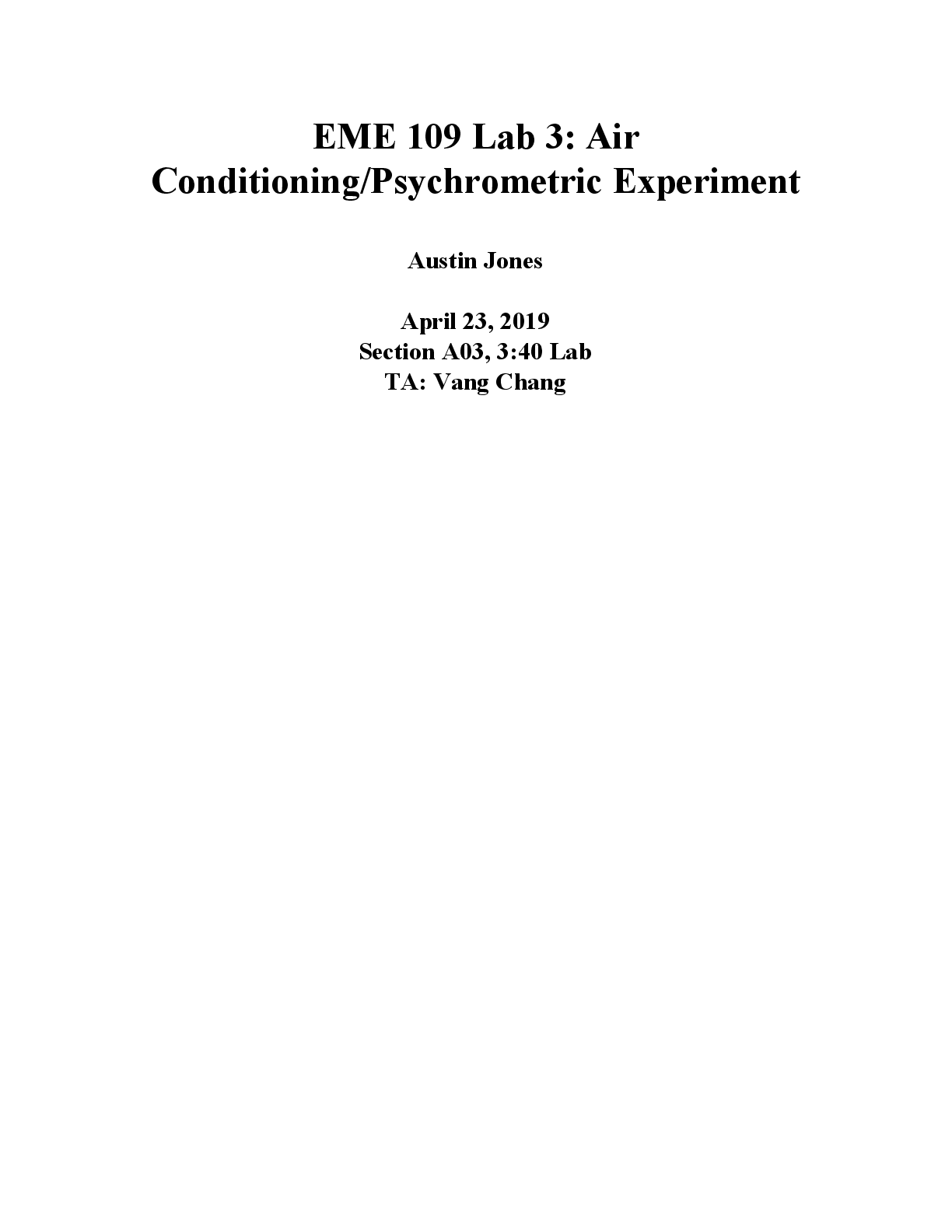
Anatomy > Lab Report > Southeastern Community College - BIO 169Lab #7 - Urinary System BIO169 lab online: Experiment 1: Kid (All)
Southeastern Community College - BIO 169Lab #7 - Urinary System BIO169 lab online: Experiment 1: Kidney Filtration, Experiment 2: Urinalysis, Experiment 3: Virtual Model - Urinary System Coloring Activity, Experiment 4: Fetal Pig Dissection of the Urinary System. (Plus Questions and Answers)
Document Content and Description Below
Last updated: 3 years ago
Preview 1 out of 10 pages
Instant download

Buy this Document to get the Full Access Instantly
Provided by Students Who Aced it
We Verify Document Content to Gurantee Accuracy
Reviews( 0 )
Document information
Connected school, study & course
About the document
Uploaded On
Dec 15, 2020
Number of pages
10
Written in
All

Additional information
This document has been written for:
Uploaded
Dec 15, 2020
Downloads
0
Views
273
Topic Tags
Related Subjects & Courses
Explore similar study resources and related concepts.
Recommended For You
Get more on Lab Report »
BIO 202 L Lab 14 The Urinary System. Experiments 1-4: Kidney F...
BIO 169 Final Exam (compiled) with questions and answers 2024...
BIO 169 (Fluid and Electrolytes) Exam Questions and Answers A...
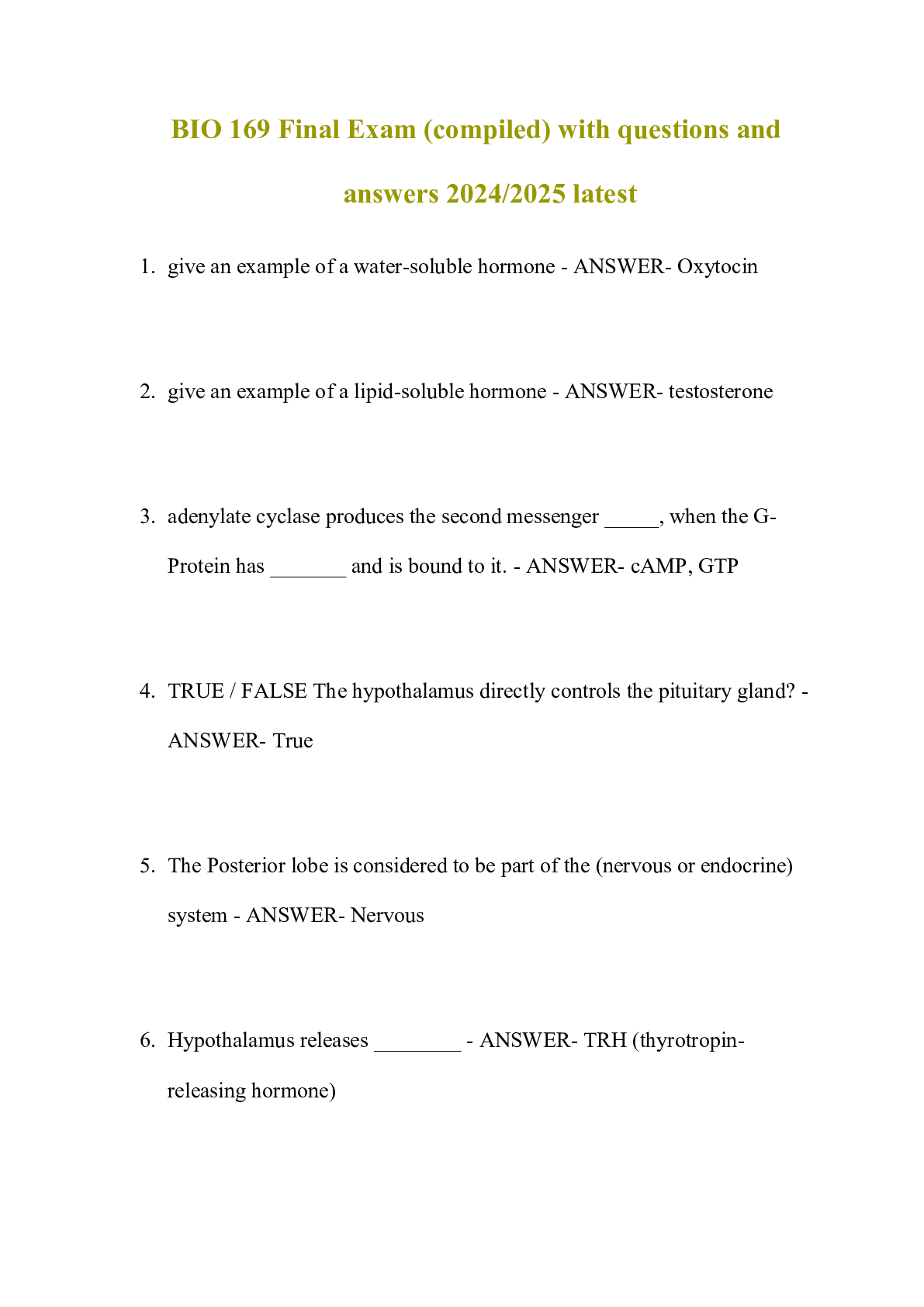
BIO 169 Final Exam (compiled) with questions and answers 2024...

Clinical Kinesiology and Anatomy, 7th Edition by Lynn Lippert...

Test Bank FOR Clinically Oriented Anatomy 8th Edition BY Moore

TEST BANK for Seeley's Anatomy & Physiology 13th Edition by Ci...
TEST BANK for Principles of Human Anatomy, 15th Edition by Ger...

TEST BANK Illustrated Anatomy of the Head and Neck 5th Edition...

Essentials of Human Anatomy & Physiology 13th Edition by Elain...
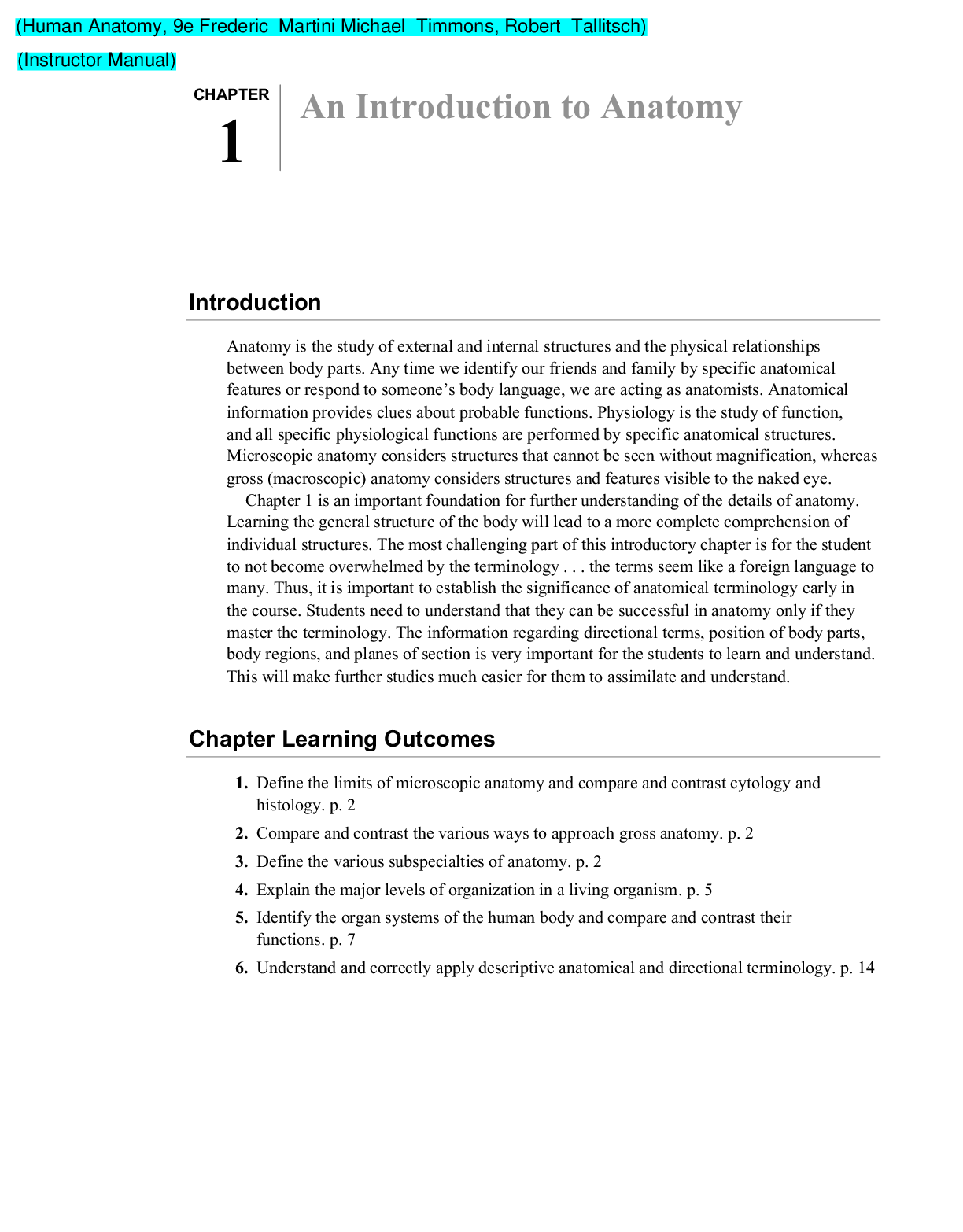
Human Anatomy, 9e Frederic Martini Michael Timmons, Robert...

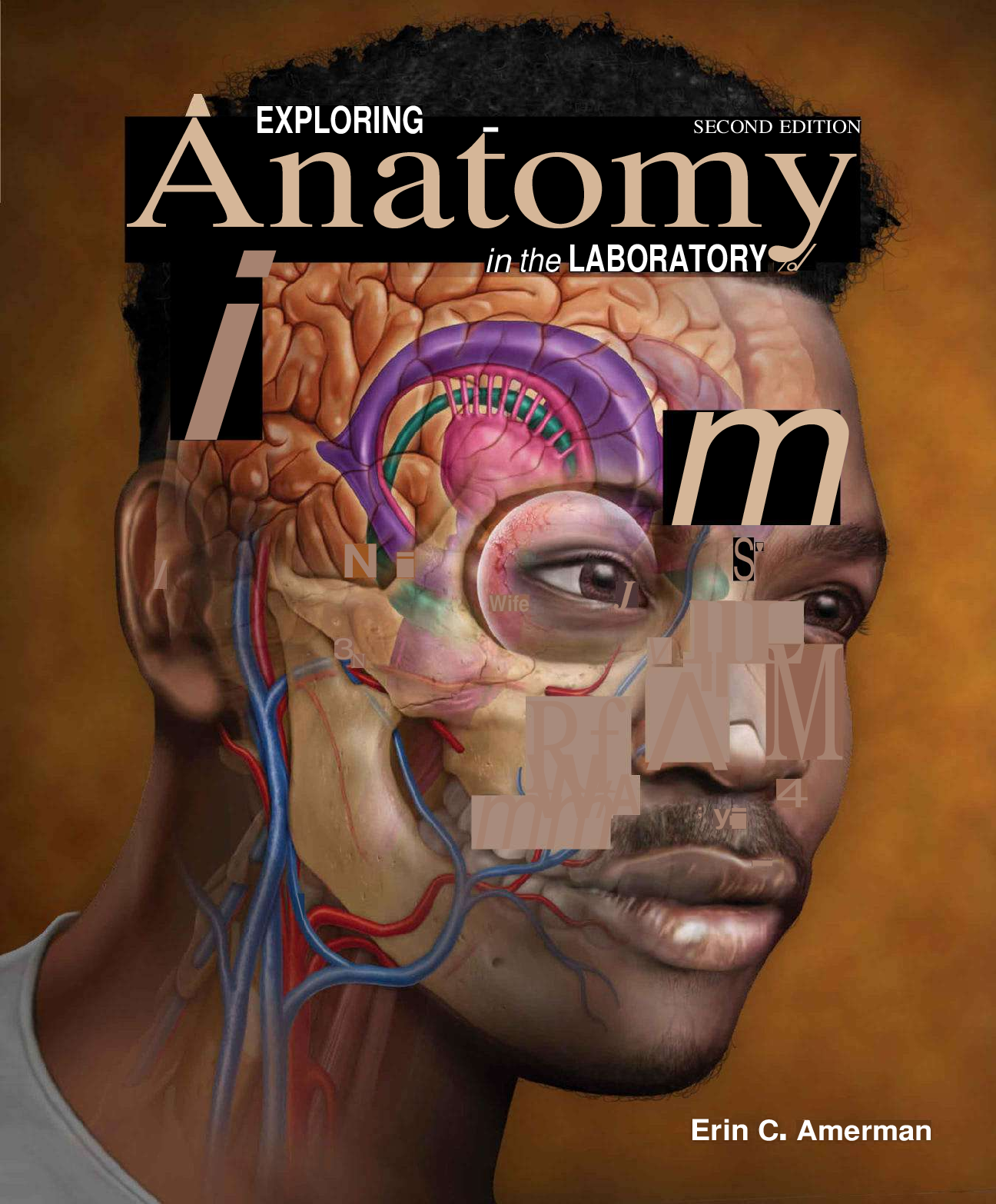
Exploring Anatomy in the Laboratory 2nd Edition By Erin Amerma...