BioChemistry > STUDY GUIDE > Student Exploration: Convection Cells-gizmos (All)
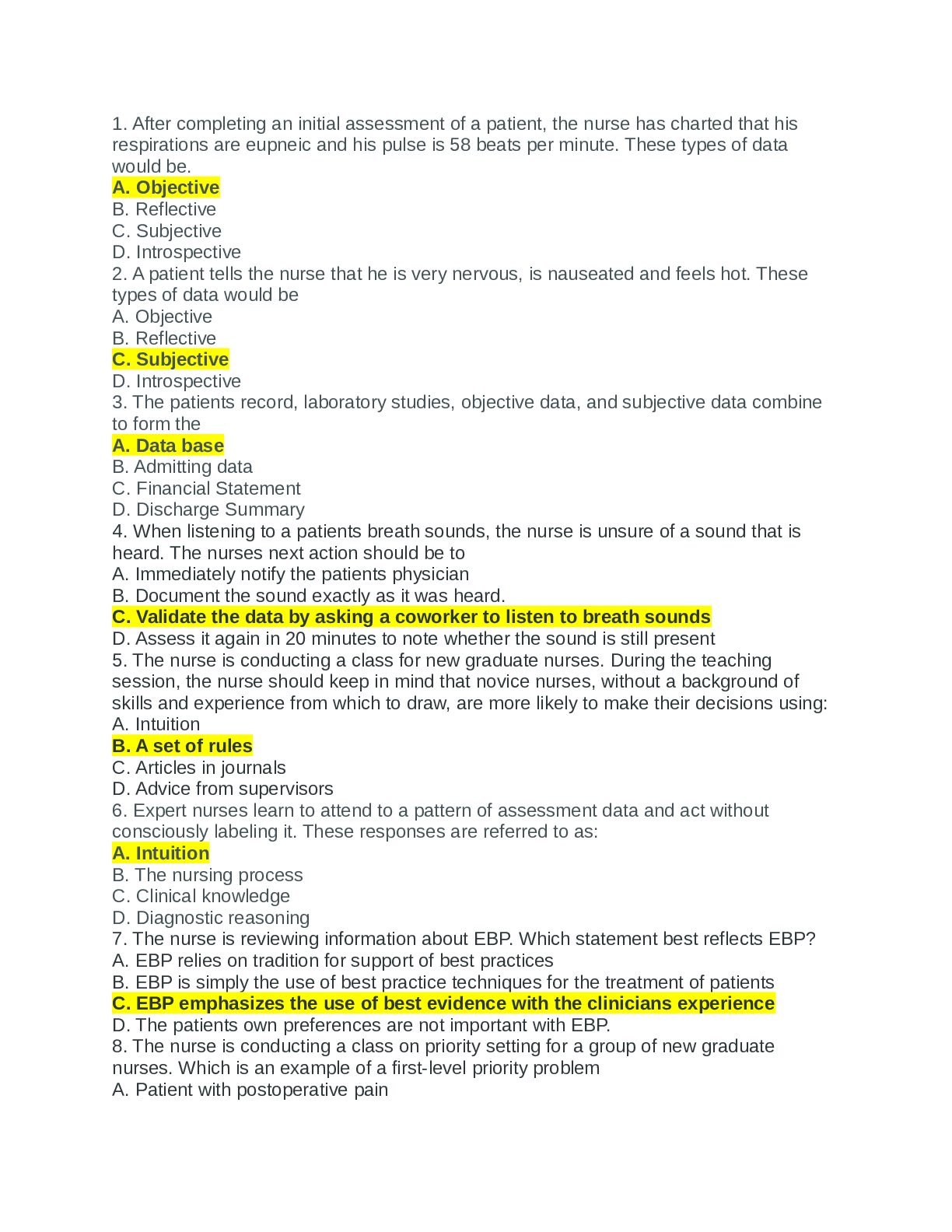
Student Exploration: Convection Cells-gizmos
Document Content and Description Below
Last updated: 4 years ago
Preview 1 out of 7 pages
Instant download
.png)
Buy this Document to get the Full Access Instantly
Provided by Students Who Aced it
We Verify Document Content to Gurantee Accuracy
Reviews( 0 )
Document information
Connected school, study & course
About the document
Uploaded On
Aug 23, 2022
Number of pages
7
Written in
All

Additional information
This document has been written for:
Uploaded
Aug 23, 2022
Downloads
0
Views
272
Topic Tags
Related Subjects & Courses
Explore similar study resources and related concepts.
Recommended For You
Get more on STUDY GUIDE »
Exam #3 PN 2 Know what the left temporal lobe of brain affects...
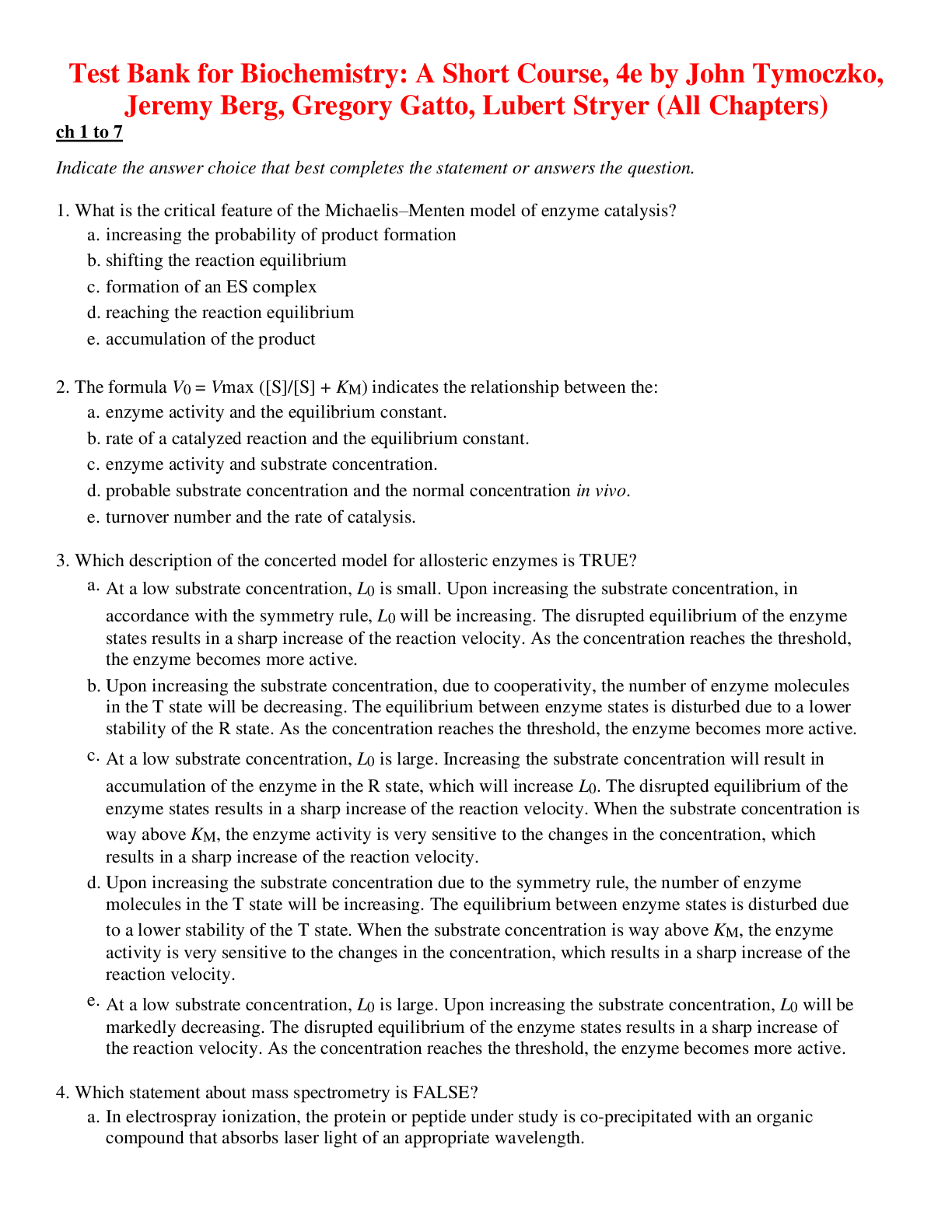
TEST BANK for Biochemistry A Short Course, 4e by John Tymoczko...

Lehninger Principles of Biochemistry 8th Edition by David Nels...

TEST BANK for Biochemistry 10th Edition by Berg,Gregory Gatto...
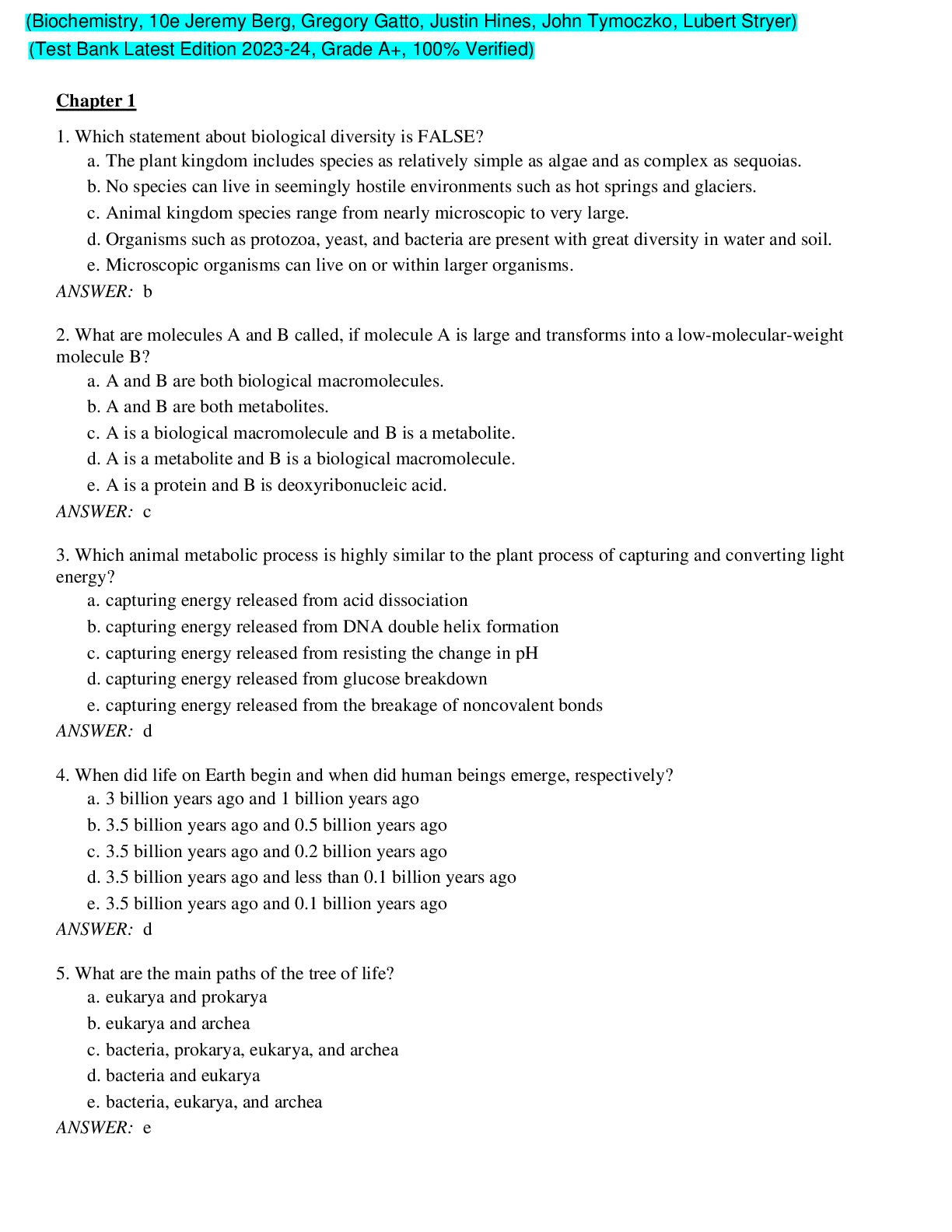
Biochemistry 10th Edition By Berg, Gatto, Hines, Tymoczko, Str...
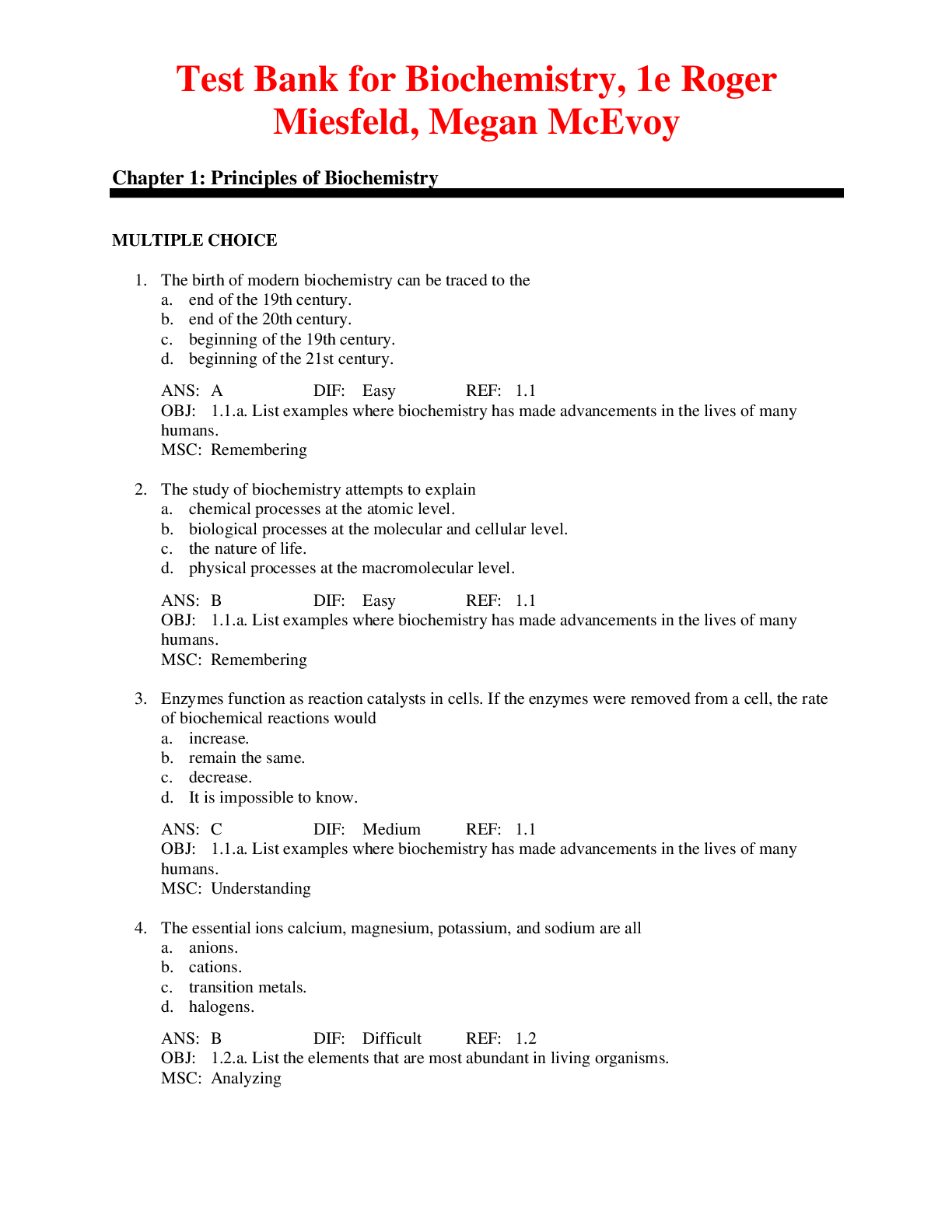
Test Bank for Biochemistry 1st Edition By Roger Miesfeld, Mega...

Test Bank for Lehninger Principles of Biochemistry 7th Edition...


BIOCHEM C785 Kaleys Comprehensive Study Guide final (Completed...
BIOCHEM C785 Kaleys Comprehensive Study Guide final (Completed...
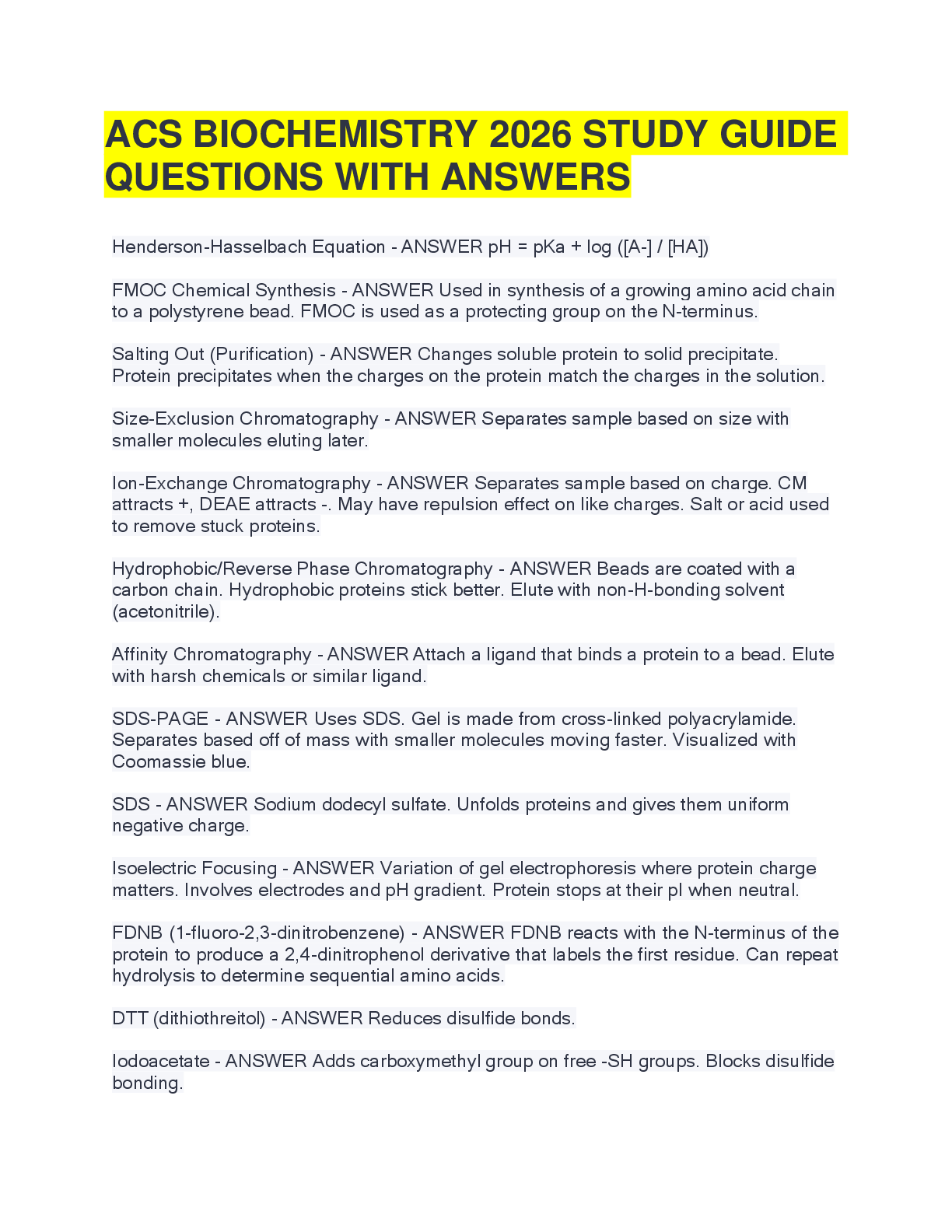


University of the West Indies at St. AugustineBIOC 2061BIOC 20...

SOLUTIONS MANUAL for Biochemistry 1st Edition by Roger Miesfel...
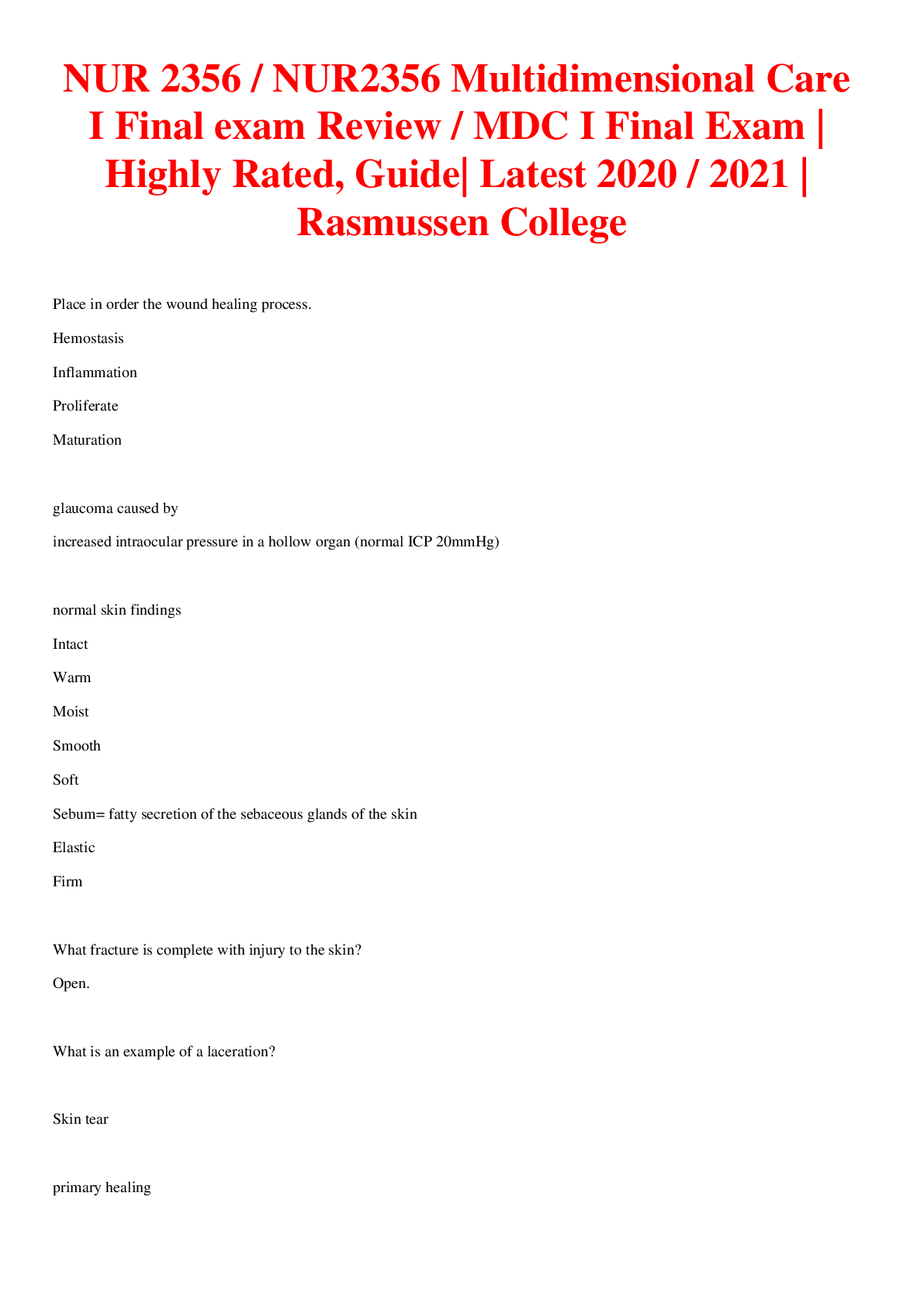
NUR 2356 - NUR2356 Multidimensional Care I Final exam Review /...


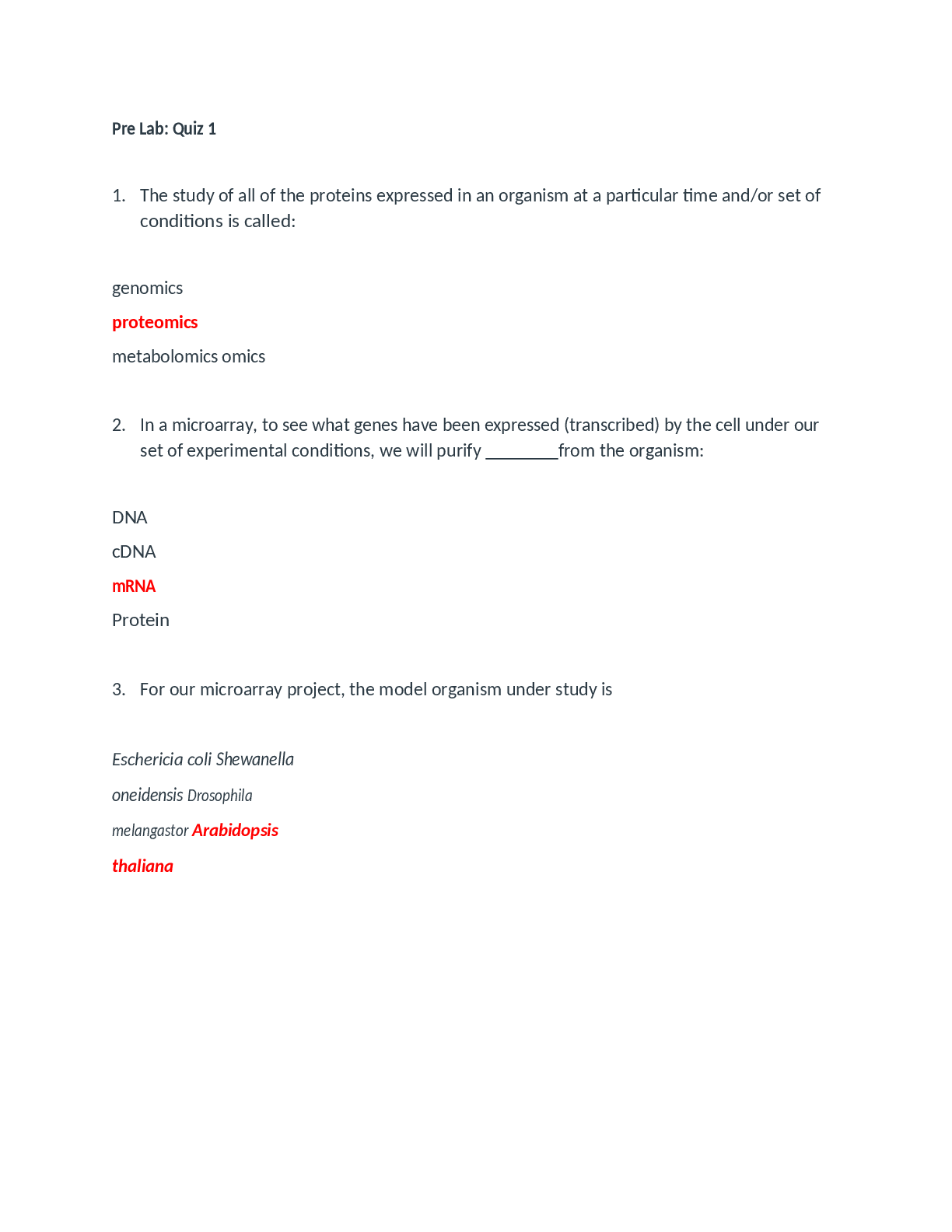


.png)
.png)
.png)
.png)
.png)