Origins of Civilization Practice Exam-Unit 2, Lesson 4 with Complete Solution
Document Content and Description Below
Jericho's status as the first city with a wall indicates that
(a) It was the first city built during the Old Stone Age.
(b) It was the first time concrete was used as a building material.
(c) It had a government t
...
[Show More]
Last updated: 4 years ago
Preview 1 out of 3 pages
Instant download

Buy this Document to get the Full Access Instantly
Provided by Students Who Aced it
We Verify Document Content to Gurantee Accuracy
Reviews( 0 )
Document information
Connected school, study & course
About the document
Uploaded On
Aug 25, 2022
Number of pages
3
Written in
All

Additional information
This document has been written for:
Uploaded
Aug 25, 2022
Downloads
0
Views
255
Topic Tags
Related Subjects & Courses
Explore similar study resources and related concepts.
Recommended For You
Get more on EXAM »
$25
600 Pages
Journey of Adulthood, 9th edition By Barbara Bjorklund, Julie...
![Preview of Systems Analysis and Design 12th Edition By Scott Tilley | eBOOK [PDF]](https://scholarfriends.com/storage/eBook for Systems Analysis and Design, 12th Edition By Scott Tilley.png)
$29
576 Pages
Systems Analysis and Design 12th Edition By Scott Tilley | eBO...
$23
228 Pages
Test Bank for Gardner's Art through the Ages The Western Persp...

$25
335 Pages
Living with Art 12th Edition Getlein Test Bank.Answers and che...

$6
40 Pages
University of the People - AHIST 1401AHIST1401 UoPeople Practi...

 (1).png)
$7
4 Pages
FLVS - THEATRE 407208.06 REVIEW AND CRITICAL THINKING QUESTION...
$12
19 Pages
Art history 1 Final Exam (V2) Sophia Course (solution) Latest...


$15
24 Pages
Straighter line - ART 101 Unit 1 Milestone - Art History 1(com...
$5
14 Pages
Wilmington University_Art history 1 FIRST MODULE TEST 3 (solut...


$6
6 Pages
Drug dealing should not be a crime because it does not directl...
$11
12 Pages
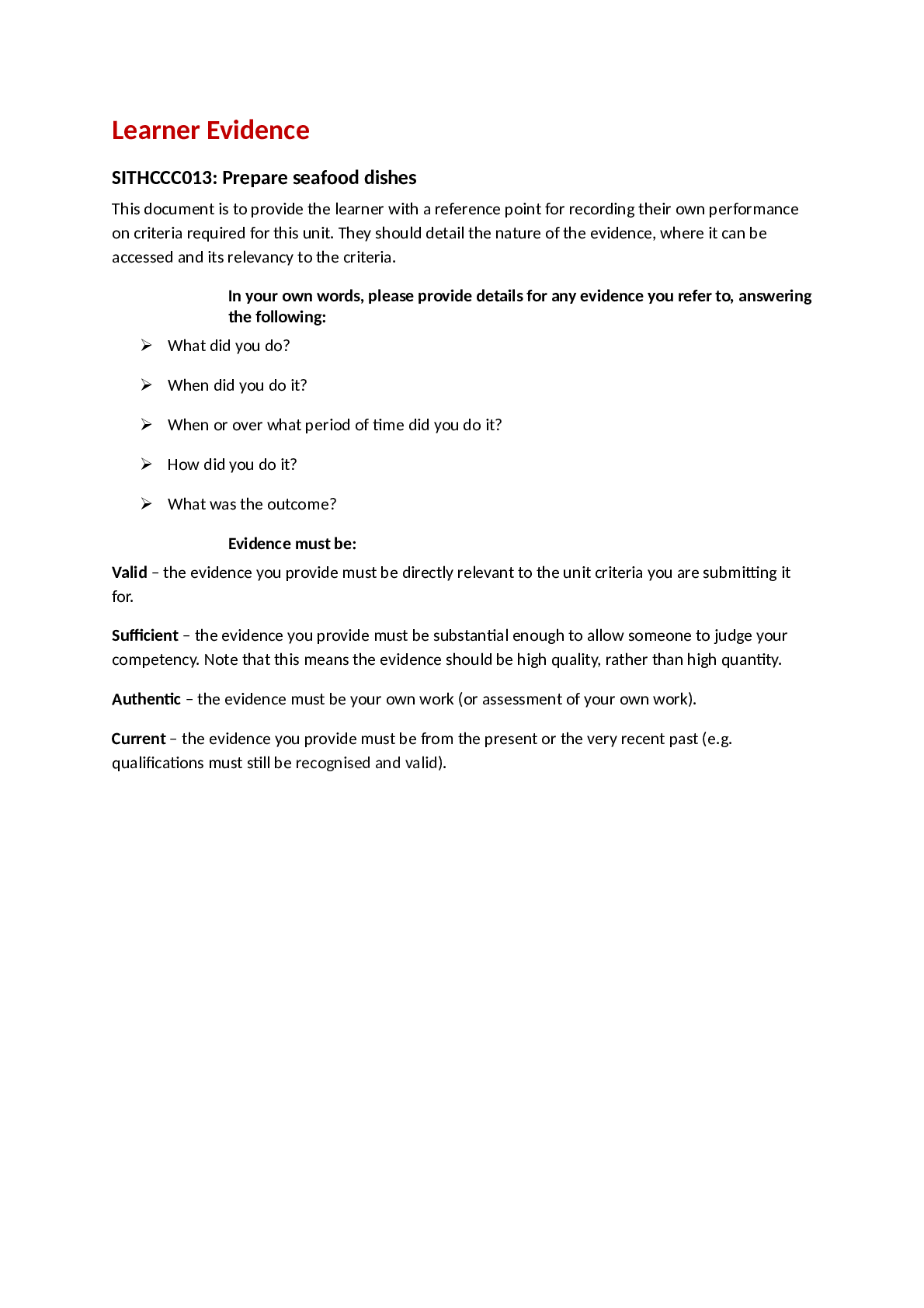
Victoria UniversityCOOKERY SITHCCC008SITHCCC013 Learner Eviden...
$8.5
18 Pages