Finance > QUESTIONS & ANSWERS > Corporate Finance - Final Exam Questions and Answers (All)
Corporate Finance - Final Exam Questions and Answers
Document Content and Description Below
Last updated: 4 years ago
Preview 1 out of 15 pages
Instant download

Buy this Document to get the Full Access Instantly
Provided by Students Who Aced it
We Verify Document Content to Gurantee Accuracy
Reviews( 0 )
Document information
Connected school, study & course
About the document
Uploaded On
Aug 26, 2022
Number of pages
15
Written in
All

Additional information
This document has been written for:
Uploaded
Aug 26, 2022
Downloads
0
Views
149
Topic Tags
Recommended For You
Get more on QUESTIONS & ANSWERS ».png)
Fundamentals of Corporate Finance, 5e Robert Parrino, David K...
.png)
Fundamentals of Corporate Finance, 5e Robert Parrino, David K...

Fundamentals of Corporate Finance, 11e Richard Brealey, Stewar...
.png)
Fundamentals of Corporate Finance, 4e Robert Parrino, David K...
Solutions Manual for Financial Management for Public, Health,...
TEST BANK for Public Finance and Public Policy, 7th Edition by...
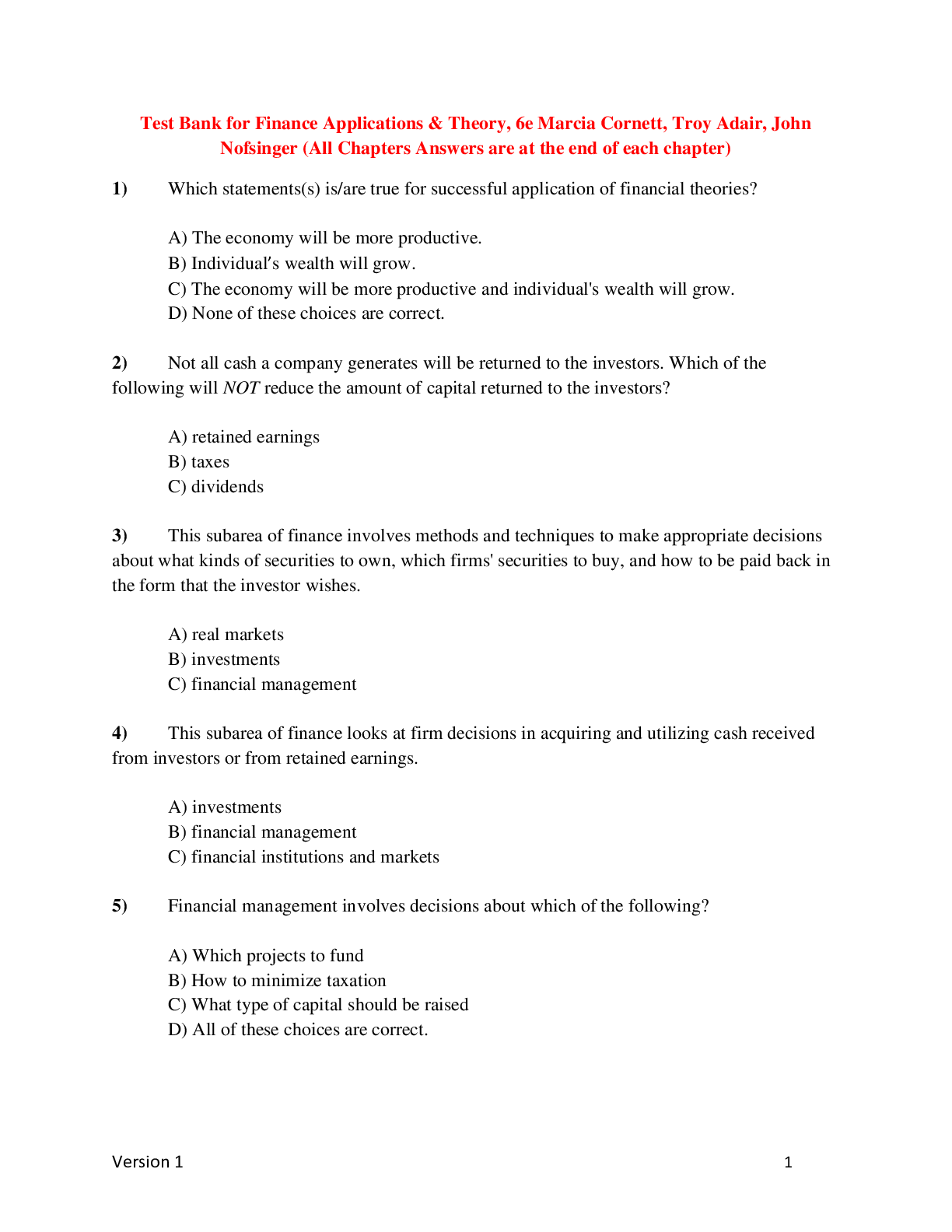
Finance Applications & Theory, 6e Marcia Cornett, Troy Adair,...
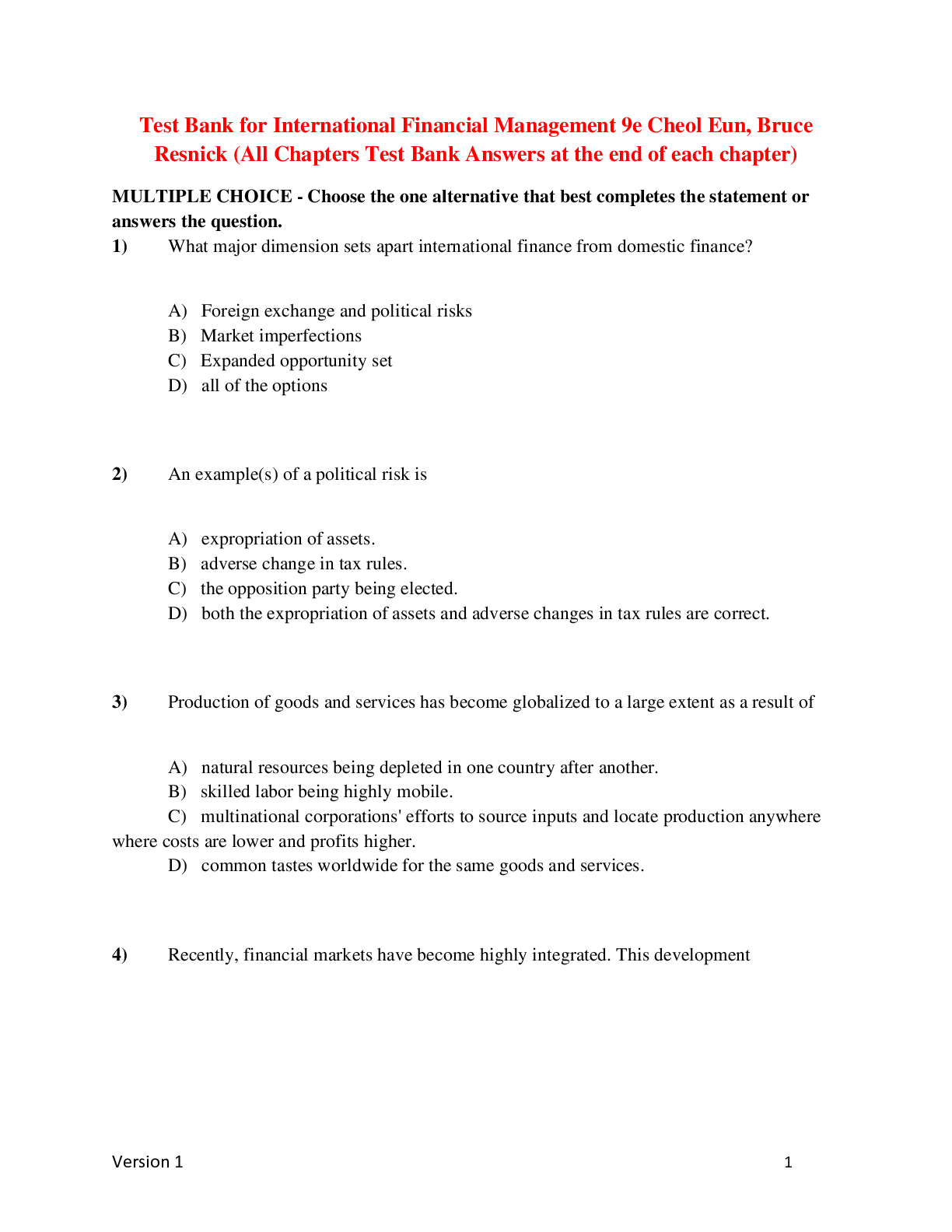
International Financial Management 9e Cheol Eun, Bruce Resnick...
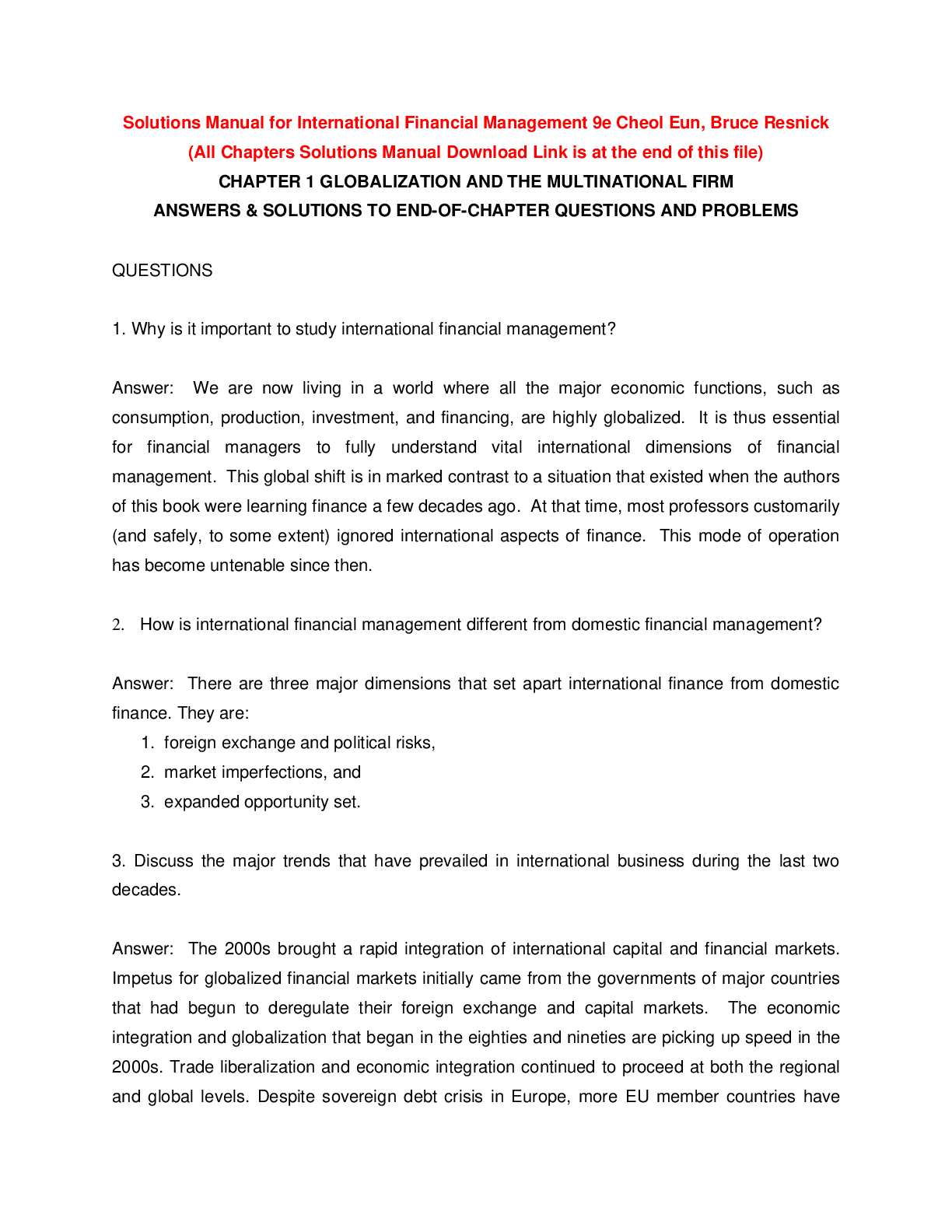
International Financial Management 9e Cheol Eun, Bruce Resnick...

An Introduction to Derivative Securities, Financial Markets, a...
.png)
Introduction to Finance Markets, Investments, and Financial Ma...

Test Bank for Financial Reporting and Analysis, 8th Edition Re...

Financial Reporting and Analysis, 8e Lawrence Revsine, Daniel...
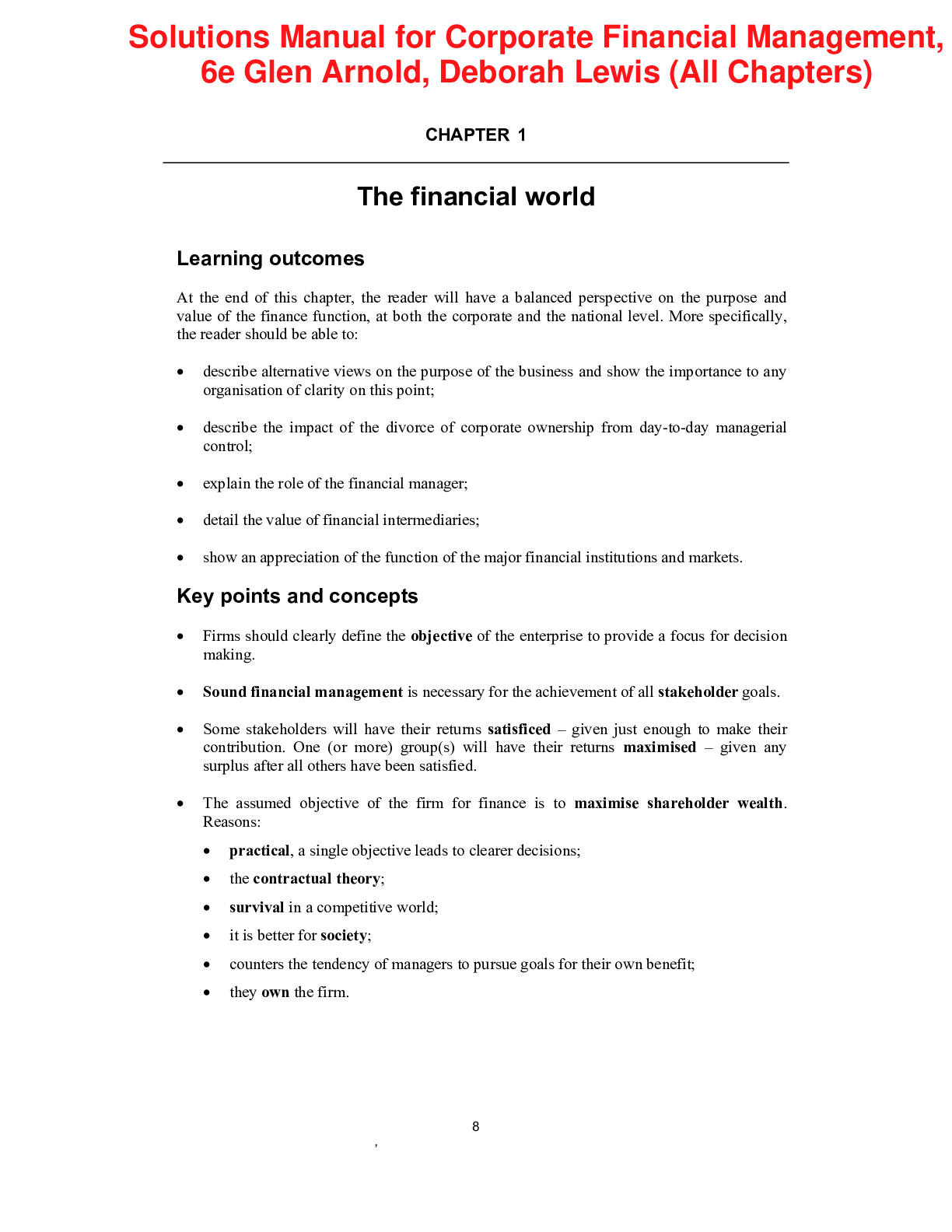
Corporate Financial Management, 6e Glen Arnold, Deborah Lewis...