Anatomy > LAB QUIZ > BIOS-252 Week 3 Nervous System-Spinal cord, PNS, and reflexes – Lab Assignment (GRADED A+) (All)
BIOS-252 Week 3 Nervous System-Spinal cord, PNS, and reflexes – Lab Assignment (GRADED A+)
Document Content and Description Below
Last updated: 4 years ago
Preview 1 out of 4 pages
Instant download

Buy this Document to get the Full Access Instantly
Provided by Students Who Aced it
We Verify Document Content to Gurantee Accuracy
Also available in bundle (1)
Click Below to Access Bundle(s)

BIOS 252 Anatomy And Physiology II With Lab BUNDLE (LATEST UPDATES) | Questions and Answers/ ALL GRADED A+
BIOS 252 Week 1 Case Study Assignment: Muscles BIOS-252 Week 1 Muscular System – Lab Assignment BIOS 252 Week 1 Discussion Question: Skeletal and cardiac muscle tissues BIOS-252 Week 2 Case Study...
By EliteStudyDocs 4 years ago
$13.5
15
Reviews( 0 )
Document information
Connected school, study & course
About the document
Uploaded On
Sep 05, 2022
Number of pages
4
Written in
All

Additional information
This document has been written for:
Uploaded
Sep 05, 2022
Downloads
0
Views
180
Topic Tags
Related Subjects & Courses
Explore similar study resources and related concepts.
Recommended For You
Get more on LAB QUIZ »
Clinical Kinesiology and Anatomy, 7th Edition by Lynn Lippert...
TEST BANK for Fundamentals of Anatomy and Physiology by Freder...

TEST BANK for Essentials of Human Anatomy and Physiology 10th...
Human Anatomy, 8e Elaine Marieb Patricia Brady, Wilhelm Jon...

Human Anatomy, 9e Frederic Martini Michael Timmons, Robert...

Fundamentals of Anatomy & Physiology 11th Edition by Frederic...
Anatomy & Physiology An Integrative Approach 4th Edition by Mi...
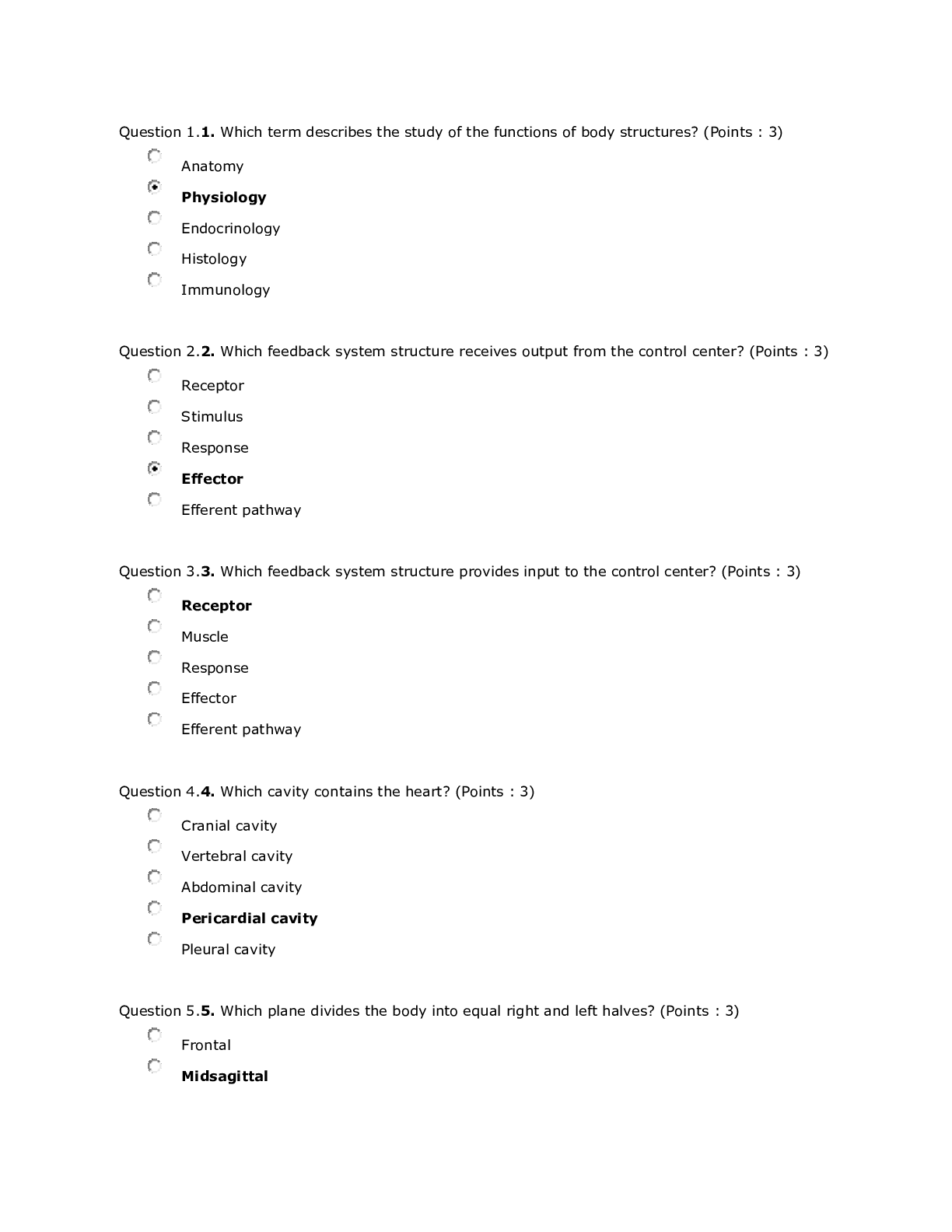
ANATOMY BIO 251 Week 5 Quiz 1/ANATOMY BIO 251 Week 5 Quiz 1_Ve...

BIOS 256 Lower Digestive System Questions & Answers with Rati...

ANATOMY BIO 251 Week 5 Quiz 5/ANATOMY BIO 251 Week 5 Quiz 5_Ve...

ANATOMY BIO 251 Week 5 Quiz 4/ANATOMY BIO 251 Week 5 Quiz 4_Ve...
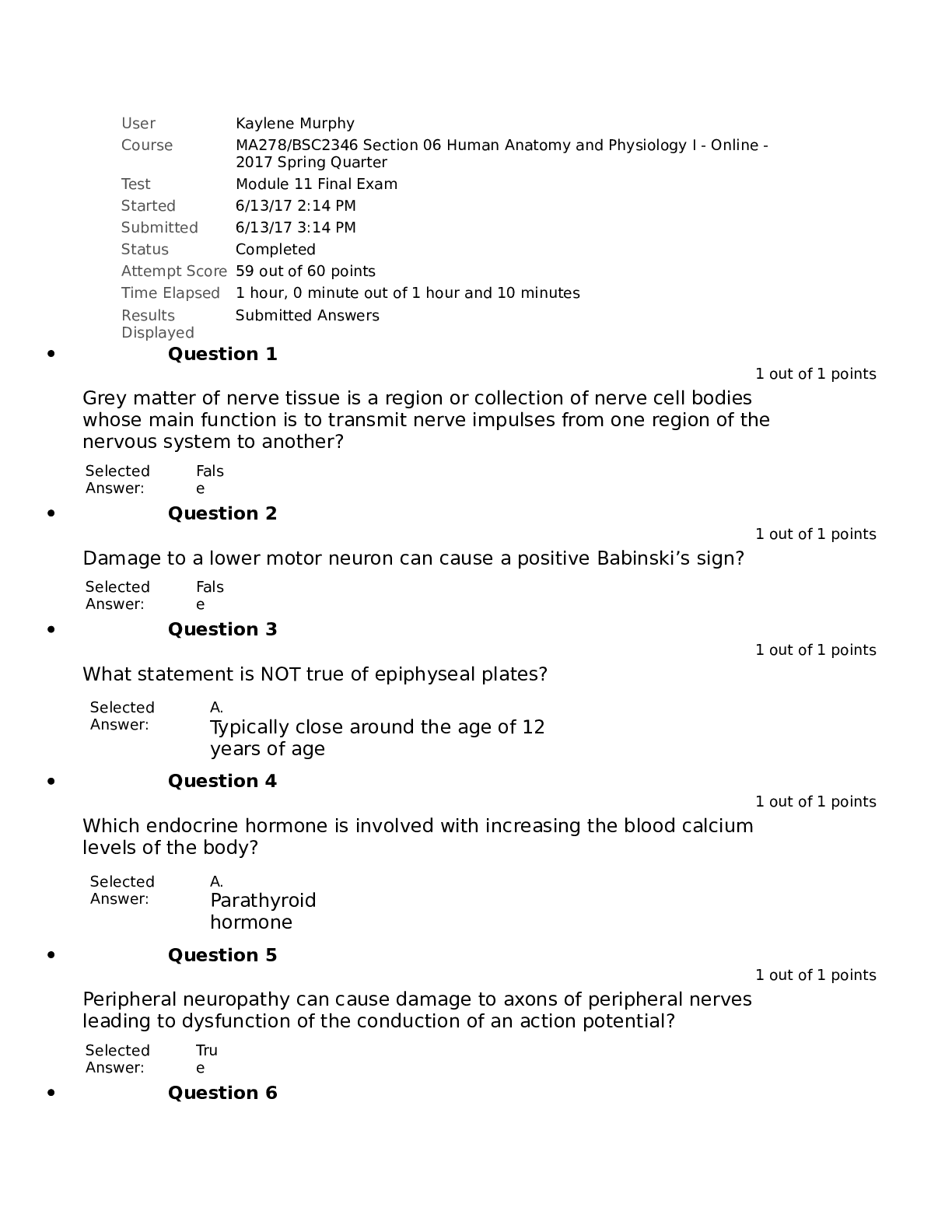
BSC 2346 Module 11 Anatomy & Physiology I Final Exam | Questio...


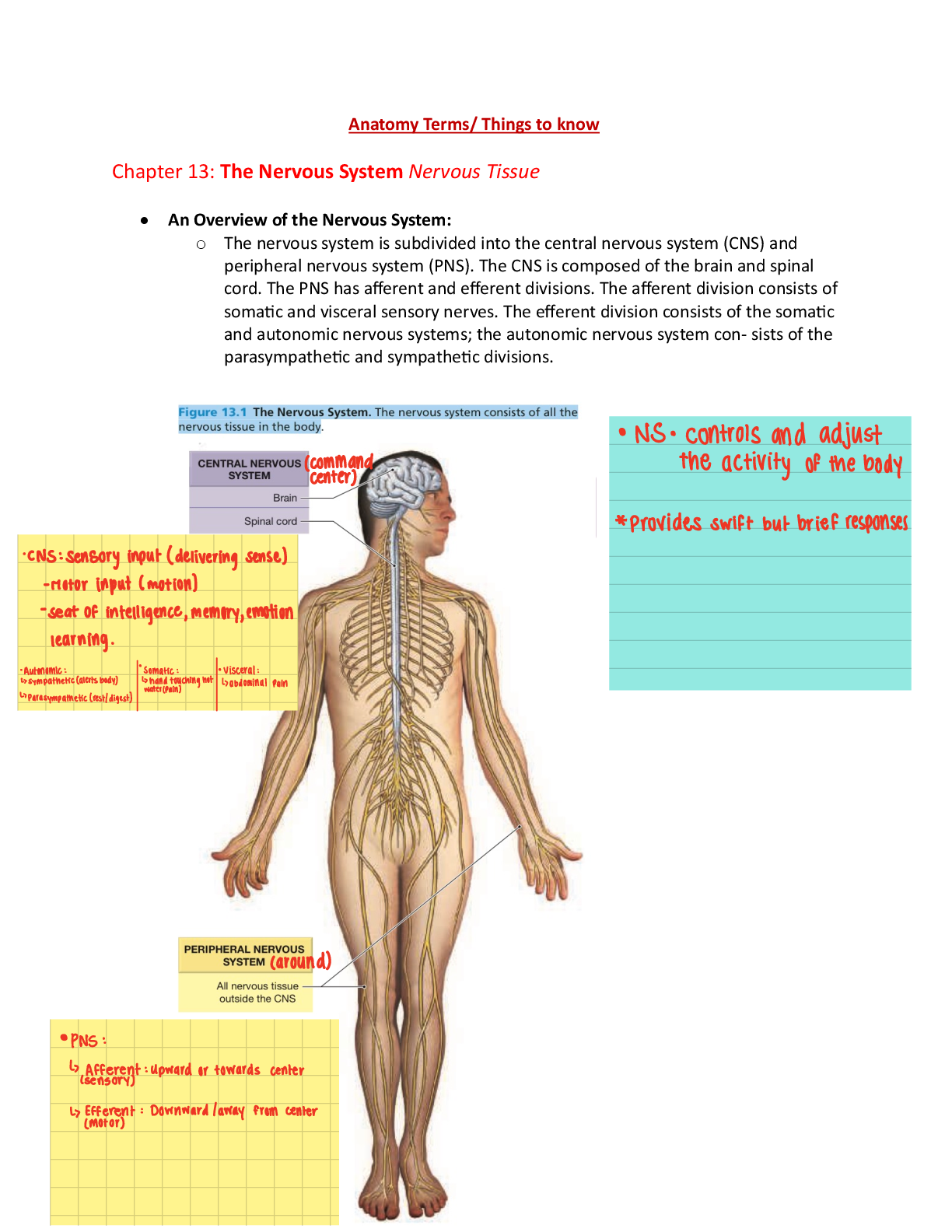
Anatomy Notes Test 3 (Ch.13-18) | Complete Solutions, Winter 2...
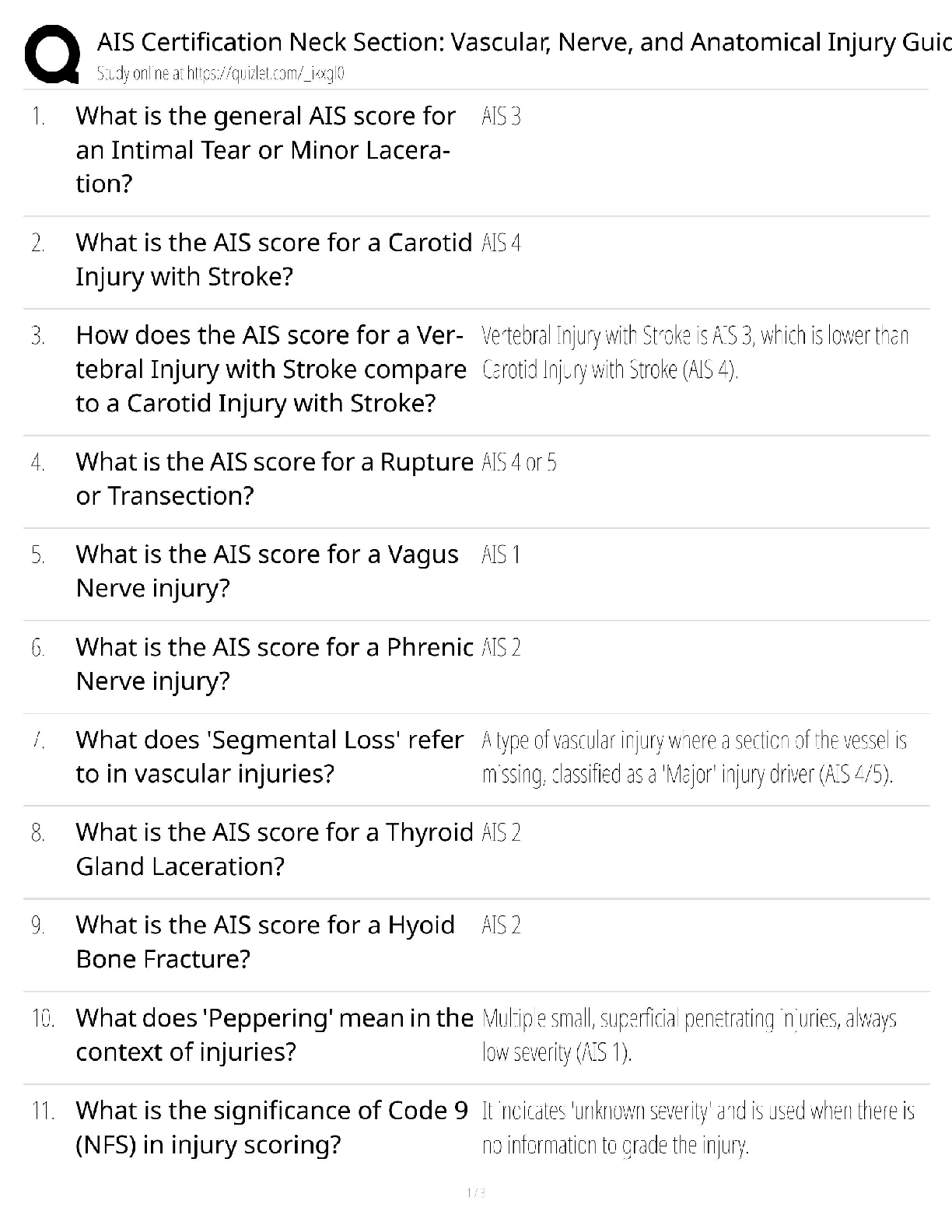
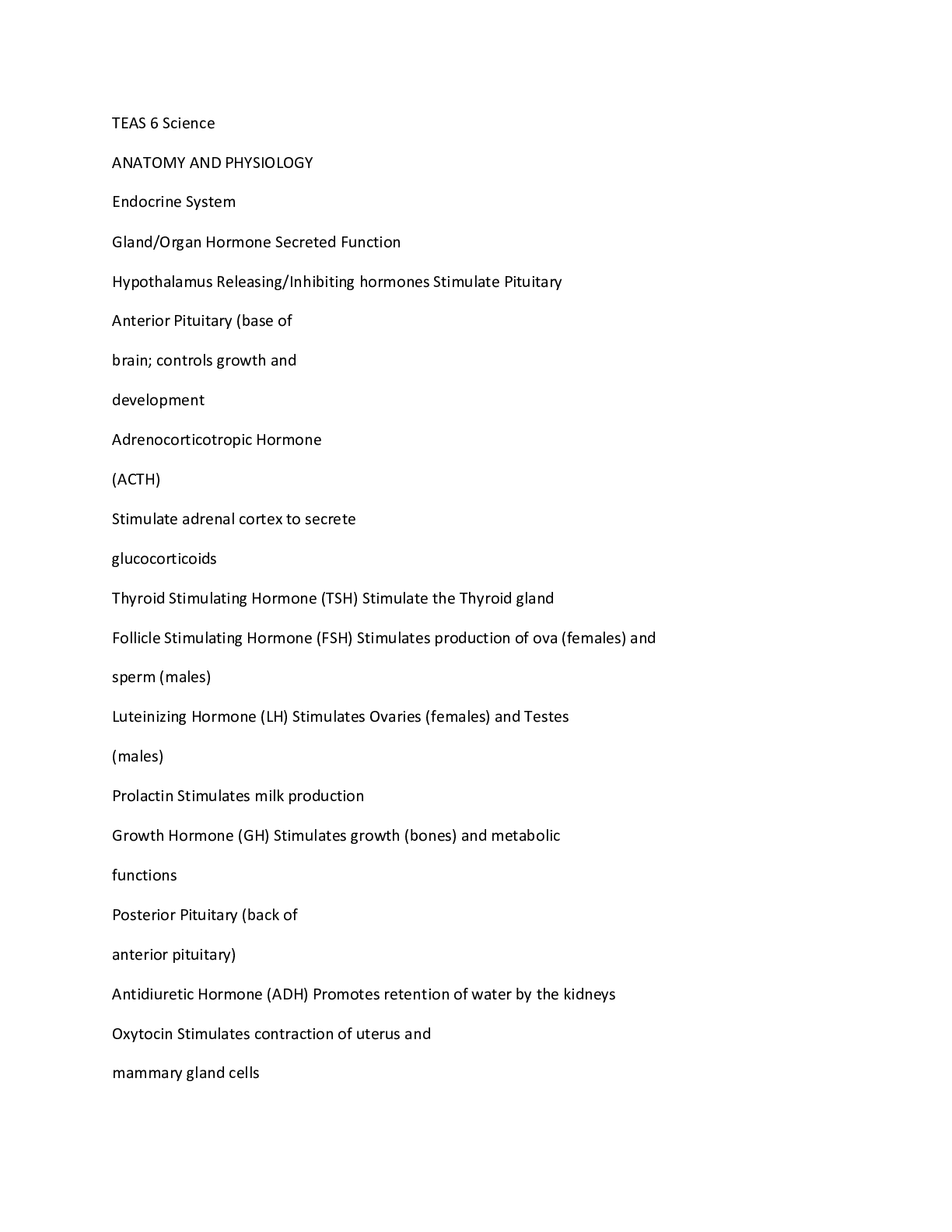
.png)


.png)

 (1).png)
.png)
.png)