Pharmacology > STUDY GUIDE > Pharmacology Proctored ATI Study Guide _ NURSING 101 (All)
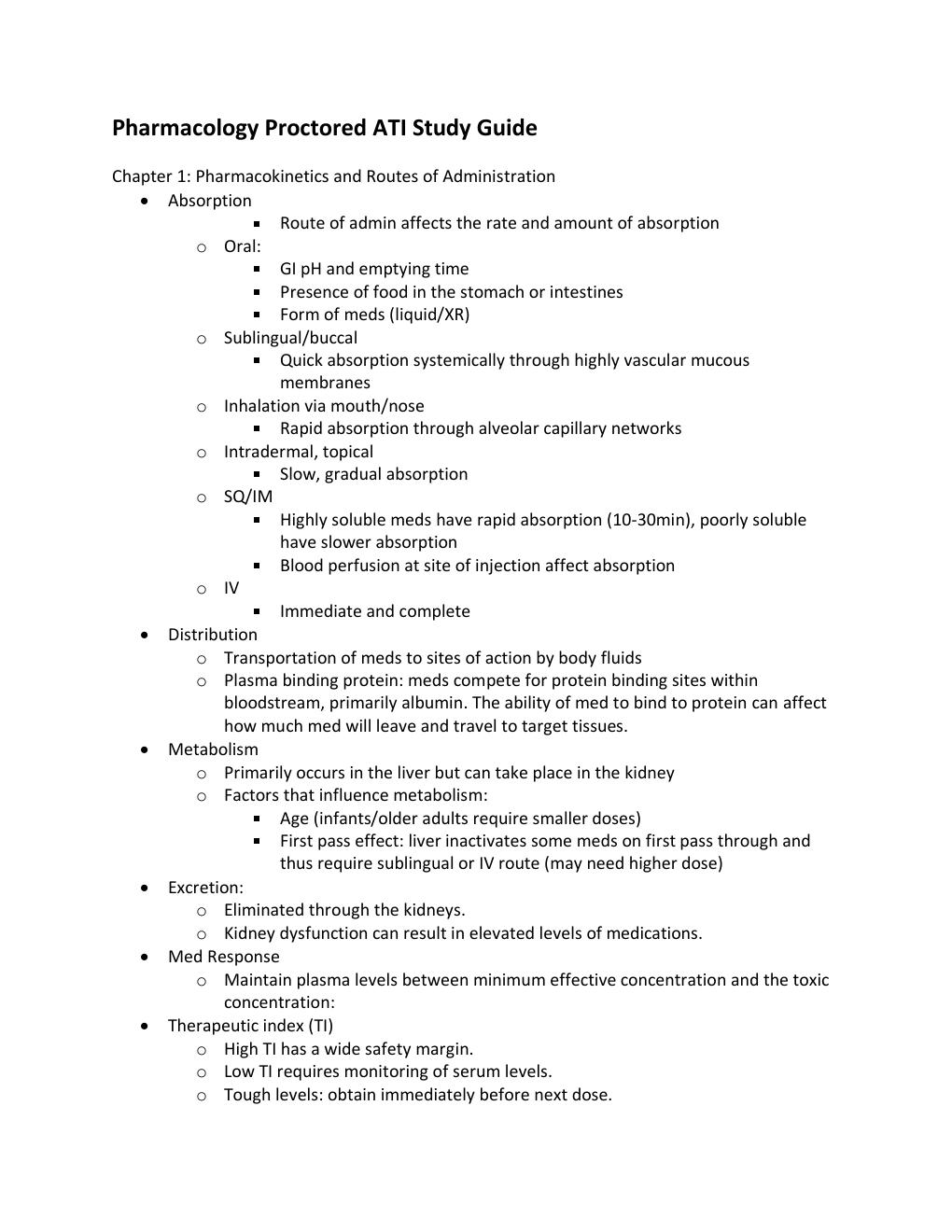
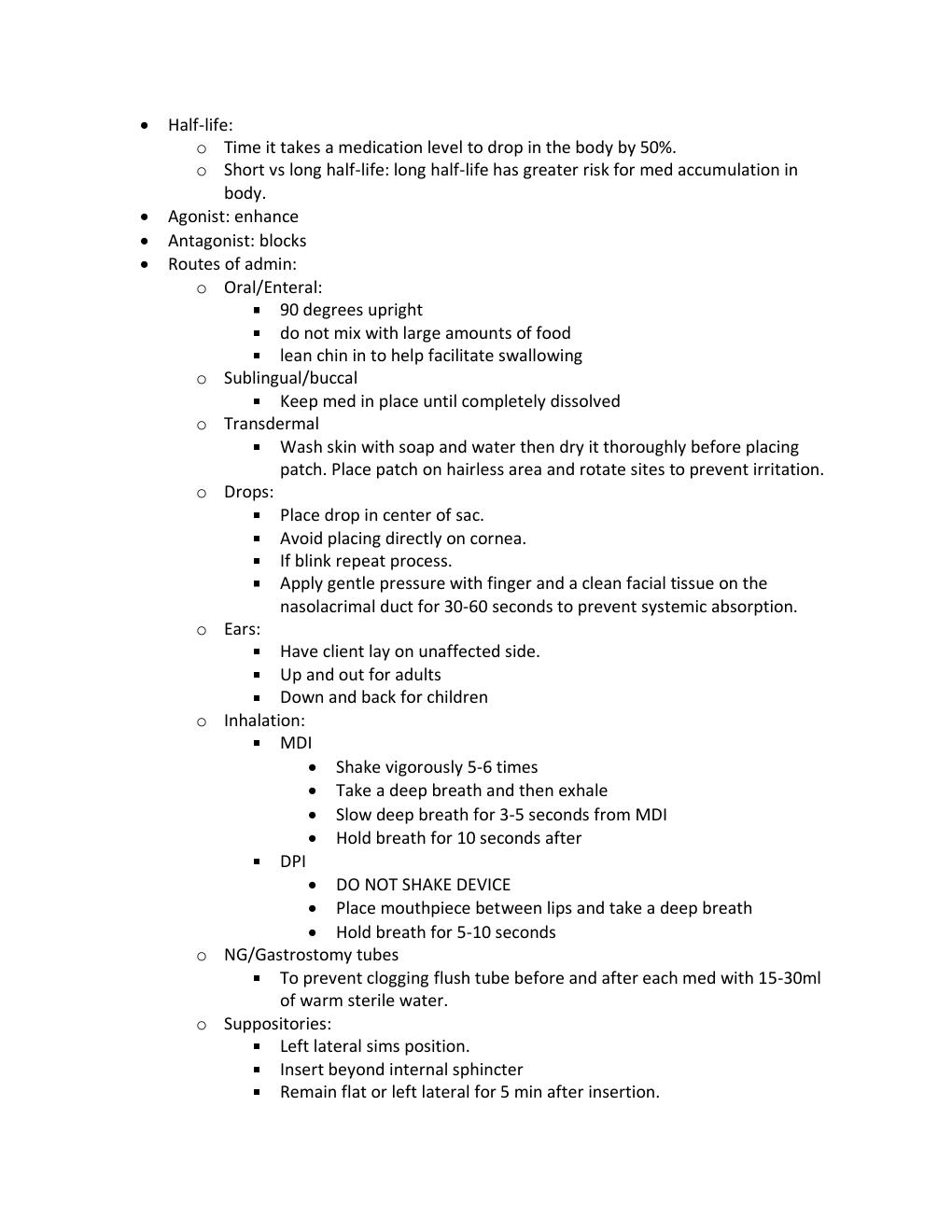
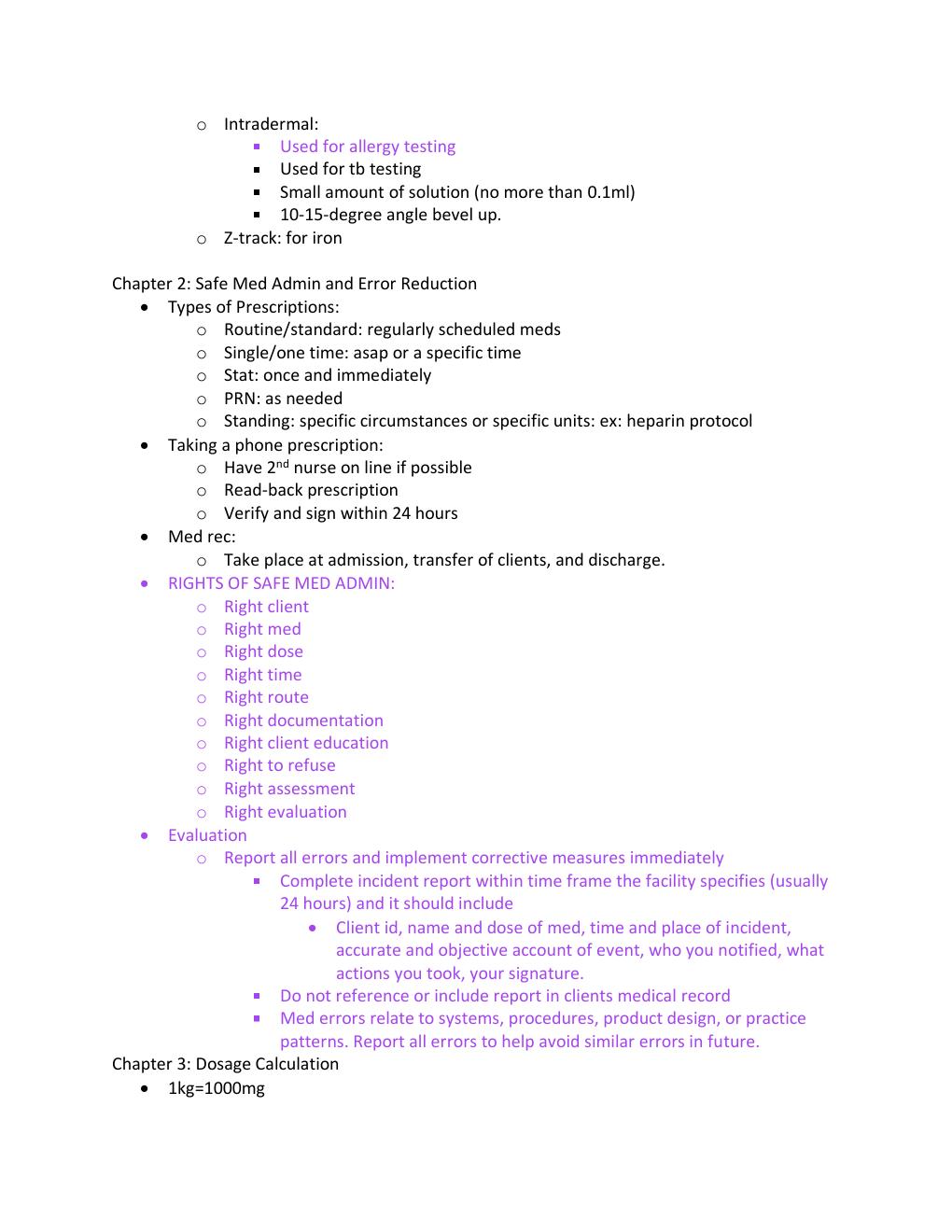
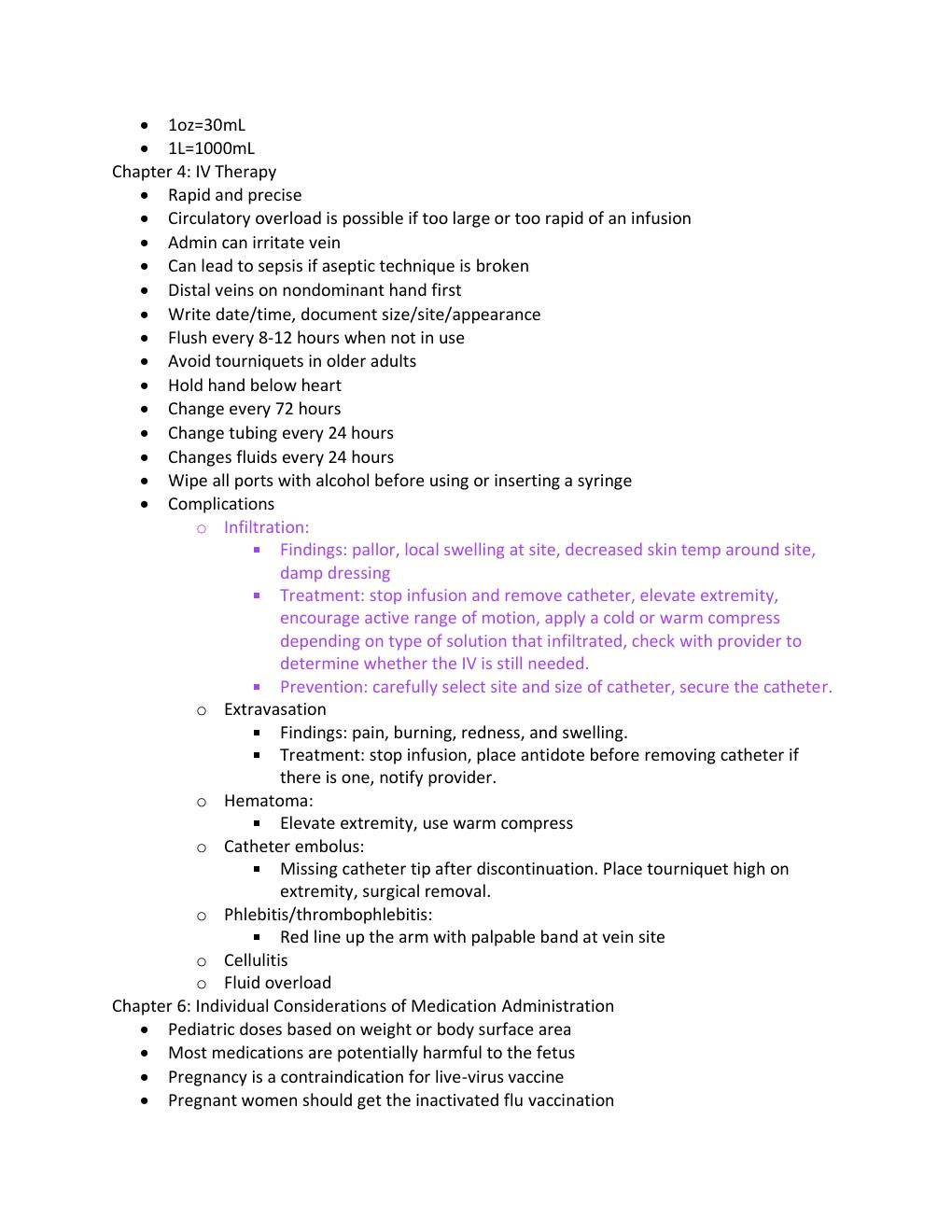
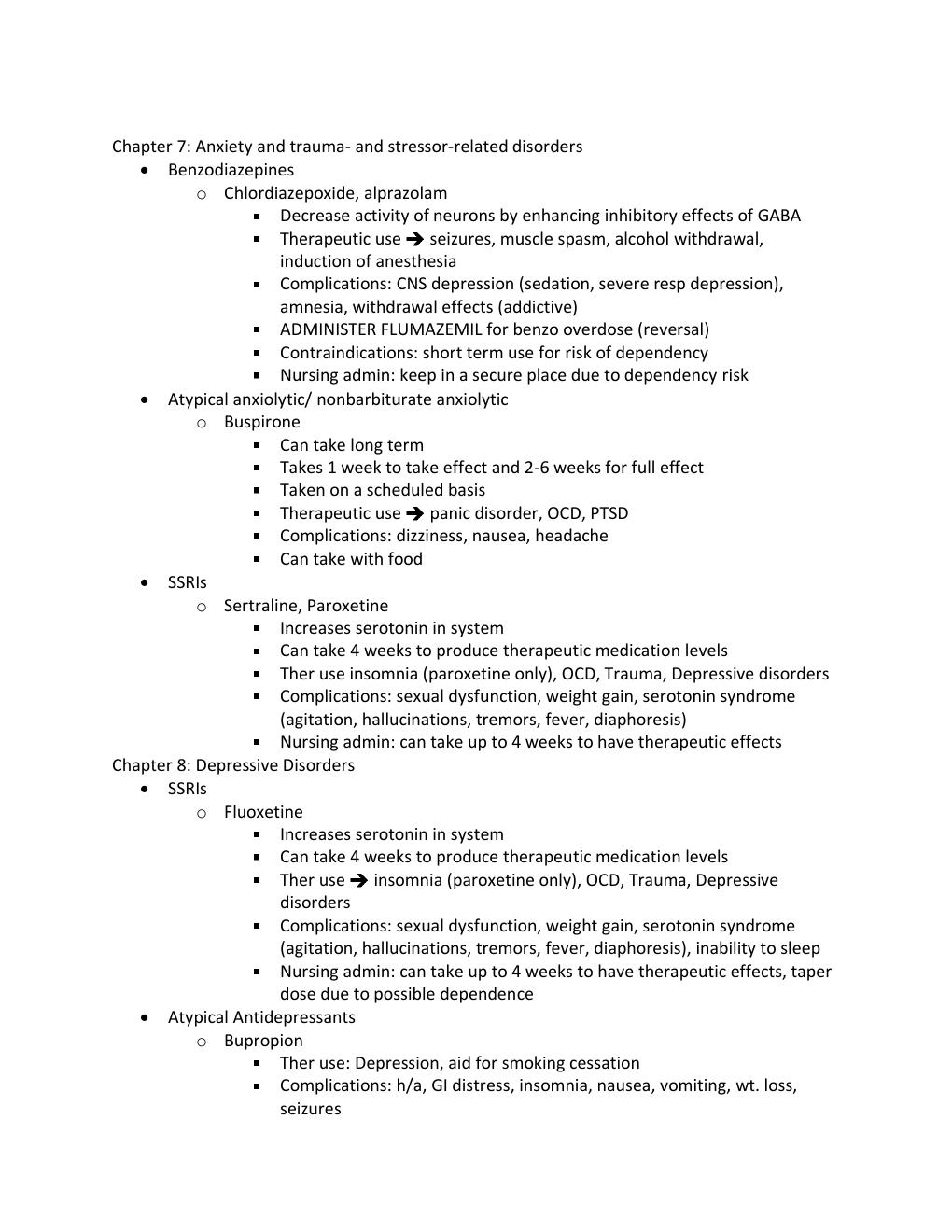
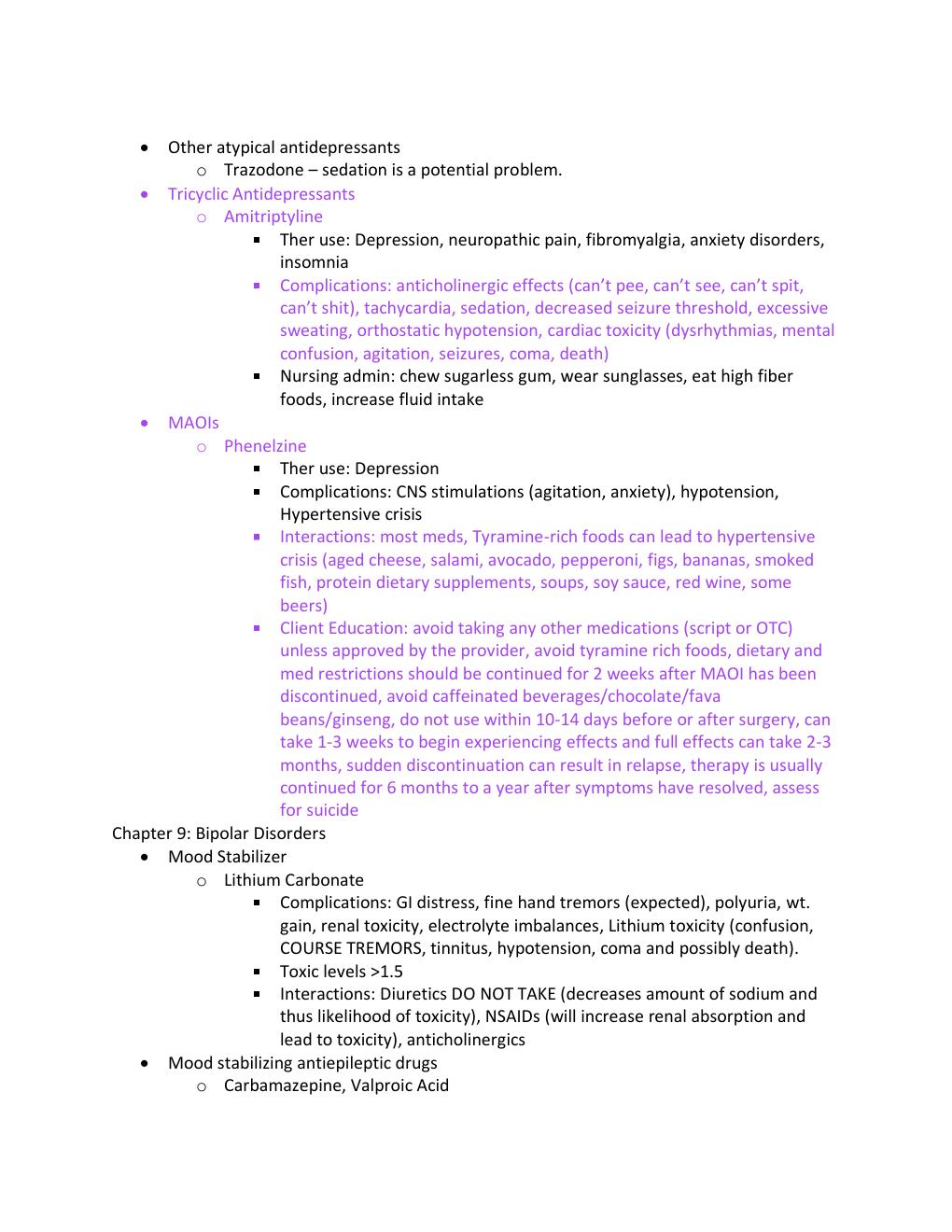
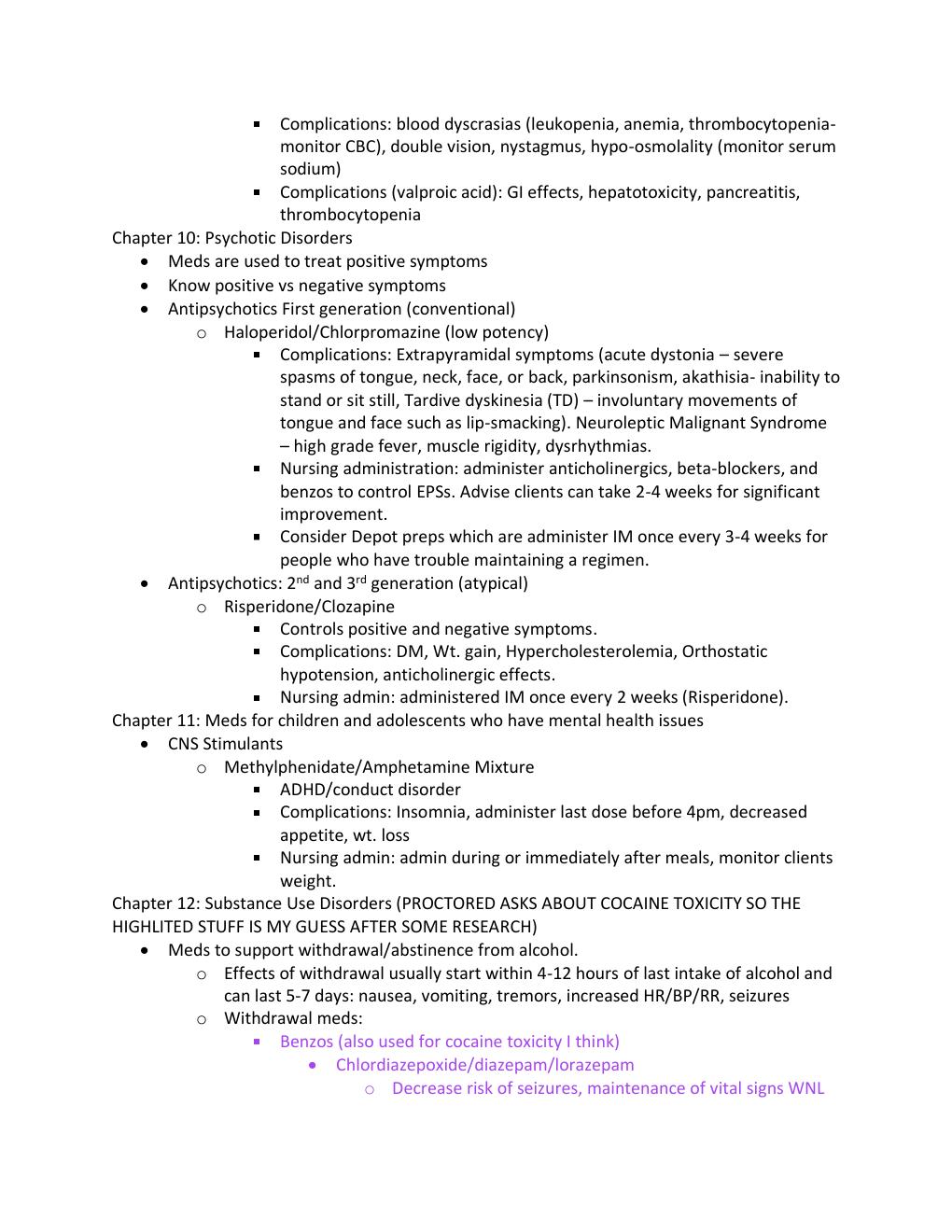
Pharmacology Proctored ATI Study Guide _ NURSING 101
Document Content and Description Below
Last updated: 1 month ago
Preview 7 out of 37 pages
Instant download
Buy this Document to get the Full Access Instantly
Provided by Students Who Aced it
We Verify Document Content to Gurantee Accuracy
Associated Textbook
Reviews( 0 )
Document information
Connected school, study & course
About the document
Uploaded On
Dec 31, 2020
Number of pages
37
Written in
All

Additional information
This document has been written for:
Uploaded
Dec 31, 2020
Downloads
0
Views
171
Topic Tags
Recommended For You
Get more on STUDY GUIDE »
NURSING 101Pharmacology Proctored ATI Study Guide.BEST REVISIO...

NURSING 101 NCLEX-RN Practice Test Questions With Rationales/R...


TestBank-Perry-Maternal-Child-Nursing-Care-6th-2017 Lehman Col...

Nursing 101 Nursing Leadership and Management Test bank
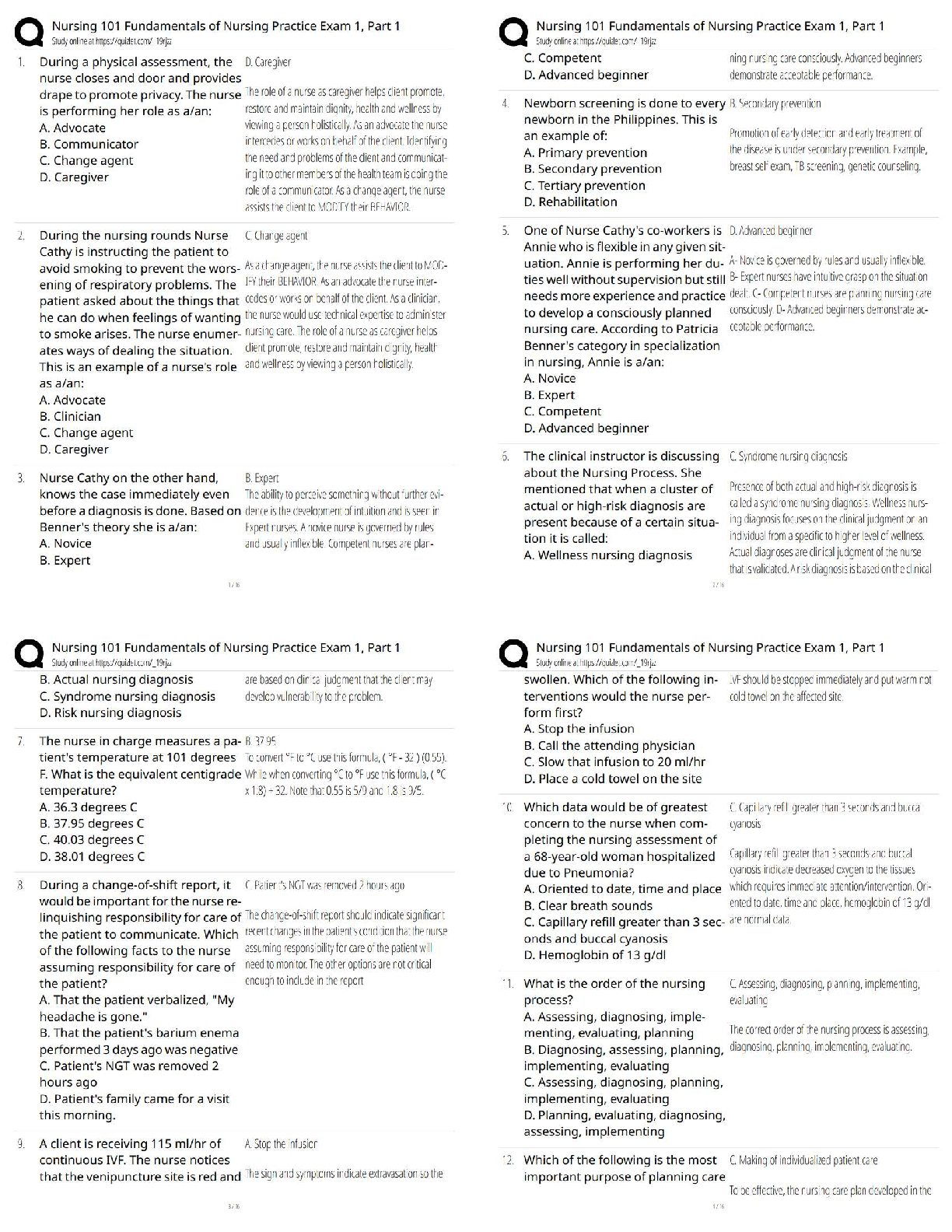
Nursing 101 Fundamentals of Nursing Practice Exam 1 Part 1 /...
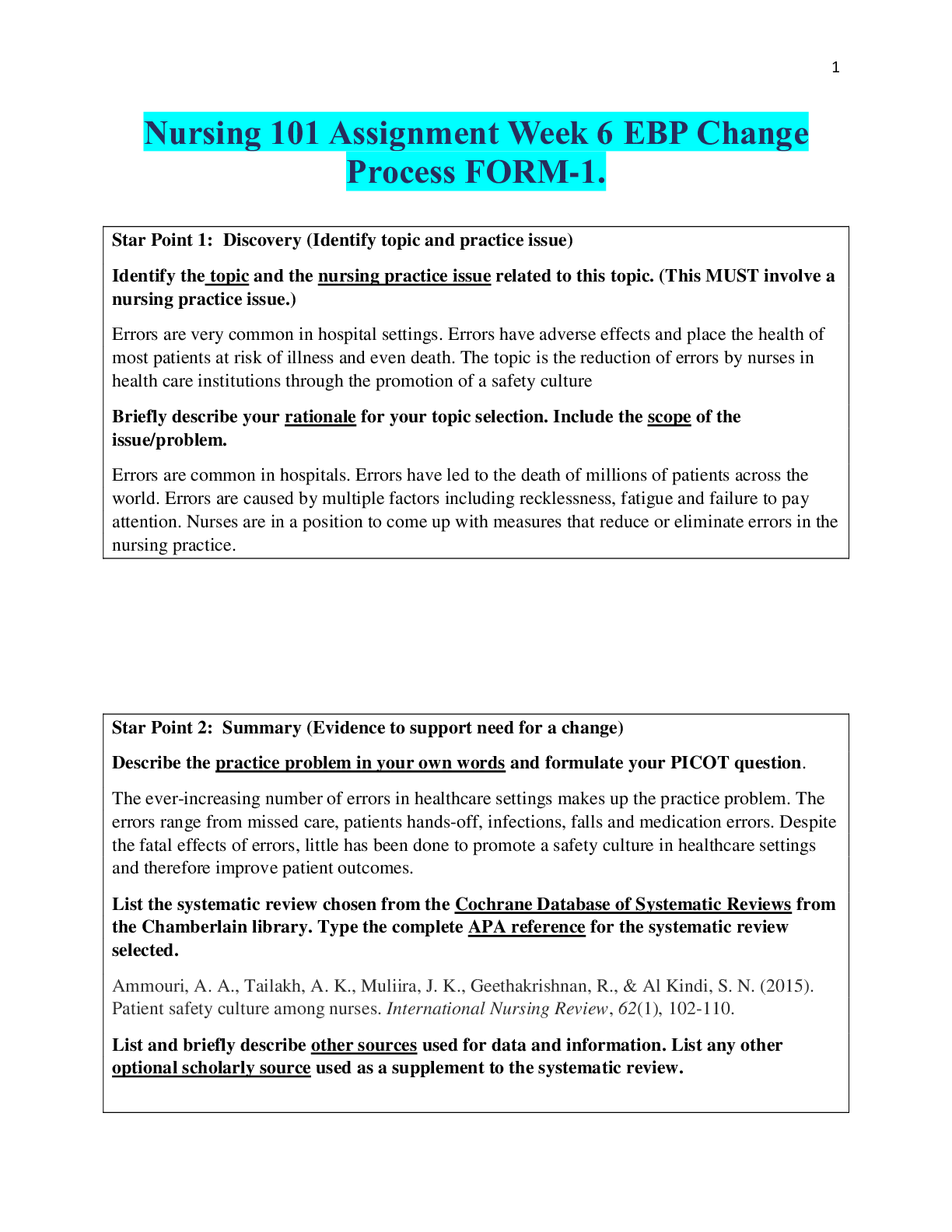

VATI Pharmacology Remediation|complete latest solution guide;...
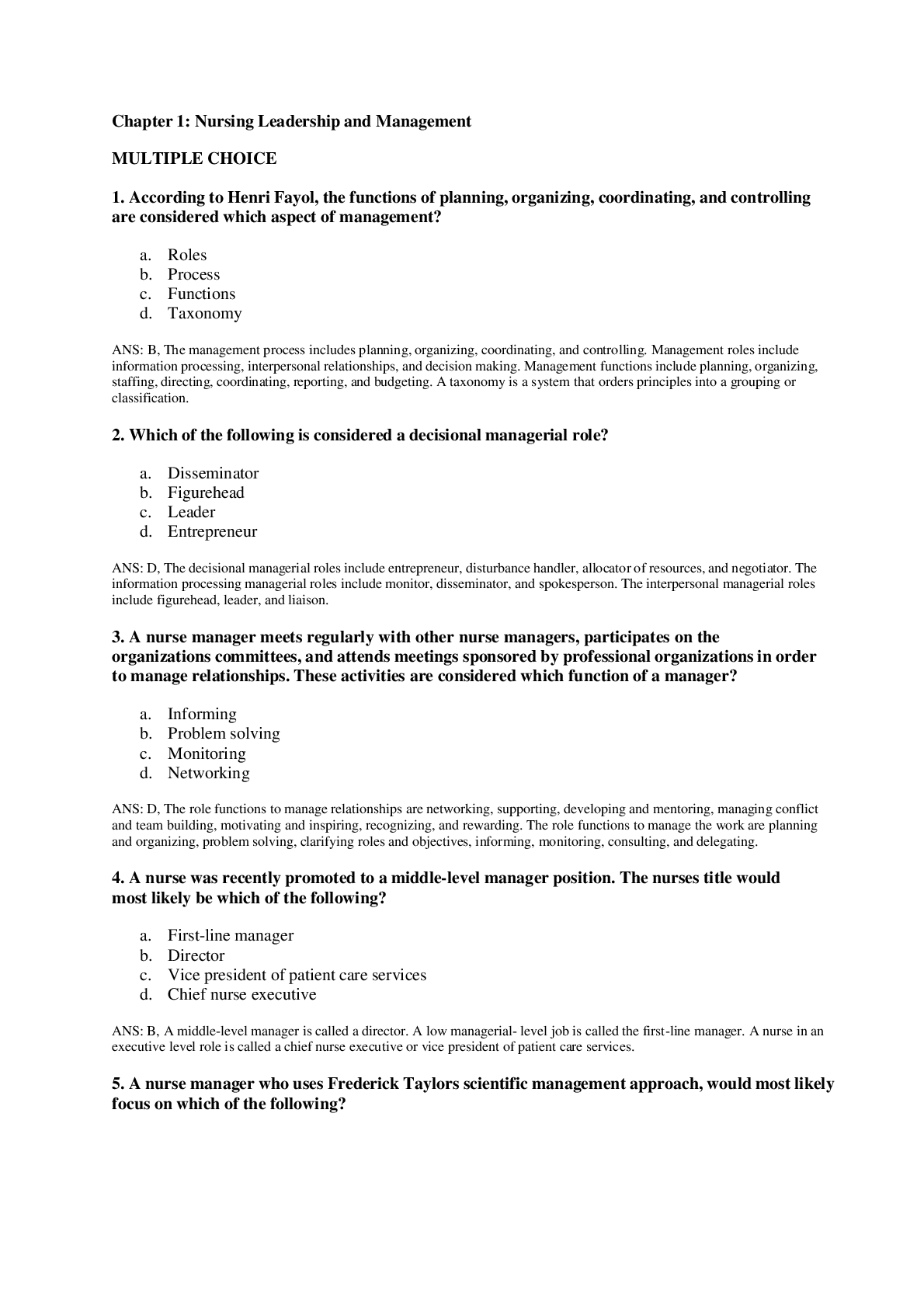
Chamberlain College of Nursing>Essentials of Nursing Leadershi...
NURSING 101 TEST BANK Perry-Maternal-Child-Nursing-Care 6TH ED...

NURS 101 / Nursing 101 / NUR 101 - ATI Proctored Med Surg Focu...
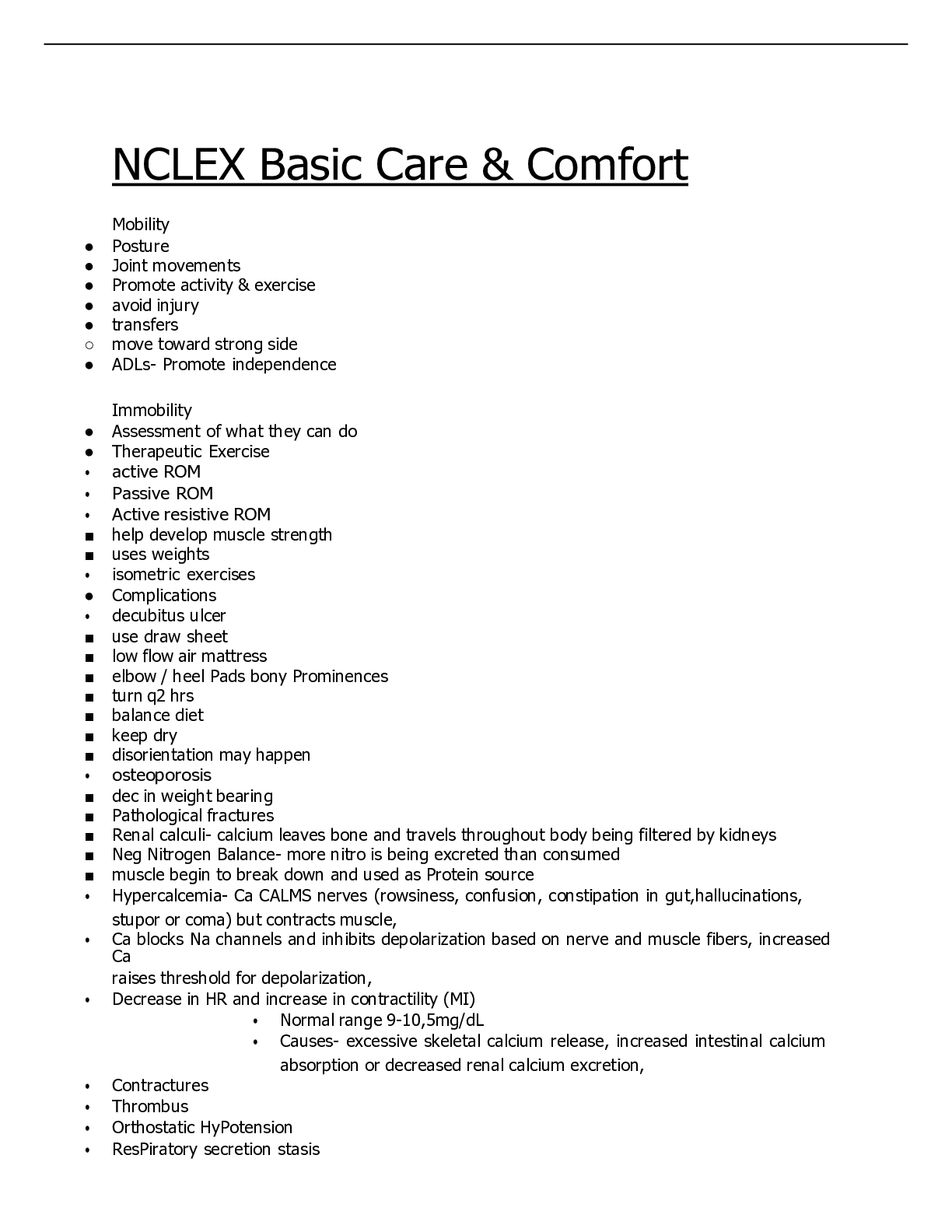
.png)
Bryant & Stratton College NURSING 101 ATI Comprehensive Practi...
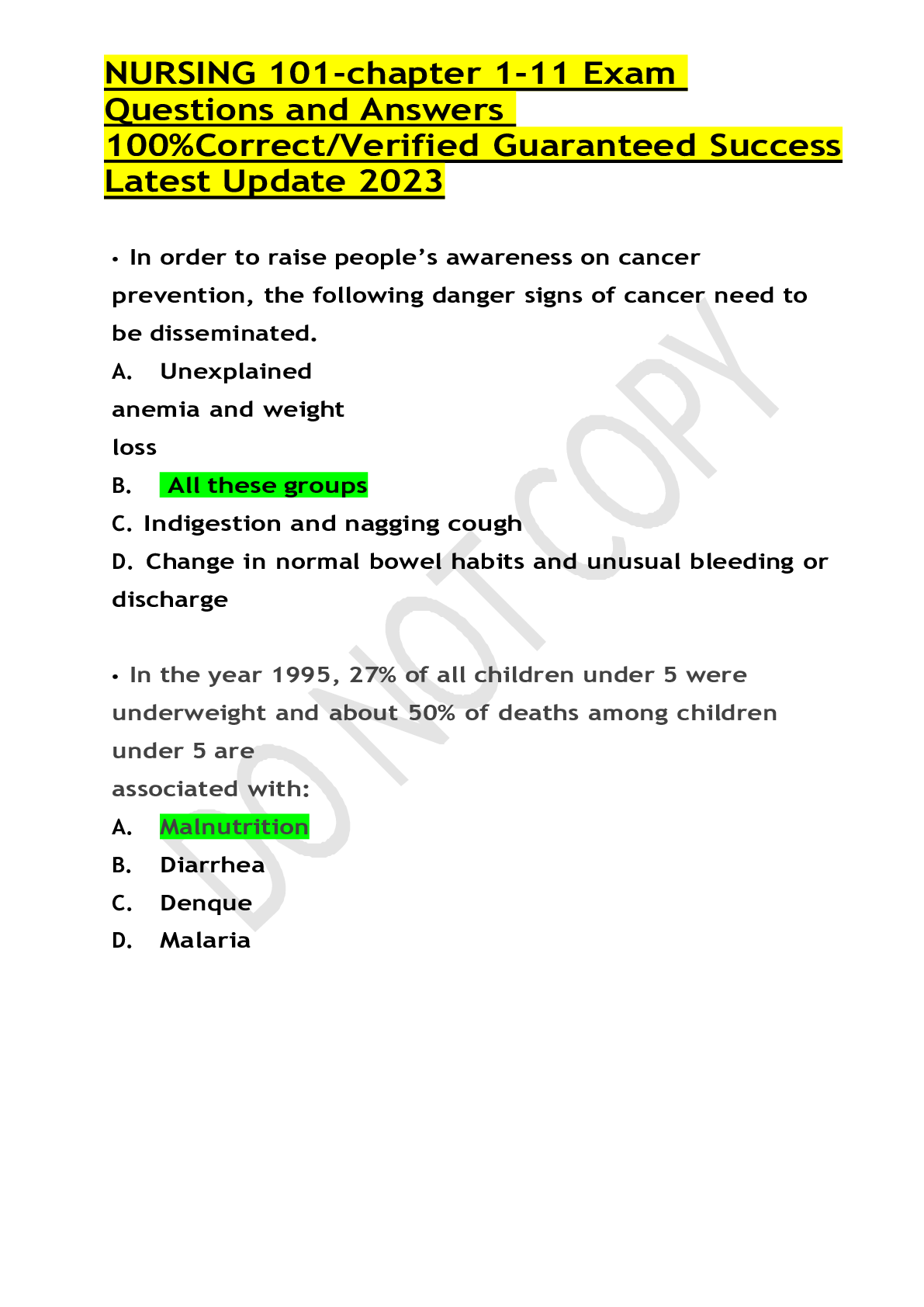
NURSING 101-chapter 1-11 Exam Questions and Answers 100%Correc...
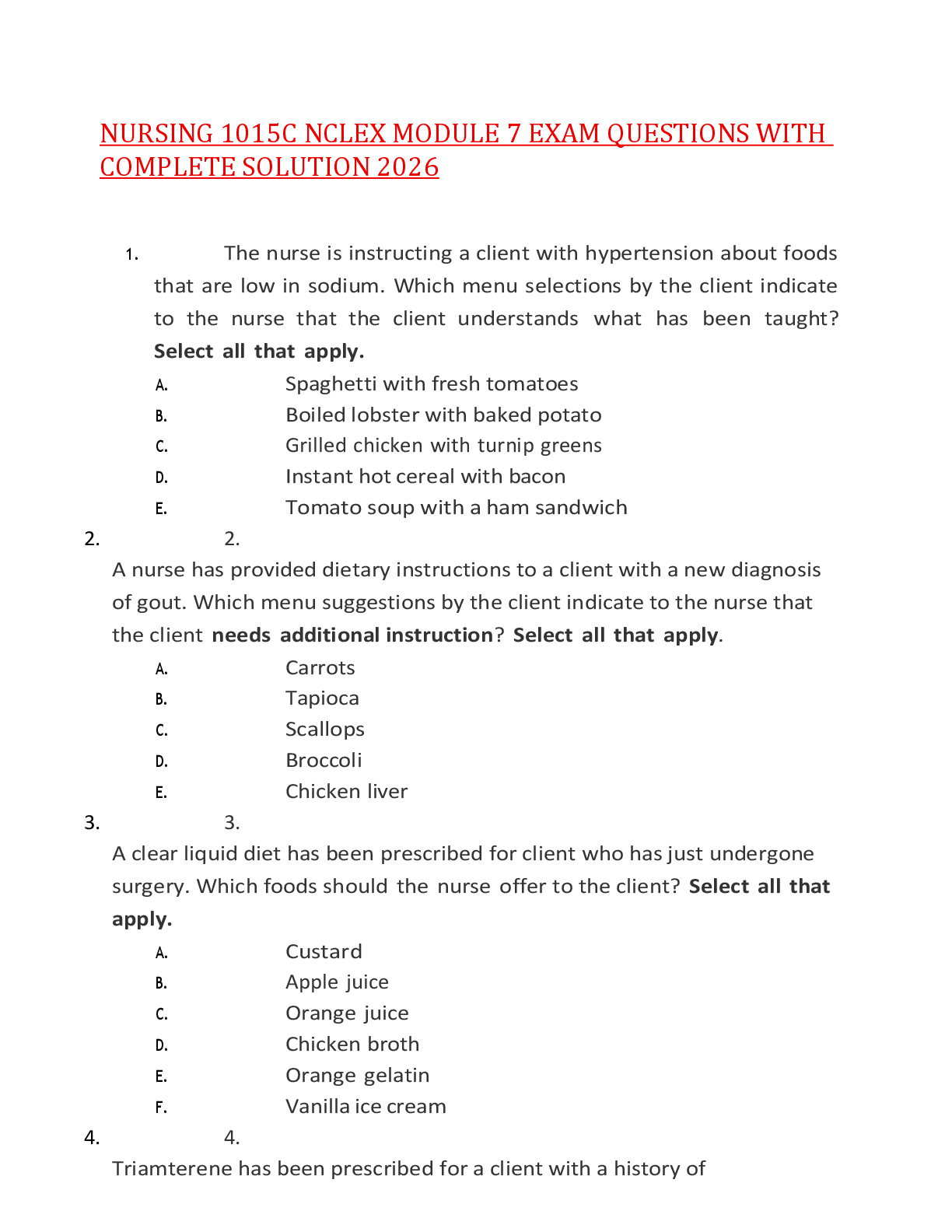
NURSING 1015C NCLEX MODULE 7 EXAM QUESTIONS WITH COMPLETE SOLU...
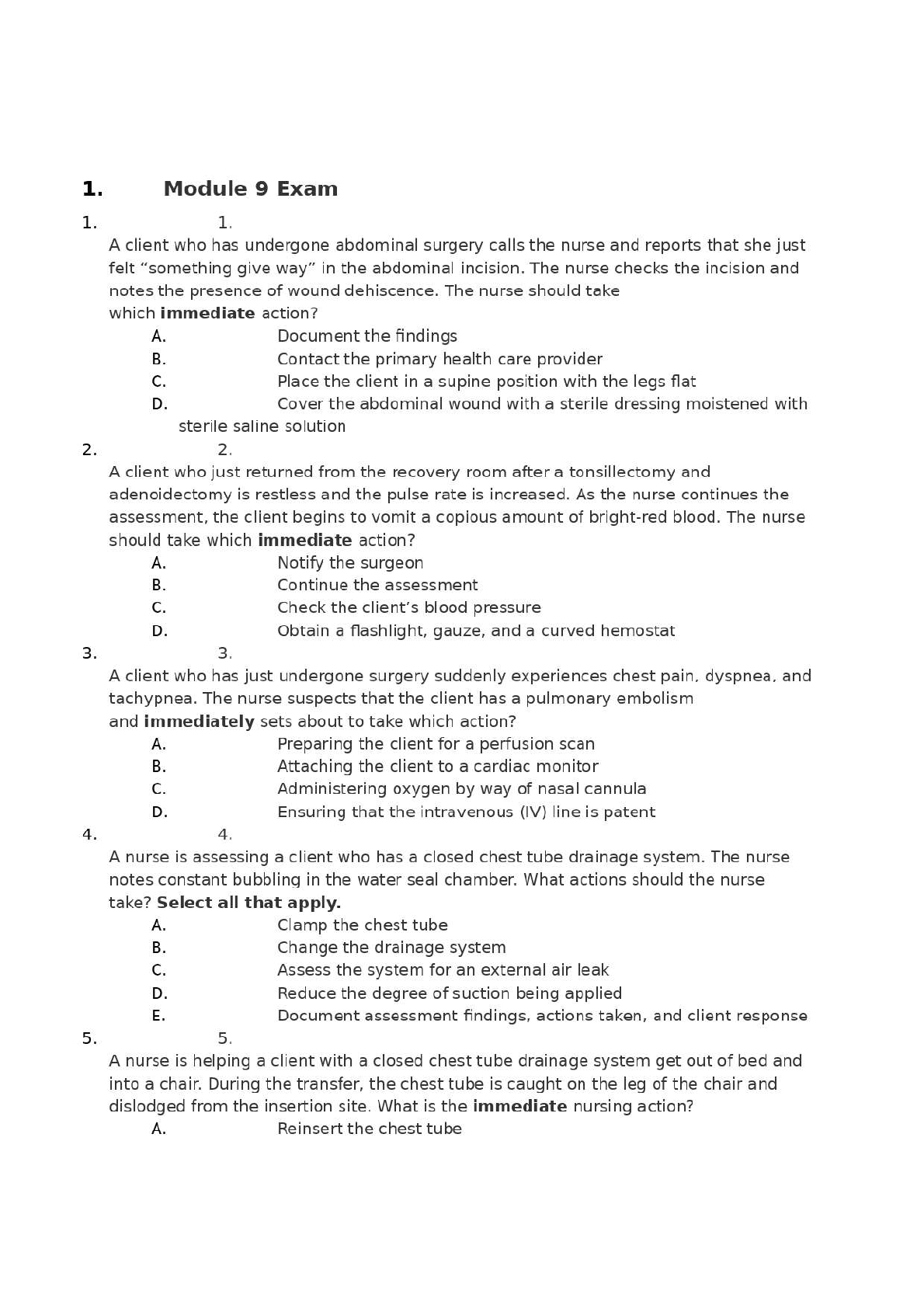
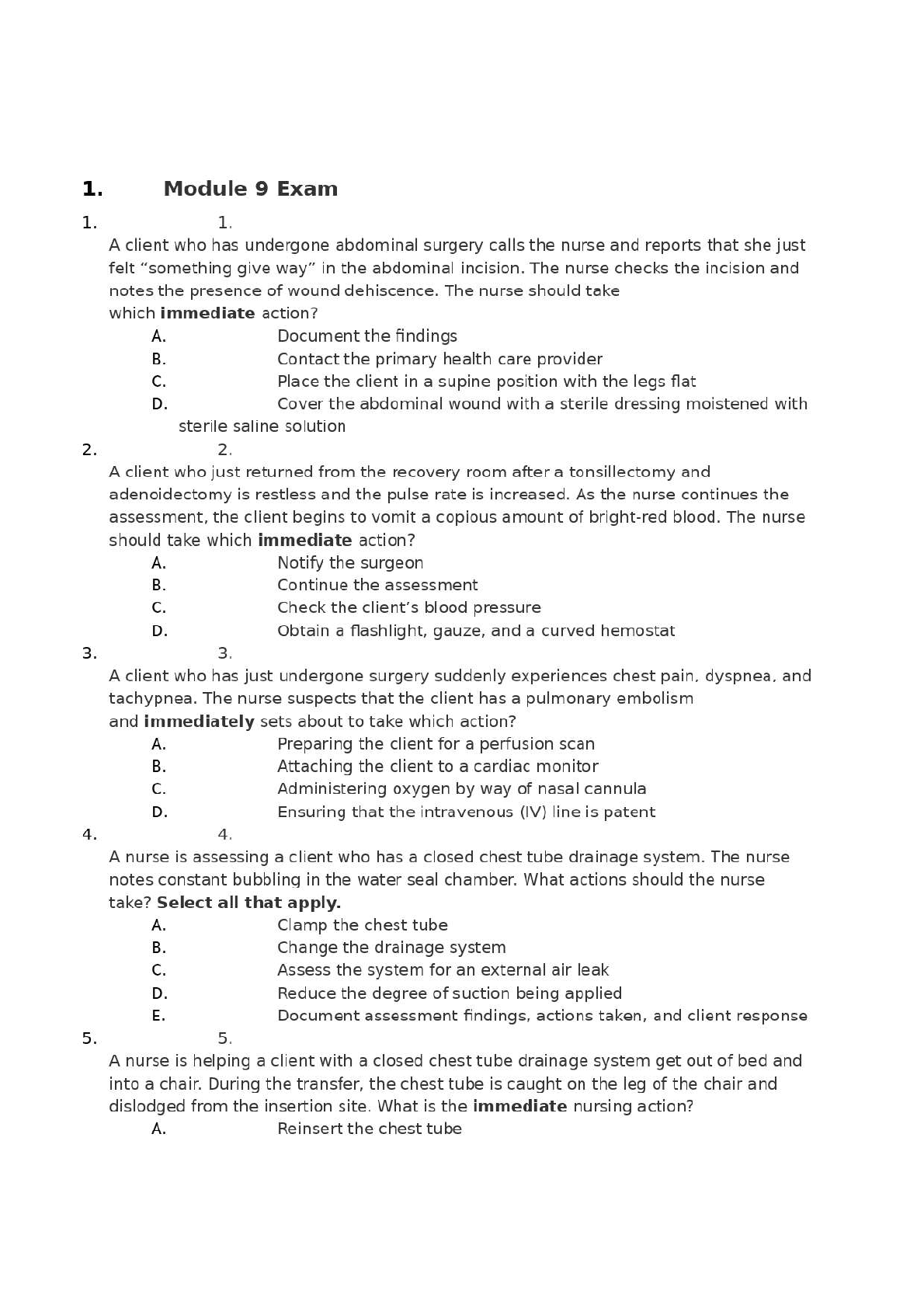
NURSING 1015C NCLEX MODULE 9 EXAM QUESTIONS WITH VERIFIED ANSW...
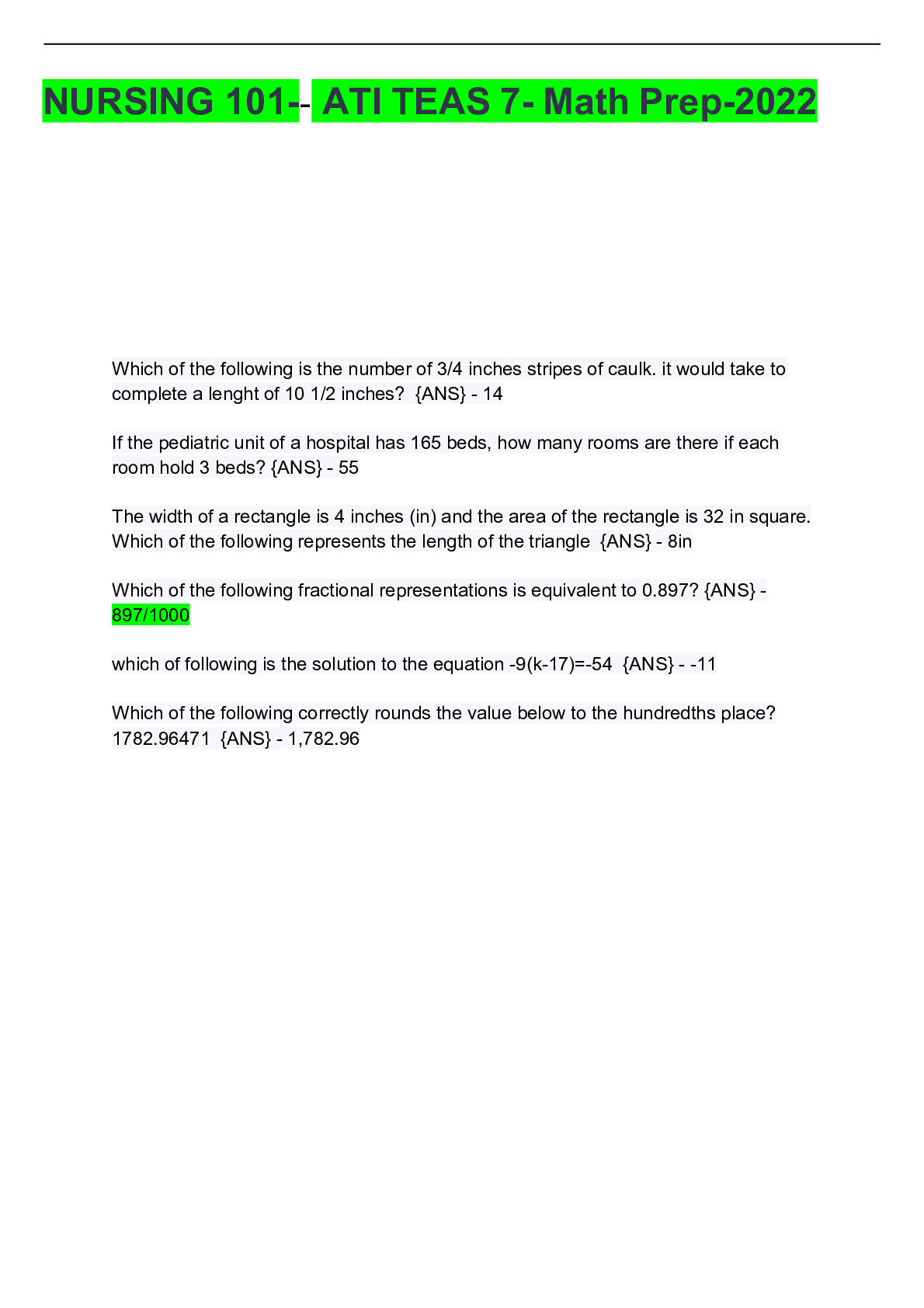
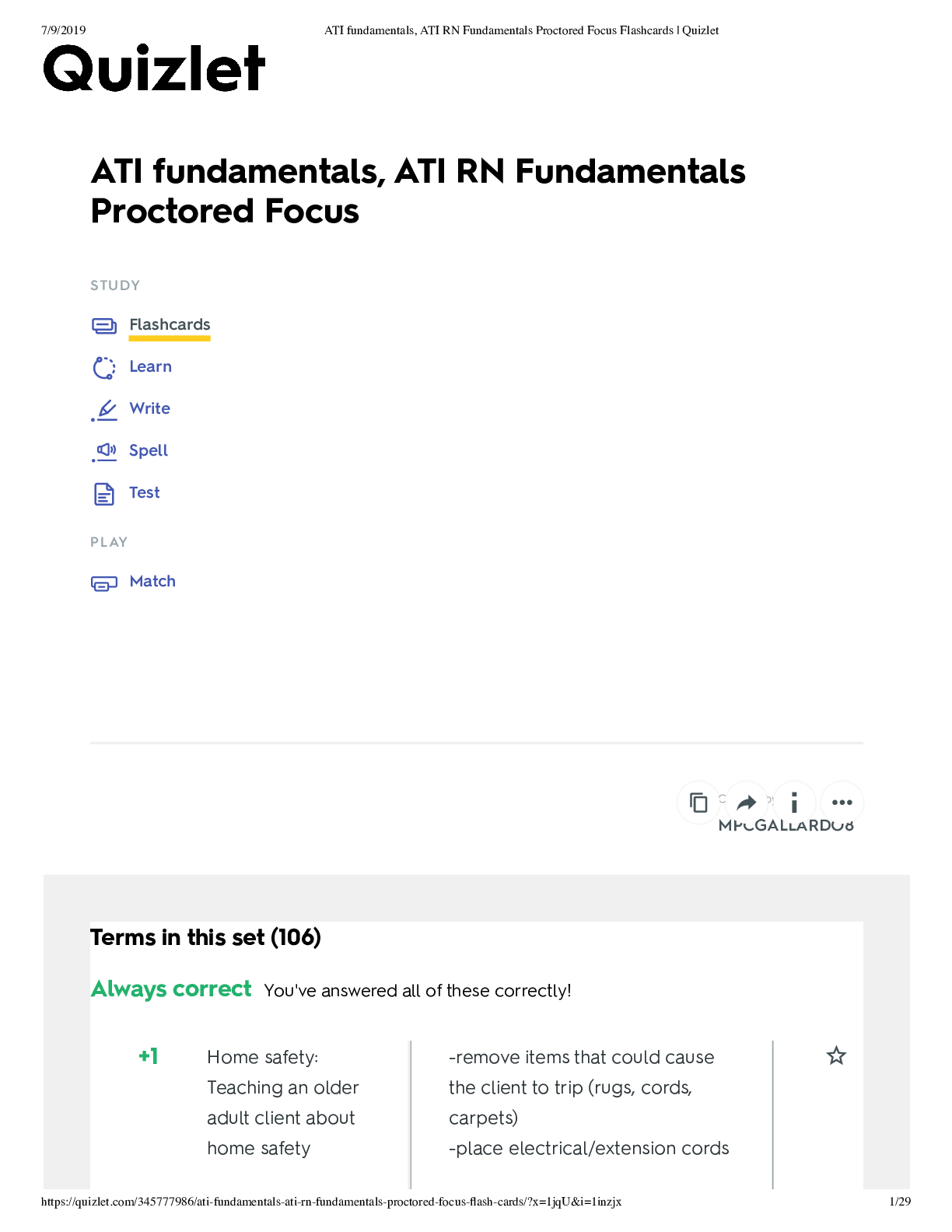
NURSING 101 ATI fundamentals, ATI RN doyin Fundamentals Procto...

 Rasmussen College.png)