NSG 6005 Final Exam Review
Patients with allergic rhinitis may benefit from a prescription of:
1. Fluticasone (Flonase)
2. Cetirizine (Zyrtec)
3. OTC cromolyn nasal spray (Nasalcrom)
4. Any of the above
Decon
...
NSG 6005 Final Exam Review
Patients with allergic rhinitis may benefit from a prescription of:
1. Fluticasone (Flonase)
2. Cetirizine (Zyrtec)
3. OTC cromolyn nasal spray (Nasalcrom)
4. Any of the above
Decongestants such as pseudoephedrine (Sudafed):
1. Are Schedule III drugs in all states
2. Should not be prescribed or recommended for children under 4 years of age
3. Are effective in treating the congestion children experience with the common cold
4. May cause drowsiness in patients of all ages
What drug therapy could a provider select to administer to a client seeking treatment for rhinosinusitis?
chloride channel activators
nitrofurantoin
antimotility agents
amoxicillin
Allergic Rhinitis – corticosteroids are used to e manage seasonal or perennial allergies; used intranasal 1-2 times daily; Decongestants are used for allergic rhinitis
Second-generation antihistamines such as loratadine (Claritin) are prescribed for seasonal allergies because they:
A. Are more effective than first-generation antihistamines
B. Are less sedating than first-generation antihistamines
C. Are prescription products and, therefore, are covered by insurance
D. Can be taken with CNS sedatives, such as alcohol
B. Are less sedating than first-generation antihistamines
Patients with allergic rhinitis may benefit from a prescription of:
• Fluticasone (Flonase)
• Cetirizine (Zyrtec)
• OTC cromolyn nasal spray (Nasalcrom)
• All of the above
Nonpharmacological therapy includes increasing fluid intake, using nonmedicated cough drops, nasal saline spray/drops to decrease viscosity of nasal secretions, and rest.
Anorexia is often associated with the common cold and fluids may need to be forced to maintain hydration.
Infants who are congested cannot breathe and feed at the same time causing fluid intake to be inadequate. Nasal suctioning may be required to clear secretions.
Oral decongestants are used for the temporary relief of nasal congestion from the common cold, sinus infections, and allergic rhinitis. They may be used to promote nasal or sinus drainage and are also indicated in the relief of eustachian tube congestion.
Pseudoephedrine for those over 4 y/o
Viral URI (the common cold) are self-limiting and require no treatment, the goal is relieving irritating symptoms, specifically nasal congestion.
ANTIBIOTICS HAVE NO PLACE IN THE TREATMENT OF VIRAL URIs. They can cause antimicrobial resistances to secondary bacterial infections.
Antihistamines have not been shown to change the course of the common cold. But many OTC medications contain antihistamines, most likely for their “drying out” effect.
Decongestants are the mainstay treatment for the common cold (systemic or topical).
Tylenol/Ibuprofen/ASA can be given for fever and malaise.
Topical decongestants are safe for 3 consecutive days of use.
Topical decongestants adverse effects – transient stinging, burning, sneezing, dryness, local irritation, rebound congestion with prolonged use.
Topical decongestants can symptomatically relieve nasal congestion and relieve ear blockage and pressure pain.
Topical decongestant adverse reactions – insomnia, dizziness, weakness, tremor, or irregular heartbeat.
Topical decongestant meds – Afrin, phenylephrine, oxylmetazoline, Neo-Synephrine
Theophylline – a bronchodilator that can affect the blood pressure
Monitor decongestant use in cardiac patients as they can increase hypertension from the added vasoconstriction.
A diabetic client with high blood pressure and a pacemaker is seeking relief from excess mucous production due to the common cold. Why would a provider not recommend decongestants to this client?
The risk for contraindications is high.
The risk for poor metabolism of the drug is high.
The efficacy of the drug will be low due to the client’s other health conditions.
The risk for urinary incontinence is high.
Older adults are more likely to have adverse reactions from decongestants.
Common complications for URIs – Sinusitis, otitis media, asthma exacerbation
Echinacea is widely used in Europe, and increasing use in the US, for prevention of the common cold and flu and is considered an herbal remedy.
How can a provider assess airflow limitation?
By examining the natural expiratory volume and total volume of exhaled air and their difference
By examining the forced expiratory volume and total volume of exhaled air and their ratio
By examining the relaxed state of the expiratory volume and last recorded volume of exhaled air and their sum
By examining the elicited expiratory volume and limited volume of exhaled air and their quotient
Albuterol, beta agonists, is generally considered the first-choice medication for treatment of asthma.
Inhaled corticosteroids are recommended as first-line therapy for athletes who have persistent asthma to prevent worsening symptoms with exercise.
How is first-line treatment for COPD the same as for asthma?
Both diseases require maintenance therapies.
Both diseases are treated based on the number of hospitalizations.
Both diseases results from first- or second-hand smoking.
Both diseases are first always treated with short-acting muscarinic antagonists (SAMAs).
Mast cell stabilizer – cromolyn; works by inhibiting antigen-induced bronchospasm, blocks histamine release, stabilizes mast cells.
Monoclonal antibody binds to free IgE and prevents them from responding to relevant allergens
What is the desired mixed of T3 to T4 drug levels in newly diagnosed endocrine patients?
1. 99% of T3 and the rest is T4 to get rapid resolution.
2. Most needs to be T4 to mimic natural ratios of hormone.
3. The ratio is unimportant.
4. The mix needs to be 50-50 at first.
After starting a patient with Grave’s disease on an antithyroid agent such as methimazole, patient monitoring includes TSH and free T4 every:
1. 1 to 2 weeks
2. 3 to 4 weeks
3. 2 to 3 months
4. 6 to 9 months
Once a patient who is being treated for hypothyroidism returns to euthyroid with normal TSH levels, he or she should be monitored with TSH and free T4 levels every:
1. 2 weeks
2. 4 weeks
3. 2 months
4. 6 months
TSH levels determine hpyo- or hyperthyroidism. Level is between 0.5-5.0 mU/I. Therapeutic values are kept between 0.05 and 3.0 ideally. Screening values are considered acceptable up to 10.
When methimazole is started for hyperthyroidism it may take ________ to see a total reversal of hyperthyroid symptoms.
1. 2 to 4 weeks
2. 1 to 2 months
3. 3 to 4 months
4. 6 to 12 months
Hypothyroidism during pregnancy is safe to treat with thyroid replacement hormones, they are a Pregnancy Cat A drug, and may require higher doses due to increase metabolism.
What happens to the typical hormone replacement dose when a woman becomes pregnant?
1. Most women need less medication.
2. Most women do not require a dose change.
3. The average woman needs more medication during pregnancy.
4. The average woman needs more medication only if carrying multiples.
Which of the following is the mechanism of action of oral combined contraceptives that prevent pregnancy?
A. Estrogen prevents the LH surge necessary for ovulation.
B. Progestins thicken cervical mucous and slow tubal motility.
C. Estrogen thins the endometrium, making implantation difficult.
D. Progestin suppresses FSH release.
Progesterone-only pills are recommended for women who:
A. Are breastfeeding
B. Have a history of migraine
C. Have a medical history that contradicts the use of estrogen
D. All of the above
Trazodone can be used to treat insomnia but is not FDA approved and considered an Off-Label use.
Melatonin, mugwort, valerian, passionflower, and chamomile are common herbal remedies for insomnia.
Insomnia is one of the most frequently treated conditions with OTC medications.
3 Z-drugs for insomnia – Zolpidem, Zopiclone, Zaleplon – these are non-benzo
Antacids can increase fluid retention.
Treatment of Parkinson’s includes dopaminergics (amantadine, bromocriptine, levodopa, pramipexole, ropinirole).
Pentoxifylline interacts with Histamine 2 blockers and GLP-1/amylin agonists; it is a vasodilator and anti-inflammatory
• Rhinitis treatment
• Nonpharmacological treatment for common cold
• Treatment of URI’s
• Topical decongestants
• Decongestants related to ventilation
• Decongestants related to hypertension
• Side effects of respiratory medications
• URI’s in the elderly
• Prevention of the cold and flu
• Antibiotic response related to common cold
• Assessment of airflow
• Treatments for asthma
• First line medication for asthma
• Mast cell stabilizers
• Monoclonal antibodies related to asthma
• Treatment for COPD
• COPD non pharmacological vs pharmacological treatment
• T3 and T4 levels
• TSH lab values
• Hormone replacement in pregnancy
• Hypotensive agents
• Vasodilating agents
• Antilipemic agents
• Statin effectiveness
• Ezetimibe effectiveness
• Niacin effectiveness
• Fibrate effectiveness
• Similarities of clonidine and guanfacine
• Hypertension medication in pregnancy
• How do Beta1 blockers affect the heart
• Beta-adrenergic blockers related to heart failure
• Commonalities of prazosin, terazosin, doxazosin
• Amlodipine vs Nifedipine
• Calcium channel antagonists of DHP vs. NDHP
• Cautions when using NDHP
• Hypertension treatment
• Use of calcium containing antacids
• Antacids related to fluid retention
• Strep throat related to treatment and diarrhea
• IBS related to diarrhea
• Diarrhea related to travel
• IBS treatment
• Inflammatory bowel disease treatment
• Tx of Alzheimer’s Disease
• Tx of Parkinson’s Disease
• Tx of Major Depression
• Tx for anxiety
• Tx for insomnia
• Tx for PTSD
• Z-drugs for insomnia
• Clinical judgement in prescribing
• Reducing costs of medications
• Managed care organizations r/t health improvement
• Managed care organizations r/t quality of life
• Managed care organizations r/t to dollars per life-year saved
• Managed care organizations r/t concrete monetary end-point
• Managed care organizations r/t comparing drug benefits
• Cost effectiveness in prescribing
• Copays from state to state
• Review of drugs recently placed on the market
• Vital signs related to prescribing
• Pentoxifylline
• First vs second generation antihistamines
• Naproxen related to Rheumatoid arthritis
• Medications for muscle spasms
• Prevention of osteoporosis
• Alendronate
• Treatment of acute pain
• Pain related to different ages
• Acute vs chronic pain
• Diarrhea post hospitalization
• Antidiarrheal medications related to stool changes
• Activated charcoal
• Antibiotics related to antacids
• Probiotics
• Bismuth subsalicylate therapy
• Laser trabeculoplasty
• Antiglaucoma agents related to kidney stones
• Uses for ketotifen
• Treatment of Type II DM
• Tx hypothyroidism
• Tx of partial seizures
• Tx of narcolepsy
• Tx of ADHD
• Tx Schizophrenia
• Tx Bipolar disorder
• Penicillin and Cephalosporin cross sensitivity
• Tx for strep throat
• UTI treatment in pregnancy
• Side effects of amoxicillin
• Cephalosporins related to bacterial bronchitis
• Penicillin allergies
• Doxycycline use/avoidance in children
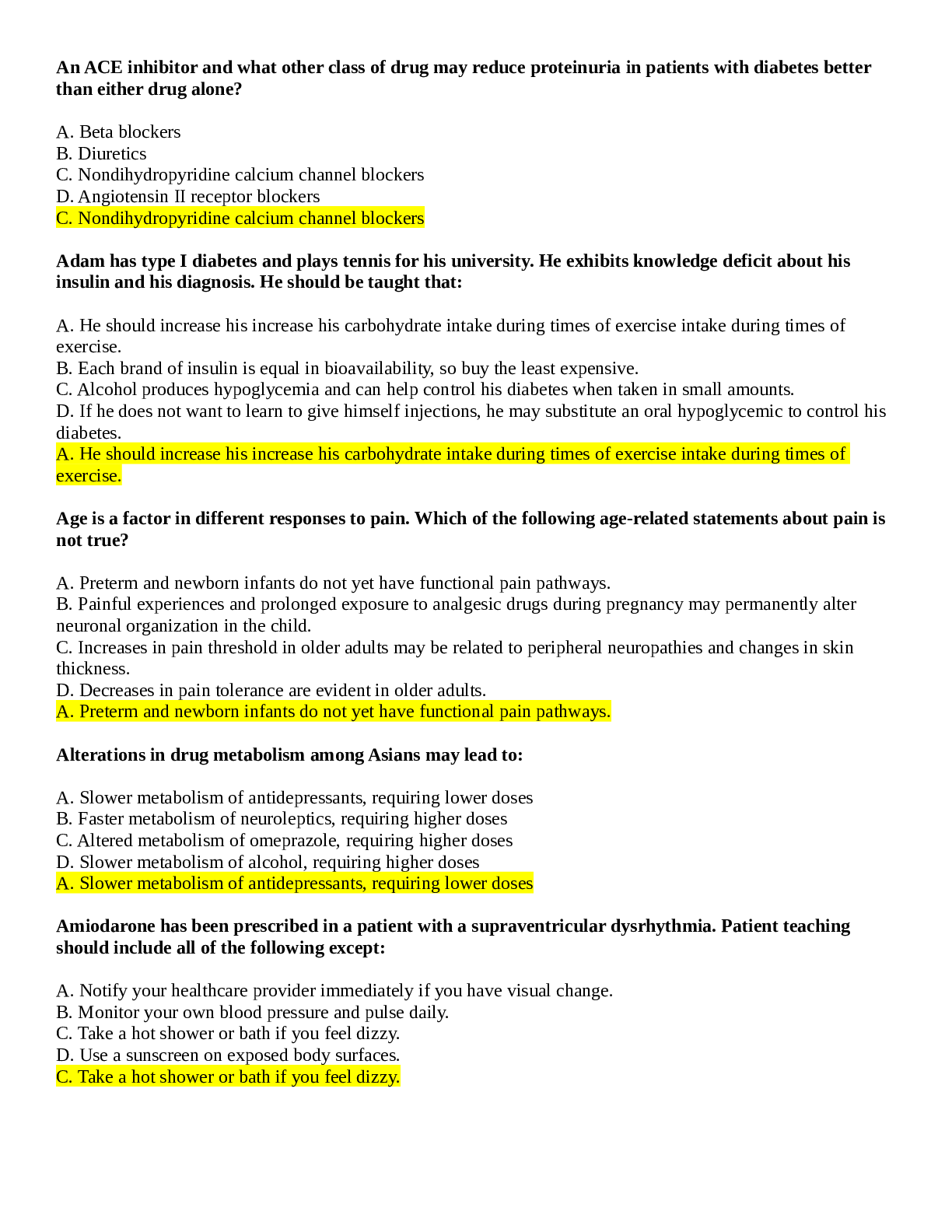
1) An ACE inhibitor and what other class of drug may reduce proteinuria in patients with diabetes better than either drug alone?
A. Beta blockers
B. Diuretics
C. Nondihydropyridine calcium channel blockers
D. Angiotensin II receptor blockers
2) Adam has type I diabetes and plays tennis for his university. He exhibits knowledge deficit about his insulin and his diagnosis. He should be taught that:
A. He should increase his increase his carbohydrate intake during times of exercise intake during times of exercise.
B. Each brand of insulin is equal in bioavailability, so buy the least expensive.
C. Alcohol produces hypoglycemia and can help control his diabetes when taken in small amounts.
D. If he does not want to learn to give himself injections, he may substitute an oral hypoglycemic to control his diabetes.
3) Age is a factor in different responses to pain. Which of the following age-related statements about pain is not true?
A. Preterm and newborn infants do not yet have functional pain pathways.
B. Painful experiences and prolonged exposure to analgesic drugs during pregnancy may permanently alter neuronal organization in the child.
C. Increases in pain threshold in older adults may be related to peripheral neuropathies and changes in skin thickness.
D. Decreases in pain tolerance are evident in older adults.
4) Alterations in drug metabolism among Asians may lead to:
A. Slower metabolism of antidepressants, requiring lower doses
B. Faster metabolism of neuroleptics, requiring higher doses
C. Altered metabolism of omeprazole, requiring higher doses
D. Slower metabolism of alcohol, requiring higher doses
5) Amiodarone has been prescribed in a patient with a supraventricular dysrhythmia. Patient teaching should include all of the following except:
A. Notify your healthcare provider immediately if you have visual change.
B. Monitor your own blood pressure and pulse daily.
C. Take a hot shower or bath if you feel dizzy.
D. Use a sunscreen on exposed body surfaces.
6) Anticholinergic agents, such as benztropine (Cogentin), may be given with a phenothiazine to:
A. Reduce the chance of tardive dyskinesia.
B. Potentiate the effects of the drug.
C. Reduce the tolerance that tends to occur.
D. Increase CNS depression.
7) An appropriate drug for the treatment of depression with anxiety would be:
A. Alprazolam (Xanax)
B. Escitalopram (Lexapro)
C. Buspirone (Buspar)
D. Amitriptyline (Elavil)
8) Cara is taking levetiracetam (Keppra) to treat seizures. Routine education for levetiracetam includes reminding her:
A. To not abruptly discontinue levetiracetam due to the risk of withdrawal seizures
B. To wear a sunscreen due to photosensitivity from levetiracetam
C. To get an annual eye exam while on levetiracetam
D. To report weight loss if it occurs
9) Cecilia presents with depression associated with complaints of fatigue, sleeping all the time, and lack of motivation. An appropriate initial antidepressant for her would be:
A. Fluoxetine (Prozac)
B. Paroxetine (Paxil)
C. Amitriptyline (Elavil)
D. Duloxetine (Cymbalta)
10) Chemical dependency assessment is integral to the initial assessment of chronic pain. Which of the following raises a "red flag" about potential chemical dependency?
A. Use of more than one drug to treat the pain
B. Multiple times when prescriptions are lost with requests to refill
C. Preferences for treatments that include alternative medicines
D. Presence of a family member who has abused drugs
11) Common mistakes practitioners make in treating anxiety disorders include:
A. Switching medications after an eight-week trial to a twelve-week trial
B. Maximizing dosing of antianxiety medications
C. Encouraging exercise and relaxation therapy before starting medication
D. Thinking a partial response to medication is acceptable
12) David presents to clinic with symptoms of allergic conjunctivitis. He is prescribed cromolyn sodium (Opticrom) eyedrops. The education regarding using cromolyn eyedrops includes which one of the following tips?
A. He should not wear his soft contacts while using the cromolyn eyedrops.
B. Cromolyn drops are instilled once a day to prevent allergy symptoms.
C. Long-term use of the eyedrop may cause glaucoma.
D. He may experience bradycardia as an adverse effect.
13) The DEA:
A. Registers manufacturers and prescribes controlled substances
B. Regulates NP prescribing at the state level
C. Sanctions providers who prescribe drugs off-label
D. Provides prescribers with a number they can use for insurance billing
14) Diagnostic criteria for diabetes include:
A. Fasting blood glucose greater than 140 mg/dl on two occasions
B. Postprandial blood glucose greater than 140 mg/dl
C. Fasting blood glucose 100 to 125 mg/dl on two occasions
D. Symptoms of diabetes plus a casual blood glucose greater than 200 mg/dl
15) Disease states in addition to hypertension in which beta blockade is a compelling indication for the use of beta blockers include:
A. Heart failure
B. Angina
C. MI
D. Dyslipidemia
16) The drug of choice for type II diabetics is metformin. Metformin:
A. Decreases glycogenolysis by the liver
B. Increases the release of insulin from beta cells
C. Increases intestinal uptake of glucose
D. Prevents weight gain associated with hyperglycemia
17) The drug recommended as primary prevention of osteoporosis in men over seventy years is:
A. Alendronate (Fosamax)
B. Ibandronate (Boniva)
C. Calcium carbonate
D. Raloxifene (Evista)
18) The drug recommended as primary prevention of osteoporosis in women over seventy years old is:
A. Alendronate (Fosamax)
B. Ibandronate (Boniva)
C. Calcium carbonate
D. Raloxifene (Evista)
19) The drugs recommended by the American Academy of Pediatrics for use in children with diabetes (depending upon type of diabetes) are:
A. Metformin and insulin
B. Sulfonylureas and insulin glargine
C. Split-mixed dose insulin and GLP-1 agonists
D. Biguanides and insulin lispro
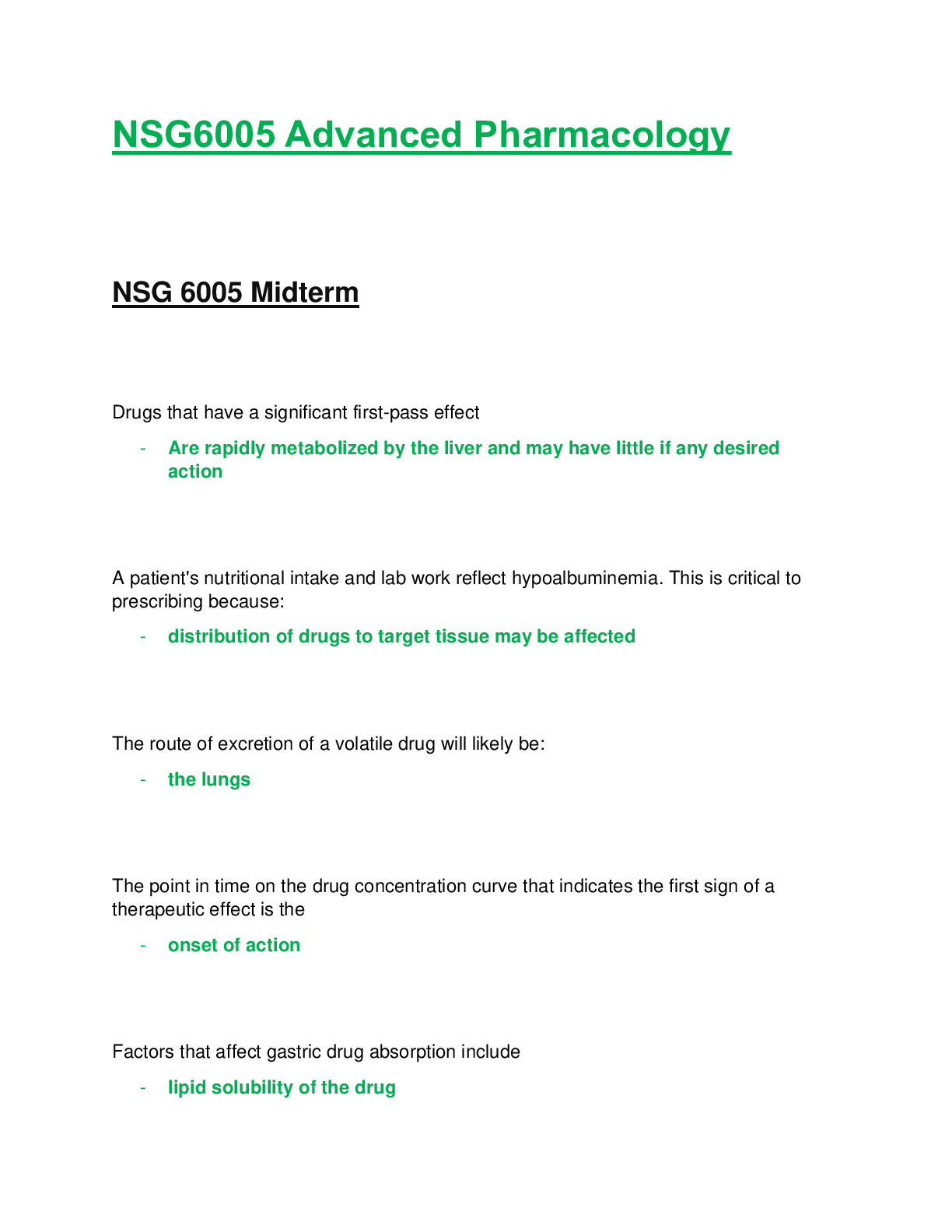
20) Drugs that have a significant first-pass effect:
A. Must be given by the enteral (oral) route only
B. Bypass the hepatic circulation
C. Are rapidly metabolized by the liver and may have little if any desired action
D. Are converted by the liver to more active and fat-soluble forms
21) Dwayne has classic tinea capitis. Treatment for tinea on the scalp is:
A. Rubbing in miconazole cream well for four weeks
B. Intake of oral griseofulvin for six to eight weeks
C. Shampooing with ketoconazole shampoo daily for six weeks
D. Using ciclopirox cream daily for four weeks
22) Dwayne was recently started on carbamazepine to treat seizures. He comes to see you, and you note that while his carbamazepine levels had been in the therapeutic range, they are now low. The possible cause for the low carbamazepine levels is:
A. Dwayne hasn't been taking his carbamazepine because it causes insomnia.
B. Carbamazepine auto-induces metabolism, leading to lower levels in spite of good compliance.
C. Dwayne was not originally prescribed the correct amount of carbamazepine.
D. Carbamazepine is probably not the right antiseizure medication for Dwayne.
23) Erik presents with a golden-crusted lesion at the site of an insect bite consistent with impetigo. His parents have limited finances and request the least expensive treatment. Which medication would be the best choice for treatment?
A. Mupirocin (Bactroban)
B. Bacitracin and polymixin B (generic double antibiotic ointment)
C. Retapamulin (Altabax)
D. Oral cephalexin (Keflex)
24) First-line therapy for hyperlipidemia is:
A. Statins
B. Niacin
C. Lifestyle changes
D. Bile acid-binding resins
25) First-line therapy for treating topical fungal infections such as tinea corporis (ringworm) or tinea pedis (athlete's foot) would be:
A. OTC topical azole (clotrimazole, miconazole)
B. Oral terbinafine
C. Oral griseofulvin microsize
D. Nystatin cream or ointment
26) Furosemide is added to a treatment regimen for heart failure, which includes digoxin. Monitoring for this combination includes:
A. Hemoglobin
B. Serum potassium
C. Blood urea nitrogen
D. Serum glucose
27) Genetic polymorphisms account for differences in metabolism, including:
A. Poor metabolizers (PMs) that lack a working enzyme
B. Intermediate metabolizers (IMs) that have one working, wild-type allele and one mutant allele
C. Extensive metabolizers (EMs), with two normally functioning alleles
D. All of the above
28) Genetic testing for VCORC1 mutation to assess potential warfarin resistance is required prior to prescribing warfarin.
A. True
B. False
29) Goals of treatment when treating hypothyroidism with thyroid replacement include:
A. Normal TSH and free T4 levels
B. Resolution of fatigue
C. Weight loss to baseline
D. All of the above
30) Heart failure is a chronic condition that can be adequately managed in primary care. However, consultation with or referral to a cardiologist is appropriate when:
A. Symptoms markedly worsen or the patient becomes hypotensive and has syncope.
B. There is evidence of progressive renal insufficiency or failure.
C. The patient remains symptomatic on optimal doses of an ACE inhibitor, a beta blocker, and a diuretic.
D. All the above options are correct.
31) Hypoglycemia can result from the action of either insulin or an oral hypoglycemic. Signs and symptoms of hypoglycemia include:
A. "Fruity" breath odor and rapid respiration
B. Diarrhea, abdominal pain, weight loss, and hypertension
C. Dizziness, confusion, diaphoresis, and tachycardia
D. Easy bruising, palpitations, cardiac dysrhythmias, and coma
32) If a patient with H. pylori positive PUD fails first-line therapy, the second-line treatment is:
A. A PPI BID plus metronidazole plus tetracycline plus bismuth subsalicylate for fourteen days
B. Testing H. pylori for resistance to common treatment regimens
C. A PPI plus clarithromycin plus amoxicillin for fourteen days
D. A PPI and levofloxacin for fourteen days
33) In addition to methimazole, a symptomatic patient with hyperthyroidism may need a prescription for:
A. A calcium channel blocker
B. A beta blocker
C. Liothyronine
D. An alpha blocker
34) Inadequate vitamin D intake can contribute to the development of osteoporosis by:
A. Increasing calcitonin production
B. Increasing calcium absorption from the intestine
C. Altering calcium metabolism
D. Stimulating bone formation
35) Incorporating IT into a patient encounter takes skill and tact. During the encounter, the provider can make the patient more comfortable with the IT the provider is using by:
A. Turning the screen around so the patient can see material being recorded
B. Not placing the computer screen between the provider and the patient
C. Both A and B
D. Neither A nor B
36) Infants with reflux are initially treated with:
A. Histamine 2 receptor antagonist (ranitidine)
B. A PPI (omeprazole)
C. Antireflux maneuvers (elevate the head of the bed)
D. Prokinetic (metoclopramide)
37) In five- to eleven-year-old children, mild-persistent asthma is diagnosed when asthma symptoms occur:
A. At nighttime one to two times a month
B. At nighttime three to four times a month
C. Less than twice a week
D. Daily
38) Jack, eight years old, has attention deficit disorder (ADD) and is prescribed methylphenidate (Ritalin). He and his parents should be educated about the side effects of methylphenidate, which are:
A. Slurred speech and insomnia
B. Bradycardia and confusion
C. Dizziness and orthostatic hypotension
D. Insomnia and decreased appetite
39) Janie presents to clinic with hard ear wax in both ear canals. Instructions regarding home removal of hard cerumen includes:
A. Moistening a cotton swab (Q-tip) and swabbing the ear canals twice daily
B. Instilling tap water in both ears while bathing
C. Squirting hydrogen peroxide into ears with each bath
D. Instilling carbamide peroxide (Debrox) twice daily until the ear canals are clear
40) Jim presents with complaints of "heart burn" that is minimally relieved with Tums (calcium carbonate) and is diagnosed with GERD. An appropriate first step therapy would be:
A. Omeprazole (Prilosec) twice a day
B. Ranitidine (Zantac) twice a day
C. Famotidine (Pepcid) once a day
D. Metoclopramide (Reglan) four times a day
41) Jim presents with fungal infection of two of his toenails (onychomycosis). Treatment for fungal infections of the nail includes:
A. Miconazole cream
B. Ketoconazole cream
C. Oral griseofulvin
D. Mupirocin cream
42) Josie is a five-year-old who presents to the clinic with a forty-eight-hour history of nausea, vomiting, and some diarrhea. She is unable to keep fluids down, and her weight is 4 pounds less than her last recorded weight. Besides intravenous (IV) fluids, her exam warrants the use of an antinausea medication. Which of the following would be the appropriate drug to order for Josie?
A. Prochlorperazine (Compazine)
B. Meclizine (Antivert)
C. Promethazine (Phenergan)
D. Ondansetron (Zofran)
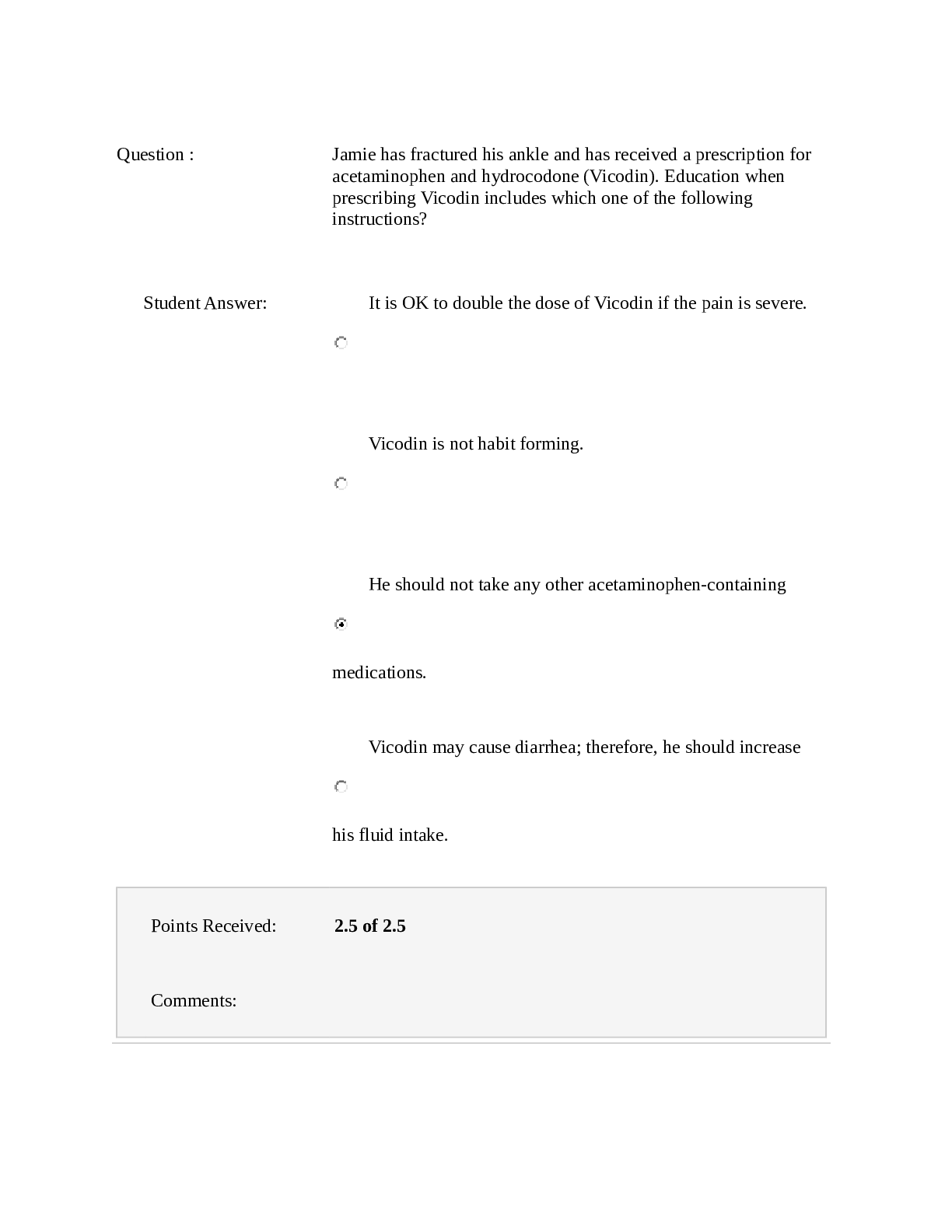
43) Kirk sprained his ankle and is asking for pain medication for his mild-to-moderate pain. The appropriate first-line medication would be __________.
A. ibuprofen (Advil)
B. acetaminophen with hydrocodone (Vicodin)
C. oxycodone (OxyContin)
D. oral morphine (Roxanol)
44) Liza is breastfeeding her two-month-old son, and she has an infection that requires an antibiotic. What drug factors influence the effect of the drug on the infant?
A. Maternal drug levels
B. Half-life
C. Lipid solubility
D. All of the above
45) Long-acting beta-agonists received a black box warning from the US Food and Drug Administration due to the:
A. Risk of life-threatening dermatological reactions
B. Increased incidence of cardiac events when long-acting beta-agonists are used
C. Increased risk of asthma-related deaths when long-acting beta-agonists are used
D. Risk for life-threatening alterations in electrolytes
46) Long-term treatment of moderate atopic dermatitis includes:
A. Topical corticosteroids and emollients
B. Topical corticosteroids alone
C. Topical antipruritics
D. Oral corticosteroids for exacerbations of atopic dermatitis
47) Medications used in the management of patients with COPD include:
A. Inhaled beta 2 agonists
B. Inhaled anticholinergics (ipratropium)
C. Inhaled corticosteroids
D. All of the above
48) Monitoring for a child on methylphenidate for ADHD includes:
A. ADHD symptoms
B. Routine height and weight checks
C. Amount of methylphenidate being used
D. All of the above
49) Narcotics are exogenous opiates. They act by ______.
A. inhibiting pain transmission in the spinal cord
B. attaching to receptors in the afferent neuron to inhibit the release of substance P
C. blocking neurotransmitters in the midbrain
D. increasing beta-lipoprotein excretion from the pituitary
50) A nineteen-year-old male was started on risperidone. Monitoring for risperidone includes observing for common side effects, including:
A. Bradykinesia, akathisia, and agitation
B. Excessive weight gain
C. Hypertension
D. Potentially fatal agranulocytosis
51) Nonadherence is especially common in drugs that treat asymptomatic conditions, such as hypertension. One way to reduce the likelihood of nonadherence to these drugs is to prescribe a drug that:
A. Has a short half-life so that missing one dose has limited effect
B. Requires several dosage titrations so that missed doses can be replaced with lower doses to keep costs down
C. Has a tolerability profile with less of the adverse effects that are considered "irritating," such as nausea and dizziness
D. Must be taken no more than twice a day
52) Off-Label prescribing is:
A. Regulated by the FDA
B. Illegal by NPs in all states (provinces)
C. Legal if there is scientific evidence for the use
D. Regulated by the DEA
53) One goal of asthma management in children is:
A. They should independently manage their asthma.
B. They should participate in school and sports activities.
C. There should be no exacerbations.
D. The use of inhaled corticosteroids should be minimal.
54) The ongoing monitoring of patients over the age sixty-five years taking alendronate (Fosamax) or any other bisphosphonate is:
A. Annual dual energy X-ray absorptiometry (DEXA) scans
B. Annual vitamin D level
C. Annual renal function evaluation
D. Electrolytes every three month
55) A patient has been prescribed silver sulfadiazine (Silvadene) cream to treat burns on his or her leg. Normal adverse effects of silver sulfadiazine cream include:
A. Transient leukopenia on days two to four that should resolve
B. Worsening of burn symptoms briefly before resolution
C. A red, scaly rash that will resolve with continued use
D. Hypercalcemia
56) Patients who are on or who will be starting chronic corticosteroid therapy need monitoring of __________.
A. serum glucose
B. stool culture
C. folate levels
D. vitamin B12
57) Patients who have angina, regardless of class, who are also diabetic should be on:
A. Nitrates
B. Beta blockers
C. ACE inhibitors
D. Calcium channel blockers
58) Patients with psychiatric illnesses have adherence rates to their drug regimen between 35% and 60%. To improve adherence in this population, prescribe drugs:
A. With a longer half-life so that missed doses produce a longer taper on the drug curve
B. In oral formulations that are more easily taken
C. That do not require frequent monitoring
D. Combined with patient education about the need to adhere even when symptoms are absent
59) A patient with a COPD exacerbation may require:
A. Doubling of inhaled corticosteroid dose
B. Systemic corticosteroid burst
C. Continuous inhaled beta 2 agonists
D. Leukotriene therapy
60) Pharmacokinetics among Asians are universal to all the Asian ethnic groups.
A. True
B. False
61) A potentially life-threatening adverse response to ACE inhibitors is angioedema. Which of the following statements is true about this adverse response?
A. Swelling of the tongue and hoarseness are the most common symptoms.
B. It appears to be related to a decrease in aldosterone production.
C. The presence of a dry, hacky cough indicates a high risk for this adverse response.
D. Because it takes time to build up a blood level, it occurs after being on the drug for about one week.
62) Prescribing for women during their childbearing years requires constant awareness of the possibility of:
A. Pregnancy unless the women is on birth control
B. Risk for silent bacterial or viral infections of the genitalia
C. High risk for developmental disorders in their infants
D. Decreased risk for abuse during this time
63) Prior to prescribing metformin, the provider should:
A. Draw a serum creatinine to assess renal function.
B. Try the patient on insulin.
C. Tell the patient to increase iodine intake.
D. Have the patient stop taking any sulfonylurea to avoid dangerous drug interactions.
64) Progesterone-only pills are recommended for women who:
A. Are breastfeeding
B. Have a history of migraine
C. Have a medical history that contradicts the use of estrogen
D. All of the above
65) Sadie is a seventy-two-year-old who takes omeprazole for her chronic GERD. Chronic long-term omeprazole use places her at increased risk for:
A Megaloblastic anemia
B. Osteoporosis
C. Hypertension
D. Strokes
66) Sarah, a forty-two-year-old female, requests a prescription for an anorexiant to treat her obesity. A trial of phentermine is prescribed. Prescribing precautions include understanding that:
A. Obesity is a contraindication to prescribing phentermine.
B. Anorexiants may cause tolerance and should only be prescribed for six months.
C. Patients should be monitored for postural hypotension.
D. Renal function should be monitored closely while the patient is on anorexiants.
67) Scott is presenting for follow-up on his lipid panel. He had elevated total cholesterol, elevated triglycerides, and an LDL of 122 mg/dL. He has already implemented diet changes and increased physical activity. He has mildly elevated liver studies. An appropriate next step for therapy would be:
A. Atorvastatin (Lipitor)
B. Niacin (Niaspan)
C. Simvastatin and ezetimibe (Vytorin)
D. Gemfibrozil (Lopid)
68) Second-generation antihistamines such as loratadine (Claritin) are prescribed for seasonal allergies because they:
A. Are more effective than first-generation antihistamines
B. Are less sedating than first-generation antihistamines
C. Are prescription products and, therefore, are covered by insurance
D. Can be taken with CNS sedatives, such as alcohol
69) Severe contact dermatitis caused by poison ivy or poison oak exposure often requires treatment with:
A. Topical antipruritics
B. Oral corticosteroids for two to three weeks
C. Thickly applied topical intermediate-dose corticosteroids
D. Isolation of the patient to prevent spread of the dermatitis
70) Sitagliptin has been approved for:
A. Monotherapy in once-daily doses
B. Combination therapy with metformin
C. Both A and B
D. Neither A nor B
71) A sixty-six-year-old male was prescribed phenelzine (Nardil) while in an acute psychiatric unit for recalcitrant depression. The nurse practitioner managing his primary healthcare needs to understand the following regarding phenelzine and other monoamine oxidase inhibitors (MAOIs):
A. He should not be prescribed any serotonergic drug such as sumatriptan (Imitrex).
B. MAOIs interact with many common foods, including yogurt, sour cream, and soy sauce.
C. Symptoms of hypertensive crisis (headache, tachycardia, sweating, etc.) require immediate treatment.
D. All the above options are correct.
72) Six-year-old Lucy has recently been started on ethosuximide (Zarontin) for seizures. She should be monitored for:
A. Increased seizure activity as this drug may auto-induce seizures
B. Altered renal function, including renal failure
C. Blood dyscrasias, which are uncommon but possible
D. CNS excitement, leading to insomnia
73) Stage C patients usually require a combination of three to four drugs to manage their heart failure. In addition to ACE inhibitors and beta blockers, diuretics may be added. Which of the following statements about diuretics is not true?
A. Diuretics reduce preload associated with fluid retention.
B. Diuretics can be used earlier than Stage C when the goal is control of hypertension.
C. Diuretics may produce problems with electrolyte imbalances and abnormal glucose and lipid metabolism.
D. Diuretics from the potassium-sparing class should be used when using an ARB.
74) A stepwise approach to the pharmacologic management of asthma:
A. Begins with determining the severity of the asthma and assessing asthma control
B. Is used when the asthma is severe and requires daily steroids
C. Allows for each provider to determine his or her personal approach to the care of asthmatic patients
D. Provides a framework for the management of severe asthmatics but is not as helpful when patients have intermittent asthma
75) Studies have shown that control targets that reduce the hemoglobin A1c to less than 7% are associated with fewer long-term complications of diabetes. Patients who should have such a target include:
A. Those with long-standing diabetes
B. Older adults
C. Those with no significant cardiovascular disease
D. Young children who are early in their disease
76) Tiotropium bromide (Spiriva) is an inhaled anticholinergic:
A. Used for the treatment of COPD
B. Used in the treatment of asthma
C. Combined with albuterol for the treatment of asthma exacerbations
D. Combined with fluticasone for the treatment of persistent asthma
77) To reduce mortality, all patients with angina, regardless of class, should be on:
A. Aspirin 81 to 325 mg/d
B. Nitroglycerin sublingually for chest pain
C. ACE inhibitors or ARBs
D. Digoxin
78) The treatment for vitamin B12 deficiency is:
A. 1,000 mcg daily of oral cobalamin
B. 2 gm/day of oral cobalamin
C. 100 mcg/day vitamin B12 IM
D. 500 mcg/dose nasal cyanocobalamin two sprays once a week
79) Treatment of a patient with hypothyroidism and cardiovascular disease consists of:
A. Levothyroxine
B. Liothyronine
C. Liotrix
D. Methimazole
80) The trial period to determine effective anti-inflammatory activity when starting a patient on aspirin for RA is _____.
A. forty-eight hours
B. four to six days
C. four weeks
D. two months
81) A twenty-four-year-old male received multiple fractures in a motor vehicle accident that required significant amounts of opioid medication to treat his pain. He is at risk for Type __ ADR when he no longer requires the opioids.
A. A
B. C
C. E
D. G
82) The type of ADR that is the result of an unwanted but otherwise normal pharmacological action of a drug given in the usual therapeutic doses is:
A. Type A
B. Type B
C. Type C
D. Type D
83) Unlike most type II diabetics where obesity is a major issue, older adults with low body weight have higher risks for morbidity and mortality. The most reliable indicator of poor nutritional status in older adults is:
A. Weight loss in previously overweight persons
B. Involuntary loss of 10% of body weight in less than six months
C. Decline in lean body mass over a twelve-month period
D. Increase in central versus peripheral body adiposity
84) Vicky, age fifty-six years, comes to clinic requesting a refill of her Fiorinal (aspirin and butalbital) that she takes for migraines. She has been taking this medication for over two years for migraine and states one dose usually works to abort her migraine. What is the best care for her?
A. Switch her to sumatriptan (Imitrex) to treat her migraines.
B. Assess how often she is using Fiorinal and refill medication.
C. Switch her to a beta-blocker such as propranolol to prevent her migraine.
D. Request her to return to the original prescriber of Fiorinal as you do not prescribe butalbital for migraines
85) Warfarin resistance may be seen in patients with VCORC1 mutation, leading to:
A. Toxic levels of warfarin building up
B. Decreased response to warfarin
C. Increased risk for significant drug interactions with warfarin
D. Less risk of drug interactions with warfarin
86) What impact does developmental variation in renal function has on prescribing for infants and children?
A. Lower doses of renally excreted drugs may be prescribed to infants younger than six months
B. Higher doses of water-soluble drugs may need to be prescribed due to increased renal excretion
C. Renal excretion rates have no impact on prescribing
D. Parents need to be instructed on whether drugs are renally excreted or not
87) When a patient is on selective-serotonin reuptake inhibitors:
A. The complete blood count must be monitored every three to four months
B. Therapeutic blood levels must be monitored every six months after a steady state is achieved.
C. Blood glucose must be monitored every three to four months.
D. There is no laboratory monitoring required.
88) When obtaining a drug history from Harold, he gives you a complete list of his prescription medications. He denies taking any other drugs, but you find that he occasionally takes aspirin for his arthritis flare-ups. This is an example of:
A. His appropriately only telling you about his regularly prescribed medications
B. His hiding information regarding his inappropriate use of aspirin from you
C. A common misconception that intermittently taken OTC medications are not an important part of his drug history
D. A common misuse of OTC aspirin
89) When prescribing any headache therapy, appropriate use of medications needs to be discussed to prevent medication-overuse headaches. The clinical characteristics of medication-overuse headaches include ________.
A. headaches increasing in frequency
B. headaches increasing in intensity
C. headaches recurring when medication wears off
D. headaches beginning to "cluster" into a pattern
90) When Sam used clotrimazole (Lotrimin AF) for athlete's foot, he developed a red, itchy rash consistent with a hypersensitivity reaction. He now has athlete's foot again. What would be a good choice of antifungal for Sam?
A. Miconazole (Micatin) powder
B. Ketoconazole (Nizoral) cream
C. Terbinafine (Lamisil) cream
D. Griseofulvin (Grifulvin V) suspension
91) When starting a patient with hypothyroidism on thyroid replacement hormones, patient education would include the following:
A. He or she should feel symptomatic improvement in one to two weeks.
B. Drug-related adverse effects such as lethargy and dry skin may occur.
C. It may take four to eight weeks to get to euthyroid symptomatically and by lab testing.
D. Due to the short half-life of levothyroxine, its doses should not be missed.
92) Which of the following adverse effects may occur due to a dihydropyridine-type calcium channel blocker?
A. Bradycardia
B. Hepatic impairment
C. Increased contractility
D. Edema of the hands and feet
93) Which of the following classes of drugs is contraindicated in heart failure?
A. Nitrates
B. Long-acting dihydropyridines
C. Calcium channel blockers
D. Alpha-beta blockers
94) Which of the following disease processes could be made worse by taking a nonselective beta blocker?
A. Asthma might worsen.
B. Diabetes might worsen.
C. Both might worsen.
D. Beta blockade does not affect these disorders.
95) Which of the following factors may adversely affect a patient's adherence to a therapeutic drug regimen?
A. Complexity of the drug regimen
B. Patient's perception of the potential adverse effects of the drugs
C. Both A and B
D. Neither A nor B
96) Which of the following is the goal of treatment of acute pain?
A. Pain at a tolerable level where patient may return to activities of daily living
B. Reduction of pain with a minimum of drug adverse effects
C. Reduction or elimination of pain with minimum adverse reactions
D. Adequate pain relief without constipation or nausea from the drugs
97) Which of the following is the mechanism of action of oral combined contraceptives that prevent pregnancy?
A. Estrogen prevents the LH surge necessary for ovulation.
B. Progestins thicken cervical mucous and slow tubal motility.
C. Estrogen thins the endometrium, making implantation difficult.
D. Progestin suppresses FSH release.
98) Which of the following statements is true about age and pain?
A. Use of drugs that depend heavily on the renal system for excretion may require dosage adjustments in very young children.
B. Among the NSAIDs, indomethacin is the preferred drug because of lower adverse effects profiles than other NSAIDs.
C. Older adults who have dementia probably do not experience much pain due to loss of pain receptors in the brain.
D. Acetaminophen is especially useful in both children and adults because it has no effect on platelets and has fewer adverse effects than NSAIDs.
99) A woman who has migraine with aura:
A. Should not be prescribed estrogen due to the interaction between triptans and estrogen, limiting migraine therapy choices
B. Should not be prescribed estrogen due to an increased incidence of migraines with the use of estrogen
C. Should not be prescribed estrogen due to an increased risk of stroke occurring with estrogen use
D. May be prescribed estrogen without any concerns
100) A woman with an intact uterus should not be prescribed:
A. Estrogen/progesterone combination
B. Intramuscular (IM) medroxyprogesterone (Depo Provera)
C. Estrogen alone
D. Androgens
[Show More]

















.png)


