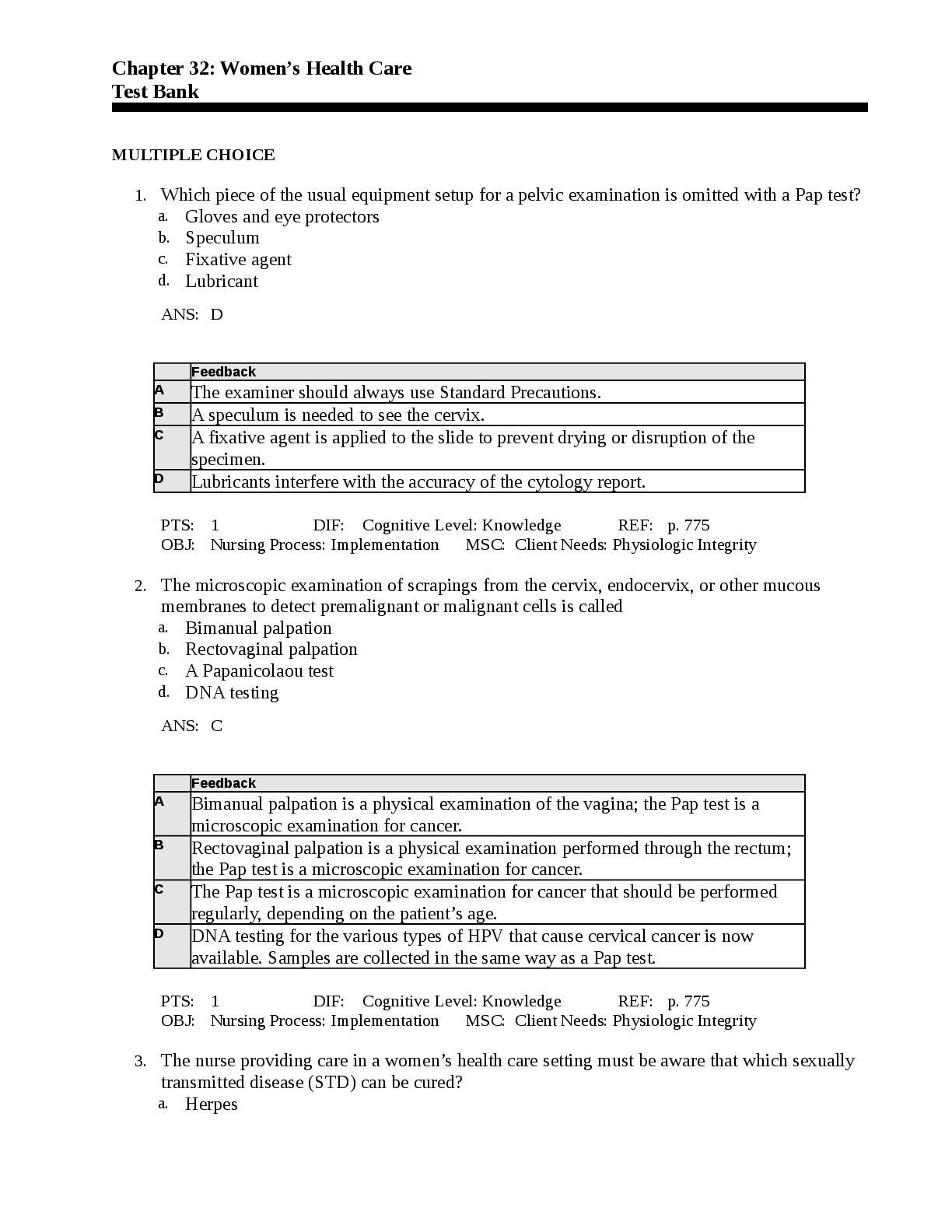
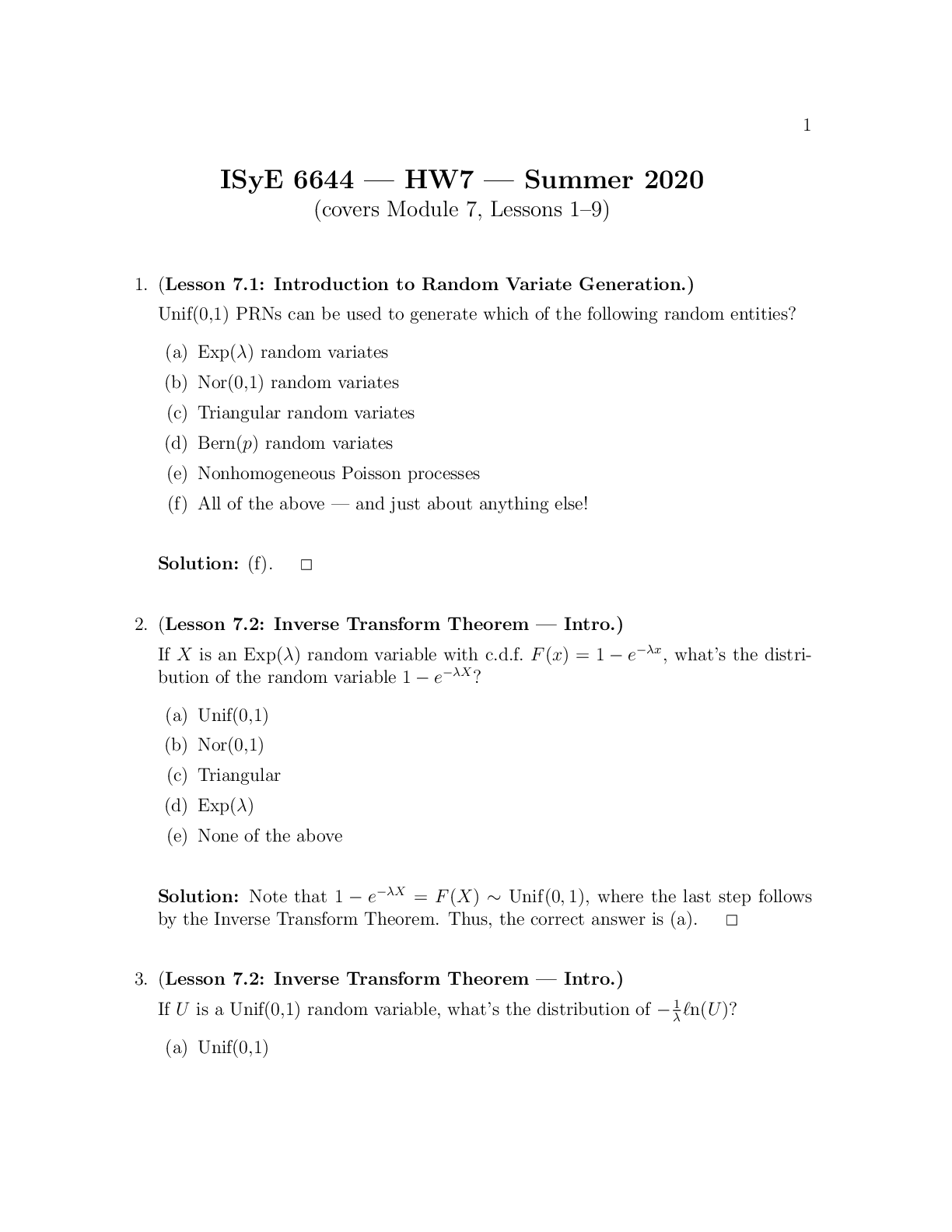
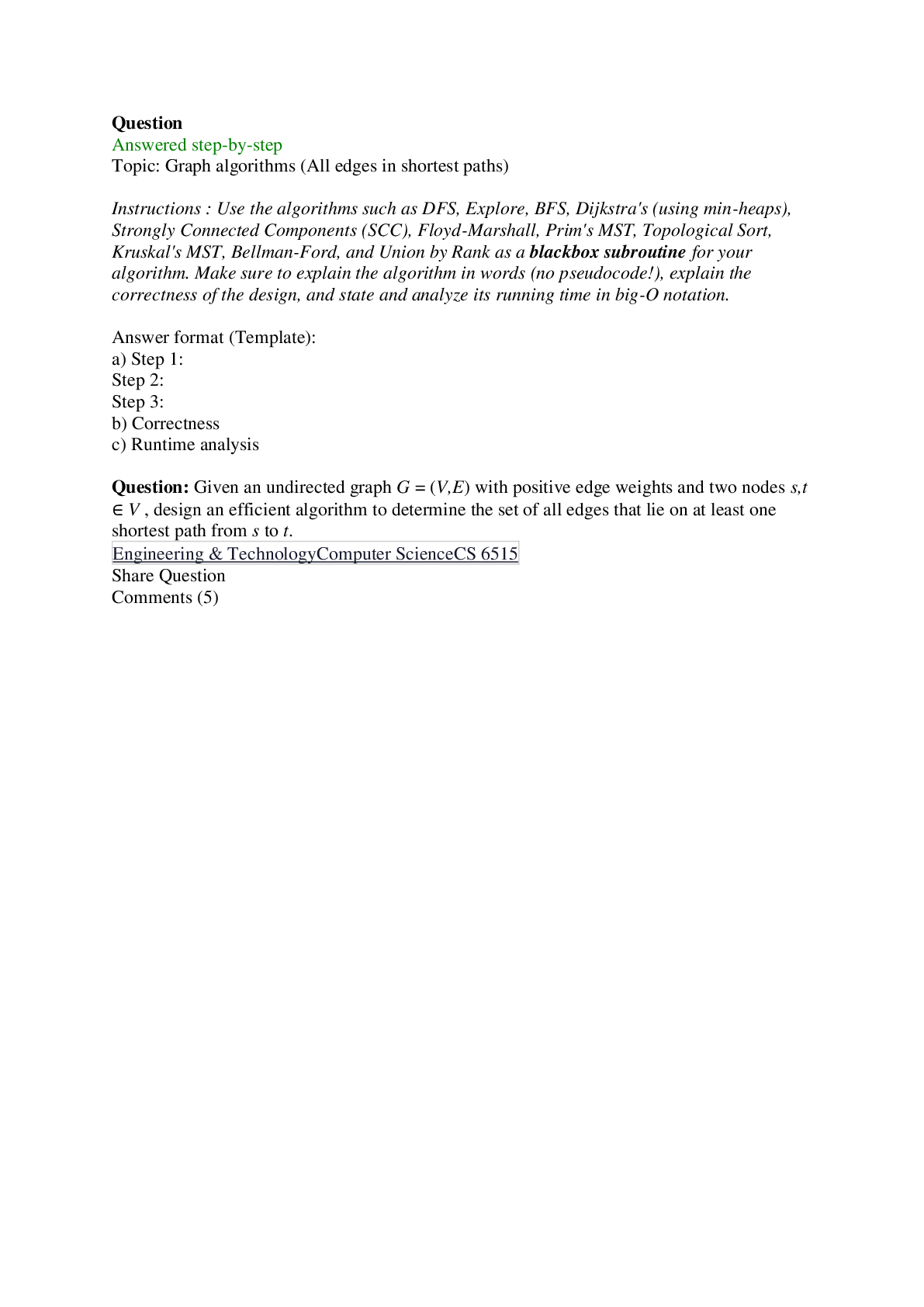
Management > QUESTIONS & ANSWERS > Negotiations quiz questions and answers MGMT 645 (All)
Negotiations quiz questions and answers MGMT 645
Document Content and Description Below
Last updated: 4 years ago
Preview 1 out of 13 pages
Instant download

Buy this Document to get the Full Access Instantly
Provided by Students Who Aced it
We Verify Document Content to Gurantee Accuracy
Reviews( 0 )
Document information
Connected school, study & course
About the document
Uploaded On
Oct 28, 2022
Number of pages
13
Written in
All

Additional information
This document has been written for:
Uploaded
Oct 28, 2022
Downloads
0
Views
86
Topic Tags
Recommended For You
Get more on QUESTIONS & ANSWERS »
Introduction to Management Science and Business Analytics A Mo...
Test Bank for Strategic Management Concepts and Cases, 4th Edi...

Solutions Manual for Introduction To Management Science A Mode...
Test Bank for Managerial Accounting Tools for Business Decisio...

Introduction To Management Science A Modeling And Case Studies...
MGMT 12, Principles of Management, 12e Chuck Williams (Test Ba...

Test Bank for Events Management An Introduction, 3rd Edition b...

Forensic Evidence Management, 3e by Ashraf Mozayani, Casie Par...

Solutions Manual for Torkildsen's Sport and Leisure Management...

Foundations of Strategy, 2e Robert Grant, Judith Jordan (Solut...
, 1e by Richard Busulwa.png)
Navigating Digital Transformation in Management (Business and...
Test Bank for The Economics of Farm Management A Global Perspe...

Test Bank for Police Administration, 11th Edition by Gary Cord...
Instructor solutions Manual for Hospitality Management Account...
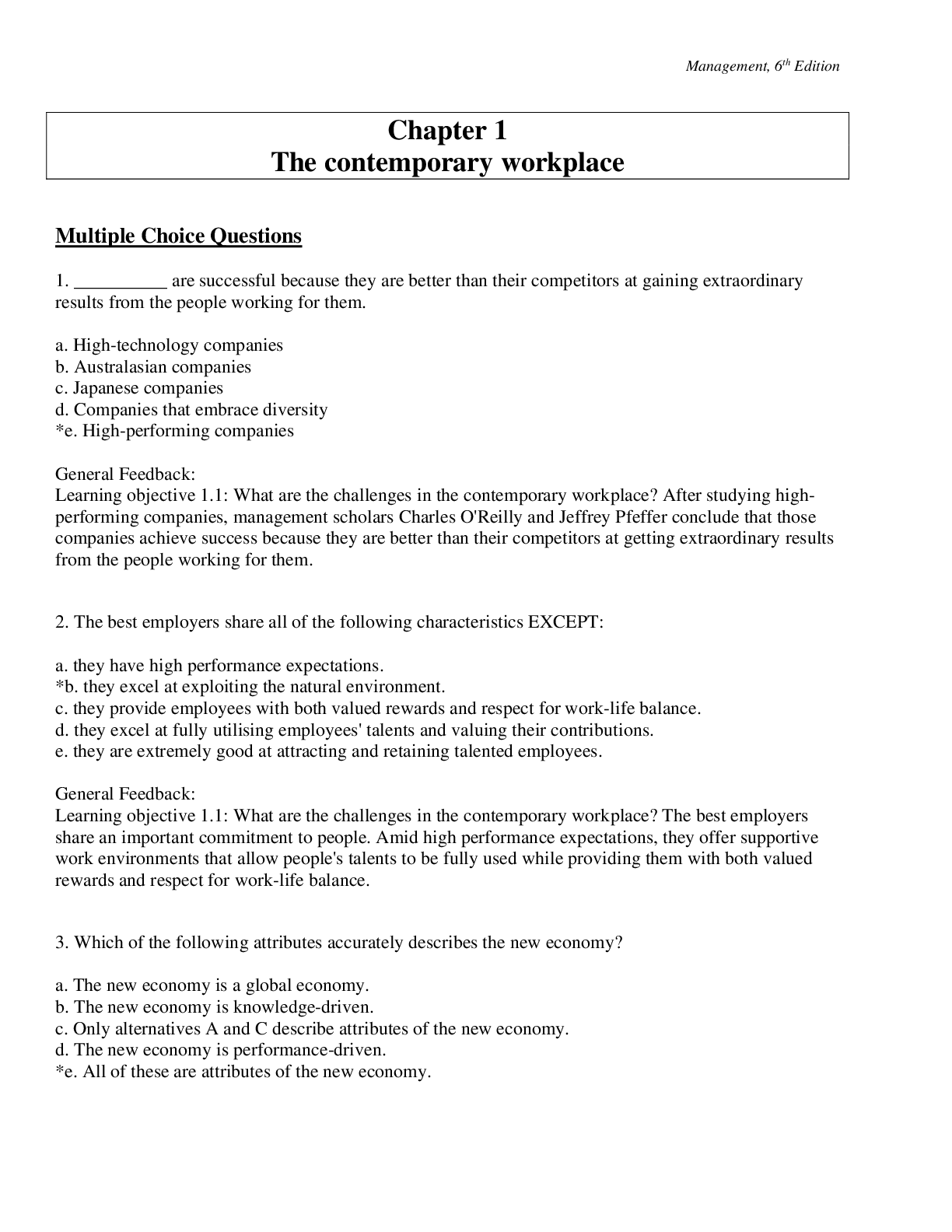
Management 6th Asia Pacific Edition 6e John Schermerhorn, Paul...
.png)
Test Bank for Hospitality Management Accounting 9th Edition by...
.png)
Strategic Management A Competitive Advantage, Concept and Case...
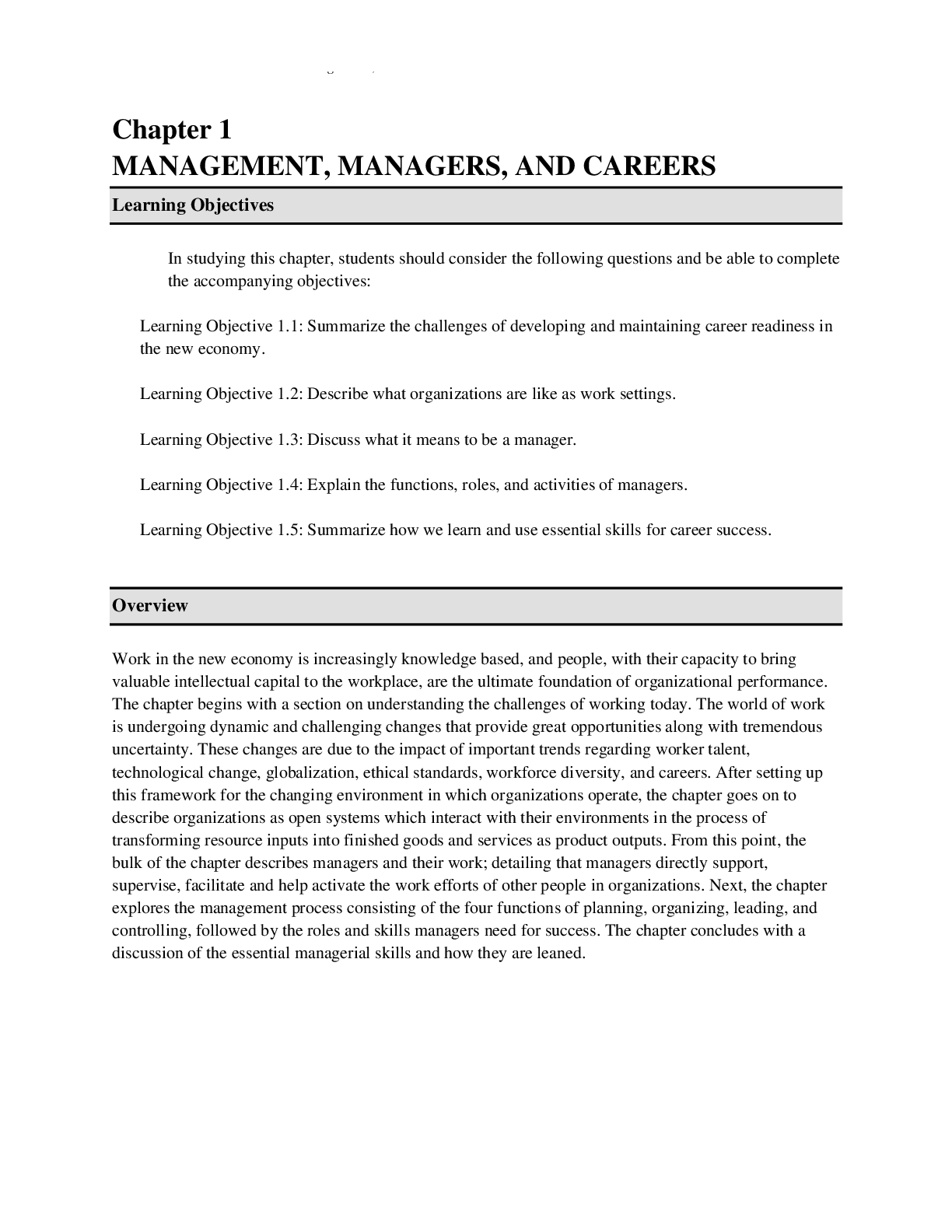

Management 6th Asia Pacific Edition 6e John Schermerhorn, Paul...
.png)