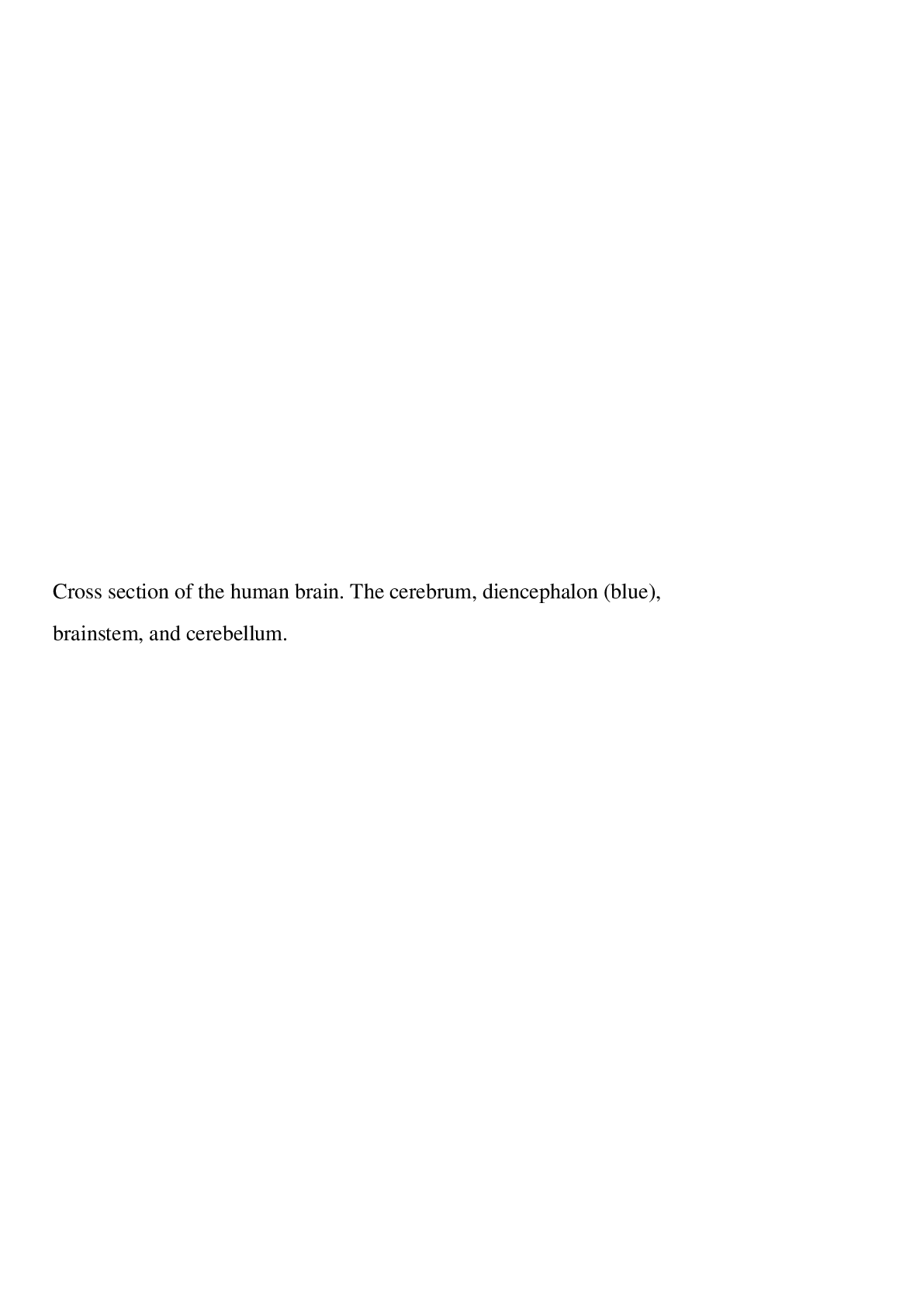
Question text
Which of the following statements is true of the cognitive theory of dreaming?
Select one:
a. The theory rests on the idea that dreams are essentially conscious cognitive processing.
b. In cognitive the
...
Question text
Which of the following statements is true of the cognitive theory of dreaming?
Select one:
a. The theory rests on the idea that dreams are essentially conscious cognitive processing.
b. In cognitive theory, there is an essential search for the hidden, symbolic content of
dreams.
c. Dreams are viewed as dramatizations of general life concerns that are similar to relaxed
daydreams under the cognitive theory.
d. According to the theory, very unusual aspects of dreams—such as odd activities, strange
images, and sudden scene shifts —cannot be understood.Question 3
Correct
5.00 points out of 5.00
Flag question
Question text
Brett takes a drug that increases his feeling of euphoria. The drug also enhances his level
of activity and pleasurable feelings. Which of the following drugs did he most likely take?
Select one:
a. amphetamine
b. barbiturate
c. heroin
d. valium
Question 4
Correct
5.00 points out of 5.00
Flag question
Question text
________ are the most alert states of human consciousness, during which individuals
actively focus their efforts toward a goal.
Select one:
a. Automatic processes
b. Controlled processes
c. Altered processes
d. Subconscious processes
Question 5
Correct
5.00 points out of 5.00Flag question
Question text
Identify a true statement about automatic processes.
Select one:
a. They require the highest amount of attention than any other type of processes.
b. They need more conscious effort than controlled processes.
c. They interfere with other ongoing activities.
d. They are considered to be conscious behaviors.
Question 6
Correct
5.00 points out of 5.00
Flag question
Question text
Robert went to a friend's place last night and had tequila. Unaware, he consumed few shots
that contained nausea-inducing substances. He spent the entire night vomiting and had a
severe headache when he woke up the next morning. This incidence happened several
times in the prior months as well. According to the principles of classical conditioning, how
is Robert most likely to react when the same friend invites him again?
Select one:
a. He will feel happy about the fact that he has friends to hang around with.
b. He will want to try having tequila shots at home first.
c. He will feel aversive and be unwilling to go for the party.
d. He will instead invite all of his friends over to his place.
Question 7
Correct
5.00 points out of 5.00
Flag questionQuestion text
Experience with unavoidable negative stimuli can lead to a particular deficit in avoidance
learning called ________, in which an organism, exposed to uncontrollable aversive stimuli,
learns that it has no control over negative outcomes.
Select one:
a. instinctive drift
b. extinction
c. learned helplessness
d. learned generalization
Question 8
Correct
5.00 points out of 5.00
Flag question
Question text
Samantha usually puts off the pleasure of an immediate reward in order to gain a more
valuable reward later. This exemplifies
Select one:
a. delay of gratification.
b. avoidance learning.
c. learned helplessness.
d. parallel processing.
Question 9
Correct
5.00 points out of 5.00
Flag question
Question text
________ is a consequence that decreases the likelihood that a behavior will occur.
Select one:
a. Punishmentb. Extinction
c. Discrimination
d. Generalization
Question 10
Correct
5.00 points out of 5.00
Flag question
Question text
The adage "When in Rome, do as the Romans do" best reflects which of the following types
of learning?
Select one:
a. operant conditioning
b. classical conditioning
c. observational learning
d. latent learning
Question 11
Correct
5.00 points out of 5.00
Flag question
Question text
Which of the following is sometimes called incidental learning because it "just happens" as
a result of experience and happens even without reinforcement?
Select one:
a. learned helplessness
b. latent learning
c. insight learning
d. avoidance learning
Question 12
Correct
5.00 points out of 5.00Flag question
Question text
In the context of psychological constraints, which of the following statements is true about a
fixed mindset?
Select one:
a. People believe in learning rather than scoring well.
b. To individuals with a fixed mindset, failure indicates what they still need to learn.
c. People believe that their qualities can change and improve through their effort.
d. For individuals with a fixed mindset, failure means lack of ability.
Question 13
Correct
5.00 points out of 5.00
Flag question
Question text
In the context of memory retrieval, ________ is described as a process in which people
remember better when they attempt to recall information in the same circumstances in
which they learned it.
Select one:
a. context-dependent memory
b. the serial position effect
c. proactive interference
d. parallel processing
Question 14
Correct
5.00 points out of 5.00
Flag questionQuestion text
According to Baddeley's view of the three components of working memory, the ________
acts like a supervisor who monitors which information deserves our attention and which we
should ignore.
Select one:
a. visuospatial working memory
b. central executive
c. phonological loop
d. amygdala
Question 15
Correct
5.00 points out of 5.00
Flag question
Question text
According to decay theory, why do memories fade?
Select one:
a. There is a limited amount of storage available for long-term memories, so older
memories must decay and make room for new memories.
b. The cerebellum cannot hold on to information long-term.
c. Synaptic connections become broken.
d. A neurochemical memory trace disintegrates over time.
Question 16
Correct
5.00 points out of 5.00
Flag question
Question text
Which of the following is true of brain structures and memory functions in long-term
memory?
Select one:a. The amygdala, a part of the limbic system, is involved in emotional memories.
b. The hippocampus and the temporal lobes in the cerebral cortex play a role in implicit
memory, not in explicit memory.
c. The parietal lobes of the brain are involved in both retrospective memory and prospective
memory.
d. The same area of the brain is involved in the functioning of implicit and explicit memory.
Question 17
Correct
5.00 points out of 5.00
Flag question
Question text
Lucy sustained a brain injury in a car accident. Although Lucy's memories of her life before
the accident are intact, she is no longer able to form new, long-term memories. Every night
when she goes to bed, her memories of what she had done that day are lost. Lucy suffers
from
Select one:
a. retrograde amnesia.
b. anterograde amnesia.
c. infantile amnesia.
d. displacement.
Question 18
Correct
5.00 points out of 5.00
Flag question
Question text
In the context of the role of language in cognition, which of the following is a contribution of
linguist Benjamin Whorf (1956)?
Select one:
a. He believed that language milestones are d
[Show More]






PSY 101 Week 9 Assignment Case Study 3.png)




 (1).png)