Health Care > QUESTIONS & ANSWERS > Advanced Medical Life Support AMLS Review QUESTIONS WITH COMPLETE SOLUTIONS (All)
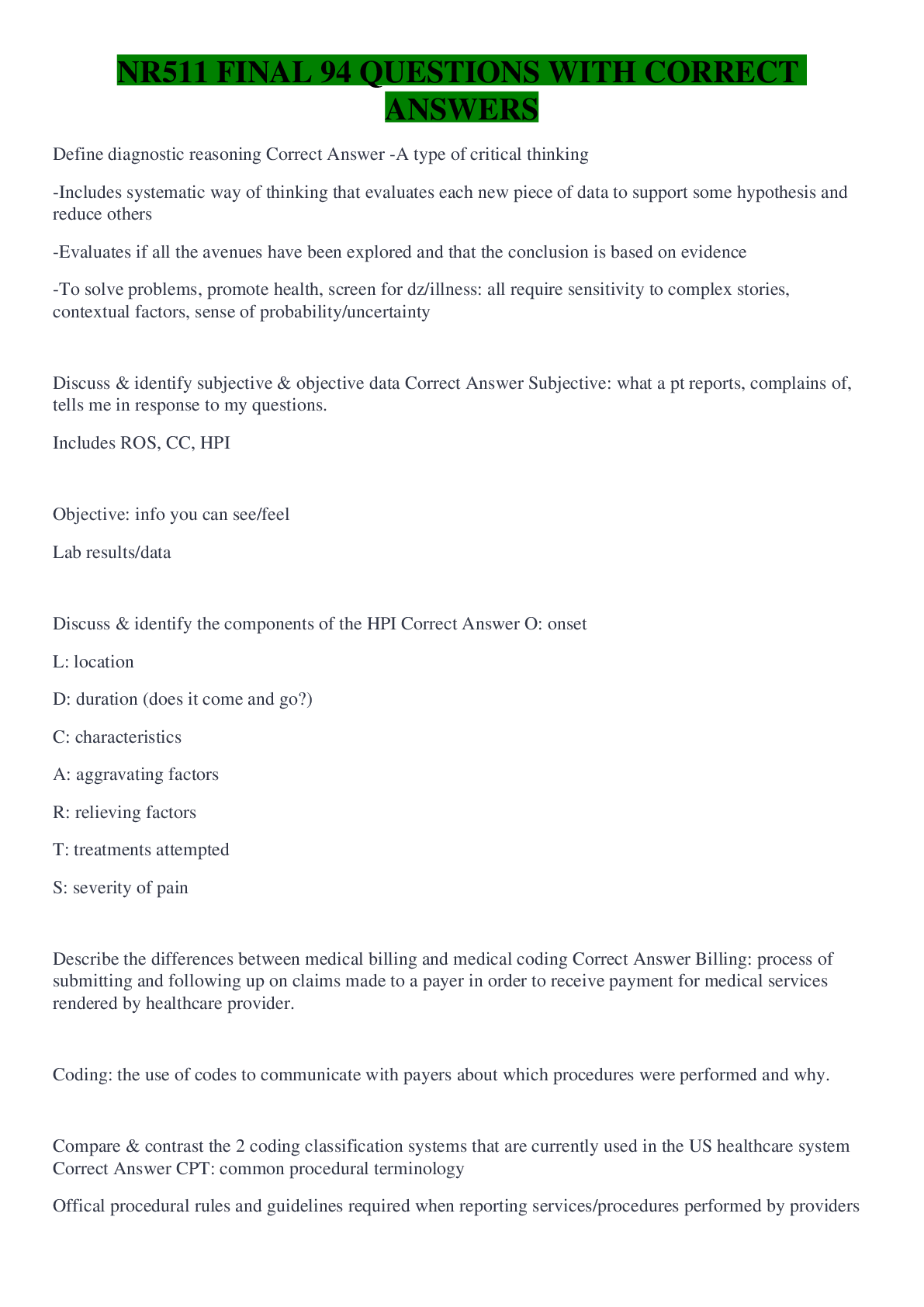
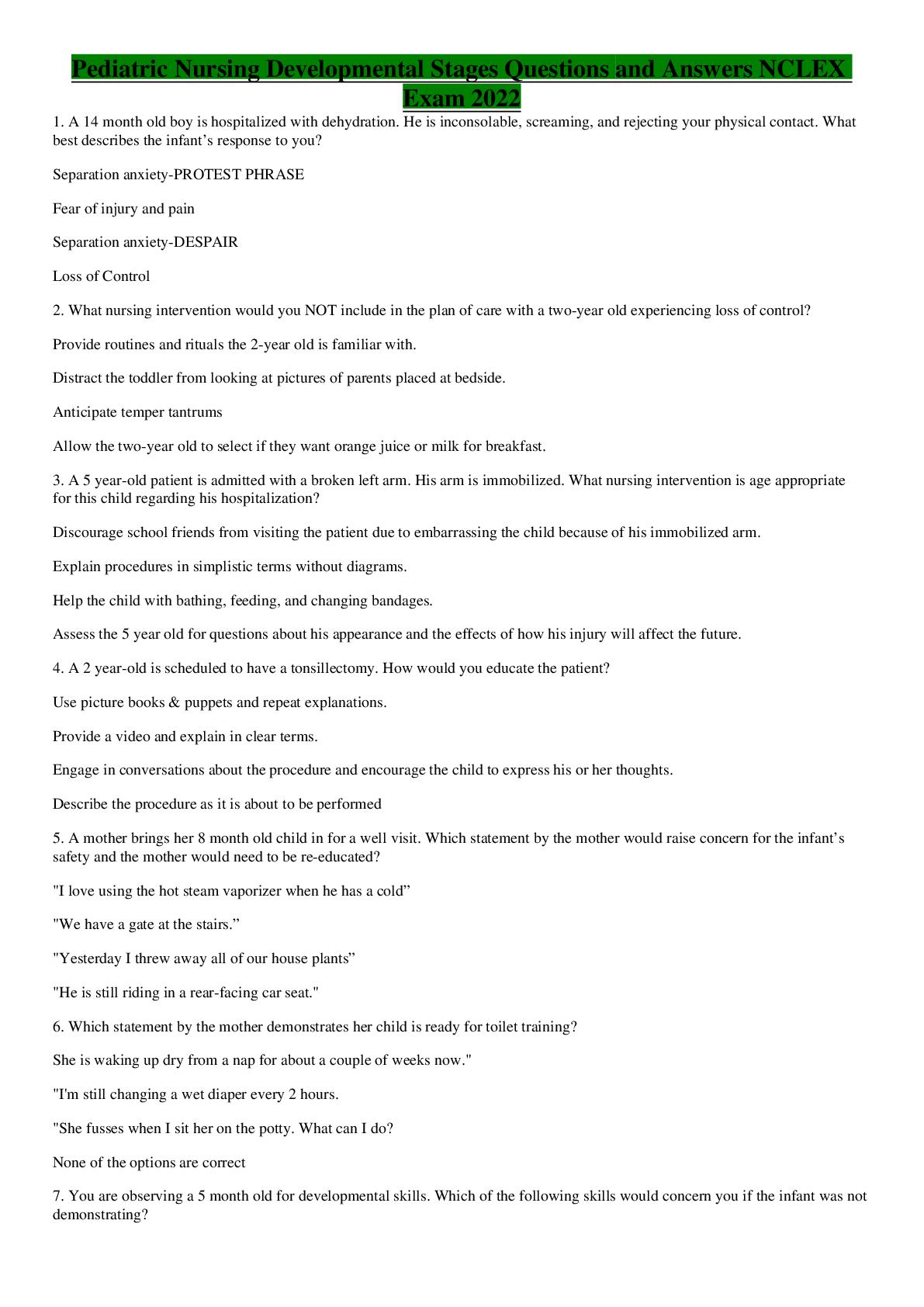
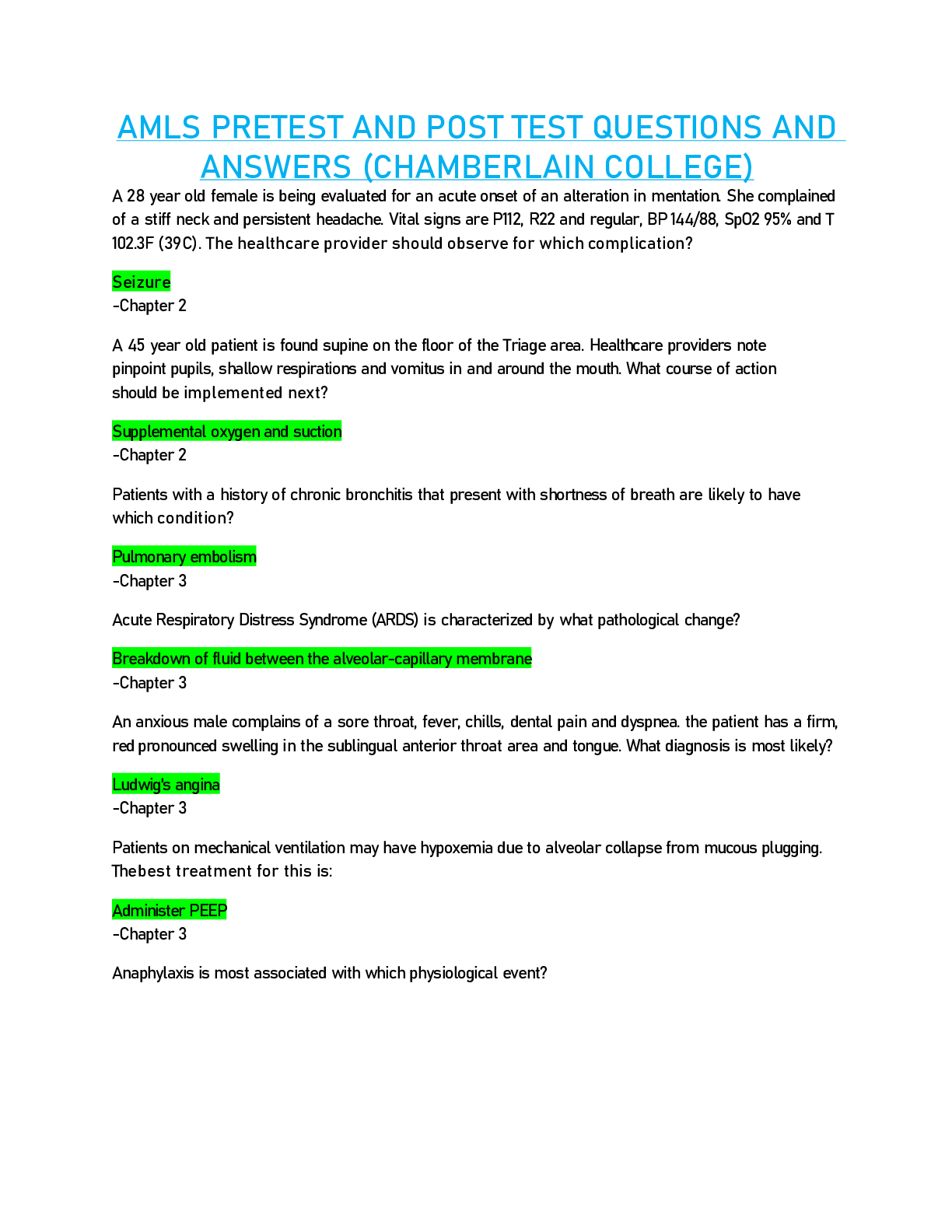
Advanced Medical Life Support AMLS Review QUESTIONS WITH COMPLETE SOLUTIONS
Document Content and Description Below
Last updated: 4 years ago
Preview 1 out of 8 pages
Instant download

Buy this Document to get the Full Access Instantly
Provided by Students Who Aced it
We Verify Document Content to Gurantee Accuracy
Reviews( 0 )
Document information
Connected school, study & course
About the document
Uploaded On
Nov 03, 2022
Number of pages
8
Written in
All

Additional information
This document has been written for:
Uploaded
Nov 03, 2022
Downloads
0
Views
171
Topic Tags
Recommended For You
Get more on QUESTIONS & ANSWERS »
Advanced Medical Life Support AMLS Review QUESTIONS WITH COMPL...
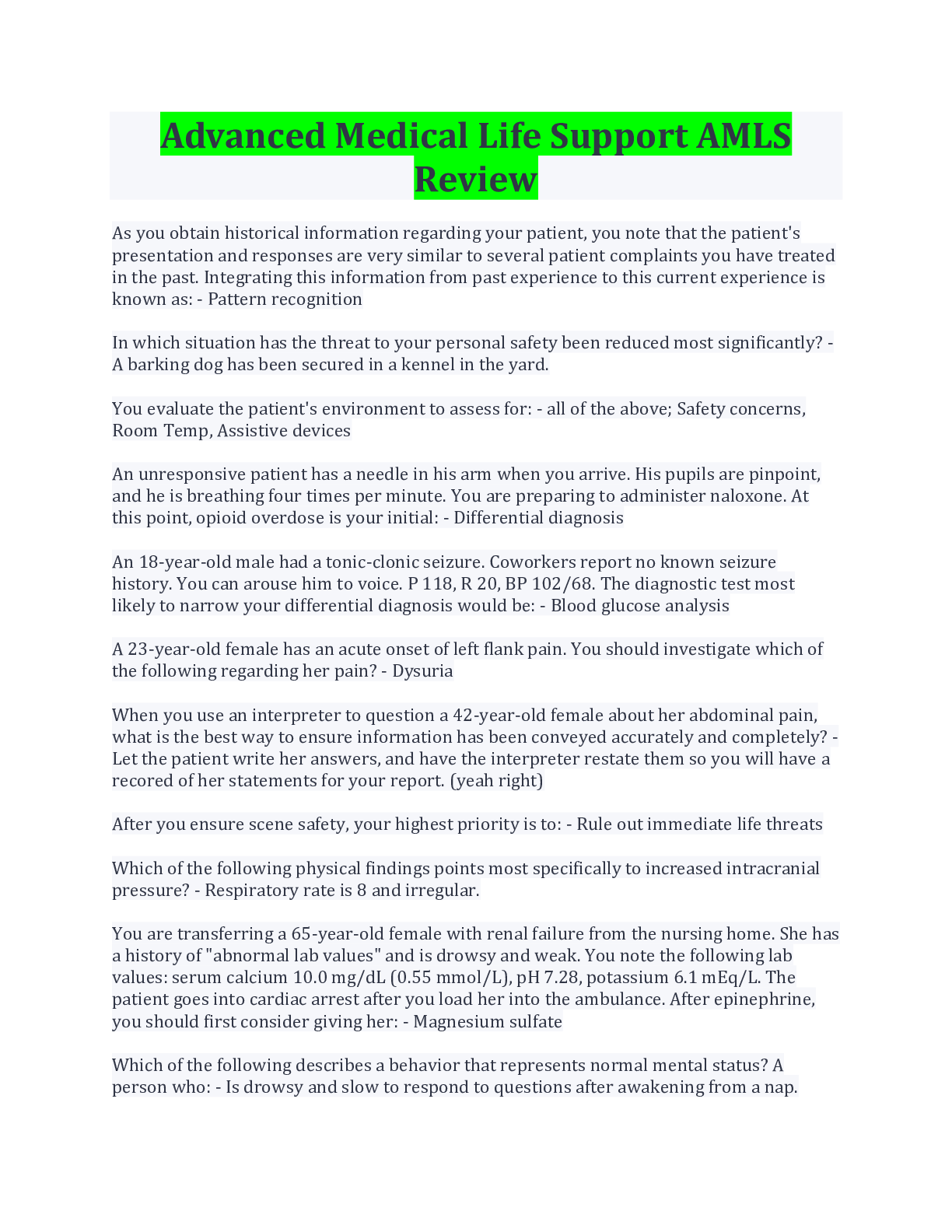
Advanced Medical Life Support AMLS Review – Questions and Answ...
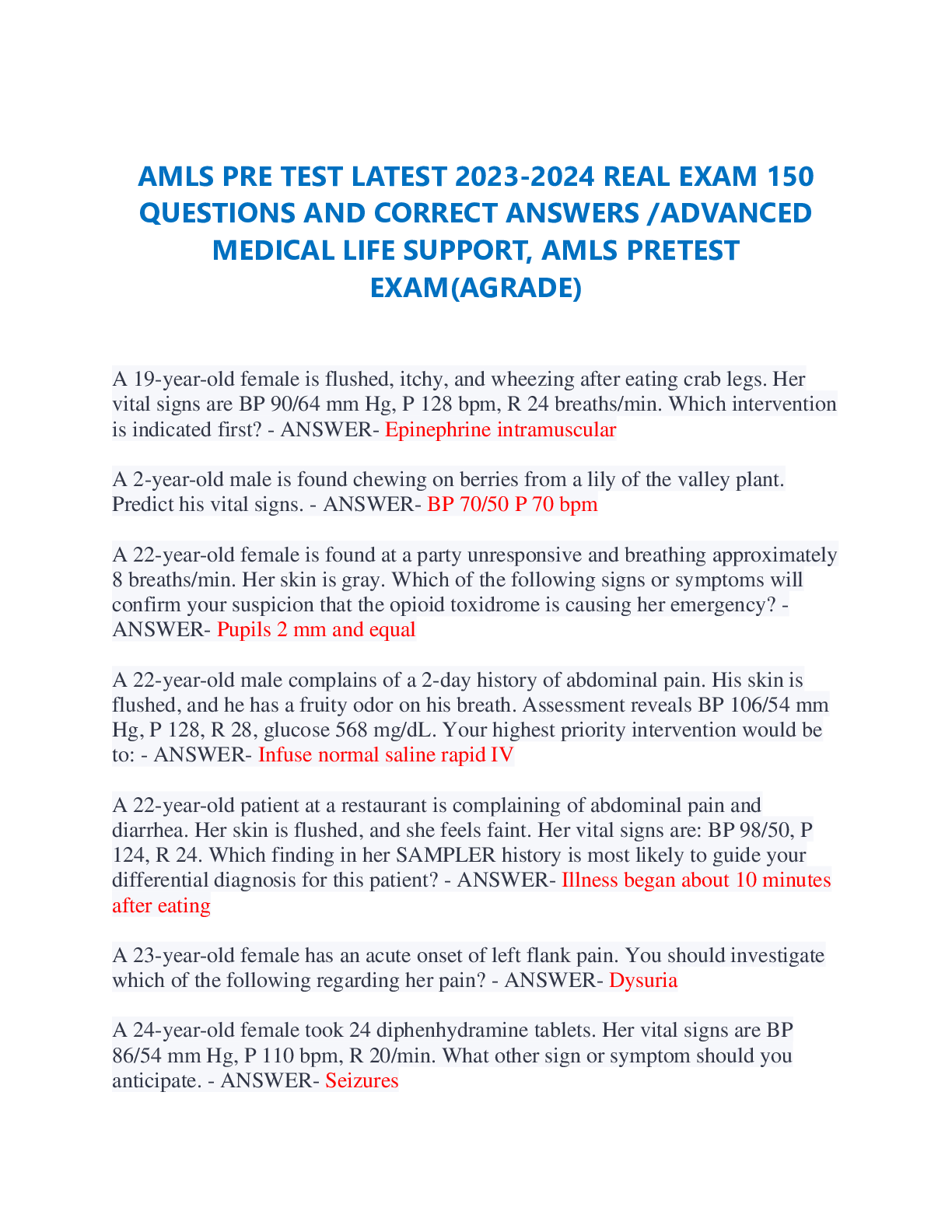
AMLS PRE TEST LATEST 2023-2024 REAL EXAM 150 QUESTIONS AND COR...
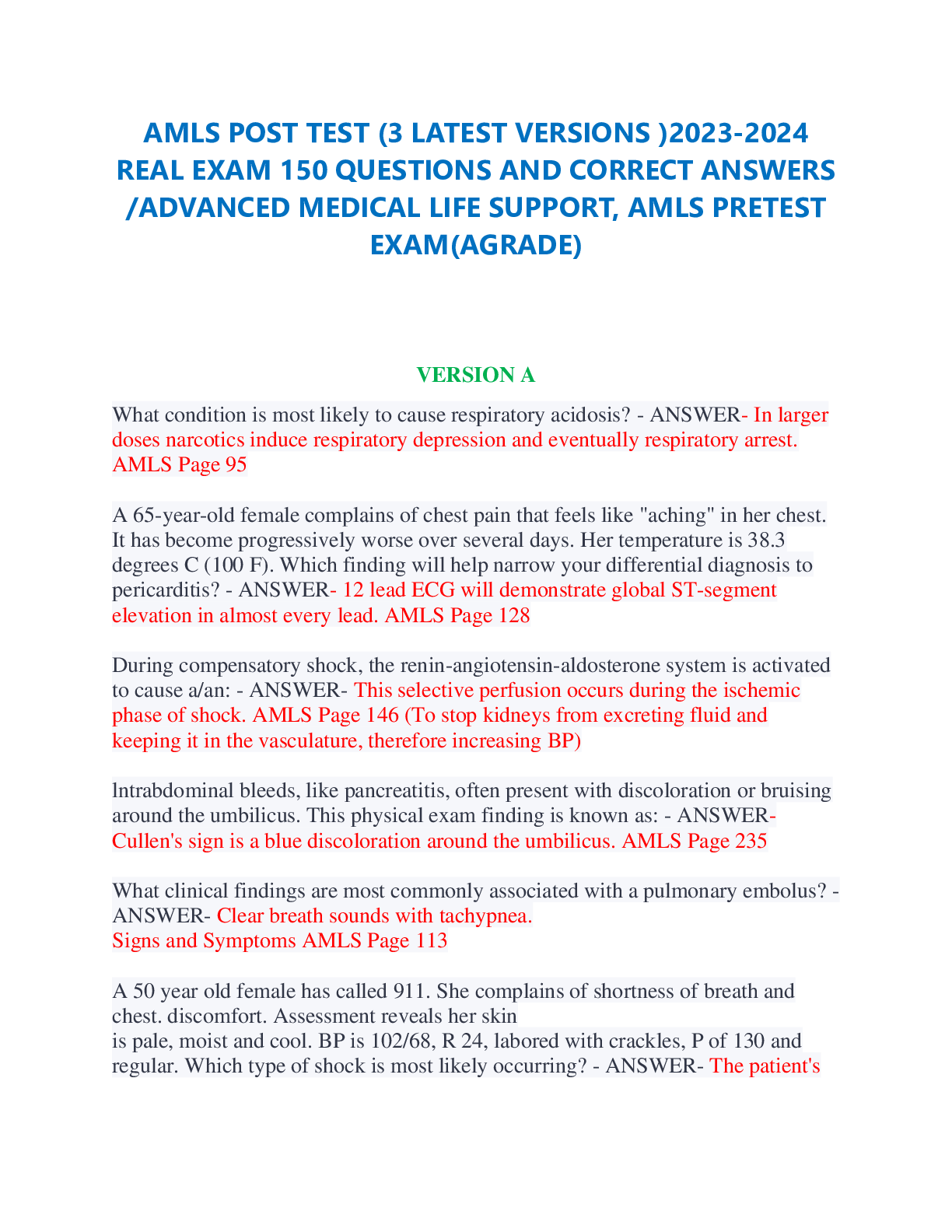
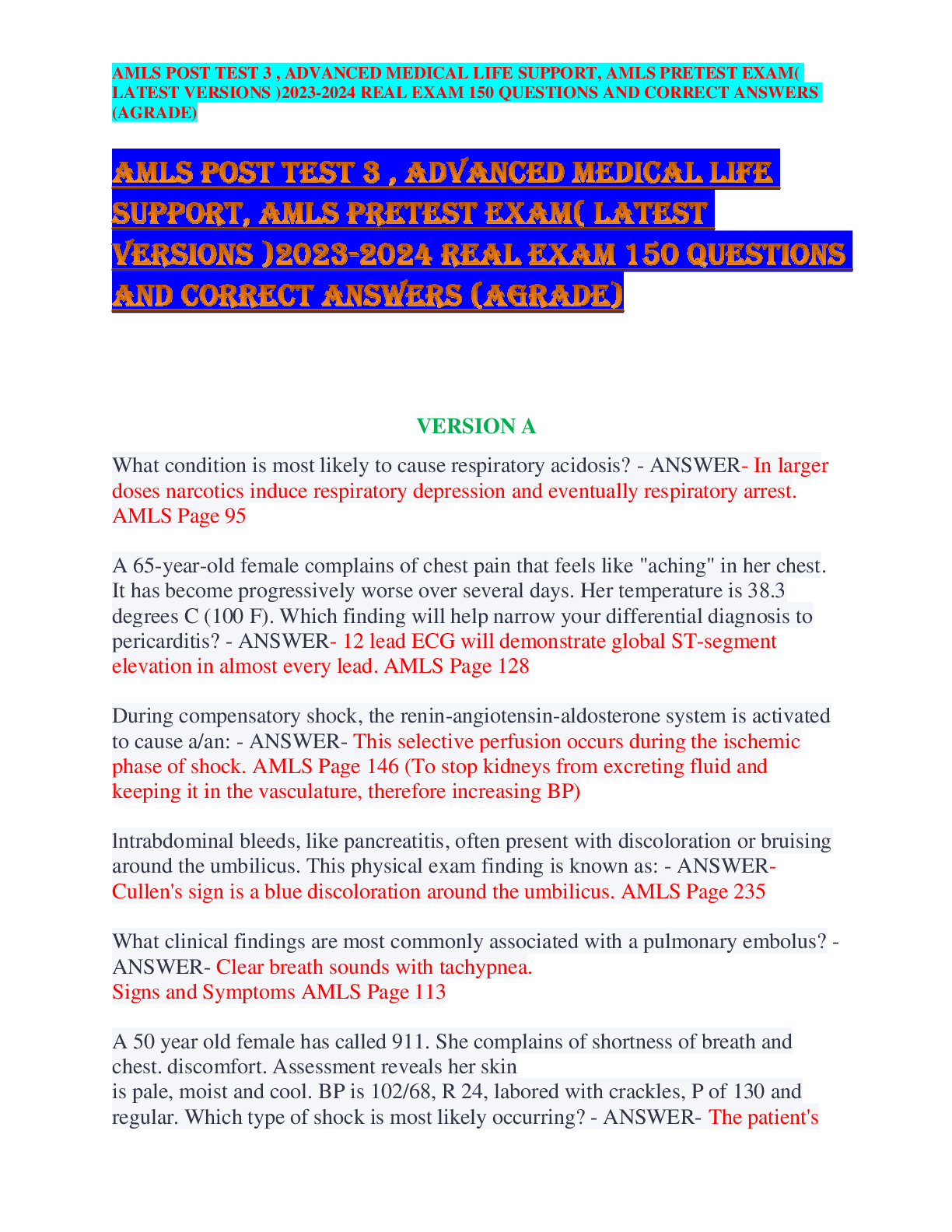
AMLS POST TEST 3 , ADVANCED MEDICAL LIFE SUPPORT, AMLS PRETEST...
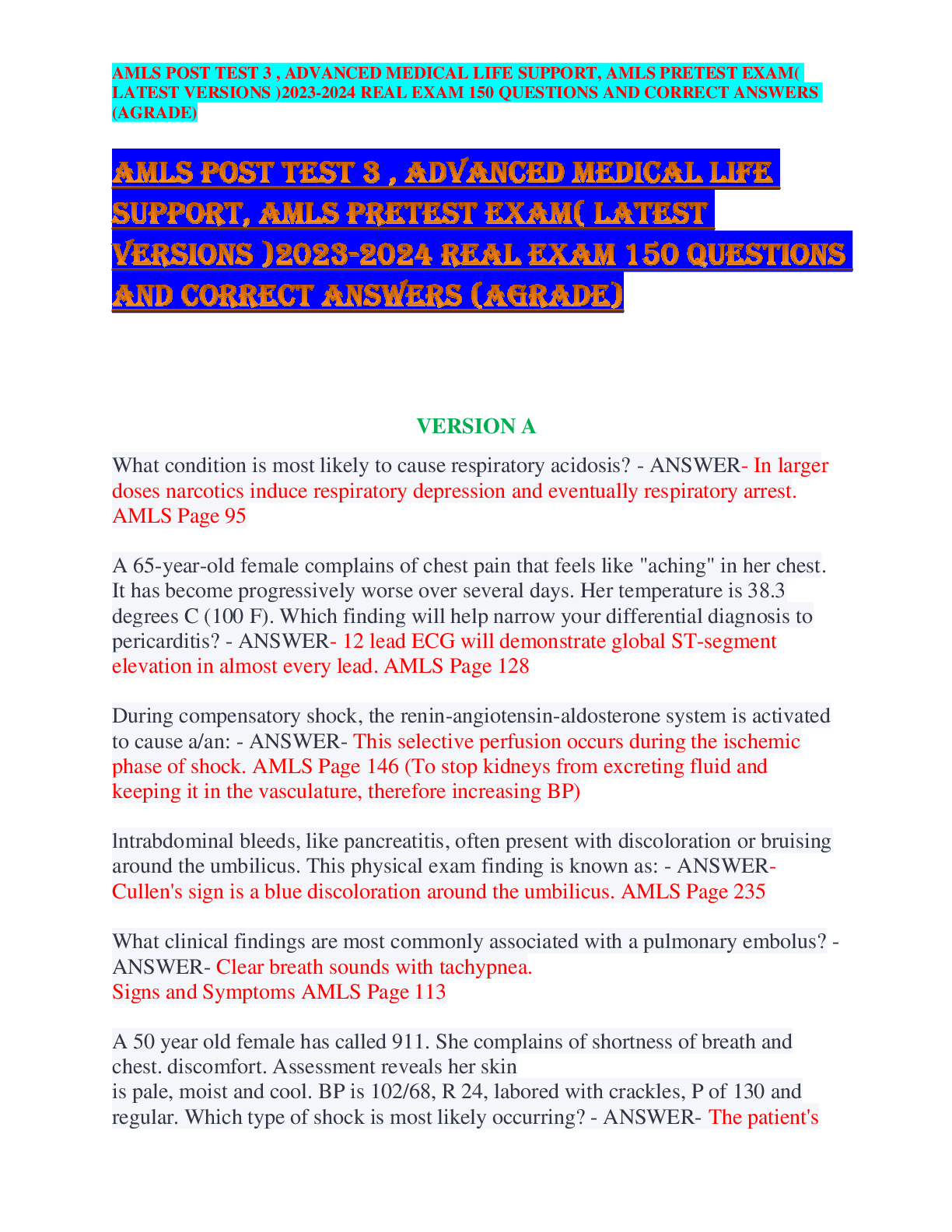
AMLS POST TEST 3 , ADVANCED MEDICAL LIFE SUPPORT, AMLS PRETEST...
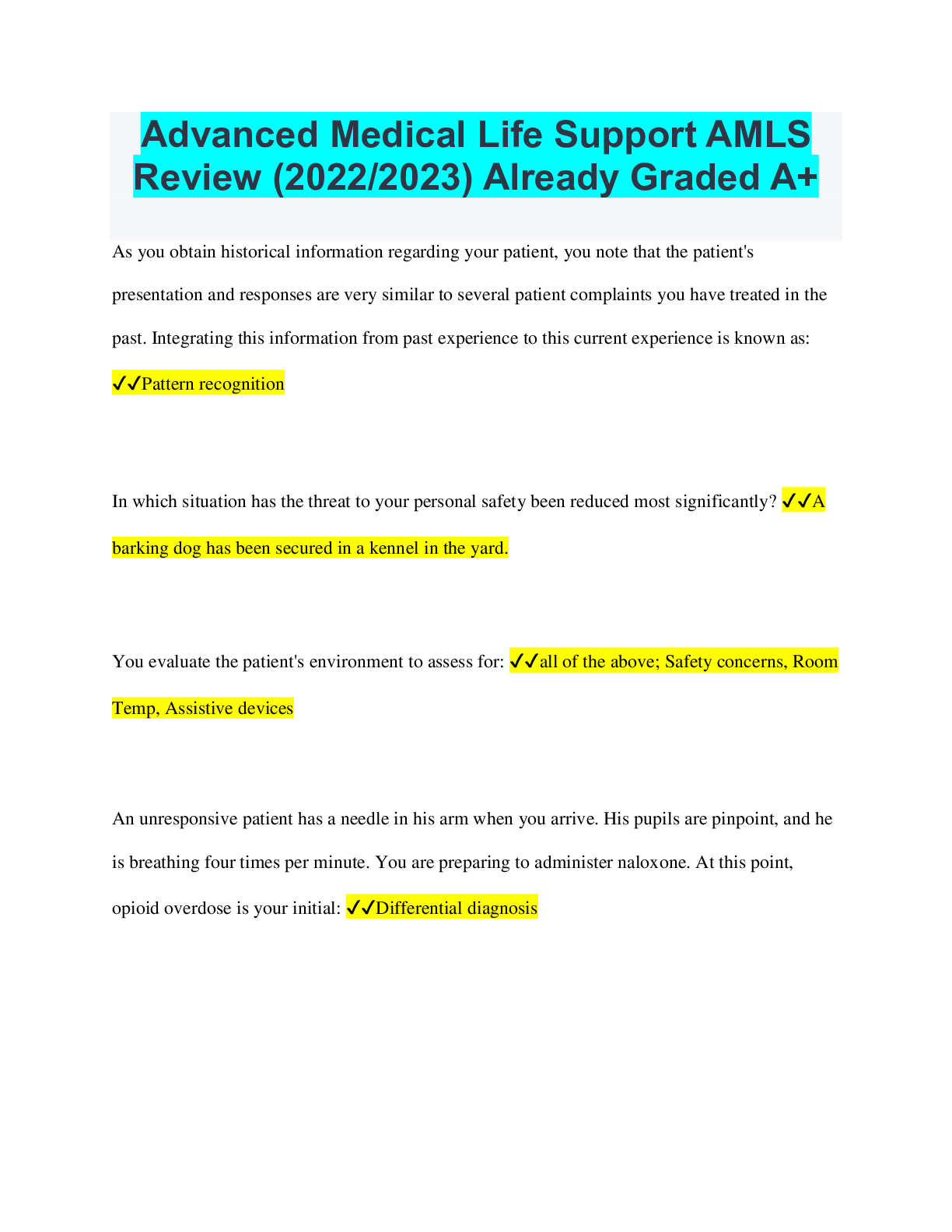
Advanced Medical Life Support AMLS Review (2022/2023) Already...

eBook (ORG PDF) Communicating About Health; Current Issues and...
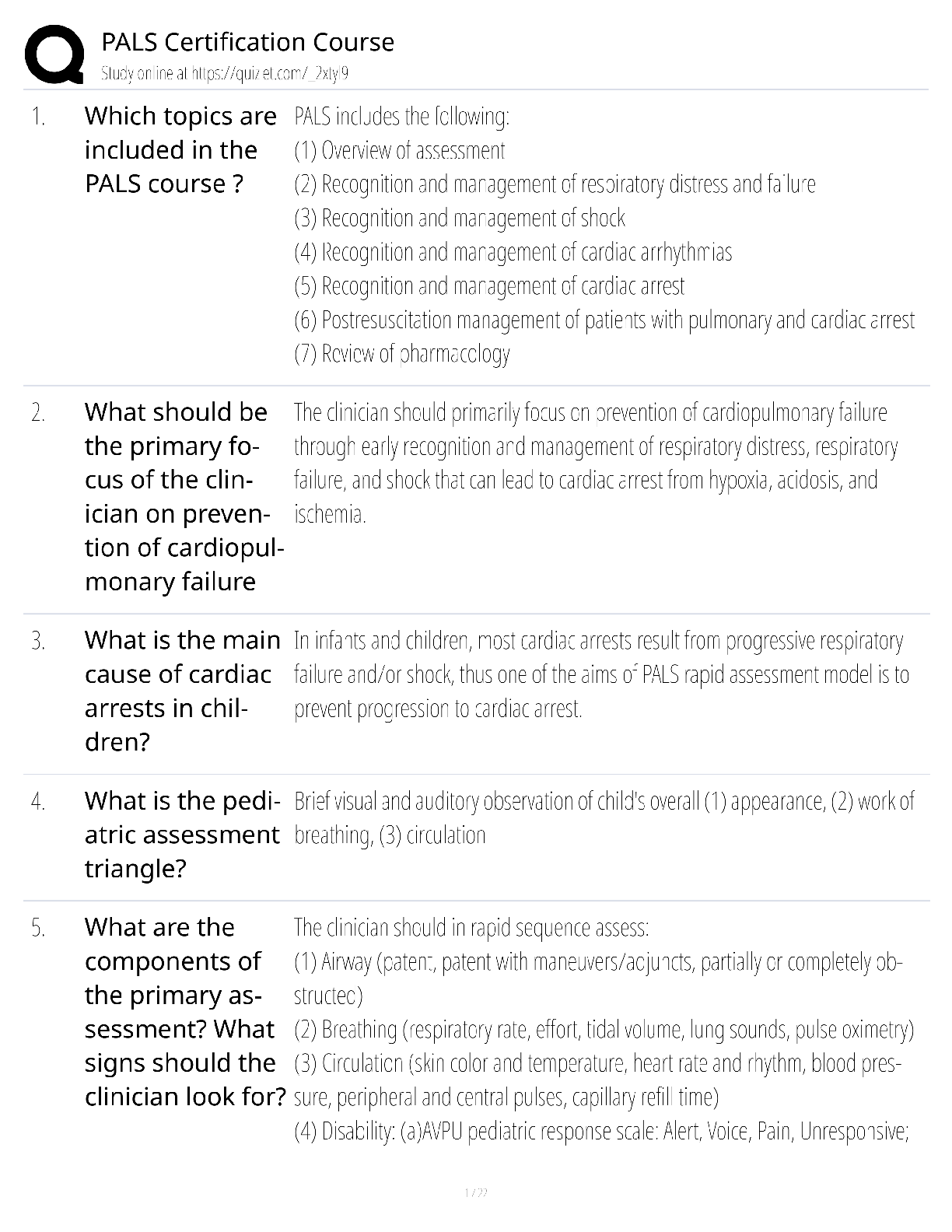
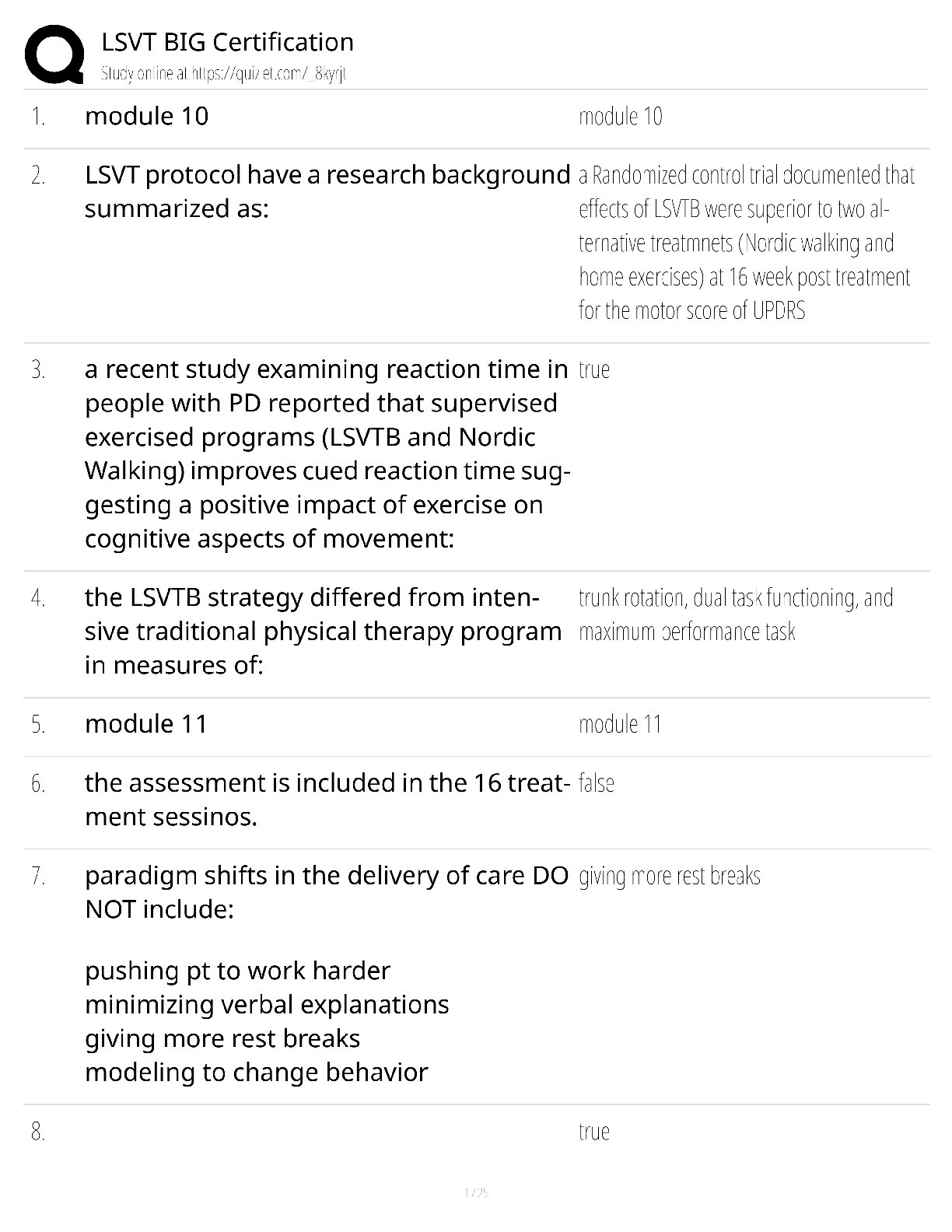
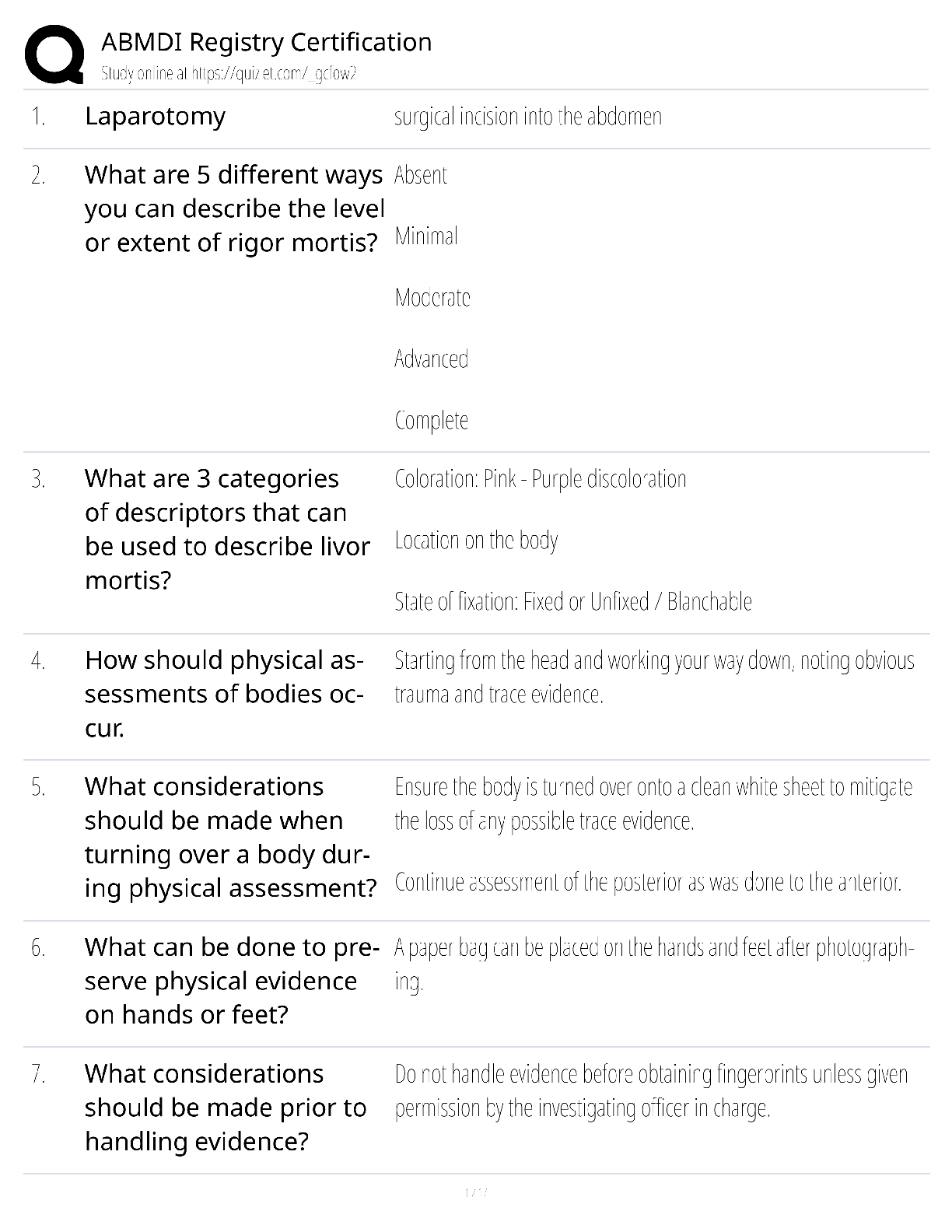
TEST BANK: ALL AMLS (Advanced Medical Life Support) Pretest &...
TEST BANK PHARMACOLOGY;A PATIENT CENTERED NURSING PROCESS APPR...
Test Bank for Introduction to Public Health 6th Edition Schnei...
Essentials of Health Care Marketing 5th Edition By Eric Berk...

eBook [PDF] Irwin and Rippe's Intensive Care Medicine 1st Edit...
eBook [PDF] Applied Therapeutics The Clinical Use of Drugs 12t...