NURSING > EXAM REVIEW > NR 293 ROK Exam 1 Week 3, Questions And Answers (All)
NR 293 ROK Exam 1 Week 3, Questions And Answers
Document Content and Description Below
Last updated: 4 years ago
Preview 1 out of 18 pages
Instant download
.png)
Buy this Document to get the Full Access Instantly
Provided by Students Who Aced it
We Verify Document Content to Gurantee Accuracy
Reviews( 0 )
Document information
Connected school, study & course
About the document
Uploaded On
Jan 17, 2021
Number of pages
18
Written in
All

Additional information
This document has been written for:
Uploaded
Jan 17, 2021
Downloads
0
Views
116
Topic Tags
Recommended For You
Get more on EXAM REVIEW »
NR293 / NR 293 Pharmacology for Nursing Practice Exam 1. Chamb...
NR293 FINAL EXAM WITH 125 QUESTIONS AND ANSWERS (VERIFIED ANS...

NR293 / NR 293 Pharmacology for Nursing Practice FINAL EXAM La...
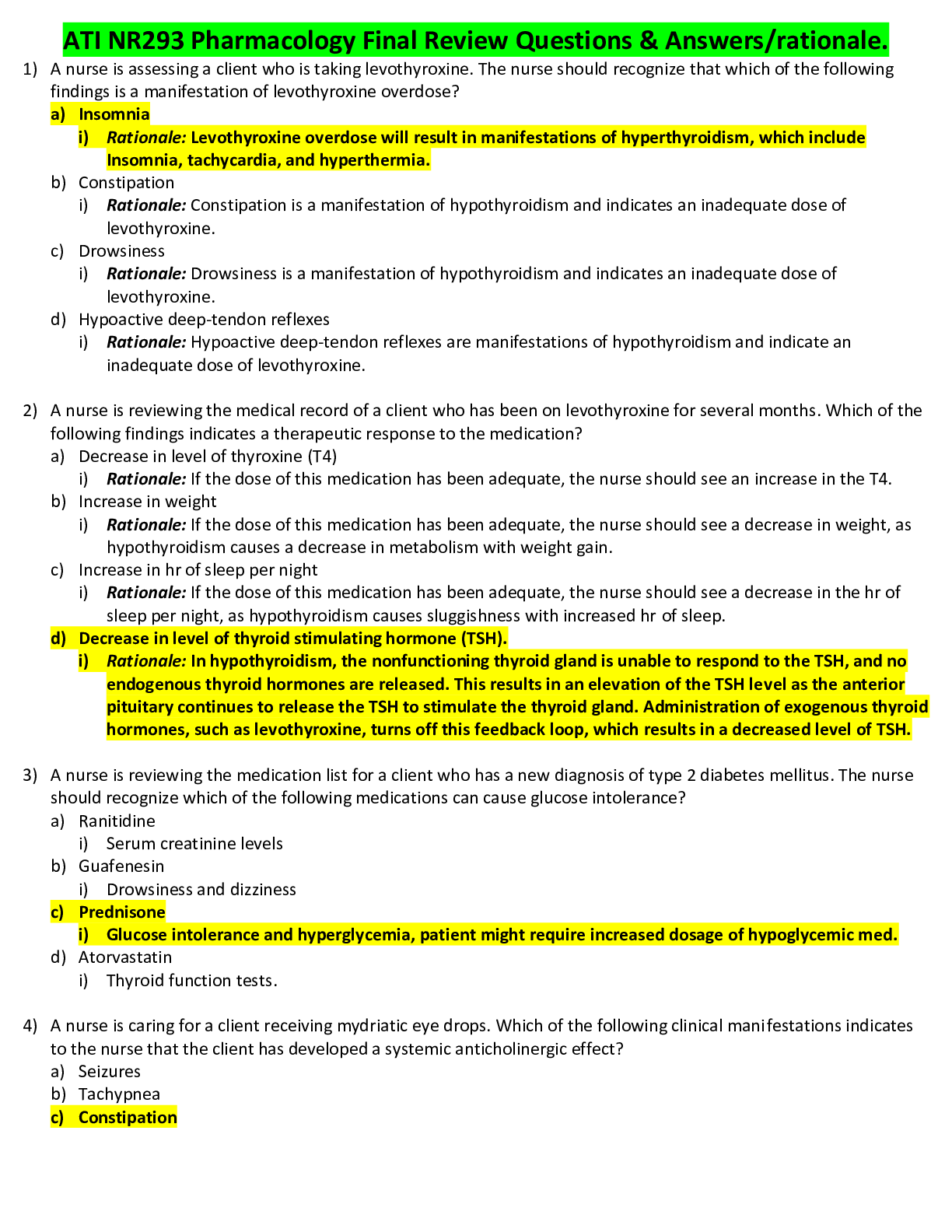
ATI NR293 Pharmacology / NR 293 ATI Pharmacology Final Review...
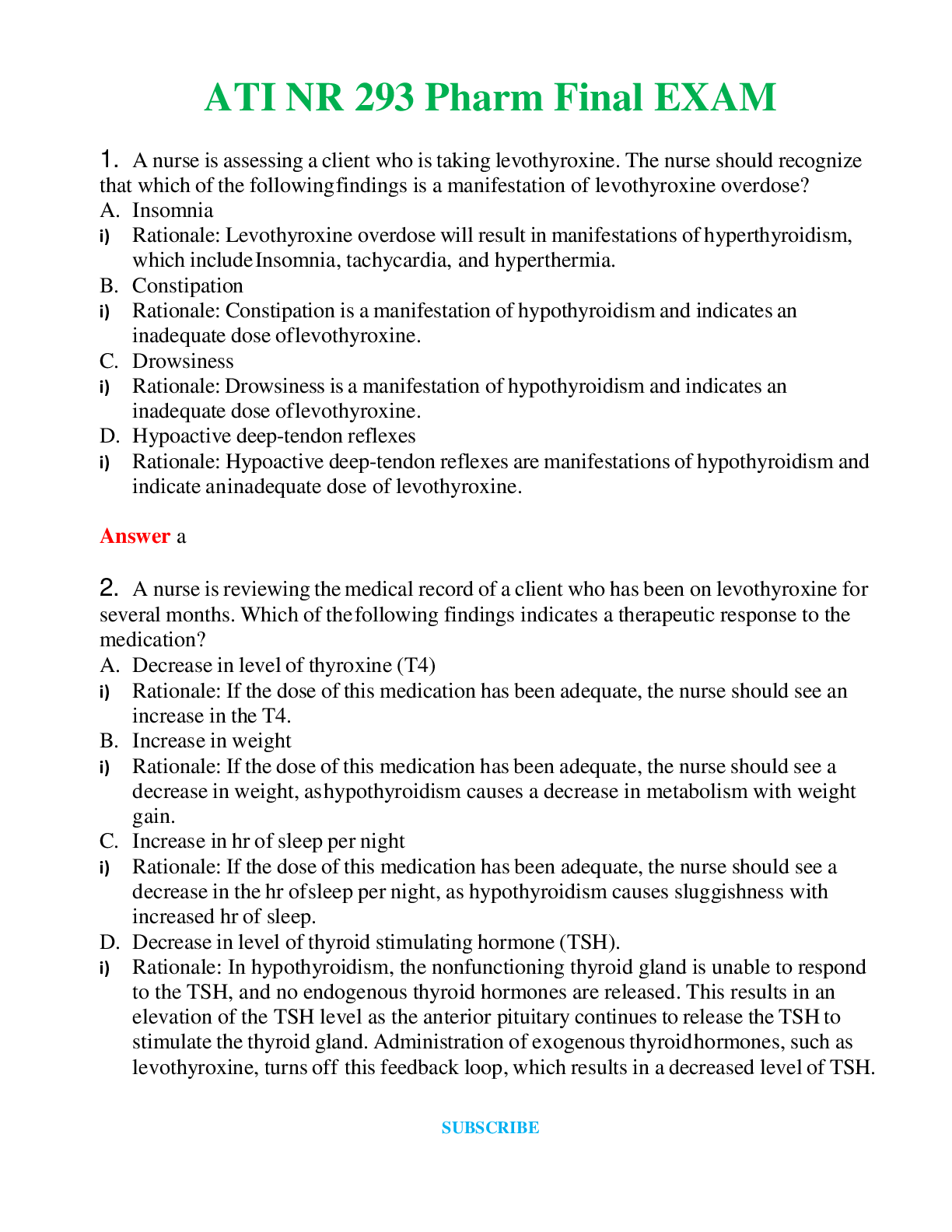
ATI NR 293 Pharm Final EXAM Questions and Answers (Verified A...

NR293 / NR 293 Quiz 1 : Pharmacology for Nursing Practice - C...

ATI NR293 LATEST TEST 1 MEDICAL STUDY GUIDE 2026 STUDY QUESTIO...
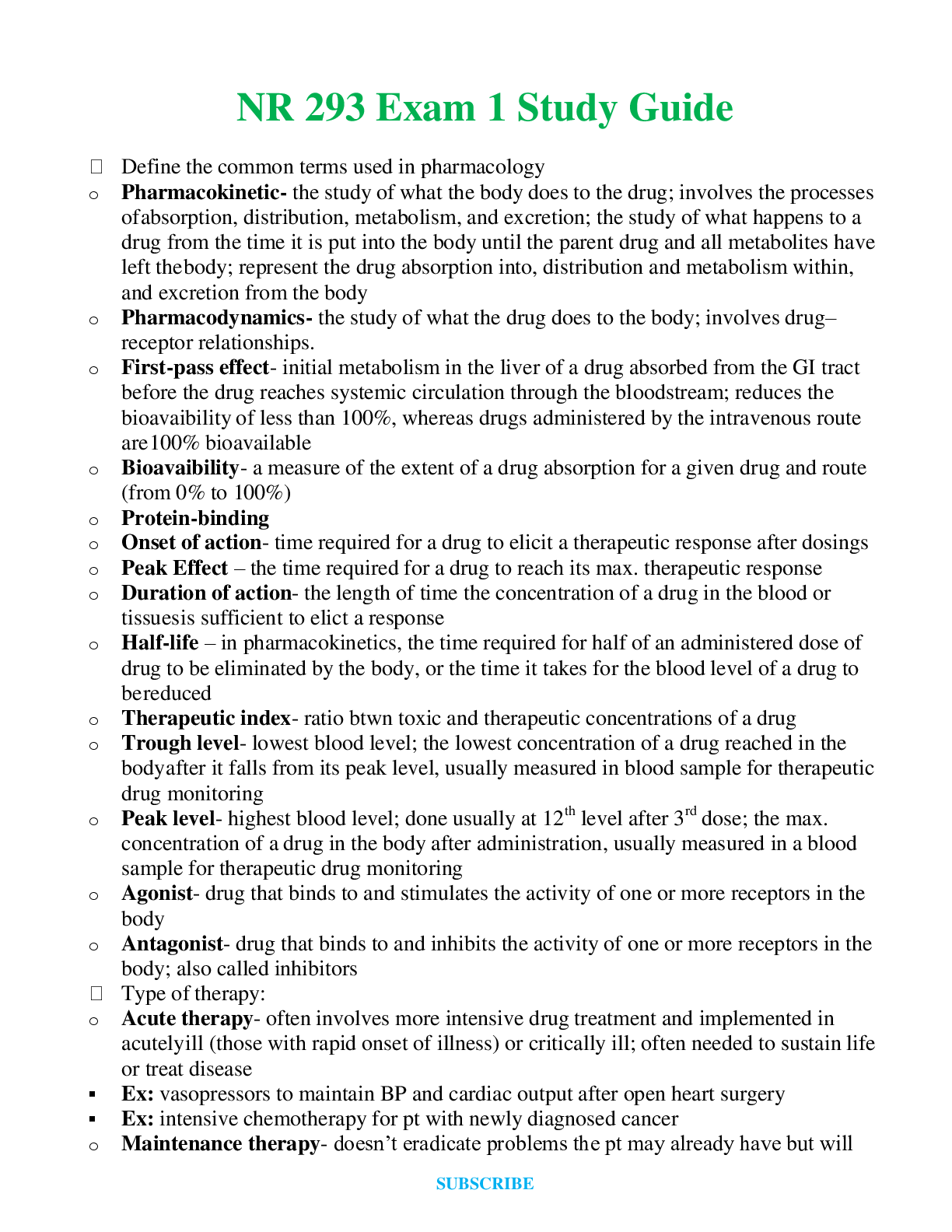
NR 293 Exam 1 Study Guide Questions and Answers (Verified A...
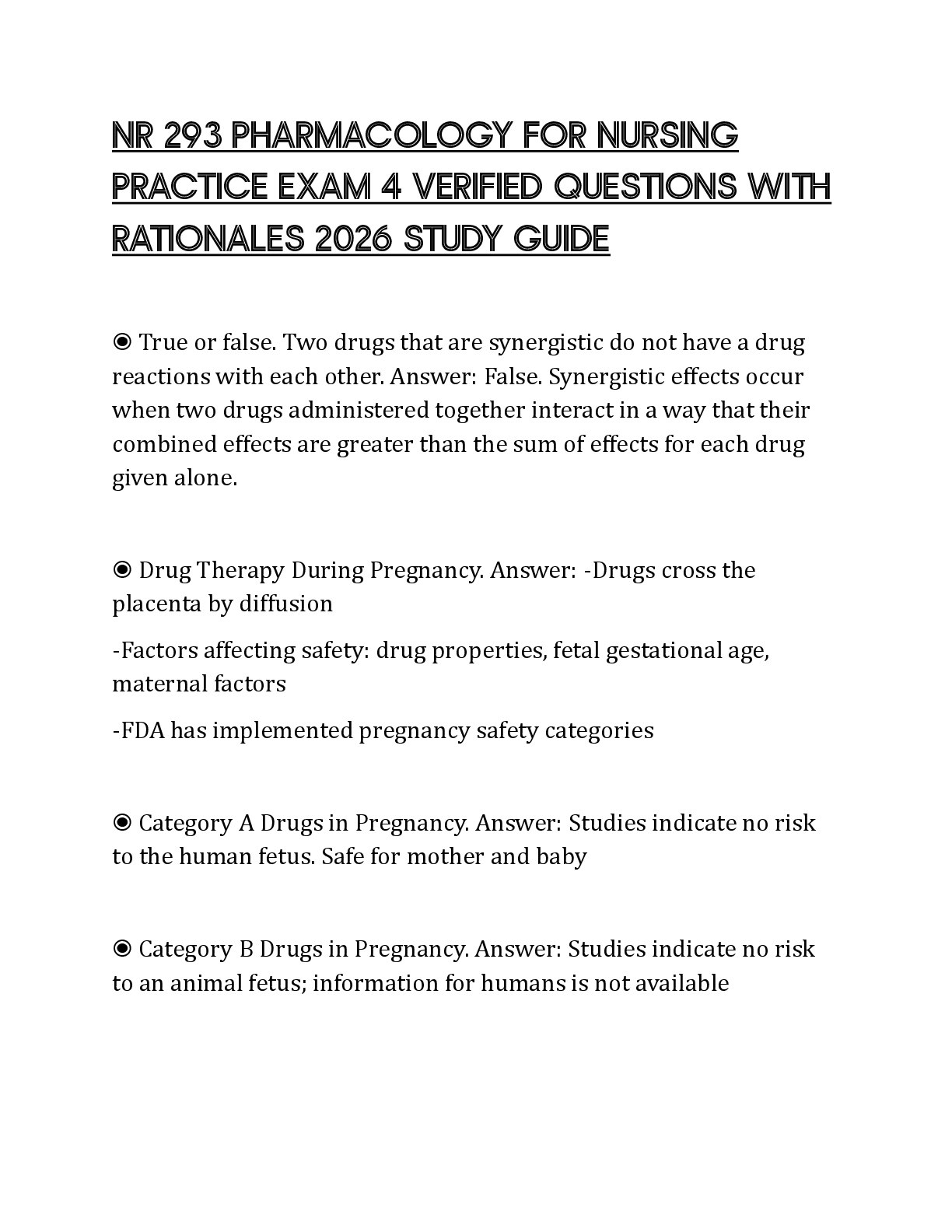
NR 293 PHARMACOLOGY FOR NURSING PRACTICE EXAM 4 VERIFIED QUEST...
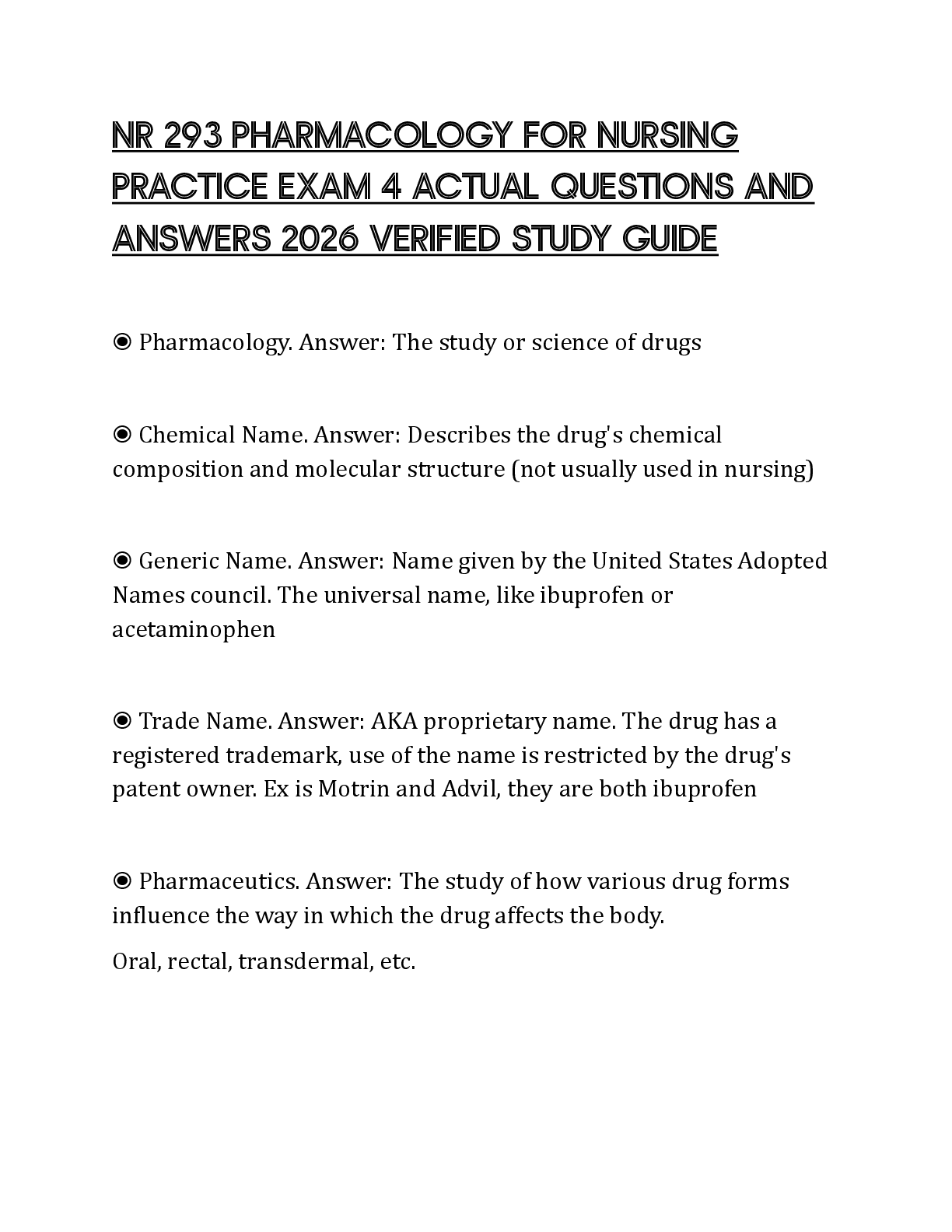
NR 293 PHARMACOLOGY FOR NURSING PRACTICE EXAM 4 ACTUAL QUESTIO...

ATI NR 293 MED-SURG PART A, (Spring 2020) Complete Solution.
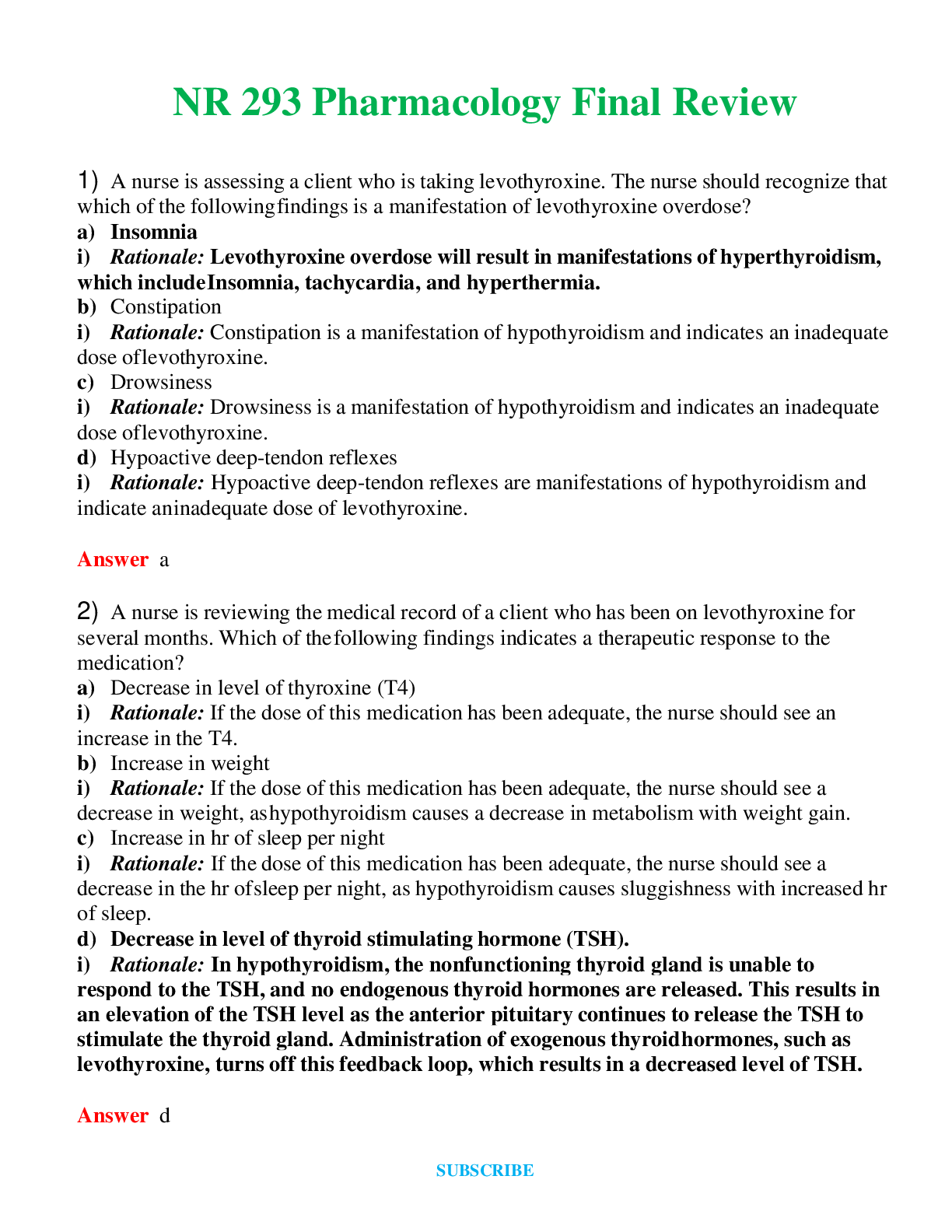
NR 293 Pharmacology Final ReviewQuestions and Answers (Ver...

NR 293 ATI Pharmacology Final Review_2020 - Chamberlain Colleg...
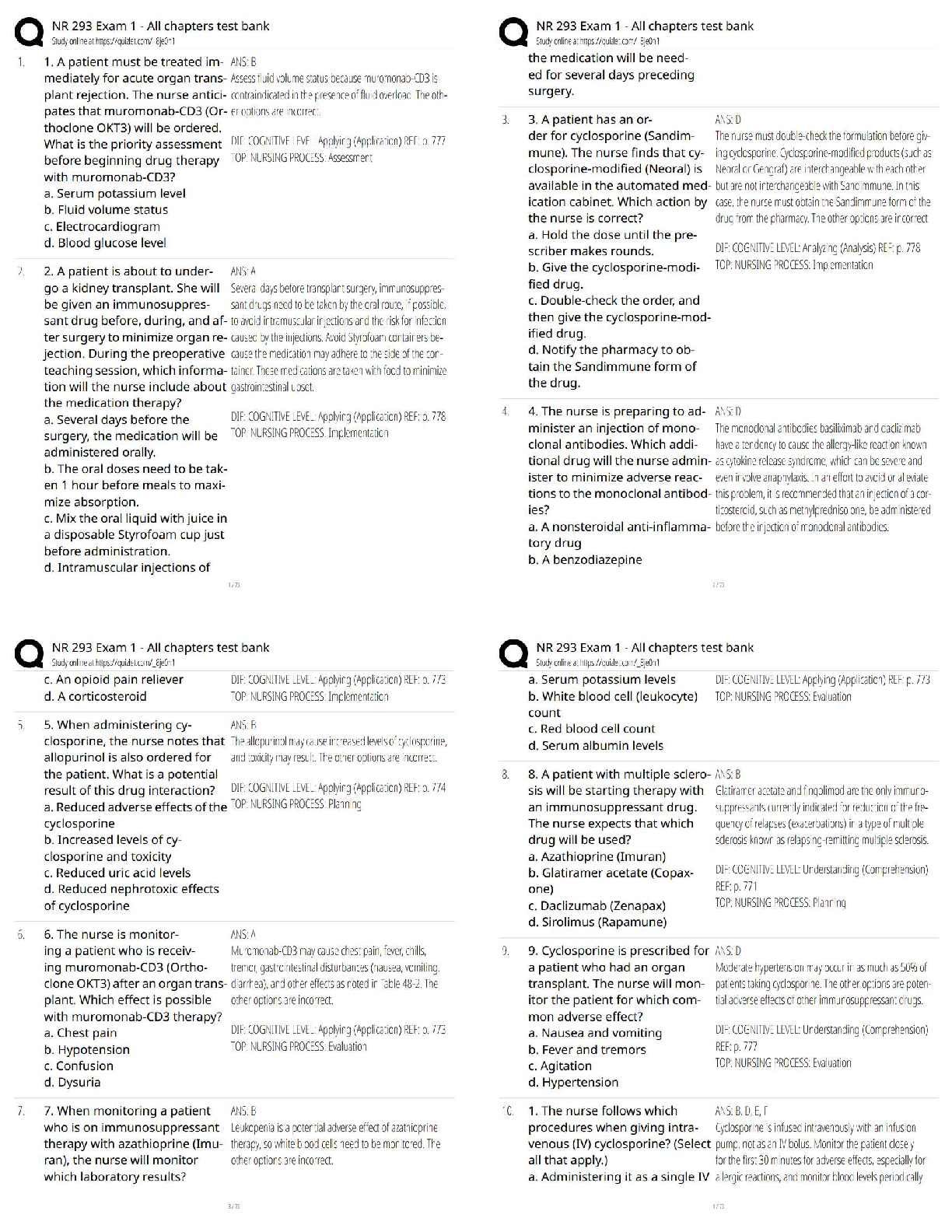
NR 293 Exam 1 – All Chapters / Score 100% / 2025-2026 Updated...
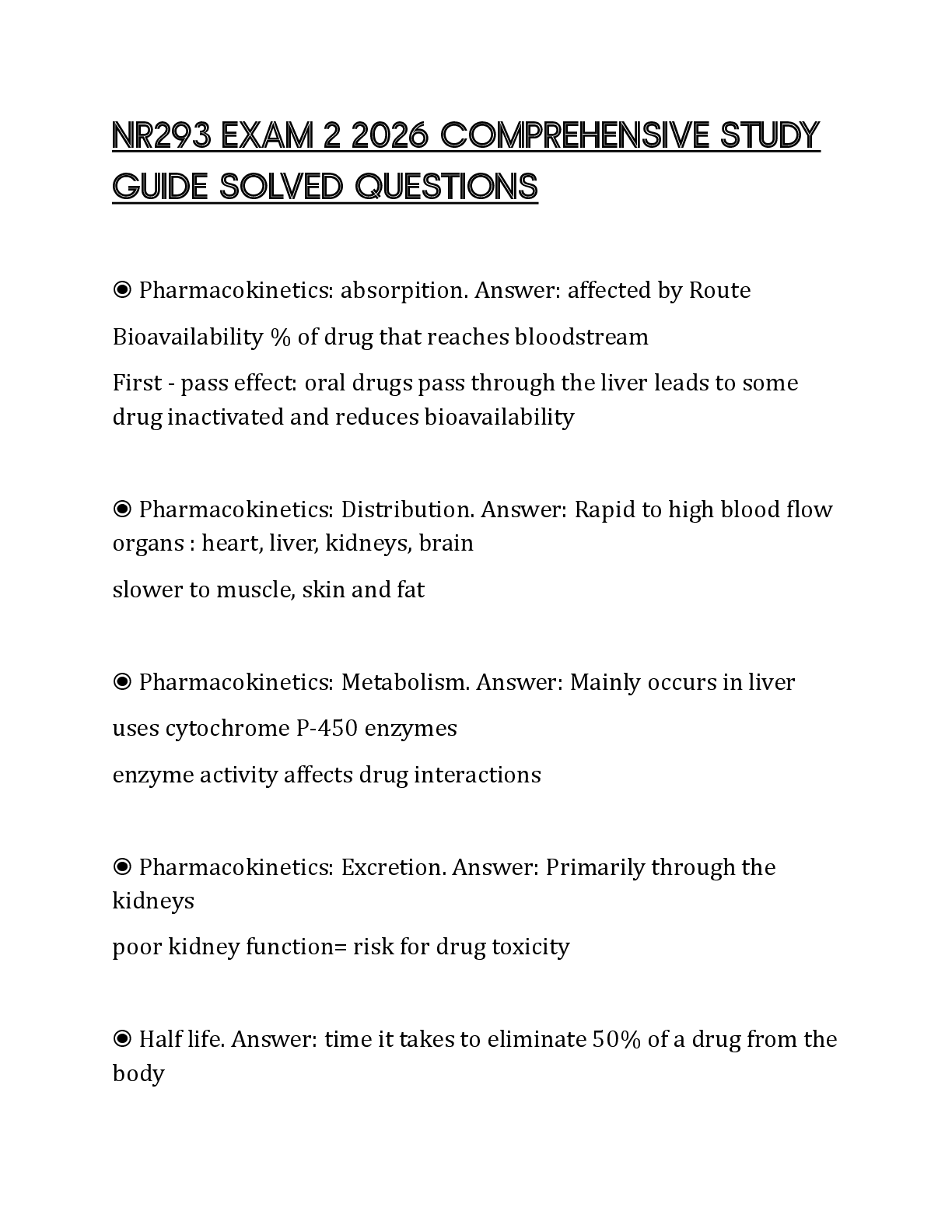
NR293 EXAM 2 2026 COMPREHENSIVE STUDY GUIDE SOLVED QUESTIONS

NR 293 ATI Pharmacology Final Review Chamberlain College of Nu...

NR 293 ATI Pharmacology Final Review_2020 – Chamberlain Colleg...
Macroeconomics, 7th Edition by Paul Krugman and Robin Wells...
.png)

.png)