SPēD SAPPC: General Security questions with complete solutions
Document Content and Description Below
Special Access Program (SAP) Correct Answer: A program established for a specific class of classified information that imposes safeguarding and access requirements that exceed those normally required for information at
...
[Show More]
Last updated: 3 years ago
Preview 1 out of 8 pages
Instant download

Buy this Document to get the Full Access Instantly
Provided by Students Who Aced it
We Verify Document Content to Gurantee Accuracy
Reviews( 0 )
Document information
Connected school, study & course
About the document
Uploaded On
Nov 21, 2022
Number of pages
8
Written in
All

Additional information
This document has been written for:
Uploaded
Nov 21, 2022
Downloads
0
Views
133
Topic Tags
Recommended For You
Get more on EXAM »



$29
400 Pages
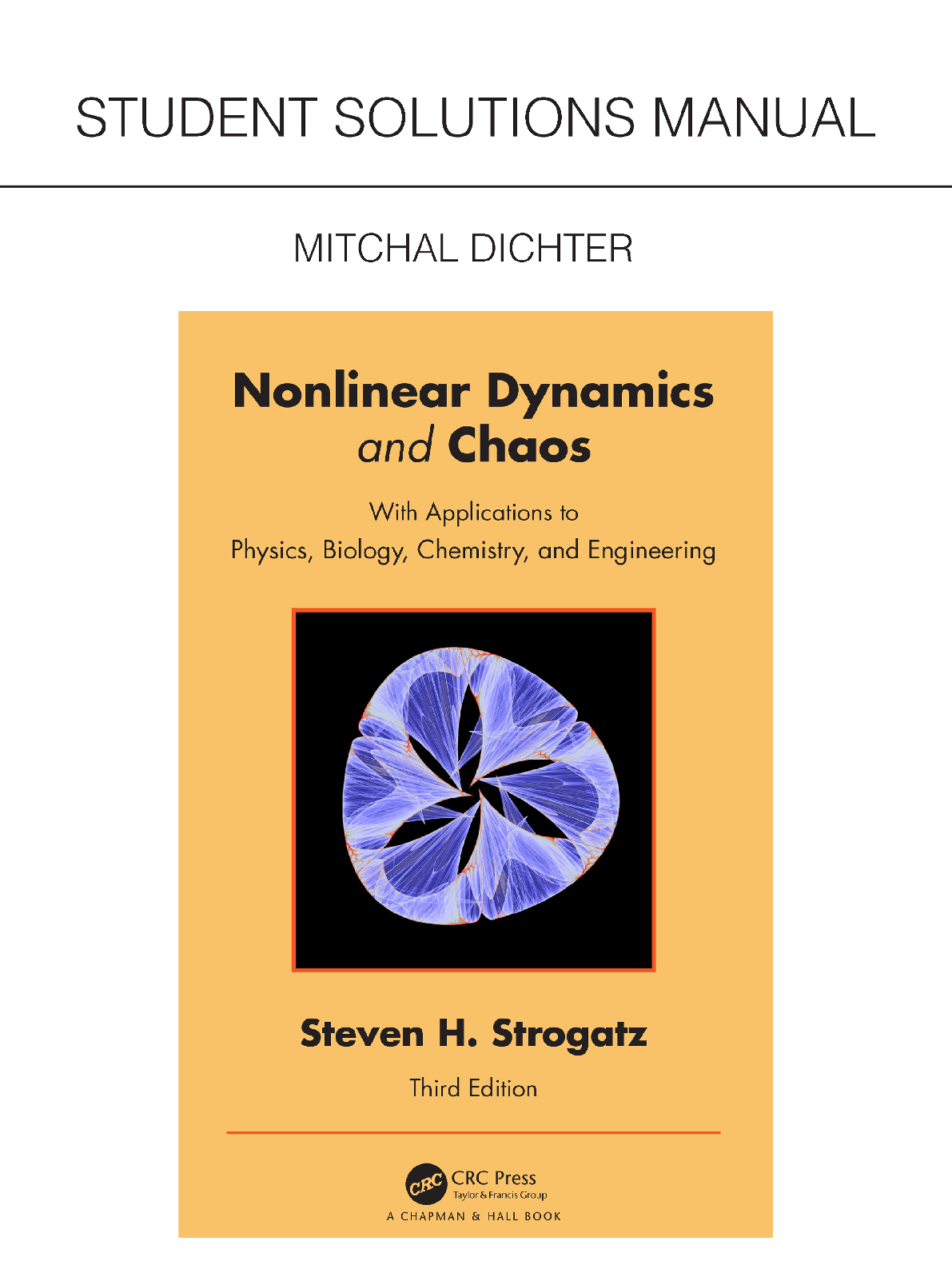
Solutions Manual for Non Linear Dynamics and Chaos With Applic...
![Preview of THE TEFL ACADEMY LEVEL 5 - ASSIGNMENT C - AUTHENTIC MATERIAL [2026]](https://browseimages.nyc3.digitaloceanspaces.com/paper-images/2026/04/10/HpVkRcWV2026-04-10-11-5769d96426bd64f.png)
$7
8 Pages
A person drives well if he or she: A: Has an instruction permi...
More related documents below