English > QUESTIONS & ANSWERS > UNIT 3 - SESSION 3|HOW CAN EHRI'S PHASES GUIDE INSTRUCTION|QUSTIONS WITH CORRECT ANSWERS (All)
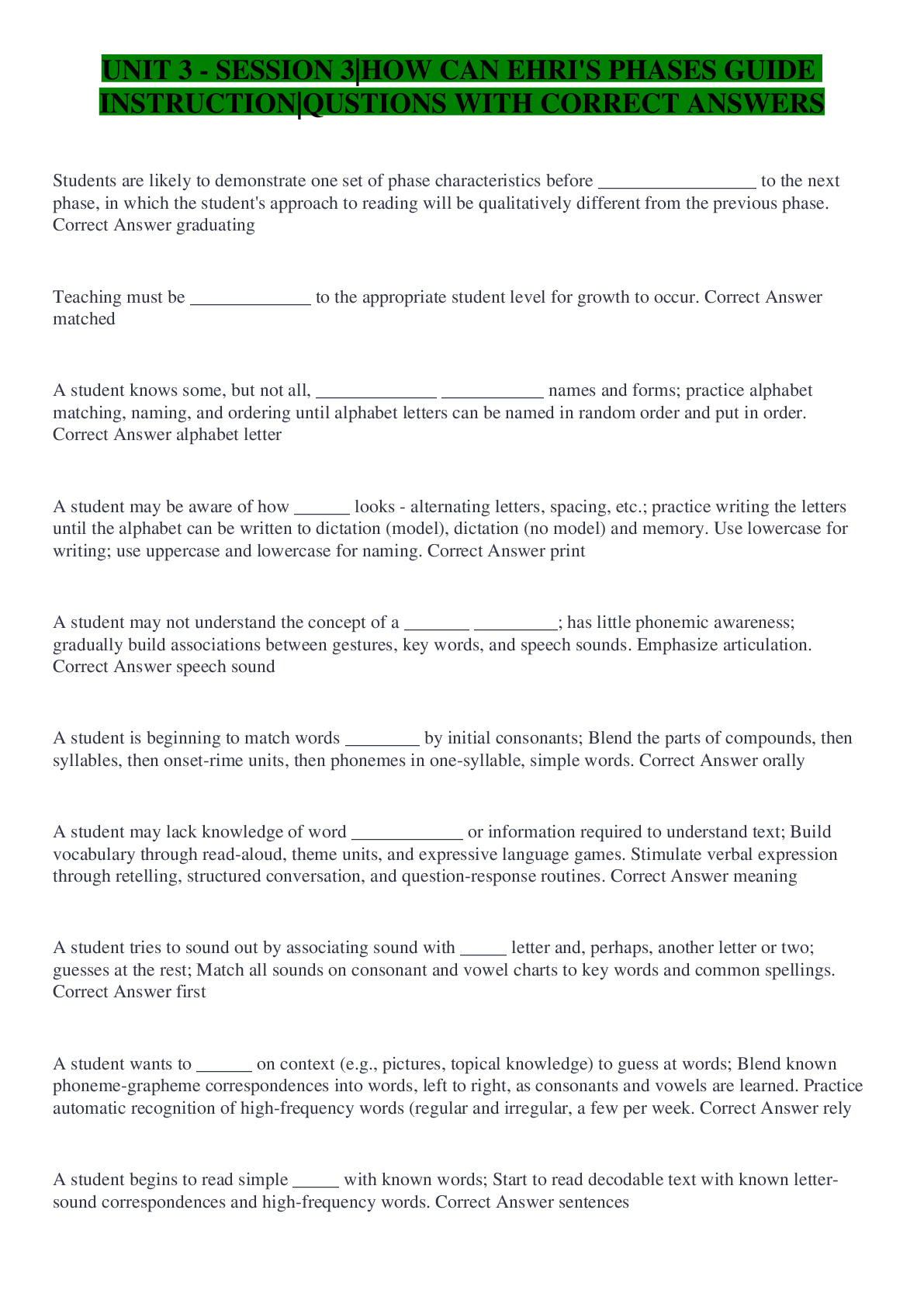
UNIT 3 - SESSION 3|HOW CAN EHRI'S PHASES GUIDE INSTRUCTION|QUSTIONS WITH CORRECT ANSWERS
Document Content and Description Below
Last updated: 3 years ago
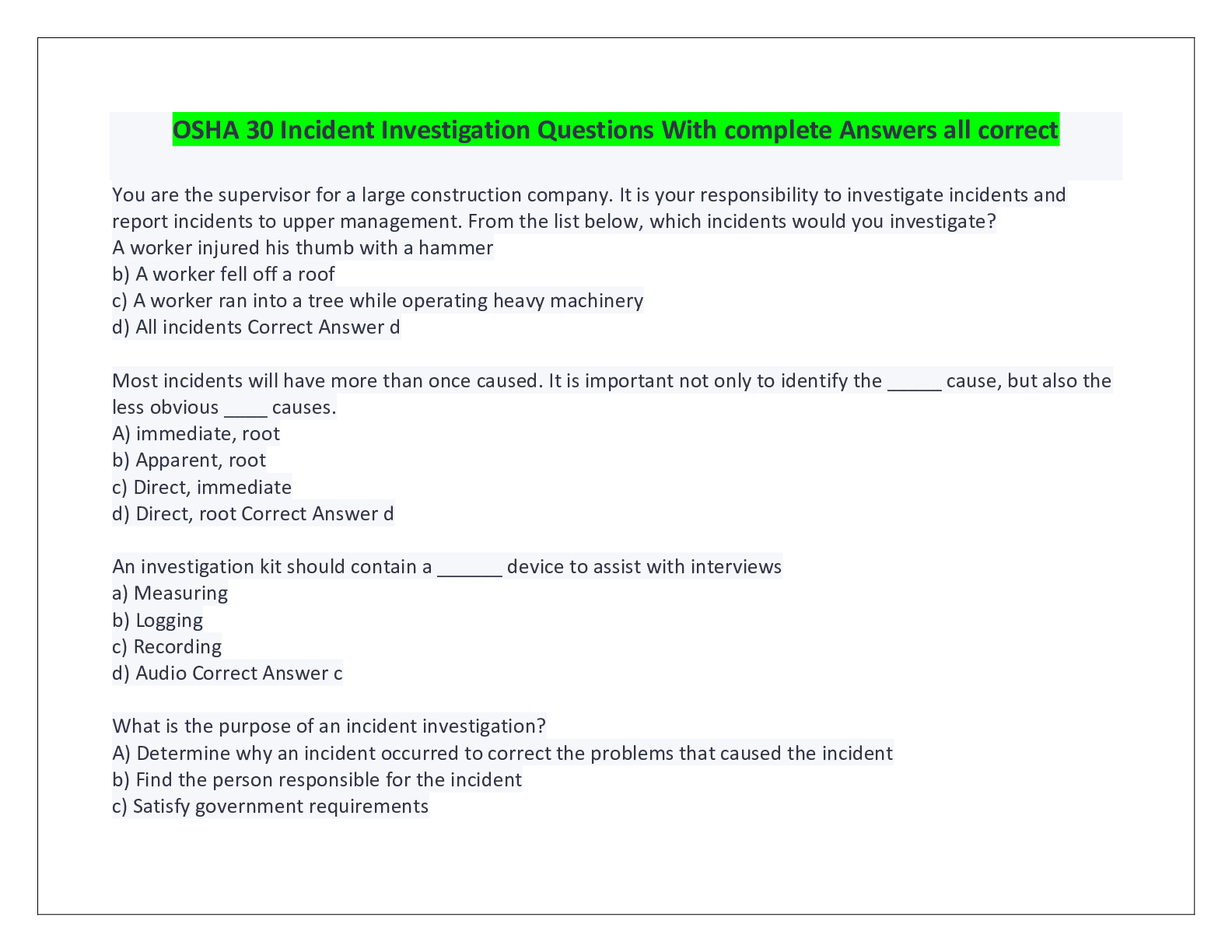
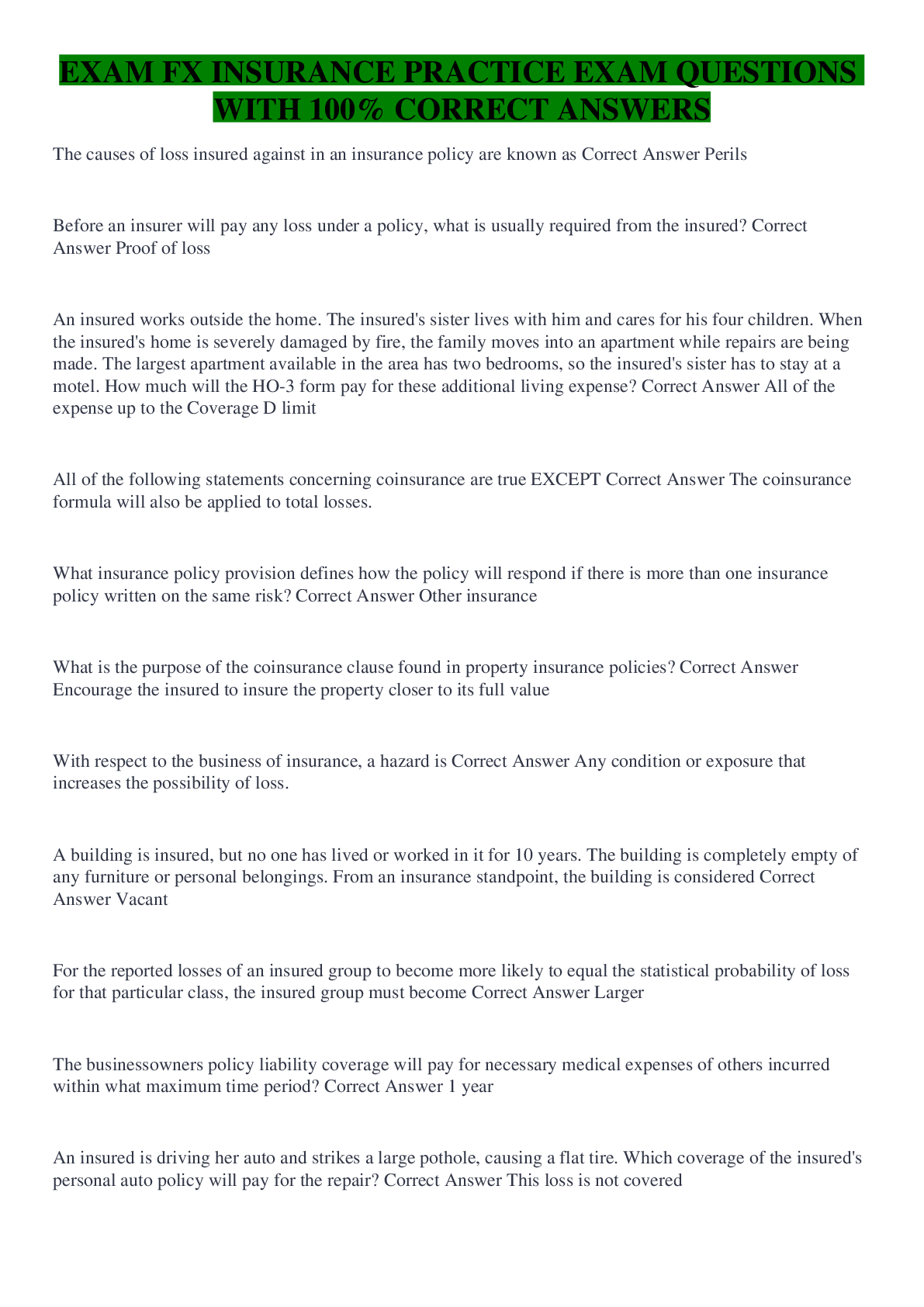
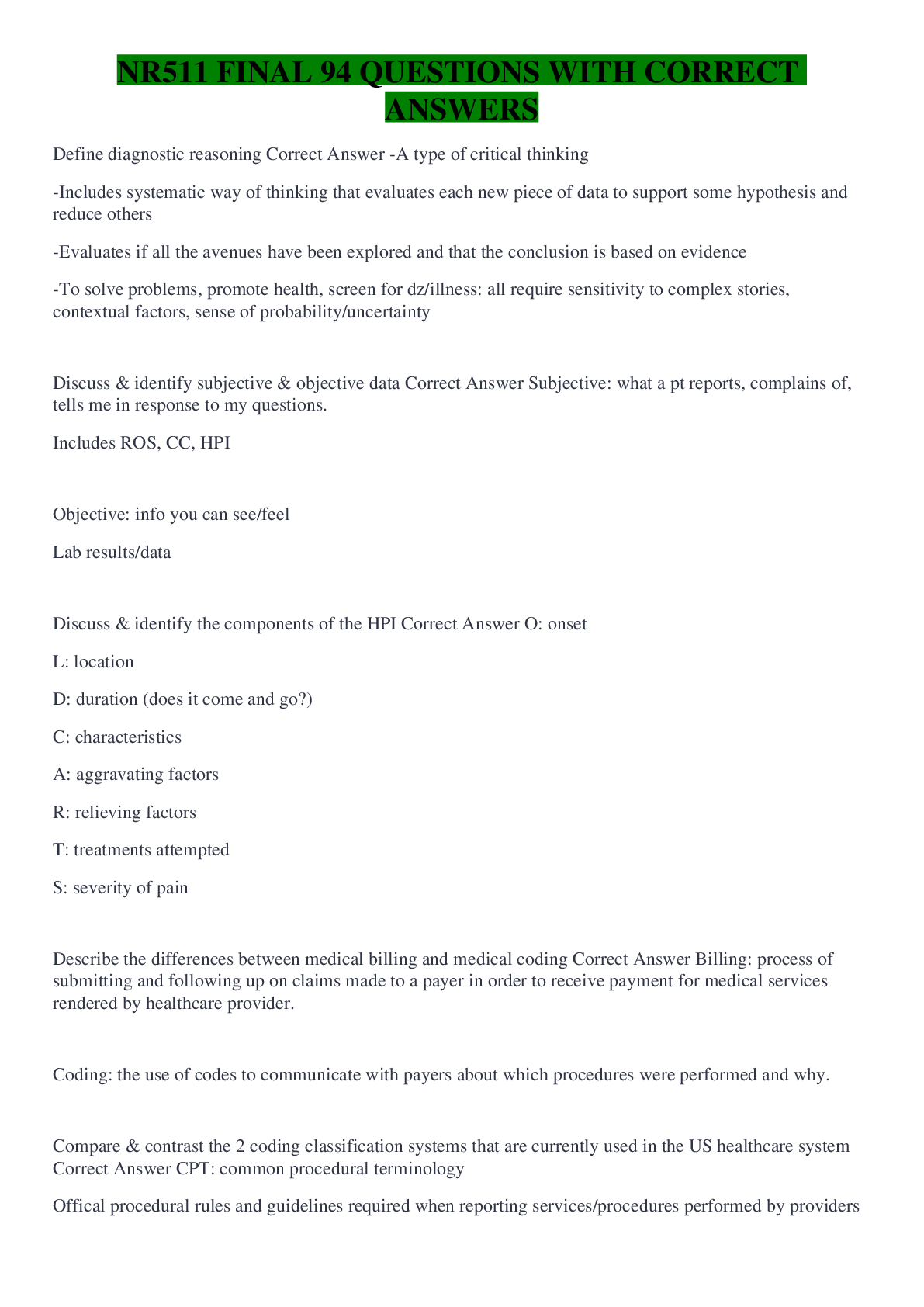
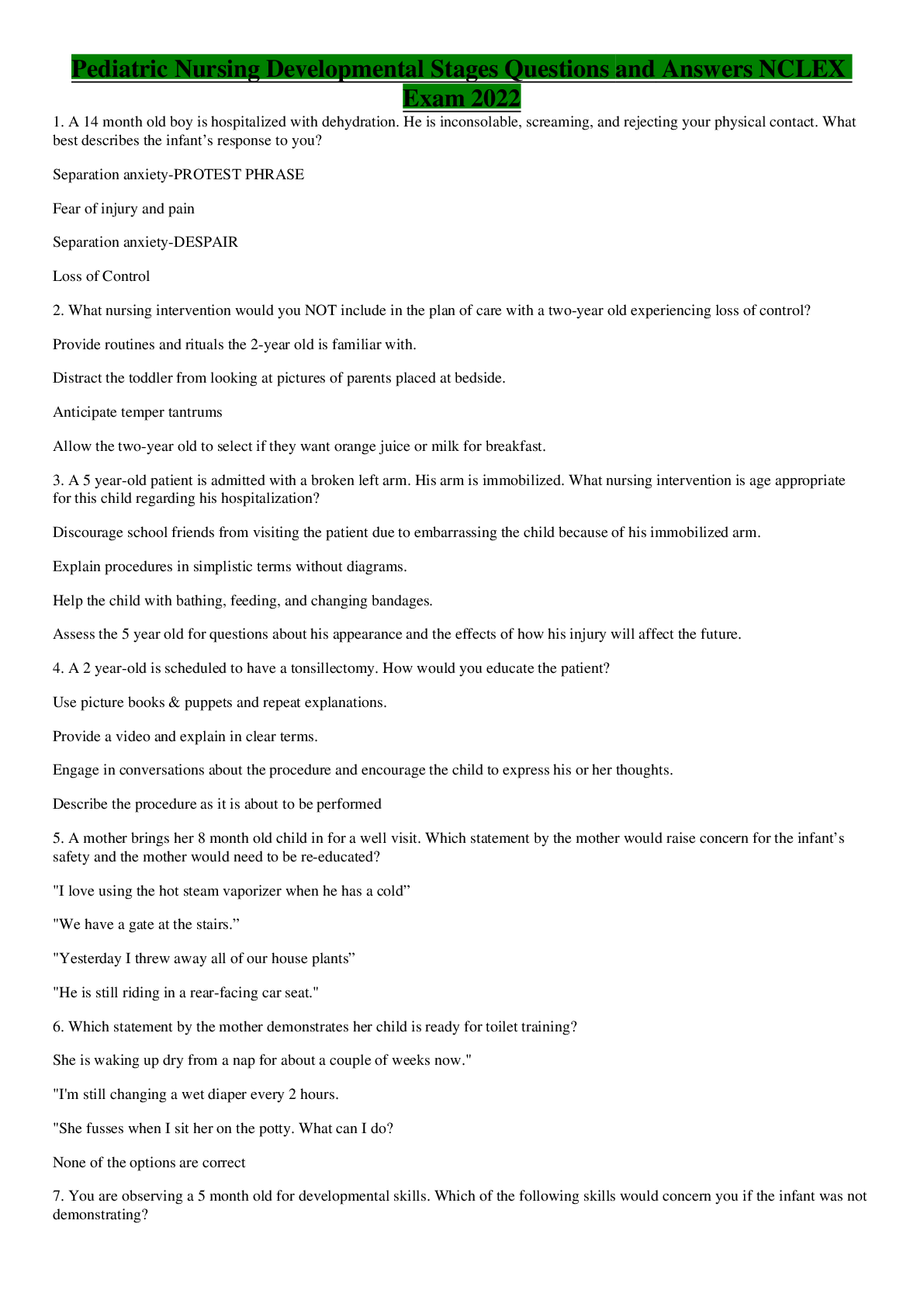
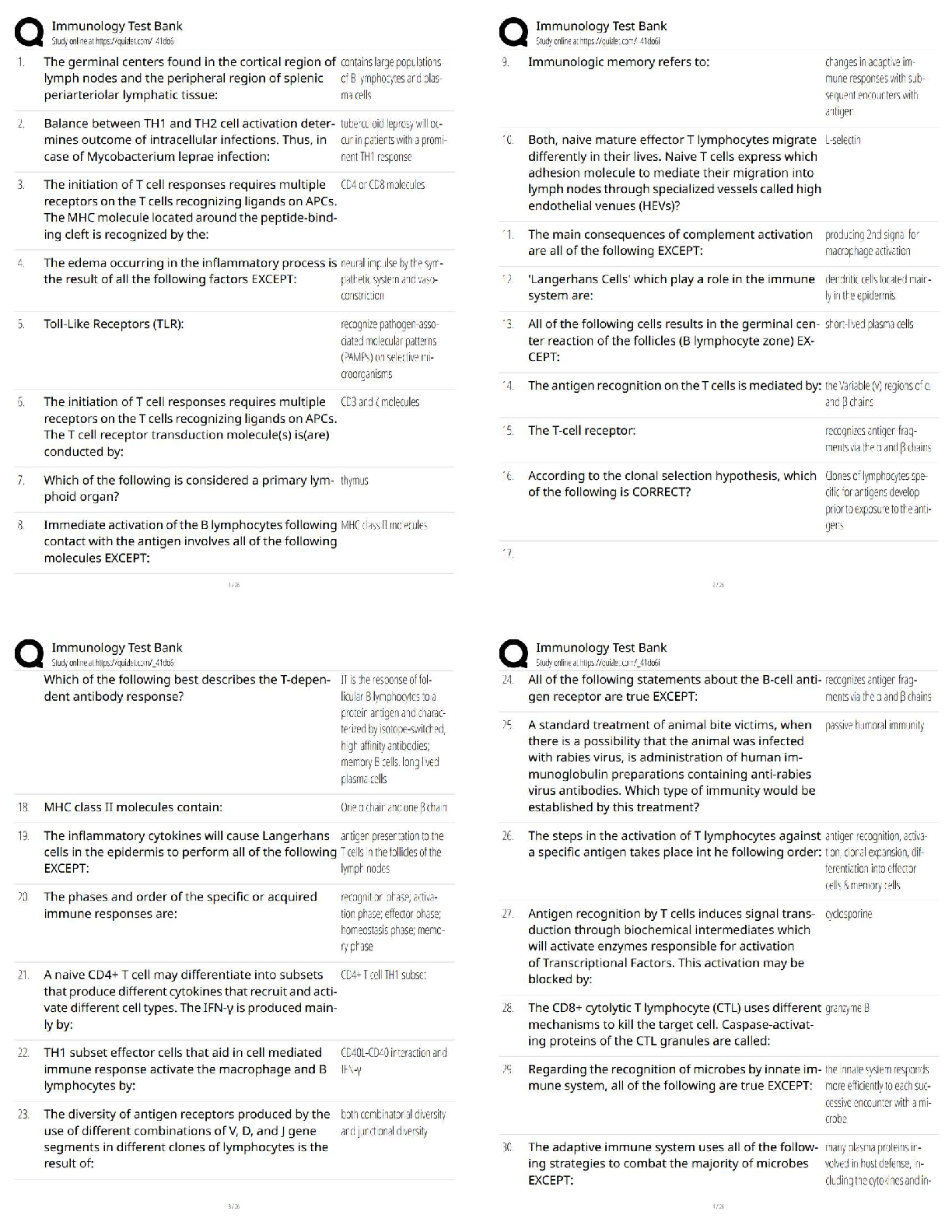
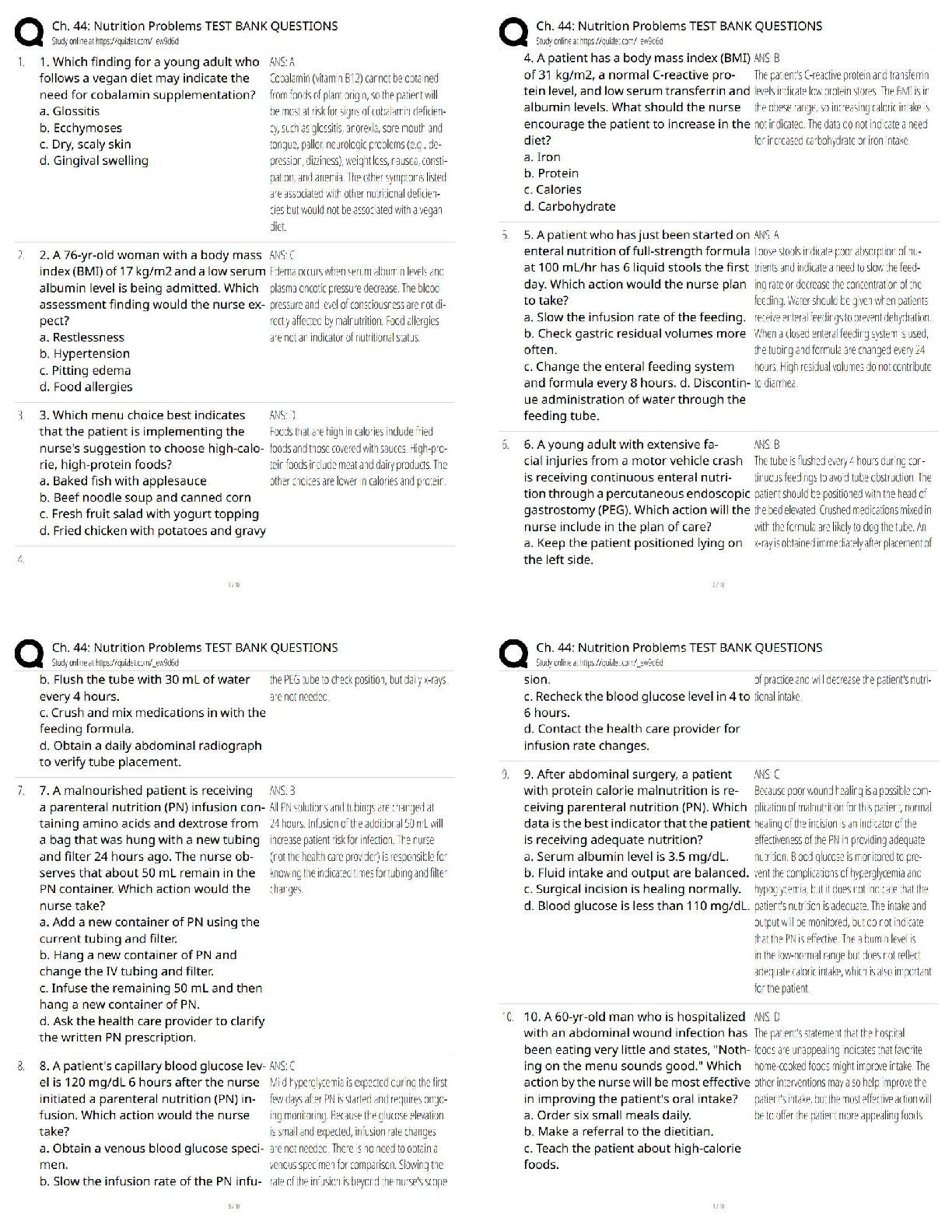
Preview 1 out of 3 pages
Instant download
Buy this Document to get the Full Access Instantly
Provided by Students Who Aced it
We Verify Document Content to Gurantee Accuracy
Reviews( 0 )
Document information
Connected school, study & course
About the document
Uploaded On
Nov 23, 2022
Number of pages
3
Written in
All

Additional information
This document has been written for:
Uploaded
Nov 23, 2022
Downloads
0
Views
137
Topic Tags
Recommended For You
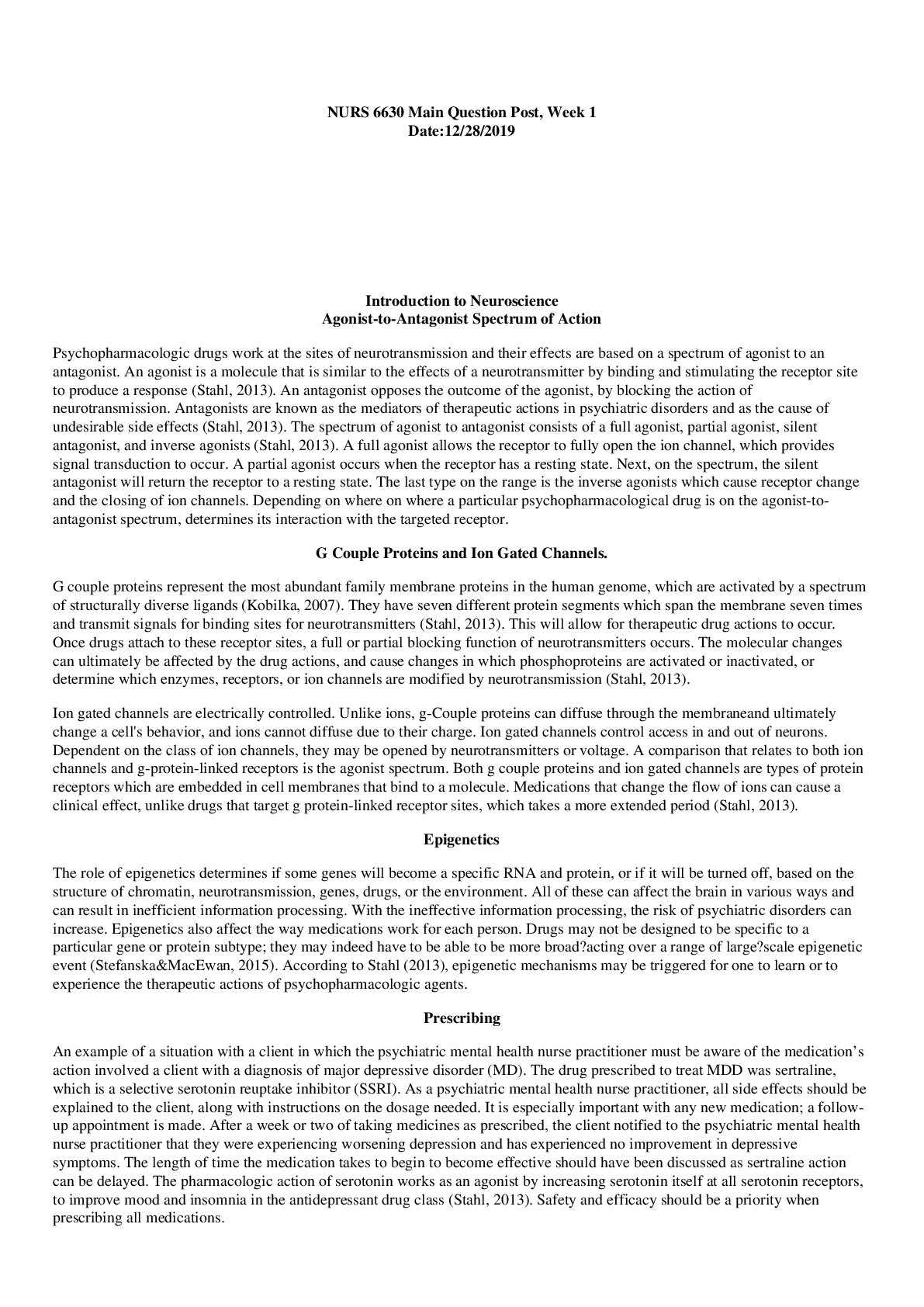
Get more on QUESTIONS & ANSWERS »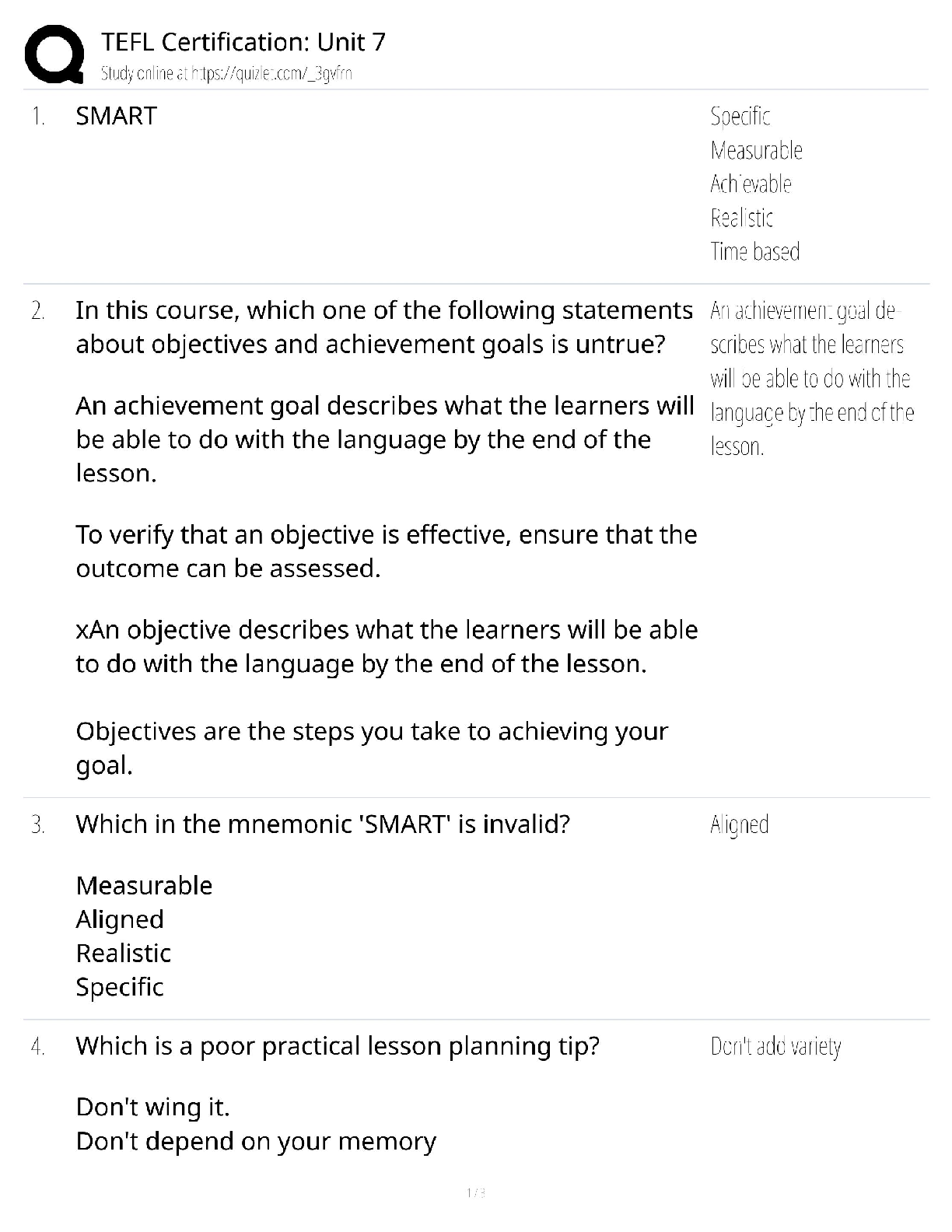

ENGLISH 3000 Quiz 1 Language in Group Discussion Attempt revie...

UWorld Pediatric Nursing, complete questions & answers (elabor...
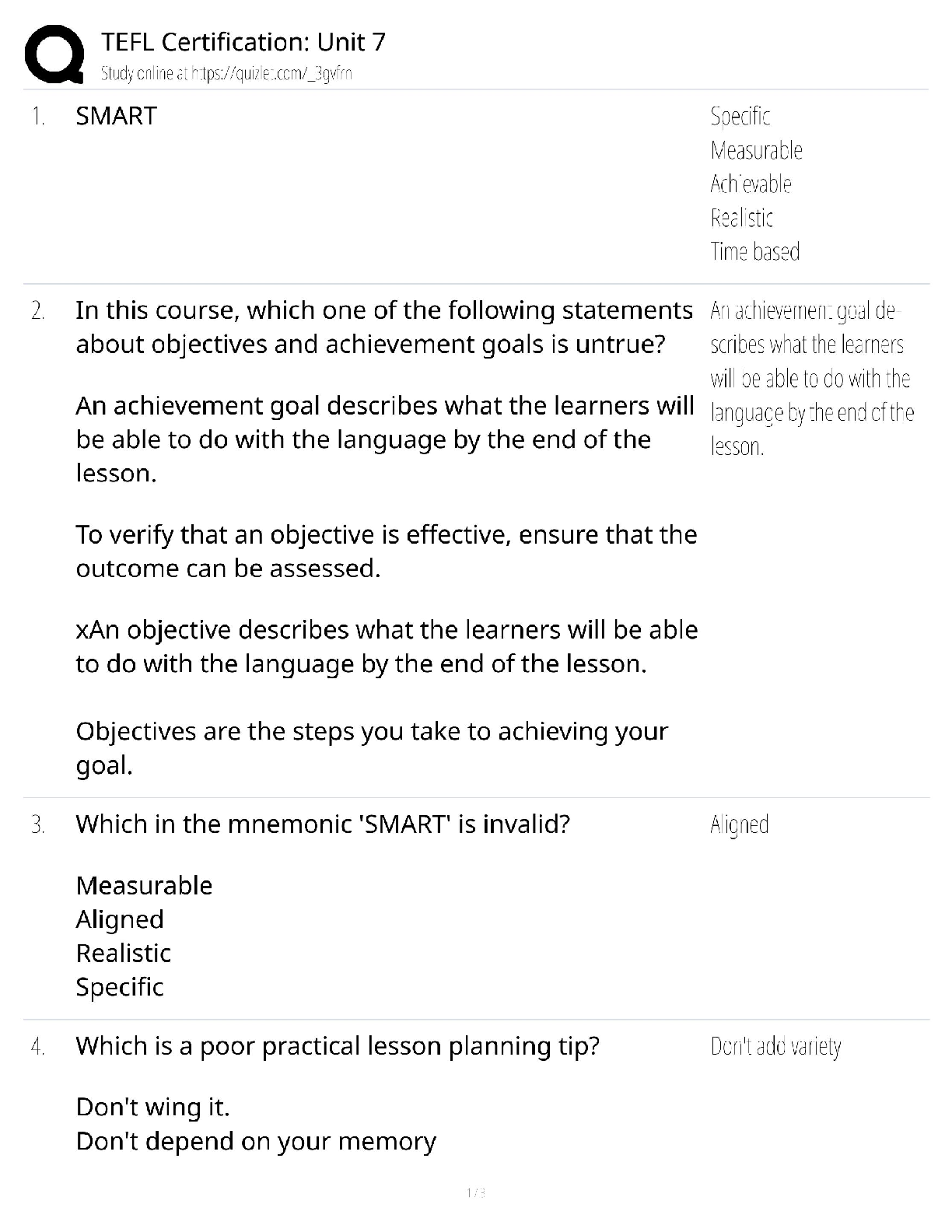
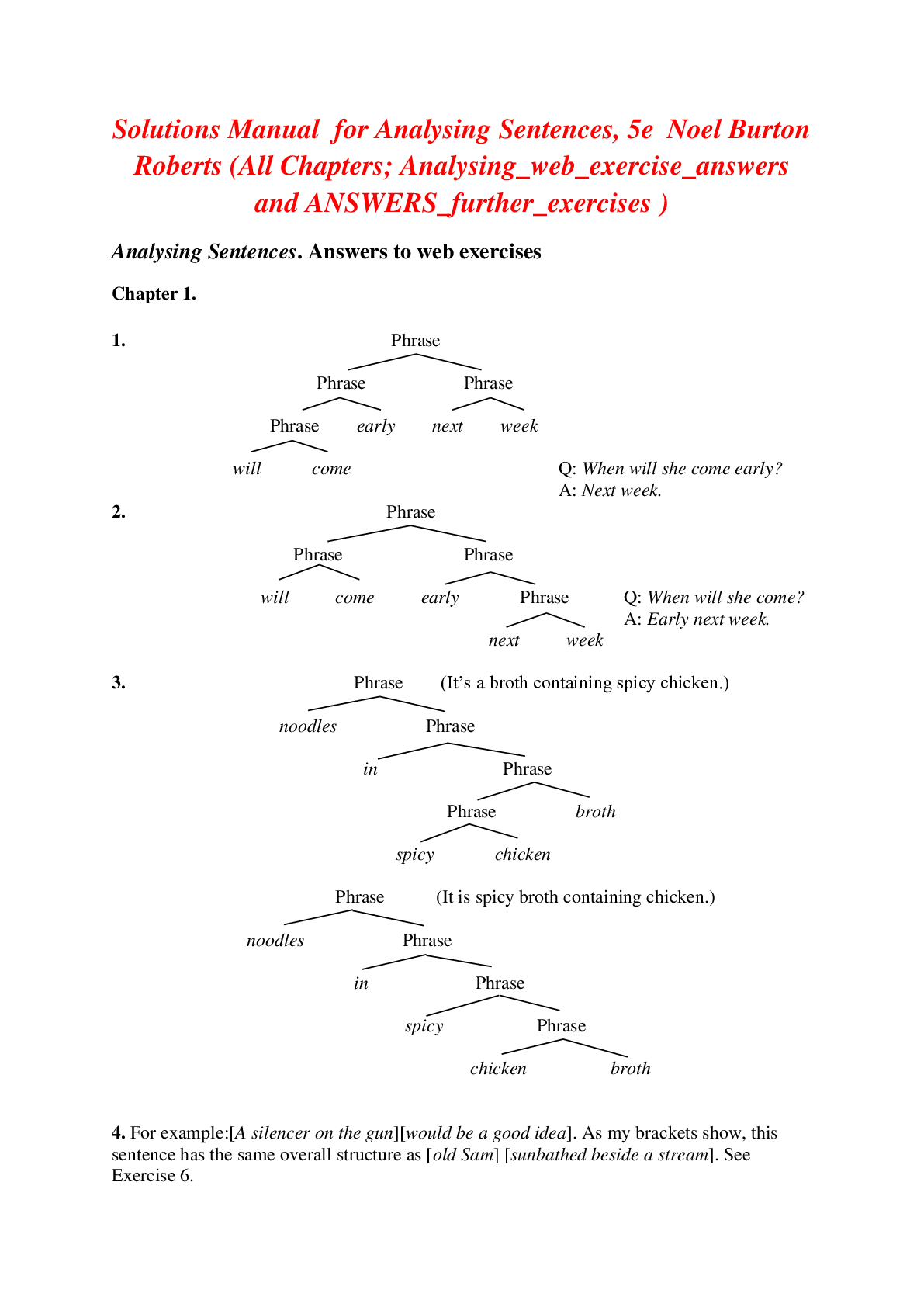
 Block 1 to 7.png)
PPME Block 1-7 - Primary Professional Military Education (Enli...
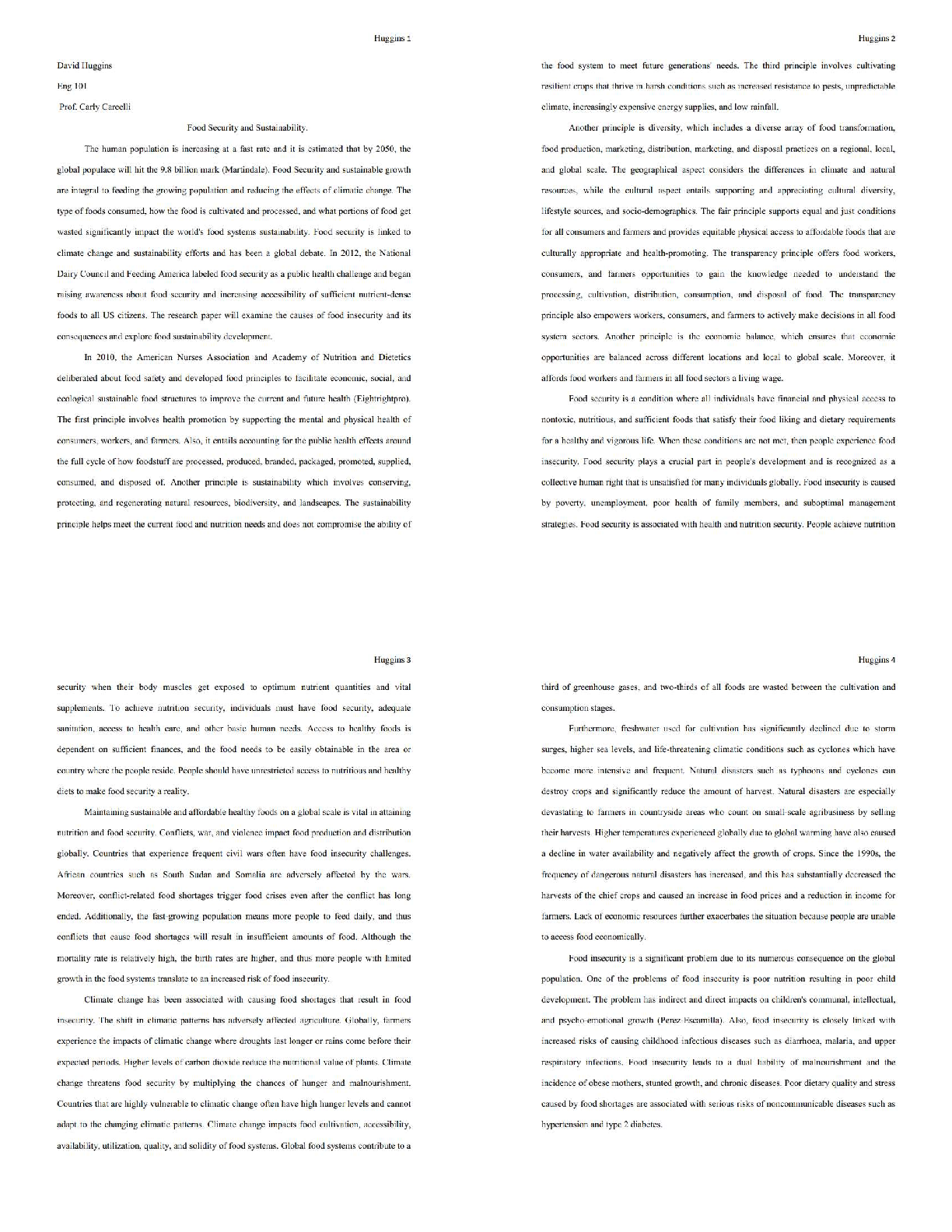

Liberty University ENGL 101 Mindtap 2 assignment complete solu...
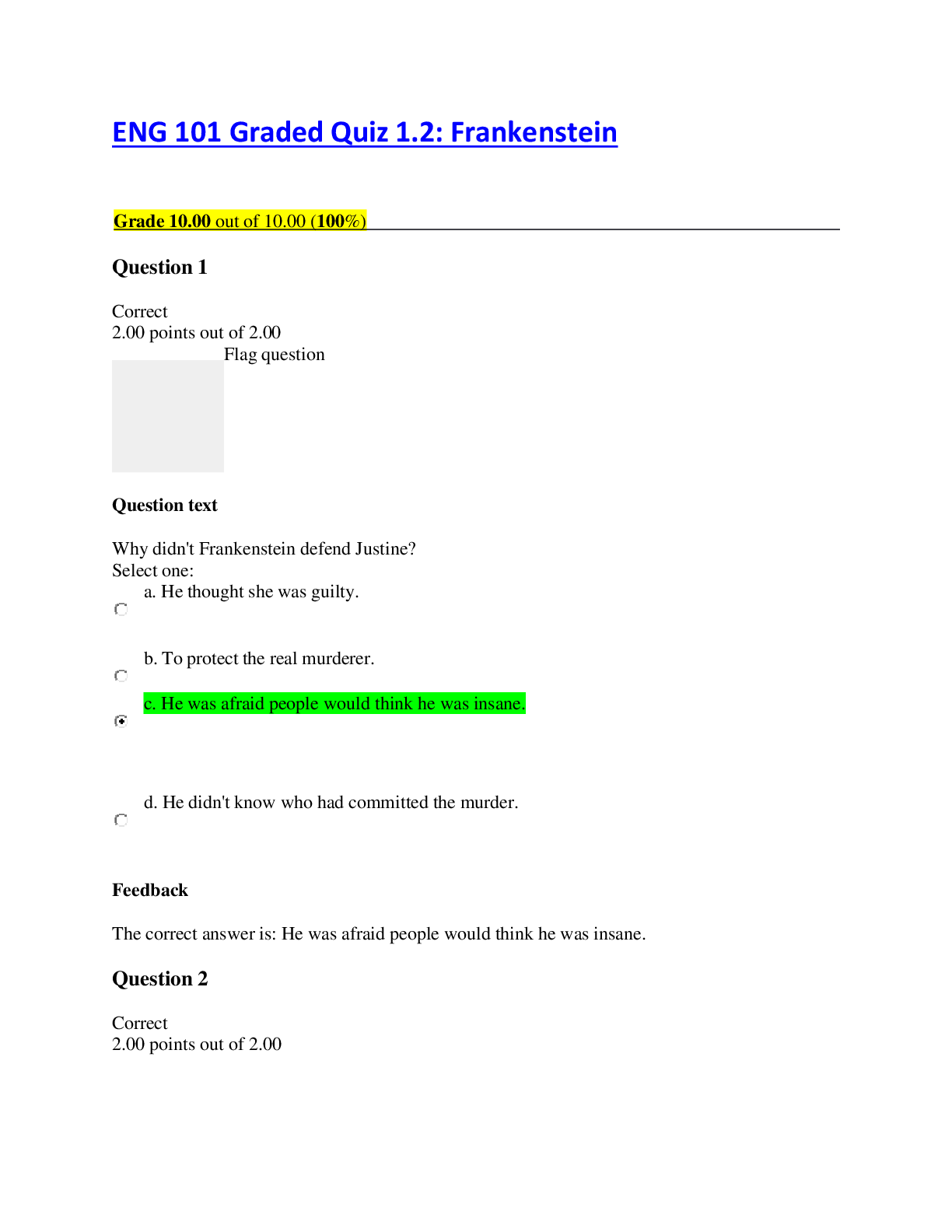
ENG 101 Graded Quiz 1.2- Frankenstein - Straighterline: Grade...

ATI TEAS 7 ENGLISH & LANGUAGE USAGE LATEST VERSION 37 QUESTION...
OCR GCE English Literature H472/02: Comparative and contextual...

OCR GCE English Literature H472/01: Drama and poetry pre-1900...