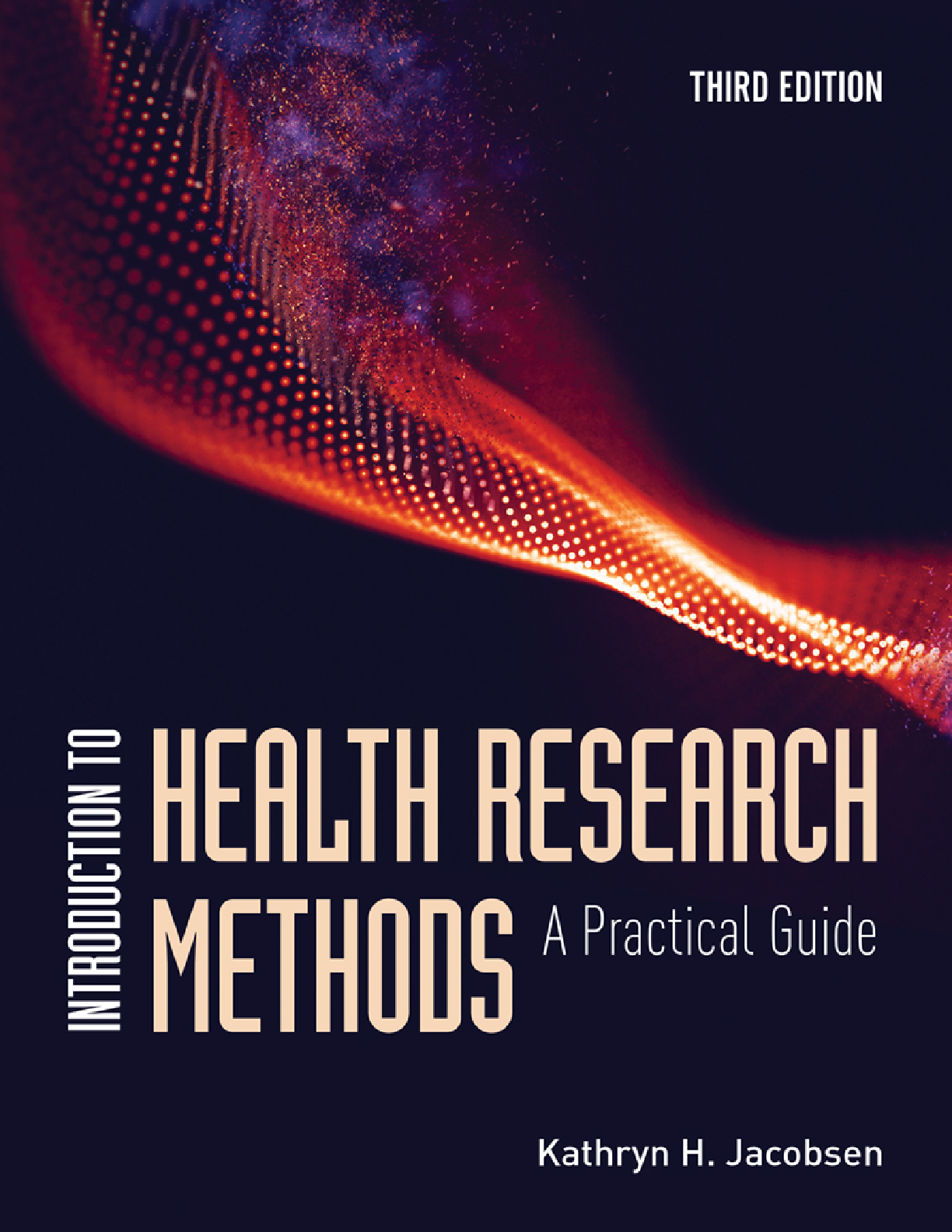
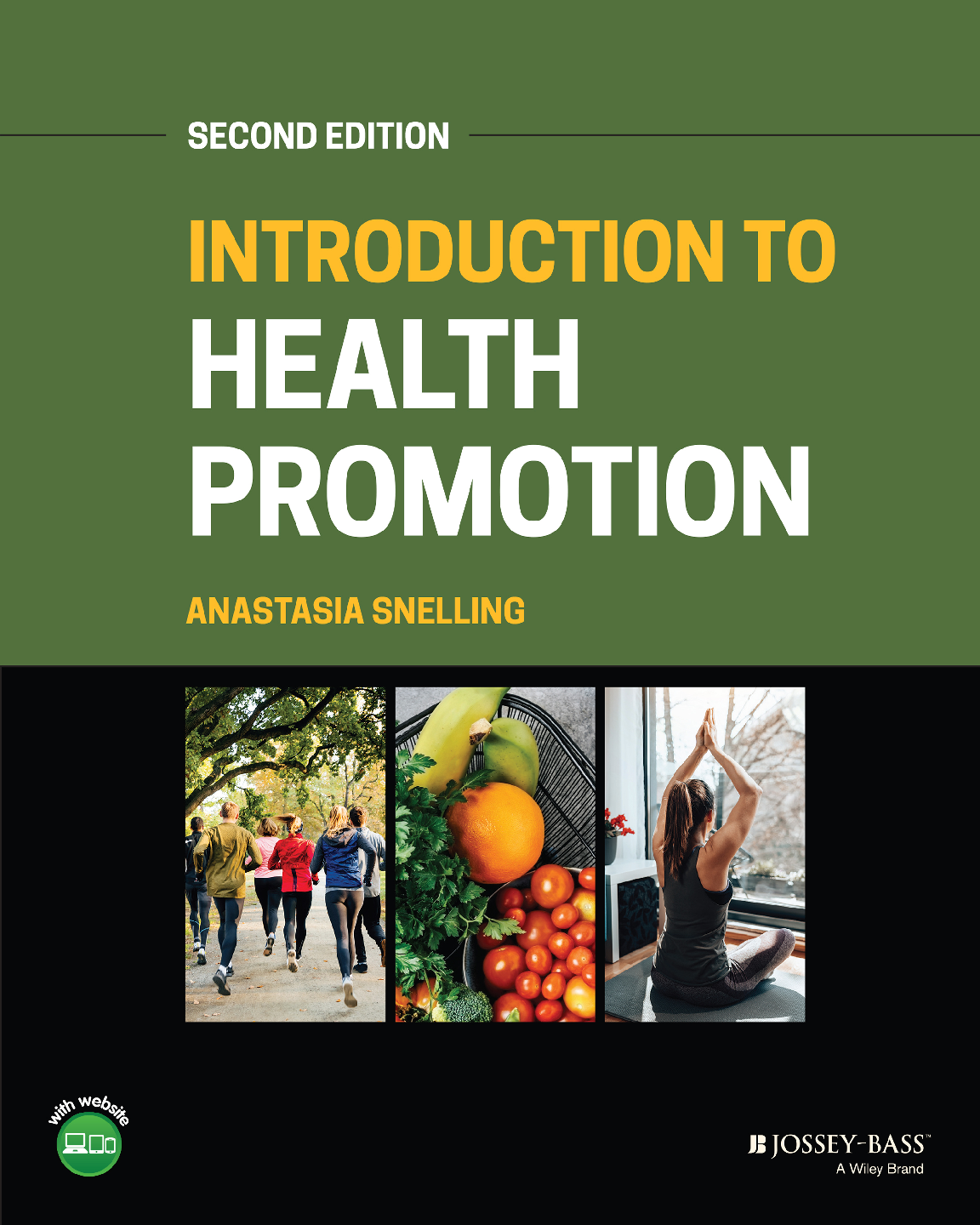
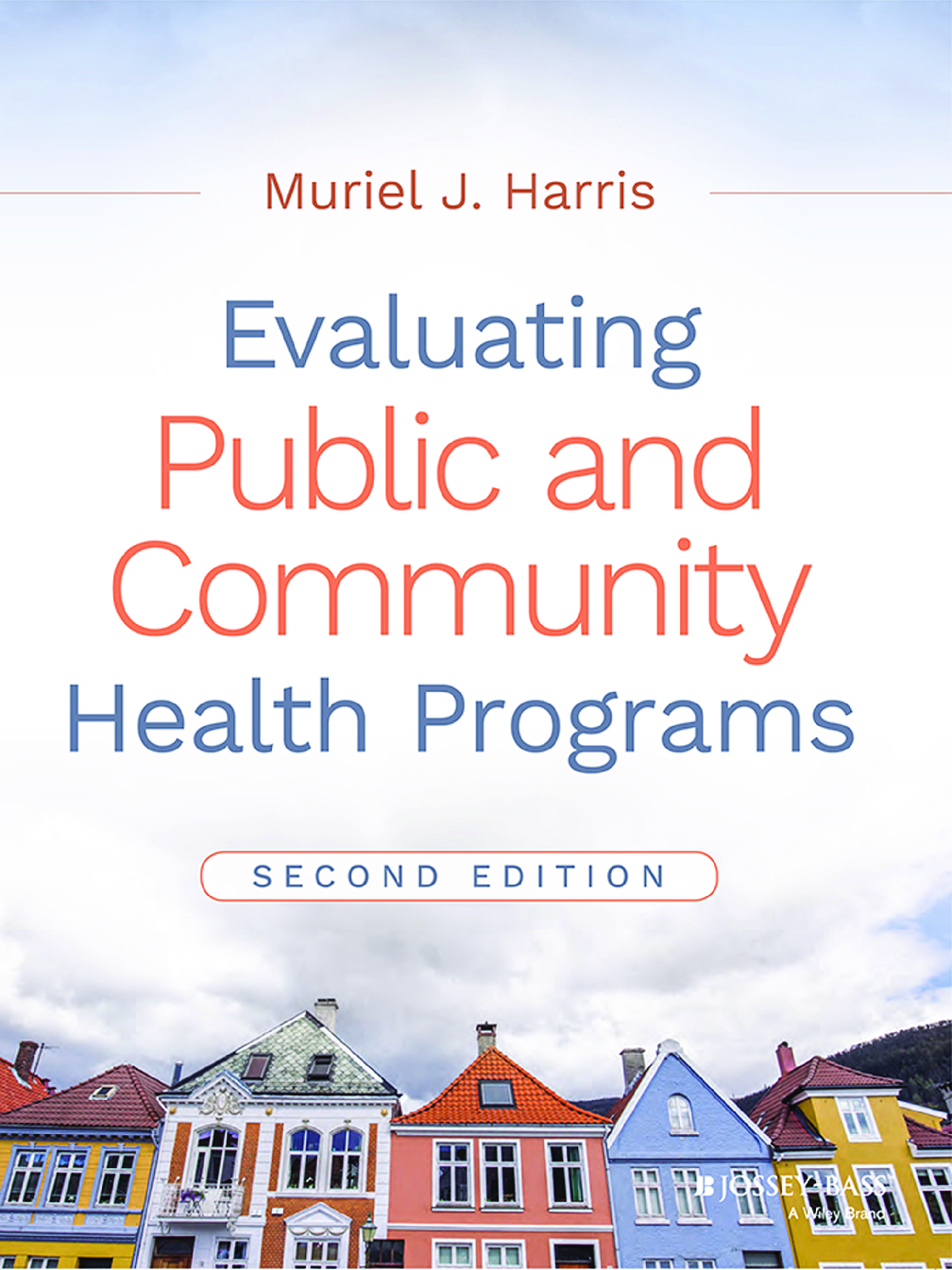
Public Health > QUESTIONS & ANSWERS > APCO FINAL EXAM QUESTIONS WITH CORRECT ANSWERS| GRADED A (All)
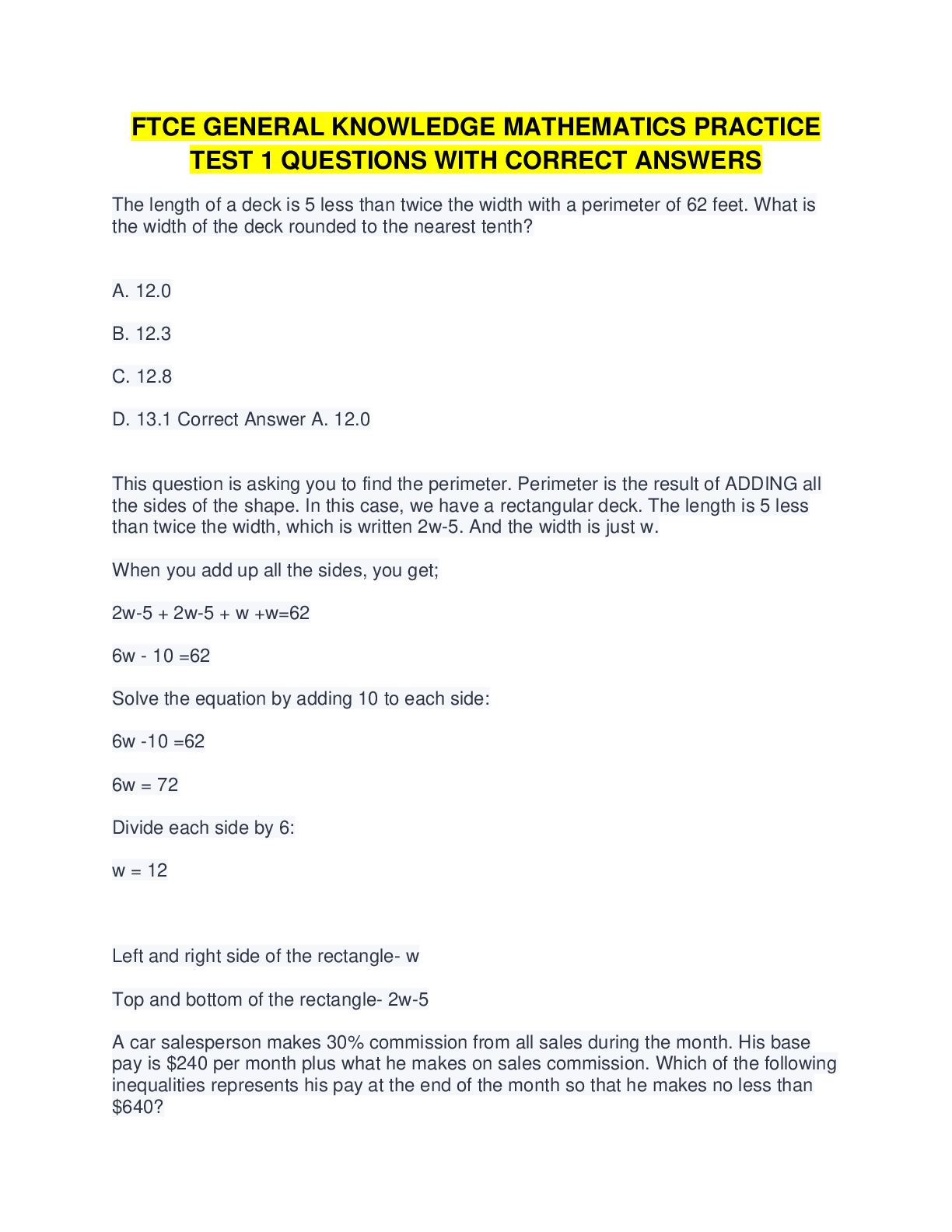
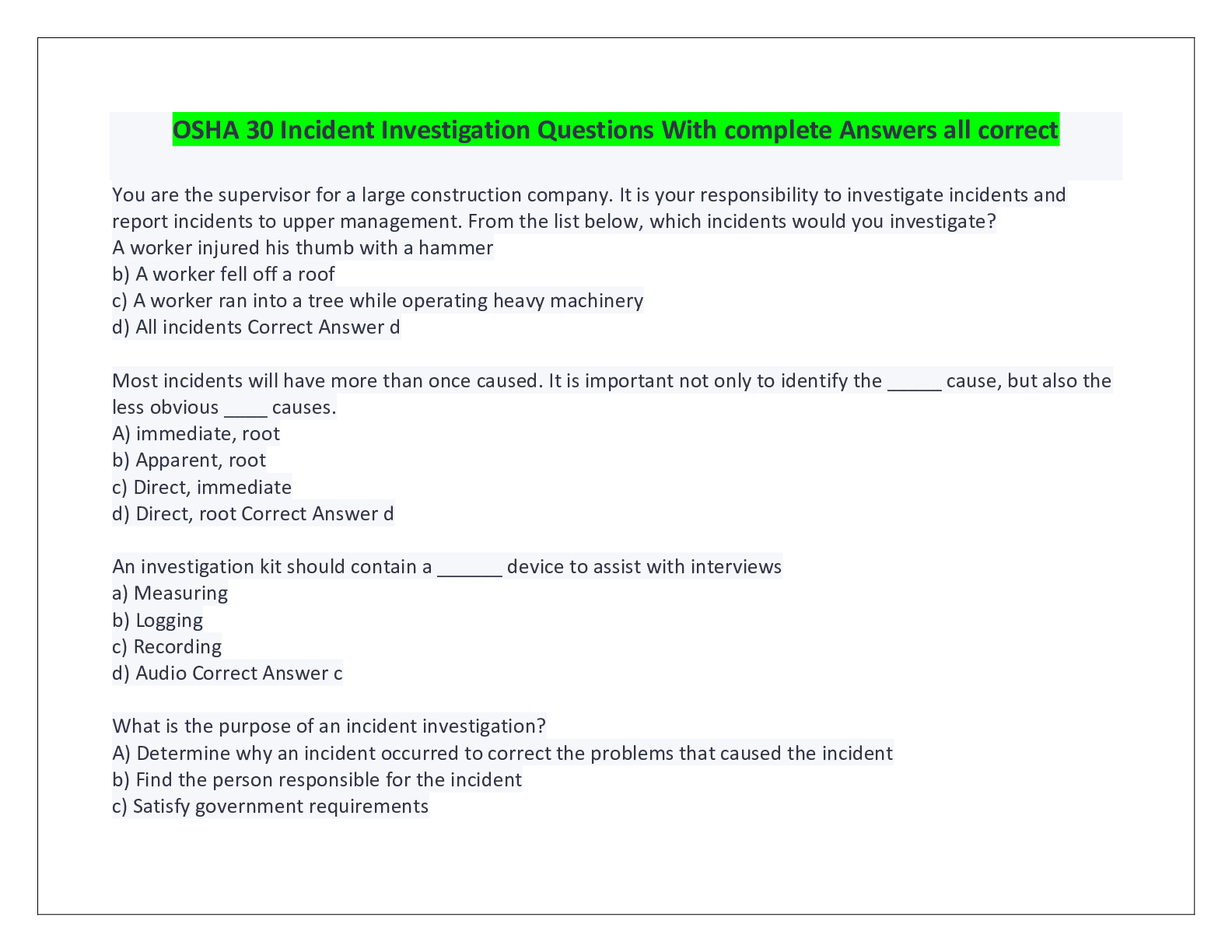
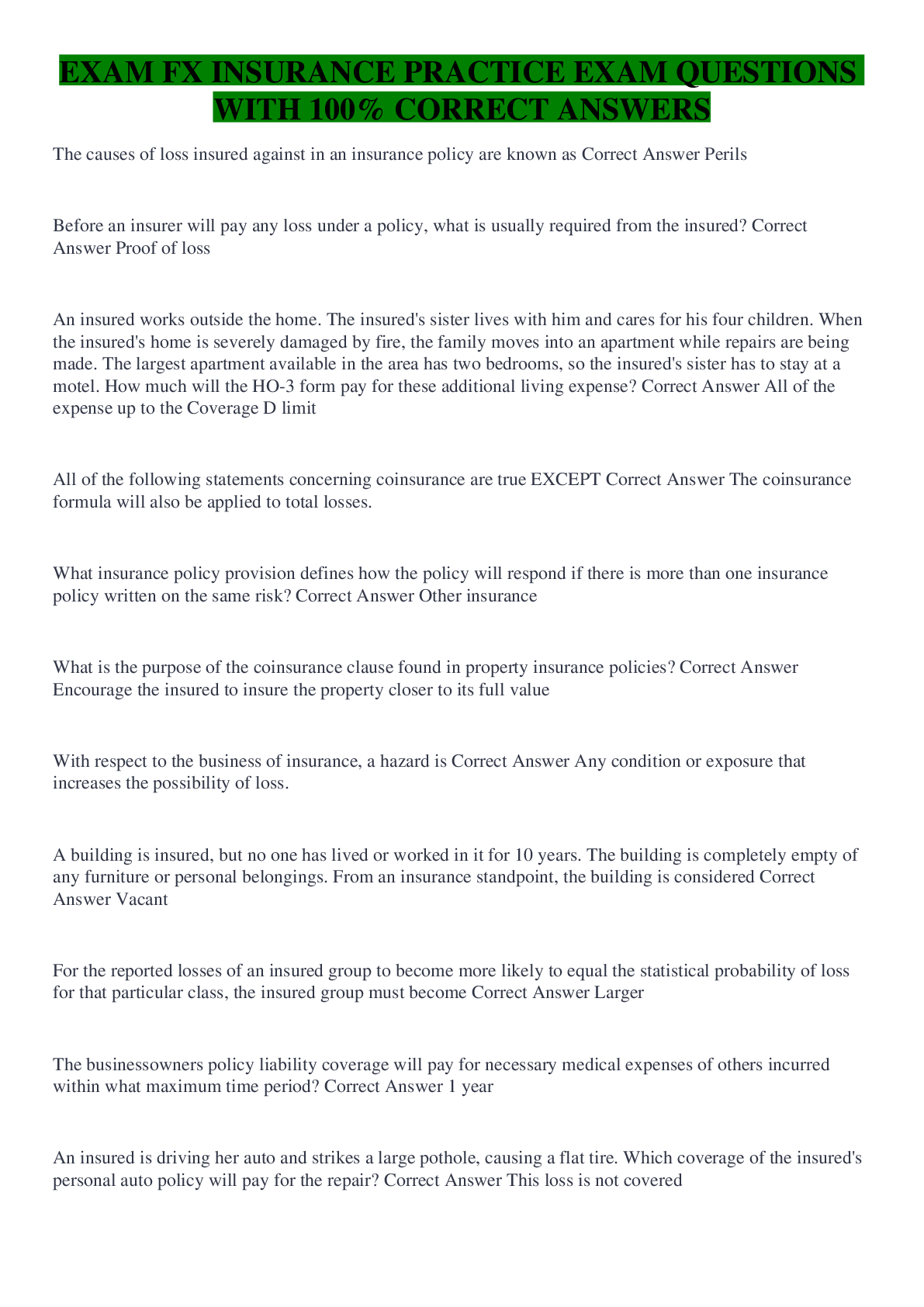
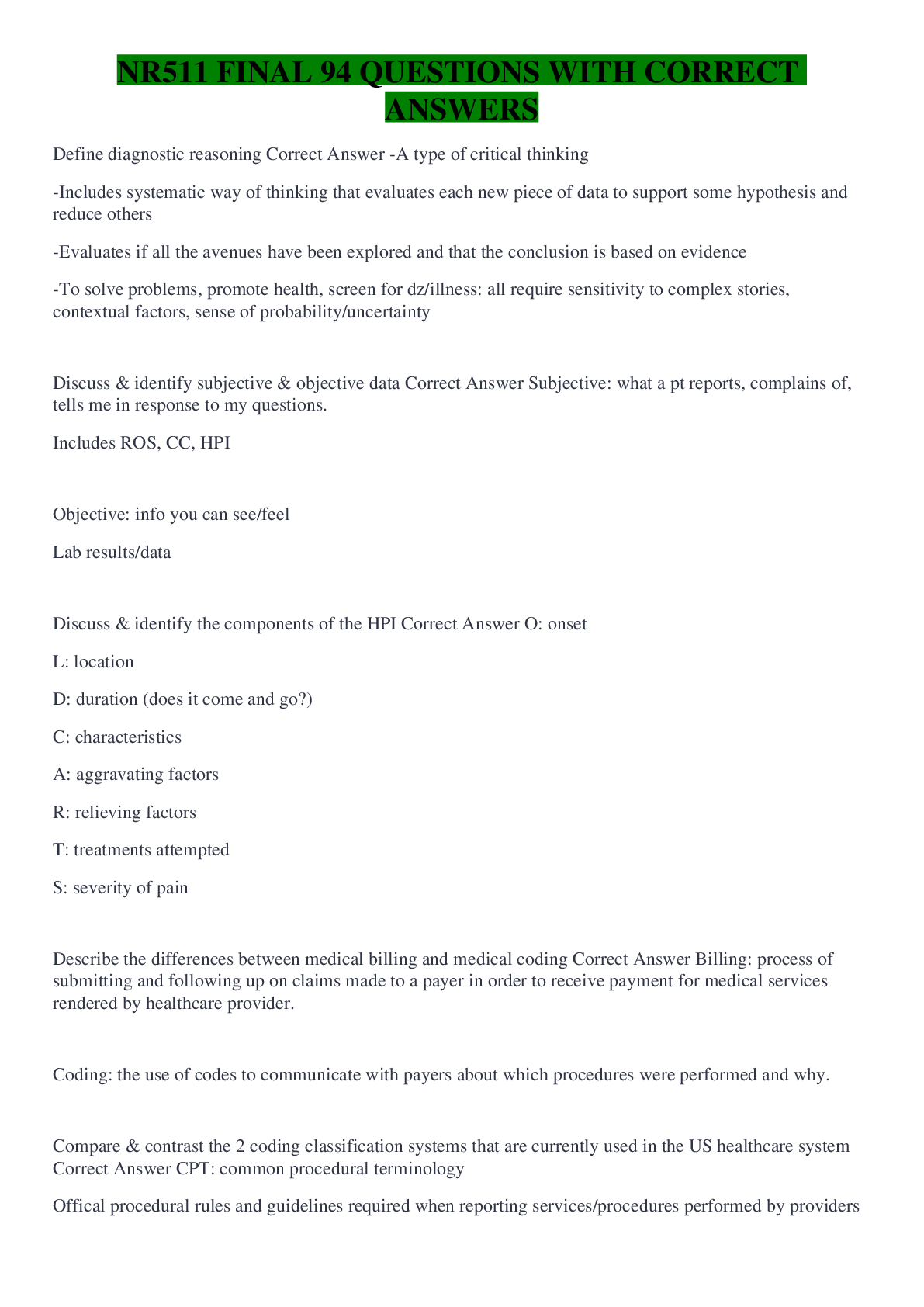
APCO FINAL EXAM QUESTIONS WITH CORRECT ANSWERS| GRADED A
Document Content and Description Below
Last updated: 3 years ago
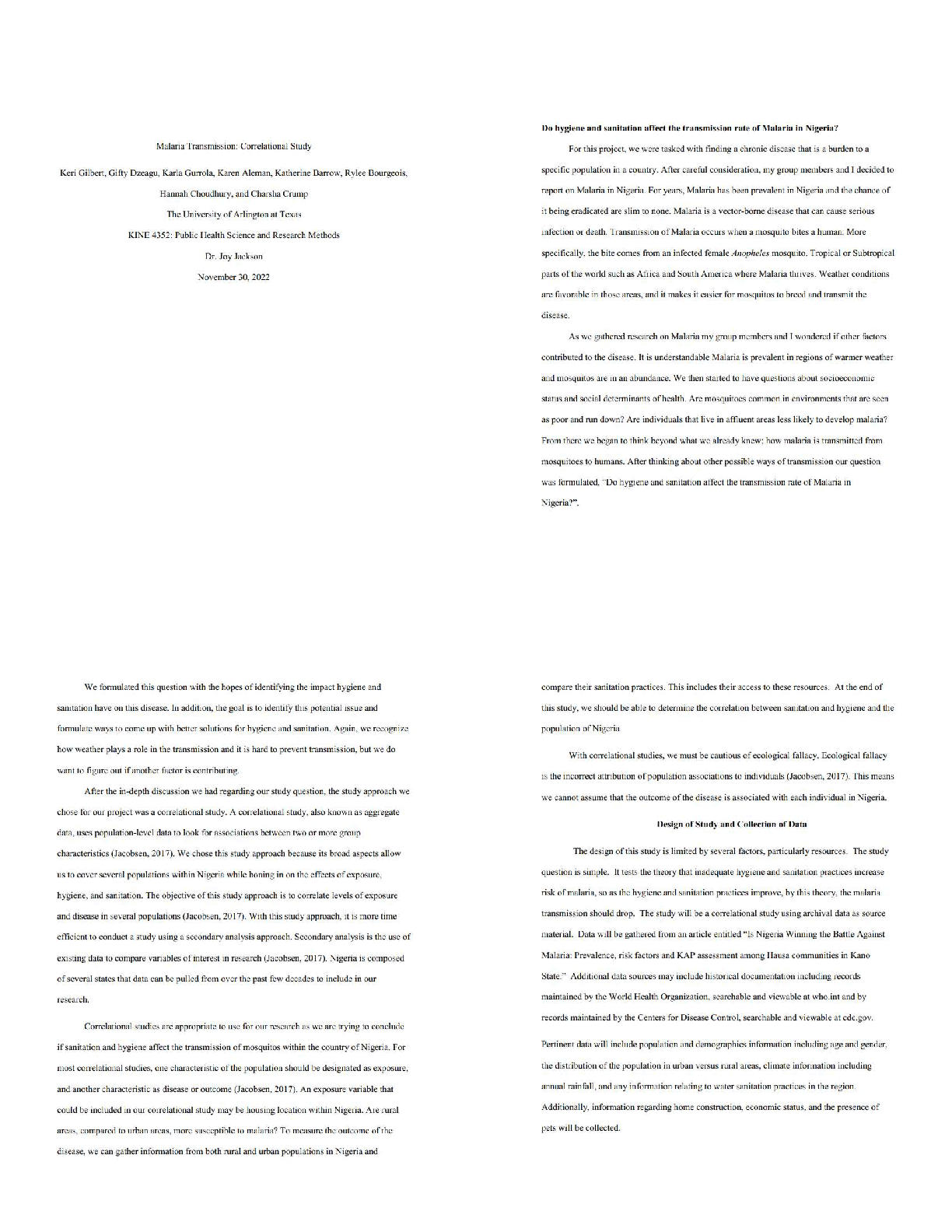
Preview 1 out of 12 pages
Instant download

Buy this Document to get the Full Access Instantly
Provided by Students Who Aced it
We Verify Document Content to Gurantee Accuracy
Reviews( 0 )
Document information
Connected school, study & course
About the document
Uploaded On
Nov 25, 2022
Number of pages
12
Written in
All

Additional information
This document has been written for:
Uploaded
Nov 25, 2022
Downloads
0
Views
131
Topic Tags
Recommended For You
Get more on QUESTIONS & ANSWERS »
Illinois CNA State Exam Questions - Verified Questions and Ans...
PHE Certification Prep 2 / Public Health Engineer Exam / 2025...

Diversity and Inclusion in Sport Organizations, 5e George Cunn...

Public Health Nursing Population-Centered Health Care in the C...
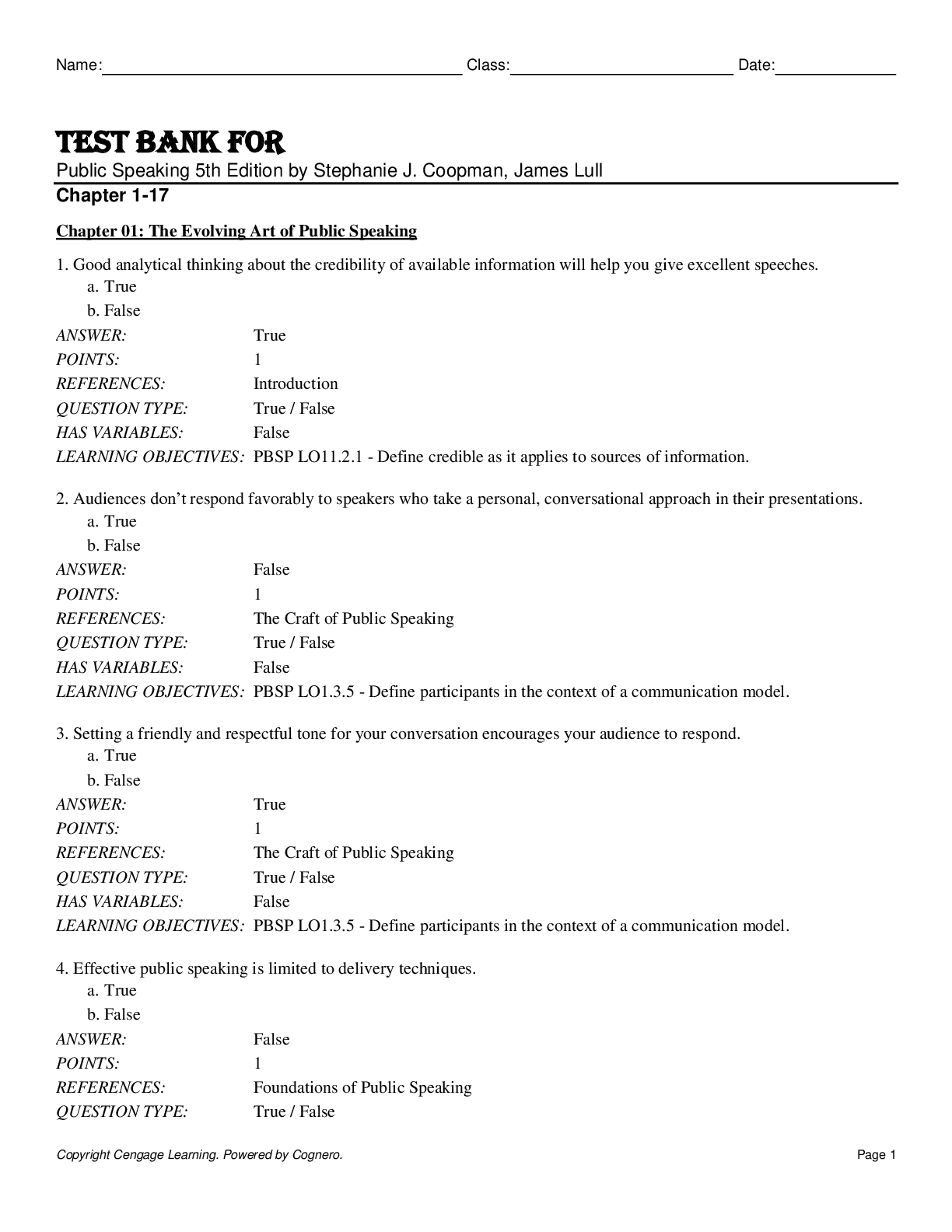
Test Bank For Public Speaking 5th Edition by Stephanie J. Coop...
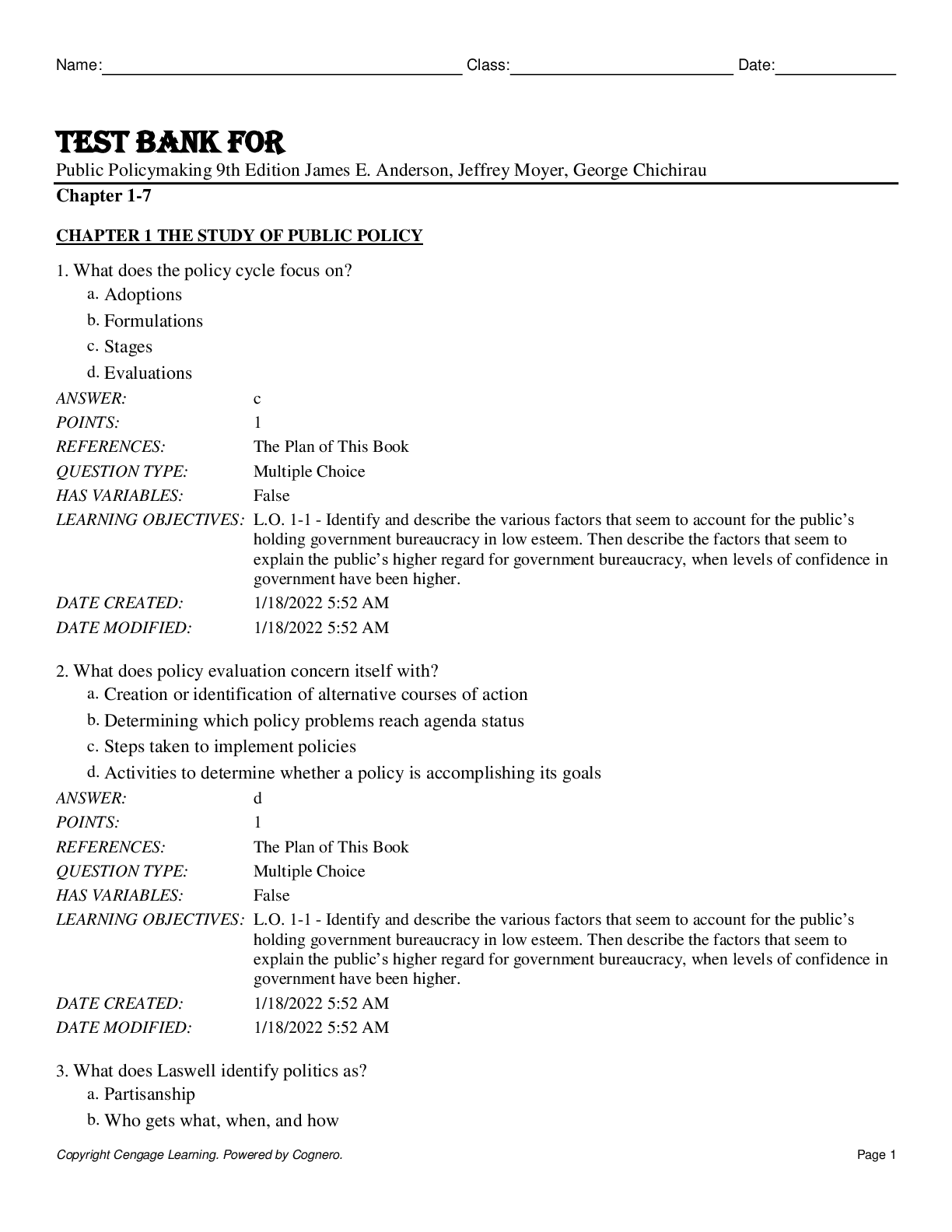
Test Bank For Public Policymaking 9th Edition by James E. Ande...