NACE CP 2 Quiz 1 2022/2023 with all verified correct answers
Document Content and Description Below
The elements of a corrosion cell include which of the following?
1. Anode
2. Cathode
3. Electrolyte
4. Electronic Path
All of the Above
Faraday's Law calculates the
A. potential of a metal in seawater
B
...
[Show More]
Last updated: 3 years ago
Preview 1 out of 6 pages
Instant download

Buy this Document to get the Full Access Instantly
Provided by Students Who Aced it
We Verify Document Content to Gurantee Accuracy
Reviews( 0 )
Document information
Connected school, study & course
About the document
Uploaded On
Nov 29, 2022
Number of pages
6
Written in
All

Additional information
This document has been written for:
Uploaded
Nov 29, 2022
Downloads
0
Views
104
Topic Tags
Recommended For You
Get more on EXAM »
$19
63 Pages
Solution Manual for Elementary Principles of Chemical Processe...

$16
1287 Pages
Separation process principles 2nd edition By J. D. Seader, Ern...
$18
973 Pages
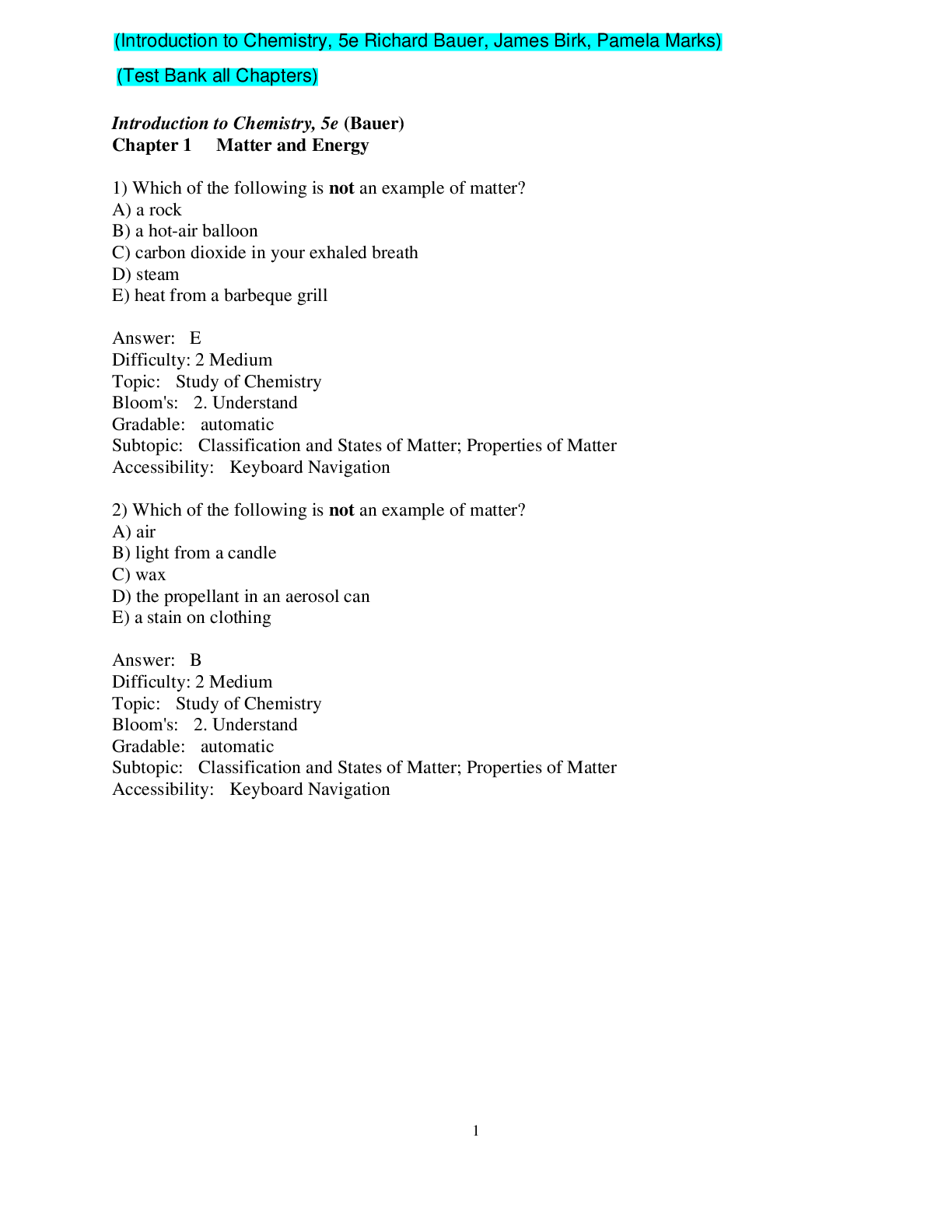
Introduction to Chemistry 5th Edition By Richard Bauer, James...

$22
645 Pages
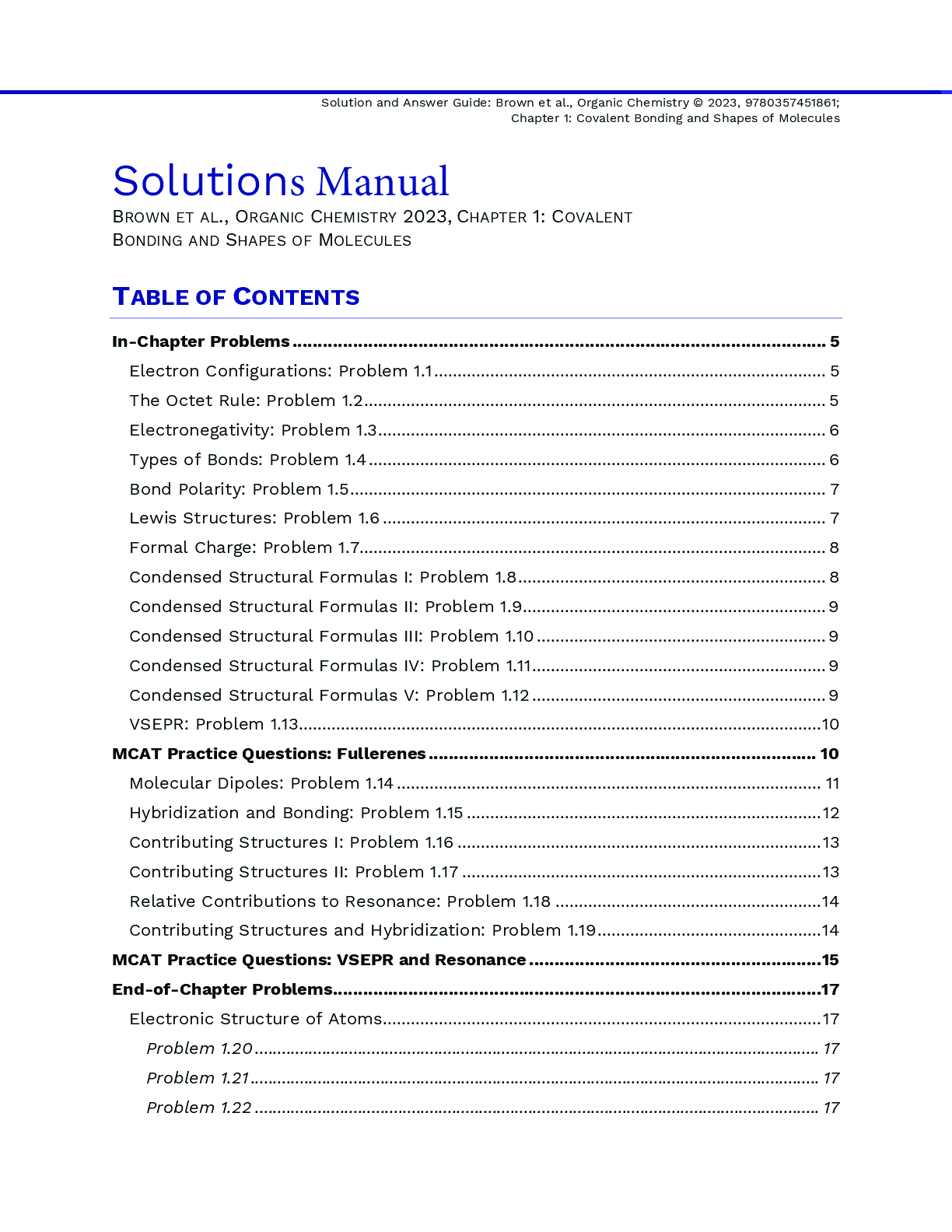
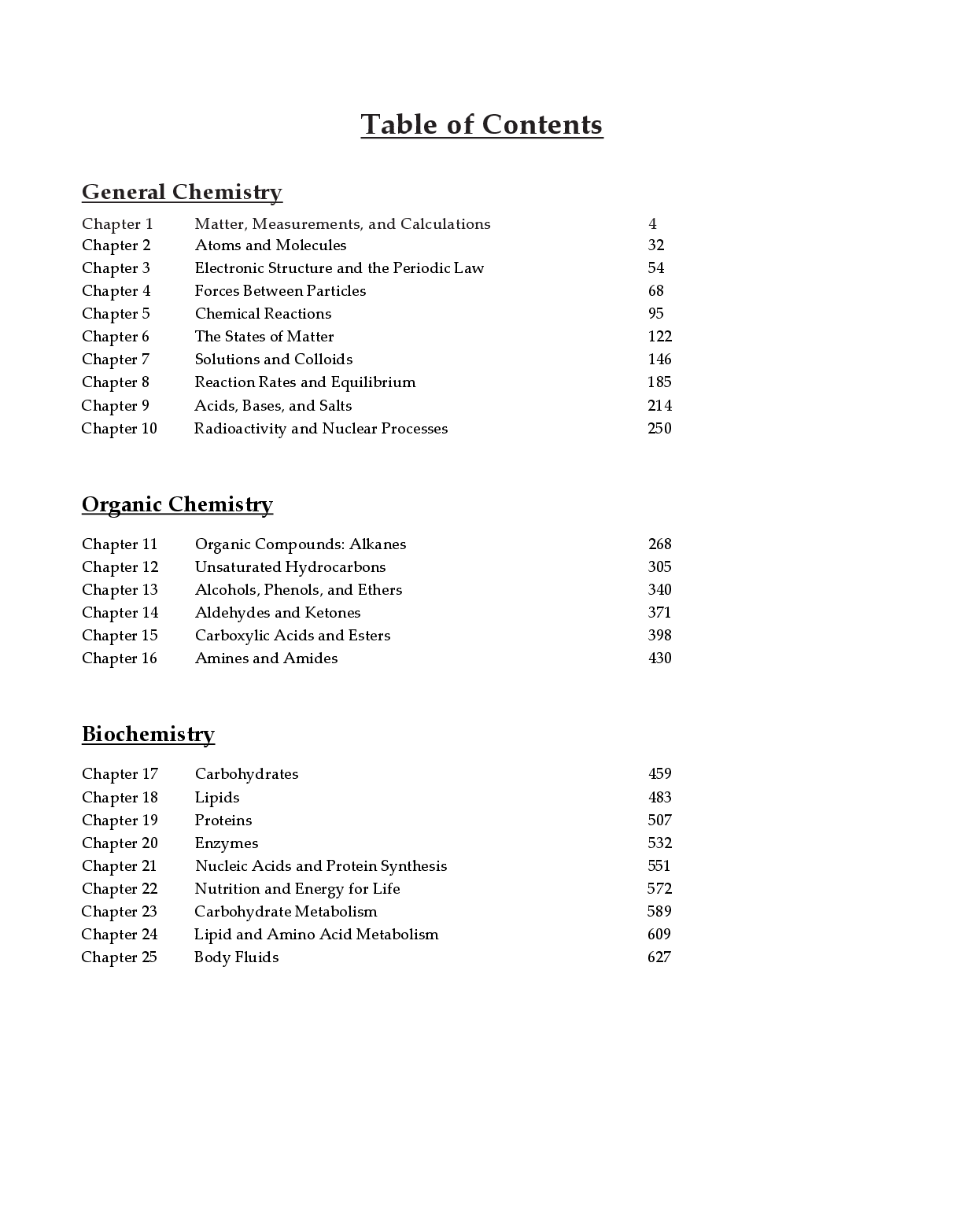
Introduction to Chemistry 5th Edition By Richard Bauer, James...

$30
790 Pages
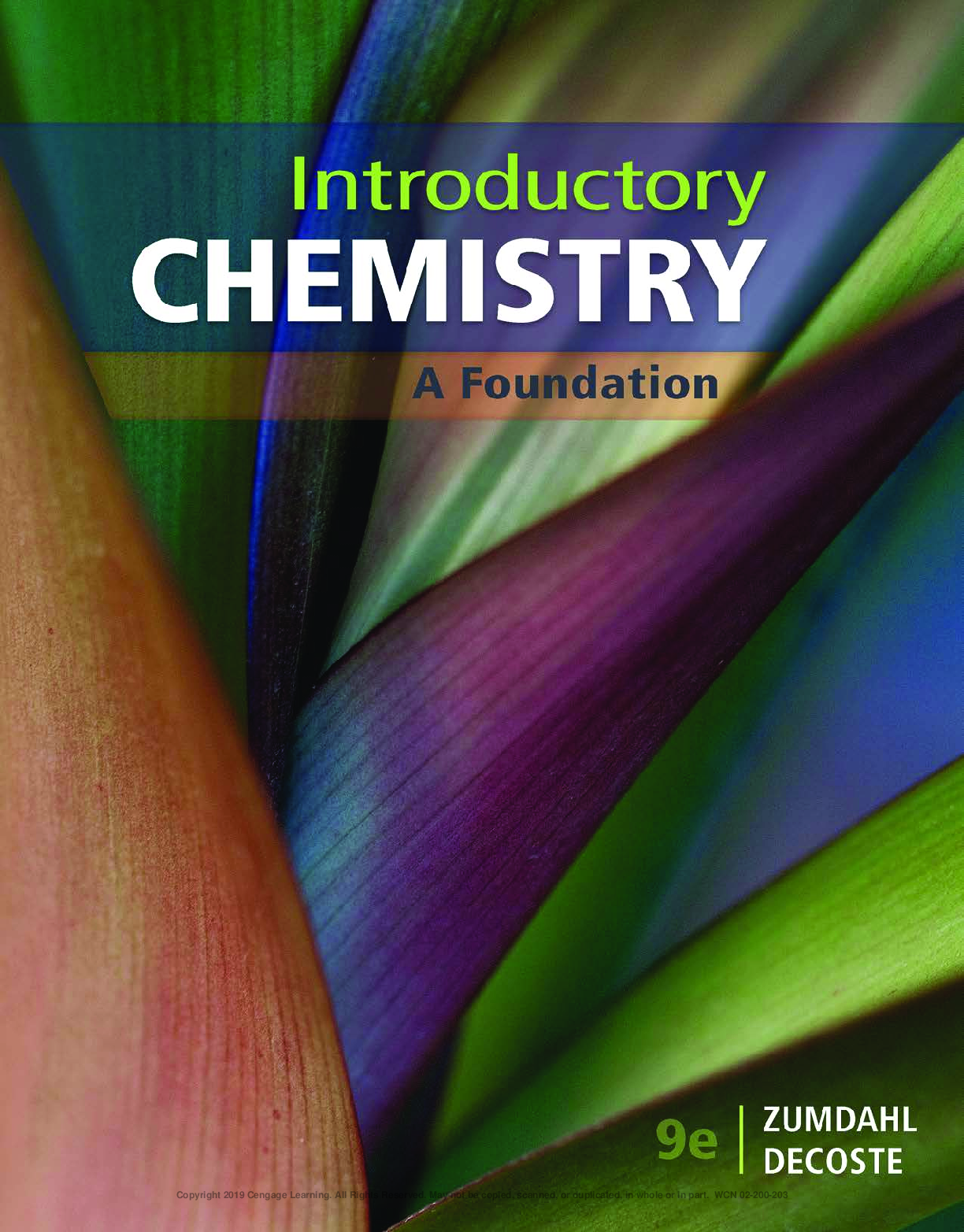
eBook Introductory Chemistry 9th Edition By Steven Zumdahl, Do...

$12.5
47 Pages
NRNP 6635 FINAL EXAM QUESTIONS AND ANSWERS 2023! Rated A + Ans...

More related documents below