NURSING > MED Resources. > Psych Mental Health Remediation Exam Questions and Correct Answers Graded A+ with Rationales (All)
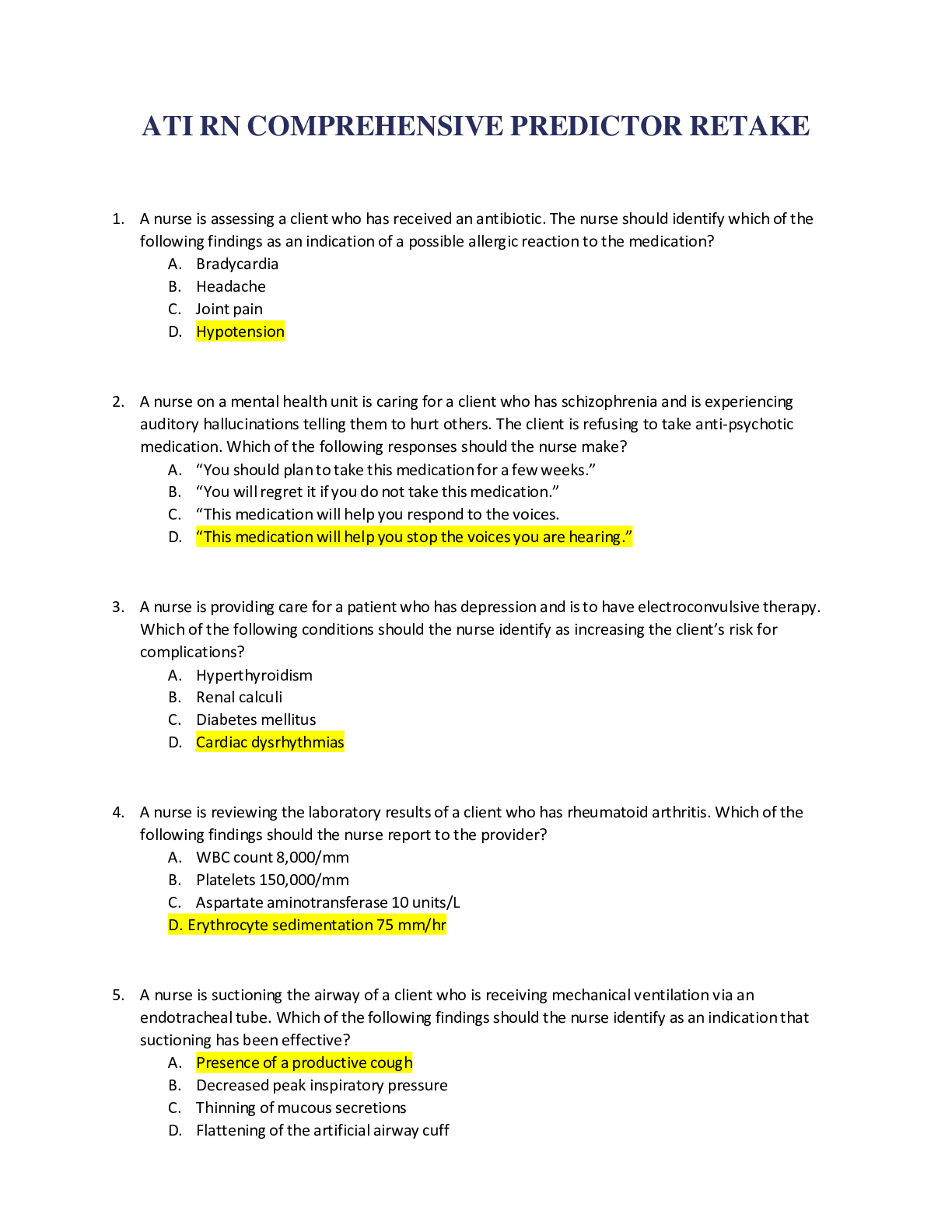
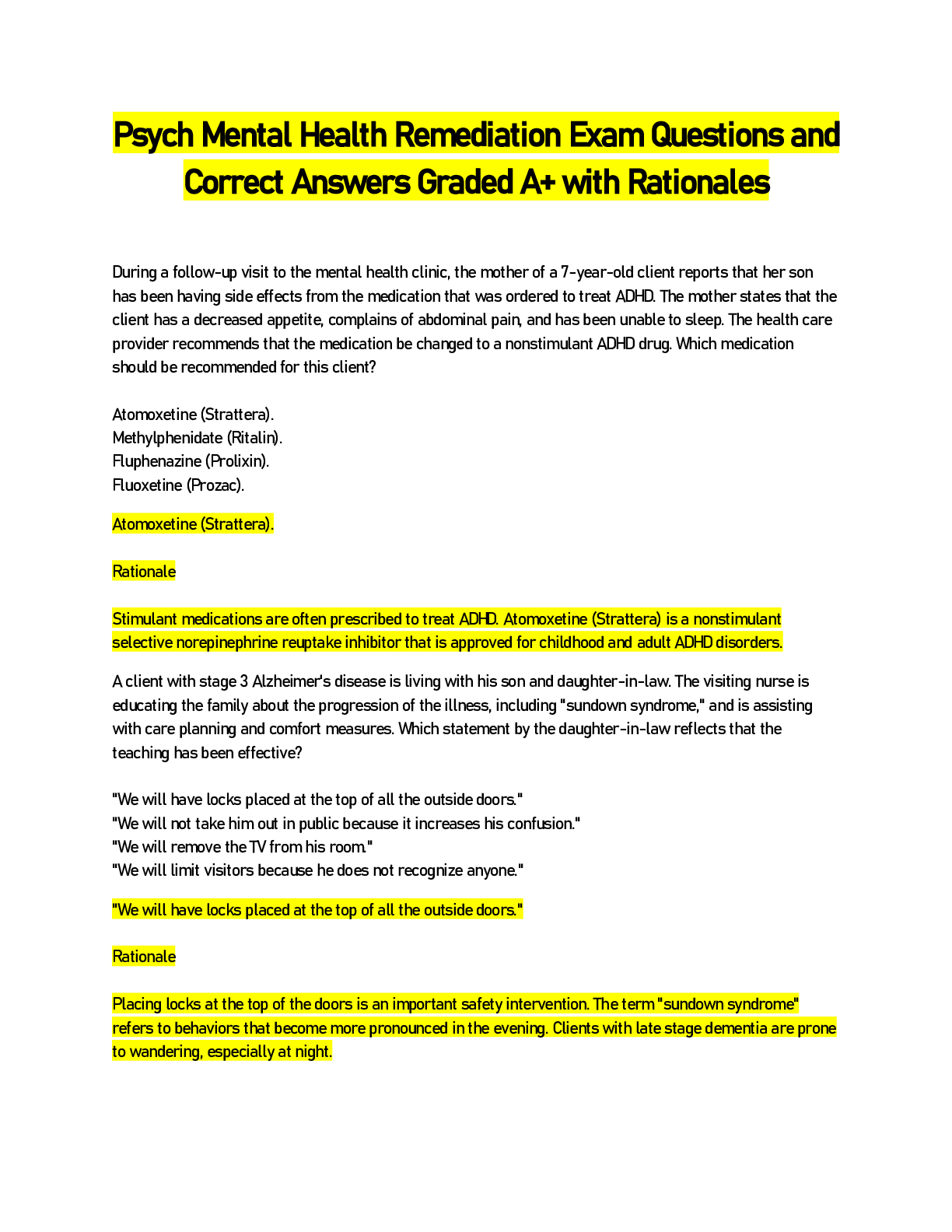
Psych Mental Health Remediation Exam Questions and Correct Answers Graded A+ with Rationales
Document Content and Description Below
Last updated: 3 years ago
Preview 1 out of 22 pages
Instant download
Buy this document to get the full access instantly
Instant Download Access after purchase
Reviews( 0 )
$12.00
Document information
Connected school, study & course
About the document
Uploaded On
Dec 02, 2022
Number of pages
22
Written in
All

Additional information
This document has been written for:
Uploaded
Dec 02, 2022
Downloads
0
Views
133
Document Keyword Tags
Recommended For You
Get more on MED Resources. ».png)
ATI MENTAL HEALTH EXAM A, B and C I Grade A+ Answers and C...
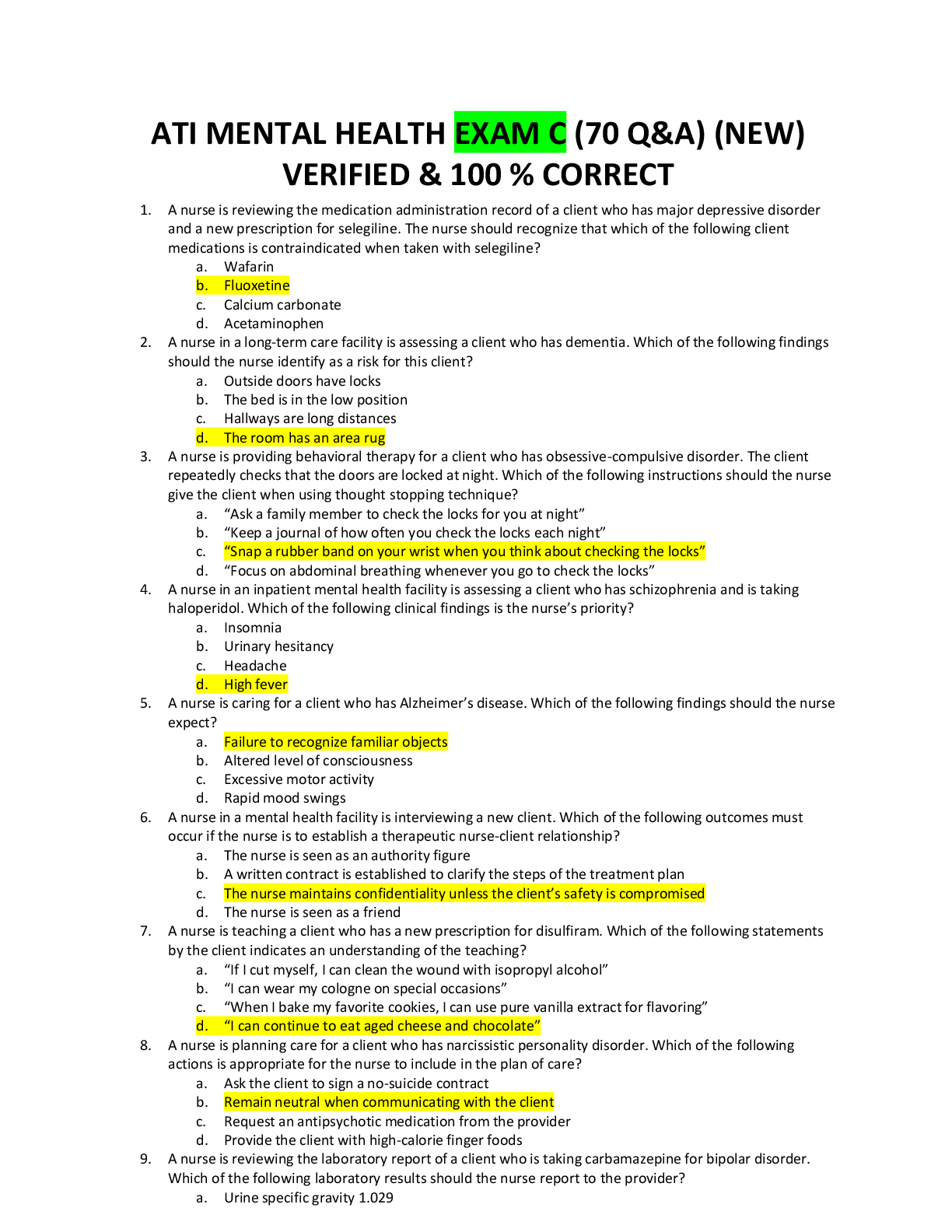
ATI MENTAL HEALTH EXAM C (70 Answers and cheat sheets Grade...

ATI MENTAL HEALTH EXAM B (70 Answers and cheat sheets Grade...
ATI RN Mental Health Proctored Exam – 70 Questions with Correc...
ATI RN Mental Health Proctored Exam – 70 Questions with Correc...
2023 - 2024 HESI PSYCH MENTAL HEALTH EXIT EXAM (V1, V2, V3) ST...
HESI PSYCH MENTAL HEALTH 2025-2026 ACTUAL EXAM 100 REAL EXAM...
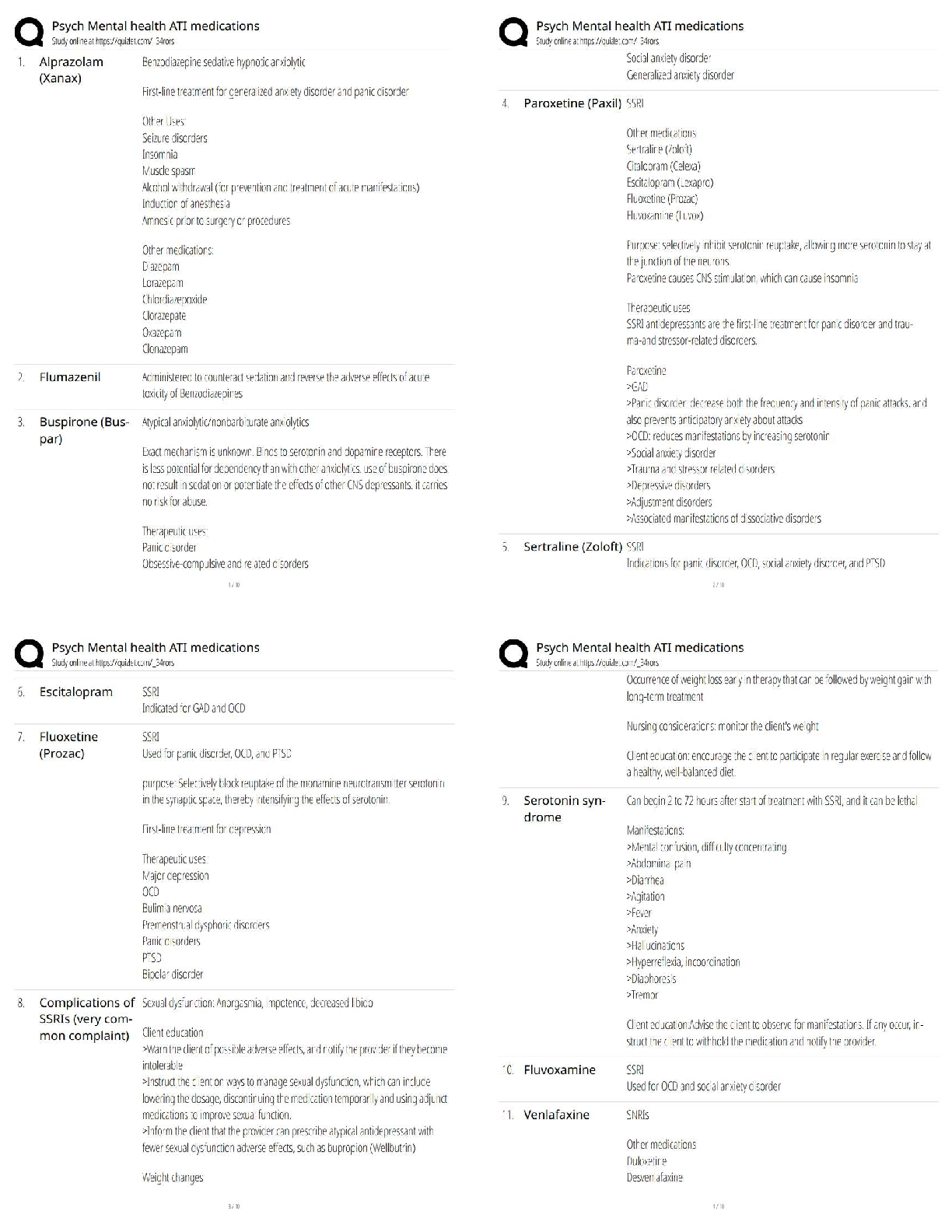
Psych Mental Health ATI Medications / 2025 Update — Study Gu...
HESI PSYCH MENTAL HEALTH EXAM TEST BANK || NEWEST ACTUAL EXAM...
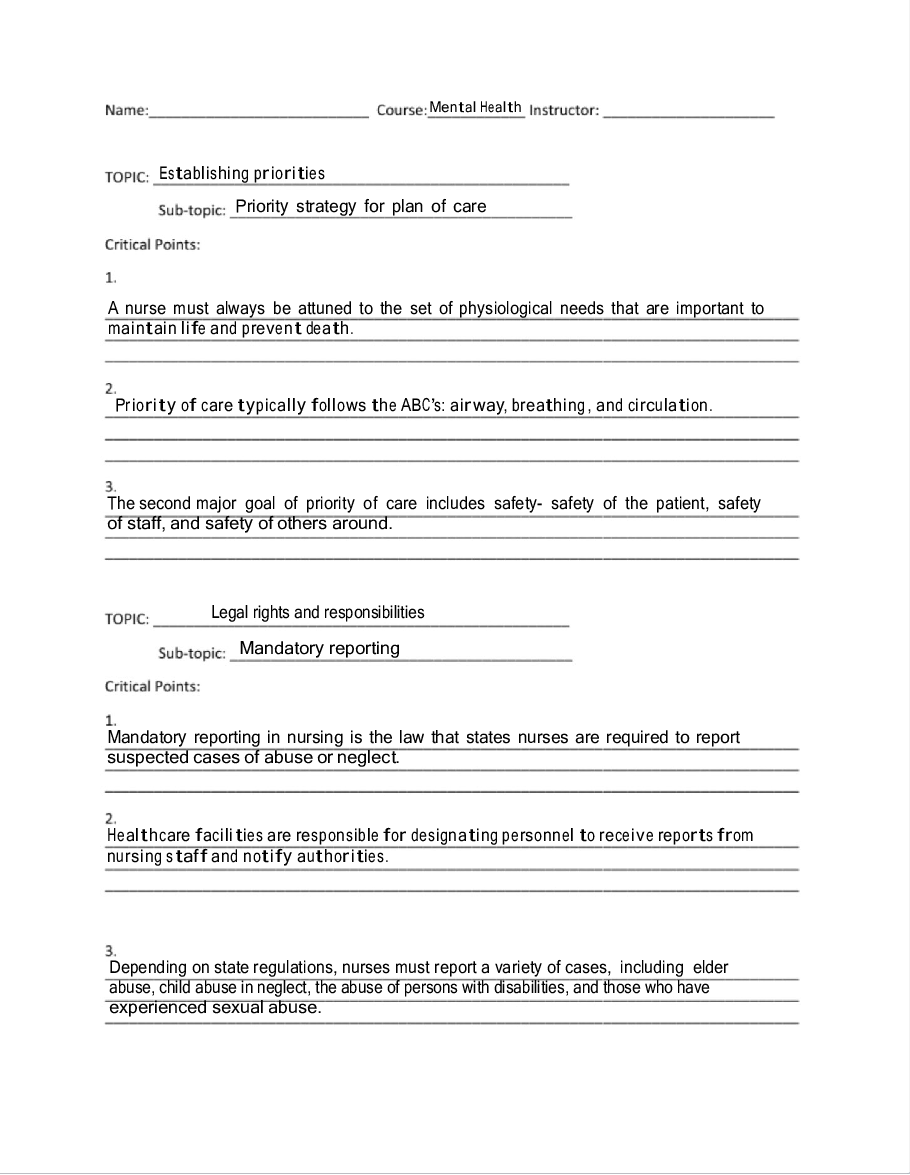
ATI MENTAL HEALTH REMEDIATION- ALL SECTIONS COMPLETED- UPDATED...
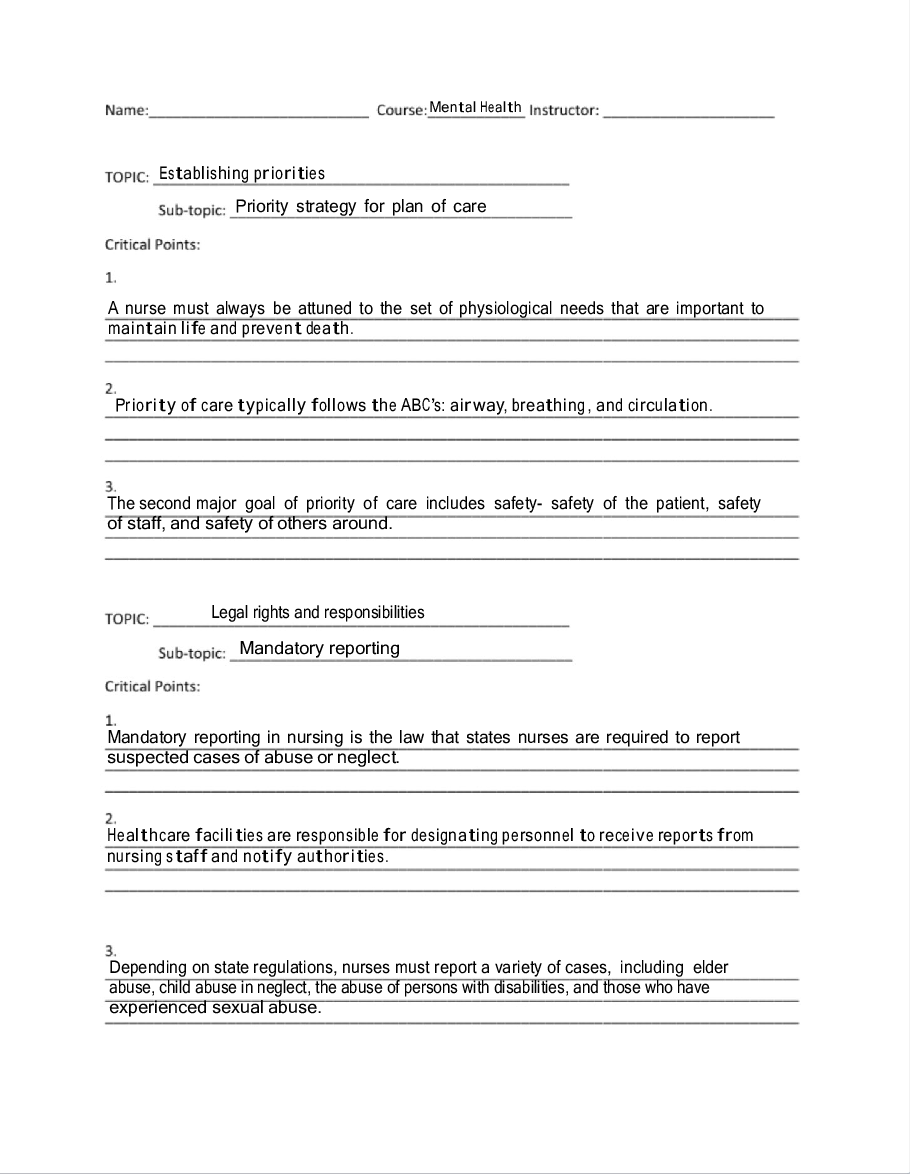
ATI MENTAL HEALTH REMEDIATION- ALL SECTIONS COMPLETED- UPDATED...
TEST BANK for Davis Advantage for Psychiatric Mental Health Nu...
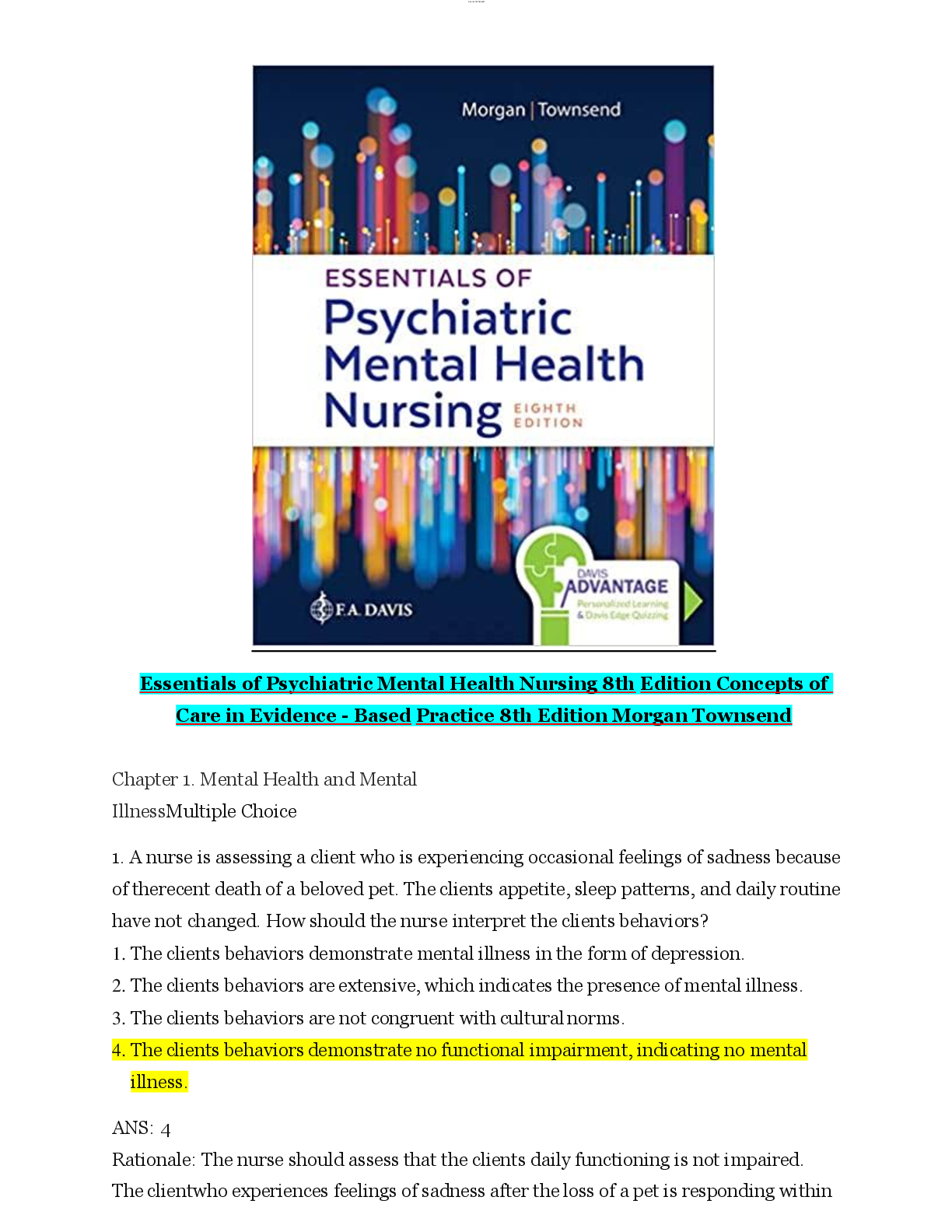
TEST BANK for Essentials of Psychiatric Mental Health Nursing:...
2023 - 2024 HESI PSYCH MENTAL HEALTH EXIT EXAM (V1, V2, V3) ST...
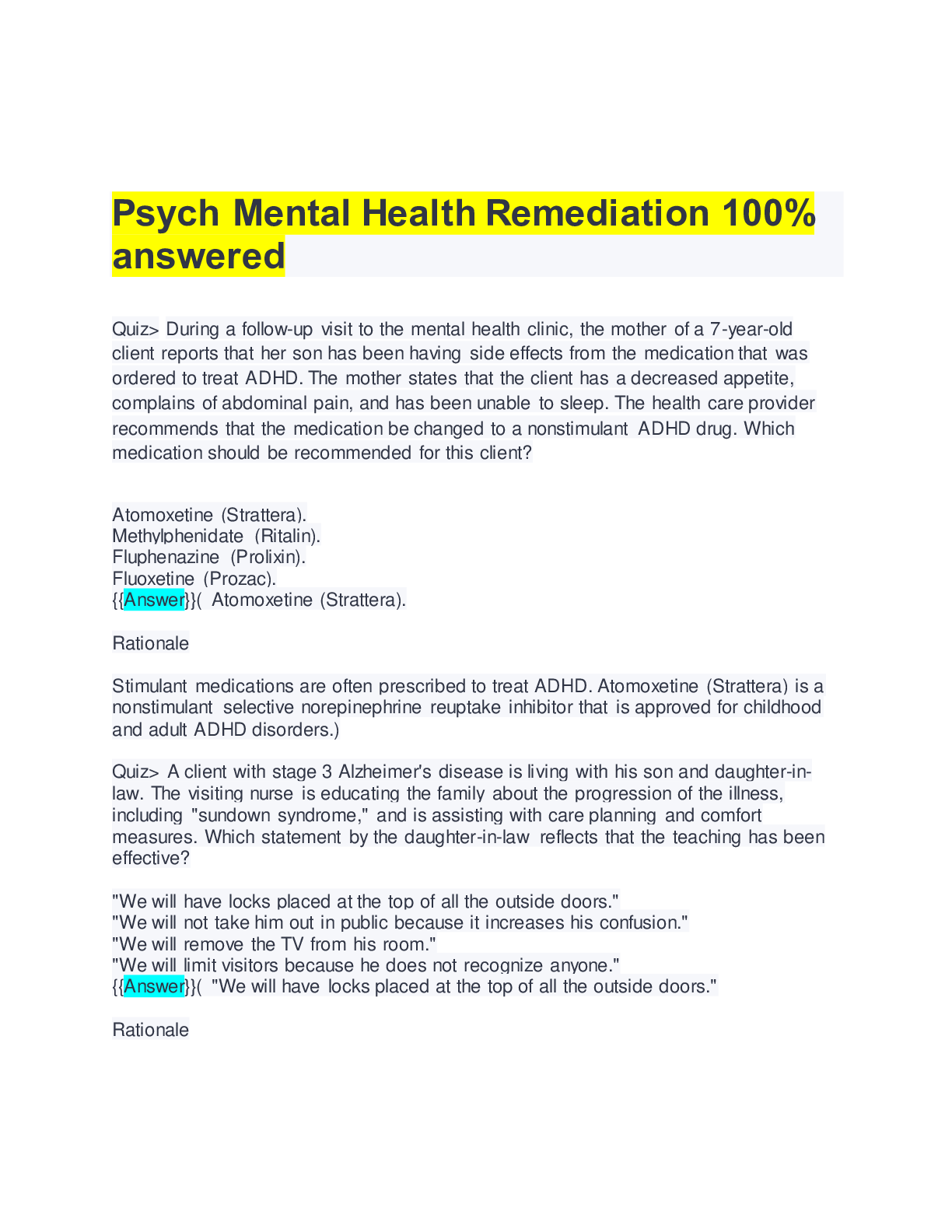
Psych Mental Health Remediation 100% answered;(NURSING PSYCHIA...