Nutrition > QUESTIONS & ANSWERS > HEC 140, FINAL EXAM (KEPHART, SUSCC) QUESTIONS WITH CORRECT ANSWERS (All)
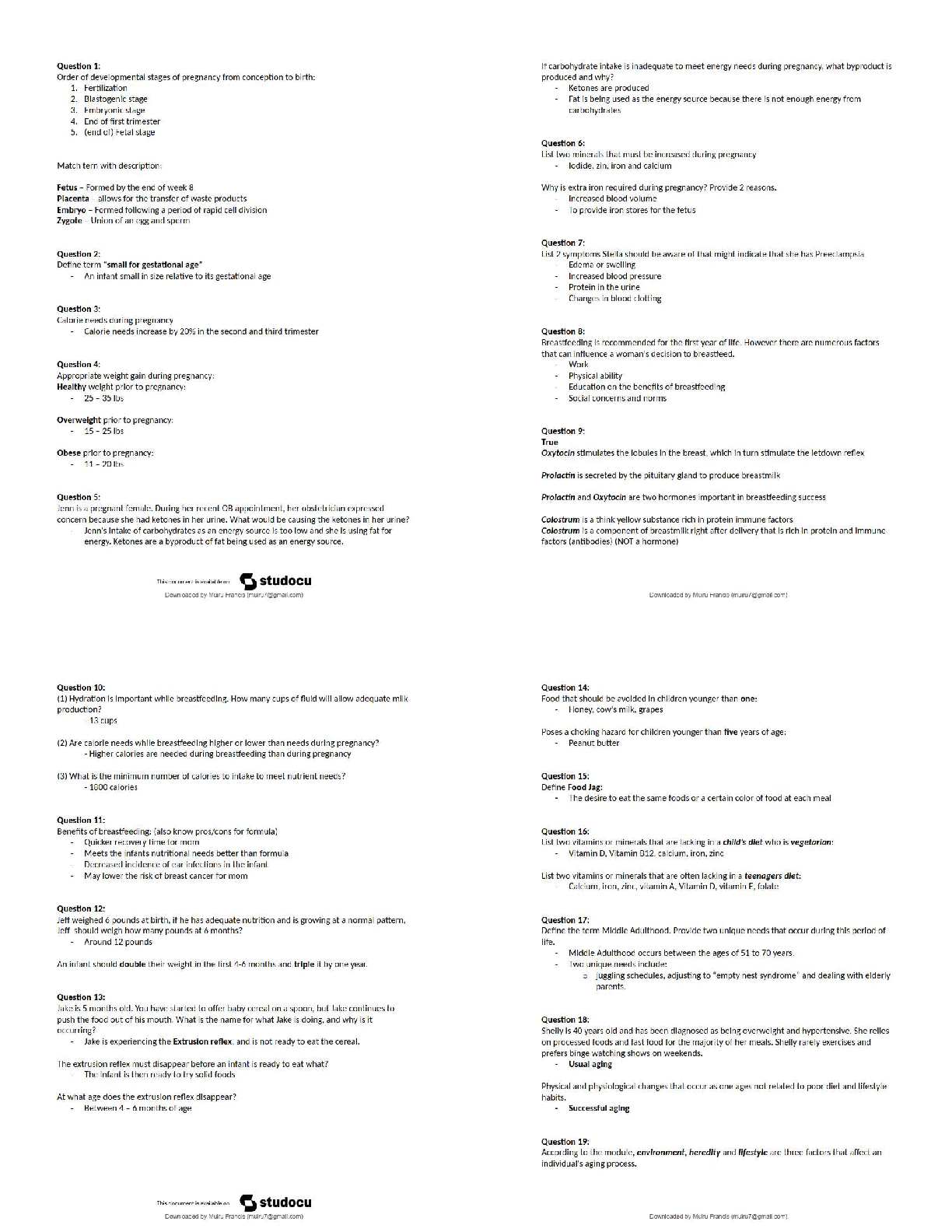
HEC 140, FINAL EXAM (KEPHART, SUSCC) QUESTIONS WITH CORRECT ANSWERS
Document Content and Description Below
Last updated: 3 years ago
Preview 1 out of 7 pages
Instant download

Buy this Document to get the Full Access Instantly
Provided by Students Who Aced it
We Verify Document Content to Gurantee Accuracy
Reviews( 0 )
Document information
Connected school, study & course
About the document
Uploaded On
Dec 14, 2022
Number of pages
7
Written in
All

Additional information
This document has been written for:
Uploaded
Dec 14, 2022
Downloads
0
Views
90
Topic Tags
Recommended For You
Get more on QUESTIONS & ANSWERS »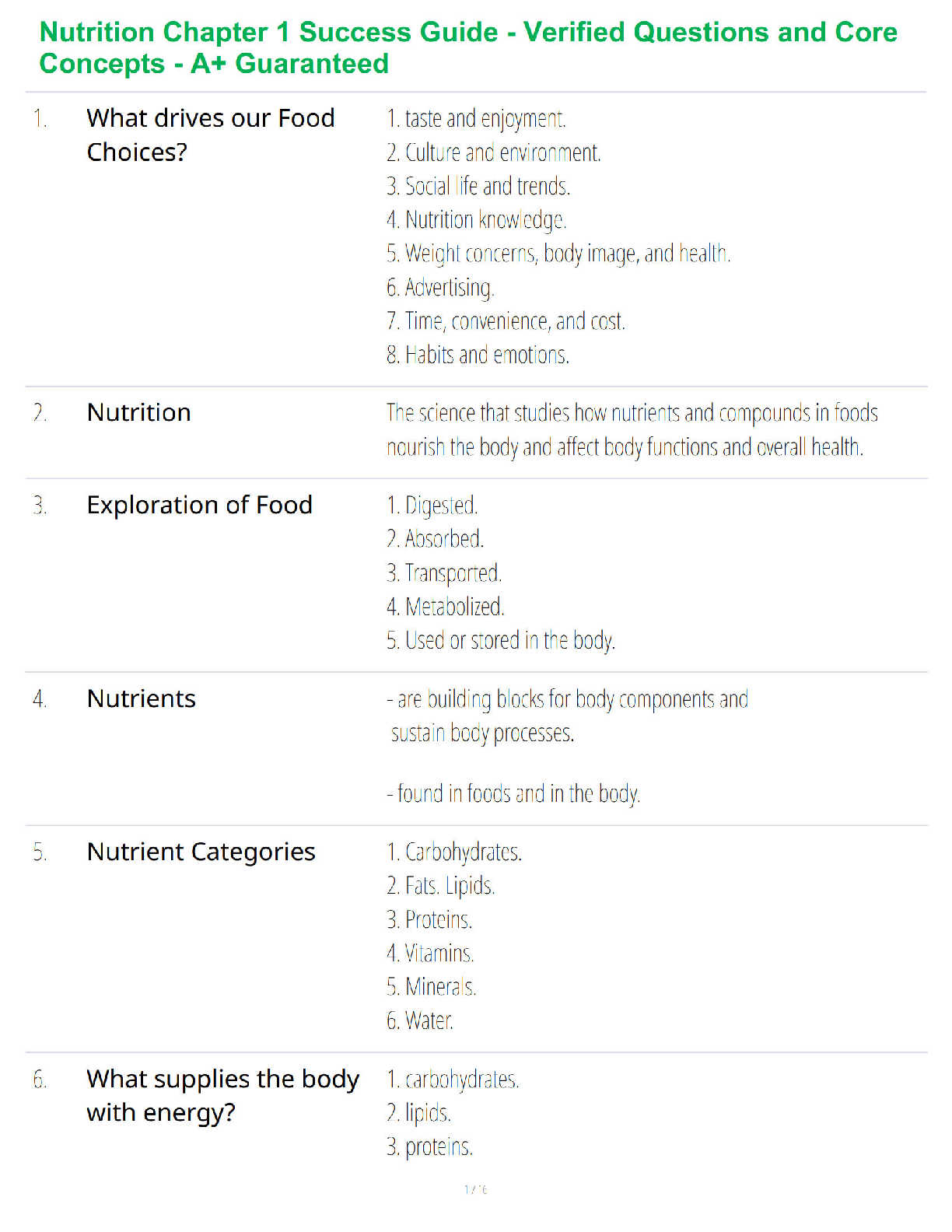
ATI RN Proctored Nutrition Exam PREP TESTS COMPILATION - Highl...
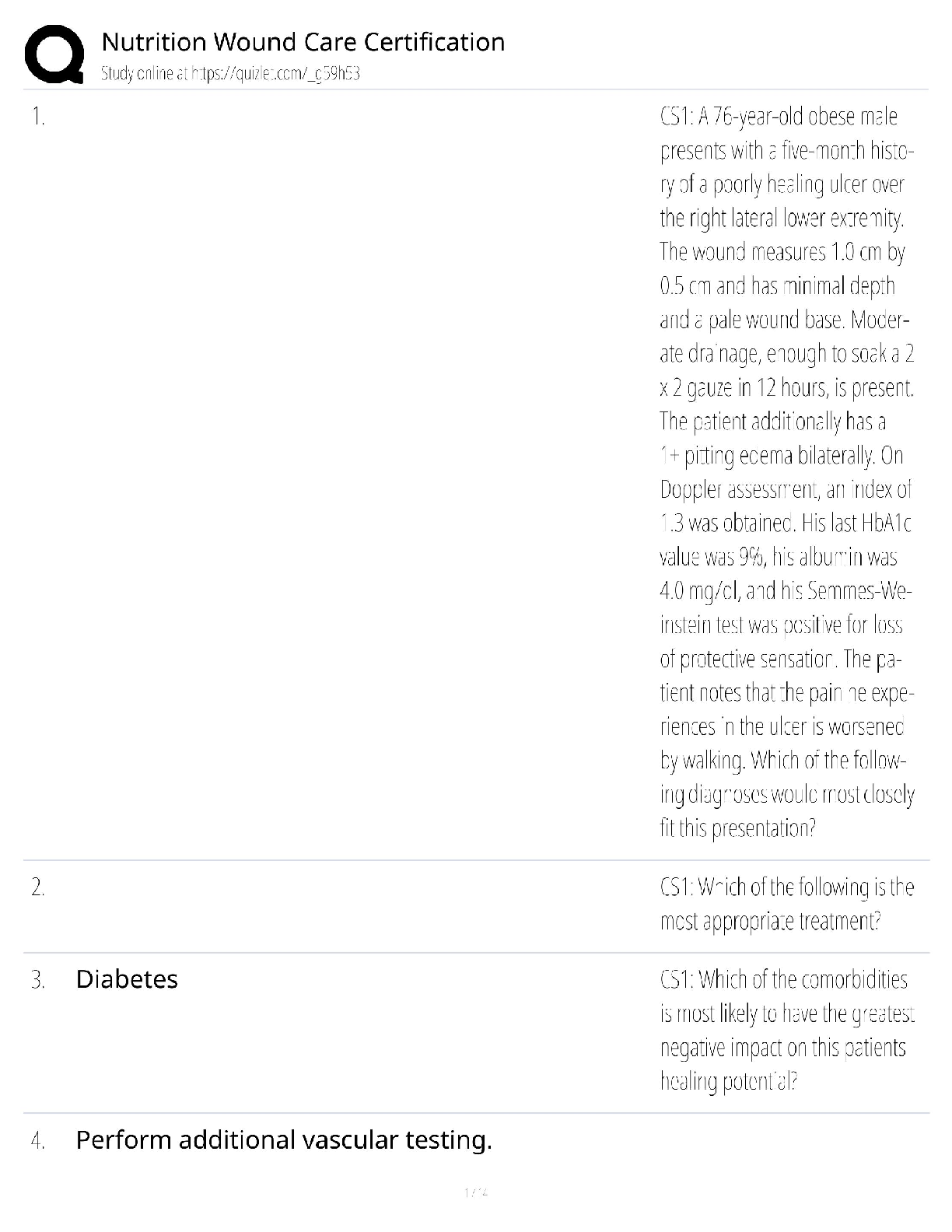
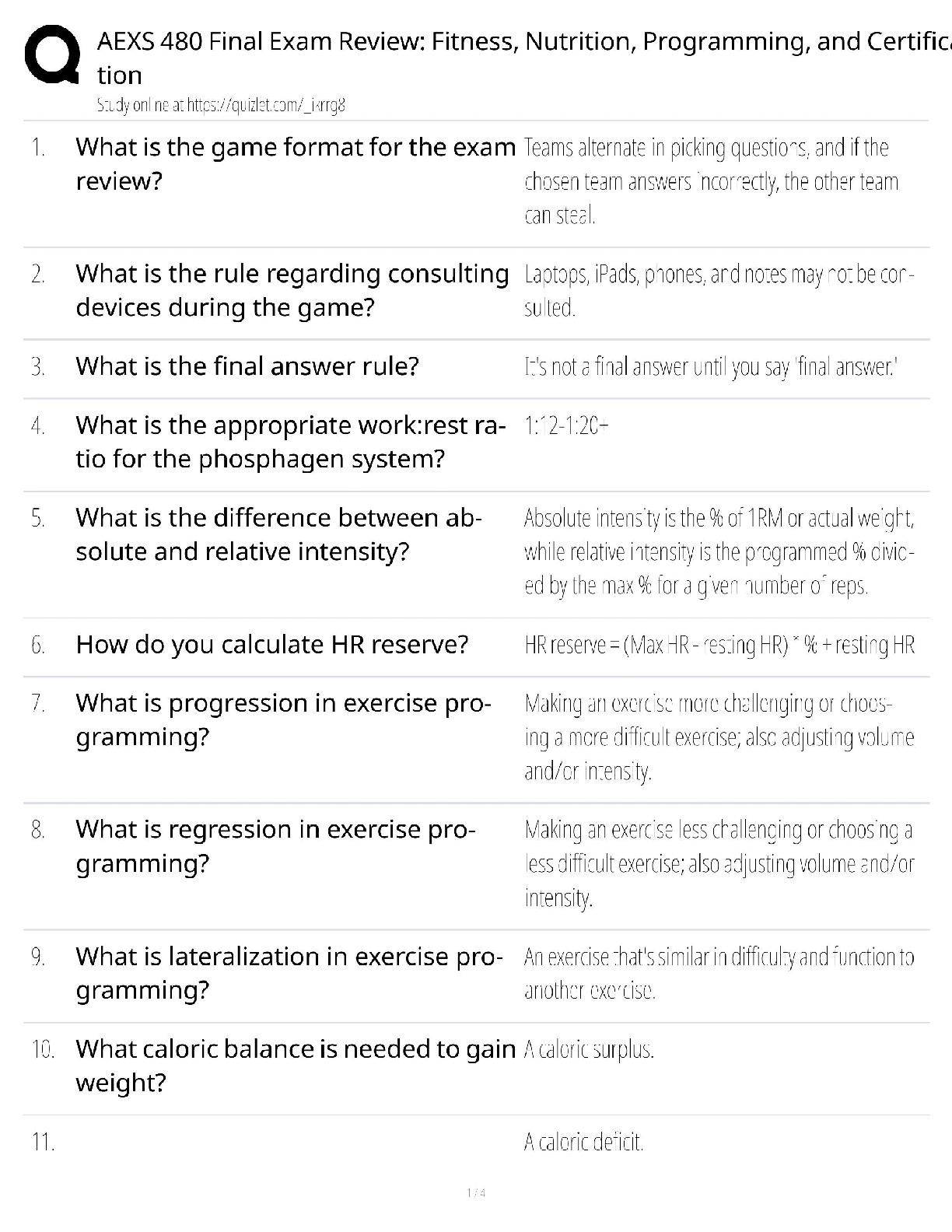
AEXS 480 Final Exam Review / Fitness Nutrition Programming & C...
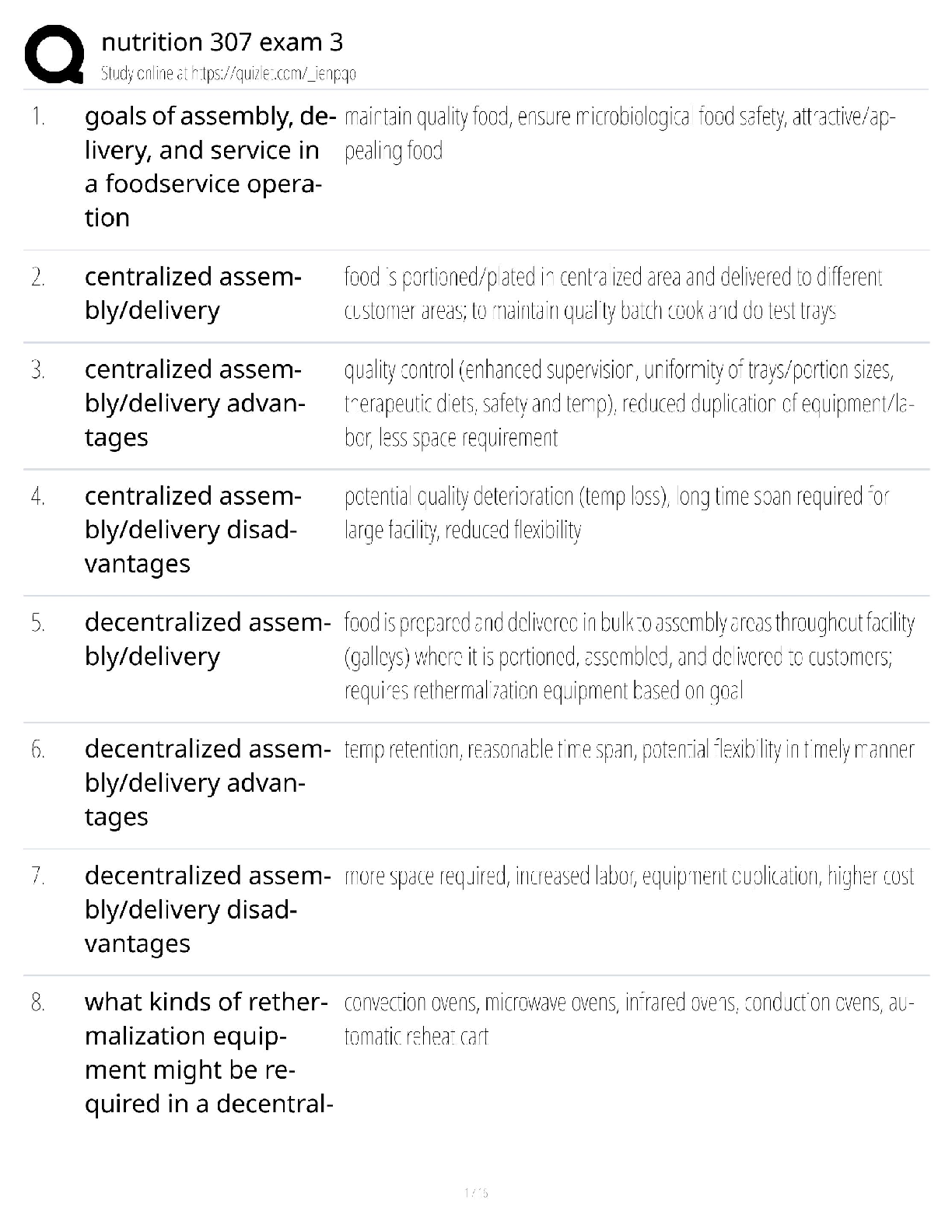
Nutrition 307 Exam 3 / Dietetics & Nutritional Science / 2025...
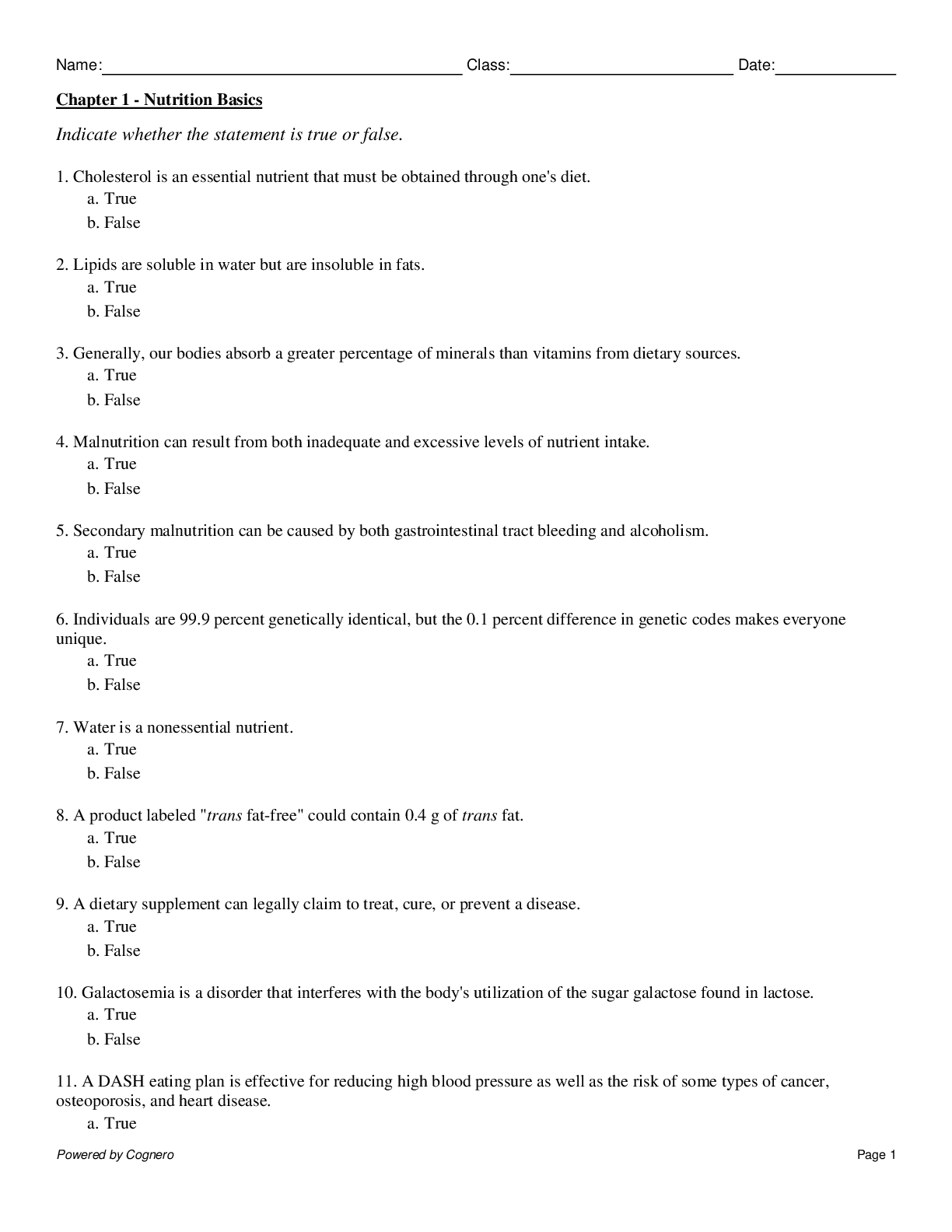
Nutrition Through the Life Cycle 7th Edition By Judith E. Brow...
.png)
Nutrition Science and Applications, 3rd Canadian Edition by Lo...
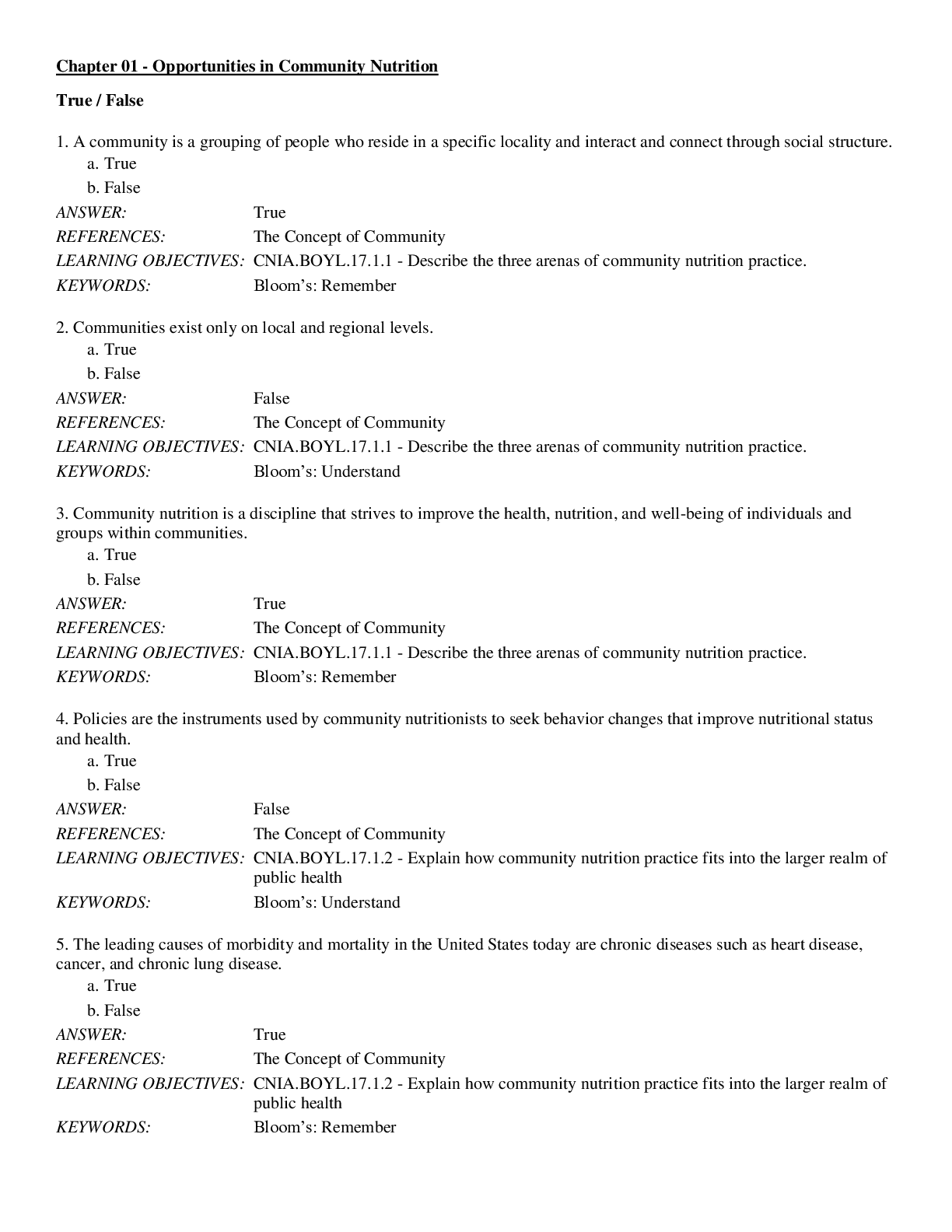
Community Nutrition in Action An Entrepreneurial Approach, 7e...
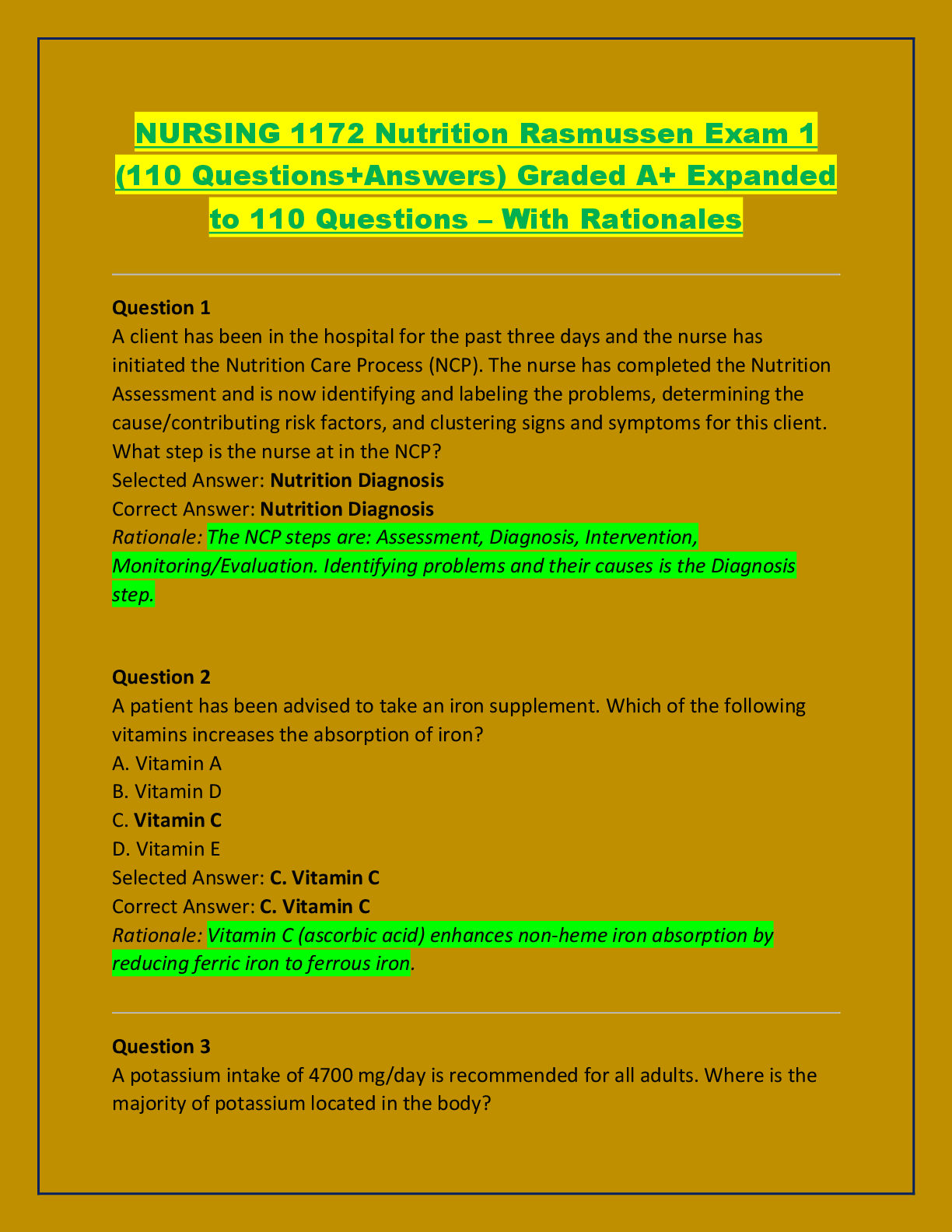
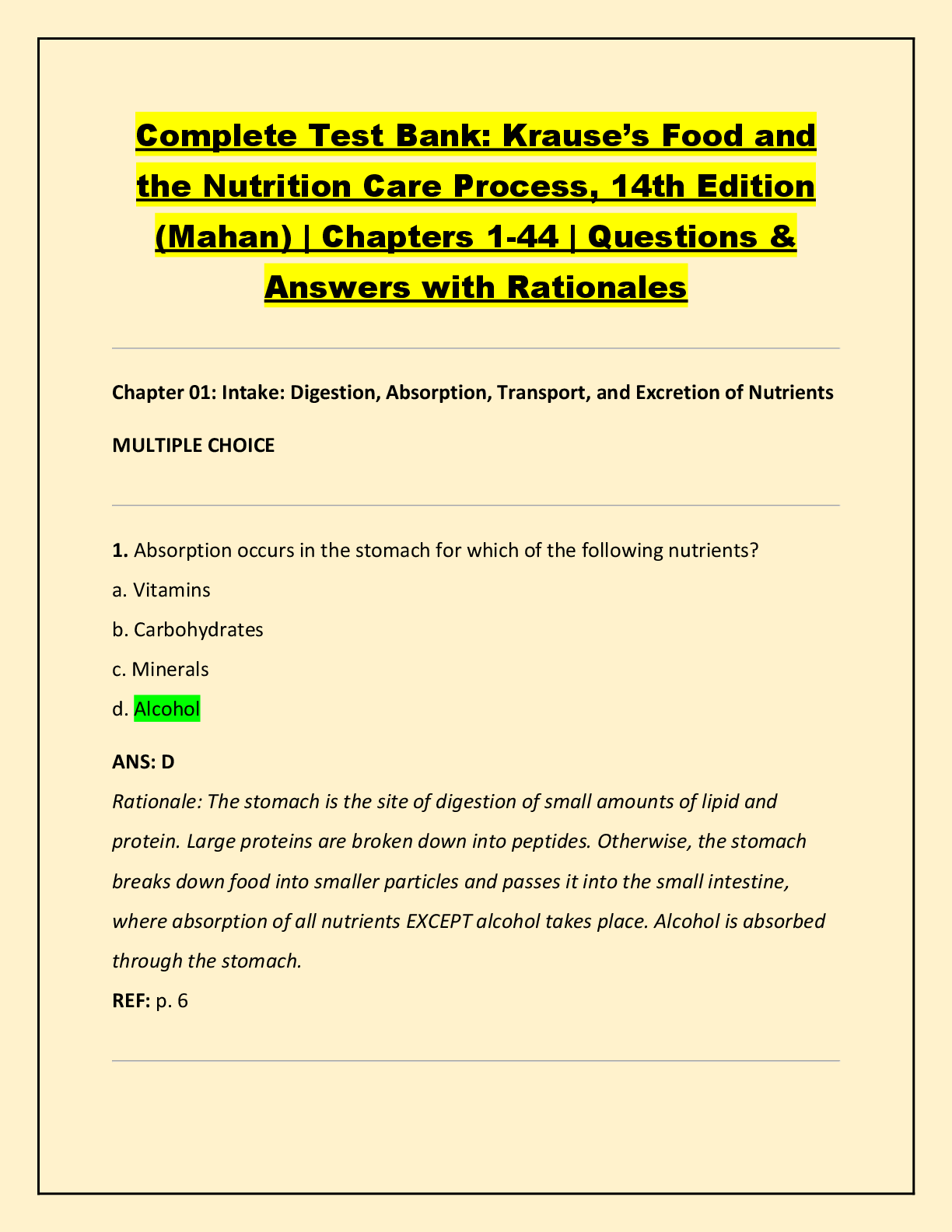
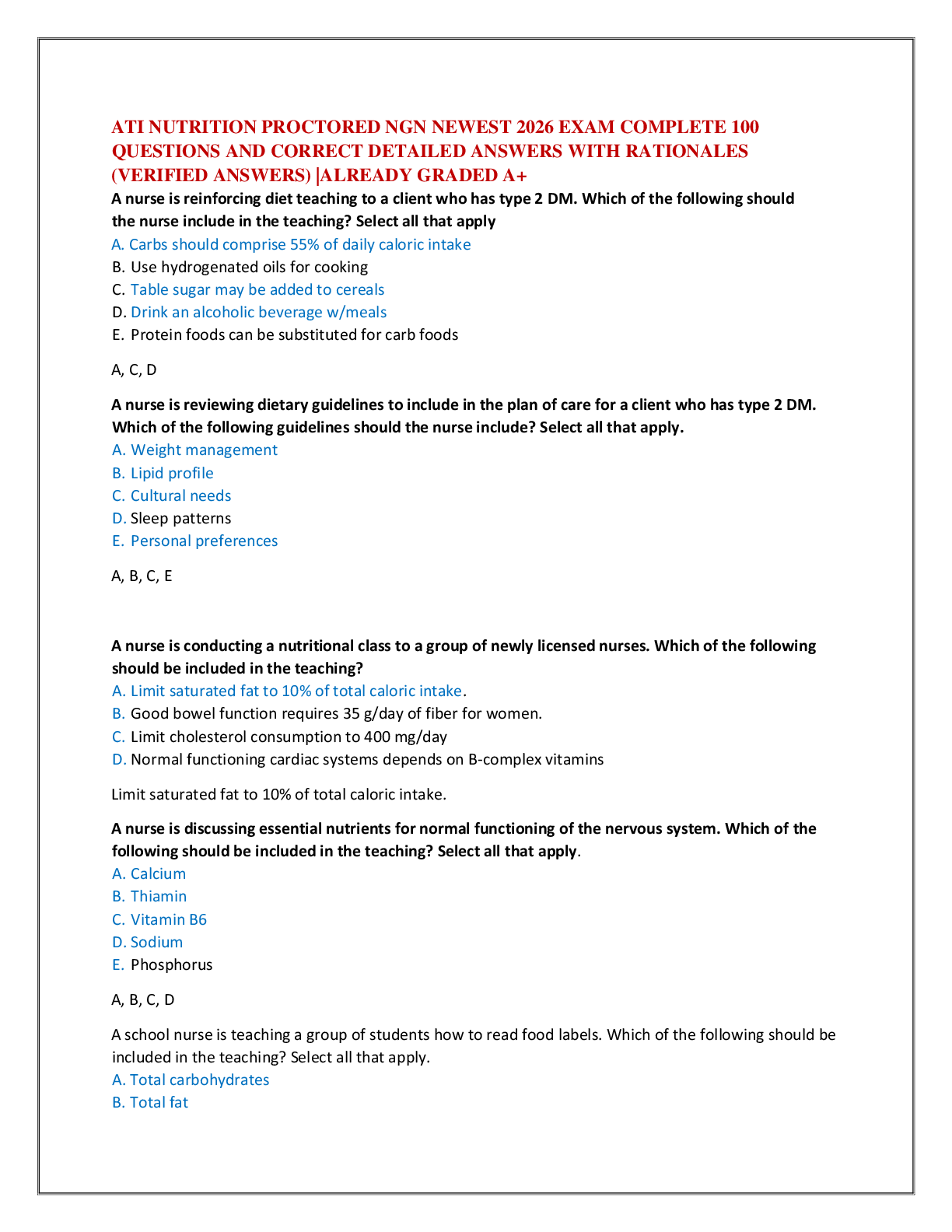
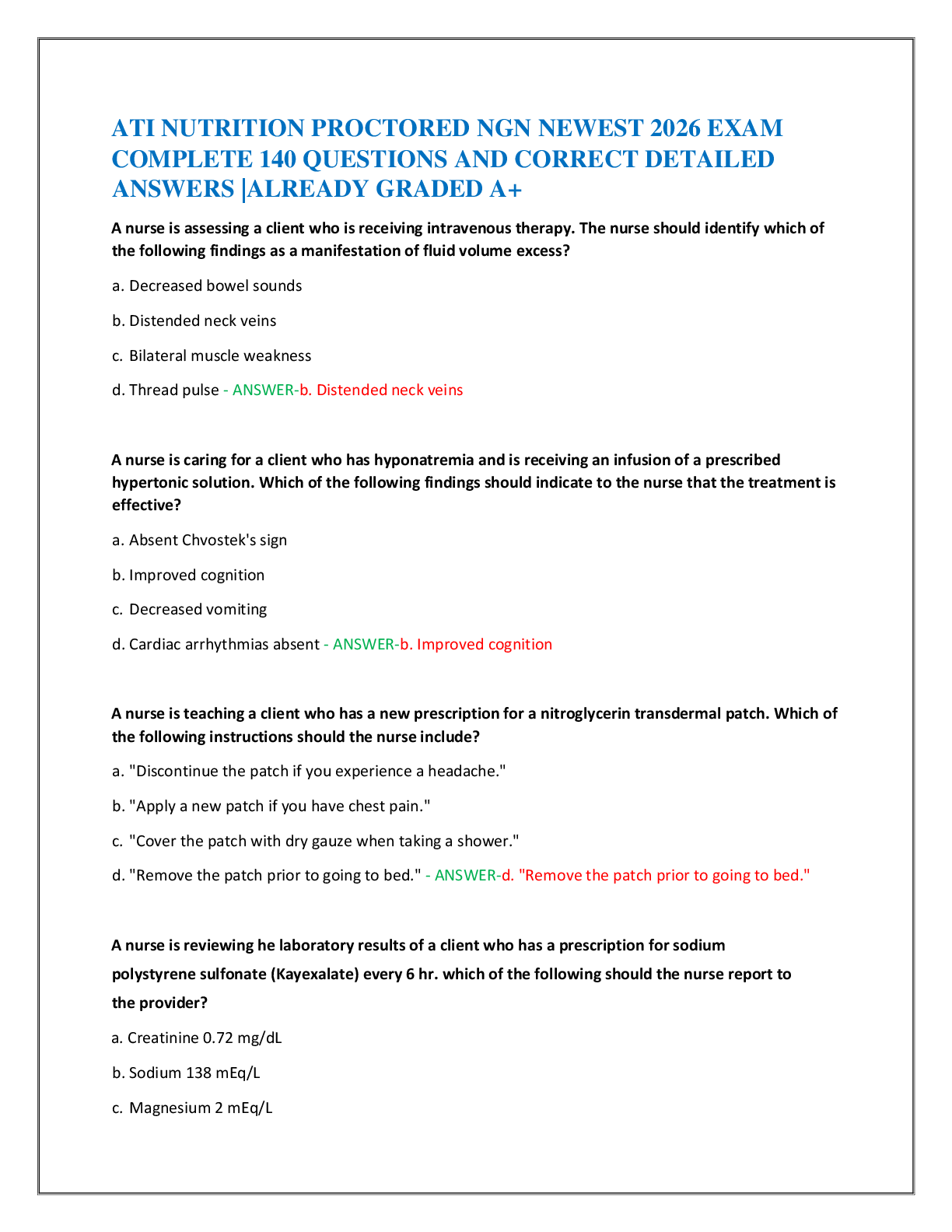
Nutrition (BIOD 121) Study Guide & Practice Questions New Ve...
Lutz's Nutrition and Diet Therapy 7th Edition By Erin Mazur, N...
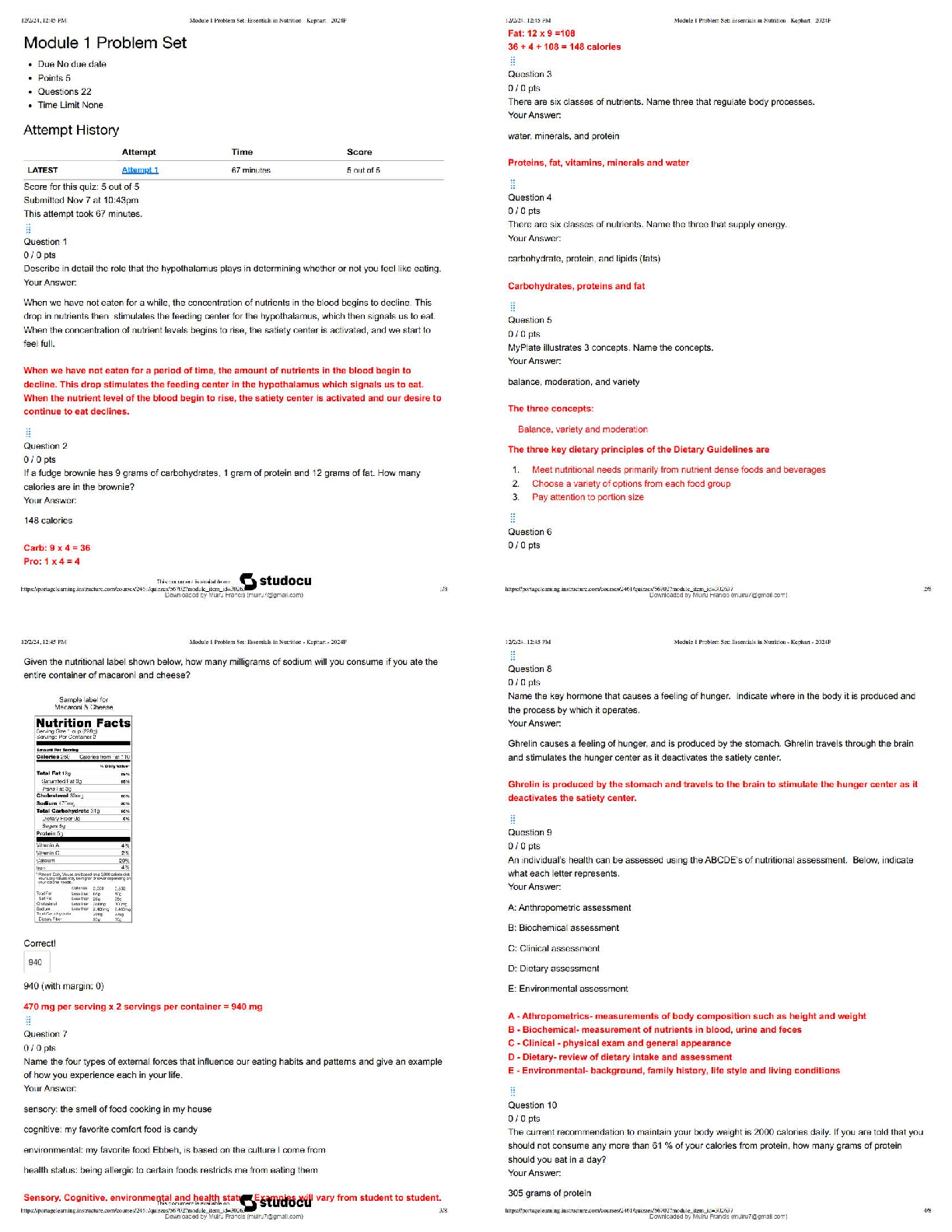
Module 1 Problem Set Essentials in Nutrition 2024F New Versi...
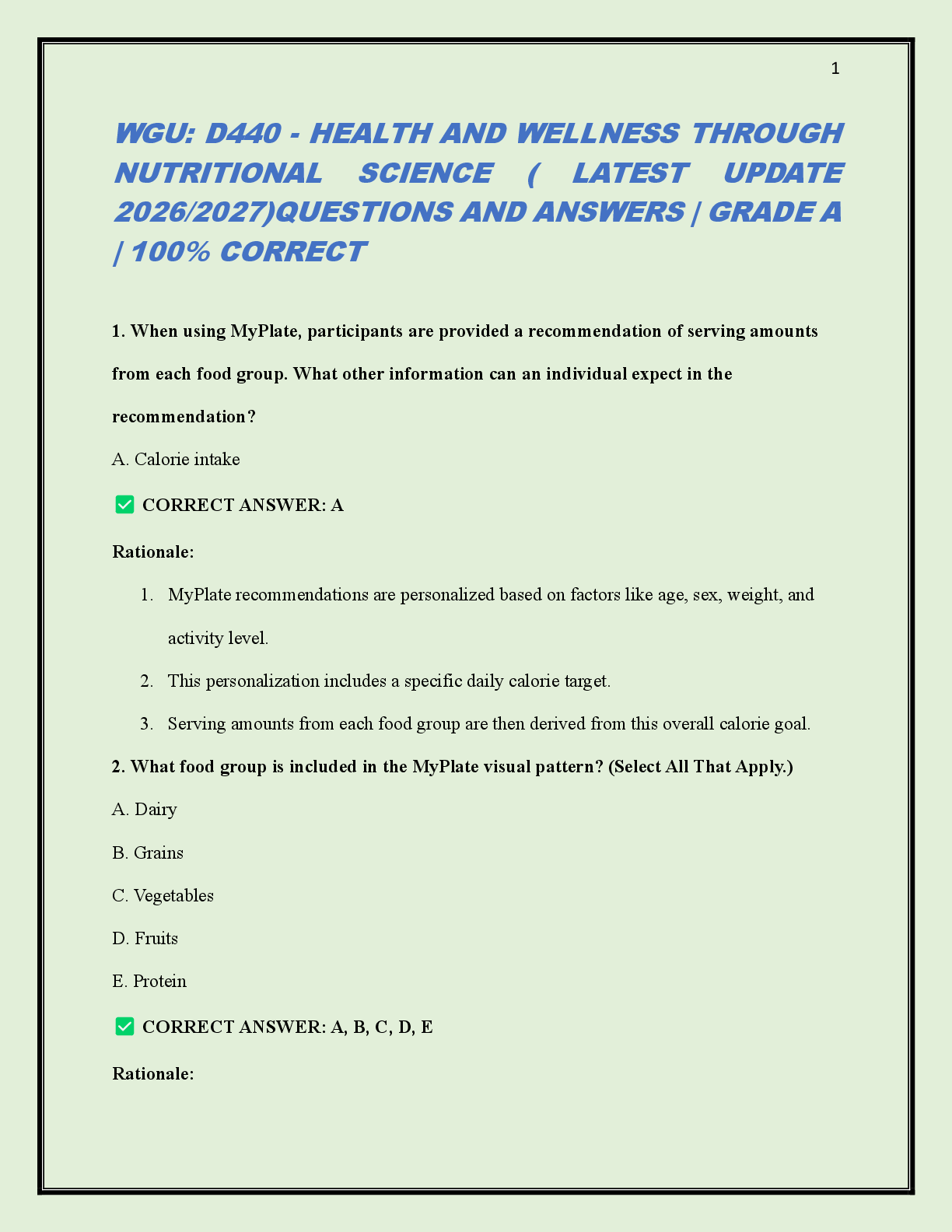
WGU D440 Health and Wellness Through Nutritional Science 2026/...

BIOD 121 Essentials in Nutrition Module 2 Study Guide 2025 – S...
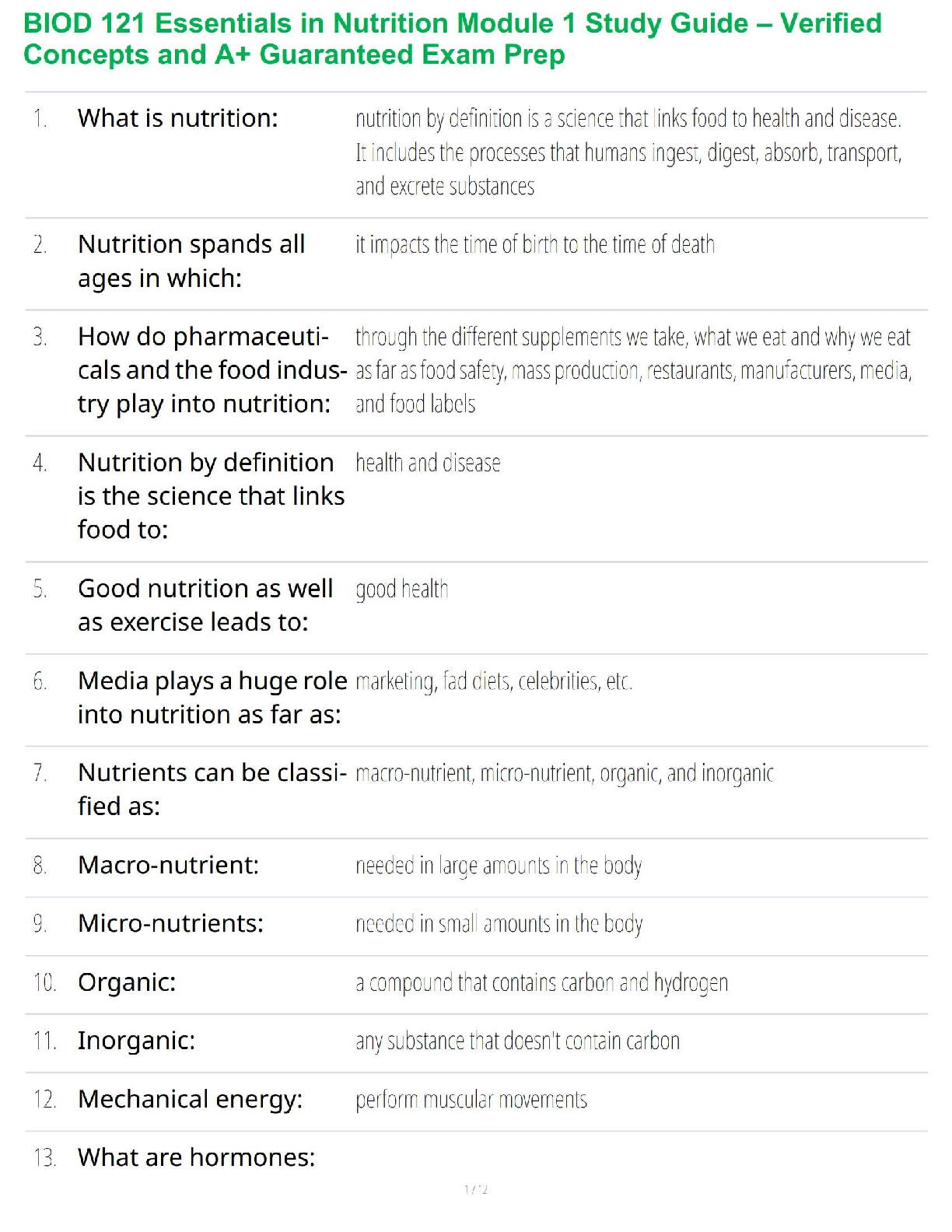
BIOD 121 Essentials in Nutrition Module 1 Study Guide – Verifi...