Social Sciences > QUESTIONS & ANSWERS > NATS 1870 FINAL EXAM REVIEW ALREADY PASSED (All)
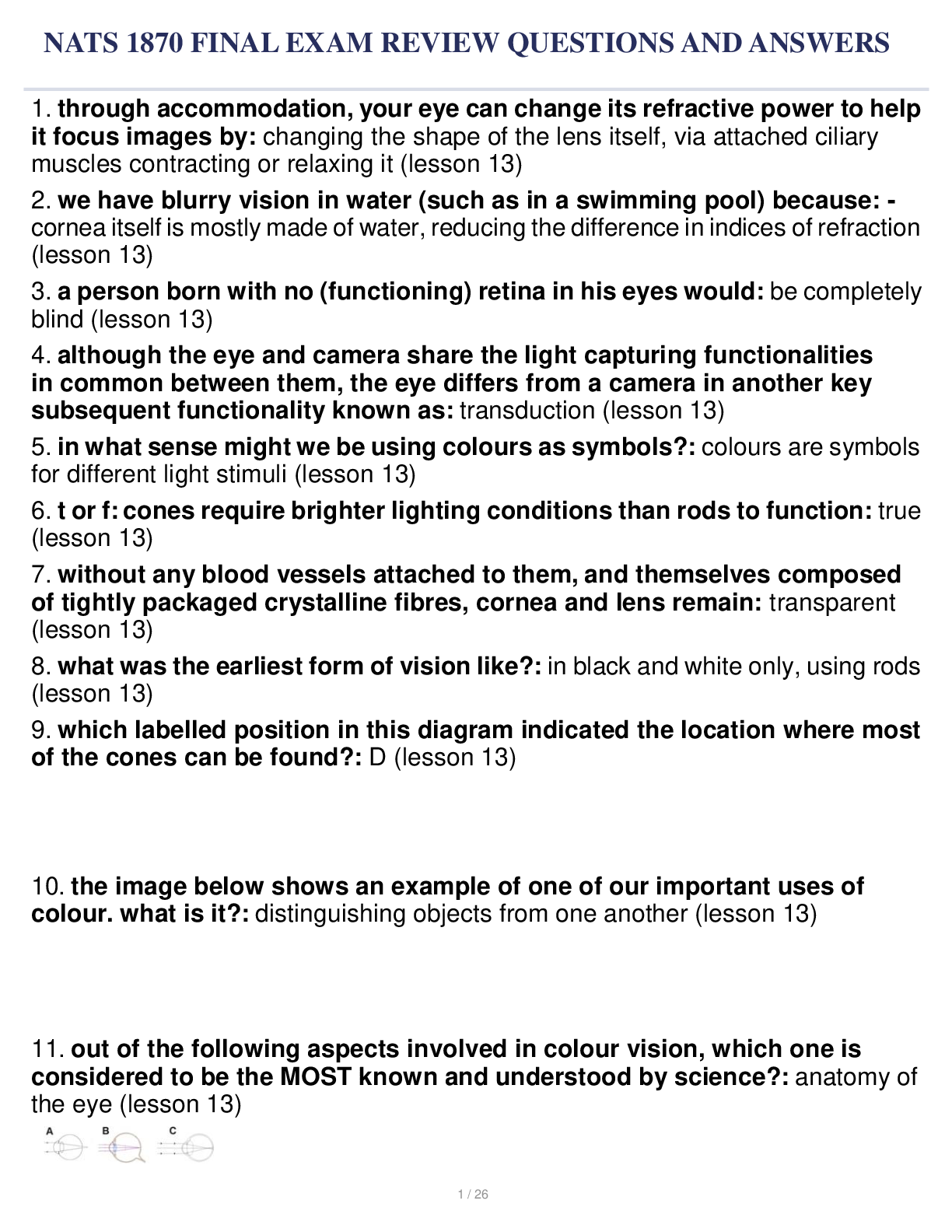
NATS 1870 FINAL EXAM REVIEW ALREADY PASSED
Document Content and Description Below
Last updated: 3 years ago
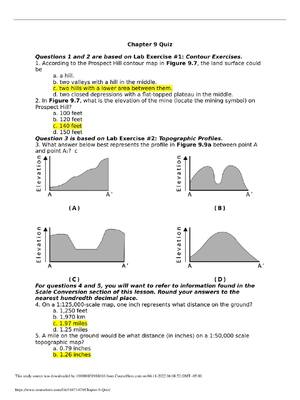
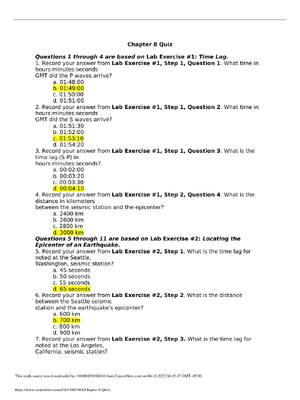
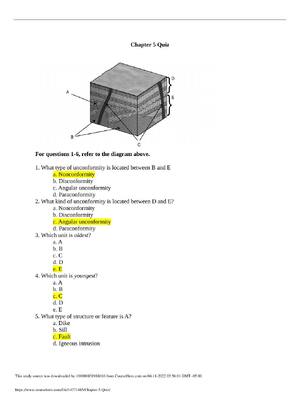
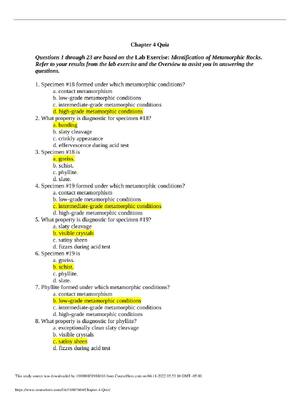
Preview 1 out of 32 pages
Instant download
.png)
Buy this Document to get the Full Access Instantly
Provided by Students Who Aced it
We Verify Document Content to Gurantee Accuracy
Also available in bundle (1)
Click Below to Access Bundle(s)
NATS BUNDLED EXAMS WITH COMPLETE SOLUTIONS
NATS BUNDLED EXAMS WITH COMPLETE SOLUTIONS
By Nutmegs 3 years ago
$15
6
Reviews( 0 )
Document information
Connected school, study & course
About the document
Uploaded On
Feb 13, 2023
Number of pages
32
Written in
All

Additional information
This document has been written for:
Uploaded
Feb 13, 2023
Downloads
0
Views
239
Topic Tags
Related Subjects & Courses
Explore similar study resources and related concepts.
Recommended For You
Get more on QUESTIONS & ANSWERS »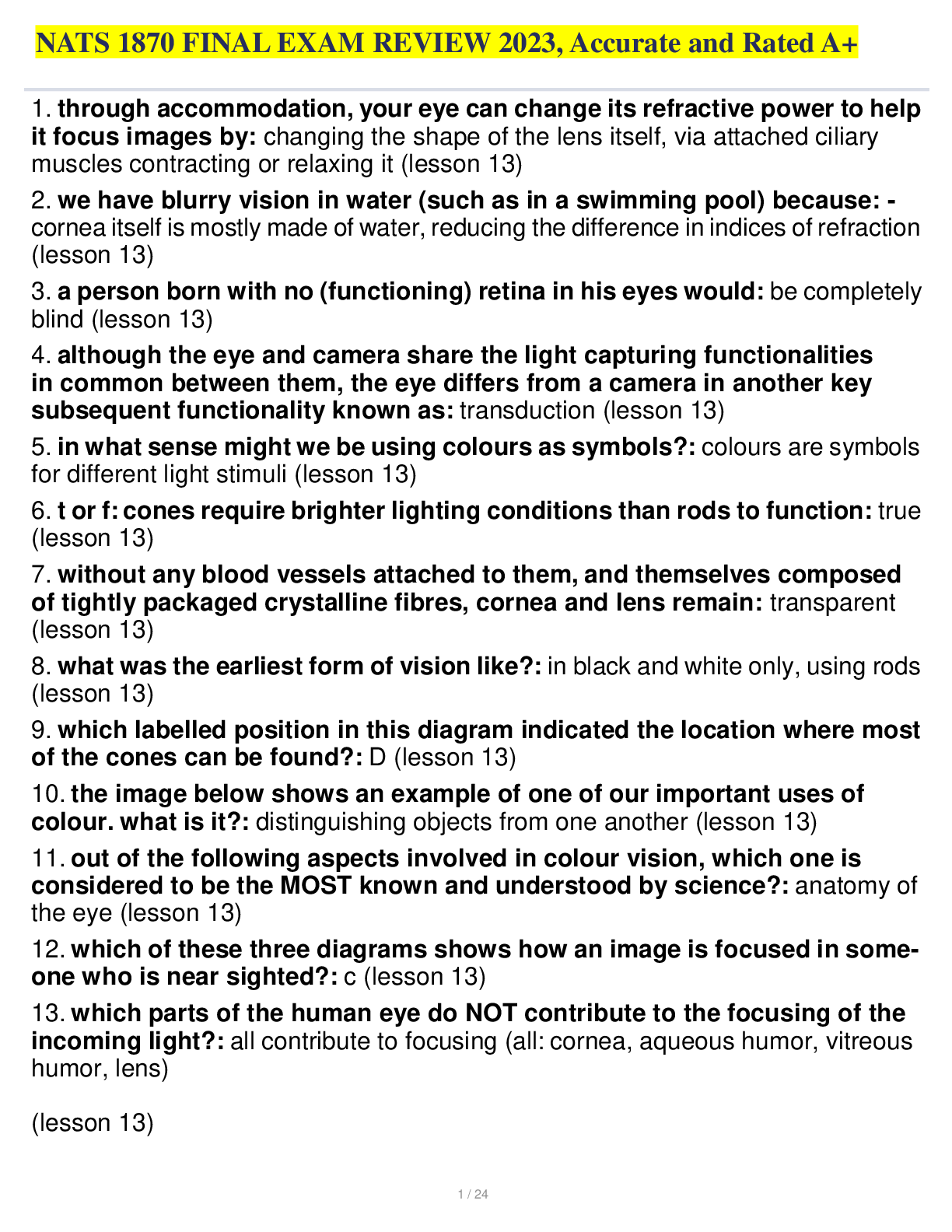

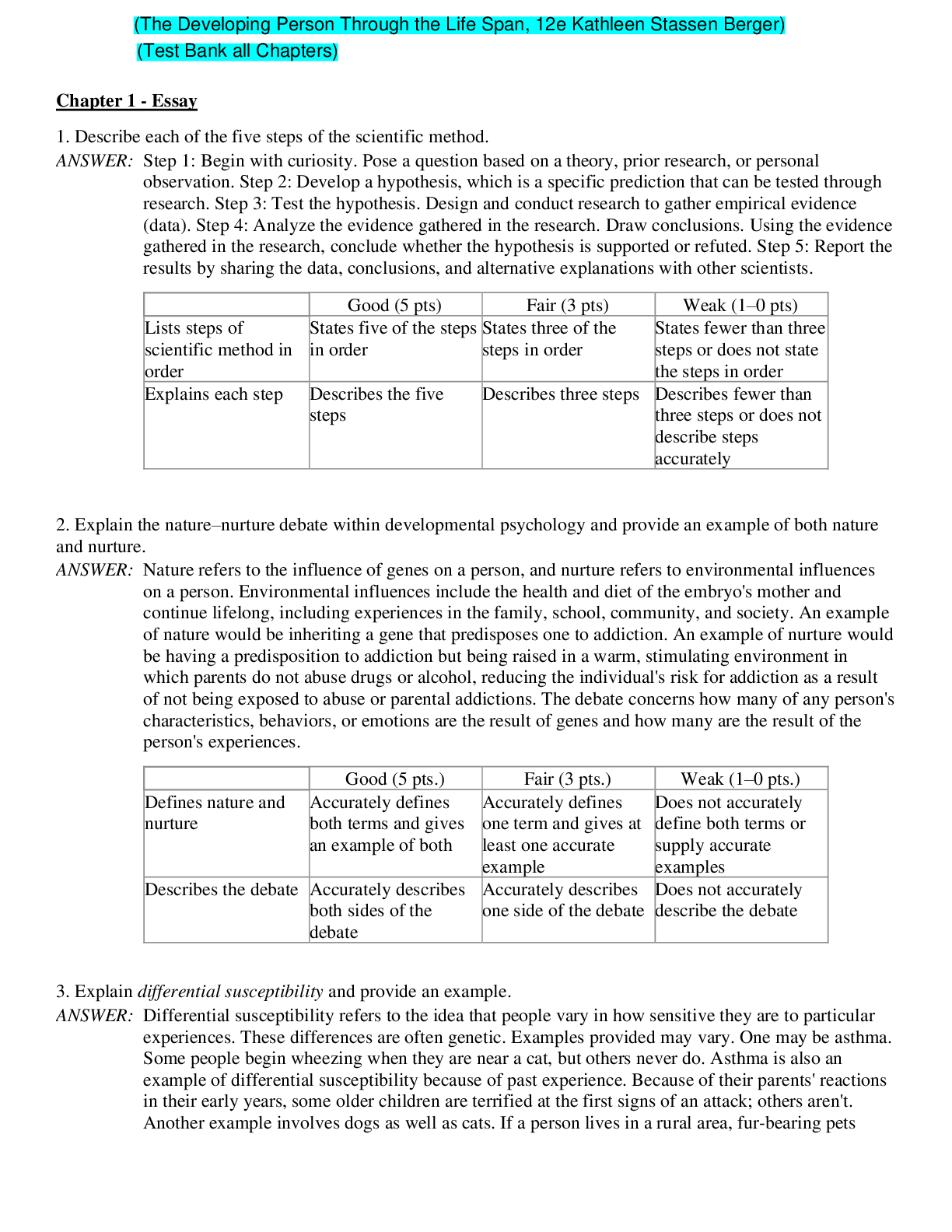
Test Bank for The Developing Person Through the Life Span, 12t...

Test Bank for How to Think Logically 2nd Edition by Gary Seay,...

Introduction to Social Problems 10th Edition By Thomas Sulliva...

Introduction to Private Security 2nd Edition By John Dempsey (...

Introduction to Policing 2nd Edition By William McCamey, Gene...

Intimate Relationships 8th Edition By Rowland Miller (Test Ban...

Intimate Personal Violence in Canada 1e Anastasia Bake (Test B...

Introduction to Social Problems 10th Edition By Thomas Sulliva...

Introduction to Private Security 2nd Edition By John Dempsey (...

Intimate Relationships 8th Edition By Rowland Miller (Instruct...

Intimate Personal Violence in Canada 1e Anastasia Bake (Instru...
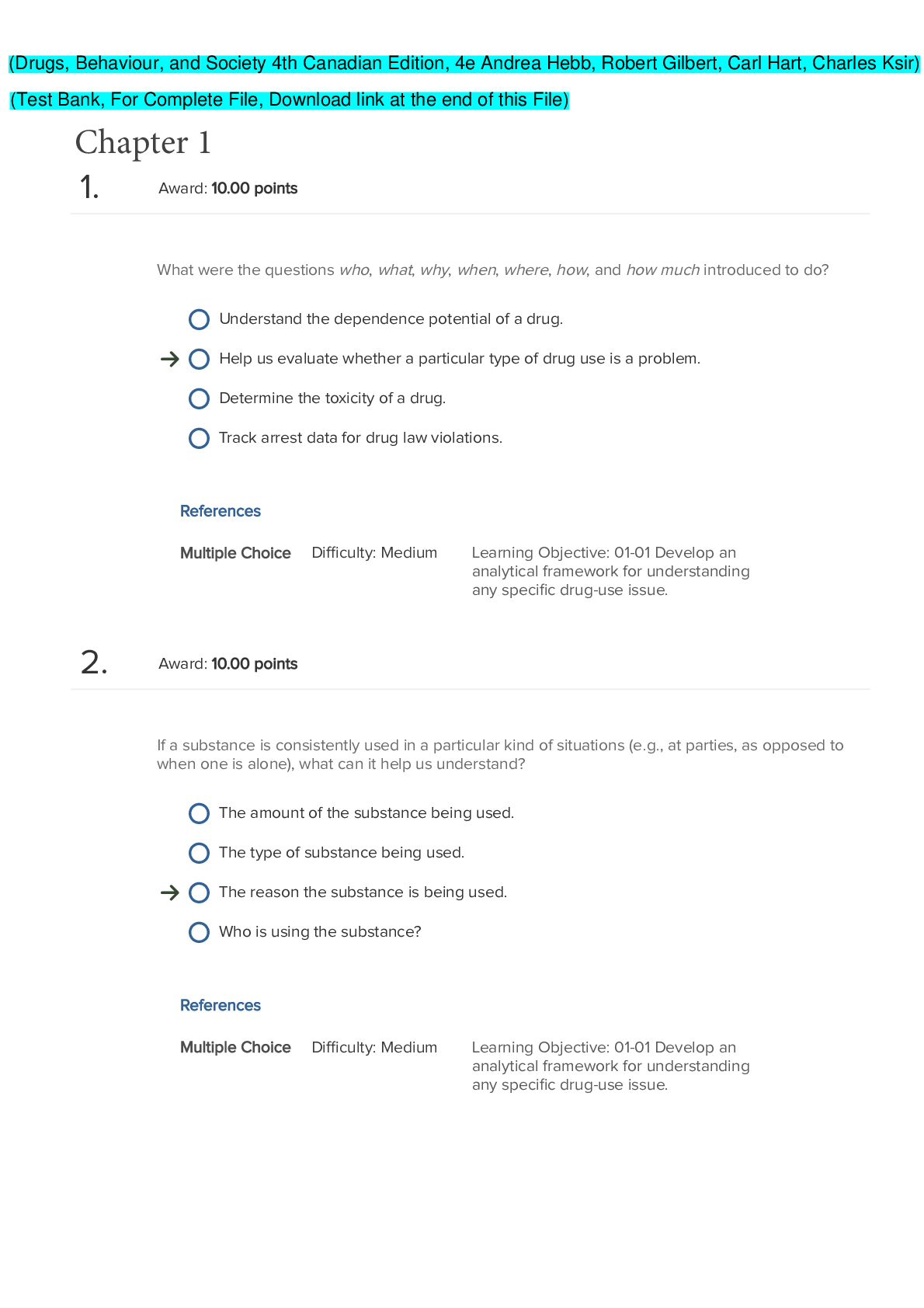
Drugs, Behaviour, and Society 4th Canadian Edition By Andrea H...
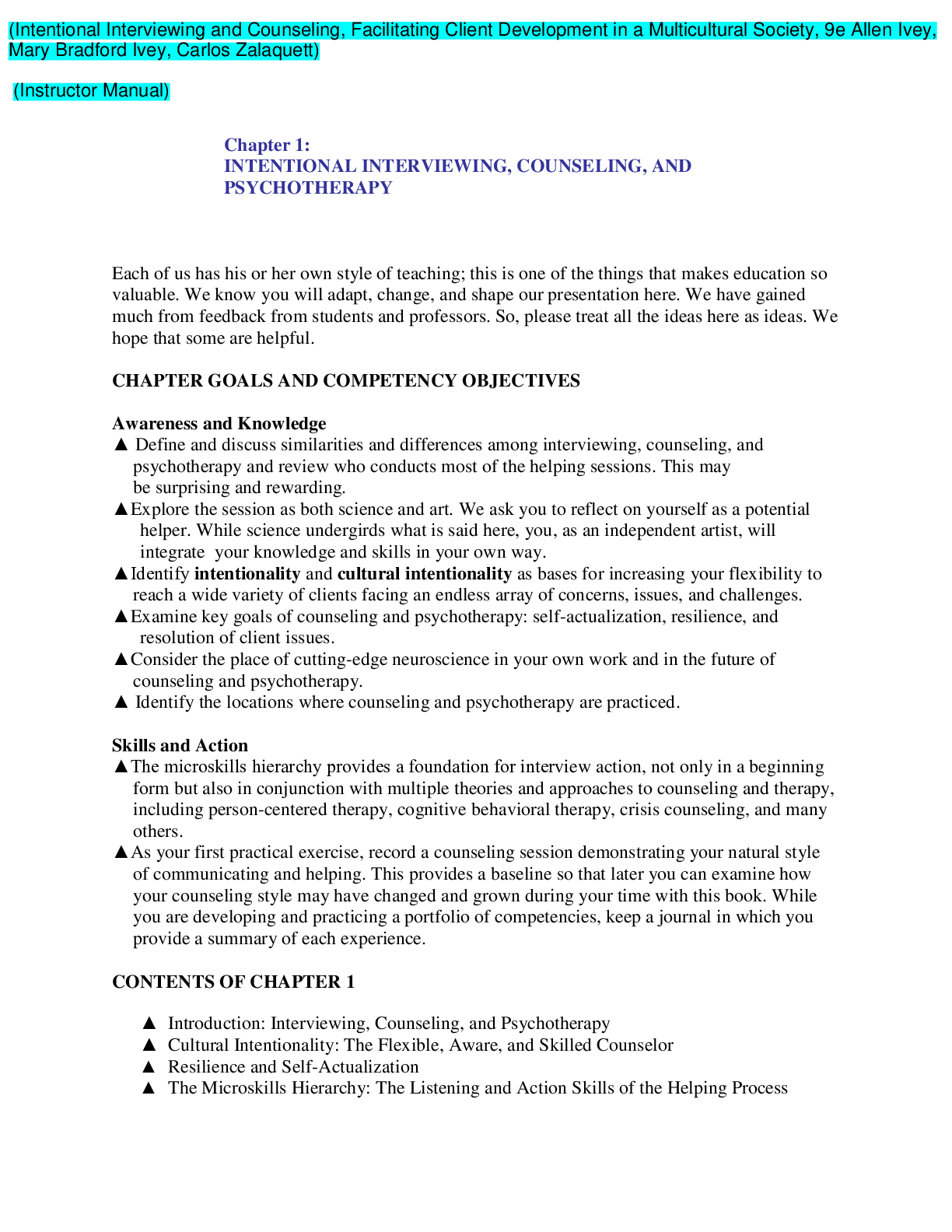
Intentional Interviewing and Counseling, Facilitating Client D...
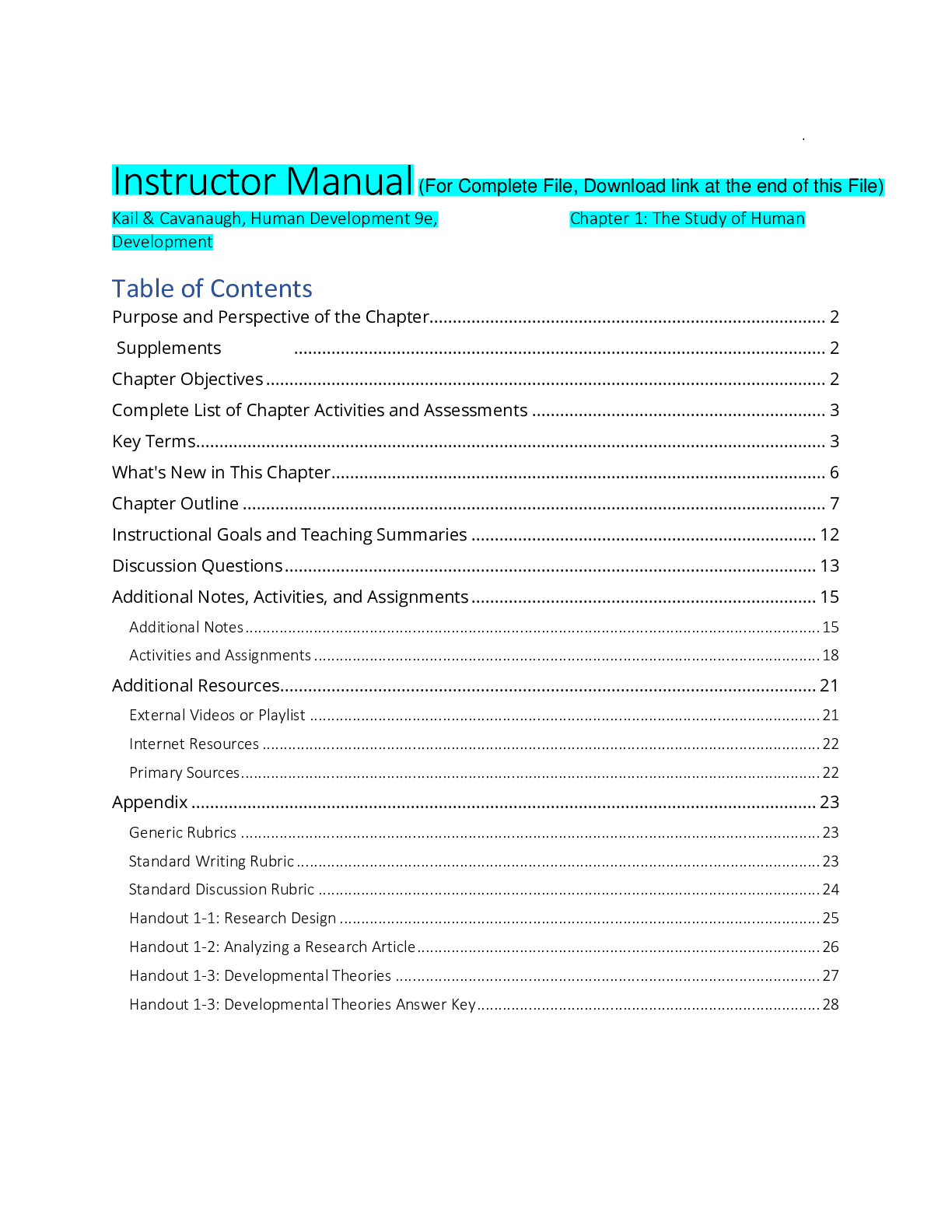
Human Development A Life-Span View, 9e Robert Kail, John Cavan...
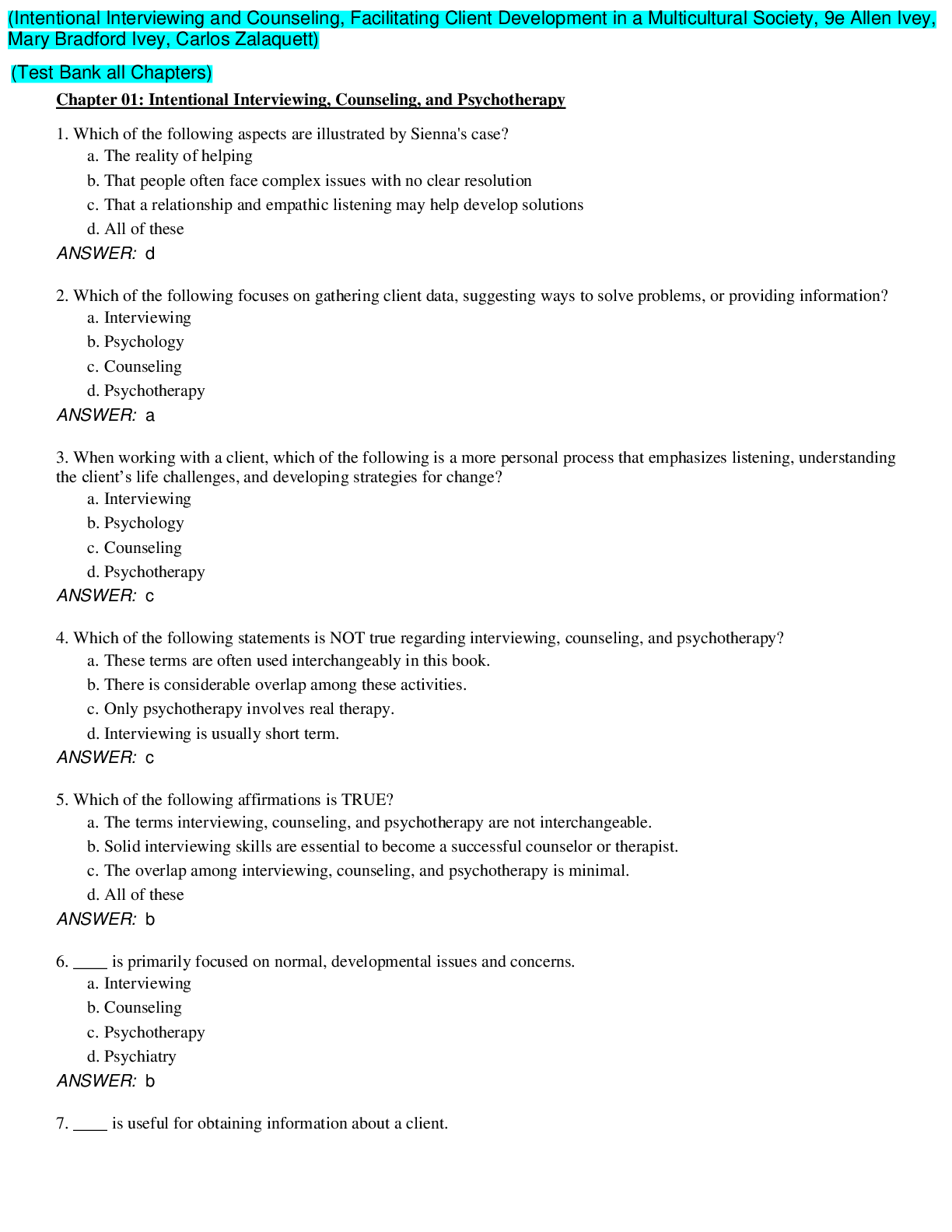
Intentional Interviewing and Counseling, Facilitating Client D...