Physics > GUIDELINES > Experimental Techniques in Modern High-Energy Physics (1st Year)
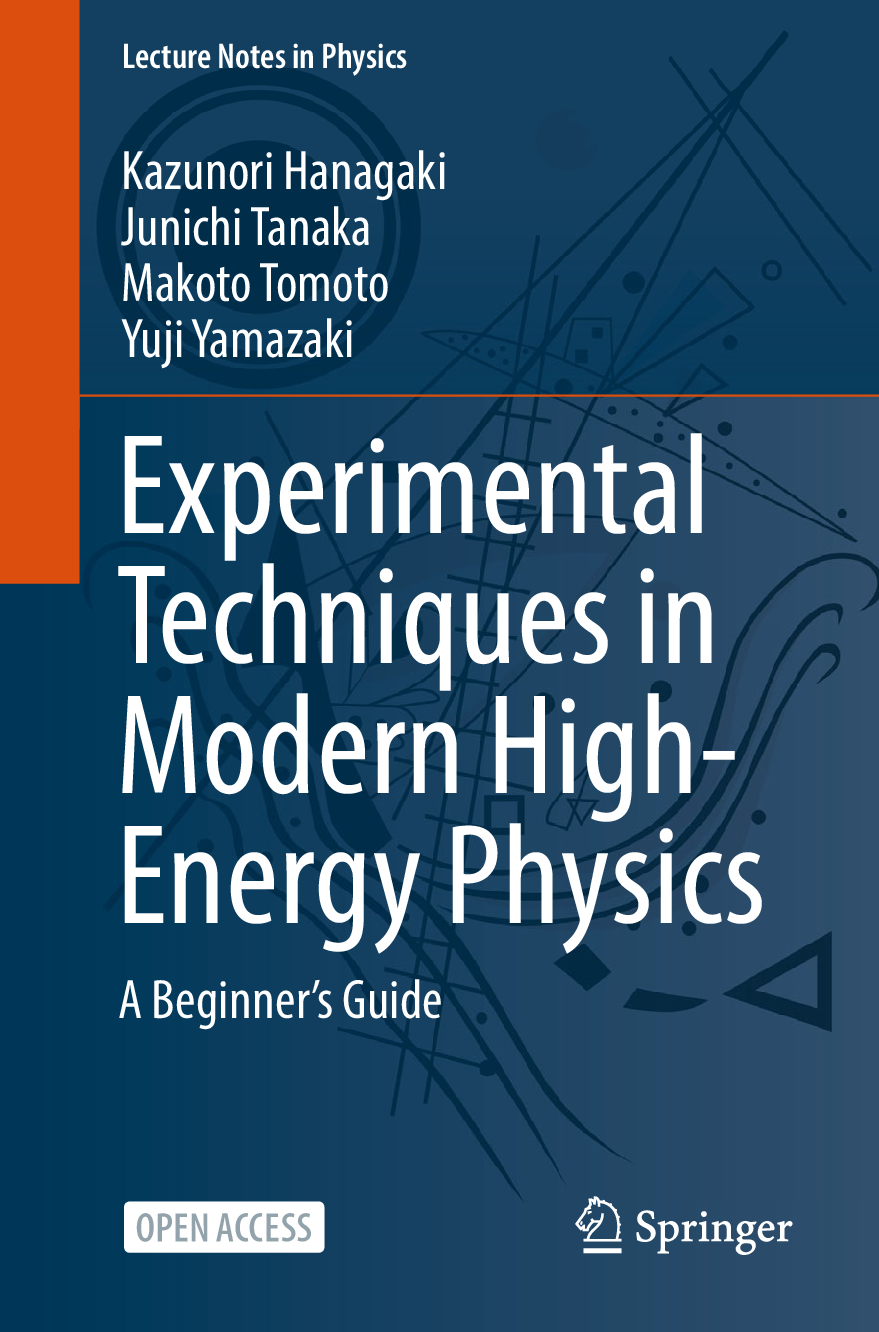
Experimental Techniques in Modern High-Energy Physics
Document Content and Description Below
Last updated: 3 years ago
Preview 1 out of 155 pages
Instant download
Buy this Document to get the Full Access Instantly
Provided by Students Who Aced it
We Verify Document Content to Gurantee Accuracy
Reviews( 0 )
Document information
Connected school, study & course
About the document
Uploaded On
Feb 23, 2023
Number of pages
155
Written in
All

Additional information
This document has been written for:
Uploaded
Feb 23, 2023
Downloads
0
Views
211
Topic Tags
Recommended For You
Get more on GUIDELINES »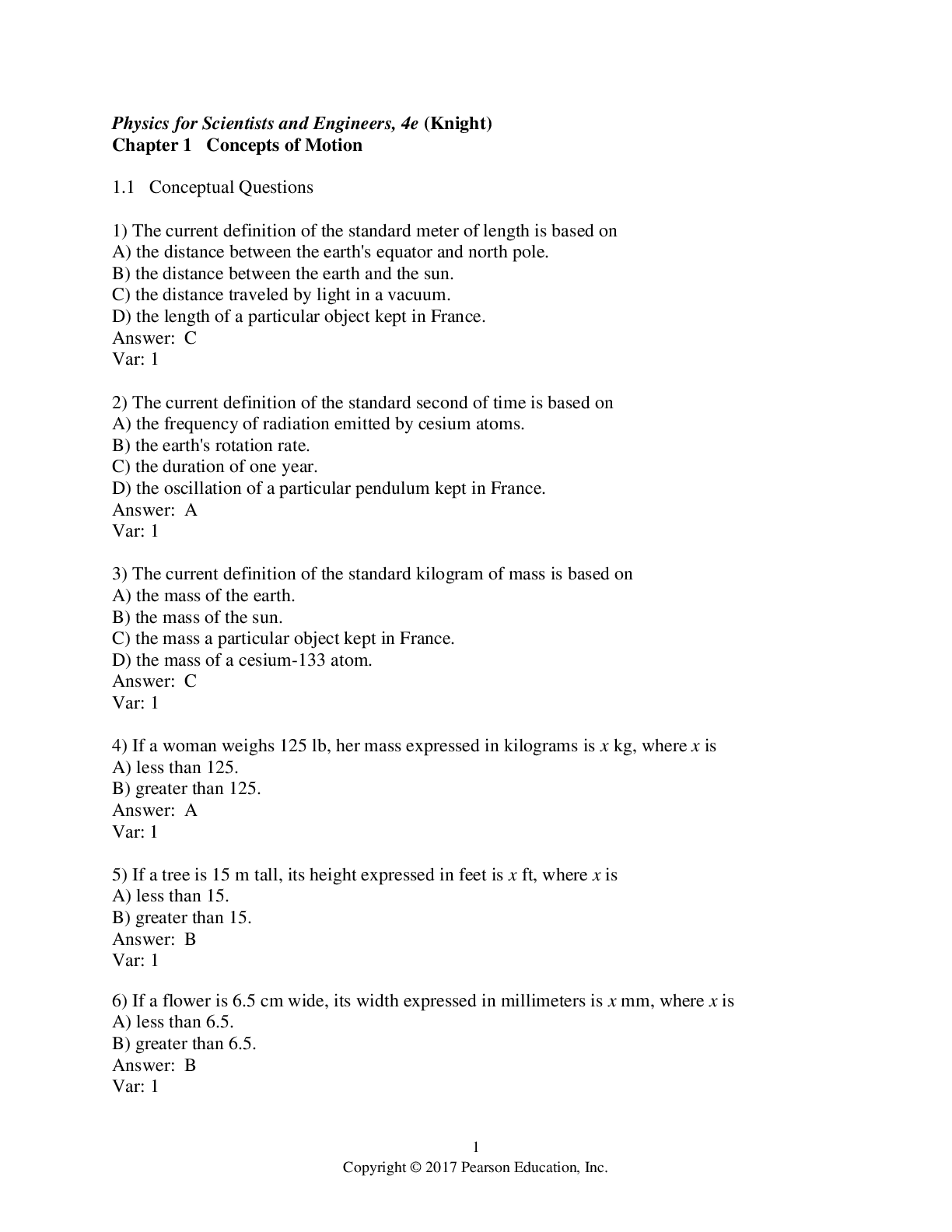
Test Bank for Physics for Scientists and Engineers A Strategic...
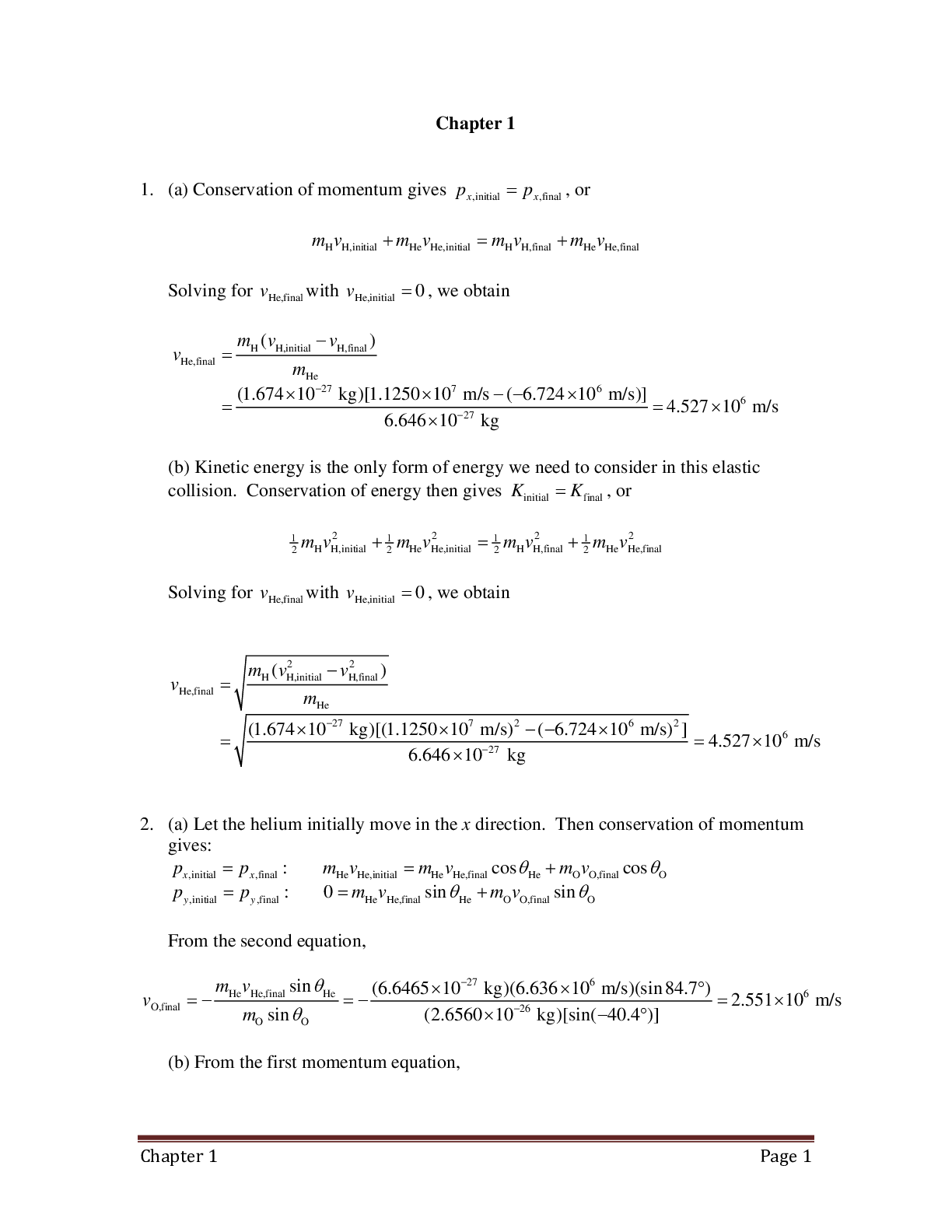

Solutions Manual for Modern Physics with Modern Computational...

Plasma Physics, 2e by Richard Fitzpatrick (Solutions Manual)
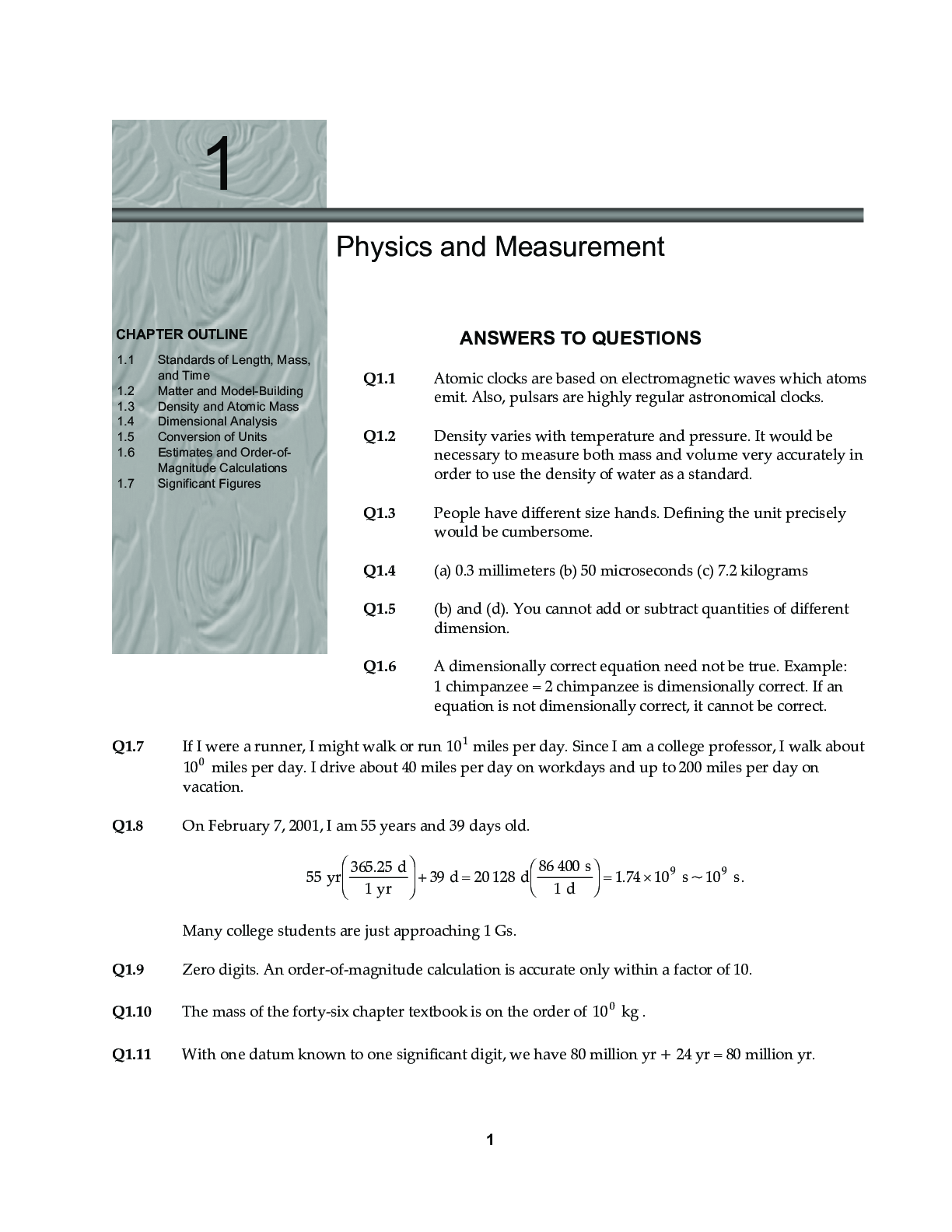
Physics for Scientists and Engineers by Raymond Serway | SOLUT...
SOLUTIONS MANUAL for Physics for Scientists and Engineers by R...
Physics for Scientists and Engineers by Raymond A. Serway | SO...

TEST BANK for Advertising and Promotion, An Integrated Marketi...

TEST BANK for Advertising and Integrated Brand Promotion, 6th...

SC-900 Microsoft Security, Compliance, and Identity Fundamenta...