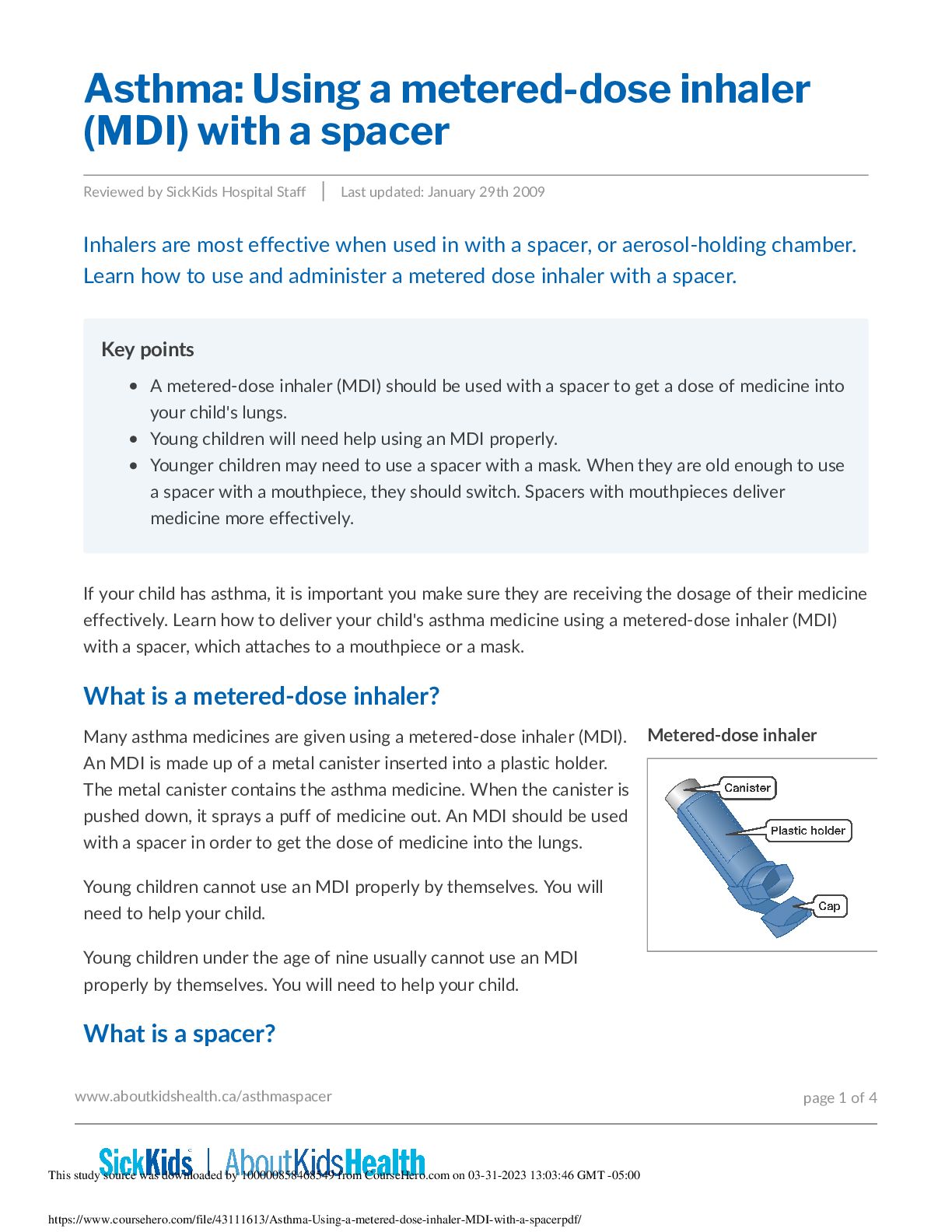
Biology > GUIDELINES > NRSG 210_ 6 Step Asthma Management Plan_Step 1: Know how severe your asthma is, Step 2: Achieve your (All)
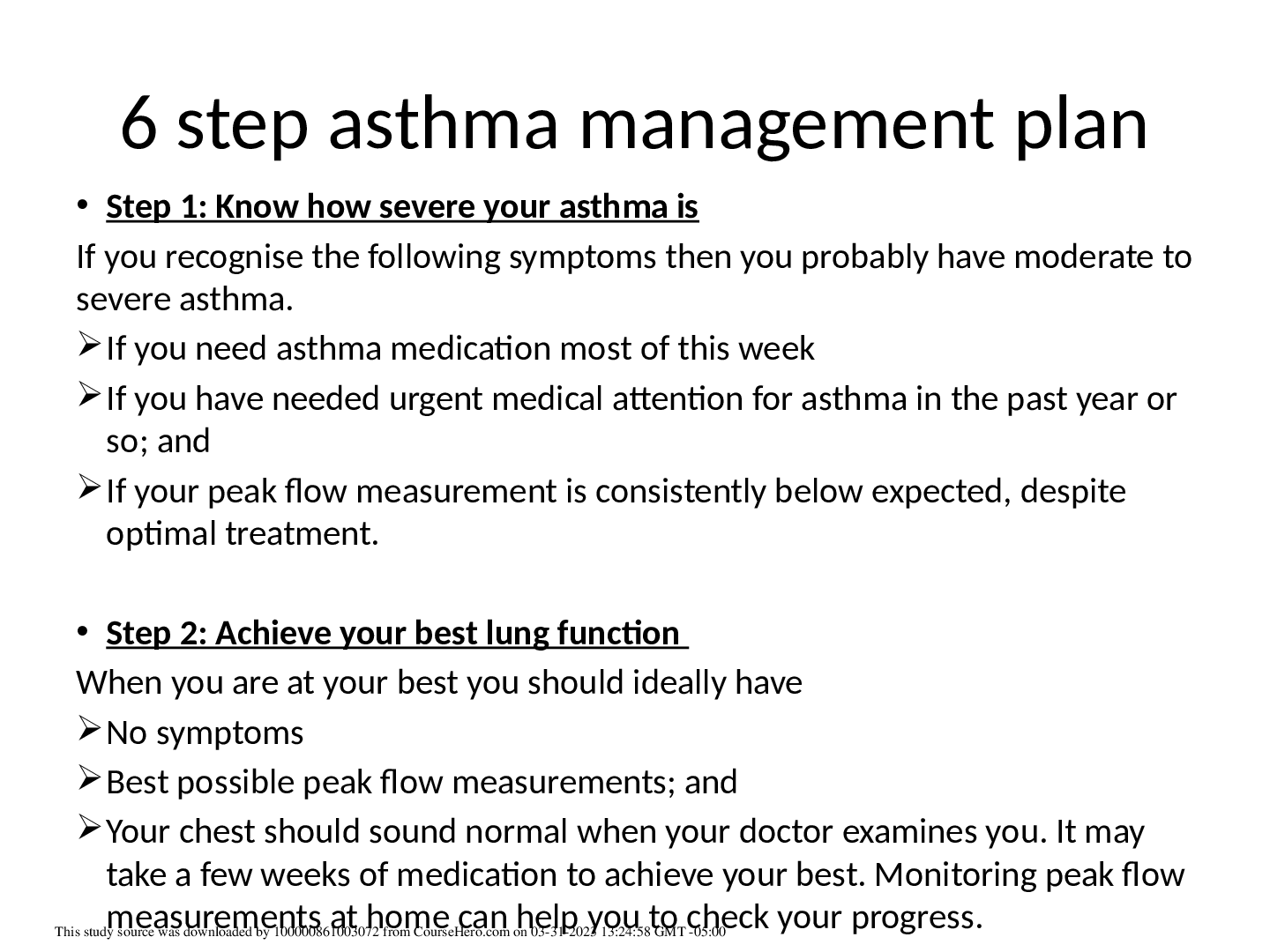
NRSG 210_ 6 Step Asthma Management Plan_Step 1: Know how severe your asthma is, Step 2: Achieve your best lung function, Step 3: Avoid trigger factors, Step 4: Stay at your best, Step 5: Know your asthma action plan and Step 6: Check your asthma regularly
Document Content and Description Below
Last updated: 3 years ago
Preview 1 out of 7 pages
Instant download
Buy this Document to get the Full Access Instantly
Provided by Students Who Aced it
We Verify Document Content to Gurantee Accuracy
Reviews( 0 )
Document information
Connected school, study & course
About the document
Uploaded On
Apr 08, 2023
Number of pages
7
Written in
All

Additional information
This document has been written for:
Uploaded
Apr 08, 2023
Downloads
0
Views
166
Topic Tags
Recommended For You
Get more on GUIDELINES »

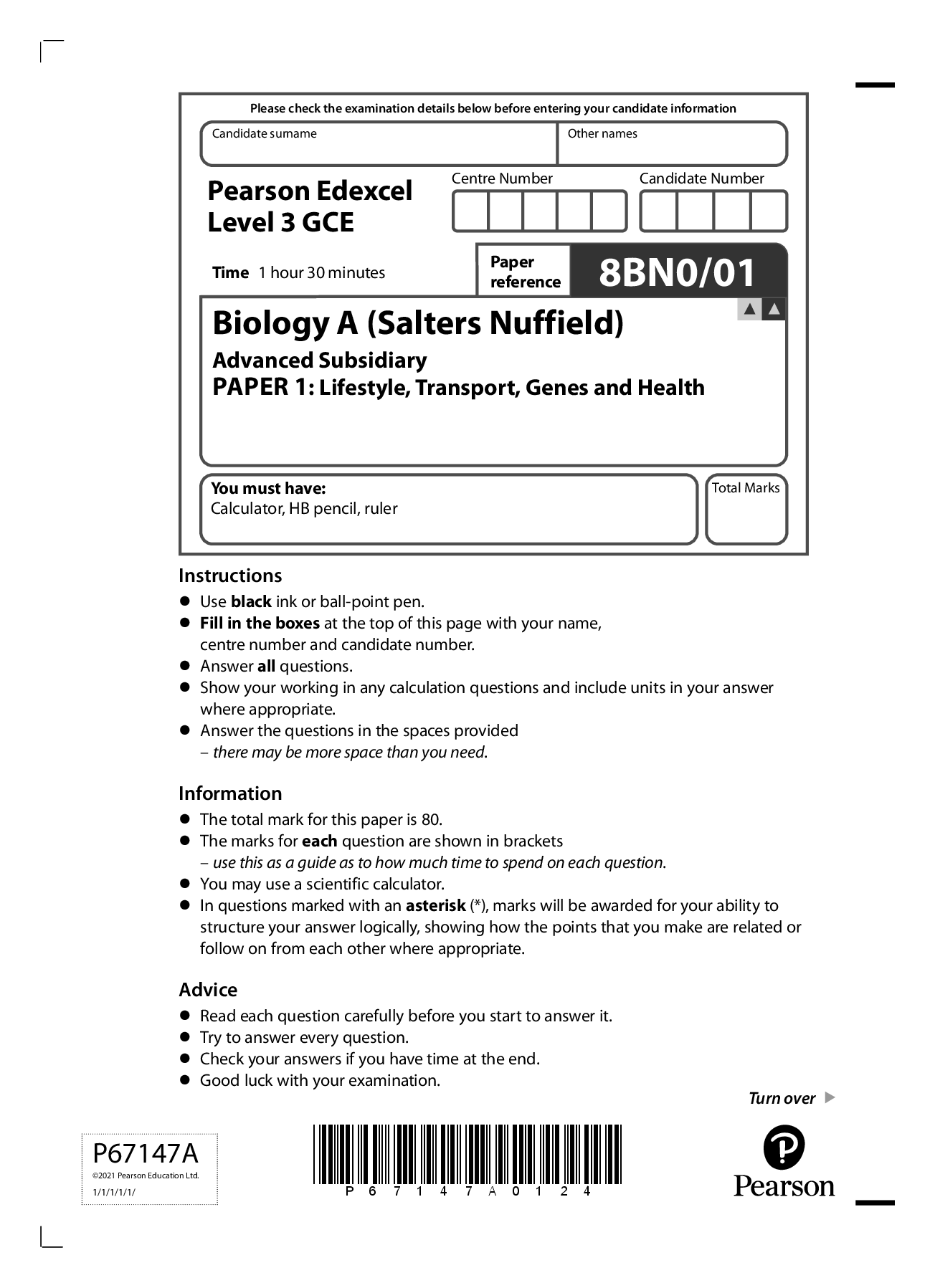
Biology Spec A (8BN0) Paper 01 Lifestyle, Transport, Genes and...
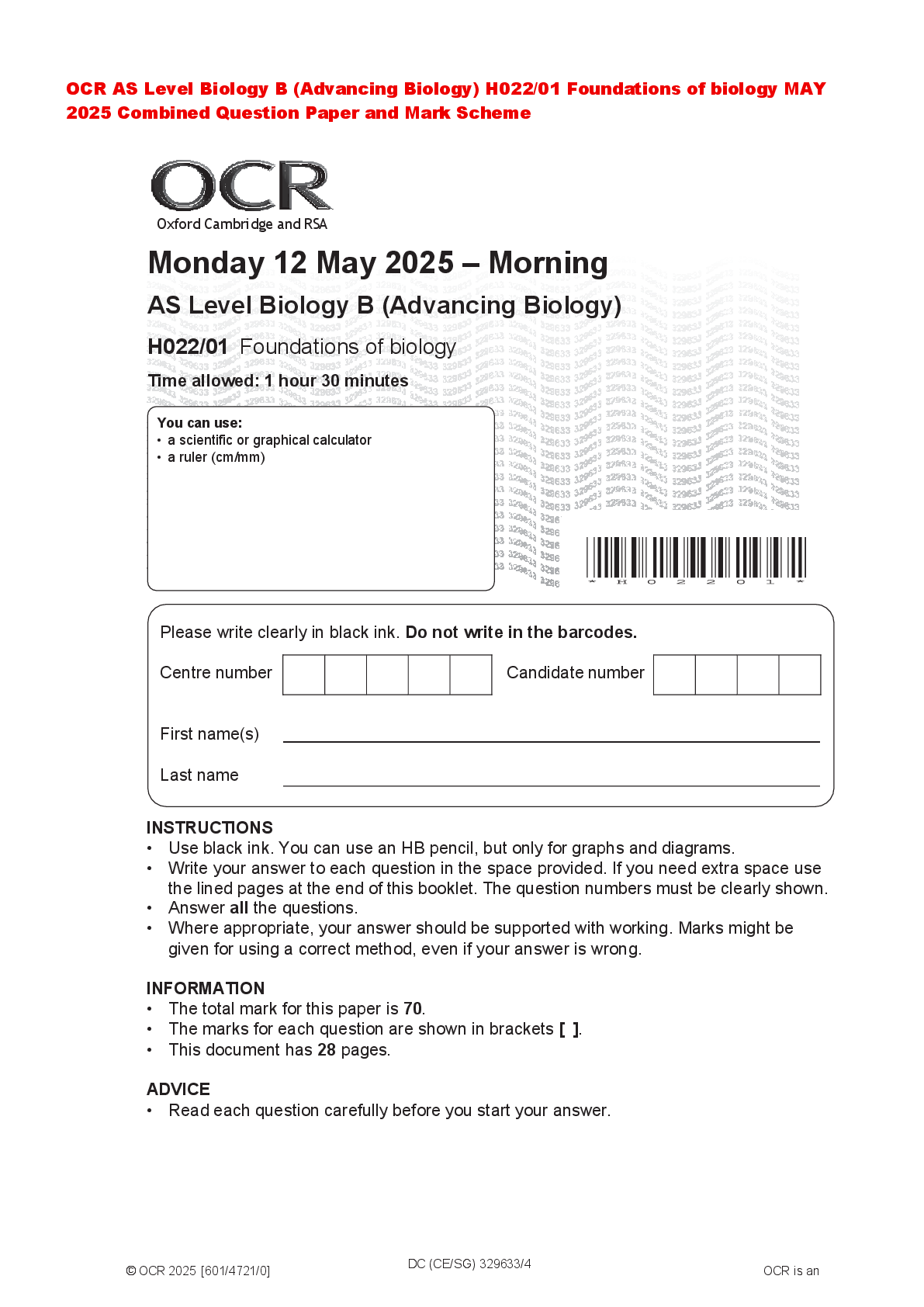

OCR GCE Biology A H020/01: Breadth in biology Advanced Subsidi...

OCR GCE Biology B H422/03: Practical skills in biology Advance...

TEST BANK for Advertising and Promotion, An Integrated Marketi...
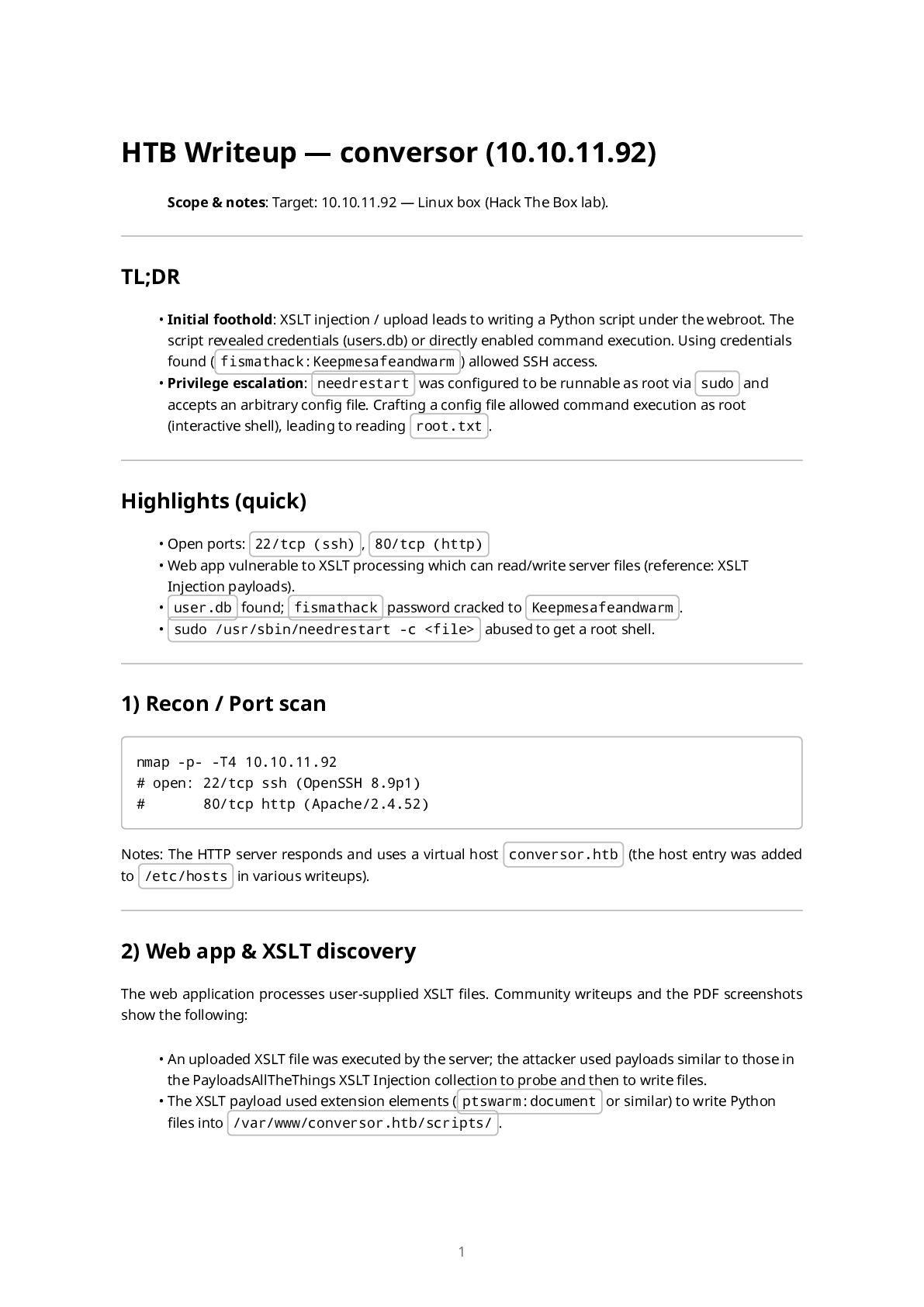
Hack The Box lab: HTB Writeup Conversor (10.10.11.92) Scope &...