Programming > QUESTIONS & ANSWERS > DATA 603 – Big Data Platforms Homework #9 – Spark SQL _ Explain how SQL is applied to a typical (All)
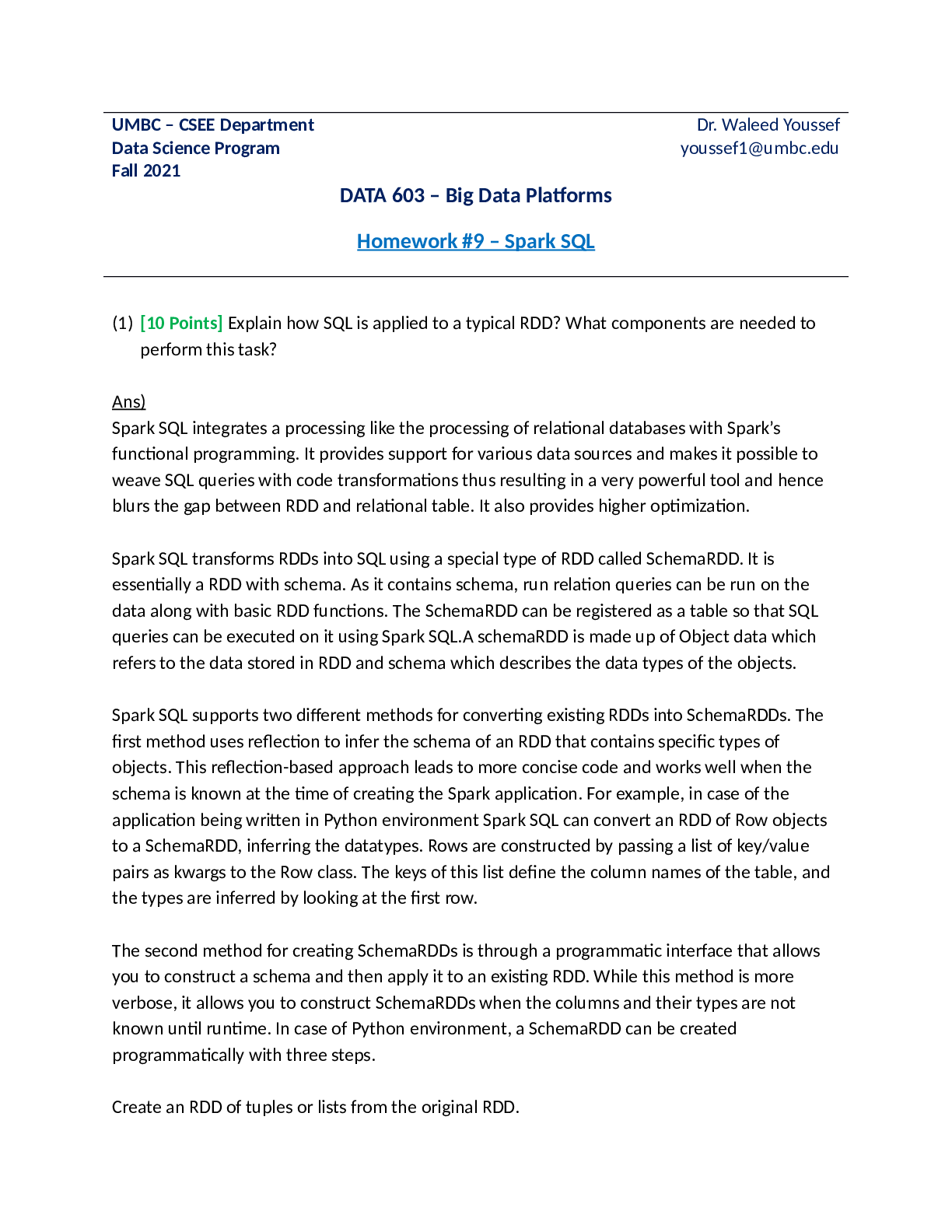
DATA 603 – Big Data Platforms Homework #9 – Spark SQL _ Explain how SQL is applied to a typical RDD? What components are needed to perform this task?
Document Content and Description Below
Last updated: 3 years ago
Preview 1 out of 12 pages
Instant download
Buy this Document to get the Full Access Instantly
Provided by Students Who Aced it
We Verify Document Content to Gurantee Accuracy
Reviews( 0 )
Document information
Connected school, study & course
About the document
Uploaded On
Apr 25, 2023
Number of pages
12
Written in
All

Additional information
This document has been written for:
Uploaded
Apr 25, 2023
Downloads
0
Views
171
Topic Tags
Recommended For You
Get more on QUESTIONS & ANSWERS »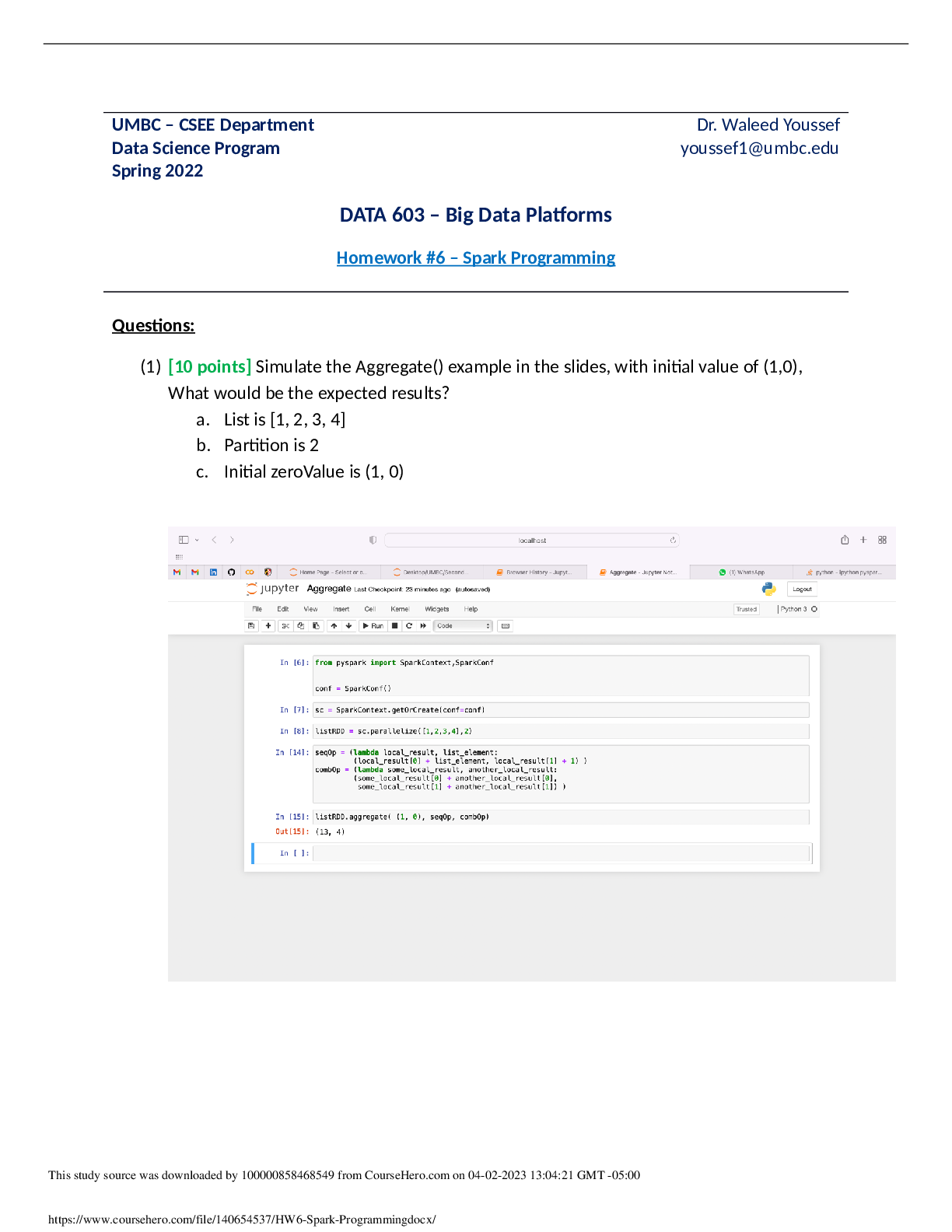
UMBC – CSEE Department Data Science Program Spring 2022 DA...
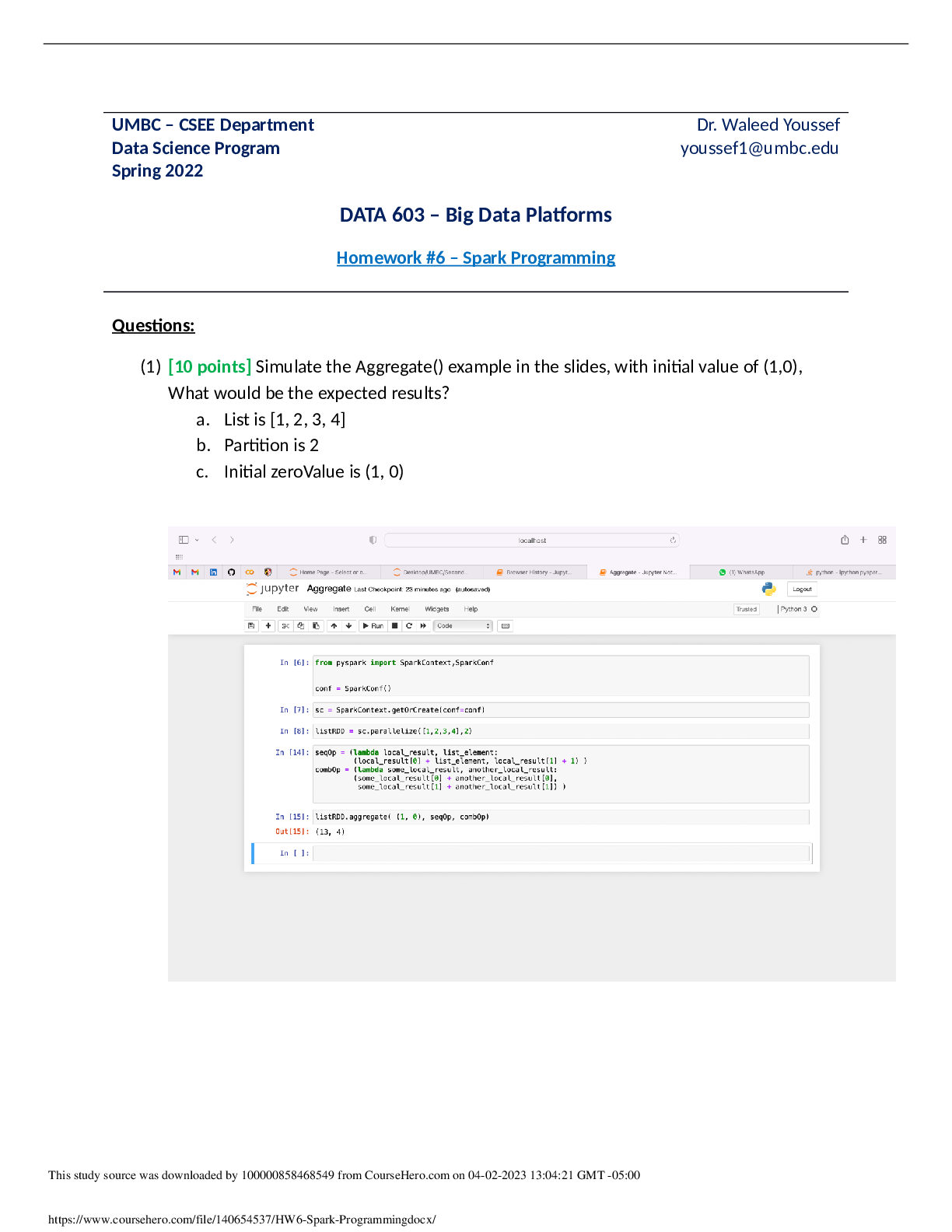
UMBC – CSEE Department Data Science Program Spring 2022 DAT...

Ryerson University ITM ITM 200 You may need to refer to tab...
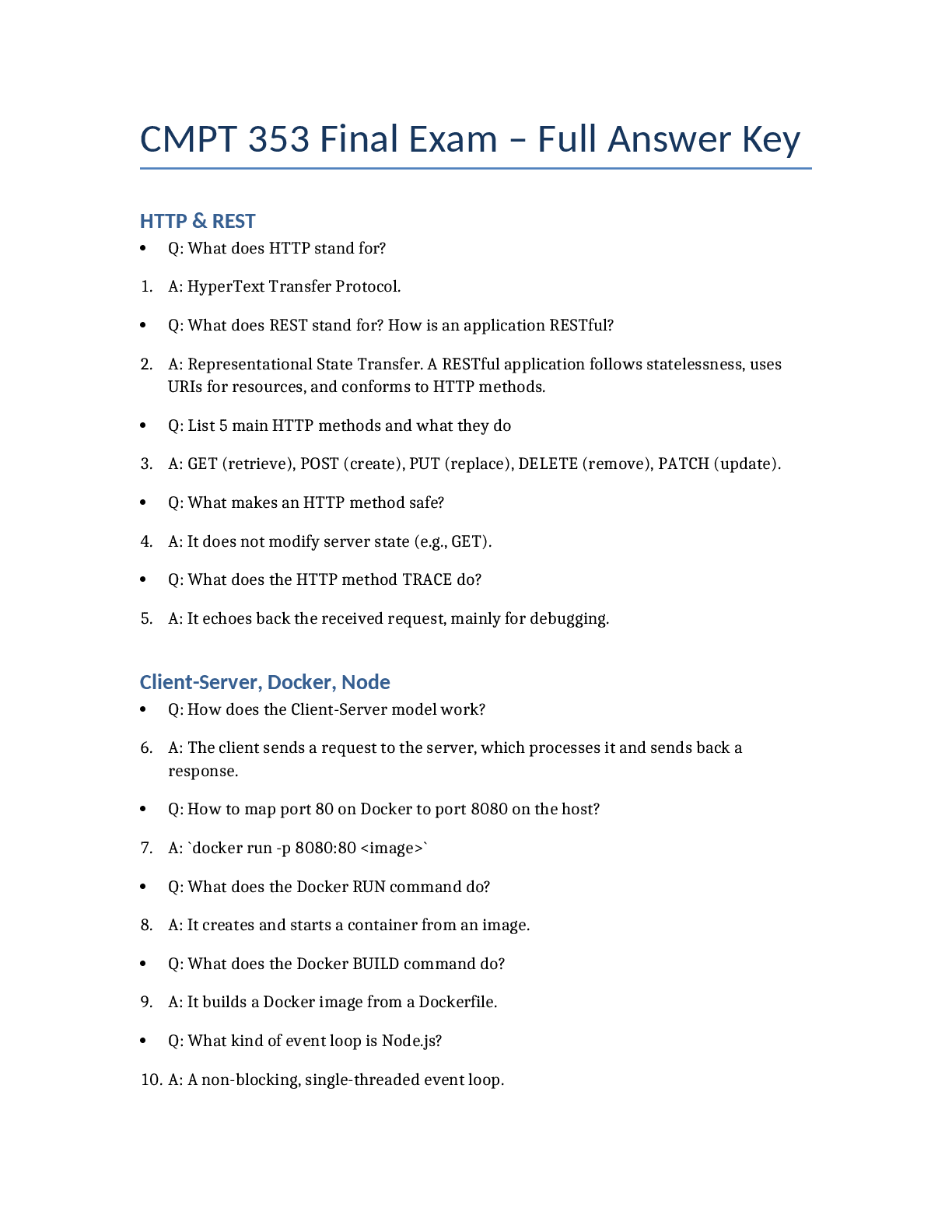

University of California, San DiegoDSE 230Final Exam Quiz - So...
Solutions Manual For Clearly Visual Basic Programming with Mic...
Solutions Manual For Clearly Visual Basic Programming with Mic...
Test Bank For Clearly Visual Basic Programming with Microsoft...
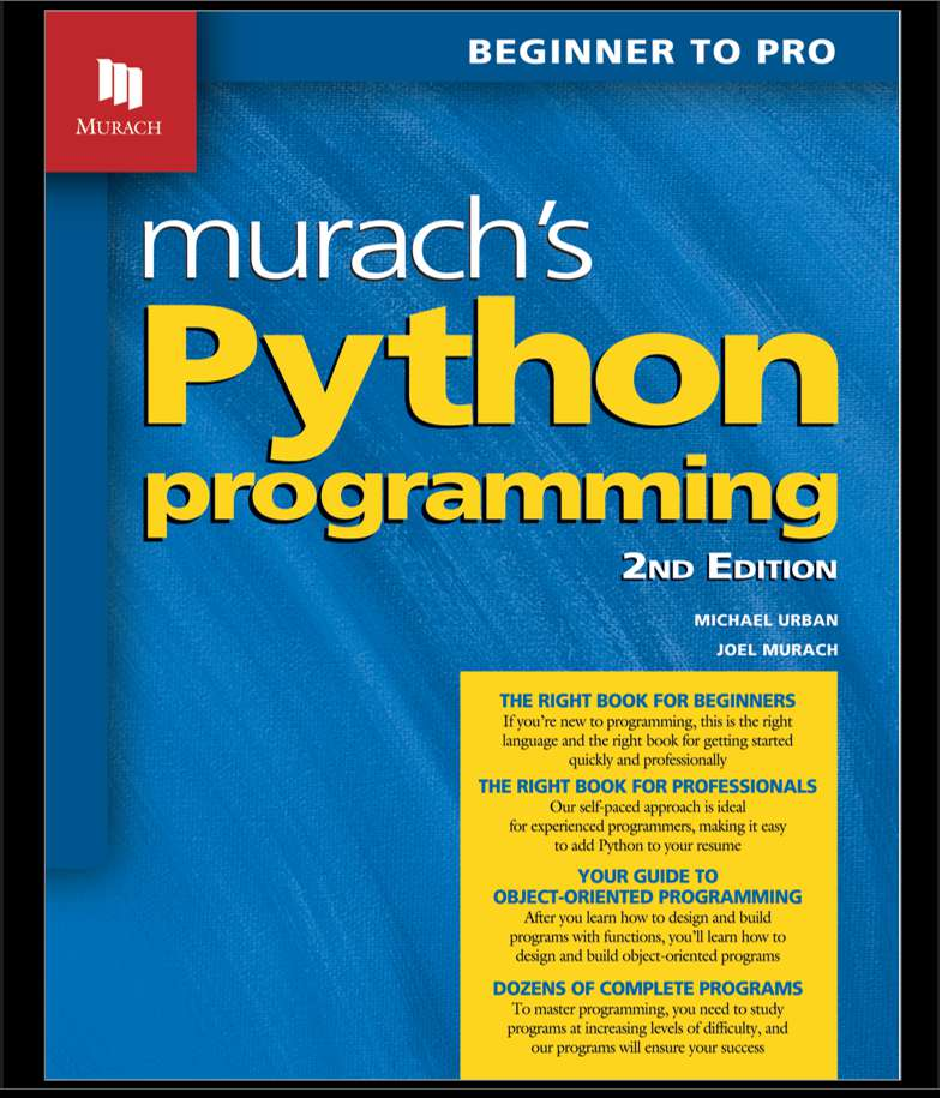


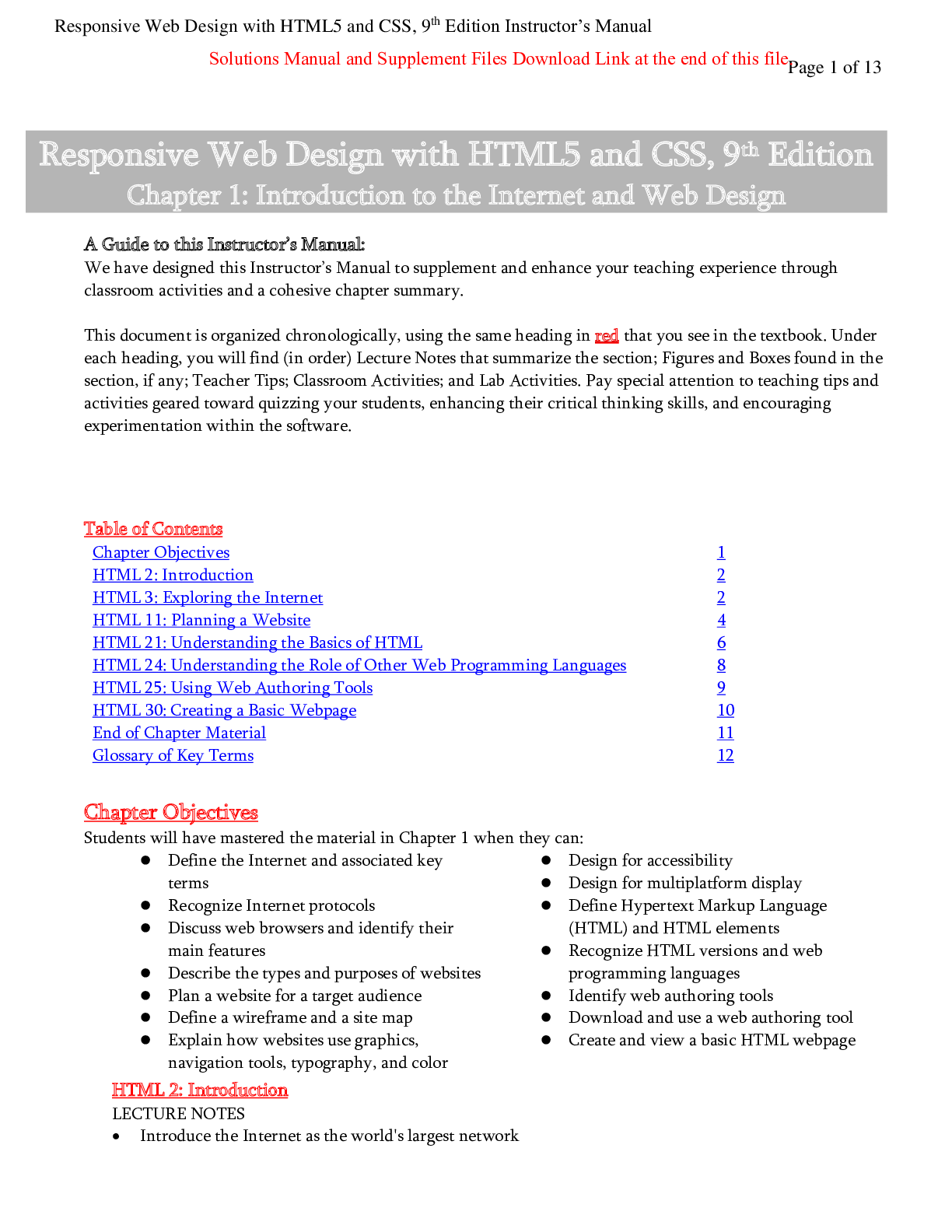
Responsive Web Design with HTML 5 & CSS 9th Edition By Jessica...

eBook Advancing Your Career Concepts of Professional Nursing,...

MKTG12: Principles of Marketing 12th Edition by Charles Lamb,...
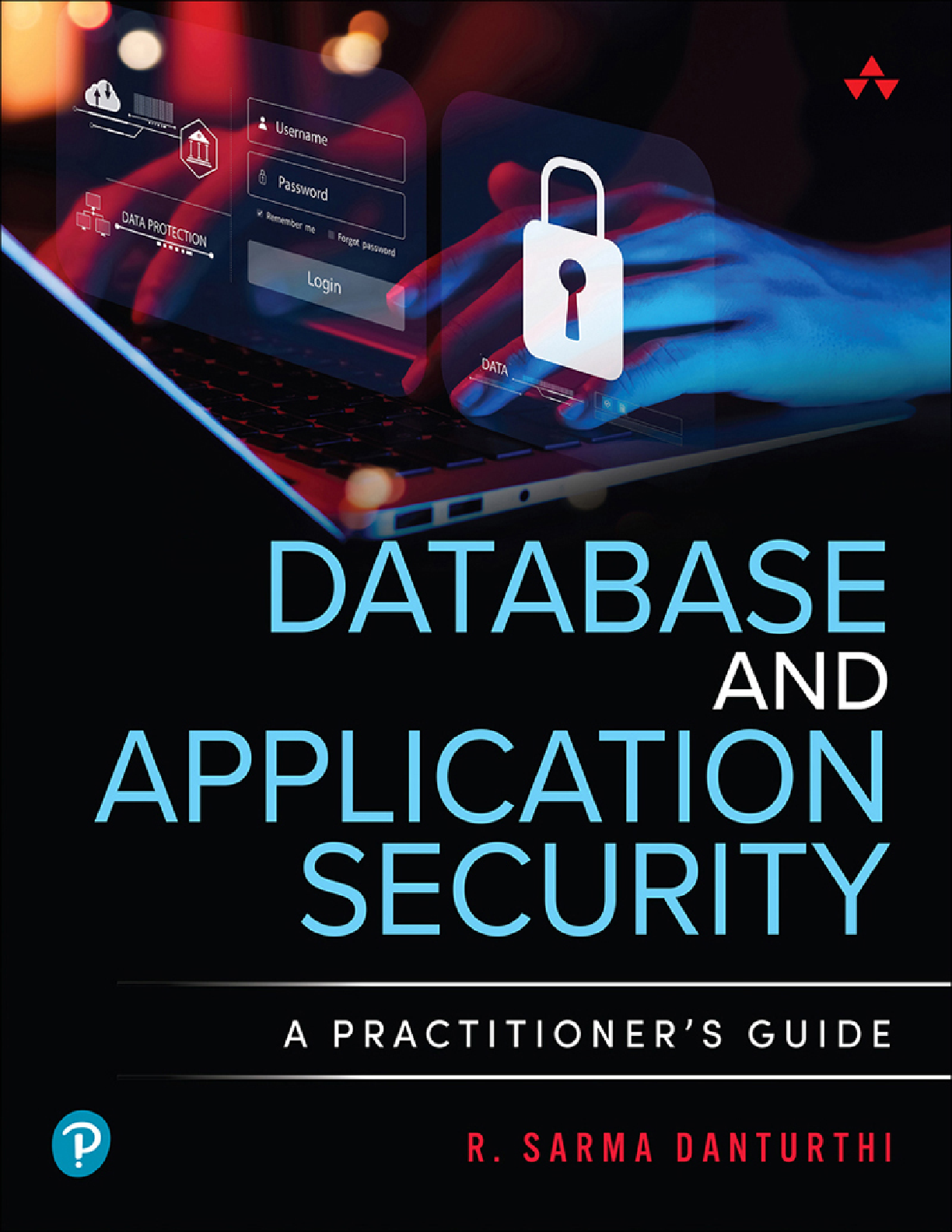

Python Polars The Definitive Guide By Jeroen Janssens, Thijs...

.png)